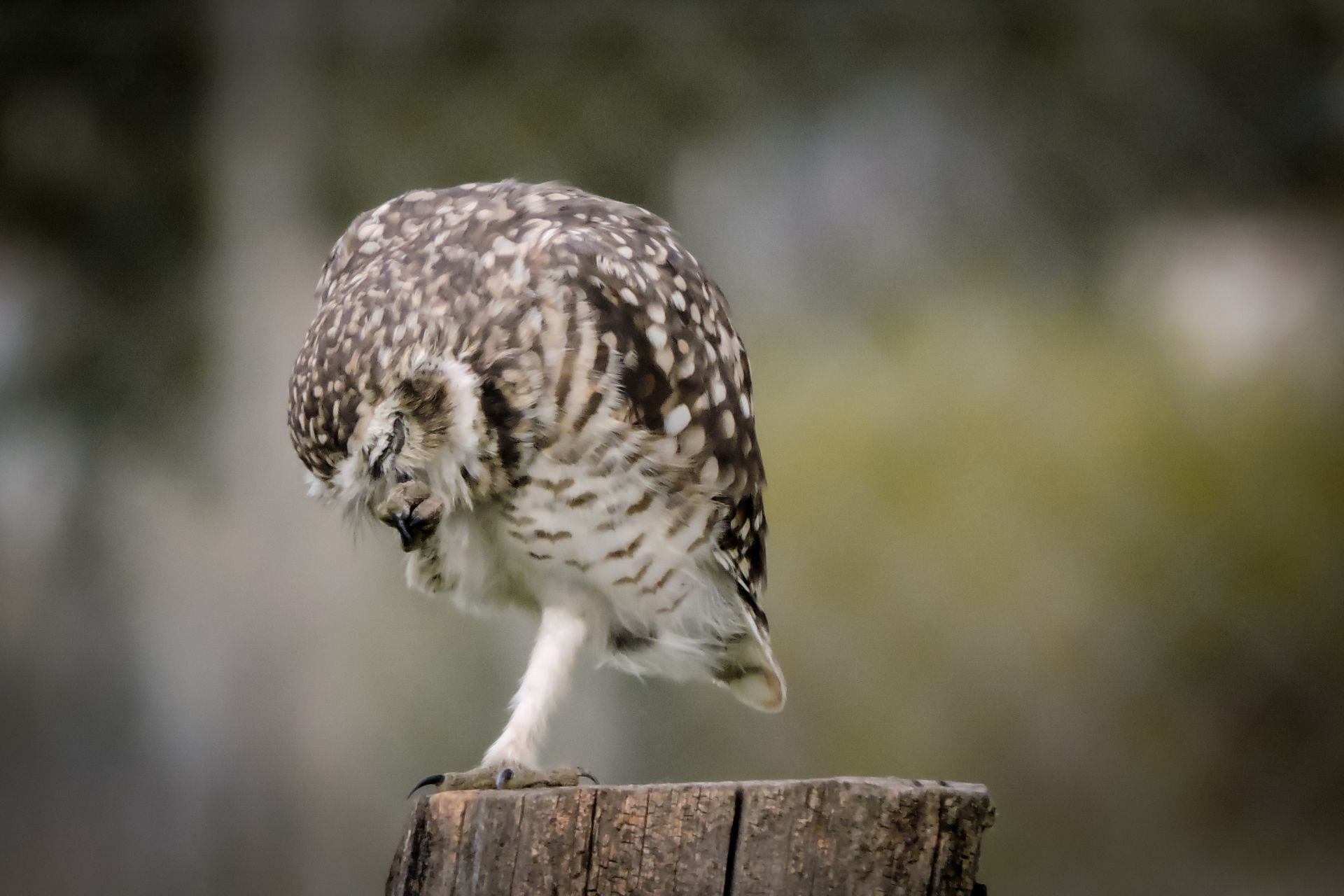
Burrowing owls are a unique and fascinating species, and in Florida, they have some special protection. In fact, the burrowing owl is a protected species in Florida, listed as a Species of Special Concern by the Florida Fish and Wildlife Conservation Commission.
The main reason burrowing owls are protected in Florida is due to the loss of their natural habitats. These birds rely on burrows, typically created by other animals like ground squirrels or prairie dogs, to nest and raise their young. Unfortunately, many of these burrows have been destroyed or degraded, leaving the owls without a safe place to live.
The Florida Fish and Wildlife Conservation Commission has taken steps to protect the burrowing owl and its habitats. One key initiative is the protection of the owl's nesting sites, which are often located on private property. Landowners are encouraged to create artificial burrows or provide alternative nesting sites to help support the owls.
Related reading: Wild Life Conservation
Florida Burrowing Owl
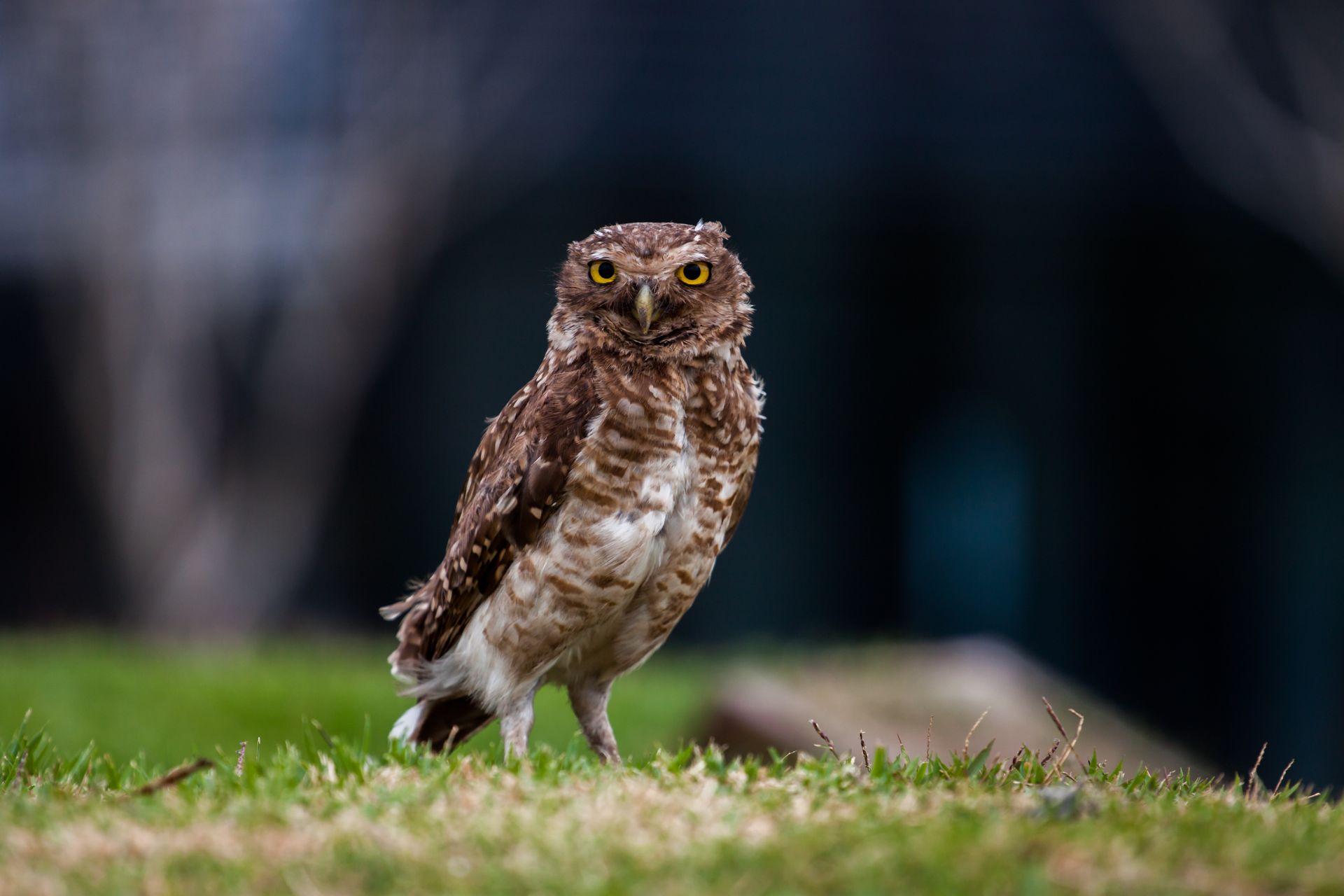
The Florida Burrowing Owl is a unique and fascinating bird species. It's a short, stocky bird that stands between 7.5 and 10 inches tall.
One of the distinctive features of the Florida Burrowing Owl is its long bare legs. They're also known for their smooth rounded head, which doesn't have any ear tufts.
Their eyes are a striking feature - they're big and yellow, and sometimes they can appear green or flecked with black. The owl's upper parts are brown and mottled with white spots.
The owl's breast is spotted, grading to stripes across the belly, and they have a bold white unibrow and white chinstrap. They live in open habitats with sparse vegetation, where they spend most of their time on the ground or on low perches.
They're active during the day, as well as at dusk and dawn. One interesting fact is that they will often roost in trees during the rainy season.
For another approach, see: Burrowing Owl in Florida
Here are some key physical characteristics of the Florida Burrowing Owl:
- 7.5 – 10 inches tall
- Long bare legs
- Smooth rounded head, NO ear tufts
- Big yellow eyes, sometimes green or flecked with black
- Brown birds mottled with white spots on the upper parts
- Spotted breast grading to stripes across the belly
- Bold white unibrow and white chinstrap
Protection and Conservation
The Florida burrowing owl is a threatened species, and it's up to us to help protect it.
The Florida Fish and Wildlife Conservation Commission (FWC) is taking public input on new development guidelines to safeguard the owls' habitats.
They're a really fun and interesting species to watch, but they're becoming increasingly rare, which is why their listing status changed to threatened.
Project Perch, a group that builds artificial burrows for the owls, is working hard to help them survive.
They need a lot of help to survive, and one way to do that is to incentivize mitigation for landowners, which means offering them rewards for preserving the owls' habitats.
Stricter requirements for building around owl nests and more face-to-face meetings between owl protectors and potential developers are also being recommended.
If you want to help, you can email [email protected] with your input on permitting guidelines for owl habitats.
Worth a look: Do Owls Attack Small Dogs
Burrowing Owl Viewing Etiquette
Cape Coral is home to the largest population of Florida burrowing owls, and it's wonderful to view these birds up close. However, we need to resist the temptation of loving them to death.
Nesting season for burrowing owls runs from February 15th through July 10th. During this time, it's especially important to give them space.
Your mere presence can adversely affect the well-being of burrowing owls, even if they appear content or tolerant of your presence. If you're too close, they may be afraid to leave the nest area to hunt for food for their young.
A good rule of thumb is to maintain a minimum distance of 33 feet when viewing burrowing owls. This will help ensure that you're not disrupting their normal behavior.
If the owls start bobbing their heads, it's a sign that you're already too close. They're not saying hello, they're getting nervous and want you to back away.
Broaden your view: Dermophis Mexicanus
Please be considerate of residents' property rights and right to privacy when viewing burrowing owls in Cape Coral. Don't park in residents' yards or driveways or block traffic flow in City streets.
Informational brochures about burrowing owl viewing etiquette are available at City Hall, the Cape Coral Historical Museum, local veterinary offices, and the Cape Coral Library.
FWC Seeks Public Input for Florida Protection
The Florida Fish and Wildlife Conservation Commission (FWC) is seeking public input to protect the Florida burrowing owl, which was recently classified as a threatened species.
As of January, the Florida burrowing owl has officially been designated as a threatened species.
The FWC held a meeting in Lauderhill to gather public input on creating new development guidelines to protect the owls.
Craig Faulhaber, avian conservation coordinator with the FWC, noted that the owls are becoming increasingly rare and are a fun and interesting species to watch.
Previous meetings have been attended by environmental consultants, realtors, school representatives, and others.
Expand your knowledge: Animal Conservation Organizations
Chris Reiss, a member of Project Perch, has been working to build artificial burrows for the owls and hopes to see more durable signs marking protected sites.
If you're concerned about the protection of the Florida burrowing owl, you can email [email protected] to share your input on permitting guidelines for owl habitats.
Florida burrowing owls have been squeezed into smaller and smaller pieces of land, including vacant lots, schools, playing fields, parks, churchyards, and cemeteries.
Project Perch recommends incentivizing mitigation for landowners, stricter requirements for building around owl nests, and more face-to-face meetings between owl protectors and potential developers.
Mitigation Options
As you navigate the world of protection and conservation, it's essential to understand the various mitigation options available for projects that may impact wildlife habitats.
For projects that don't involve changes in foraging habitat, the mitigation options are straightforward. You can either provide onsite starter or artificial burrows, or make a financial contribution alone or with the addition of these burrows.
On a similar theme: Rabbit Burrows
If your project involves changes in foraging habitat but no significant habitat modification, you'll need to consider the impact on burrow clusters. In this case, financial contributions can be made with or without the installation of onsite starter or artificial burrows.
The financial contributions for projects in Category 2 range from $600 to $1,900, depending on the specific mitigation activities chosen.
Here's a breakdown of the financial contributions for Category 2 projects:
Projects that result in significant habitat modification require a more tailored approach, and the mitigation options are evaluated on a case-by-case basis.
Frequently Asked Questions
Can you remove burrowing owls in Florida?
In Florida, removing burrowing owls is only allowed with a permit or other authorization. If you're considering relocating these birds, check with wildlife authorities for specific regulations and guidelines.
How do I report a burrowing owl in Florida?
To report a burrowing owl in Florida, call the Florida Fish and Wildlife Conservation Commission toll-free at 1-888-404-FWCC. This hotline is available to report destruction or harassment of burrowing owls or their nests.
Featured Images: pexels.com