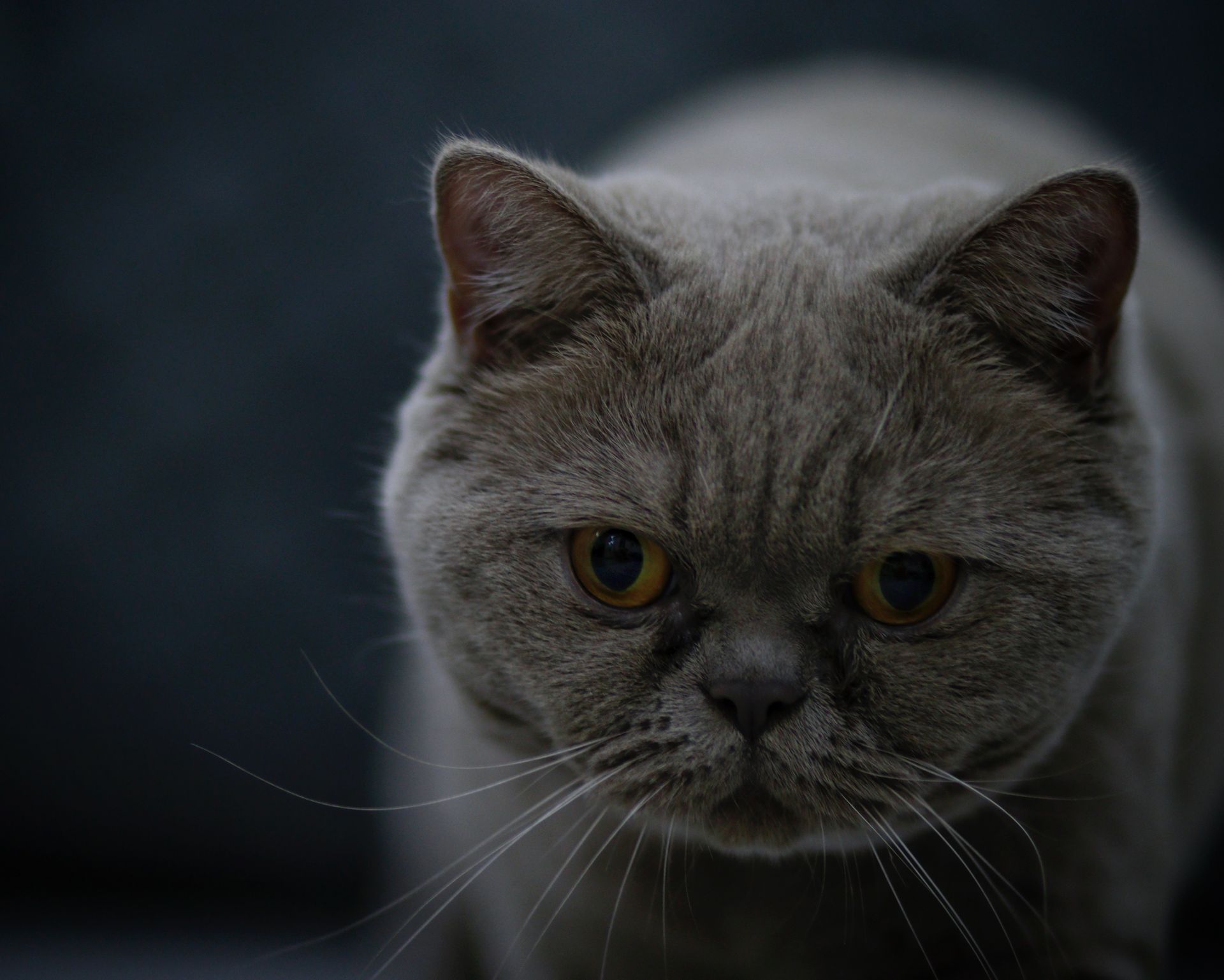
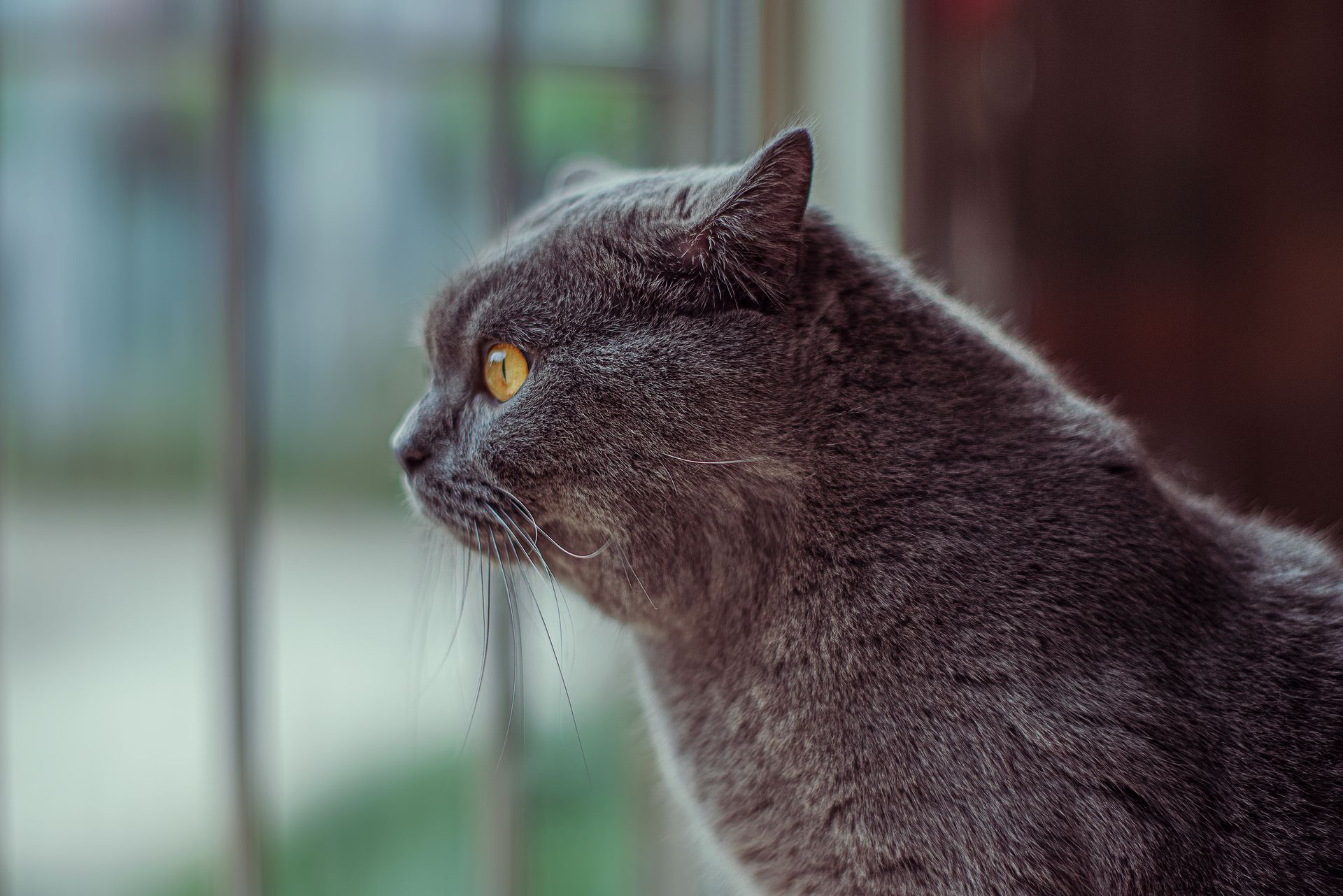
The British Shorthair is a sturdy and affectionate breed that can make a wonderful companion. On average, they live for around 12-17 years.
Their lifespan can vary depending on several factors, including genetics, diet, and lifestyle. With proper care, many British Shorthairs have been known to live well into their late teens.
This breed is generally considered to be a low-maintenance pet, but regular veterinary check-ups are still essential to ensure their health.
A fresh viewpoint: British Shorthair Cat Male
Factors Affecting Lifespan
A British Shorthair's lifespan can be influenced by several key factors. Genetics play a significant role, with some cats naturally living longer than others.
A British Shorthair cat's diet is also crucial, with a high-quality diet providing the necessary nutrients for optimal health. A well-fed cat is more likely to live a longer and healthier life.
Quality of care is another vital factor, with regular trips to the vet helping to prevent and detect health issues early on. This can make a big difference in a cat's lifespan.
See what others are reading: What Is the Cat's Name in Cinderella?
Living conditions also impact a British Shorthair's lifespan, with indoor cats typically living longer than those allowed to roam outdoors. This is because indoor cats are protected from outdoor risks such as traffic accidents, fights with other animals, and infectious diseases.
Here are some of the outdoor risks that indoor cats avoid:
- Traffic accidents
- Fights with other animals
- Infectious diseases like feline leukaemia (FeLV) and feline immunodeficiency virus (FIV)
- Parasites, toxins, and harsh weather conditions
However, indoor cats still require stimulation and exercise to prevent boredom and obesity. Providing interactive toys, scratching posts, and regular playtime can help keep your cat happy and healthy.
Maintaining a Long and Healthy Life
A well-cared-for British Shorthair can live between 12 and 20 years, with some even longer. To maximise your British Shorthair’s life expectancy, follow these essential care tips:
- Provide a high-quality, portion-controlled diet
- Ensure regular exercise and mental stimulation
- Keep them indoors if possible or provide a safe outdoor environment
- Schedule routine vet visits and vaccinations
- Monitor weight and prevent obesity-related diseases
- Create a low-stress, loving home environment
- Spay or neuter your cat to reduce health risks
A British Shorthair cat, often affectionately called a BKH, can reach an average age of 12 to 20 years. Nutrition plays a central role in the health of your BKH, so choose high-quality cat food that is tailored to each life stage.
Regular petting and attention strengthen the emotional bond with your cat, promoting their zest for life. Fresh water should always be available, and give treats in moderation, counting them as part of the daily food ration.
To maintain a long and healthy life, it's essential to adapt activities to your cat's energy and mobility as they age. For older cats, feed them food that is easily digestible and does not put a strain on the kidneys.
Maintaining a safe and stress-free environment is crucial, as stress can negatively affect health. Regular health checks with your vet can detect illnesses early, and dental care can prevent dental problems.
On a similar theme: Free Cat Food Battle Cats
Understanding British Shorthair Lifespan
A British Shorthair's lifespan can vary, but on average, they live between 12 to 20 years.
Genetics play a significant role in determining a British Shorthair's lifespan, with some cats living longer than others due to their genetic predisposition.
Regular veterinary care and a high-quality diet can also contribute to a long and healthy life for your British Shorthair, with some cats living up to 20 years or more.
Here's an interesting read: British Shorthair Cats
The Maine Coon, for example, typically lives between 12 and 15 years, while the Siamese can reach 15 to 20 years, giving you a general idea of the lifespan of other breeds.
While some British Shorthairs may live shorter lives, many can live well into their teens, making them a long-term companion.
Lifespan Comparison with Other Breeds
The British Shorthair has a lifespan of around 12 to 20 years, making it one of the longer-living cat breeds.
Compared to other breeds, the Maine Coon typically lives between 12 and 15 years, which is slightly shorter than the British Shorthair.
Persians usually live for 10 to 17 years, which is on the lower end of the lifespan spectrum for domestic cats.
The Siamese, on the other hand, can reach 15 to 20 years, which is comparable to the British Shorthair's lifespan.
Bengals, another popular breed, typically live for 12 to 16 years, which is close to the British Shorthair's average lifespan.
See what others are reading: British Brown Shorthair Cat
Cat Lifespan
A British Shorthair cat, often affectionately called a BKH, can reach an average age of 12 to 20 years.
Their lifespan can vary depending on genetic predisposition, quality of diet, and amount and quality of care.
In fact, some BKHs have been known to live beyond 20 years.
Proper care and attention can significantly impact a BKH's lifespan.
By providing a nutritious diet and regular veterinary check-ups, you can help your BKH live a long and healthy life.
What Is
A British Shorthair's lifespan can be influenced by genetics, nutrition, veterinary care, and living conditions. Genetics play a significant role in determining their average lifespan.
Proper nutrition is crucial for a British Shorthair's health and longevity. A high-quality, portion-controlled diet can help them live a long and healthy life.
A British Shorthair's average lifespan is between 12 and 20 years, with some even living longer. With the right approach, they can enjoy a long and happy life.
Here are the essential care tips to maximize your British Shorthair's life expectancy:
- Provide a high-quality, portion-controlled diet
- Ensure regular exercise and mental stimulation
- Keep them indoors if possible or provide a safe outdoor environment
- Schedule routine vet visits and vaccinations
- Monitor weight and prevent obesity-related diseases
- Create a low-stress, loving home environment
- Spay or neuter your cat to reduce health risks
Health Considerations
The British Shorthair is generally a healthy breed, but like all cats, they can be prone to certain health issues. One of the most common health problems in British Shorthairs is obesity, which can lead to diabetes, arthritis, and heart disease.
Early diagnosis and treatment are crucial in managing health problems in British Shorthairs. Regular vet check-ups can help detect issues like hypertrophic cardiomyopathy, a heart condition that affects the heart muscle, and polycystic kidney disease, a genetic disorder that causes fluid-filled cysts to develop in the kidneys.
Chronic kidney disease and hyperthyroidism are two of the most common diseases that can affect older British Shorthairs. These conditions can affect overall well-being and require early diagnosis and treatment.
A cat is deemed to be a senior animal when she reaches the ripe old age of seven, and British Shorthairs can live up to 14 years or more with proper care. Responsible management of the cat's health, including regular vaccinations and veterinary visits, is crucial to maximizing life expectancy.
Regular veterinary care is one of the most effective ways to enhance a British Shorthair's longevity. Routine check-ups allow early detection of health issues, ensuring timely intervention and better lifespan management.
Here are some common health issues that can affect British Shorthairs:
- Hypertrophic cardiomyopathy (HCM): a common heart condition that affects the heart muscle
- Polycystic kidney disease (PKD): a genetic disorder that causes fluid-filled cysts to develop in the kidneys
- Obesity-related conditions: British Shorthairs have a stocky build, making them prone to weight gain
- Chronic kidney disease and hyperthyroidism: common diseases that can affect older cats
- Gum disease and gingivitis: more common in British Shorthairs than most cat breeds
By prioritizing preventative healthcare, including vaccinations, flea and worm treatment, and dental care, you can significantly improve your cat's quality of life and life expectancy.
Nutrition and Care
A British Shorthair's lifespan can be significantly impacted by their diet and care. A balanced diet is essential for their overall health, and high-quality food with real meat as the primary ingredient is a must.
British Shorthairs are prone to obesity, so portion control and a structured feeding routine are crucial. Feeding them low-carbohydrate food can help prevent obesity.
Essential fatty acids, such as Omega-3 and Omega-6, are vital for their coat, brain, and joint health. Fresh, clean water should always be available to prevent kidney and urinary tract issues.
For more insights, see: Free Cat Food
Regular grooming not only keeps their coat shiny and healthy but also allows for early detection of skin problems. Here are some key points to consider when it comes to nutrition and care:
- Choose food that is appropriate for their life stage.
- Fresh water should always be available.
- Make sure they don't become overweight, as this can lead to health problems.
By following these simple guidelines, you can help your British Shorthair live a long and healthy life.
Cat Age Stages
The British Shorthair cat lifespan is a remarkable thing, and understanding their age stages can help you care for them better.
Kittens are born after a gestation period of around 63 to 65 days, and they develop quickly, with their eyes opening at around 7 to 10 days old.
At 6 to 8 weeks old, kittens are weaned and start to eat solid food, marking the beginning of the juvenile stage.
During the juvenile stage, kittens learn important social skills and develop their physical abilities, laying the foundation for adulthood.
One to Seven Years: The Mature
Between the ages of one and seven, your British Shorthair is in her prime. No longer an awkward adolescent but not yet a senior kitty, she’s perfectly placed to work on the good groundwork established during her first years of life and further develop those good habits.
A fully grown BKH tomcat usually weighs between 6 and 8 kilograms, while a cat is usually a little lighter and weighs between 4 and 6 kilograms.
To keep your mature BKH active and engaged, provide a stimulation-rich environment that encourages her to move around and enjoy a more active life. Set up cat trees and habitats for her to climb around and explore.
Here are some tips for active play:
- Set up cat trees and habitats for her to climb around and explore.
- Make sure there is at least one good solid scratching post for her to use.
- Take her for walks in her harness, if she takes to it.
- Set aside some time during the day where you play with your kitty: invest in teaser toys, fishing-pole toys and other toys that you can use to get your cat up and moving.
Regular play sessions can help make her life more enjoyable – and it’s good for you, too.
Seven Years and Older: The Senior
As your British Shorthair cat enters its senior years, around seven years and older, you may notice some changes in its behavior and physical appearance.
At this stage, your cat is more prone to chronic kidney disease and hyperthyroidism, two common diseases that can affect older cats.
Regular check-ups and an appropriate diet are crucial to maintaining the health of older cats.
As your cat ages, you may notice its teeth showing signs of wear and tear, and perhaps even tartar.
Older cats tend to have calmer habits, and their large, round eyes may lose their luminosity over the years.
Here are some essential care tips to ensure your senior British Shorthair remains happy and healthy:
- Monitor weight and prevent obesity-related diseases
- Schedule routine vet visits and vaccinations
- Provide a high-quality, portion-controlled diet
- Keep them indoors if possible or provide a safe outdoor environment
- Spay or neuter your cat to reduce health risks
- Create a low-stress, loving home environment
By following these tips, you can help your senior British Shorthair enjoy a long and happy life, with some even living beyond 20 years.
Record and Quality of Life
A well-cared-for British Shorthair can live between 12 and 20 years, with some even longer.
To maximize your cat's life expectancy, focus on providing a high-quality, portion-controlled diet and regular exercise and mental stimulation. This will help prevent obesity-related diseases and keep your cat happy and healthy.
Regular veterinary visits and vaccinations are also crucial to maintaining your cat's health. By scheduling routine vet visits and staying on top of vaccinations, you can reduce the risk of diseases and ensure your cat lives a long and healthy life.
Here's a summary of key factors that contribute to a long and happy life for your British Shorthair:
- High-quality, portion-controlled diet
- Regular exercise and mental stimulation
- Regular veterinary visits and vaccinations
- Spaying or neutering to reduce health risks
- Creating a low-stress, loving home environment
Record Holder
Some British Shorthair cats have lived well beyond the average age, with some even surpassing the 20-year mark. This is a testament to the importance of genetic predisposition and good care.
A balanced diet that provides all the necessary nutrients is crucial for a long and healthy life. Regular health checks to detect and treat diseases early are also vital.
A safe and loving living space that minimizes stress and promotes well-being is essential for a British Shorthair cat's overall health.
Genetic predisposition plays a significant role in determining a cat's lifespan, as does the quality of nutrition and the extent and quality of care.
Factors that contribute to a long and healthy life for a British Shorthair cat include:
- A balanced diet that provides all the necessary nutrients
- Regular health checks to detect and treat diseases early
- A safe and loving living space that minimizes stress and promotes well-being
In addition to these factors, regular vaccinations and deworming, dental check-ups and care, and weight management to prevent obesity are also essential for maintaining a cat's overall health and longevity.
Quality of Life at Any Age
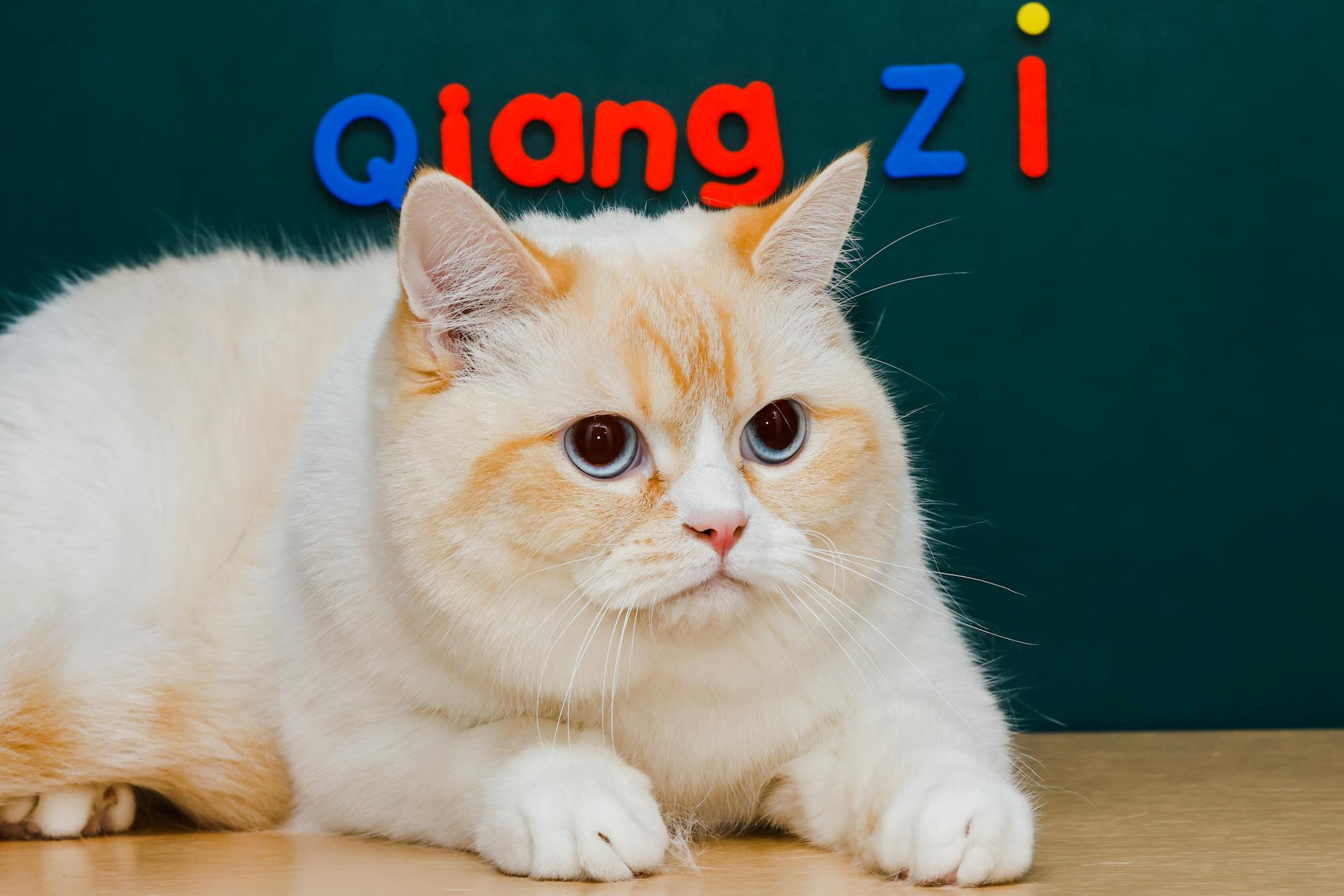
As we strive to create a record of quality life for our beloved British Shorthairs, it's essential to understand their needs at any age. A well-cared-for British Shorthair can live between 12 and 20 years, with some even longer.
For younger cats, a lot of play and exercise is crucial to keep them physically and mentally fit. Regular play sessions should be adapted to the cat's energy and mobility as they get older, for example through gentler types of play or shorter play sessions.
Nutrition plays a central role in the health of your British Shorthair. Choose high-quality cat food that is tailored to each life stage, and make sure fresh water is always available. Treats should be given in moderation and counted as part of the daily food ration.
For older cats, feeding them food that is easily digestible and does not put a strain on the kidneys is vital. Regular petting and attention strengthen the emotional bond and promote the cat's zest for life.

Here are some key tips to improve the quality of life of your British Shorthair at any age:
- Provide regular play and exercise, adapting to the cat's energy and mobility as they get older.
- Choose high-quality cat food tailored to each life stage.
- Give treats in moderation and count them as part of the daily food ration.
- Feed older cats easily digestible food that doesn't strain the kidneys.
- Regularly pet and attend to your cat to strengthen the emotional bond.
- Have regular health checks with your vet to detect health problems early.
- Maintain a safe and stress-free environment, as stress can negatively affect health.
British Shorthair Overview
The British Shorthair cat is a compact, medium to large-sized feline that's well-balanced and sturdy.
They are often described as heavy-boned, with round paws and otherwise unexaggerated features. Their round head and adorable chubby cheeks make them a beloved companion.
To get a better sense of their size, British Shorthairs typically weigh between medium to large-sized cats.
Here are some key characteristics of the British Shorthair breed:
Frequently Asked Questions
What is the longest living British Shorthair cat?
The longest recorded lifespan of a British Shorthair cat is approximately 28 years, achieved by a cat named Cola from Kent. This remarkable age may even be the oldest recorded for a British Shorthair cat.
Featured Images: pexels.com