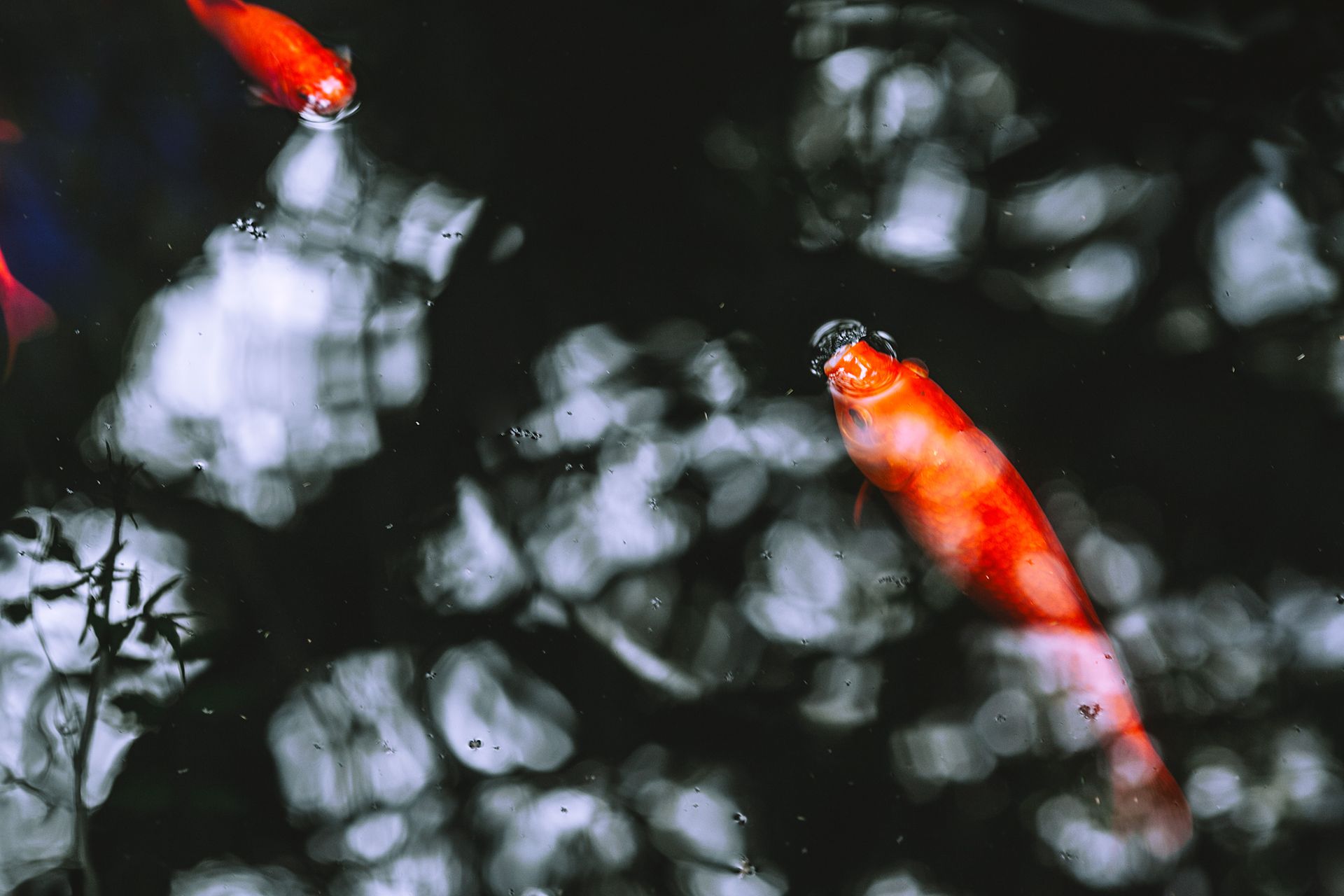
Bloated goldfish in pond can be a real concern for pond owners, and it's essential to understand the causes and prevention methods to ensure the health and well-being of your fish.
One of the primary causes of bloated goldfish is overeating, which can lead to a condition called swim bladder disorder. This occurs when the fish eats too much food, causing its stomach to expand and put pressure on the swim bladder.
A poor diet can also contribute to bloated goldfish, as a diet high in protein and low in fiber can cause the fish to become constipated and lead to digestive issues. This can be particularly problematic if the pond water is not properly filtered.
Regular water changes and a balanced diet can go a long way in preventing bloated goldfish. By keeping the water clean and providing a nutritious diet, you can help maintain your fish's overall health and prevent digestive issues.
A different take: Fish and Wildlife Western Pond Turtle
Causes and Prevention
Preventing bloating in goldfish is crucial, and it starts with good water conditions. Routine maintenance is essential, and cleaning your pond filter regularly is a must. Introduce beneficial bacteria if needed, and optimize water parameters to prevent pathogens and parasites from multiplying.
Feeding your goldfish with the right amounts of high-quality fish feeds is also important. Overfeeding can lead to bloating, so be sure to collect any uneaten feeds. Adjust feeding frequencies and feed types according to your fish's metabolic needs, taking into account seasonal temperatures.
For gravid females, make sure they have a suitable site for spawning and keep a close eye on them prior to, during, and right after the spawning period. Conduct frequent water changes and monitor water parameters after every change. Employ biosecurity measures to keep wild-sourced vectors of pathogens away from the goldfish pond.
Here are some common causes of bloating in goldfish:
- Poor water quality
- Poor nutrition
- Bacterial infection
- Virus infection
- Severe parasite infestation
These causes can lead to a range of health issues, including fluid accumulation in the abdominal cavity, which can be caused by damage or disease of one or more organs involved in the fish's osmoregulatory system. Organ failure, due to old age, is another possible cause.
Symptoms and Diagnosis
If you've noticed that your goldfish has become bloated, it's essential to identify the symptoms and potential causes. A swollen belly is a common sign of dropsy in fish, which can also cause scales to stick out and eyeballs to protrude.
Other symptoms of dropsy include a thickened tail peduncle and an inability to close the mouth. I've seen this in my own pond before, and it's always a concerning sight.
A veterinarian can diagnose dropsy by observing the fish's physical appearance, but a full workup is necessary to determine the underlying cause. This may involve water quality testing, skin mucus and gill biopsies, or even an ultrasound or CT scan to examine internal organs.
Here are some common signs of dropsy in fish:
- Swollen belly
- Thickened tail peduncle (stem)
- Protruding eyeballs
- Inability to close mouth
Symptoms
Dropsy in fish is a serious condition that can be difficult to diagnose, but knowing the symptoms can help you identify if your fish is affected.
The most obvious symptom of fish dropsy is your fish swelling up with their scales sticking out.
Curious to learn more? Check out: Food for Pond Goldfish
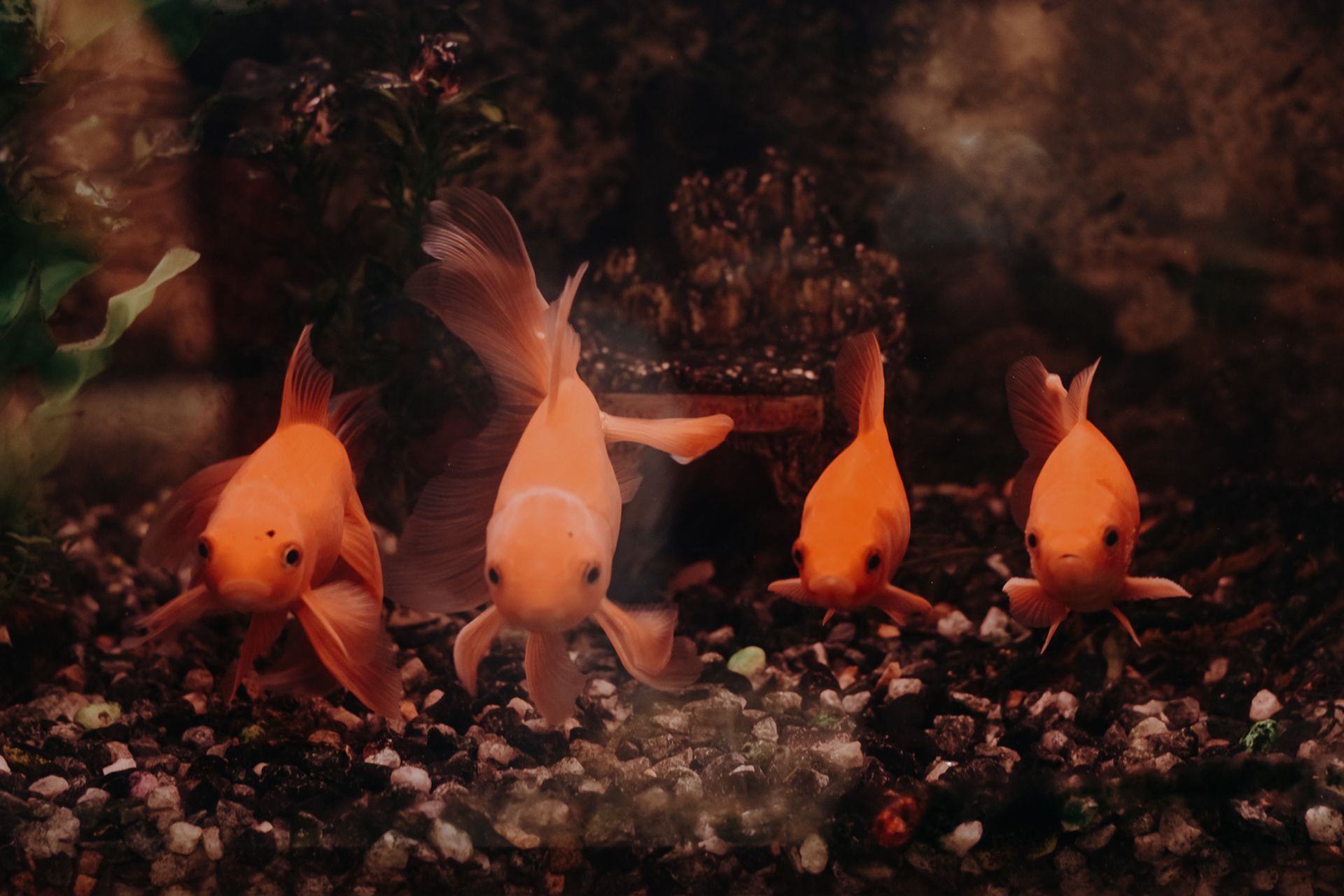
A swollen belly is another common symptom, which can be a sign that your fish is struggling.
The tail peduncle, or stem, can also become thickened, making it a noticeable change in your fish's appearance.
Protruding eyeballs are a clear indication that something is wrong, and it's essential to take action.
Inability to close mouth is a serious symptom that requires immediate attention.
Here are the common symptoms of fish dropsy in a quick reference list:
- Swollen belly
- Thickened tail peduncle (stem)
- Protruding eyeballs
- Inability to close mouth
How Veterinarians Diagnose
Dropsy in fish can be diagnosed by veterinarians just by looking at the fish's physical appearance. However, a full workup is necessary to determine the underlying cause.
Veterinarians will often start by testing the water quality to see if it's contributing to the dropsy. This is a crucial step in the diagnostic process.
Skin mucus and gill biopsies are routine tests used to examine the gill tissue structure and look for any parasites under a microscope. These tests can only provide information about the external environment of the fish.
Curious to learn more? Check out: Treat Dropsy
An ultrasound or CT scan with fluid may be ordered to take a closer look inside the fish. This can help determine if there's a mass or fluid in the organs.
Fluid samples may be removed with a needle if necessary, and a vet may want to send these samples to a diagnostic lab for further analysis. This can provide more detailed information about the underlying cause of the dropsy.
Here are some of the tests a veterinarian may use to diagnose dropsy in fish:
- Water quality testing
- Skin mucus and gill biopsies
- Ultrasound or CT scan with fluid
- Needle biopsy
Treatment and Recovery
If you've caught your goldfish in one of the early stages of bloating, the right medication may reverse its condition.
The application of Epsom salt in tank water should help the fish osmotically release some of the accumulated fluids, bringing the salinity up to 1 - 2 ppt.
Check all of the important water parameters of your quarantine tank to ensure the bloated goldfish is comfortable.
It's a good idea to consult a veterinarian about your case before adding any medication to the tank water, especially if the goldfish is in the late stage of its health condition.
Increasing the salinity of the water can help decrease the amount of water moving into your fish by stalling the process, which is a common approach for treating dropsy in freshwater fish.
However, it's essential to consult with your veterinarian before adding anything to your tank, as different fish species can tolerate varying amounts of salt.
A minimum level of 0.5 ppt or 0.05% is typically safe for most fish species.
If your goldfish is not eating or behaving normally, humane euthanasia is recommended, performed by a qualified veterinarian.
Recovery from dropsy can take a few days to weeks, depending on the initial cause of the condition.
Fish with bacterial infections may recover faster in warmer water, but it's essential to keep your fish within the correct temperature range for their species.
Understanding Bloated Goldfish
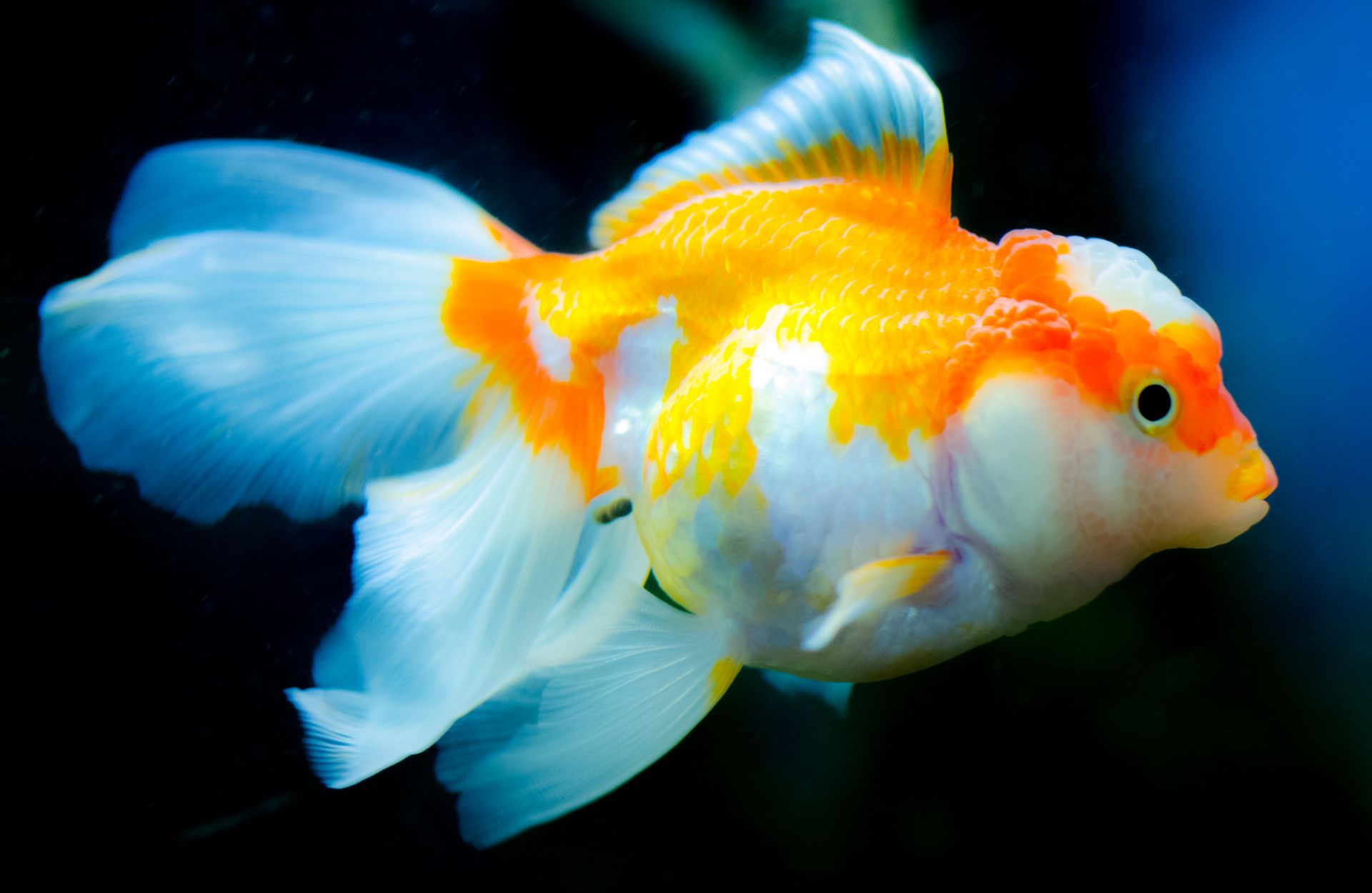
So, you've noticed that your goldfish is looking a bit puffy. This is a common issue, especially in pond environments.
Goldfish can become bloated due to swallowing air, which can happen when they're feeding or swimming near the surface of the water.
A bloated goldfish may also experience digestive problems, including constipation and impaction.
If your goldfish is bloated, it's essential to identify the cause, which could be related to its diet or environment.
In the article section "Causes of Bloated Goldfish", we explore how poor water quality and inadequate filtration can contribute to this issue.
Take a look at this: Shih Tzu Bloated Stomach Symptoms
Featured Images: pexels.com