Bird flu in North Carolina is a serious concern, and it's essential to understand what's happening. The outbreak is caused by a highly pathogenic avian influenza virus, specifically H5N1.
In North Carolina, the first reported case of the bird flu was in 2022, with a commercial turkey farm in the eastern part of the state being affected. This led to the culling of over 1.6 million birds to prevent the spread of the virus.
The virus is highly contagious among birds and can be spread through contact with infected birds, contaminated feed or water, and even through the air. The risk of transmission to humans is low, but it's still crucial to take precautions.
You might enjoy: World Health Organization Bird Flu
What is Bird Flu?
Avian influenza, also known as bird flu or fowl plague, is a disease caused by avian influenza A virus.
The virus can be divided into two categories: low pathogenic avian influenza (LPAI) and highly pathogenic avian influenza (HPAI). Highly pathogenic avian influenza is a deadly disease that spreads very quickly.
Avian influenza can be spread through air contaminated with virus, feces, and even on clothing, boots, and equipment. This is why it's so important to keep strict biosecurity measures in place.
The virus can mutate into a more dangerous version, which is why any type of avian influenza is reportable to the North Carolina Department of Agriculture and Consumer Services.
Biosecurity and Safety
The Atlantic flyway is still home to the 2022 HPAI outbreak strain, so it's crucial to follow strict biosecurity protocols if you're an NC farm owner. This means taking extra precautions to prevent the spread of the virus.
Ducks are known reservoirs for the HPAI virus and can carry the virus without showing signs of illness, so it's essential to keep them separate from other poultry.
Eliminate standing water in your flock's pen to prevent attracting wild birds and waterfowl, which can carry the virus. Also, make sure your birds don't have access to other water sources that might be visited by wild waterfowl.
For another approach, see: Wild Dogs in North Carolina
A cover over your flock's pen can prevent the introduction of wild waterfowl droppings, which have high levels of infectious HPAI virus.
Feed and water your birds in a protected area to prevent attracting wild birds. The virus can spread to your poultry through contact with birds carrying the virus on their feet or feathers.
Here are some key biosecurity tips to keep your birds safe from Avian Flu:
- Keep chickens, turkeys, quail, guineas, and other poultry separately from ducks.
- Eliminate standing water and prevent access to other water sources that might be visited by wild waterfowl.
- Place a cover over your flock's pen.
- Feed and water your birds in a protected area.
- Wear shoe covers or clean boots when entering your birds' pen.
- Keep feeders and waterers clean and sanitized often.
- Don't share equipment with other flocks.
- Buy new birds from a reputable dealer and keep them separate from your existing flock for at least 3 weeks.
- Watch your flock closely and know the signs of illness.
Commercial Poultry
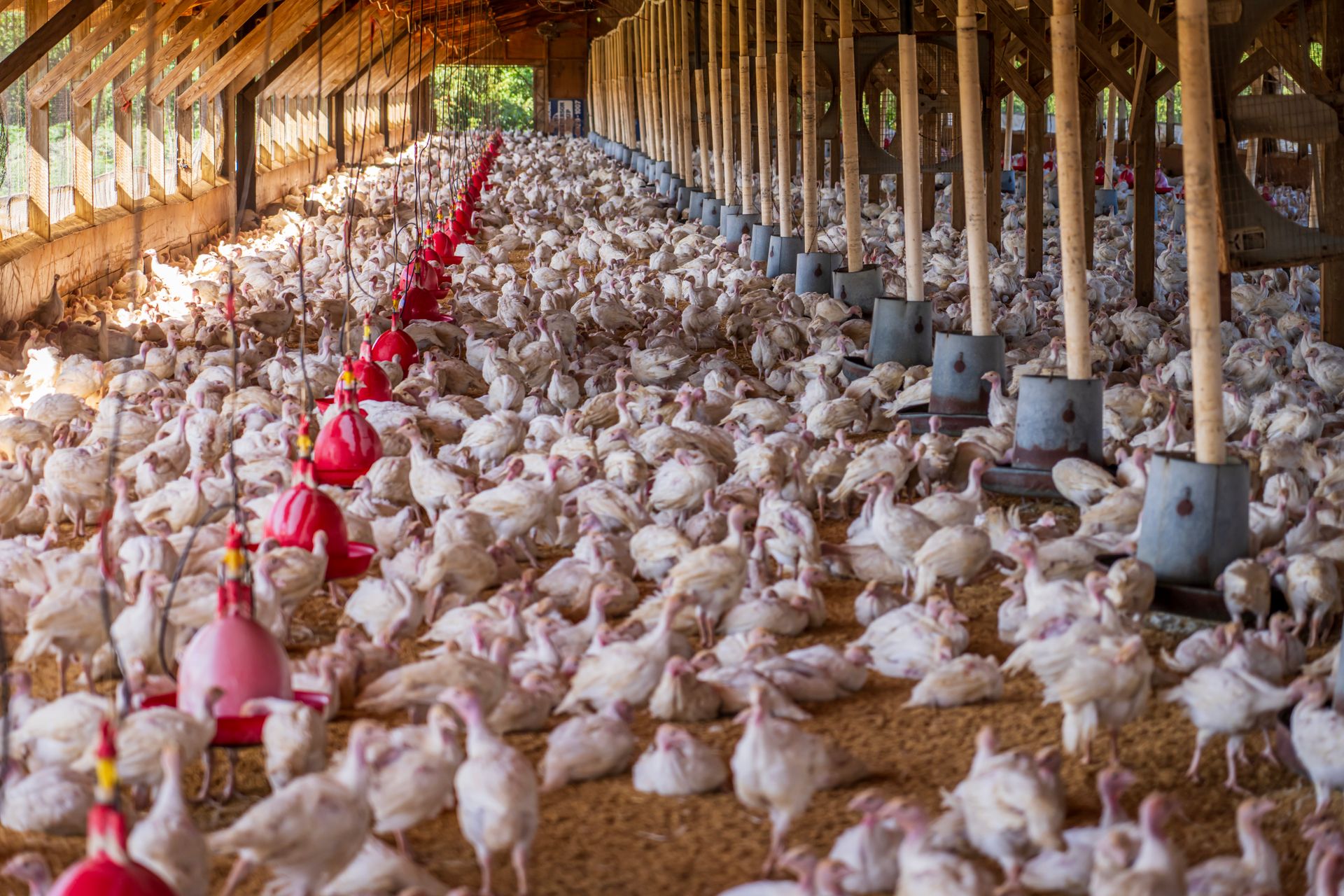
Commercial poultry farming is a significant contributor to the spread of bird flu in North Carolina.
The state's poultry industry is a major player in the national market, with many large-scale farms producing millions of chickens and turkeys every year.
In 2014, a devastating outbreak of bird flu occurred on a commercial poultry farm in Bladen County, resulting in the deaths of over 1.5 million birds.
The farm was found to have inadequate biosecurity measures in place, allowing the virus to spread quickly.
Commercial poultry farms often have large numbers of birds in close proximity, creating an ideal environment for the virus to spread.
These farms also often have a high turnover of birds, which can contribute to the spread of the virus.
The North Carolina Department of Agriculture and Consumer Services requires commercial poultry farms to maintain strict biosecurity measures to prevent the spread of bird flu.
However, a lack of enforcement and inadequate resources can hinder these efforts.
North Carolina Response
North Carolina has been actively responding to the avian influenza outbreak since 2022, with the North Carolina Department of Agriculture and Consumer Services (NCDA&CS) providing regular updates on HPAI virus detections in the state.
The current situation in North Carolina is being closely monitored, with the NCDA&CS working to contain the spread of the virus.
Avian influenza Type A viruses can cause outbreaks in poultry and backyard flocks, and have been detected in 19 species of mammals since 2022.
Symptoms of avian flu can range from mild, such as eye infection, to severe, such as pneumonia and death.
If you or someone you know might have avian flu, contact your local health department (LHD) or the Communicable Disease Branch Epi on Call at 919-733-3419 for help with testing and treatment.
Epi on Call is available 24/7, and in case of a medical emergency, call 911.
The NCDA&CS has created an avian flu toolkit for farmers and workers, which provides information on how to protect yourself and what to do if exposed.
The following guidance is for individuals and clinicians, and includes information on specimen collection and shipment for Avian Flu, as well as Highly Pathogenic Avian Influenza Testing in Cats Submitted for Rabies Testing.
Here is a list of resources for individuals and clinicians:
- Guidance for testing and managing people who are potentially exposed to novel influenza A(H5N1) or other novel or variant influenza viruses
- Specimen collection and shipment for Avian Flu
- Highly Pathogenic Avian Influenza Testing in Cats Submitted for Rabies Testing
- 7.12.24 Enhanced Influenza Surveillance Memo
- Handout for Collecting and Sending COVID-19 and Influenza Specimens to the NCSLPH
Poultry and Human Transmission Fears
Birds can carry the avian flu virus without showing any symptoms, making it a significant concern for poultry farmers in North Carolina.
The risk of transmission from poultry to humans is low, but it's not impossible.
Birds with the avian flu virus can shed the virus in their saliva, mucus, and feces, contaminating the environment and other birds.
Human-to-human transmission of the avian flu virus has occurred in rare cases, but these instances are mostly limited to people who have close contact with infected individuals.
In North Carolina, poultry farmers are required to take precautions to prevent the spread of the avian flu virus, such as wearing personal protective equipment and following strict biosecurity measures.
The Centers for Disease Control and Prevention (CDC) monitors the situation closely and works with state and local health authorities to prevent the spread of the virus.
Local Cases and Reports
Dare County has reported its first bird flu case in a backyard flock of chickens, prompting the euthanasia of the birds to prevent further spread.
High-path bird flu is considered highly contagious and deadly to birds, capable of killing flocks in a matter of days. This is a serious concern for backyard chicken owners and farmers alike.
In addition to the case in Dare County, bird flu has also been detected in Sampson County, making it the second case in the state this year.
Detected in Wake County

Bird flu has been detected in a great horned owl in Wake County, according to the North Carolina Wildlife Resources Commission. This is a concerning development for local wildlife.
The affected owl was found to have bird flu. Unfortunately, no further information is available about the owl's condition.
Bird flu has been detected in a great-horned owl in Cary, which is located in Wake County. This highlights the need for continued vigilance and monitoring of local bird populations.
The North Carolina Wildlife Resources Commission is likely taking steps to mitigate the spread of the virus.
Discovered in Sampson Co., 2nd Case This Year
Bird flu has been discovered in Sampson Co., making it the second case in the state this year. This is a serious concern for local bird owners and farmers.
High-path bird flu is highly contagious and deadly to birds, capable of killing flocks in a matter of days. This means that swift action is necessary to prevent the spread of the disease.
The discovery of bird flu in Sampson Co. serves as a reminder to take precautions when handling birds, especially during outbreaks.
Dare County Reports First Backyard Flock Case
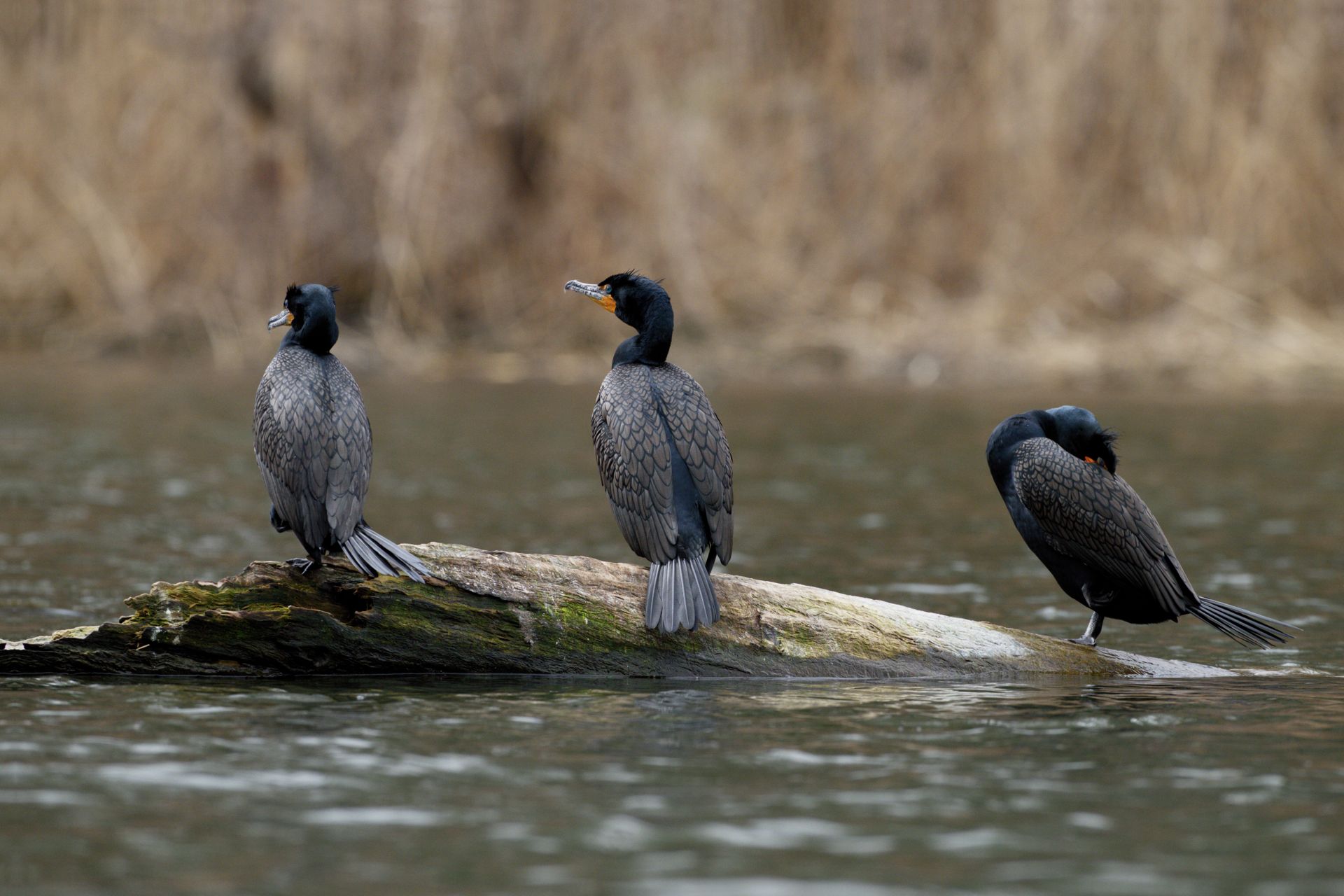
A backyard flock of chickens in Dare County has tested positive for bird flu.
The birds were euthanized to prevent further spread of the virus. This is a serious measure taken to protect public health and prevent the spread of disease.
The case serves as a reminder of the importance of monitoring backyard flocks for signs of illness.
Egg Prices Soaring
Egg prices have skyrocketed in North Carolina due to the bird flu outbreak, with some farms experiencing losses of up to 90% of their flocks.
The shortage of eggs has led to a significant increase in prices, with some retailers charging up to 50% more than usual.
Many grocery stores are struggling to keep eggs in stock, leaving customers frustrated and searching for alternative sources.
The economic impact of the bird flu on the egg industry is substantial, with some farms facing financial ruin.
The US Department of Agriculture estimates that the bird flu has already led to the loss of over 20 million birds in North Carolina alone.
The shortage of eggs has also led to a rise in egg poaching, with some individuals attempting to steal eggs from farms and stores.
The egg industry is working hard to recover from the losses, but it may take several months for the market to stabilize.
6 Key Facts
Bird flu in North Carolina is a serious concern, and here are six key facts to know:
Avian influenza, also known as bird flu, has been detected in North Carolina's poultry farms.
The first case of bird flu in North Carolina was reported in 2014, affecting a commercial turkey farm in Sampson County.
Bird flu is highly contagious and can spread quickly among birds, with mortality rates ranging from 50% to 100% depending on the strain.
The Centers for Disease Control and Prevention (CDC) has identified several strains of bird flu, including H5N1 and H7N9, which have been detected in North Carolina's poultry farms.
The North Carolina Department of Agriculture and Consumer Services (NCDA&CS) has implemented measures to control the spread of bird flu, including vaccination programs and enhanced biosecurity protocols.
The risk of bird flu transmission to humans is low, but it's essential for people who work with poultry to take precautions, such as wearing protective gear and washing their hands frequently.
Frequently Asked Questions
Is it safe to eat eggs because of bird flu?
Eating eggs is generally safe from bird flu, as cooking them to 160°F (71°C) kills the virus. However, proper handling and cooking are still essential to minimize any risk of infection.
Featured Images: pexels.com