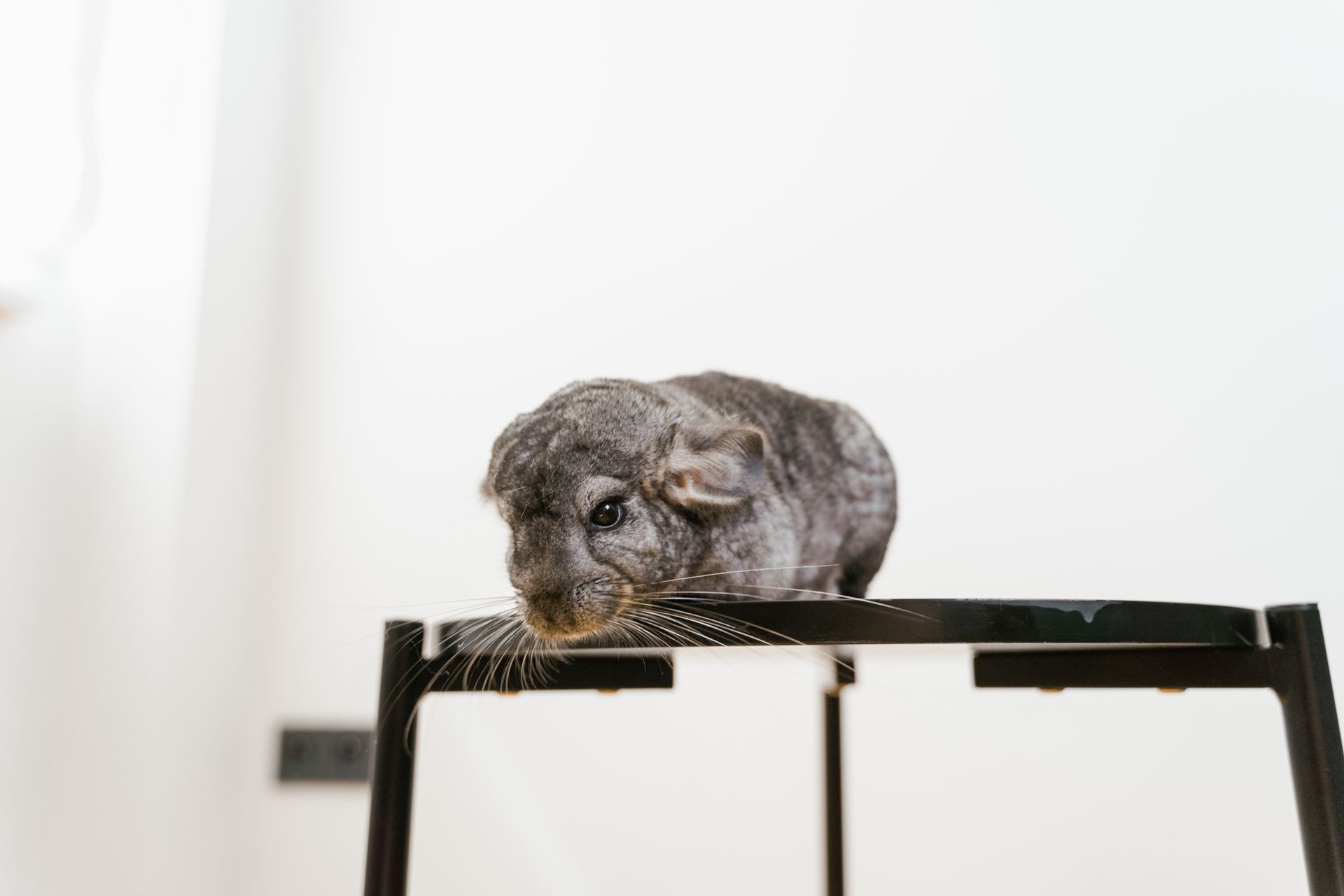
Baby chinchillas are adorable and fluffy, but they require special care. Chinchillas are born blind and helpless, relying on their mothers for warmth and milk.
Newborn chinchillas are tiny, weighing around 2-3 ounces and measuring about 3-4 inches in length. Their fur is soft and dense, but it's not fully developed yet.
Chinchillas are social animals and need to be handled gently from an early age to become tame.
Getting Started
To bring home a baby chinchilla, you'll need to prepare your home with a comfy cage that has plenty of space for the new fluff bundle to explore.
You'll also need to gather all the necessary baby chinchilla supplies, such as cozy bedding, chinchilla food bowls, a hay rack, and enrichment toys.
Active little ones with bright eyes and soft, healthy-looking fur are likely to be the healthiest from the get-go when searching for a new pet chinchilla from a breeder.
Good breeders can tell you all about the parents of the baby chinchillas, so don't forget to ask about them when adopting or buying from a breeder.
Suggestion: How Often Do Chinchillas Need a Dust Bath
Baby Chinchilla Care
Caring for baby chinchillas is relatively easy, as the mother and kits do most of the work. However, you'll need to intervene at certain times and provide a suitable environment.
You must separate the father from the mother a week before birth to prevent them from mating again. This is crucial to avoid unwanted litters.
A week before birth, you should also set up an enclosure with a solid floor and no gaps between wire of more than 1/2in. This will provide a safe space for the kits to grow.
Birth typically occurs 105-115 days after mating, and if any problems arise, it's best to contact an emergency vet.
Monitoring the kits' development is essential, and this involves handling them, weighing them, and ensuring they're getting food from their mother. If any kits lag behind, consider hand-feeding.
Weaning occurs when the kits stop drinking their mother's milk, and this usually begins after 4 weeks and concludes by 10-12 weeks. To encourage weaning, provide hay and pellets for the mother and kits.
The kits should be separated from their mother and paired up with others of the same sex by 12 weeks. This is also a good time to start providing care for your baby chinchillas, similar to that of adult chinchillas.
To separate the chinchillas, place the males together and the females together, and make sure the males and females are not in the same cage. This can result in inbreeding and more baby chinchillas.
Here's a summary of the care and separation schedule:
Handling and Socialization
Handling a baby chinchilla requires gentle care due to their fragile body.
You should move slowly and quietly around your baby chinchilla, keeping your voice reassuringly low to help them feel calm and secure.
To pick up a baby chinchilla, support the butt and underneath the body for added support and comfort.
If that's too difficult, you can pick up your baby chinchilla by the base of the tail as a safe alternative.
Avoid handling a baby chinchilla for too long to prevent them from getting too hot, stressed, or scared.
Some baby chinchillas simply won't enjoy being handled, and that's okay – all chinchillas are different.
Baby chinchillas need regular breaks from handling to ensure they don't get overwhelmed.
If this caught your attention, see: Chinchilla as a Pet
Growth and Development
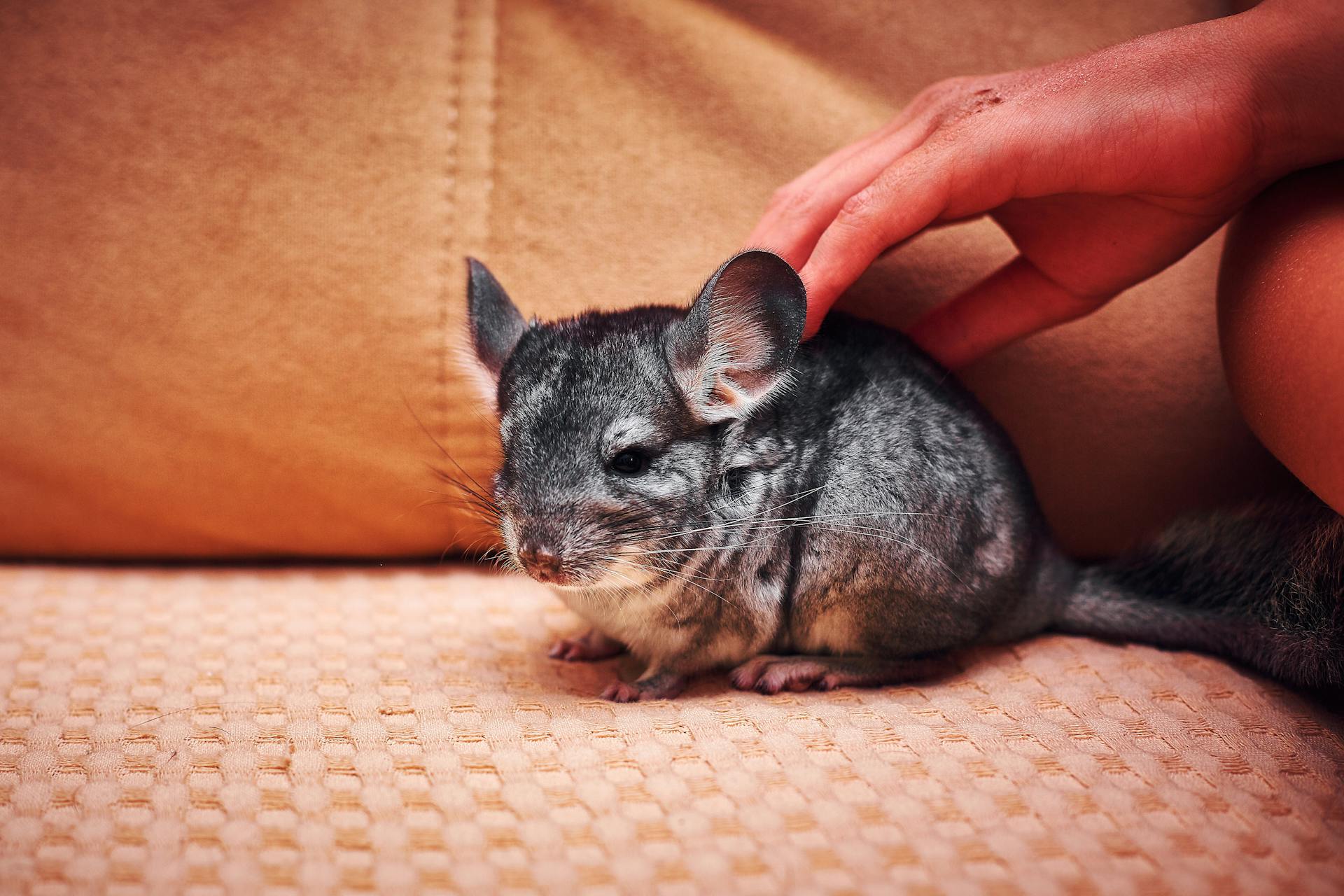
Baby chinchillas enter the world ready to go, with their eyes wide open and no need to wait for them to develop. They begin eating on their own after six to eight weeks.
By eight months of age, females are ready to start a family, while the males take a bit longer, from 9 to 12 months. It's essential to keep tabs on your chinchilla's growth throughout the process, especially during the first 12 weeks.
To do this, you should weigh the babies at least twice a week, using a digital kitchen scale or a similar device. The ideal weight for baby chinchillas is approximately 30 to 60 grams, indicating strong health and a good chance of making it to adulthood.
What to Expect
As you navigate the journey of growth and development, it's essential to have a clear understanding of what to expect.
Physical growth is a gradual process, with most children doubling their birth weight by the time they're six months old.
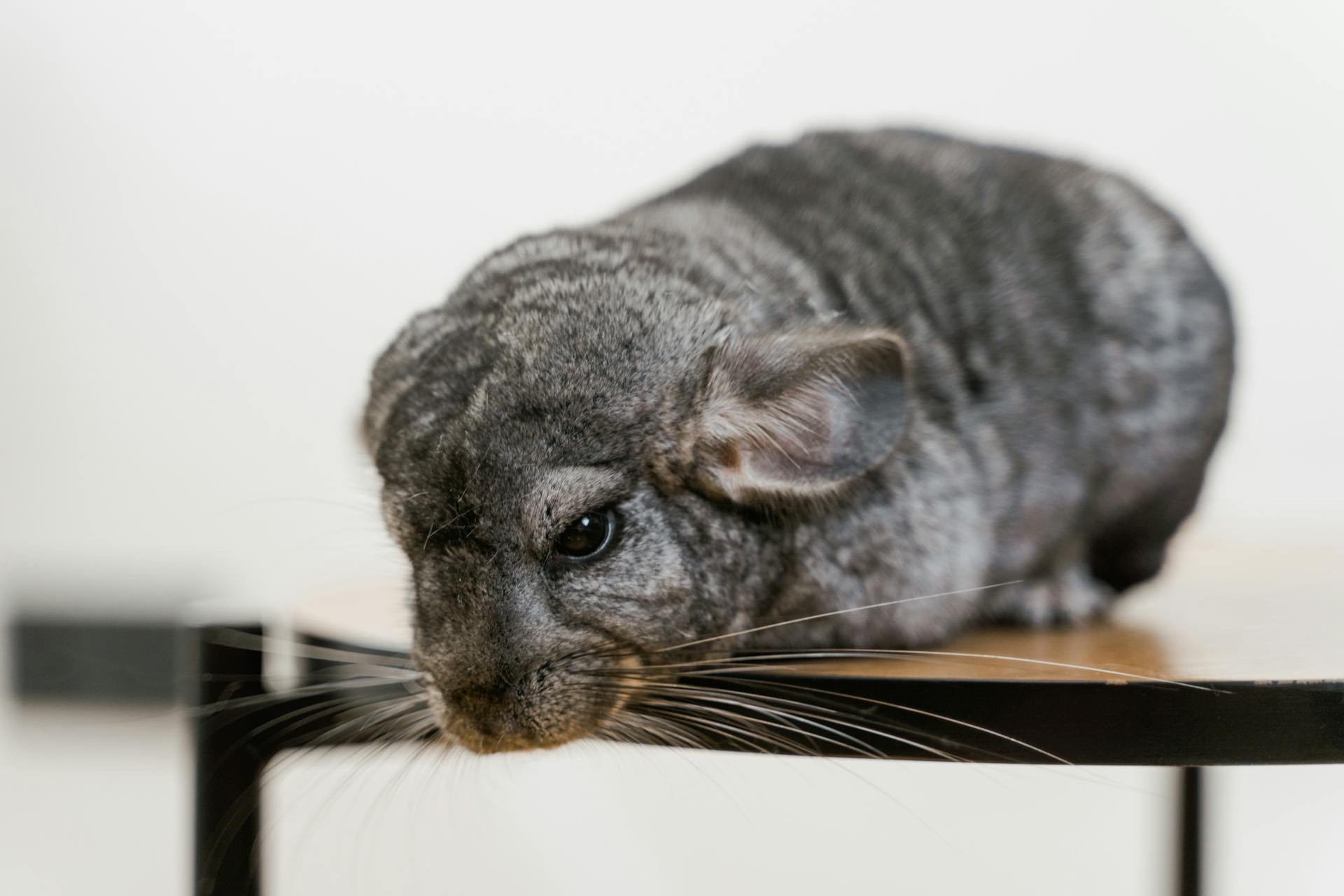
During this period, you can expect to see noticeable changes in their physical appearance, such as lengthening limbs and a more rounded head.
Brain development, on the other hand, is a complex and dynamic process that's influenced by a combination of genetic and environmental factors.
Research suggests that the brain's neural connections are most malleable during the first three years of life, making early childhood a critical period for learning and development.
As children grow and mature, their cognitive abilities will continue to evolve, with improvements in memory, problem-solving, and language skills.
Emotional growth is also an essential aspect of development, with children learning to regulate their emotions and develop empathy for others.
By around age two, children typically begin to develop a sense of independence and may exhibit tantrums when they're unable to do things for themselves.
As they grow older, they'll learn to navigate complex social relationships and develop a sense of self-awareness and self-esteem.
Life Expectancy and Growth
Chinchillas can live for around 10 to 20 years, which is a long lifespan for small mammals.
They're ready to go from the moment they're born, with their eyes wide open and no need to wait for them to develop.
Chinchillas start eating on their own after six to eight weeks of age.
By eight months, female chinchillas are ready to start a family, which is a relatively short time.
Male chinchillas take a bit longer, typically from 9 to 12 months before they're ready to reproduce.
Size and Weight
As your baby chinchilla grows, it's essential to monitor its size and weight. Chinchillas typically weigh between 30 to 60 grams at birth.
You'll need to weigh your babies at least twice a week, especially during the first 12 weeks. This is crucial for determining their overall health and growth.
A digital kitchen scale is an affordable and effective tool for weighing your baby chinchillas. Simply place a plastic bowl on top, and gently put your baby chinchilla inside.
You might enjoy: Long Tailed Chinchilla

You should see some size and weight to a baby chinchilla, as this usually indicates strong health and a good chance of making it to adulthood.
Here's a rough guide to baby chinchilla weights:
Keep in mind that weights may vary between different chinchillas and between males and females. If you're ever concerned about your chinchilla's weight, consult a local vet with experience working with chinchillas.
Parenting and Separation
If you're a single parent or planning to separate from your partner, it's essential to consider the impact on your baby chinchilla's life.
Chinchillas are social animals and thrive on interaction, so it's crucial to ensure they receive regular attention and handling from both parents.
A stable and predictable environment is vital for a baby chinchilla's emotional well-being, which can be challenging to maintain during a separation.
For your interest: Chinchilla Eat Rabbit Food
Parental Separation
Parental separation is crucial for the well-being of both parents and their young. Separating the male and female chinchillas a week before birth is ideal.
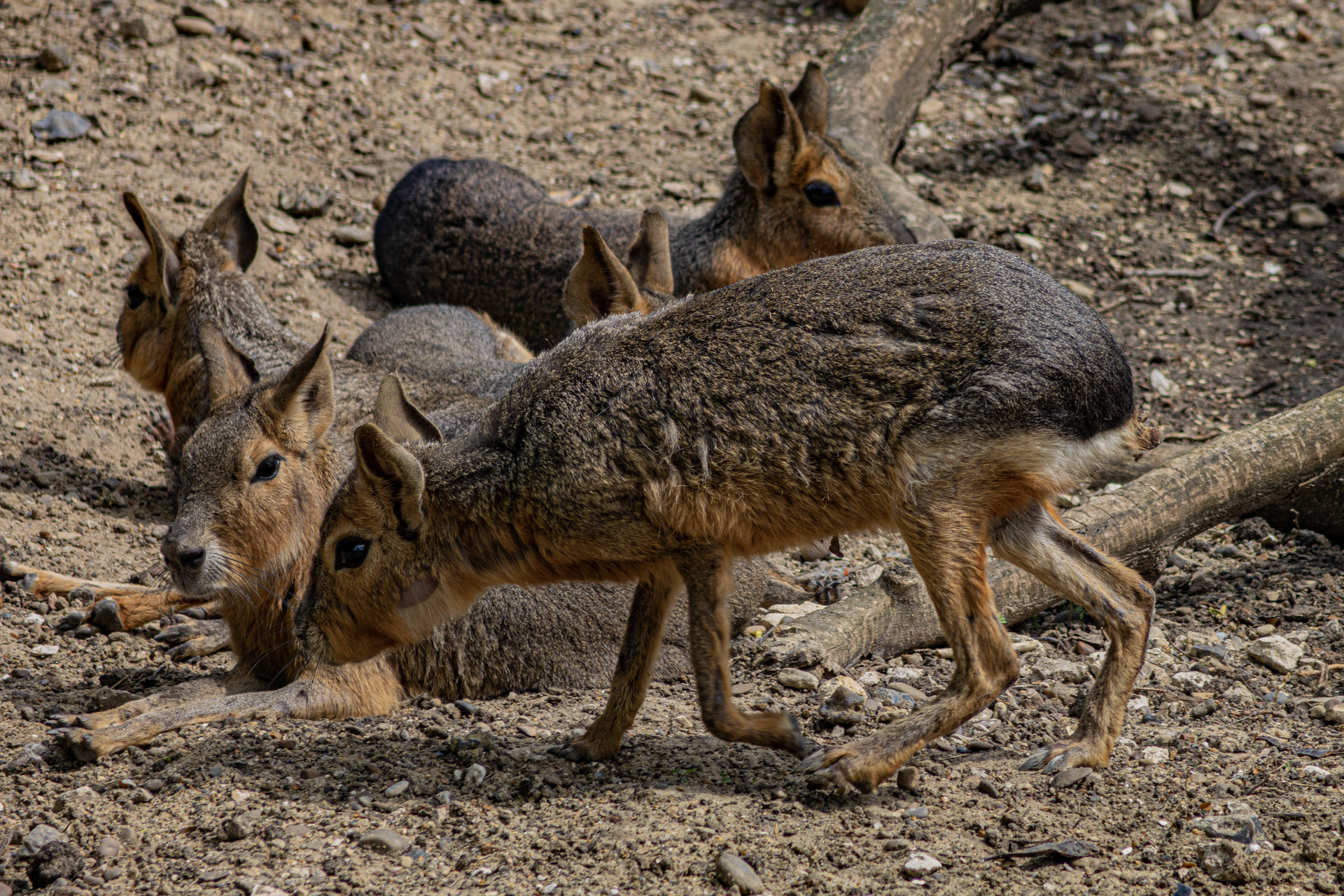
Separating the pair is simple enough, and it's essential to provide the father with a suitable environment, complete with a water bottle, a hide, and platforms to jump from. This ensures the father's comfort and reduces stress.
Keeping the father with the mother can lead to another litter as soon as possible, which can be inconvenient for owners and stressful for the mother. In some cases, they may even mate before the female finishes giving birth.
The mother and father's natural instinct is to mate again, but separating them prevents this from happening.
Separating from Mother
In the wild, young adult chinchillas can choose to join other herds or stay with their parents.
You control the separation process in captivity, making it essential to ensure a smooth transition.
Chinchilla kits are old enough to live on their own when they're ready, and separating them from their mother is a straightforward process.
Place the kits in a separate cage or cages, equipped with everything they need to thrive.
If there are multiple kits, avoid housing males and females together to prevent inbreeding.
Female offspring can be housed with their sisters, and male offspring can be housed with their brothers, without any issues.
Health and Wellness
Baby chinchillas should weigh around 30 to 60 grams at birth, indicating strong health and a good chance of survival.
A weight of 30 to 60 grams is a good rule of thumb to look for in a healthy baby chinchilla.
If your chinchilla's weight is becoming a concern, it's essential to consult with a local vet experienced in caring for chinchillas.
A baby chinchilla not gaining weight can be a sign of a problem, such as not getting enough milk and nutrients from the mother or the mother not producing enough milk to feed all her kits.
Here's an interesting read: Are Chinchillas Nice Pets
Health and Hygiene
Good hygiene is essential for maintaining a healthy body and mind. Regular handwashing with soap and water can help prevent the spread of illnesses.
Proper toilet hygiene is also crucial, especially after using the bathroom, to prevent the spread of infections.
Drinking plenty of water is vital for flushing out toxins and keeping your skin healthy, with the average person needing around 8-10 glasses a day.
Expand your knowledge: Baby Birds Drink Water
Miscarriages and Stillbirth
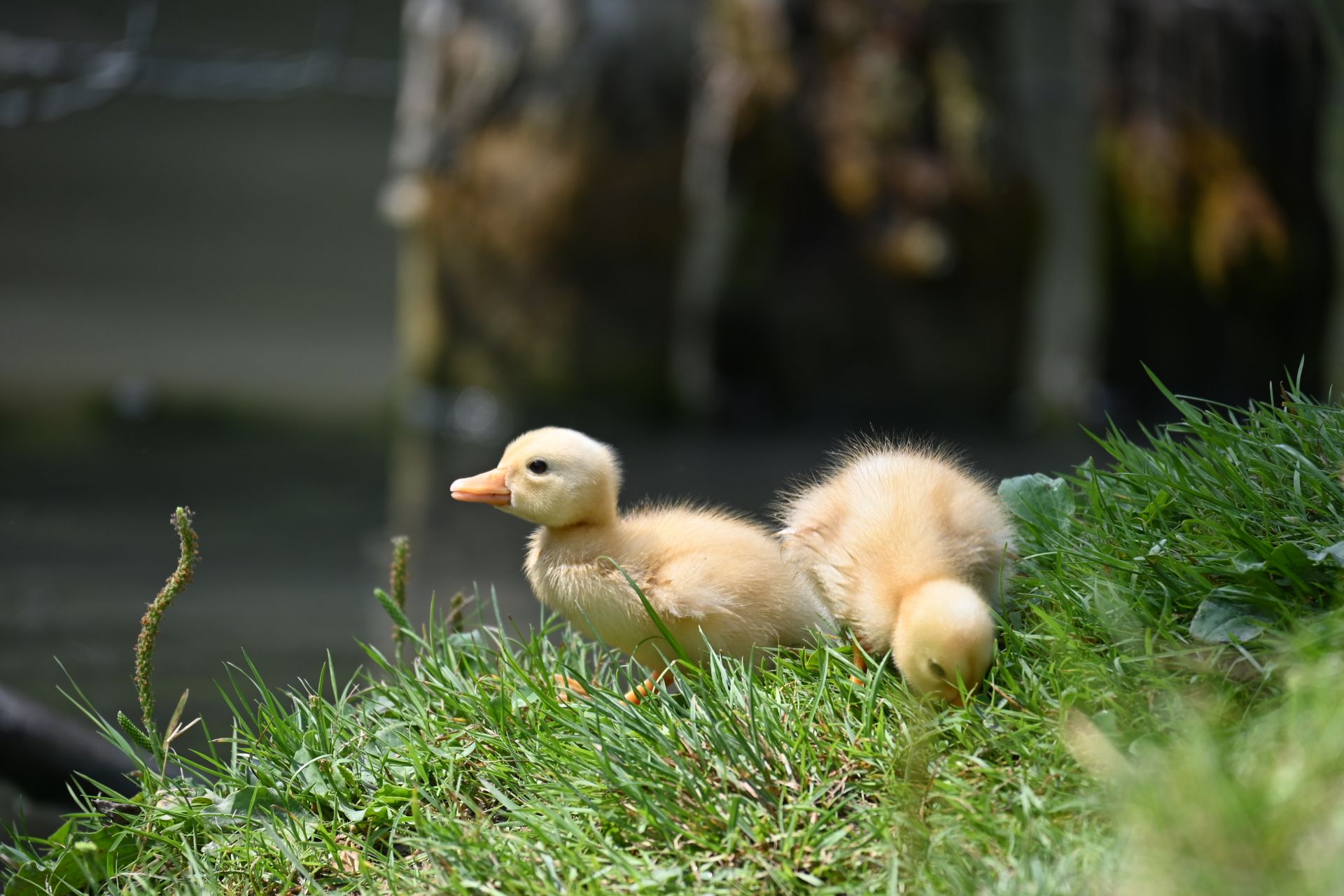
Miscarriages and stillbirths can be a worrying issue for chinchilla breeders.
Stillbirth is like a miscarriage, only the developing kit is delivered at full term.
High frequency of miscarriages and stillbirths may indicate a genetic abnormality in the mother or father.
Birth in chinchillas should not be bloody, with the placenta being slightly bloody but no open wounds and blood all around the cage.
If there is blood all around the cage, you must contact an emergency vet immediately.
In the event of miscarriage, it's essential to contact a vet as other kits from the litter may have died but not been birthed, and can mummify inside the mother causing infection.
Not Gaining Weight
Not Gaining Weight can be a worrying sign in baby chinchillas. This can be due to the larger kit stopping the smaller one from taking its milk.
The mother may not be producing enough milk to feed all her kits, especially if she has a large litter. This can cause all the kits to be lighter than optimal.
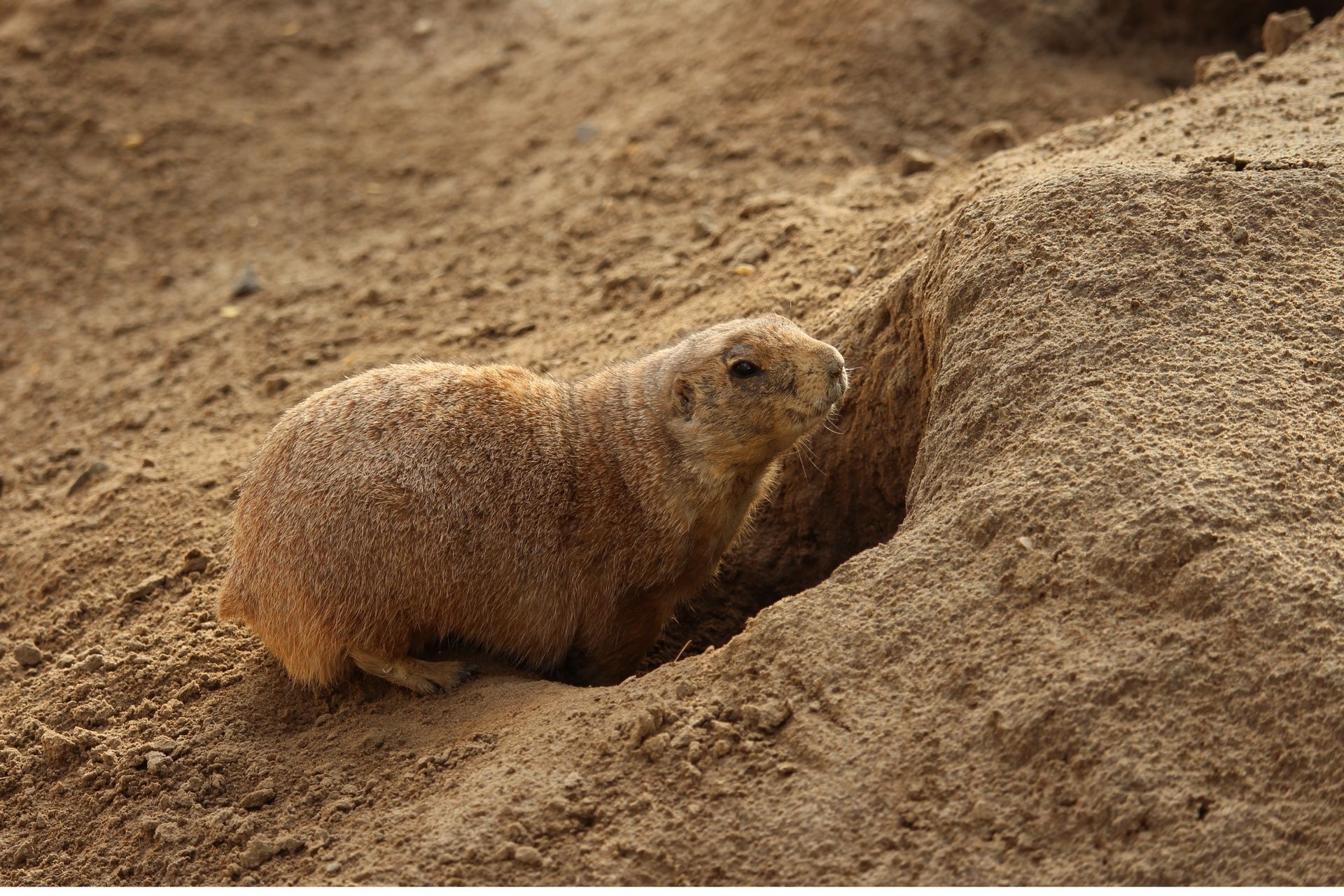
Illness can also be a reason for a baby chinchilla not gaining weight, so it's essential to observe the mother and her kits closely.
In some cases, the smaller kit's genetics may simply mean it's not as big as its siblings. This can be a natural variation, but it's still worth monitoring.
If you notice any of these signs, it's crucial to intervene and manually feed the baby chinchilla that's struggling with weight gain.
Here are some possible reasons why a baby chinchilla may not be gaining weight:
- The larger kit stops the smaller one from taking its milk
- The smaller kit’s genetics mean it isn’t so big
- The smaller kit is ill
- The mother is not producing much milk
Contact a veterinarian if you suspect illness, and consider hand-feeding the kits if the mother is struggling to produce enough milk.
Equipment and Environment
To create a comfortable and stimulating environment for your baby chinchilla, you'll want to focus on providing plenty of vertical space in their cage.
It's essential to load the cage with plenty of chew-friendly and safe items to keep their teeth healthy.
You should also consider the cage recommendations from experts, such as the one that's the top choice, which is also the cage the author uses themselves.
Cage and Kit Storage
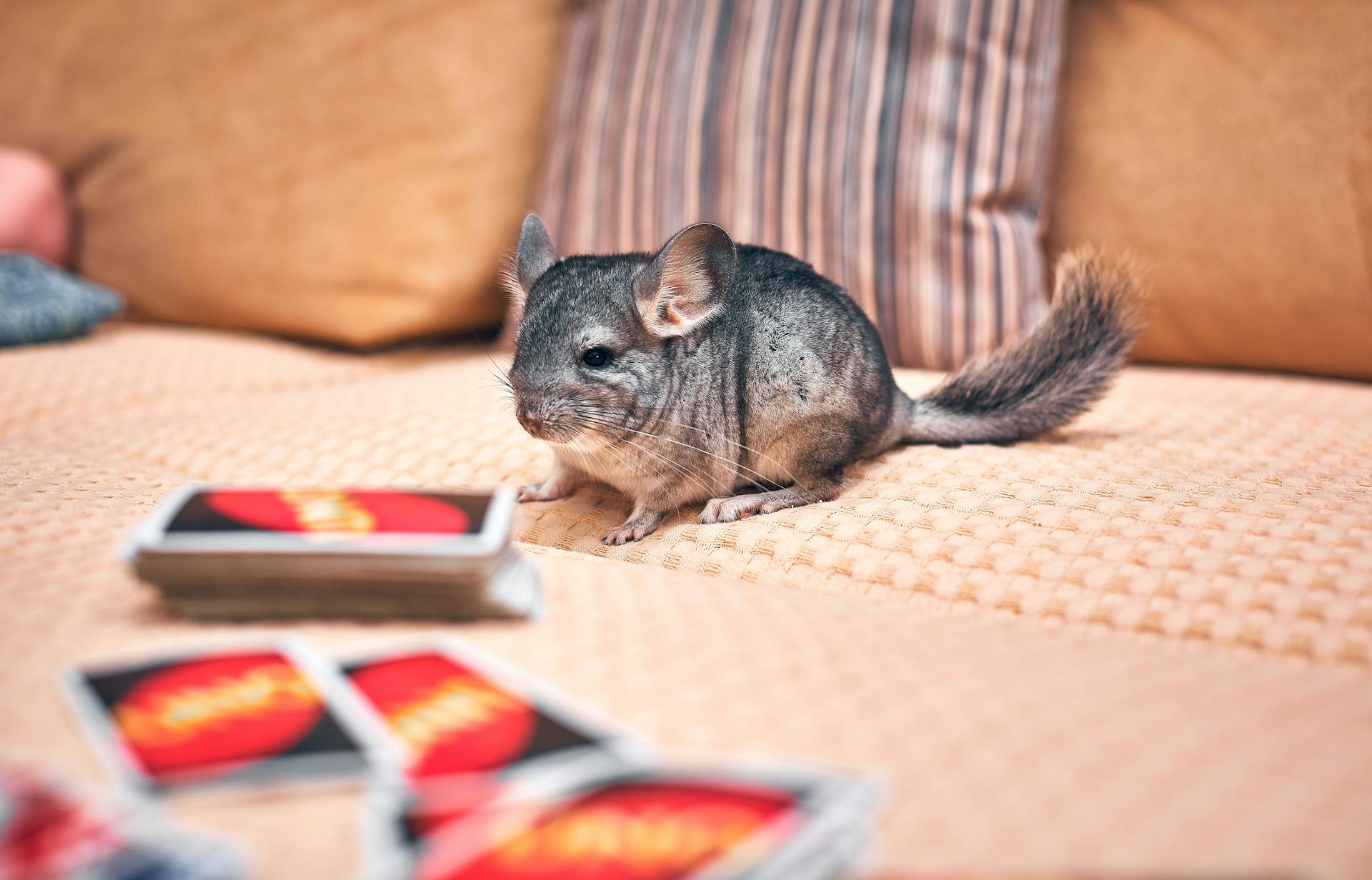
When it comes to preparing for your chinchilla kits, you'll need to think about their cage and storage space. You'll need a new cage or to adjust your existing one to keep the mother and kits together safely.
The key issue with cages is escape, and you'll want to make sure the wire spacing is no wider than 1/2in to prevent the kits from slipping through. This is especially important since kits can squeeze through spaces that adults can't.
To ensure the kits' safety, the floor of the cage must be solid to prevent them from injuring their feet. You should remove any platforms from the cage to prevent jumping, as kits are highly active from birth and can easily hurt themselves.
Chinchilla kits are natural-born explorers and jumpers, and they'll learn how to jump quickly enough in their own cage with platforms. However, removing platforms now prevents the mother from accidentally landing on one of its young when jumping.
Here are some essential considerations for your chinchilla kits' cage:
- Wire spacing: no wider than 1/2in
- Floor: solid to prevent foot injuries
- Platforms: remove to prevent jumping and ensure safety
Dust Baths and Food Options
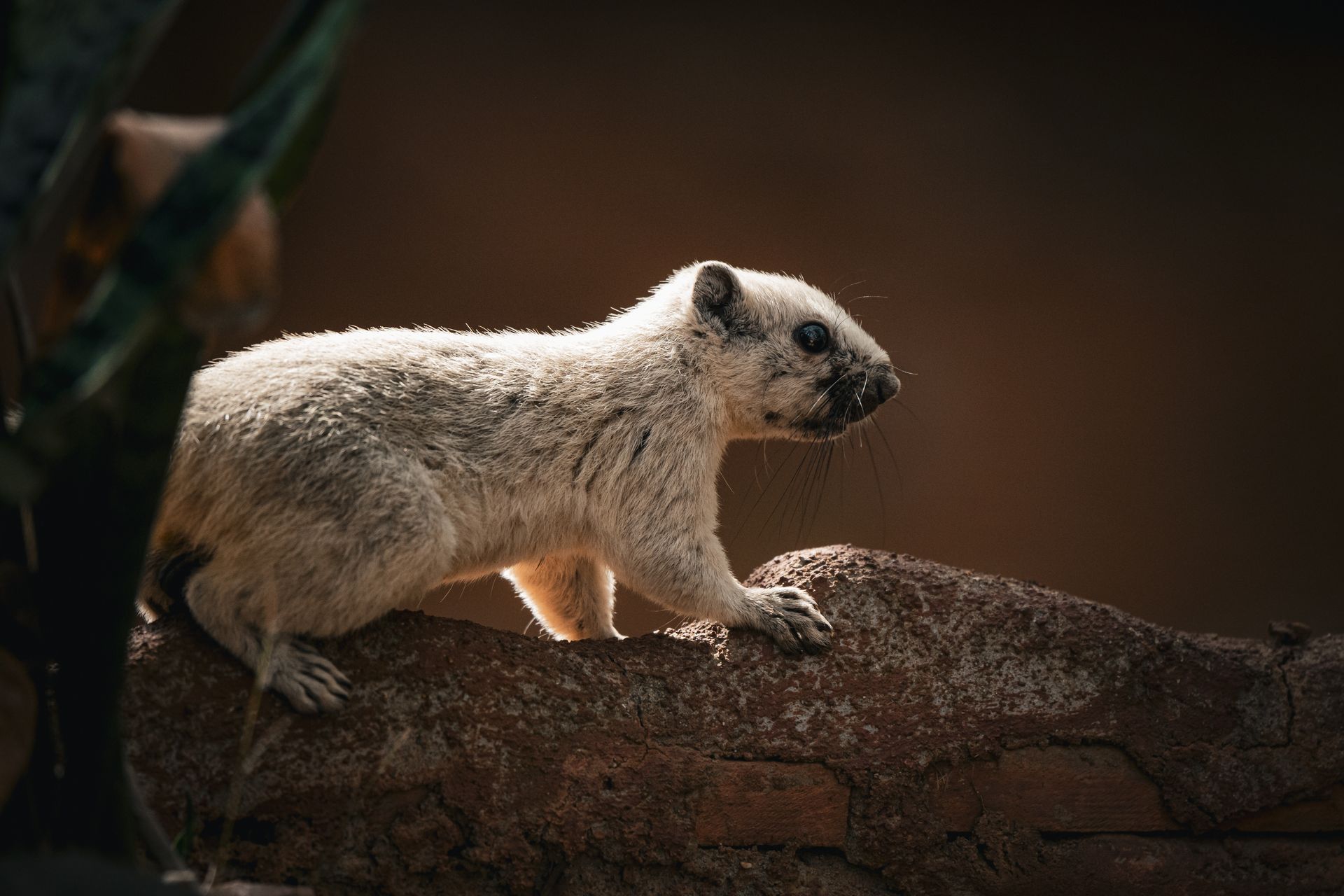
After setting up your chinchilla's dust bath, you'll want to think about their food options.
Chinchillas should have access to timothy hay and pellets after they're weaned off their mother's milk.
Hay cubes can be a great alternative to loose hay, making it easier to keep your chinchilla's cage clean.
You should avoid giving your chinchilla any dairy products, as they can be bad for their health.
Cheese, in particular, is not a good option for chinchillas, despite their rodent status.
Final Thoughts
Chinchillas are relatively easy to care for, making them a great pet choice.
They are adorable, and it's no wonder why so many individuals are interested in baby chinchillas.
Adopting a chinchilla will be an excellent experience, and you will form a lasting bond.
I advocate for anyone considering adopting a chinchilla to go ahead and do it.
Chinchillas are a great pet, and with the right care, they will thrive.
Providing the best care possible for baby chinchillas is essential to their well-being.
Suggestion: How to Take Care of Chinchillas
Featured Images: pexels.com