Some Thai elephant sanctuaries have been found to have high staff turnover rates, with one sanctuary reporting a turnover rate of 70% in a single year.
This can lead to inexperienced staff caring for the elephants, which may compromise their welfare.
Many sanctuaries in Thailand are unaccredited, meaning they do not meet basic standards for animal care and welfare.
This lack of accountability can make it difficult for visitors to trust that their money is being used effectively.
Some sanctuaries have been found to have poor living conditions for the elephants, with cramped enclosures and inadequate space for exercise.
These conditions can lead to stress and behavioral problems in the elephants.
However, there are also many reputable sanctuaries in Thailand that prioritize the welfare and well-being of their elephants.
Consider reading: Nepal Elephants
What to Look for in a Sanctuary
When choosing an elephant sanctuary in Thailand, it's essential to do your research and look for certain key indicators of ethics.
Elephant sanctuaries that are accredited by reputable organizations, such as World Animal Protection (Thailand) and Asian Captive Elephant Standards (ACES), are a good sign.
Some sanctuaries, like Phuket Elephant Nature Reserve, have a no-chain and no-bullhook policy, ensuring that elephants are not harmed or confined.
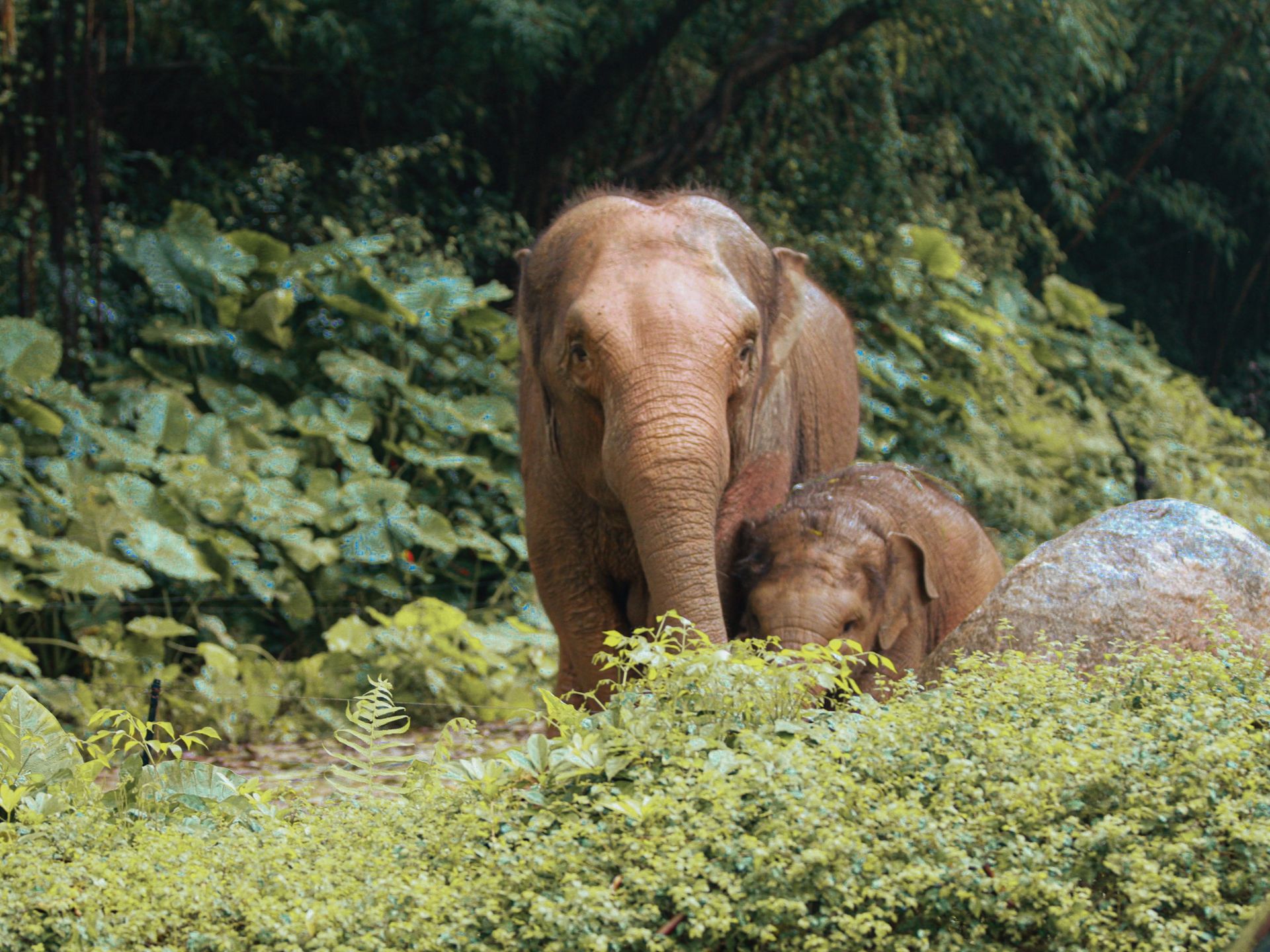
Elephants should be able to roam freely in a natural environment, with adequate space to interact with other elephants.
A sanctuary that directly owns and manages its elephants, like Phuket Elephant Nature Reserve, is more likely to prioritize their welfare.
Accreditation and awards, such as those won by Phuket Elephant Nature Reserve, can also indicate a sanctuary's commitment to ethics.
Here are some key policies to look for in an elephant sanctuary:
Sanctuaries that prioritize transparency and accountability, such as Phuket Elephant Nature Reserve, are more likely to be ethical.
Understanding Sanctuary Operations
Some elephant sanctuaries in Thailand, like Boon Lotts – Sukhothai, dedicate themselves to providing a natural, cruelty-free environment for rescued elephants.
Elephant Care Unchained, a non-profit organization, works to eliminate cruelty and improve elephant welfare in their native countries, including Thailand.
Many sanctuaries, such as those listed on The Call to Conserve website, regularly update their lists of ethical elephant sanctuaries across Asia.
These sanctuaries prioritize the welfare of the elephants, allowing them to roam, forage, and socialize naturally, as seen in the description of Boon Lotts – Sukhothai.
Elephants in these sanctuaries are not forced to perform or interact with tourists in a way that could be stressful or painful for them.
By giving them space to behave naturally, sanctuaries like Somboon and Chang Chill aim to provide a more respectful and rewarding experience for visitors.
In fact, some of the most meaningful moments come from simply observing elephants living freely, as experienced by the author of the article.
Consider reading: Elephant Sanctuaries Usa
Training: Hidden Truths
The training methods used in some elephant tourism operations are rooted in fear and control, conditioning elephants to obey commands even when they're frightened, stressed, or in pain.
The process, known as "the crush", involves separating baby elephants from their mothers, often within their first year, causing deep trauma for both mother and calf.
This training is not limited to young elephants; adult elephants taken from the wild may also undergo this process to prepare them for the demands of tourism.
In nearly every case, if an elephant is calmly allowing humans to touch, feed, or bathe them, it's because they were trained to do so.
Elephants are wild animals, not naturally drawn to people, and they don't choose to engage in close contact with humans unless they've been conditioned to do so.
Captivity doesn't make them tame; it just makes them compliant, and this compliance comes at a cost.
It's estimated that around 75% of captive elephants used for tourism in Asia were taken from the wild.
In a truly ethical elephant sanctuary, training is focused on protection and support, not control, and mahouts work to build a strong, respectful bond with the elephants.
A good mahout is there to monitor the elephant's health and behavior, administer medical care, and keep the elephant safe and within the sanctuary boundaries.
Intriguing read: Elephants in Captivity
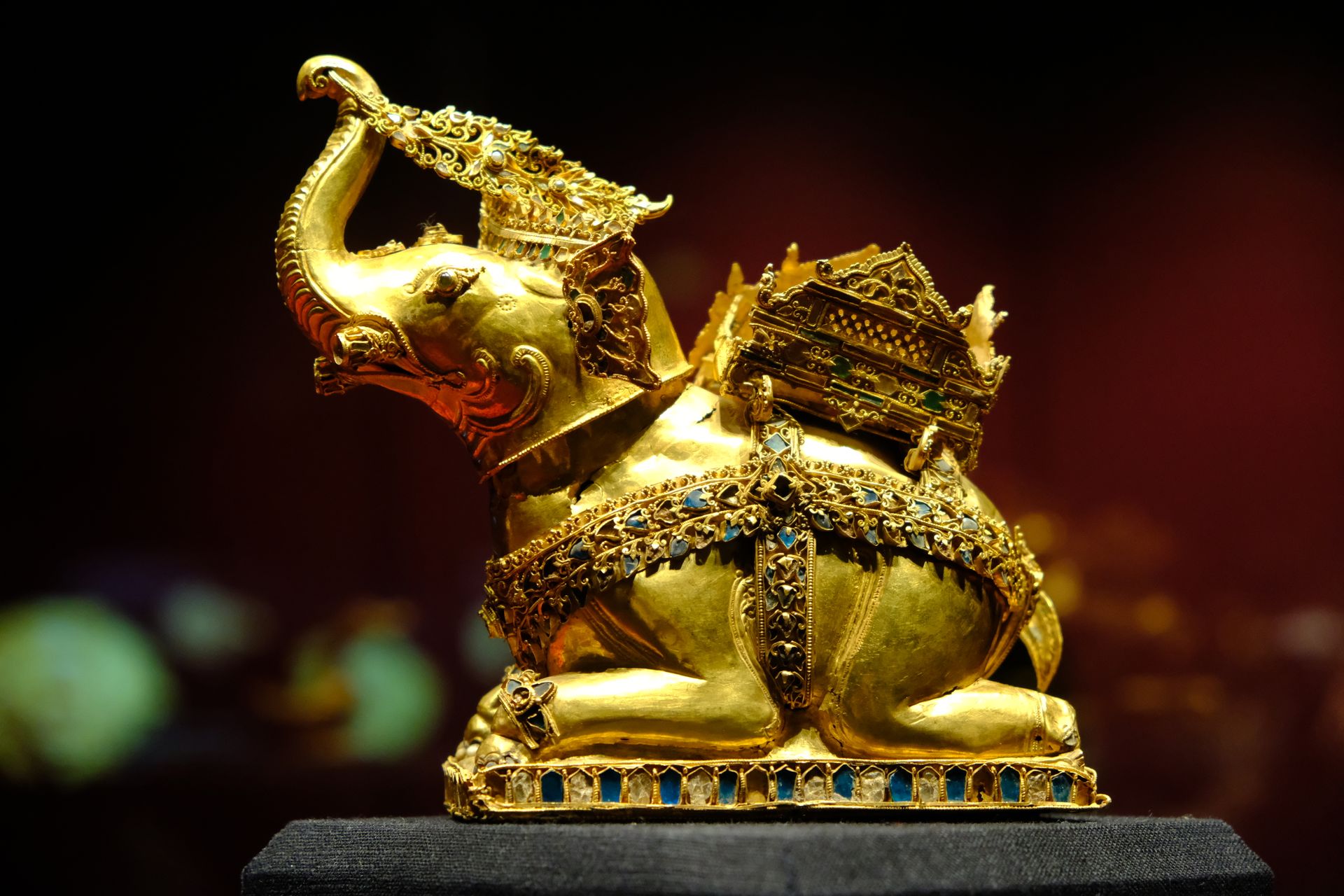
In an ethical sanctuary, the emphasis is on the elephants' welfare, not on the tourist experience, and visitors are encouraged to observe and learn from a distance.
If you're unsure about the ethics of a sanctuary, trust your gut and dig deeper; an ethical place will always be open and honest about their practices.
What Does Hands-Off Mean?
Hands-off is more than just a phrase - it's a way of life for truly ethical elephant sanctuaries. In practice, it means letting elephants be elephants, without human interference.
This includes no touching, no feeding, no bathing, and definitely no riding. It's about giving them space to roam, socialise, forage, and behave naturally, rather than shaping their day around tourist interaction.
Some of the most meaningful moments come from simply observing elephants living freely, watching them wander through the forest, interact with each other, or splash in the mud on their own terms.
A unique perspective: What Country Has the Most Elephants
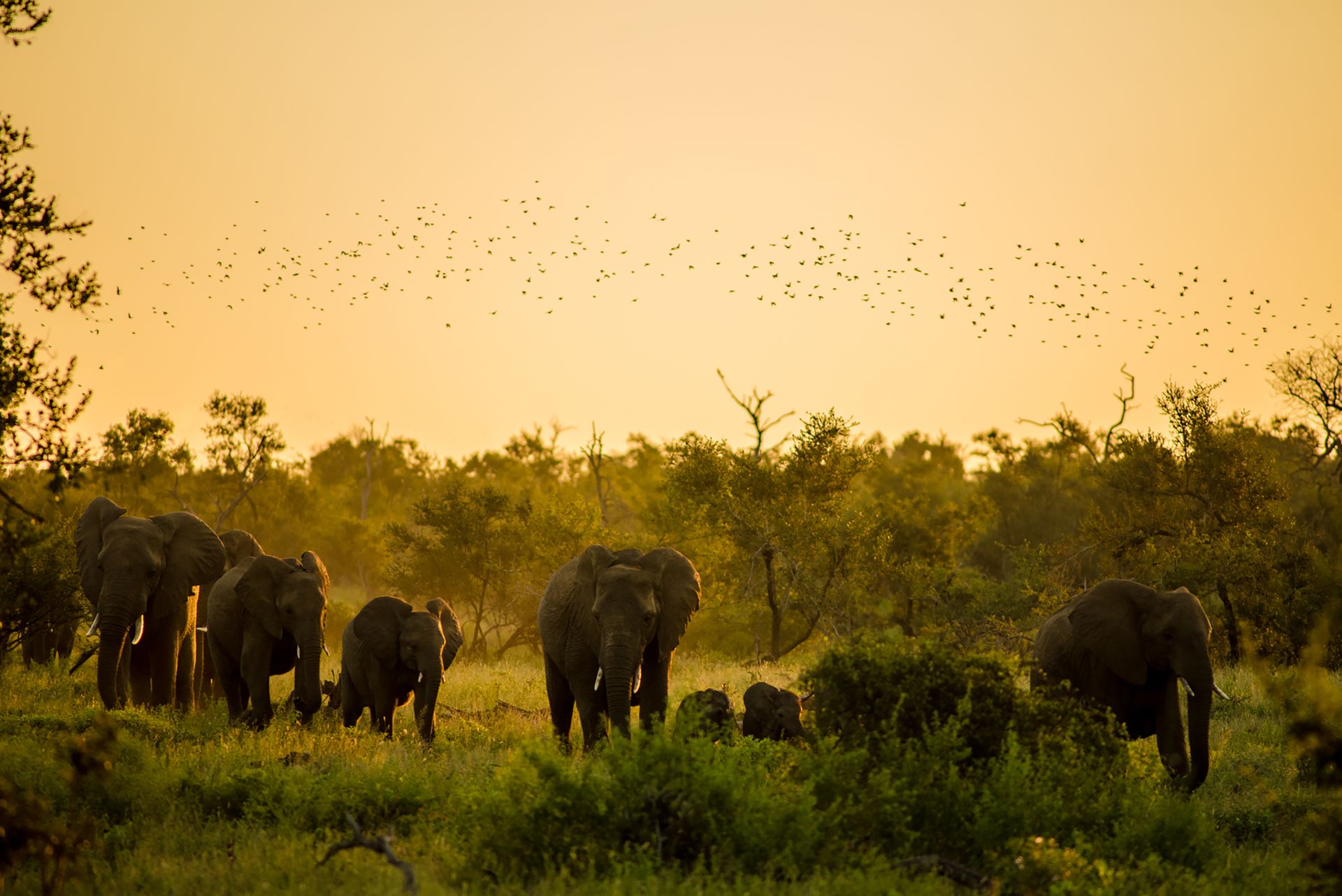
It's slower, quieter, and you won't get those close-up Instagram selfies, but it's more respectful and far more rewarding. In a truly ethical sanctuary, your presence doesn't change the elephant's behaviour, and that's exactly how it should be.
Here are some reasons why hands-off is essential:
- It disrupts natural behaviours – In the wild, elephants forage for their own food. Hand-feeding encourages dependency and reduces their ability to live naturally.
- It adds stress – Physical contact, even gentle or well-meaning, can be distressing, especially for elephants with traumatic histories.
- It prevents recovery – Relying on people for food makes it harder for rescued elephants to reconnect with their instincts.
- It can be dangerous for humans – Elephants may lash out unexpectedly or unintentionally injure someone due to their size.
- They're not domesticated – Even elephants raised in captivity are still wild. They haven't been bred over generations for tameness like dogs or horses.
Sanctuary Types and Locations
Some elephant sanctuaries in Thailand focus on rewilding, allowing elephants to roam the forest with minimal human interference, like Following Giants on Ko Lanta District, Krabi.
Others, like Boon Lotts in Sukhothai, provide a compassionate refuge for elephants in a natural, cruelty-free environment.
You can find a list of ethical elephant sanctuaries across Asia on The Call to Conserve website, including guides and visuals to help you understand real welfare.
Here are a few examples of sanctuary types and locations:
Elephant sanctuaries in southern Thailand, like Phuket Elephant Sanctuary, are also worth considering, but be sure to choose observation-only tours to avoid supporting activities that may cause stress to the elephants.
Central
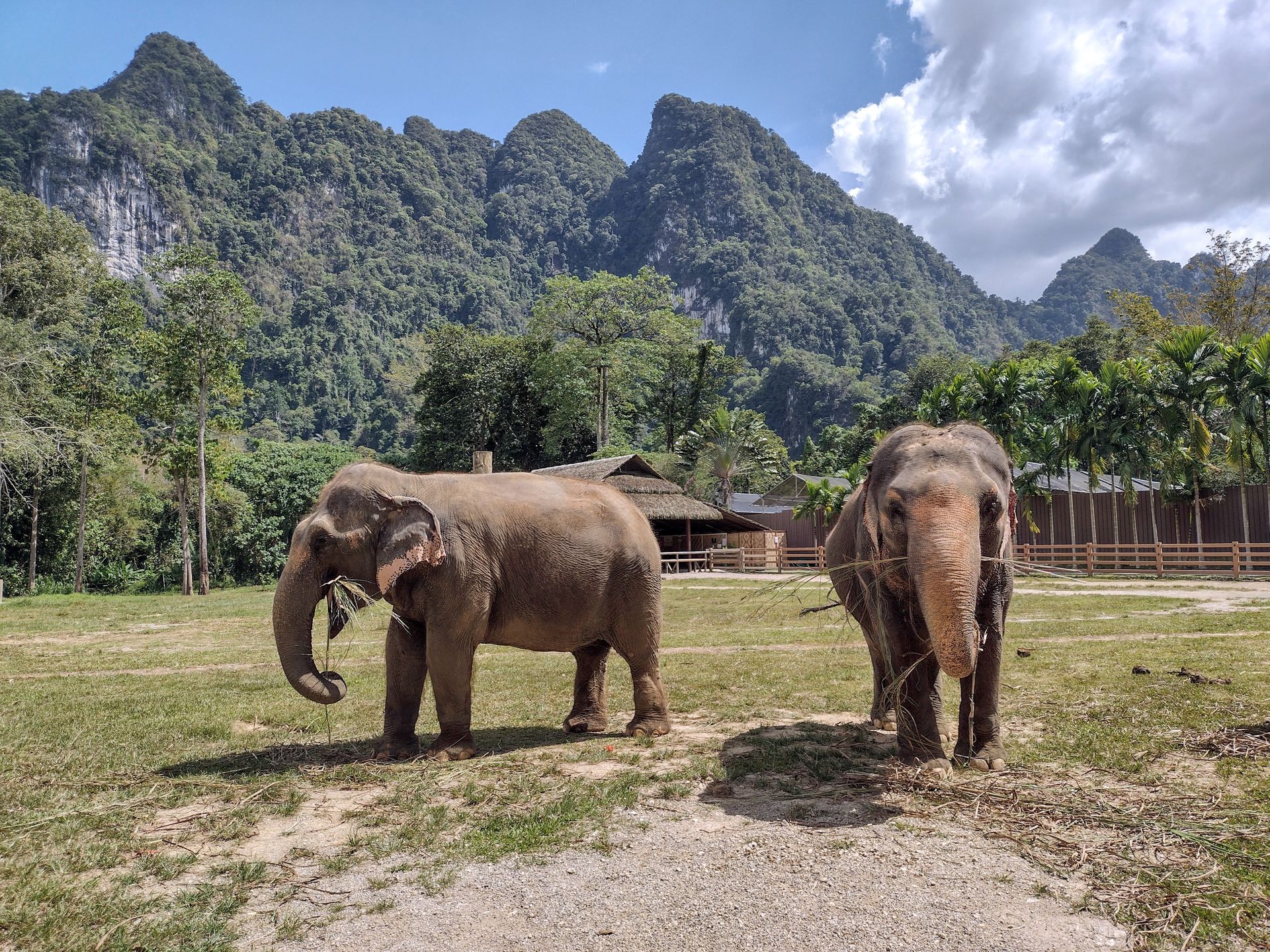
Central Thailand is home to some amazing elephant sanctuaries that prioritize welfare and hands-off experiences. Somboon Legacy Foundation in Kanchanaburi is a highly recommended spot where you can see elephants roaming freely without any crowds around them.
In Central Thailand, you can find sanctuaries that focus on rewilding and forest freedom, such as the Kindred Spirit Elephant Sanctuary in Chiang Mai. This community-led sanctuary allows visitors to hike and observe elephants in their natural environment.
If you're looking for a spot where elephants can roam, forage, and play without any pressure or performance, Somboon Legacy Foundation is a great option. They're dedicated to welfare-first practices and offer a hands-off experience.
Here are some key things to look for in a sanctuary in Central Thailand:
- Are the elephants roaming, foraging, playing in the mud, without a crowd around them?
- Does the sanctuary focus on rewilding and forest freedom?
- Is the experience hands-off and focused on welfare?
Somboon Legacy Foundation checks all these boxes and more, making it a top choice for anyone looking for an ethical elephant experience in Central Thailand.
Southern
In Southern Thailand, you can find some amazing sanctuaries that prioritize the elephants' freedom and well-being.
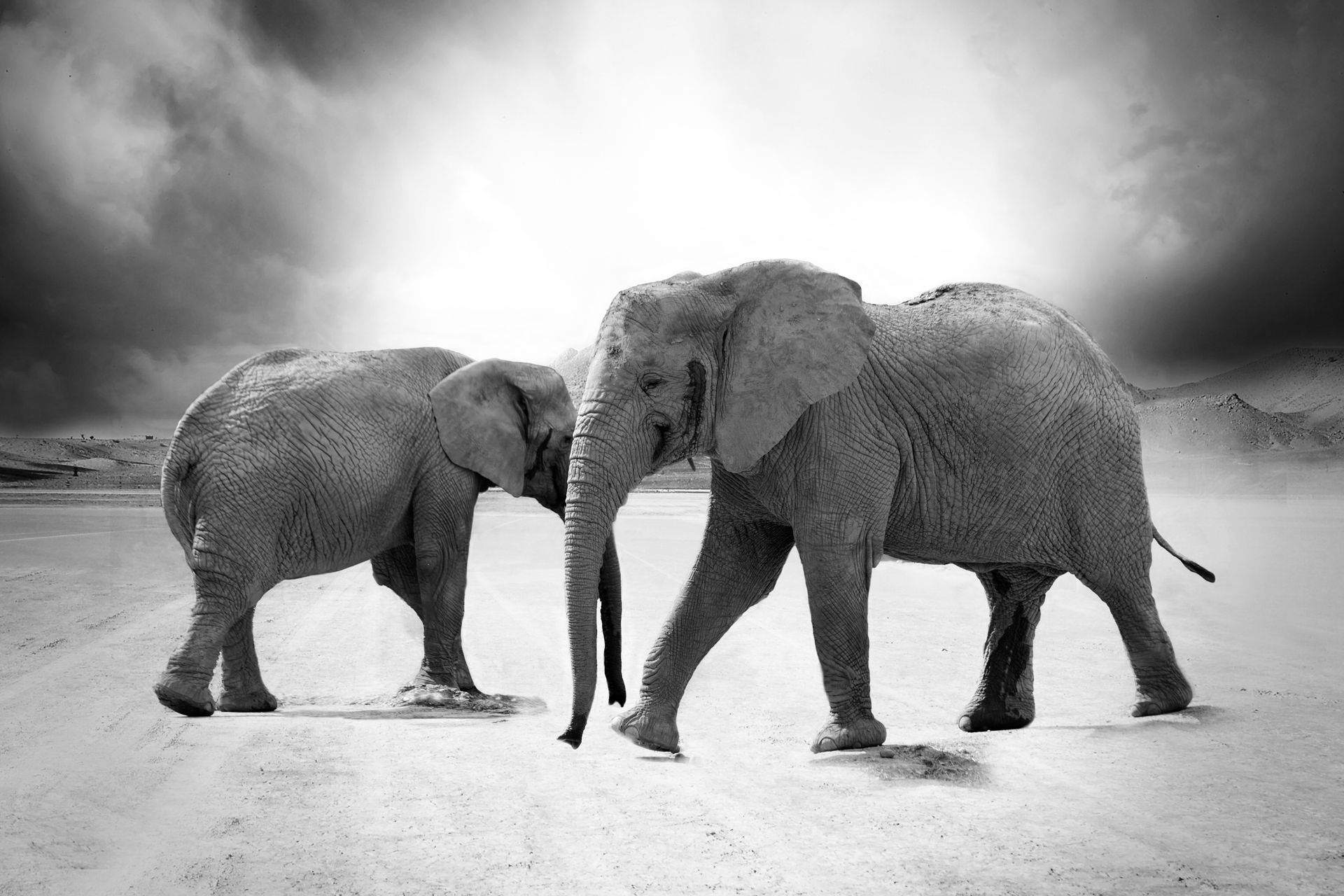
The Phuket Elephant Sanctuary, for instance, has announced that it will discontinue feeding interactions as of April 2026, which is a huge step forward for these gentle giants.
Sanctuaries in Southern Thailand offer a chance to observe elephants in their natural habitat, without the distractions of tourist interactions.
At the Phuket Elephant Sanctuary, prioritize observation-only tours to give the elephants the space they need.
The Ko Lanta District in Krabi is home to a rewilding-focused sanctuary that lets elephants roam freely in the forest with minimal human interference.
Here are some key characteristics of a typical day at these sanctuaries:
- Freedom to roam in their natural habitat
- Time spent in the forest, away from human interaction
- Rest and relaxation, without a schedule based on tourist activities
A Bit on the Thai
In Thailand, elephants are considered property under Thai law, which can make it difficult to remove them from their owners. This is because, until the ban on logging in 1989, many families relied on their elephants for income and were left with no way to feed them after the ban.
Elephants in Thailand eat a lot, consuming between 150 and 70 kg of vegetation daily, which is a significant amount of food. They need a wide variety of foods to stay healthy, including grasses, small plants, fruits, roots, various tree barks, and twigs.
One of the reasons elephants in captivity have a shorter lifespan than their wild counterparts is that they are often passed down from parents to children, much like a beloved pet. Asian elephants in the wild can live up to 70 years old, but in captivity, their lifespan averages between 20 and 40 years old.
It's worth noting that the notion of animal welfare is not the same everywhere. What might seem cruel to us might be considered acceptable in other parts of the world.
Here are some key facts to keep in mind when considering elephant sanctuaries in Thailand:
Choose Sanctuaries, Share the Word
Choosing a Thai elephant sanctuary can be overwhelming, but it's crucial to prioritize the welfare of these magnificent creatures. Phuket Elephant Nature Reserve is a shining example of an ethical sanctuary, with a hands-off policy that prohibits touching, riding, or bathing the elephants.
To ensure the well-being of the elephants, look for sanctuaries like Phuket Elephant Nature Reserve that provide over 30 rai of lush forest for them to roam freely in. This allows the elephants to interact with each other and live as naturally as possible.
Share your positive experiences with others by leaving a review on TripAdvisor, Klook, GetYourGuide, or Google. Your feedback can help spread the word about ethical sanctuaries like Phuket Elephant Nature Reserve.
When researching a sanctuary, check if they have been audited and accredited by reputable organizations such as World Animal Protection (Thailand), SGS Thailand, and Asian Captive Elephant Standards (ACES). This ensures that the sanctuary meets high standards of animal welfare.
Some key things to look for in an ethical sanctuary include:
- No touching allowed
- Elephants being elephants (ample space to roam and interact)
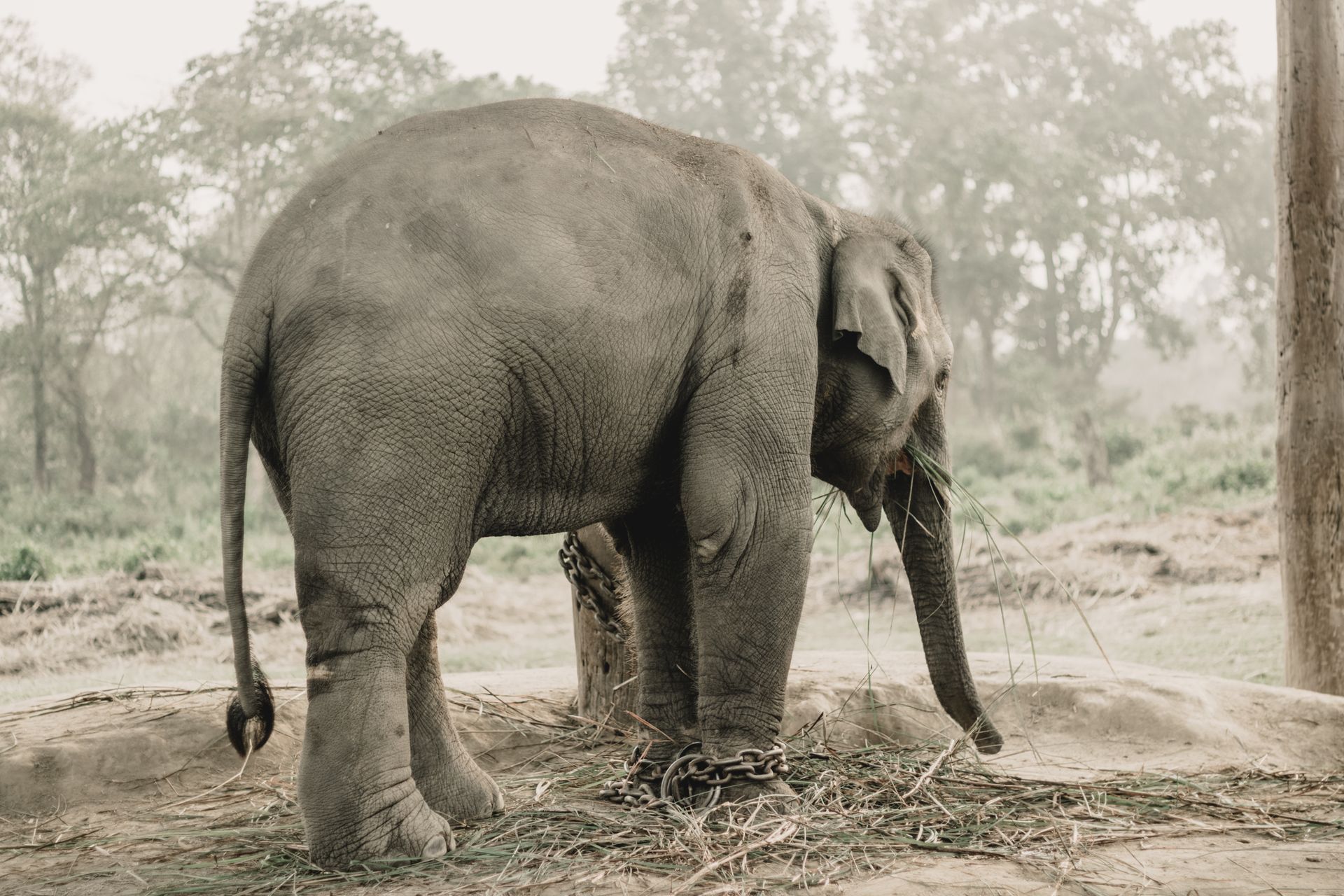
- No chains or bullhooks
- Big overnight shelters with proper care and hygiene
By choosing an ethical sanctuary and sharing your experience with others, you can help make a positive impact on the lives of these incredible animals.
Sanctuary Experiences and Tours
If you're looking to visit an elephant sanctuary in Thailand, there are several options to consider. You can check out the list of ethical elephant sanctuaries on The Call to Conserve website, which is regularly updated by Danielle.
One sanctuary that stands out is Boon Lotts – Sukhothai, a compassionate refuge dedicated to the ethical rescue, rehabilitation and care of elephants in a natural, cruelty-free environment.
Elephant riding has already become less common in Thailand, and it's because people are now getting to see elephants just being elephants – roaming, foraging, playing, and splashing in their natural habitat, without the pressure of performances or pain.
How Our Tours Work
Our tours are designed to give you a truly immersive experience with the elephants. You'll get to see them in their natural habitat, roaming, foraging, and playing without any pressure or performance.
We partner with reputable organizations like Wildlife Friends Foundation, Boon Lott Elephant Sanctuary, and Elephant Valley to ensure that our tours are not only enjoyable but also contribute to the welfare of the elephants.
During our tours, you'll have the opportunity to observe the elephants at their own pace, without expecting them to stand for selfies or perform tricks. We encourage you to come with an open mind and be prepared to be star-struck by these incredible creatures.
Here's what you can expect from our tours:
- No riding or touching of the elephants
- Observing the elephants in their natural habitat
- Opportunities to learn about elephant behavior and conservation
- Support for organizations that prioritize elephant welfare
Our tours are all about creating a safe and respectful environment for both you and the elephants. We want you to leave with a deeper appreciation for these amazing animals and a sense of hope for their future.
Our Tour Process
Our tour process is designed to be educational and enjoyable, and we're proud to say that it's a key part of our mission to inspire more people to support ethical tourism and conservation.
We offer two main tour options: the Short 90-Minute Elephant Adventure and the Half-Day Elephant Adventure. The former gives you a quick introduction to our sanctuary, while the latter is the ultimate experience and includes a cooking demo and delicious lunch.
During our tours, you'll have the opportunity to observe the elephants behaving naturally and learn from our guides about their care. You'll also get to help prepare their food, which is a great way to get up close and personal with these amazing animals.
Our guides are knowledgeable and passionate about elephant welfare, and they'll be happy to answer any questions you may have about our sanctuary and the elephants that live here.
Defining and Identifying Sanctuaries
A true sanctuary will allow you to look but not touch the elephants, according to Higgins. This means no contact between tourists and the elephants, no bathing, feeding, touching, or hugging.
Elephants are restrained, particularly chained by the foot, at unethical facilities. Workers carry bullhooks, which are long poles with sharp hooks on the ends used to control elephants. These are telltale signs that a sanctuary is not ethical.
Research what is offered at an elephant tourist location and look at photos before visiting. This can help you identify potential red flags. If a location offers elephant rides, elephant painting, or other interactive experiences, it may not be a genuine sanctuary.
A sanctuary that puts the elephants first will be hands-off at all times. This means no riding, no tricks, no performances, and no direct contact between tourists and the elephants.
Sanctuary Welfare and Community
Phuket Elephant Nature Reserve provides expert veterinary care to their elephants and follows strict guidelines for nutrition and husbandry. This ensures the elephants receive the best possible care.
The sanctuary supports the livelihoods of local mahouts and staff, with mahouts living in accommodations near the sanctuary. This helps to uplift the local community.
Elephant Care Unchained is a non-profit organization dedicated to eliminating cruelty and improving elephant welfare in their native countries. PETA, People for the ethical treatment of animals, also promotes ethical treatment of animals.
Boon Lotts - Sukhothai is a compassionate refuge dedicated to the ethical rescue, rehabilitation and care of elephants in a natural, cruelty-free environment. They provide a safe space for elephants to roam freely.
At Phuket Elephant Nature Reserve, you can see the elephants just being elephants, roaming, foraging, playing, and splashing without any pressure or pain. This is a result of the sanctuary's no-touching policy and providing a natural environment.
Check this out: People for the Ethical Treatment of Animals
Here are some key policies that make Phuket Elephant Nature Reserve an ethical sanctuary:
- No touching allowed: Visitors are not allowed to touch, hug, ride, bathe, or hand-feed an elephant.
- Elephants being elephants: The sanctuary provides over 30 rai of lush forest for the elephants to roam freely in and interact with other elephants.
- No chains or bullhooks: The sanctuary has a no-chain and no-bullhook policy, ensuring the elephants are not harmed or confined.
- Big overnight shelters: The elephants sleep in spacious shelters with a 3/4 covered roof, sand to sleep on, and access to food and water.
Guidelines
If you can touch, ride, or bathe the elephants at a sanctuary, it's likely they're not being properly cared for. This is because elephants who are comfortable with human contact often come from abusive environments.
Elephants who are accustomed to human contact may have been forced to interact with people in the past, which can lead to the spread of disease.
True sanctuaries allow elephants to behave naturally, roam freely, and interact with other elephants. They don't perform tricks.
Chains and bullhooks are used in some sanctuaries to control and discipline elephants, but they're not a sign of a safe environment.
In a safe sanctuary, a respectful distance is maintained between elephants and people.
You can ask to see an elephant's ownership book to determine their origin, as some sanctuaries may claim to have rescued elephants but actually rent them from private owners.
Accreditation from organizations like World Animal Protection (Thailand) and Asian Captive Elephant Standards (ACES) is a good indicator that a sanctuary prioritizes animal welfare.
Featured Images: pexels.com