Animal welfare and rights in Malaysia have been a topic of concern for many years. In 2013, the Malaysian government passed the Animal Welfare Act, which aimed to improve the treatment of animals in the country.
The Act established the Animal Welfare Council, responsible for promoting animal welfare and enforcing animal welfare laws. However, the Act has been criticized for being inadequate and not doing enough to address animal cruelty.
The current state of animal welfare in Malaysia is a mixed bag. While some progress has been made, many animals continue to suffer from cruelty and neglect. For example, in 2019, a video surfaced showing a dog being beaten by a group of men in a Kuala Lumpur street.
Despite these challenges, there are also many organizations and individuals working tirelessly to improve animal welfare in Malaysia.
Recommended read: Malaysia Snakes
Legislation and Provisions
Malaysia has a piece of animal welfare legislation called the Animals Act of 1953, which prohibits animal cruelty in various forms. This includes failing to supply sufficient food or water to an animal in confinement or transport.
Under the Animals Act, a person commits an offense if they cruelly beat, kick, ill-treat, or terrify an animal. Specific offenses include fighting or baiting animals, using an unfit animal for work or labor, and killing or maiming an animal.
The Malaysian Penal Code distinguishes between animals worth at least RM5 and those worth at least RM25, with heavier penalties for cruelty against the latter group. This indicates that the protection of animals as property is one of the goals of Malaysian anti-cruelty statutes.
In 2015, Malaysia passed a new Animal Welfare Act (AWA), which establishes an animal welfare board and requires licenses for individuals and businesses that use animals. The AWA also prohibits breeding animals for research or teaching and bans the shooting of stray dogs.
The AWA increases the penalty for cruelty from the Animals Act's maximum of a RM200 fine and/or up to 6 months imprisonment, to a fine between RM20,000 and RM100,000 and/or up to 3 years in prison. This shows a significant step forward in protecting animal welfare in Malaysia.
Here are some key provisions of the Animal Welfare Act 2015:
- Maximum penalty for cruelty: RM20,000 to RM100,000 fine and/or up to 3 years in prison
- License requirements for individuals and businesses using animals
- Prohibition on breeding animals for research or teaching
- Ban on shooting stray dogs
- Establishment of an animal welfare board
Enforcement and Effectiveness
Historically, penalties for animal cruelty in Malaysia have been very mild.
A dog that suffered neglect in 2005 was fined just RM100, while a woman who tortured kittens to death in 2011 was fined RM400.
In 2012, a person who poured boiling water on a stray dog was fined RM200, and the owners of a cat hotel were charged RM6000 for 30 counts of cruelty and neglect, but given only 3 months in prison.
Despite these cases, enforcement has been poor since the passage of the Animal Welfare Act 2015. Over 7000 reports of animal abuse have been made, but convictions remain rare.
The Animal Welfare Board is responsible for ensuring the enforcement of animal welfare legislation, but there's a lack of alignment among different government ministries, making it difficult to protect all animals uniformly.
Here are some notable animal cruelty cases in Malaysia:
International Standards and Support
In Malaysia, the Animal Welfare Act 2015 sets the minimum standards for animal care and treatment.
The Act requires that animals be provided with adequate food, water, shelter, and veterinary care.
Malaysia is a signatory to the Convention on International Trade in Endangered Species of Wild Fauna and Flora (CITES), which regulates the trade of endangered animals.
The Malaysian Department of Wildlife and National Parks (DWNP) is responsible for enforcing animal welfare laws and regulations.
The DWNP works with local organizations and international partners to provide support and training to animal welfare organizations.
The Malaysian government has established a task force to investigate animal cruelty cases and provide support to victims.
Expand your knowledge: Is an Emotional Support Animal an Assistance Animal
Analysis and Recommendations
The Government of Malaysia has made commendable efforts in recognizing animal sentience, even if not explicitly stated in legislation. They've included the Five Freedoms and acknowledged the ability of animals to feel pain and suffer.
The National Strategic Plan for Animal Welfare 2012 to 2020 is a positive step towards creating a caring society concerned with animal welfare. The plan aims for Malaysia to be a developed nation with a society that prioritizes animal welfare by 2020.
The Animal Welfare Board is responsible for enforcing animal welfare legislation, but there's a need for alignment of all animal welfare laws under one government ministry to ensure unified protection for all animals.
If this caught your attention, see: Fish Malaysia
Analysis
The Government of Malaysia has made commendable efforts to acknowledge animal sentience in their laws and regulations. The inclusion of the Five Freedoms, which recognize the ability of all animals to feel pain and suffer, is a significant step forward.
The language used in these regulations suggests that the Government understands and accepts animal sentience, even if the term is not explicitly used. This is evident in the recognition of animals' mental states and physical well-being.
Malaysia's National Strategic Plan for Animal Welfare 2012 to 2020 is a notable initiative, launched in collaboration with the OIE. The plan aims to establish Malaysia as a caring society that is concerned with animal welfare by 2020.
Enforcement Recommendations
The Animal Welfare Board in Malaysia plays a crucial role in ensuring the enforcement of animal welfare legislation. Historically, penalties for cruelty towards animals have been very mild.
In 2005, a dog owner was fined RM100 after their dog suffered from severe neglect. This highlights the need for stricter penalties to deter animal cruelty. The owner's fine was a mere RM100, which is a stark reminder of the lenient approach towards animal welfare in Malaysia.
A fresh viewpoint: Stop Cruelty towards Animals
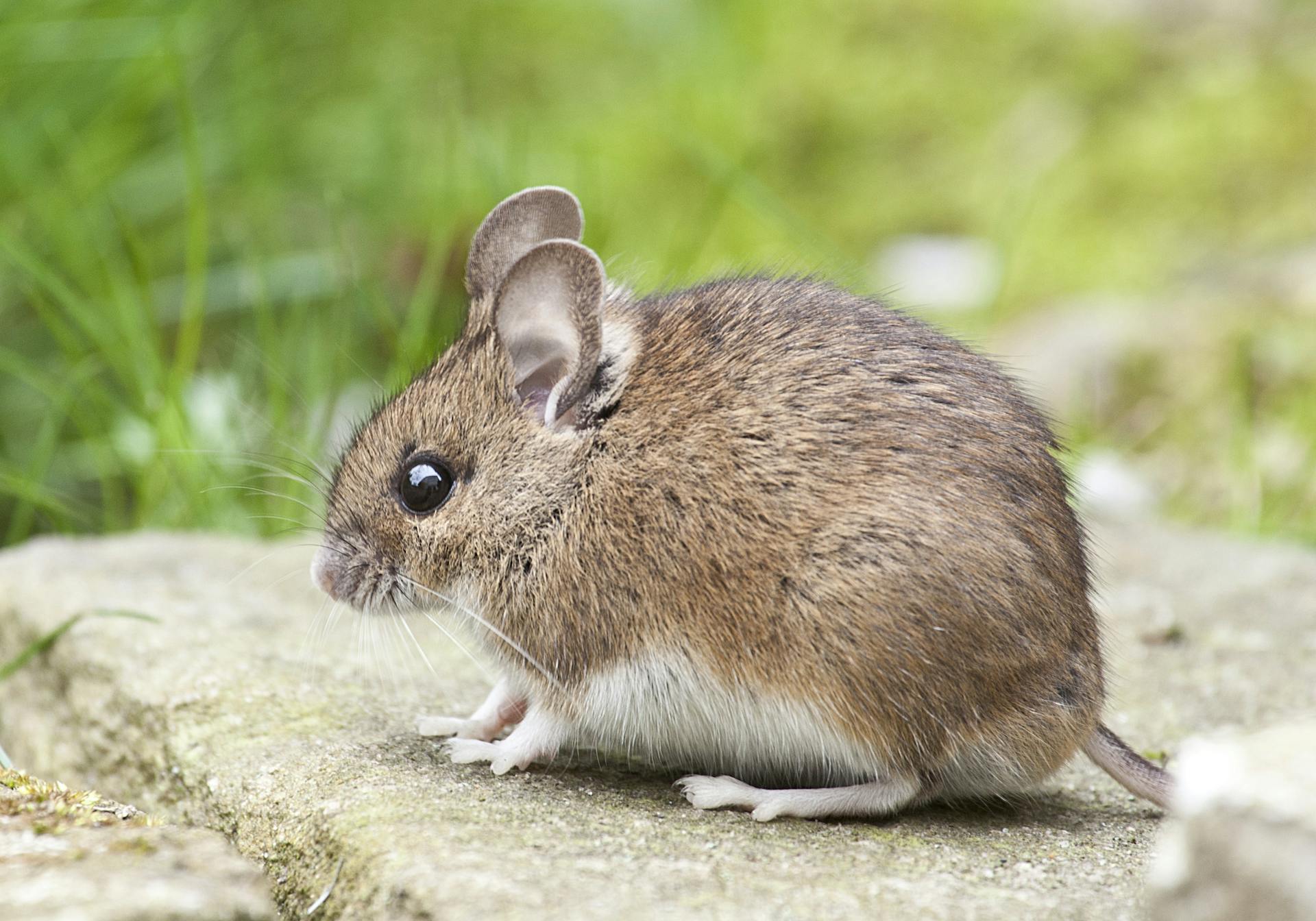
In 2012, a cat hotel owner was charged RM6000 for 30 counts of cruelty and neglect after leaving 150 cats unattended, leading to severe starvation and dehydration. This case marked the first time an animal cruelty case had reached the Malaysian High Court and the first time a sentence of more than a few days in prison had been given for an animal cruelty conviction.
The Animal Welfare Act 2015 aimed to improve enforcement, but unfortunately, it has been poorly implemented. Despite over 7000 reports of abuses, crimes against animals remain rampant, and convictions are rare. The public can make complaints about violations of the Act to the Department of Veterinary Services, but this has not led to significant improvements.
Here are some key statistics on animal cruelty prosecutions in Malaysia:
The Government of Malaysia is encouraged to align all animal welfare legislation and supplementary regulations under one government ministry to ensure all animals are protected in a unified manner. This would help to improve enforcement and provide better protection for animals in Malaysia.
Presence and Impact
In Malaysia, animal welfare and rights are a growing concern.
Malaysia has a significant animal population, with an estimated 10 million stray dogs and 1 million stray cats, according to the Malaysian Animal Welfare Foundation.
Animal cruelty is a major issue in Malaysia, with many cases reported each year.
In 2020, the Malaysian government passed the Animal Welfare Act, which aims to prevent animal cruelty and promote animal welfare.
The Act prohibits animal fighting, animal abuse, and neglect, and requires animal owners to provide proper care and shelter for their animals.
The Malaysian government has also established the Department of Veterinary Services to oversee animal welfare and enforce animal cruelty laws.
Animal welfare organizations in Malaysia, such as the Malaysian Animal Welfare Foundation and the Society for the Prevention of Cruelty to Animals (SPCA), work tirelessly to promote animal welfare and protect animals from cruelty.
These organizations provide rescue services, shelter, and rehabilitation for animals in need, as well as educate the public about animal welfare and rights.
On a similar theme: Animal Conservation Organizations
Frequently Asked Questions
How are animals treated in Malaysia?
Malaysia's animal welfare is considered average, with a high number of animal-related crimes contributing to this ranking. Animal treatment in Malaysia is a complex issue, and there is more to learn about the country's animal protection policies and legislation.
What is the punishment for animal abuse in Malaysia?
In Malaysia, animal abuse is punishable by fines ranging from RM20,000 to RM100,000 and/or up to 3 years of imprisonment. Offenders may face severe penalties for harming or neglecting animals.
Featured Images: pexels.com