Malaysia's fish industry is a significant contributor to the country's economy.
The country has a long coastline and an abundance of marine resources, making it an ideal location for fish farming and fishing.
Malaysia's fish industry is valued at over RM 1.3 billion, with the majority of the catch coming from the east coast of Peninsular Malaysia.
Fisheries in Malaysia are managed by the Department of Fisheries, which has implemented various regulations to ensure the sustainability of the industry.
The country's fish industry employs over 100,000 people, both directly and indirectly, making it a vital source of employment for many communities.
Fish in Malaysia
Malaysia is home to a staggering array of fish species, with over 1,000 recorded species found in its waters.
The country's geographical location, spanning the equatorial region of Southeast Asia, makes it an ideal spot for marine biodiversity.
Some of the most common fish species found in Malaysia include the giant grouper, which can grow up to 3 meters in length and weigh up to 300 kilograms.
The waters off the coast of Sabah are particularly renowned for their abundant marine life, with coral reefs and mangrove forests providing a habitat for a vast array of fish species.
The sardine is another important fish species in Malaysia, with its small size and high reproductive rate making it a crucial food source for many larger fish and marine animals.
Malaysian fish are an important source of food and income for many communities, with the fishing industry providing a significant contribution to the country's economy.
Regulations and Best Practices
In Malaysia, it's essential to respect the local fishing regulations. Kuala Rompin has strict fishing regulations in place to protect its marine life.
Be sure to follow the rules and regulations to avoid penalties or fines. This includes adhering to catch limits, size restrictions, and any closed areas.
It's also crucial to check the local fishing regulations before heading out to fish, as they can change frequently.
Why
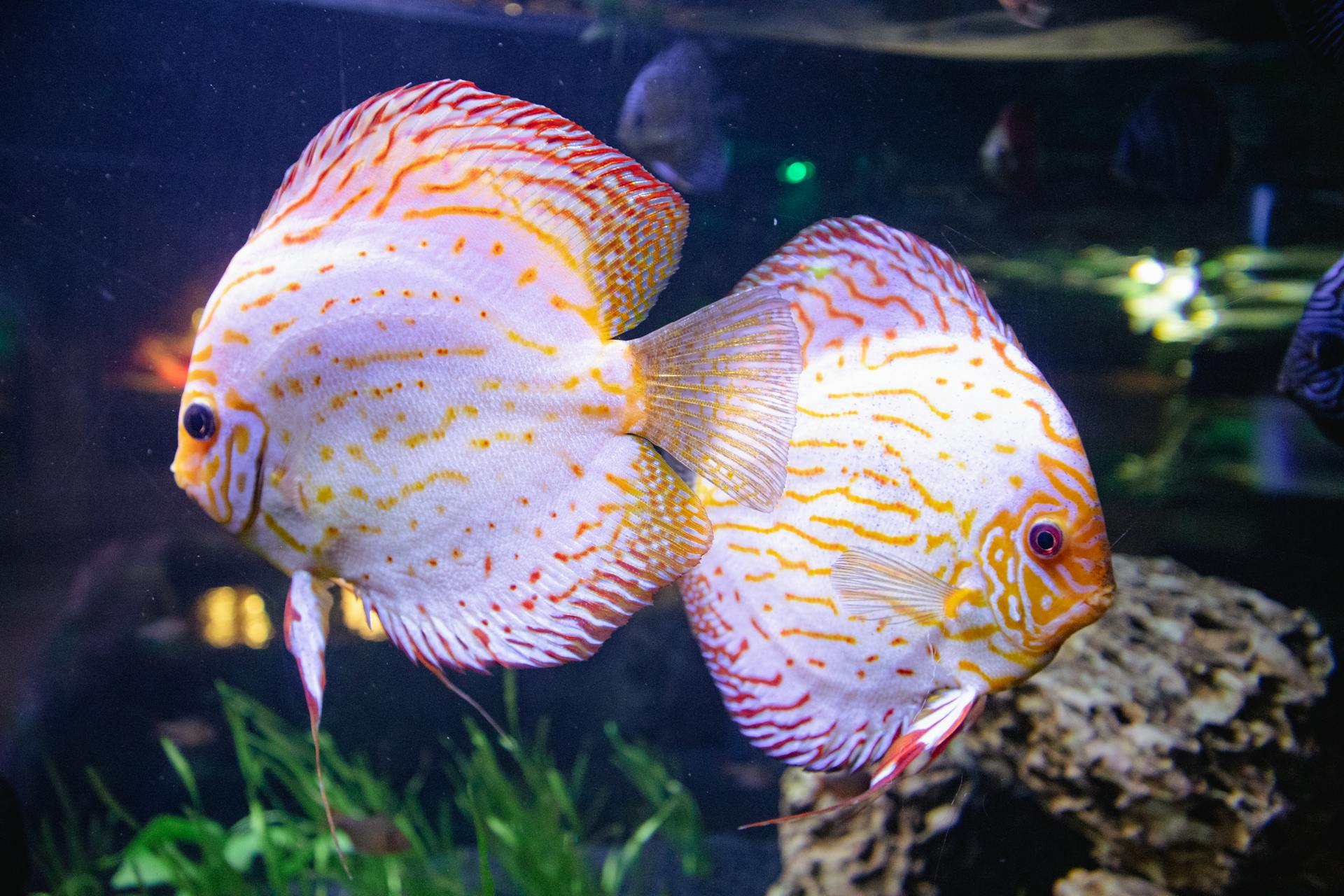
Kuala Rompin offers an ideal environment for sport fishing due to its diverse range of fishing grounds.
The waters surrounding Kuala Rompin are home to various species of game fish, including sailfish, marlin, tuna, and many others.
This abundance of marine life is made possible by the region's mangrove forests and estuaries, which provide a habitat for smaller species of fish.
Ocean Blue provides excellent equipment and facilities, making it easier for anglers to have a successful fishing experience.
Experienced guides are also available to help you find the best spots and techniques for catching fish, making Kuala Rompin a great destination for anglers of all levels of experience.
The warm tropical waters and beautiful scenery of Kuala Rompin make it an unforgettable sport fishing adventure.
Comply with Local Laws
Fishing regulations are in place to protect marine life, so be sure to follow the rules to avoid penalties or fines.
Kuala Rompin has strict fishing regulations that are worth adhering to.
Regulations can be complex, but it's essential to understand and respect them to ensure a safe and enjoyable experience.
Be Environmentally Mindful
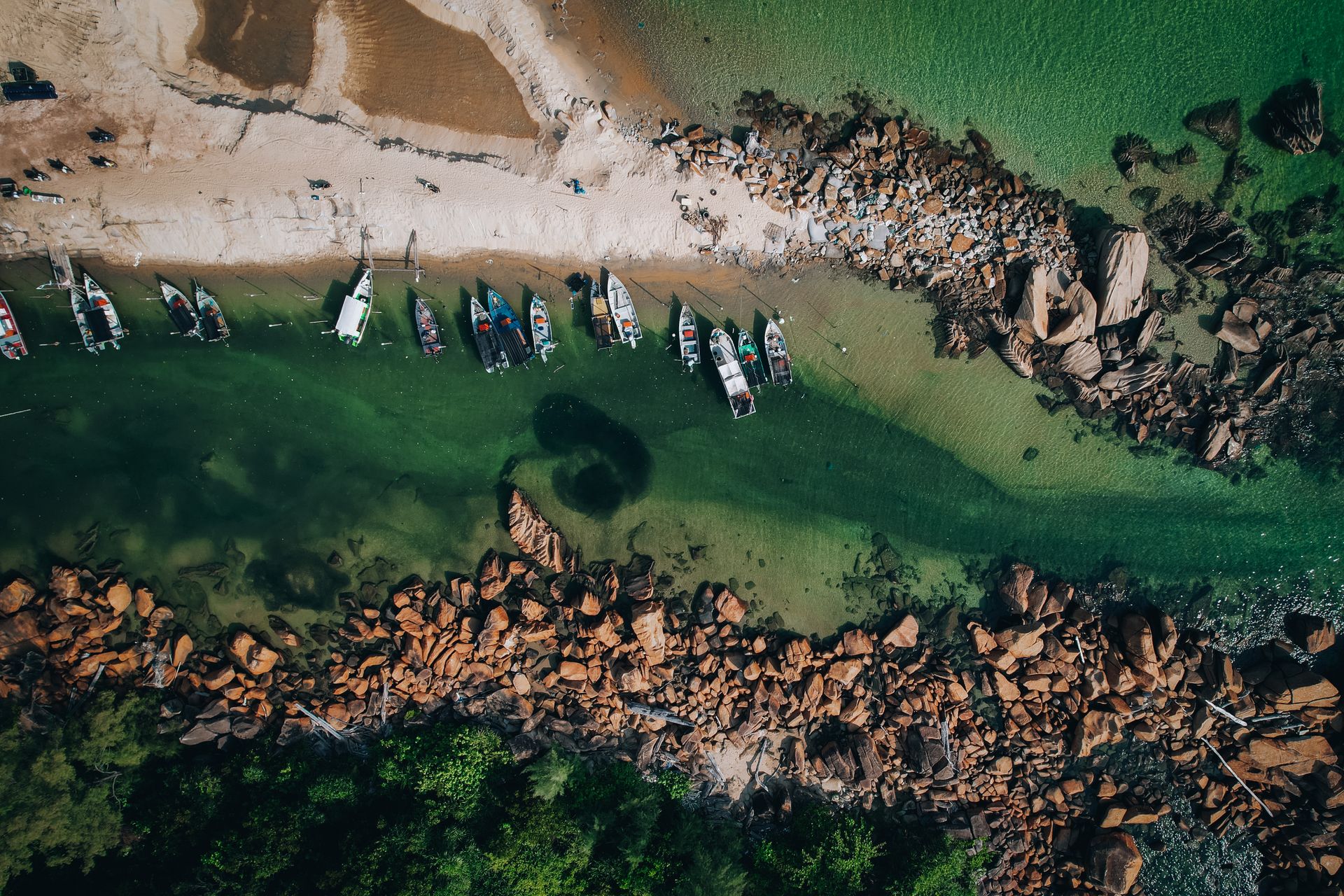
To be environmentally mindful, use environmentally-friendly practices to conserve local marine life. This is especially important when fishing in Kuala Rompin, Malaysia.
Fishing in sensitive areas requires a thoughtful approach to minimize your impact. Be mindful of the impact you have on the environment.
Using environmentally-friendly practices can make all the difference in preserving the local ecosystem. By doing so, you can help conserve the local marine life.
Aquaculture
Malaysia's aquaculture sector is thriving, with huge potential and ongoing government support to supply the rising demand for animal protein. Aquaculture is critical for boosting fish production, balancing demand on capture fisheries, and preventing wild fish overexploitation.
Globally, aquaculture currently accounts for 46% of total fish production. In 2020, Malaysia had a total of 20,262 fish farmers.
About 73.5% (7,349 farmers) were engaged in freshwater aquaculture, while 16% (3,349 farmers) were engaged in brackish water aquaculture.
Malaysian freshwater aquaculture production totaled 97,209.74 tonnes worth RM 766 million in 2020, while brackish aquaculture production totaled 120,739.51 tonnes worth RM 2,289.39 million.
Here's a breakdown of the different aquaculture production systems and areas adopted in Malaysia:
Seaweed production was estimated to reach 182,061.00 tonnes of wet weight in 2020, accounting for RM 58.87 million of the wholesale value.
Species and Sectors
Malaysia is home to a diverse array of fish species, with over 600 species found in its waters.
The country's tropical waters support a rich marine ecosystem, with species like the majestic whale shark and the colorful parrotfish.
The freshwater sector in Malaysia is also teeming with life, with species like the giant catfish and the tiger barb.
Tuna
Tuna is a popular catch in the waters around Kuala Rompin, with several species available including yellowfin tuna and longtail tuna.
The yellowfin tuna is known for its speed and agility, making it a thrilling catch for experienced anglers.
Longtail tuna, on the other hand, is a favorite among locals who appreciate its rich flavor and firm texture.
There are many ways to prepare tuna, but grilling or pan-frying it brings out its natural sweetness and tenderizes the meat.
Yellowfin tuna can grow up to 200 pounds in weight, making it a challenging catch for even the most seasoned fishermen.
You might enjoy: Tuna Fish
Grouper
Grouper is a type of fish commonly caught in the region.
Groupers are known for their large size, which makes them a prized catch for many anglers.
Their delicious taste is also a major draw, with many people enjoying them as a fresh catch or in restaurants.
Readers also liked: Catch Azoth Tinged Fish
Snapper
Snapper is a popular species to catch in the waters around Kuala Rompin, prized for its meaty flavor.
They can be found in these waters, making them a great option for anglers in the area.
Snappers are a common catch, and their flavor makes them a favorite among locals and visitors alike.
Geographical Distribution
Malaysia's fish production varies significantly across states, with Sabah, Perak, and Selangor collectively accounting for nearly 60% of the total national output.
Sabah is the top-producing state, producing 550 thousand metric tons of fish in 2022, which represented 29% of the total national fish output.
Perak follows closely, contributing 374 thousand metric tons (20%) to the national fish output.
Selangor accounts for 10% of total production, with 196 thousand metric tons of fish produced in 2022.
In terms of marine capture fisheries, Perak leads the way, accounting for 23% of the national marine fish output.
Sabah and Selangor also dominate marine fish production, with 18% and 13% of the national marine fish output, respectively.
Aquaculture production is highly concentrated in Sabah, which leads the sector with 56% of the total national aquaculture output.
Perak follows at 12%, while Pulau Pinang ranks third at 8%.
Sabah's extensive coastal waters and large-scale commercial aquaculture farms, particularly for shrimp and seaweed farming, drive its dominance in aquaculture.
For inland fisheries, Perak leads with 33% of total inland fish production, followed by Pahang and Johor.
These states benefit from extensive river networks and freshwater ecosystems, making them ideal for inland capture fishing and freshwater aquaculture.
Species
Species are incredibly diverse, with over 8.7 million identified species on our planet, ranging from the tiniest microbe to the largest blue whale.
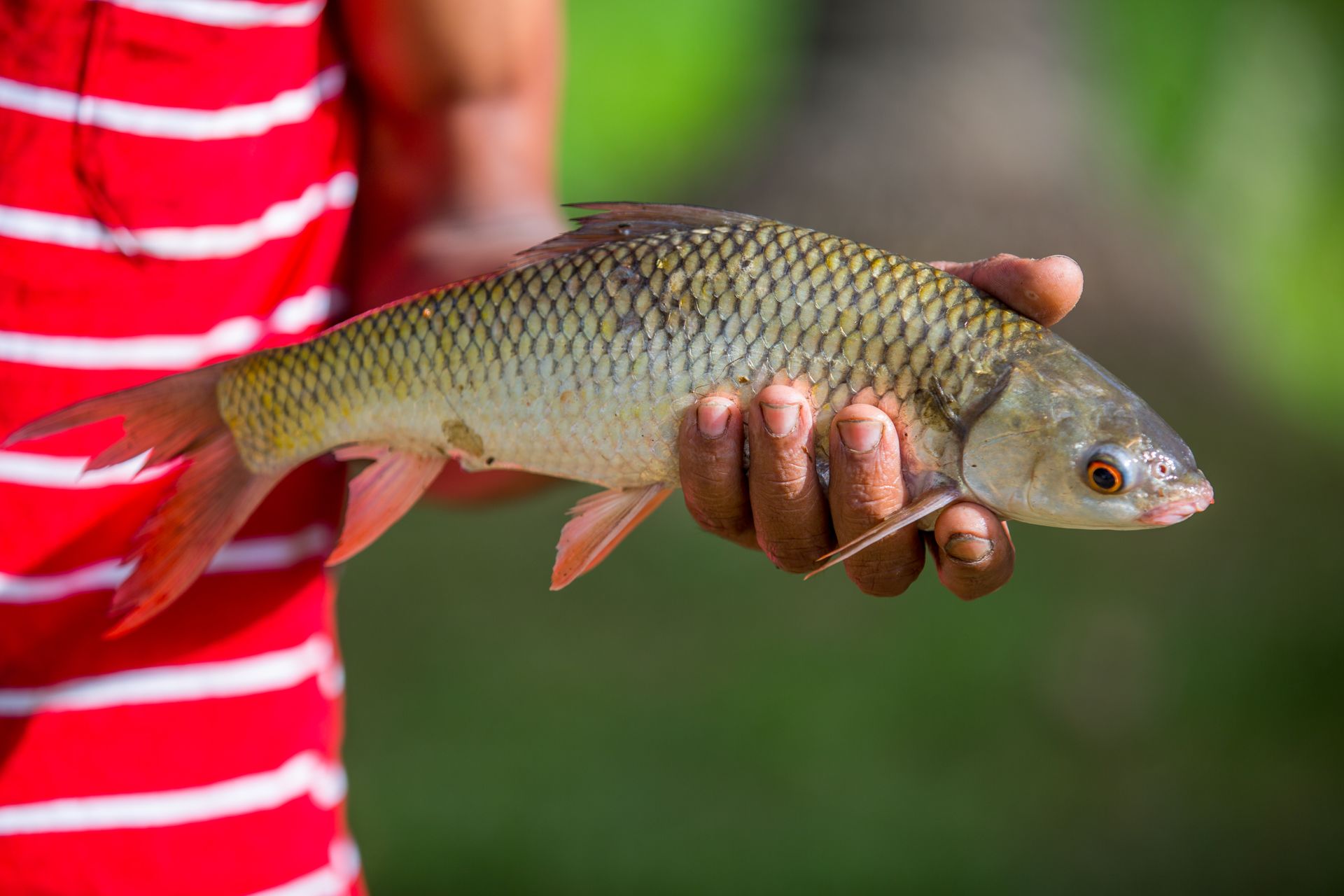
The largest sector of species is the animal kingdom, accounting for approximately 75% of all identified species. Many of these animals have evolved complex social structures, such as the highly intelligent dolphins.
Some species, like the monarch butterfly, migrate thousands of miles each year, while others, like the axolotl, can regrow their limbs. These incredible abilities have captivated humans for centuries.
The insect sector is home to the most diverse species, with over 1 million identified species, including the iconic honeybee.
The axolotl's ability to regrow its limbs is a remarkable example of nature's resilience.
Sectors' Contributions
The fishery and aquaculture sectors in Malaysia are a vital part of the country's food security.
These sectors contribute significantly to domestic food production, serving as critical sources of employment, nutrition, and trade revenue.
Sustaining livelihoods in coastal communities is a key aspect of the sectors' contributions.
They also support export markets, generating substantial economic value.
The fishery and aquaculture sectors play a fundamental role in Malaysia's economic development and cultural heritage.
They provide a source of income for many people living in coastal areas.
Nutritional Importance and Cultural Significance
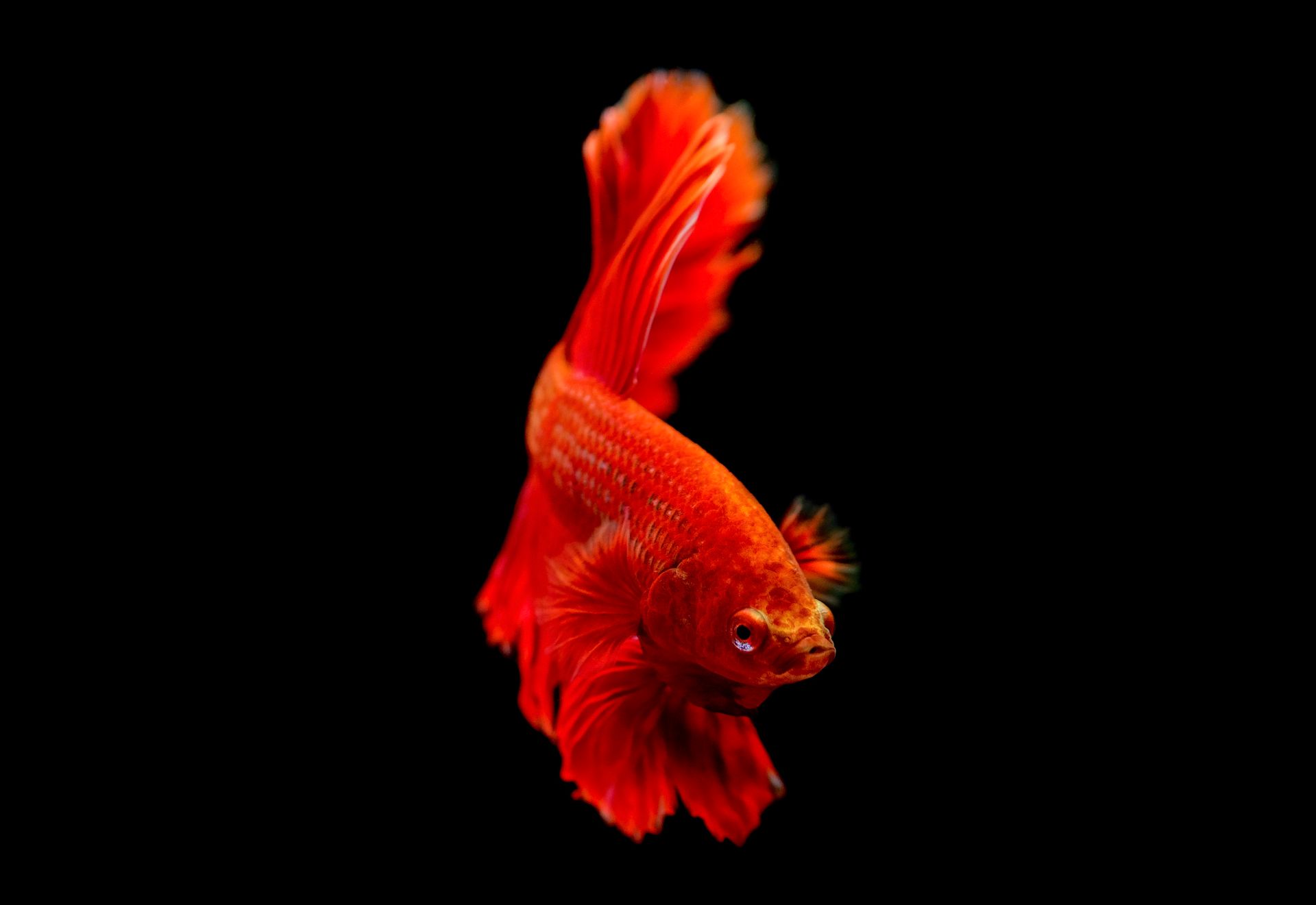
Malaysia's diet is heavily reliant on fish and seafood as a source of protein and micronutrients. This is especially true in coastal regions where access to alternative protein sources may be limited.
Fish consumption in Malaysia is significant, with per capita consumption reaching 47.3 kg in 2017. However, this declined to 42.7 kg in 2020 due to supply chain disruptions during the COVID-19 pandemic.
By 2022, per capita consumption had rebounded to 46.22 kg for food fish and 36.04 kg for fish only. This recovery is a testament to the resilience of the fish production and trade sector.
Malaysia's cultural heritage is deeply tied to fishing and seafood consumption. Traditional fishing practices and seafood-based cuisine are an integral part of national and regional identities.
Fish and seafood account for a significant proportion of household food expenditures in Malaysia. This underscores their centrality in Malaysian dietary habits.
Malaysia's high per capita consumption of fish is nearly double the global average. This highlights the sector's essential role in national food security and nutritional sustainability.
Challenges and Limitations
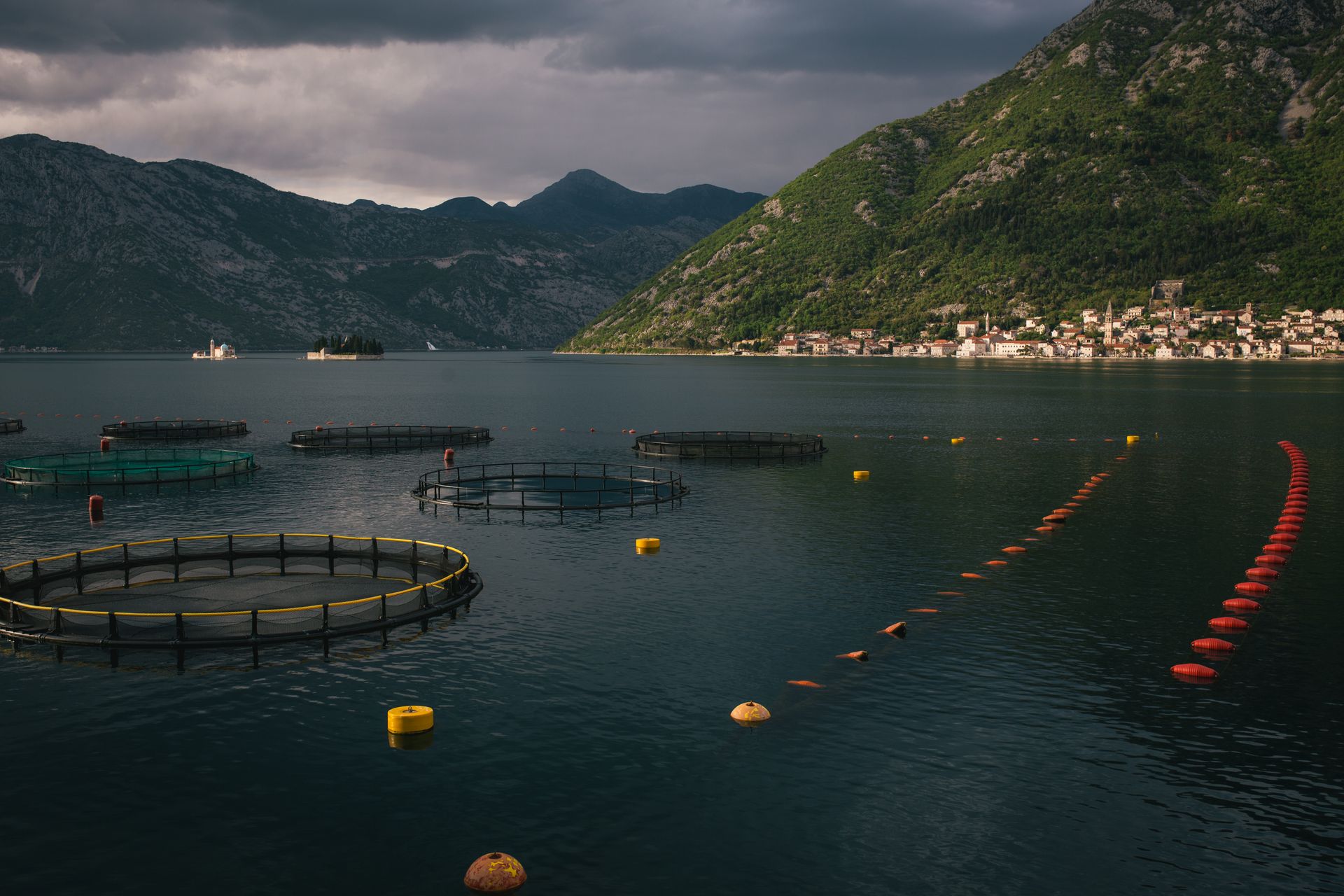
The fishery and aquaculture sectors in Malaysia face a range of challenges. Environmental vulnerabilities are a major concern, as they can have devastating effects on fish populations and ecosystems.
Regulatory hurdles are another significant challenge. The fishery and aquaculture sectors in Malaysia face a range of challenges, from environmental vulnerabilities and economic constraints to regulatory hurdles and knowledge gaps.
Challenges to Aquaculture
Aquaculture in Malaysia faces several challenges that threaten its economic viability. One of the most pressing concerns is the escalating cost of feed and seed, which can constitute up to 60% of total aquaculture production costs.
Rising production costs are not the only issue; market volatility also poses a significant challenge. For instance, the shrimp industry, a major export earner, has been highly susceptible to price fluctuations, influenced by currency exchange rates and competition from regional producers such as Thailand and Vietnam.
The cost of imported fish feed, particularly for marine aquaculture species, has put financial pressure on small and medium-scale producers. This has led to a shift in aquaculture priorities, with many farmers abandoning high-cost freshwater and brackish fish production in favor of seaweed farming.
Between 2019 and 2022, seaweed farming accounted for 74% of aquaculture production growth, while the volume of freshwater and brackish fish declined. This shift reflects a response to global market dynamics rather than domestic food security priorities, raising concerns about the long-term stability of Malaysia's fish supply.
Regional disparities in aquaculture infrastructure and market access further widen economic inequalities. Wealthier states such as Selangor, Penang, and Johor benefit from better processing facilities, transportation networks, and investment incentives, enabling them to achieve higher aquaculture productivity.
In contrast, states like Kelantan, Terengganu, and Perlis face challenges such as poor infrastructure, inadequate cold chain facilities, and limited access to financing, which hinder their competitiveness. A comparative assessment of these regions highlights the urgent need for policies that promote equitable investment, financial support, and technological transfer to bridge the productivity gap.
Here's a breakdown of the regional disparities in aquaculture infrastructure and market access:
Environmental Vulnerabilities
Environmental vulnerabilities pose a critical challenge to the sustainability of Malaysia's fishery and aquaculture sectors.
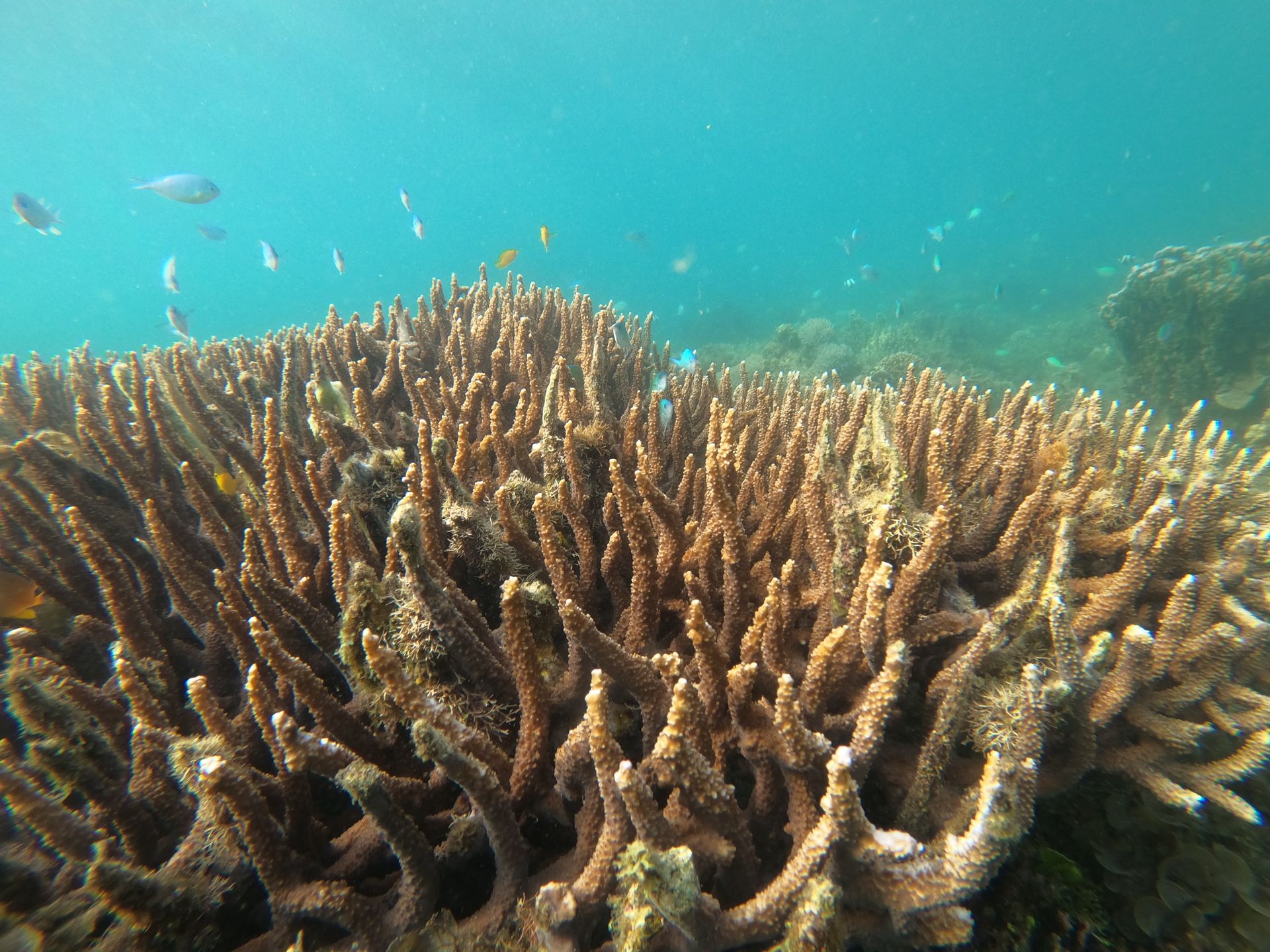
Water pollution is a significant threat to freshwater and coastal ecosystems, particularly from industrial wastewater and untreated aquaculture effluents.
Regions like Selangor and Johor, where industrial zones are located near rivers and coastal aquaculture farms, are particularly affected by water pollution.
A study by Kurniawan et al. (2021) highlights that contaminated rivers have led to mortality rates of over 30% in freshwater aquaculture farms, significantly impacting small-scale producers.
Climate change introduces new environmental risks, including rising water temperatures, flooding, and drought, which can lead to increased occurrences of fish diseases.
Higher temperatures have been linked to increased occurrences of fish diseases, particularly bacterial and viral infections in shrimp farming, which caused significant losses in 2018 and 2020.
Floods, like the 2014 Kelantan floods, can destroy aquaculture infrastructure, resulting in significant financial losses, as seen in the case of over RM 50 million worth of aquaculture infrastructure destroyed in 2014.
Droughts can also disrupt fish farms, particularly in Pahang and Kedah, where prolonged dry spells have led to water shortages in aquaculture ponds.
On a similar theme: Water Dogs Fish
Knowledge Limitations
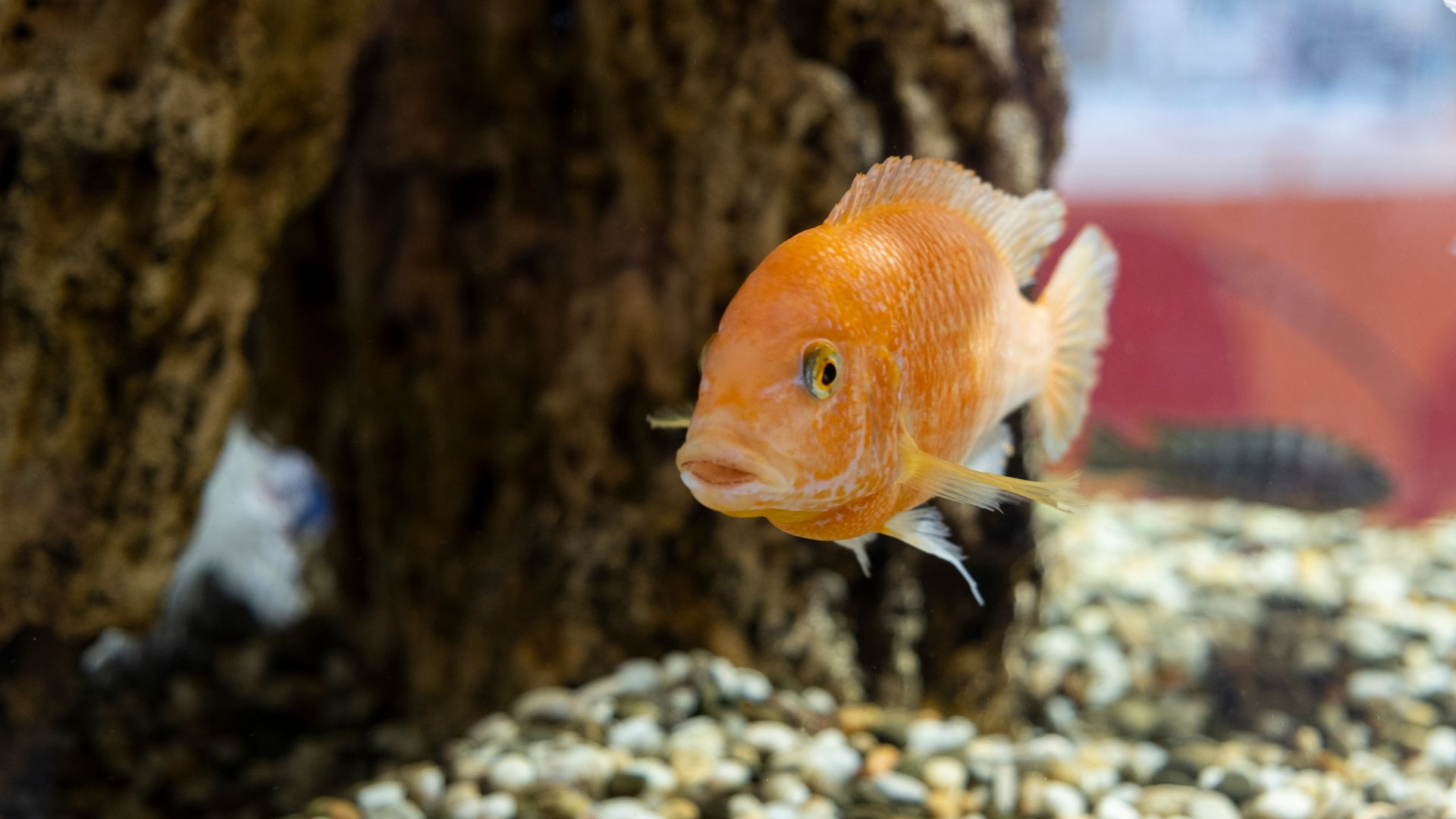
Malaysia's aquaculture sector faces significant gaps in research and development, limiting innovation and sectoral resilience.
The government's fishery production reports are often highly aggregated, making it difficult to understand socioeconomic dynamics at the household level, and preventing targeted interventions for small-scale producers and vulnerable communities.
Malaysia-affiliated authors contributed only 395 articles to agricultural and biological science journals between 2014 and 2023, a modest share of global research publications in Scopus.
Much of Malaysia's research output came from WorldFish, an international research organization headquartered in Malaysia, highlighting the need for independent research in the sector.
Species-specific studies, disease control, and feed technology innovations are key research gaps that Malaysia needs to address to enhance its aquaculture competitiveness.
Thailand has made significant advances in genetic improvement of tilapia, while Indonesia leads in research on shrimp disease management, demonstrating the potential of regional collaboration in driving sectoral innovation.
Aquaculture Development
Malaysia's aquaculture sector is thriving, with a huge potential to supply the rising demand for animal protein. In 2020, the country had a total of 20,262 fish farmers, with 73.5% engaged in freshwater aquaculture and 16% in brackish water aquaculture.
The use of conventional technologies such as ponds, ex-mining pools, cages, tanks, and pen culture is prevalent in Malaysia's aquaculture fish production system. Freshwater aquaculture production totaled 97,209.74 tonnes worth RM 766 million in 2020, while brackish aquaculture production totaled 120,739.51 tonnes worth RM 2,289.39 million.
Malaysia's aquaculture production systems and areas adopted in the country can be seen in the table below:
Aquaculture Development Strategy
Malaysia's aquaculture sector is thriving, with a huge potential to supply the rising demand for animal protein. The government is actively supporting aquaculture development to boost fish production and prevent wild fish overexploitation.
The country's aquaculture sector is critical in balancing demand on capture fisheries and supplying food, jobs, nutrition, and a healthy lifestyle. In 2020, Malaysia's aquaculture production totaled 218,010.25 tonnes worth RM 2,993.36 million.
Malaysian freshwater aquaculture production is dominated by conventional technologies such as ponds, ex-mining pools, cages, tanks, and pen culture. The utilization of cutting-edge technology like recirculating aquaculture systems is currently restricted to government hatcheries.
Here's a breakdown of the aquaculture production systems and areas adopted in Malaysia:
The government's support for aquaculture development is evident in the large number of farmers engaged in the sector. In 2020, Malaysia had a total of 20,262 fish farmers, with 73.5% (7,349 farmers) engaged in freshwater aquaculture and 16% (3,349 farmers) engaged in brackish water aquaculture.
Future of Vaccines
The future of vaccines in aquaculture looks promising. Fish vaccinations in Malaysia are still limited, but the industry's rapid growth and increasing demand for fish consumption per capita make it a viable solution to reduce dependence on imported fisheries products and ease pressure on wild fish stocks.
Malaysia's aquaculture industry has generated numerous employment and income generation to locals, ensuring national food security and advancing the sustainable fisheries agenda. But recurrent infectious disease outbreaks have hindered its growth.
Vaccination is considered a safer, more practical, and cost-effective way of preventing aquatic animal diseases compared to antibiotics. The use of vaccinations in aquaculture is being considered as a substitute for antimicrobial medications and chemotherapy.
Evidence of multiple resistant bacteria and resistance genes has been reported in Malaysian aquaculture and its environs. This is alarming, as it can affect water's natural microbiota and accelerate the development of antibiotic-resistant bacteria.
The success of Norwegian Atlantic salmon farming is a great example of the effectiveness of vaccination. Salmon farming in Norway suffered significant losses due to salmonid Vibrio infections and furunculosis, but after developing and applying vaccines, the disease was controlled, and antibiotic dependence declined.
A thorough analysis of the prospective market and sales of local fish vaccines is highly recommended to better grasp the industry's needs.
Health and Safety
In Malaysia, fish is a staple in many households, but it's essential to handle and store them safely to avoid foodborne illnesses. Raw fish should be stored at 40°F (4°C) or below to slow down bacterial growth.
Malaysian fish markets often sell fresh fish, but it's crucial to check for any visible signs of spoilage before purchasing. Fish with a strong ammonia smell or slimy texture should be avoided.
To handle fish safely, wash your hands thoroughly with soap and water before and after handling raw fish, and make sure to pat them dry with paper towels to prevent cross-contamination.
Infectious Diseases
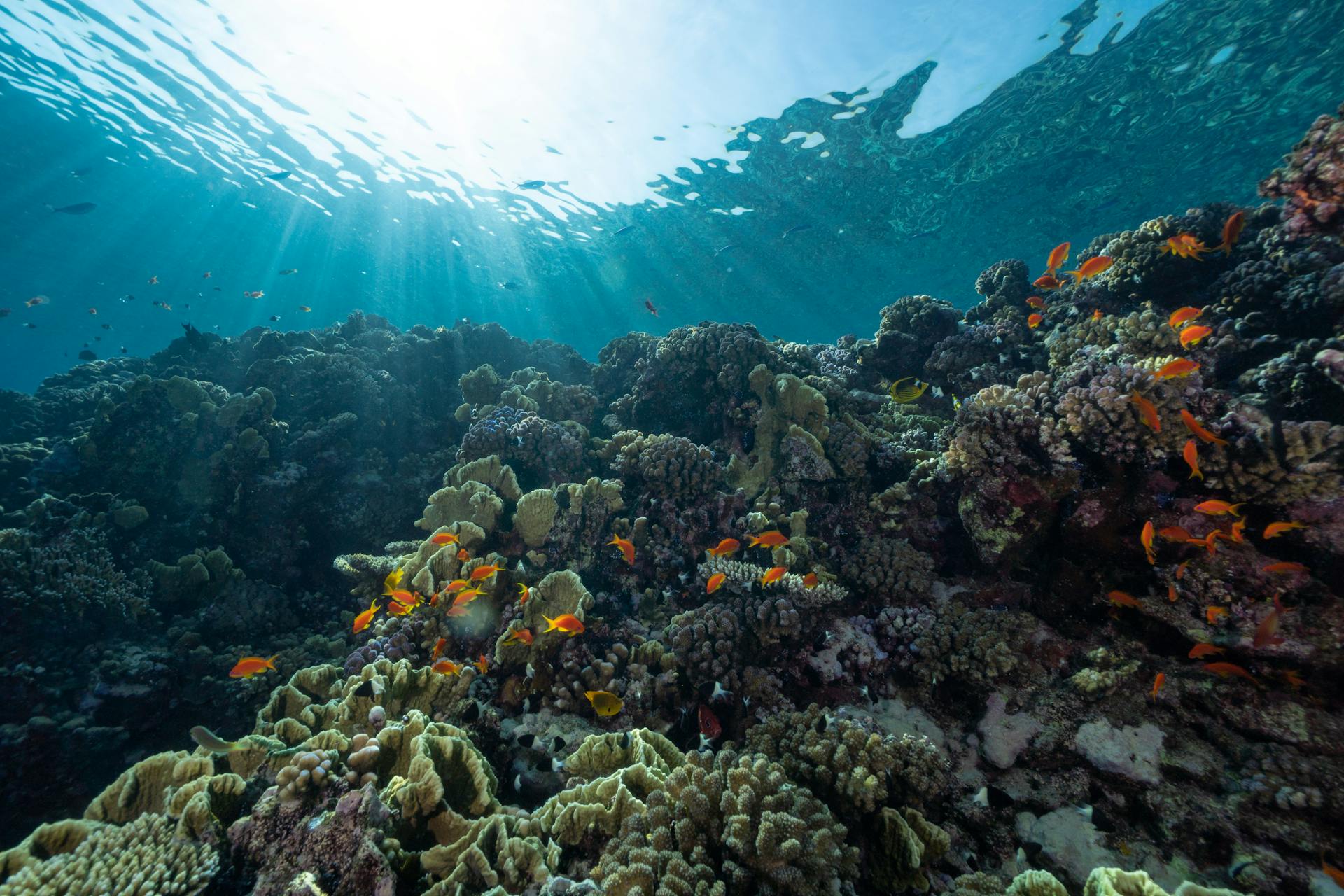
Infectious diseases are a major concern in the aquaculture industry in Malaysia, caused by a wide range of microorganism infections.
Bacteria and viruses are the main culprits behind these outbreaks, with Streptococcus agalactiae, Streptococcus iniae, Aeromonas hydrophila, and Vibrio alginolyticus being the most common bacterial diseases affecting cultured fish.
These diseases have resulted in substantial economic losses for the country.
Vaccination is considered the best control measure to protect fish from infectious diseases by developing herd immunity.
A recent study proved the existence of herd immunity in aquatic animals, which played a crucial role in increasing the survival rate and disease resistance.
Betanodavirus and iridovirus frequently affect cultured marine fish species, and outbreaks of emerging diseases like tilapia lake virus (TiLV) have been reported in both wild and cultured tilapia.
Additional reading: Clean Fish Tilapia
Overview of Vaccine Licensing
The Department of Veterinary Services (DVS) in Malaysia is responsible for regulating the production, importation, distribution, sale, and use of veterinary vaccines, including fish vaccines.
The DVS has the authority to provide licenses for the possession and administration of live cultures or veterinary vaccinations to animals or birds, as stated in Section 30(1) of the Animal Act 1953.
No person should knowingly import or possess any living noxious insect, pest, or living germ, virus, or bacterial culture that is harmful or dangerous to animals or birds without the Director-General's written permission, as stated in Section 84(1) of the Animal Act 1953.
The Technical Committee of Veterinary Product and National Veterinary Product Control Committee under DVS acts as a licensing authority to register animal vaccines and other biologics.
Licensure of new animal vaccines is subjected to a well-defined regulatory process, which is outlined in a general framework for the regulatory approval of veterinary vaccines.
Research and Development
Malaysia's research and development efforts are crucial for the country's fish industry. The Malaysian Fisheries Development Authority (LKIM) has been actively involved in research and development to improve fish farming practices and increase fish production.
Fish farms in Malaysia have adopted advanced technologies to improve fish health and productivity. For example, some farms use recirculating aquaculture systems (RAS) to reduce water usage and improve water quality.
LKIM has also established a national fish breeding program to improve the genetic quality of fish species. This program aims to develop high-quality fish breeds that are resistant to diseases and can thrive in Malaysian waters.
The use of biofloc technology in fish farming has been shown to improve water quality and reduce waste. Biofloc systems use microorganisms to break down organic matter and recycle nutrients.
Malaysian researchers have also been studying the potential of seaweed farming as a complementary activity to fish farming. Seaweed can help improve water quality and provide a new source of income for fish farmers.
LKIM has established a network of research stations and laboratories to support research and development in the fish industry. These facilities provide a platform for researchers to conduct experiments and test new technologies.
Fish farmers in Malaysia have reported improved fish health and productivity since adopting new technologies and practices. This has led to increased fish production and improved livelihoods for fish farmers.
Frequently Asked Questions
What is the national fish of Malaysia?
The mahseer, also known as ikan kelah, is the national fish of Malaysia. It is a large cyprinid species found in the country's fast-flowing and pristine waters.
What is the most expensive fish to eat in Malaysia?
In Malaysia, the Empurau fish is considered the most expensive fish to eat, also known as the "King of the River". Its high price has earned it the nickname "unforgettable" in Mandarin.
Why is fish expensive in Malaysia?
Fish prices in Malaysia have increased due to the increased work and costs required to obtain the same amount of fish. This is a common challenge faced by both Malaysia and Singapore, which imports a significant portion of its seafood from Malaysia.
Featured Images: pexels.com