Animal welfare and rights in India have made significant progress in recent years, with the government introducing laws and policies to protect animals from cruelty and abuse.
The Prevention of Cruelty to Animals Act, 1960, is a landmark legislation that prohibits animal cruelty and provides for the welfare of animals.
In 2011, the government introduced the Animal Welfare Board of India, which is responsible for promoting animal welfare and enforcing laws related to animal cruelty.
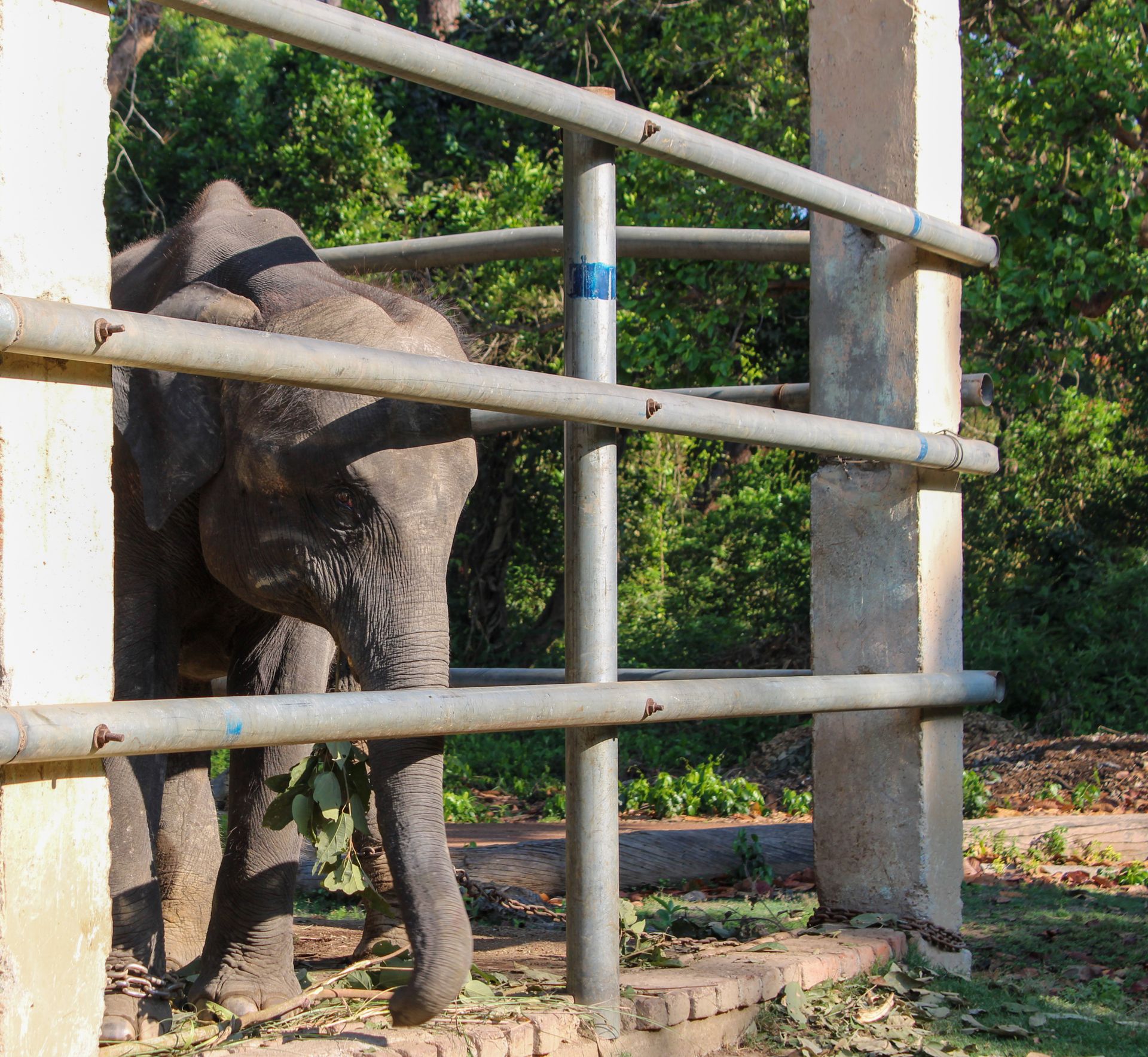
The Indian government has also taken steps to protect animals from cruelty in circuses, with the Central Zoo Authority banning the use of animals in circuses in 2013.
The Animal Welfare Board of India has also been working to improve animal welfare in slaughterhouses, with a focus on ensuring humane treatment of animals before slaughter.
The Supreme Court of India has also played a crucial role in promoting animal welfare, with several landmark judgments that have helped to protect animal rights.
The court has ruled that animals have the right to be treated with dignity and respect, and that animal cruelty is a punishable offense.
On a similar theme: How to Stop Cruelty towards Animals
History of Animal Welfare
The concept of animal welfare has a rich history in India, dating back to the ancient times. The Vedas, the first scriptures of Hinduism, taught ahimsa or nonviolence towards all living beings.
In Hinduism, killing an animal is regarded as a violation of ahimsa and causes bad karma, leading many Hindus to practice vegetarianism. This is because Hindu teachings consider the sanctity of all life.
Jainism, founded in India in the 7th-5th century BCE, is a major religion that emphasizes ahimsa as its central teaching. Jains practice strict vegetarianism and many even go to great lengths to avoid harming insects.
Buddhism, which emerged in India, also teaches ahimsa and vegetarianism. Many Buddhists practice life release, purchasing animals destined for slaughter and releasing them to the wild.
The Mauryan king Ashoka converted to Buddhism in 262 BCE and issued edicts that reflected the Buddhist teachings of compassion for all beings. These edicts included provisions for medical treatment for animals and bans on animal sacrifice.
India's animal welfare record is a mixed bag, with a grade of C out of possible grades A,B,C,D,E,F,G on World Animal Protection's Animal Protection Index.
Animal Use in India
Animal use in India is a complex issue, with both positive and negative aspects.
Animal welfare laws in India, such as the 1960 anti-cruelty law, aim to regulate animal use. However, the law has not been fully enforced.
The Committee for the Purpose of Control and Supervision of Experiments on Animals (CPCSEA) was established to oversee animal experimentation in India. Unfortunately, a 2003 report by Animal Defenders International and the U.K. National Anti-Vivisection Society found a "deplorable standard of animal care" in many Indian laboratories.
Animal use in India is not limited to scientific research; animals are also used in the food industry.
Used for Food
Animals used for food in India have a complex and sensitive status, particularly when it comes to cattle.
Cows, unlike other animals, hold a certain sacred status for millions of Hindus, Sikhs, Buddhists, and Jains in India.
However, others, including followers of Abrahamic religions and non-religious people, do not consider cattle to be sacred.

Some states in India have banned the slaughter of cows, bullocks, and bulls, while others have only prohibited slaughtering bullocks and bulls.
Kerala, West Bengal, and the Northeast Indian states have no restrictions on the slaughter of these animals.
The legal prohibition of cattle slaughter has been part of Hindu nationalist agendas since the 19th century.
Used in Research
In India, animals are used in scientific research and cosmetics tests, despite the presence of laws to regulate their use.
The 1960 anti-cruelty law created the Committee for the Purpose of Control and Supervision of Experiments on Animals (CPCSEA) to oversee animal experimentation.
A 2003 report by Animal Defenders International and the U.K. National Anti-Vivisection Society found a deplorable standard of animal care in the majority of Indian laboratories inspected.
The report lists many instances of abuse, neglect, and failure to use available non-animal methods, which suggests that the laws in place are not being effectively enforced.
The CPCSEA inspected 467 Indian laboratories and found widespread problems with animal care, highlighting the need for more robust regulations and enforcement.
Legislation and Enforcement
The Prevention of Cruelty to Animals Act 1960 is the legal basis for animal protection in India, but its provisions are often insufficient to prevent animal cruelty. The Act states that it's illegal to subject animals to unnecessary pain or suffering, but the maximum punishments are a fine of 70 US cents, 3 months imprisonment, or both.
Provision 28 of the Act leaves open the option for unstunned ritual slaughter, which is a contentious issue. The Food Safety and Standards (Licensing and Registration of Food Businesses) Regulation, 2011, however, stipulates that stunning before slaughter is mandatory.
In India, it's legal to confine calves in veal crates, pigs in gestation crates, and hens in battery cages. Removing farm animals' body parts without anesthesia is also allowed.
The Government of India is considering introducing legislation to prohibit the slaughter of animals who are not stunned, and to repeal Section 28 of the Prevention of Cruelty to Animals Act 1960.
Animal Types and Welfare
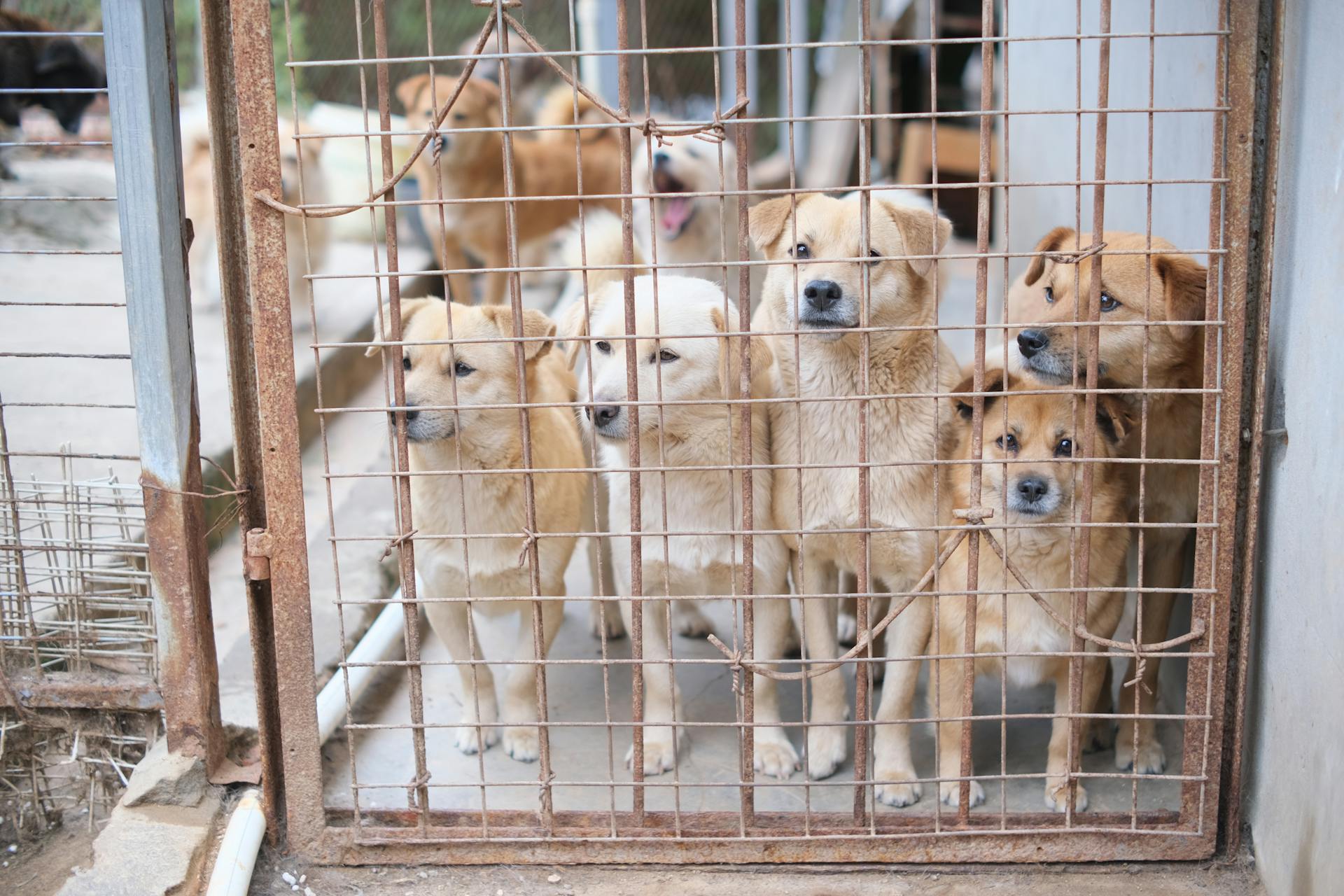
In India, there are approximately 30 million stray dogs, with incidents of dog bites and rabies posing a significant threat to the public. The collapse of vulture populations has led to an increase in the urban street dog population, making it a problem in urban areas.
Stray dogs have been known to chase and attack pedestrians, morning walkers, and two-wheeler riders, causing panic and violent action from some locals. In some cases, dogs have been bludgeoned with iron bars or burnt alive.
India has over 5 million stray cattle, which pose a nuisance to traffic in urban areas. Stray cattle often feed on garbage and plastic pollution, posing a risk to their health.
The government has made cow slaughter illegal in 18 states, including Uttar Pradesh, in accordance with the right-wing Hindu agenda. This has led to a reduction in the trading of male cattle, causing farmers to abandon them on the roads, where they feed on standing crops.
Stray cattle attacks on humans and crops are a significant issue for residents, particularly in rural areas.
A unique perspective: Lychee and Dog Meat Festival
Ethical and Philosophical Foundations
Animal welfare and animal rights are pivotal concepts in India, with a strong focus on ensuring the well-being of animals. The Five Freedoms, encompassing freedom from hunger and thirst, freedom from discomfort, freedom from pain, injury or disease, freedom to express normal behaviour, and freedom from fear and distress, are key components of animal welfare in India.
Animal welfare scientists assess various aspects of an animal's well-being, both in terms of the animal itself and its living environment. This includes evaluating the animal's physical and emotional needs, as well as its social and environmental interactions.
The moral status of animals has been a subject of debate for centuries, leading to various ethical theories in India. These theories can be categorised into indirect theories, direct but unequal theories, and moral equality theories, each offering distinct perspectives on animals' moral standing.
Animal rights proponents in India argue that animals possess inherent worth that extends beyond their utility to humans, advocating for improved conditions and the fulfillment of basic needs. They argue against the use of animals for human purposes, including food, clothing, experimentation, or entertainment.
Animal welfare and animal rights in India differ fundamentally in their underlying philosophies, with animal welfare adopting a fact-based approach and animal rights operating within ethical and legal frameworks with a philosophical orientation.
Modern Developments and Support
The Indian government has been actively working to improve animal welfare by introducing new rules and amendments to existing laws, such as the Prevention of Cruelty to Animals (Care and Maintenance of Case Property Animals) Rules, 2017.
Enforcing these laws remains a significant challenge, especially in cases involving cruelty against street animals and wildlife.
International Standards Support
India has made progress in incorporating the World Organisation for Animal Health (OIE)’s animal welfare standards into its law and policy.
The OIE Animal Welfare Standards focus on several key areas, including transport, slaughter, production systems, stray dog population control, and the use of animals in research and education.
Existing regulations in India cover issues such as transport, slaughter, and stray dog population control, but further development is needed in areas like killing of animals for disease control purposes and the use of animals in agriculture.
Some content of the OIE’s standards has been incorporated into primary and secondary legislation, including the 1960 Prevention of Cruelty to Animals Act and related secondary legislation.
On a similar theme: Korean Dog Meat Trade
However, implementation and enforcement activities face difficulties, and the current legislation is not fully effective to incorporate all the OIE standards.
The Government of India is encouraged to enact mandatory guidelines for species not covered by current animal protection legislation, such as stray animals, the use of animals for scientific research, and the rearing of farm animals.
The Government of India is also encouraged to promote a more thorough application of the Three Rs principles, notably through the work of the Committee for the Control and Supervision of Experiments on Animals (CPCSEA).
Modern Developments
In recent years, India has made significant strides in modernizing its animal welfare laws. The Prevention of Cruelty to Animals (Care and Maintenance of Case Property Animals) Rules, 2017, is a notable example of this progress.
Enforcing these new laws, however, remains a significant challenge. Despite the introduction of new rules and amendments to existing laws, cases involving cruelty against street animals and wildlife continue to be a major concern.
The Indian government is working to address these challenges and improve animal welfare. This includes ongoing efforts to strengthen laws and regulations, as well as raising awareness about the importance of treating animals with kindness and respect.
Donate with Confidence
Stray Animal Foundation of India is a 501(c)3 charitable organization, and all donations to help India's stray animals are tax-deductible to the fullest extent of the law.
You can rest assured that your contribution is going directly to the rescue, as 100% of it goes towards helping India's stray animals.
Our organization is registered with the IRS, with an EIN of 85-1128778, and is also registered as a Florida non-profit with registration number N20000005346.
This transparency and accountability give you peace of mind when donating to our cause.
Stray Animal Foundation of India is also registered as a NGO in India under the Indian Trusts Act 1882, ensuring that our operations are governed by local laws and regulations.
Technology Role
Technology plays a significant role in promoting animal rights and welfare. Emerging technologies like AI, precision agriculture, and blockchain are being used to enhance animal well-being.
AI can monitor animal behavior, detecting early signs of illness and triggering timely interventions. AI-powered cameras can identify changes in an animal's behavior, signaling potential illness or injury.
Precision agriculture helps farmers optimize feed for farm animals and manage water more efficiently, reducing stress on animal husbandry. This approach can lead to better animal health and welfare.
Digital technologies like blockchain ensure transparency and accountability in the food supply chain, tracking the ethical sourcing of food products. This helps prevent animal cruelty and promotes fair treatment of livestock.
Social and Human Impact
Animal welfare and rights in India have a significant impact on the country's society and economy. Many Indians view animals as sacred and consider them an integral part of their culture and heritage.
The Indian government has enacted laws to protect animals, such as the Prevention of Cruelty to Animals Act, 1960, which prohibits animal cruelty and imposes penalties on offenders. This law has helped reduce animal abuse cases in the country.
The animal welfare movement in India has also led to increased awareness about animal rights, with many organizations and individuals working together to promote kindness and compassion towards animals.
Human Impact
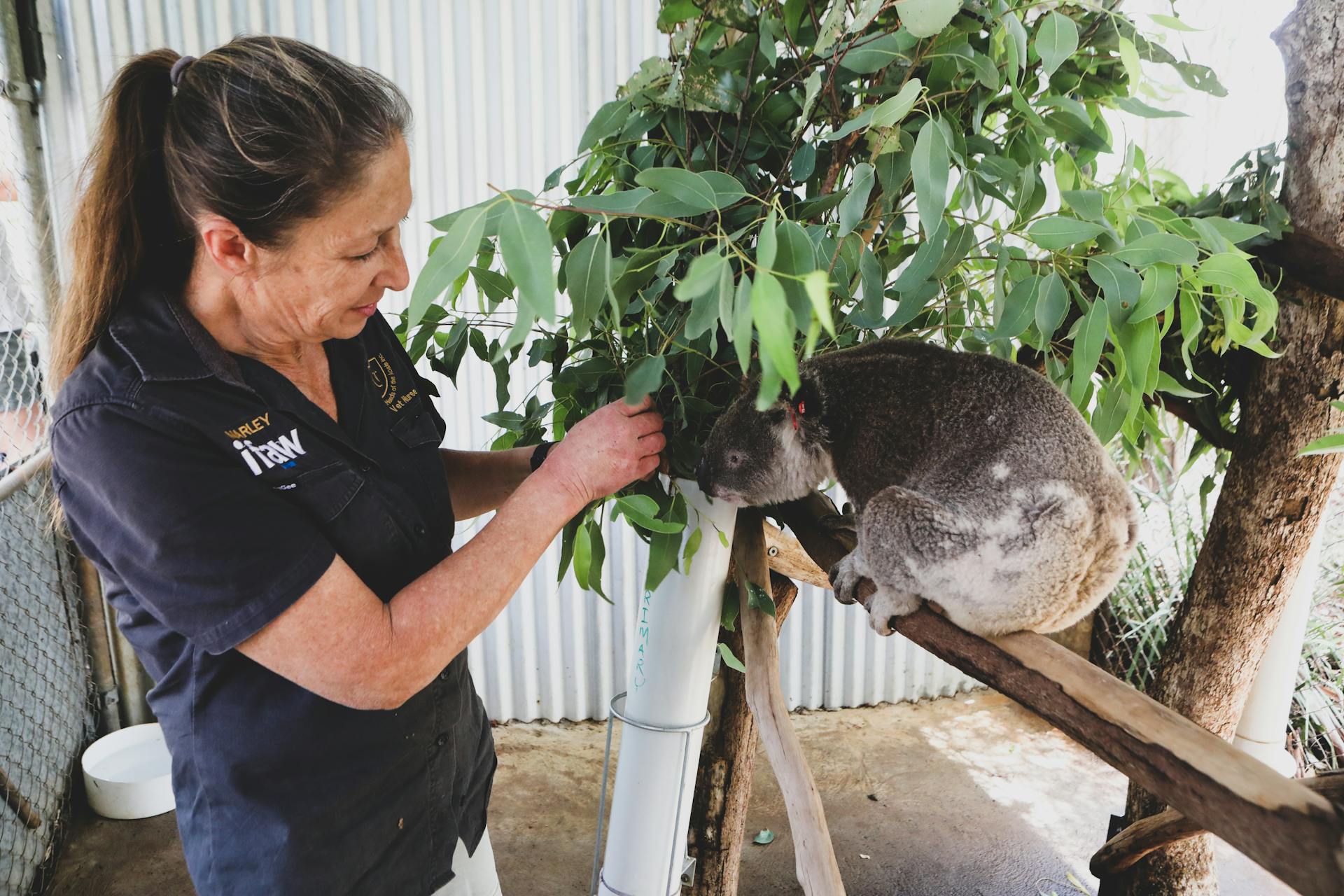
Human activities have a profound impact on animal welfare, particularly on wild animals. Habitat destruction, pollution, and climate change can lead to reduced fitness, diminished survival prospects, and even local extinctions.
The pet trade raises concerns about animal welfare, human and animal health, conservation, and the introduction of invasive species. Animals traded as pets can suffer from health problems and behavioral disturbances.
Human actions like slaughter, pest control, hunting, and toxicology testing cause deliberate harm to wild animals. These practices are often used for food, clothing, experimentation, and entertainment.
Animal experimentation poses numerous welfare risks, including issues related to housing, nutrition, social interactions, handling procedures, interventions, and the ultimate fate of the animals involved.
Check this out: Animal Health Technician
Social Movements
The Animal Rights movement in India has a rich history dating back to 1861 with the inception of the Society of Prevention of Cruelty to Animals.
This movement has played a significant role in raising awareness about animal welfare issues and driving changes in laws protecting animals from cruelty and abuse.

Traditionally, Indian religions place a high value on animals, with early Hindu texts endorsing ahimsa, or non-killing/injury.
Hinduism's emphasis on vegetarianism as essential for moksha, or liberation of the soul, has led many Hindus to adopt plant-based diets.
Indian laws regulate various aspects of animal welfare, including slaughterhouses, animal performances, animal transportation, and experimentation on animals.
In India, animals are considered sacred, with many Hindus believing they serve as friends or vehicles of the gods.
Legal and Policy Dimensions
In India, the Constitution enshrines the protection of animals as a fundamental duty.
The Prevention of Cruelty to Animals Act 1960 and the Wildlife Protection Act 1972 are two central-level legislations established to ensure animal welfare.
The Prevention of Cruelty to Animals Act 1960 prohibits cruelty to animals and prescribes penalties for violations.
At the state level, the Assam Cattle Preservation Act 2021 focuses on cattle protection and cow slaughter prohibition.
The Animal Welfare Board of India (AWBI) plays a vital role in promoting animal welfare, policy drafting, and legal proceedings related to animal rights.
Established in 1962 under the Prevention of Cruelty to Animals Act 1960, the AWBI has been a crucial entity in advocating for animal welfare.
Challenges persist in achieving uniformity in animal welfare legislation worldwide, with varying degrees of protection for animals in different countries.
Human-centric rights frameworks can hinder the development of global animal law, making it a complex issue to tackle.
Legal frameworks are essential for monitoring and enforcing animal welfare standards in industries that rely on animal products.
Significant strides are needed to ensure the welfare and rights of animals in India, despite the laws that have been enacted.
Frequently Asked Questions
What is the punishment for killing animals in India?
In India, killing animals valued at 10 rupees or more can result in up to 2 years of imprisonment or a fine, or both. This law aims to protect animals and their owners from harm and financial loss.
Featured Images: pexels.com