In Germany today, animal welfare is a serious concern, with many laws and regulations in place to protect animals from cruelty and neglect.
Animal cruelty is punishable by law in Germany, with fines of up to €25,000 and even imprisonment for severe cases.
The German Animal Welfare Act of 2002 sets out strict guidelines for animal care and welfare, including the provision of adequate food, water, and shelter.
Germany has a strong tradition of animal protection, dating back to the 19th century when the country was a pioneer in animal welfare legislation.
Expand your knowledge: Dachshunds in Germany
Animal Welfare and Rights in Germany
In Germany, there's a growing unease about treating animals the way we do today, as indicated by debates within industrial European society.
Jacques Derrida prophesied that we can't continue to treat animals as we do today, and his words are being taken seriously.
A broad consensus exists that the legal status of animals will change significantly in the foreseeable future, but the direction of such change remains uncertain.
The question of whether animals will have fully-fledged rights is being discussed in terms of discourse analysis, with parallels drawn to other areas of discourse.
Animal rights can be seen as a debate on emancipation, and experts are examining the status, changes, and future of the legal landscape concerning the human-animal relationship.
The Hamburg Forum on Comparative Animal Law has been launched to broaden the discourse on animal law, with renowned guests from Germany and abroad participating in the discussions.
Legislation and Policy
In Germany, animals are considered fellow creatures that feel pain and suffering, not just things. This is clearly stated in the German Civil Code (§ 90 a BGB).
As a result, animals are protected by special laws such as the Animal Welfare Act. No one may inflict avoidable pain, suffering, or harm on an animal without reasonable cause (§ 1 sentence 2 TierSchG).
In fact, injuring an animal is punishable under the Animal Welfare Act and also constitutes damage to property under Section 303 of the German Criminal Code (StGB).
Is a Thing Legally a Thing?

In Germany, the law clearly distinguishes between animals and objects. Animals are considered fellow creatures that feel pain and suffering, and are protected by special laws such as the Animal Welfare Act.
The German Civil Code (§ 90 a BGB) explicitly states that animals are not things. This means that inflicting avoidable pain or harm on an animal is not only punishable under the Animal Welfare Act, but also constitutes damage to property under Section 303 of the German Criminal Code (StGB).
However, animals can still be treated as objects in certain cases, such as when they are injured or stolen. For example, injuring an animal can result in both animal welfare charges and property damage charges.
Interestingly, it is also possible to buy and sell animals, which can sometimes lead to confusion about their status as objects or living beings.
If this caught your attention, see: Animal Neglect Charges
Core Labelling Info
Consumers want to know more about the conditions under which animals used to produce their food were kept.

The mandatory animal husbandry labelling system provides neutral information about how animals were kept. This label is not a judgemental label.
The first step is to label pork, which will include fresh, chilled, frozen, prepacked, and non-prepacked products sold in food retail and wholesale businesses, service counters, specialty shops, and online retail.
Other animal species will be added to the labelling system, as well as the restaurant and catering sector and processed products. This expansion is planned to happen swiftly.
The labelling will be based on the conditions under which animals are kept during their 'productive period of life', which is the fattening period for meat.
Expand your knowledge: Should Animals Be Held in Captivity
Impact and Progress
Germany has made significant strides in animal welfare, with its own laws going beyond EU rules to protect animals not covered by the EU. The Animal Protection Act is a prime example of this.
One major issue is the import of animal trophies, which is a concern for many animal welfare advocates. The practice raises questions about the treatment and welfare of the animals involved.
Germany is also working to end animal testing, with a coalition delivering 1.2 million signatures in 2023 calling for a Europe without animal testing. This push for change is a testament to the growing public awareness and concern about animal welfare.
Additional reading: Giant Schnauzer Germany
Our Impact
We're making progress in animal welfare in Germany. As part of the European Union, Germany follows EU rules regarding animals.
Germany has its own laws, such as the Animal Protection Act, that go beyond basic EU rules and protect animals not covered by the EU.
Top animal welfare issues in Germany include the import of animal trophies.
Street cat welfare is a pressing concern in Germany.
We're committed to ending animal testing and promoting modern, human-relevant science. In 2023, we were part of a coalition that delivered 1.2 million signatures from EU citizens asking for a Europe without animal testing.
By engaging with politicians, federal institutes, academics, industries, and more, we're working towards a future where animal testing is no longer necessary.
Latest News
In an effort to reduce the impact of hunting, former Botswana President Ian Khama has called on the German government to ban the import of hunting trophies.
This move comes as a response to a recent push to allow the importation of hunting trophies in Germany.
Specific Issues
Germany is a major importer of hunting trophies, with the country's Jagd & Hund fair selling hunting trips to shoot protected species.
The country's largest hunting fair, Jagd & Hund, is a significant contributor to the problem, and we're fighting to stop it from promoting such activities.
A general ban on importing trophies from protected animals is a crucial step towards improving animal welfare in Germany.
Non-human animals in circuses face exhausting and stressful conditions, making it impossible for them to lead a self-determined life.
The only demand that aligns with animal welfare is a complete ban on non-human animals in circuses.
In Germany, non-curative procedures like tail docking and dehorning are already prohibited by law, but loopholes and exceptions allow them to continue.
Around 90 to 95 percent of piglets are still being kept without tails, and dehorning of calves is still permitted under certain conditions.
Fur Farming
Germany has not officially banned fur farming, but all fur farms have been shut down due to stricter welfare requirements. This is a major victory for animal welfare.
The country is now pushing for an EU-wide ban on fur farming, engaging with German politicians on the national and EU level to make this happen. This is a crucial step towards protecting animals from the cruel and inhumane conditions of fur farming.
Germany is a significant importer of hunting trophies in the region, making it a key player in the fight against trophy hunting. The #NotInMyWorld campaign is pushing for a national ban on importing trophies from protected animals.
Fur farming is just one of the many issues that need to be addressed to improve animal welfare in Germany.
Sterilizing
In Germany, sterilizing street cats is a pressing issue due to the lack of mandatory spaying and neutering laws. The population of street cats in some areas is rising.
The state of Schleswig-Holstein in northern Germany has seen a significant problem with street cat populations. In 2024, a pilot project was launched to address this issue.
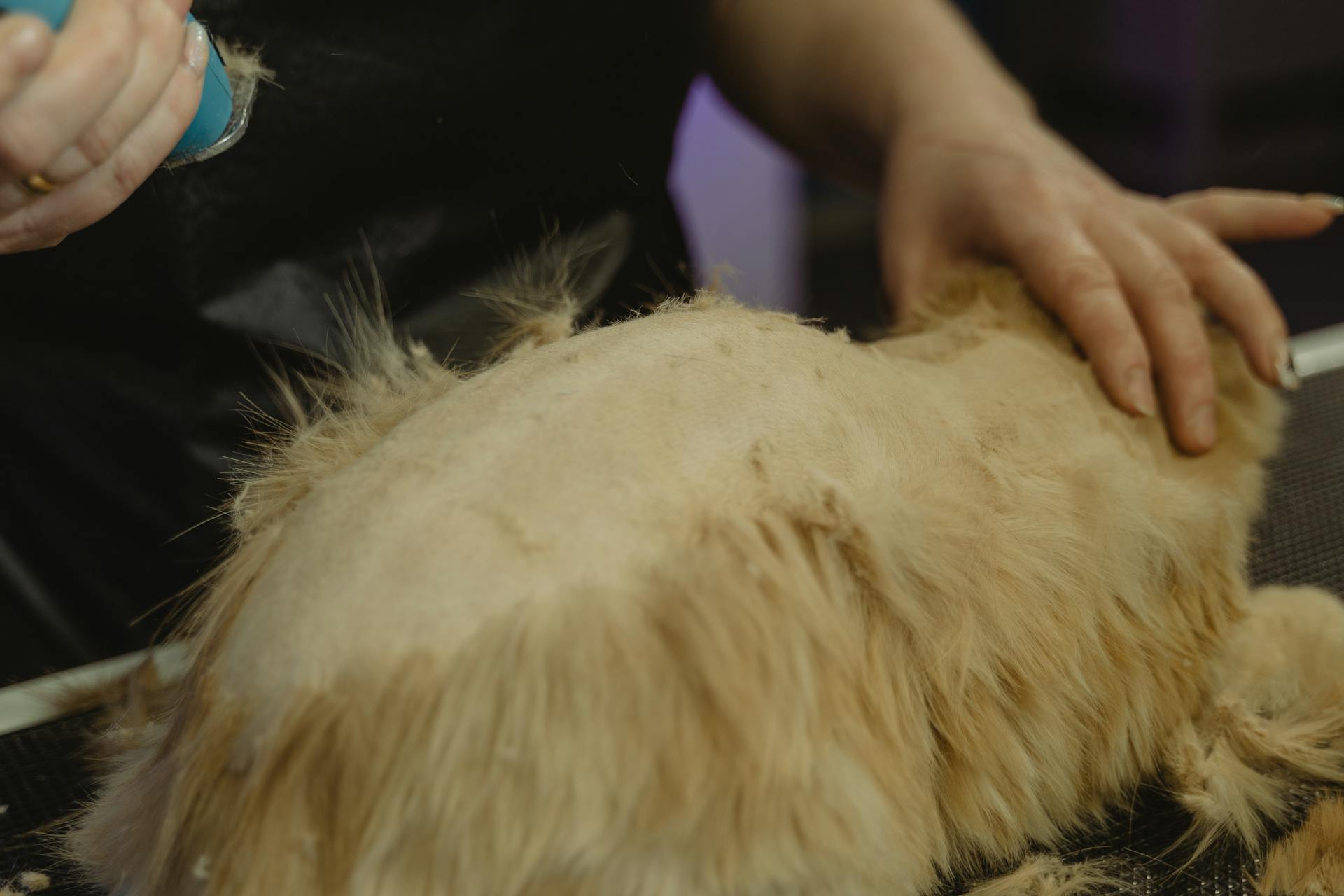
Local groups are working alongside experts to implement humane methods for managing street cat populations. These methods include vaccination and sterilization to improve the quality of life for these animals.
By targeting street cat populations in specific areas, the quality of life for both humans and animals can be improved. This approach aims to create a more harmonious coexistence between the two.
Readers also liked: Thailand Street Dogs
Featured Images: pexels.com