
Animal testing laboratories are a crucial part of the scientific research process, but they can also be a contentious issue. The US government regulates these labs through the Animal Welfare Act, which was first passed in 1966.
These regulations require labs to provide animals with adequate food, water, shelter, and veterinary care. They also dictate how animals are handled and cared for, and ensure that researchers use the minimum number of animals necessary to achieve their research goals.
The regulations are enforced by the US Department of Agriculture, which conducts regular inspections of labs to ensure compliance. The USDA also provides guidelines for lab design and operation to ensure the health and well-being of animals.
Labs are also subject to accreditation by organizations such as the Association for Assessment and Accreditation of Laboratory Animal Care (AAALAC), which ensures that labs meet high standards for animal care and use.
Animal Welfare
Animal welfare is a top concern in laboratories where animals are used for scientific purposes. Animals in laboratories are generally used for three distinct scientific purposes: research, testing, and teaching.
Related reading: Why Are Beagles Used for Animal Testing
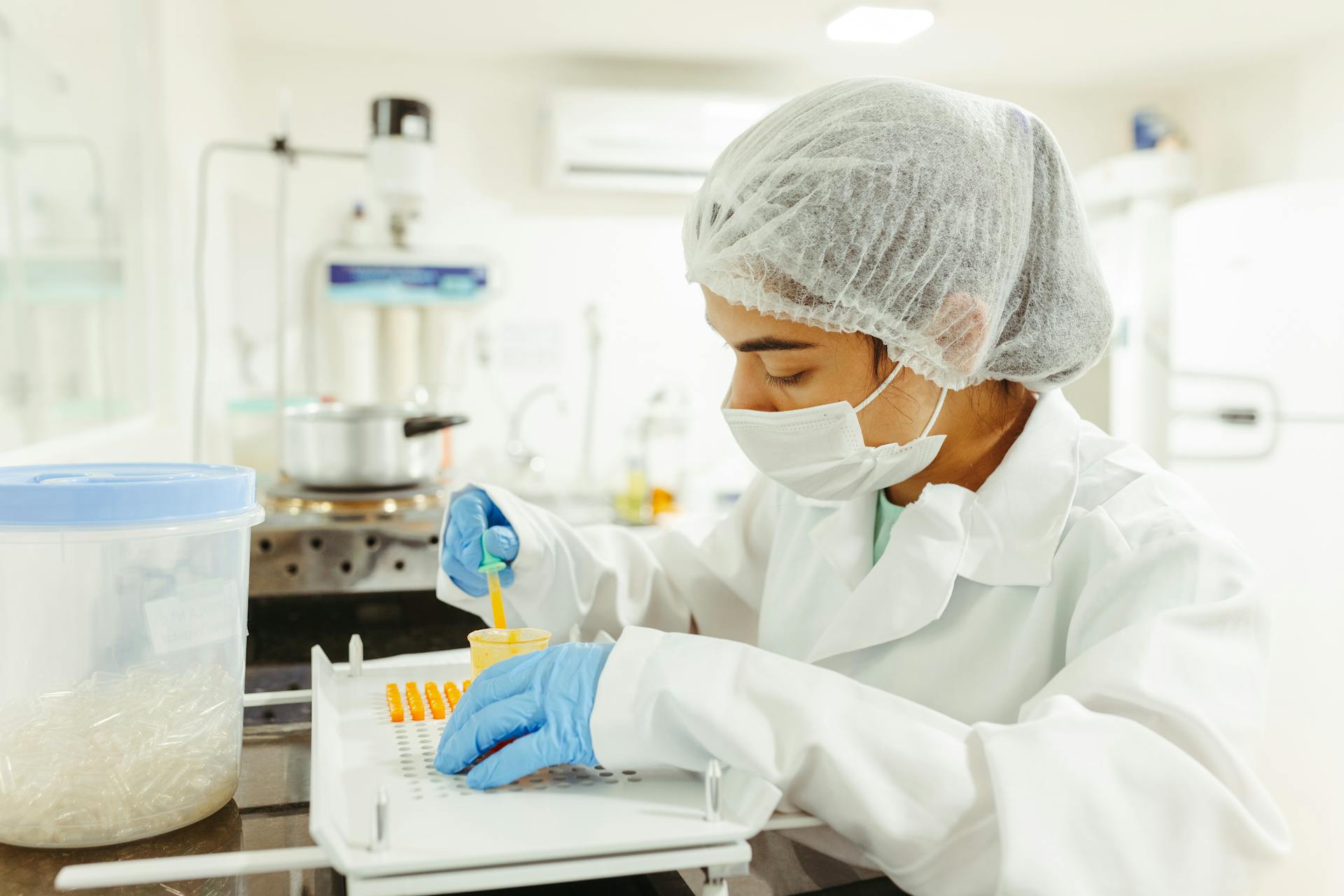
These purposes can lead to stress and discomfort for the animals, which is why resources are available to improve their welfare. Resources for improving welfare include providing a safe and comfortable environment.
Animals in laboratories need proper care and handling to prevent stress and injury. This includes providing adequate space, food, water, and veterinary care.
Improving animal welfare is not only a moral obligation, but it also benefits the quality of scientific research. By prioritizing animal welfare, researchers can obtain more reliable and accurate results.
Laboratory Animals
Laboratory animals are used for research and testing to study diseases, biological products, and vaccines.
Approximately 300 thousand animals are sacrificed for pre-clinical analysis each year.
These animals are carefully selected for their source, strain, and species, which are explicit and traceable.
This ensures that the results of animal testing are reliable and can be applied to human health.
Laboratory animals are treated humanely and live in the best welfare possible, as they are a crucial part of preventing and controlling diseases.
You might like: Baer Testing
Principles and Oversight
In animal testing laboratories, transparency is key. The source and genetic information of laboratory animals should be disclosed by the provider, including details of husbandry management and monitoring reports.
Laboratory animals are used for a variety of studies, including behavior, toxicity, reproductive system, blood circulation, and endocrine system testing. These studies are often conducted to assess the effects of drugs and chemicals.
The ICR mouse is a popular choice for microbiology, oncology, and comparative pathology studies, due to its unique characteristics.
See what others are reading: Beagle Laboratory Rescue
Report Concerns
Reporting concerns is an essential part of any system or organization. It allows for issues to be addressed and resolved in a timely and efficient manner.
If you have a concern, it's best to report it directly to the relevant authority. This can be a supervisor, a committee, or an independent body, depending on the context.
Reporting concerns in a timely manner can help prevent issues from escalating and causing more harm. For example, in the case of a whistleblower, reporting concerns early on can help prevent a cover-up or a larger scandal.
You can report concerns anonymously if you prefer, but be aware that this may limit the ability to investigate and address the issue thoroughly. Some organizations may also have a policy of protecting whistleblowers' identities.
In some cases, reporting concerns may lead to disciplinary action against those responsible. This can be a way to hold individuals accountable for their actions and maintain a culture of integrity.
Ultimately, reporting concerns is a crucial part of maintaining a fair and transparent system. It's a way to speak up and make a difference, even if it's uncomfortable or difficult.
Principle of Use
When working with laboratory animals, it's essential to consider the principle of use. The source and genetic information of these animals should be disclosed by the provider, including details of husbandry management and monitoring reports.
Four species are commonly used in animal testing: the ICR mouse, Wistar rat, Sprague Dawley rat, Dunkin Hartley Guinea-pig, and New Zealand White rabbit. These animals are used for various studies, including behavior, toxicity, reproductive system, blood circulation, and endocrine system research.
The ICR mouse is particularly valuable for microbiology, oncology, and comparative pathology studies. Its unique characteristics make it an ideal choice for this type of research.
DH guinea pigs have been widely employed in the study of skin and ear, thanks to their exceptional characteristic.
Table 1 Oversight Summary
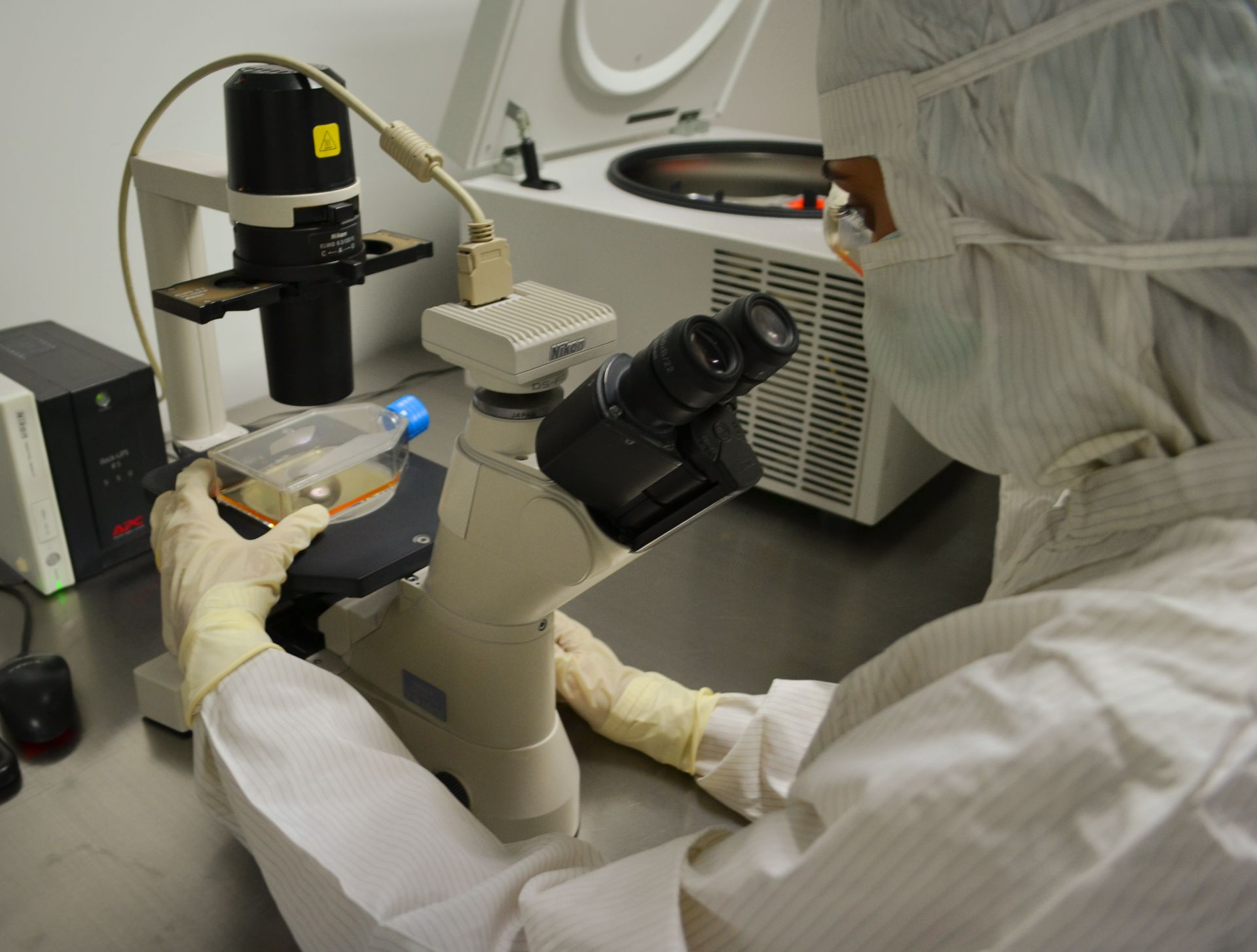
The oversight summary is a crucial aspect of any system or organization. It helps ensure that everything is working as intended and that any issues are addressed promptly.
According to the data, the current oversight system has been in place for over 5 years, with a total of 12 audits conducted during this period. These audits have identified a total of 57 issues, with 75% of them being resolved within 3 months.
In 2018, the system underwent a major overhaul, resulting in a 25% reduction in the number of issues identified. This change was implemented in response to feedback from stakeholders, who noted that the previous system was too complex and difficult to navigate.
Stanford Addresses Public Concerns
Stanford shares the public's concern for laboratory research animals. They take their responsibility for the ethical treatment of animals in medical research very seriously.
The humane care of laboratory animals is essential, both ethically and scientifically. Poor animal care is not good science.
At Stanford, they emphasize that animals must be well-treated to produce trustworthy science and knowledge that can be replicated. This is a crucial aspect of the scientific method.
Intriguing read: Laboratory Beagle
Biomedical Research
Animals are used extensively in biomedical research due to their biological similarities to humans, sharing more than 98% DNA with us.
Mice, in particular, are a popular choice for studying human health problems, such as cancer, diabetes, and heart disease, because they are susceptible to the same conditions.
Animal models can be studied throughout their whole life span and across several generations, allowing researchers to understand how a disease processes and interacts with a living biological system.
The ICR mouse is especially valuable for microbiology, oncology, and comparative pathology studies, making it a top choice for biomedical researchers.
Laboratory animals are used to study various aspects of human biology, including behavior, toxicity, reproductive systems, blood circulation, and endocrine systems, all of which can be affected by drugs and chemicals.
The New Zealand White rabbit is commonly used in skin irritation and ocular testing, while the Dunkin Hartley guinea pig has been widely employed in the study of skin and ear.
Ethics and Experimentation
Animal testing laboratories have a critical role to play in advancing human health and medicine.
Until a substitute for living, breathing organisms is discovered, animals will continue to be necessary for testing potential new drugs and medical treatments for effectiveness and safety.
Rodents, particularly rats and mice, make up 95% of all animals used in biomedical research in the United States.
Animals are only one part of the larger process of biomedical research, but they are crucial for identifying potential side effects of new treatments.
U.S. federal laws require that animal research be conducted before human research can begin, ensuring that new treatments are safe and effective for humans.
This research has led to the development of hundreds of drugs and treatments that are now used in veterinary clinics, helping animals live longer, healthier lives.
Animals are not the only subjects of biomedical research, but they play a vital role in advancing our understanding of human health and disease.
Worth a look: Animal Health Technician
Frequently Asked Questions
Do animal testing labs still exist?
Yes, animal testing labs still exist in various settings, including research institutions, universities, and government facilities. These labs conduct experiments on animals for a range of purposes, from product testing to medical research.
Is lab testing on animals legal?
Lab testing on certain animals is regulated by law, but not all animal testing is prohibited. The Animal Welfare Act governs the use of warm-blooded vertebrates in research, teaching, and testing.
Do 90% of drugs that pass animal tests fail in human trials?
Approximately 90% of drugs that pass animal tests fail in human trials, often due to unforeseen human toxicity. This high failure rate highlights the limitations of animal testing in predicting human drug efficacy and safety.
Featured Images: pexels.com