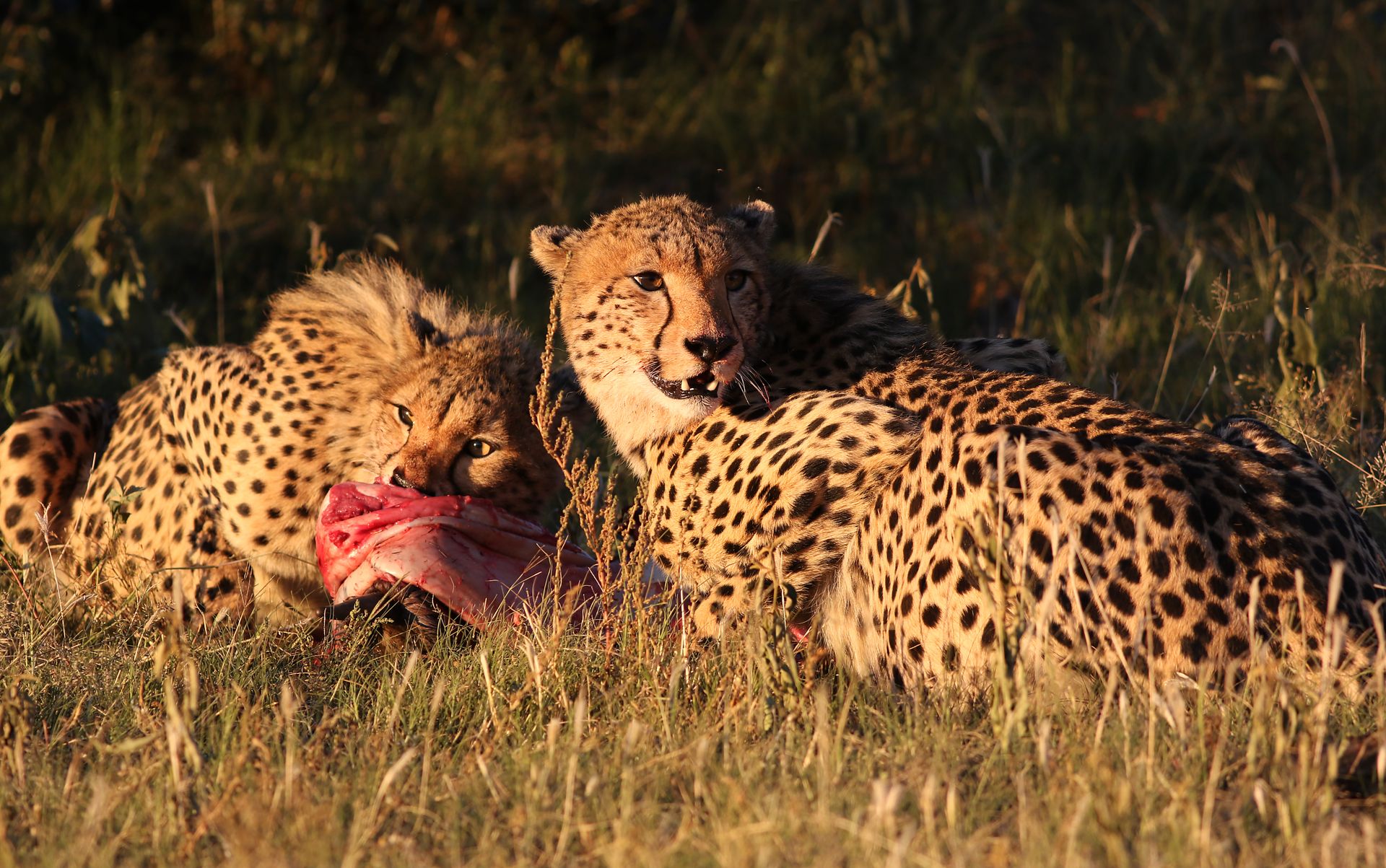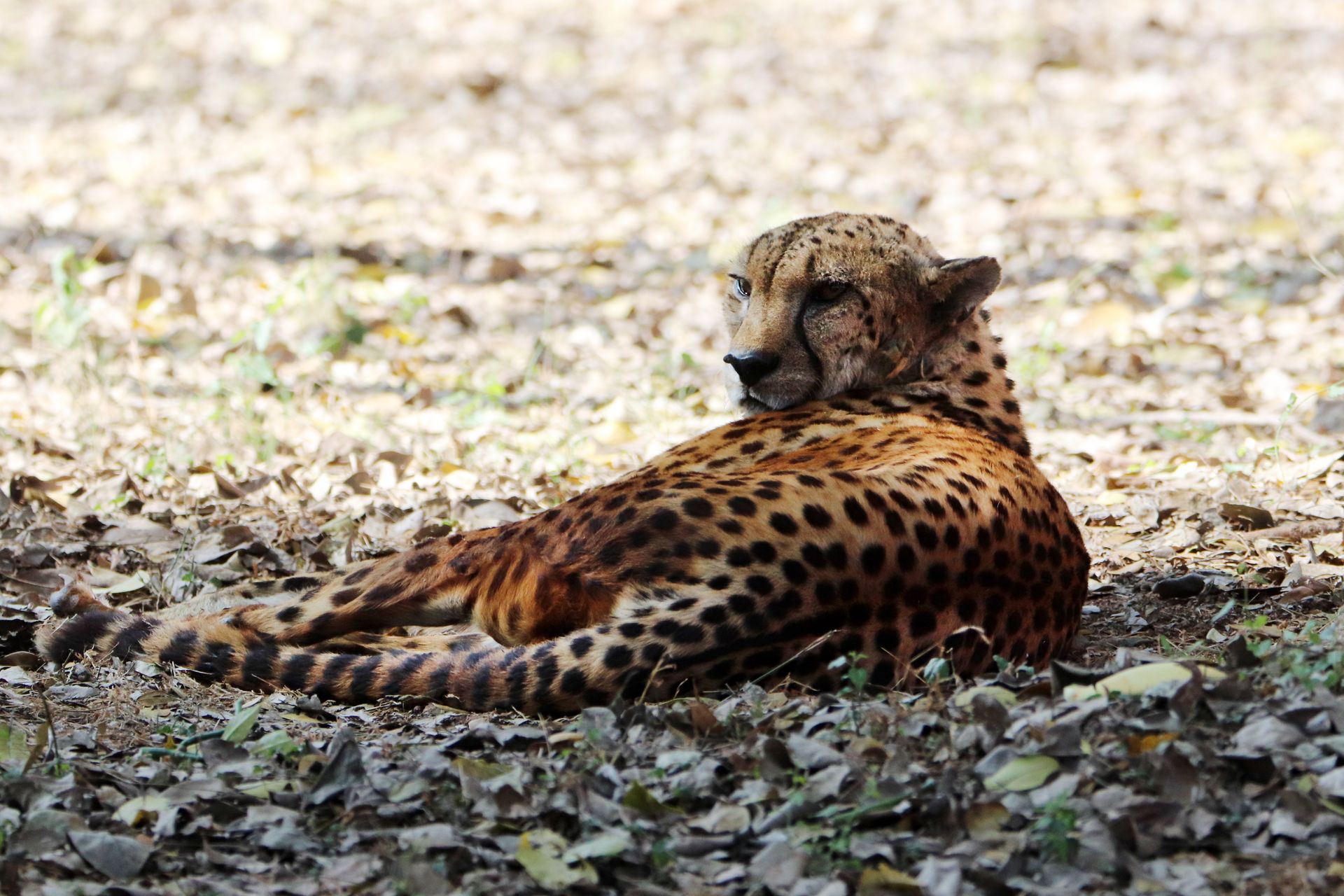
The Acinonyx Jubatus Soemmeringii Cheetah is a subspecies of cheetah found in East Africa.
It's listed as Critically Endangered due to habitat loss and human-wildlife conflict.
Historically, the subspecies was widespread across the region, but now its range is limited to a few fragmented areas.
Conservation efforts are underway to protect the remaining habitats and educate local communities about the importance of coexisting with cheetahs.
Physical Characteristics
The Northeast African cheetah is fairly large, resembling its relative to the south in East Africa.
Its coat is densely ochraceous spotted, with relatively thick and coarse fur compared to its relatives from eastern and northwestern Africa.
The belly of the Northeast African cheetah is distinctly white, while its breast and throat can have some black spots similar to the eastern subspecies.
It is the darkest in fur color among all the subspecies.
This cheetah has the most widespread and separated black dorsal spots, but smaller than that of the East African cheetah's.
Discover more: Are Black Cats Good Pets
The Northeast African cheetah has no spots on the hind feet, although some among the Chadian population have spotted hind legs.
It has distinct white patches around its eyes, but the facial spotting can vary from very dense to relatively thin.
The Northeast African cheetah has been seen with both white and black tipped tails, although certain cheetahs' tails are white tipped.
Its tail is also notably thick.
This subspecies has the largest head size, but sometimes can get relatively smaller.
It does not have mustache markings.
The tear marks of this cheetah are highly inconsistent, but they are frequently thickest at the mouth corners, unlike those of the other four subspecies.
In cold climates, such as in Whipsnade Zoo, Northeast African cheetahs are the only African subspecies that can develop fluffy winter fur coats, although they are less developed than that of the Asiatic cheetah's.
Hunting and Diet
The Northeast African cheetahs are carnivorous and mostly feed on herbivorous animals.
Their preferred prey is the Soemmerring's gazelle, which they hunt for food. However, lack of Soemmerring's gazelles in their region has caused near extinction in Sudan.
Cape hares, guineafowls, and large animals like hartebeests and plains zebras are also on their menu. But, it's worth noting that Barbary ostriches are a rare exception to their usual diet.
Northeast African cheetahs mainly hunt antelopes, which are their primary source of food. They also occasionally hunt warthogs, hares, and birds for added variety.
Conservation Status
The Northeast African cheetah, a subspecies of the acinonyx jubatus, is classified as Endangered by the International Union for Conservation of Nature (IUCN).
The main reason for this classification is the severe threats it faces, including poaching, illegal wildlife trade, hunting, habitat loss, and lack of prey.
Cheetah cubs from Somaliland are being smuggled to countries like Saudi Arabia, the United Arab Emirates, and Yemen, with prices reaching over $10,000 on the black market.
Conservation efforts are underway to protect the Northeast African cheetah, including a project started in 2006 in Ethiopia to increase awareness about animal treatment and ensure the increasing populations of cheetahs and other threatened wild animals.
Here are some key threats to the Northeast African cheetah:
- Poaching
- Illegal wildlife trade
- Hunting
- Habitat loss
- Lack of prey
In Ethiopia's Afar Region, land-use changed significantly between 1972 and 2007, with cultivated land increasing by over 700% and woodland and grassland decreasing by about 90%.
Ecology and Behavior
The Acinonyx jubatus soemmeringii, also known as the African golden cat, is a solitary animal. It has large home ranges, often overlapping with those of other cats.
They are primarily nocturnal, which means they do most of their hunting at night. This helps them avoid competition with other predators.
Their diet consists mainly of small to medium-sized mammals, such as rodents and hares.
Ecology and Behavior
As we explore the fascinating world of ecology and behavior, let's dive into the intricate relationships between species and their environments.
These complex interactions are often shaped by the species' adaptations to their surroundings, such as the unique beak shapes of finches that allow them to feed on specific plants.
Birds like the Galapagos finches have evolved distinct beak shapes over time, allowing them to occupy different ecological niches and coexist with other species.
In the Galapagos Islands, the finches' beak shapes are directly related to their diet, with some species having larger, stronger beaks for cracking open tough seeds.
The unique beak shapes of these finches have allowed them to thrive in this specific environment, where resources are limited and competition is high.
In contrast, some species, like the Galapagos giant tortoise, have adapted to their environment by developing a slow metabolism that helps them survive on limited food sources.
This remarkable adaptation allows the tortoise to live for up to 100 years or more, making them one of the longest-living land animals on Earth.
The tortoise's slow metabolism also means they can survive on limited food sources, allowing them to thrive in areas with scarce vegetation.
Their ability to live for so long also means they play a crucial role in maintaining the balance of their ecosystem, helping to disperse seeds and maintain vegetation.
As we observe the intricate relationships between species and their environments, it becomes clear that these adaptations are crucial for survival and success.
By studying these fascinating examples, we can gain a deeper understanding of the complex interactions that shape our world and inspire us to protect and preserve the natural beauty around us.
Distribution and Habitat
The Northeast African cheetah is found in a variety of habitats, including wide open lands, grasslands, and semi-arid areas.
In these open habitats, prey is abundant, making it an ideal environment for the cheetah to hunt and thrive.
This subspecies is regionally extinct in Eritrea, Djibouti, and northern Somalia, with an estimated total population of 950 individuals in 2007.
In Ethiopia, the Northeast African cheetah is resident in several national parks, including Omo, Gambella, Aledeghi, Mago, and Yangudi Rassa National Parks.
The Borena Zone, Ogaden, Afar, and the neighbouring Blen-Afar Regions are also home to this subspecies in Ethiopia.
In South Sudan, populations are known in Boma, Southern, Radom, and Badingilo National Parks.
Wild cheetahs have been spotted in An Nil al Azraq in southeastern Sudan, a rare sighting in the northern regions of Sudan.
Taxonomy and Classification
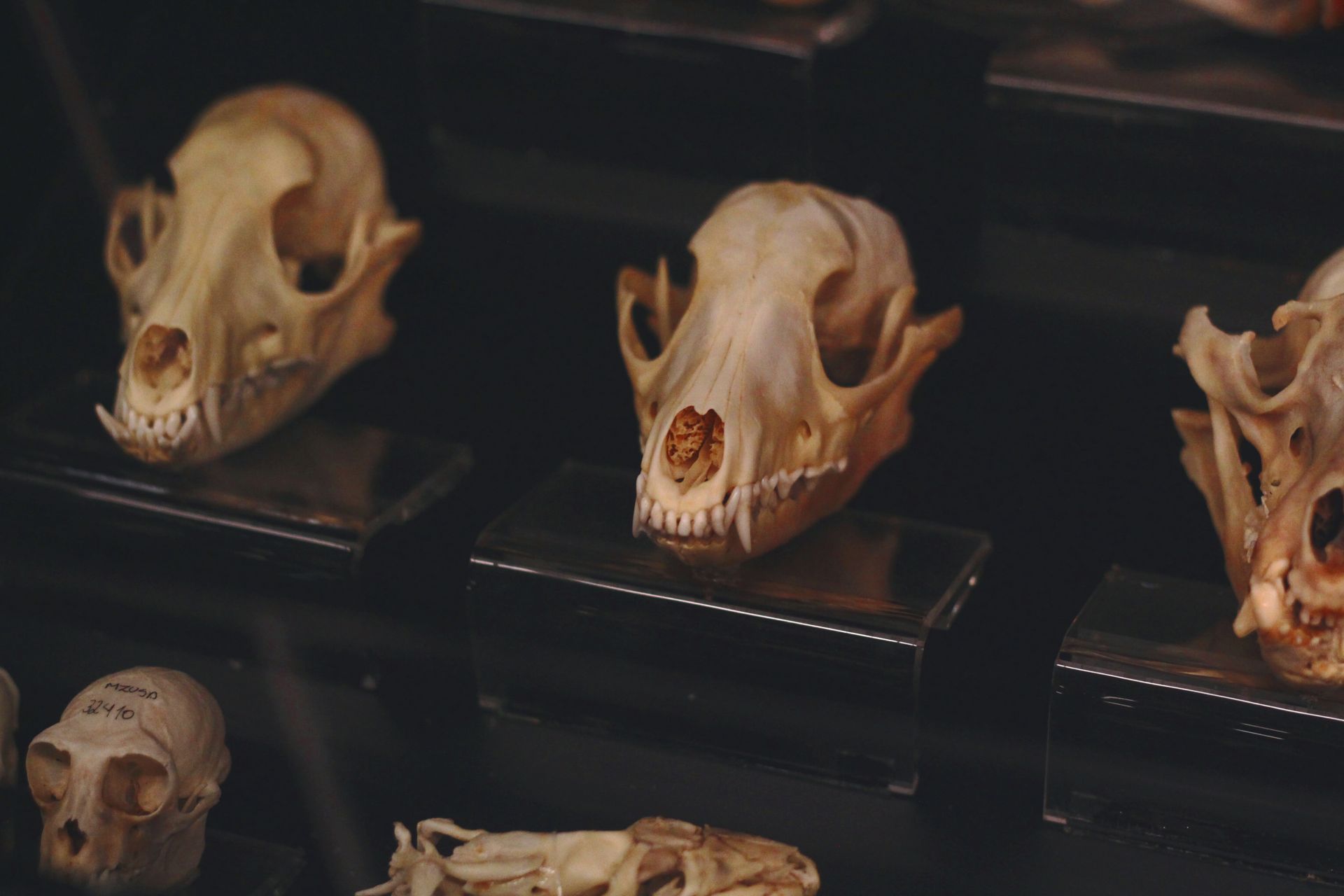
The taxonomy and classification of acinonyx jubatus soemmeringii is a fascinating topic. The scientific name proposed by Leopold Fitzinger in 1855 was Cynailurus soemmeringii, which honored Samuel Thomas von Soemmerring.
Other naturalists and zoologists later described cheetahs from Northeast Africa that are now considered synonyms of A. j. soemmeringii. Theodor von Heuglin proposed the name Felis megabalica in 1863, which means "much spotted" in Greek.
In 1913, Max Hilzheimer named a cheetah specimen from Kordofan in Sudan Acinonyx wagneri, in honor of Johann Andreas Wagner. This shows how different names were given to cheetahs from the same region.
Here are some of the synonyms of A. j. soemmeringii that were proposed by other naturalists and zoologists:
- Felis megabalica (Theodor von Heuglin, 1863)
- Acinonyx wagneri (Max Hilzheimer, 1913)
These synonyms highlight the complexities of taxonomy and the different names given to the same species over time.
Captive Breeding and Conservation
Captive breeding programs are crucial for the conservation of the Acinonyx jubatus soemmeringii. The Djibouti Cheetah Refuge in Djibouti City has been running a reproduction program for the cheetah since 2004.
The refuge was first constructed in 2002, with the initial phase opening a year later. This program aims to increase the population of cheetahs and other threatened wild animals.
In addition to the Djibouti Cheetah Refuge, the Ethiopian Wildlife Conservation Authority has also been involved in conservation efforts. They have confiscated cheetah cubs from the wildlife trade in Ethiopia and rehomed them at the Born Free wildlife sanctuary Ensessa Kotteh.
The conservation goal in Ethiopia is to ensure the increasing populations of cheetahs and other threatened wild animals. This is a significant step towards protecting the Acinonyx jubatus soemmeringii and its habitat.
For another approach, see: Lymphoma Cytology in Dogs
General Information
The Acinonyx jubatus soemmeringii, also known as the cheetah, is a majestic creature.
This subspecies is found in East Africa, specifically in Kenya and Tanzania.
They are known for their incredible speed, reaching up to 70 miles per hour.
Their slender body and long legs allow them to achieve such remarkable velocities.
Their distinctive coat features black spots on a yellowish-brown background, helping them blend in with their surroundings.
Their unique appearance is just one of the many fascinating aspects of this incredible animal.
Lifespan
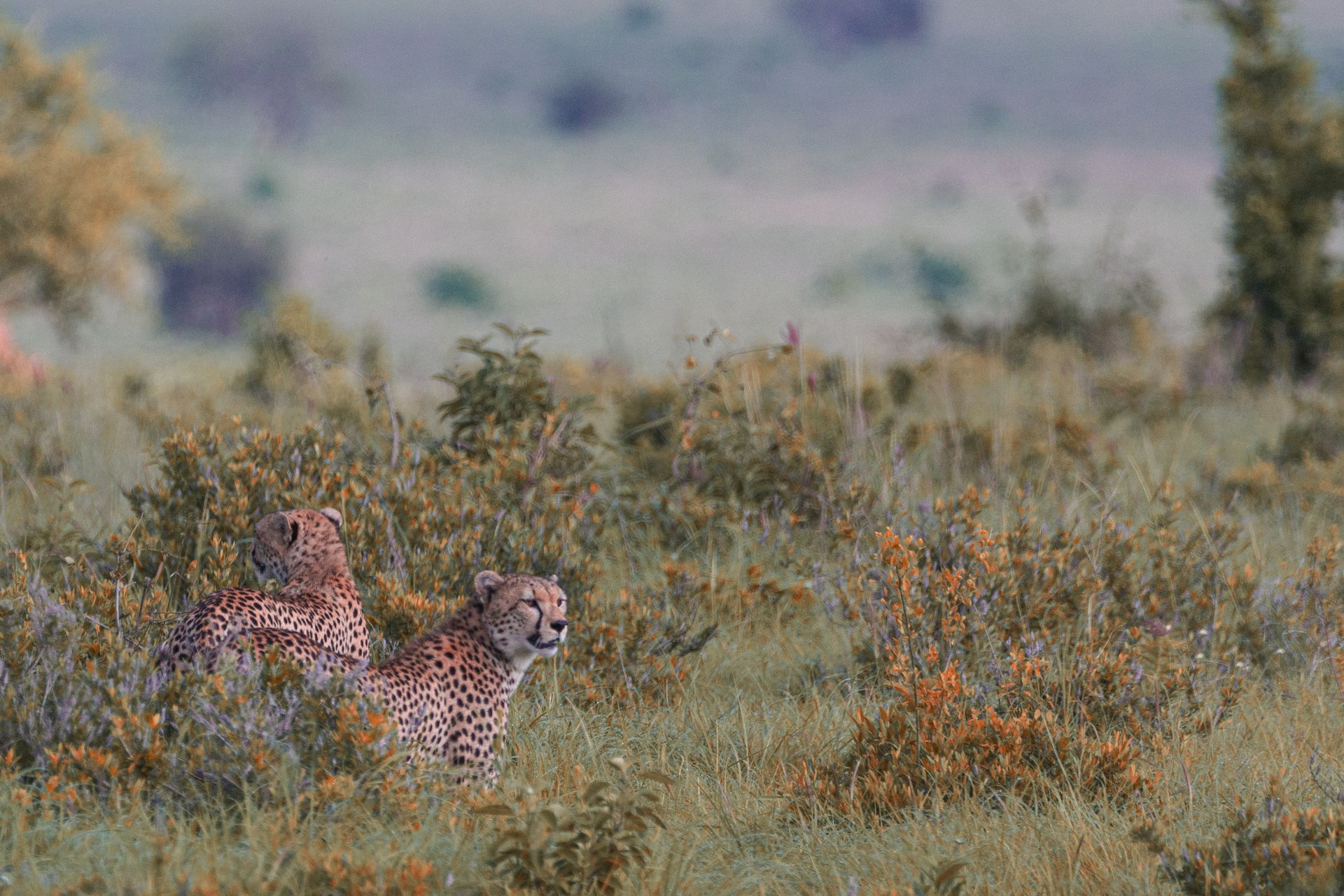
Northeast African cheetahs can live to be 10-12 years old in the wild and 15-20 years old in human care.
Their lifespan varies greatly depending on their environment, with those in the wild having a shorter life expectancy compared to those in human care.
In the wild, they face many dangers such as poaching, habitat loss, and disease, which can all contribute to a shorter lifespan.
In contrast, those in human care receive proper nutrition, medical care, and a safe living environment, allowing them to live longer lives.
Additional reading: Wild Cats Scotland
Cheetahs
Cheetahs are the fastest terrestrial mammals on earth, capable of reaching speeds of over 110 km/ph.
Their slender build and short legs make them smaller than other big cats, measuring only 1.1 to 1.3 meters long and weighing between 50 and 63 kg.
Cheetahs have a distinctive tail length of 66 to 84 cm, which they use for balance while running.
There are five Cheetah subspecies, each with its own unique characteristics and population estimates.
Here's a brief overview of each subspecies:
Cheetahs have been hunted for their fur and other trophies, and are also hunted for the pet trade, which has led to their classification as vulnerable by the IUCN.
Featured Images: pexels.com