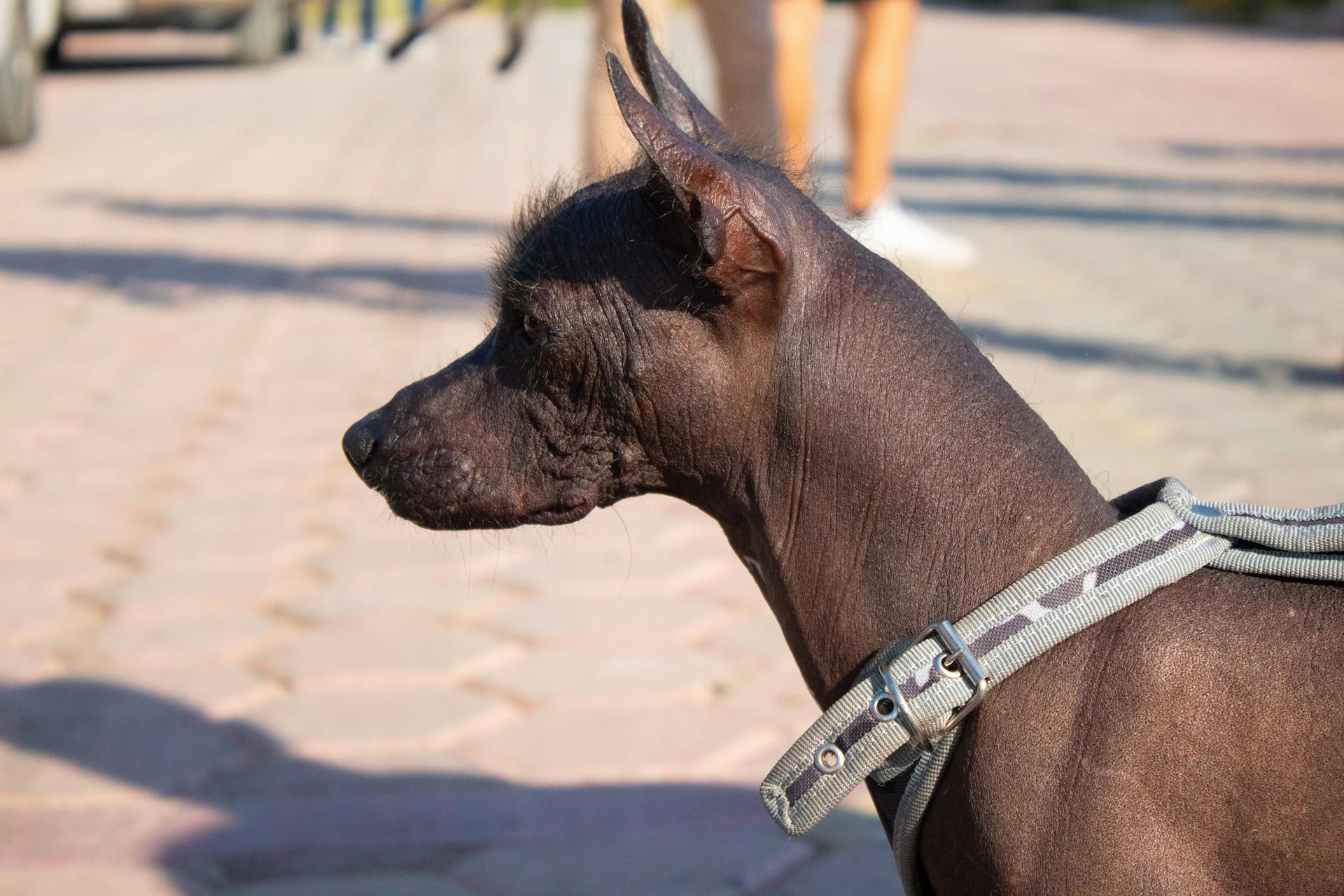
The Xoloitzcuintli, also known as the Mexican Hairless Dog, is prone to dental issues due to its unique genetic makeup.
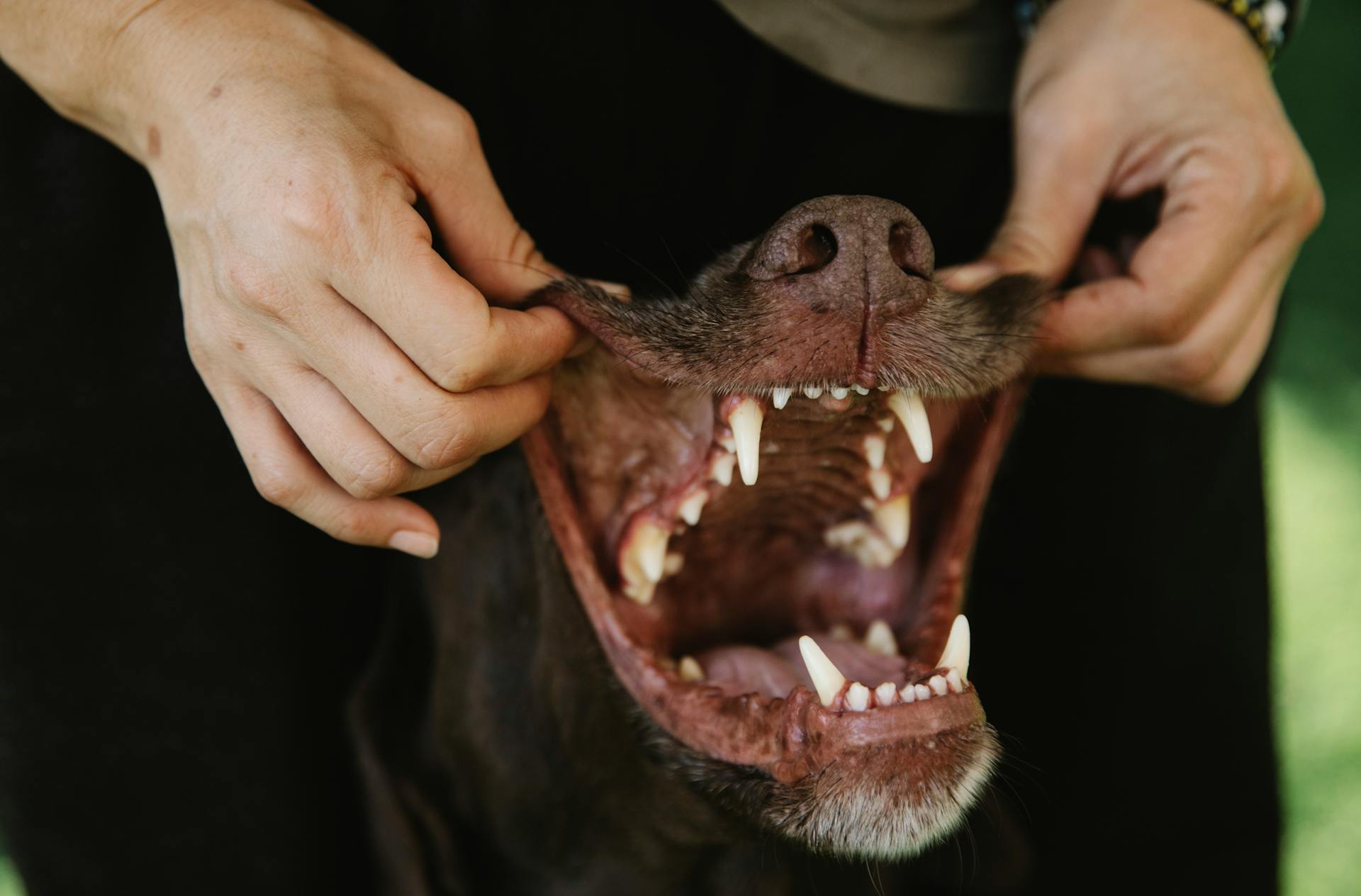
Their teeth are highly susceptible to decay and gum disease, which can lead to tooth loss if left untreated.
One of the main reasons for this is the Xoloitzcuintli's lack of saliva production, which makes it harder for bacteria to be washed away from their teeth.
This can cause plaque to build up, leading to painful and potentially serious health problems.
Xoloitzcuintli Dental Care
As a Xoloitzcuintli owner, you know that their hairlessness requires special attention, and that includes dental care. Hairless Xolos can suffer from dental abnormalities due to the gene associated with hairlessness.
Their teeth may be absent, malformed, discolored, or misplaced, with some Xolos losing almost half of their teeth. However, these abnormalities don't affect their ability to chew and eat.
Brushing your dog's teeth once a week is a good habit, but Xolos may require more frequent inspections and cleanings. This depends on your individual dog's needs.
Discover more: Should I Get My Dog's Teeth Cleaned?
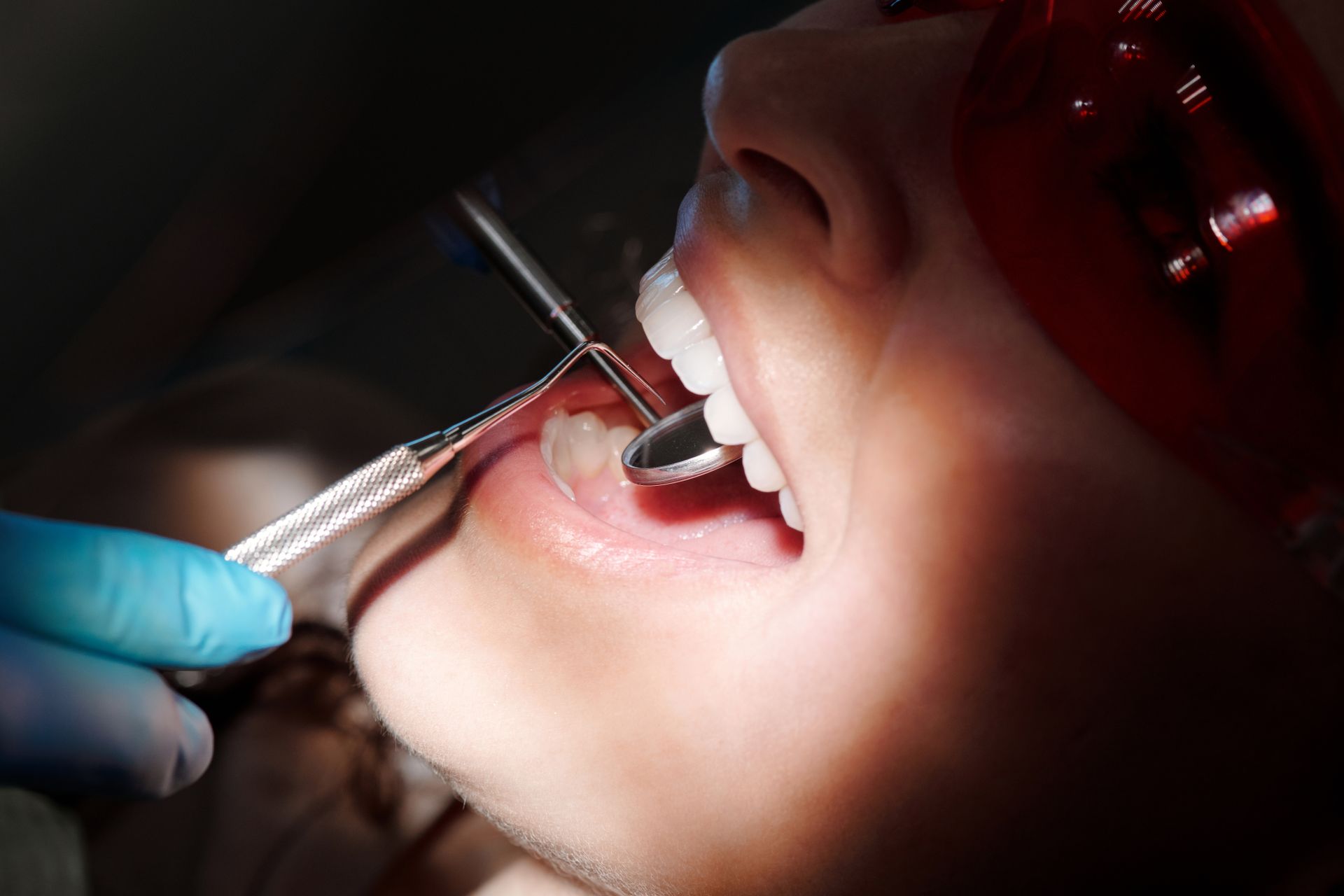
Diet plays a huge role in a dog's dental health, so feed your Xolo high-quality dog food. However, a quality diet won't eliminate the need for regular teeth cleaning.
Dental treats and food options can help reduce plaque and improve oral cleanliness. These come in various shapes, flavors, and sizes, so choose ones that suit your Xolo's type, variety, and preferences.
When selecting dental care products for your Xolo, consider the following factors:
- Specially made for dogs (preferably breed-specific)
- Safety (approved for pets)
- Good flavor (ingredients and pet preference)
- Xolo receptivity (acceptance by your pet)
- Natural ingredients (check the label!)
Remember, "natural" doesn't always mean "safe", so be cautious when choosing products. Always check with your vet if you're unsure about ingredients or contra-indications.
Why Xolos Lose Teeth
Xolos are prone to dental abnormalities due to the gene associated with their hairlessness.
Research shows that some Xolos may lose almost half of their teeth, while others may have malformed, discolored, or misplaced teeth.
The absence of teeth, including canines, incisors, molars, and premolars, is a common dental problem in Hairless Xolos.

Vets typically recommend brushing your dog's teeth once a week, but for Xolos, it's helpful to inspect and clean their teeth more frequently.
Inspecting your Xolo's teeth regularly can help prevent dental problems and keep them healthy.
Hairless Xolos are still able to eat and live normally despite having fewer teeth than other dog breeds.
Their ability to chew and eat isn't affected by the dental abnormalities caused by the gene associated with their hairlessness.
Grooming and Chews
Grooming and chews are crucial for maintaining your Xoloitzcuintli's oral health. Hard toys can break their vulnerable teeth, so it's essential to choose safe and suitable options.
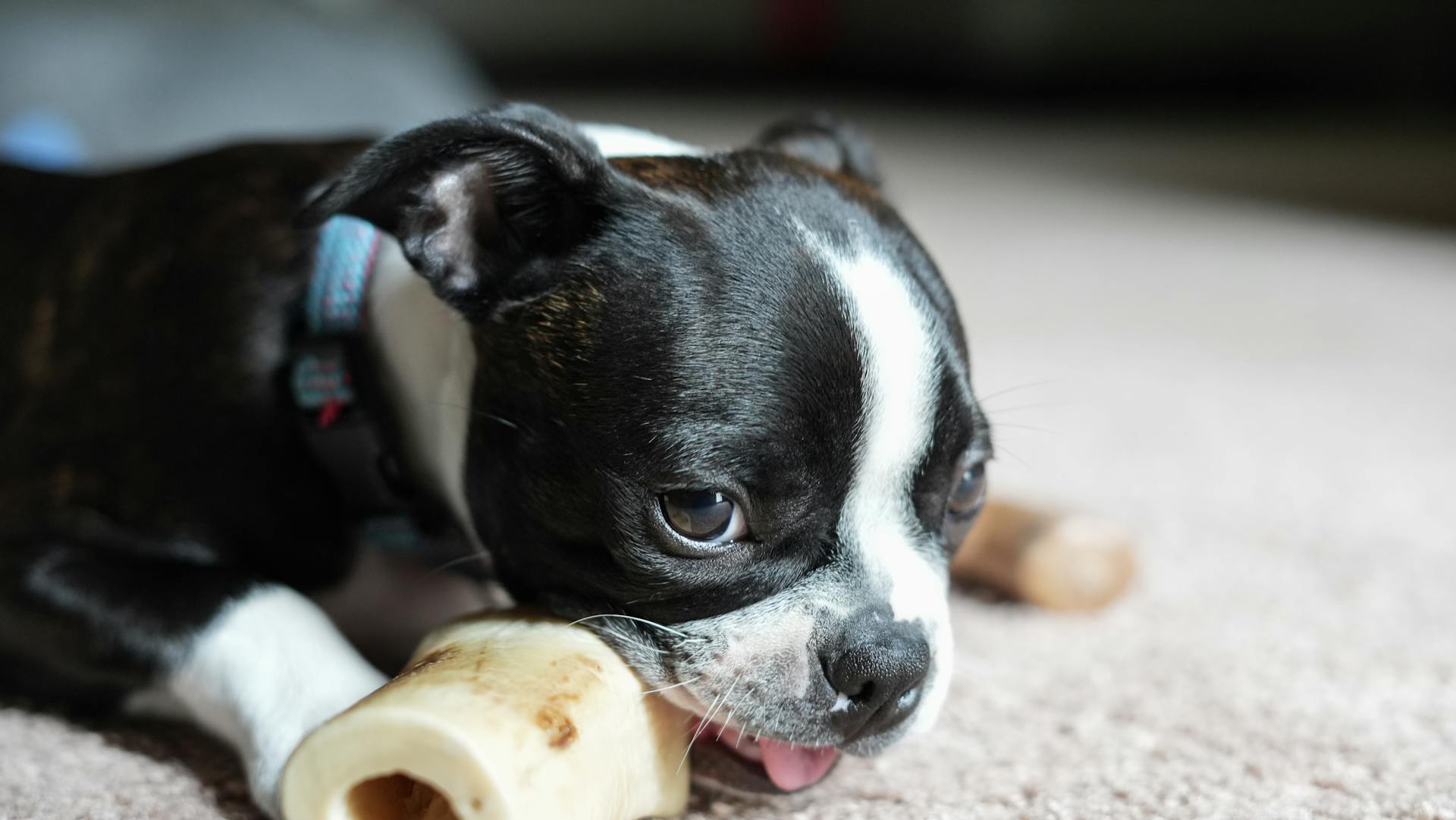
For chews, Xoloitzcuintlis prefer raw vegetables or fruit chews over rawhide chews. Some good options include Ark Naturals Brushless Toothpaste Dental Chews – easily digestible gluten-free dental chewBreath Bites by Pet Naturals of Vermont – includes mushroom extract to suppress odor-causing toxinsNutri-Vet Dental Health Soft Chews – natural smoke-flavored soft chews to decrease plaque and gingivitis
Daily teeth brushing is also essential to prevent tooth loss and periodontitis. Regular nail clipping and bathing every one to two weeks with a mild shampoo will also help maintain your Xoloitzcuintli's overall health.
Dog Chews and Toys
Dog chews and bone toys play an important role in keeping teeth strong and removing tartar buildup. For Xolo's, it's best to stick to raw vegetables or fruit chews instead of rawhide chews.
Hard toys can break your Xolo's vulnerable teeth, so make sure to choose safe options.
Xolo's preferences aside, there are many safe and effective dog chews on the market. Some popular options include:
- Ark Naturals Brushless Toothpaste Dental Chews – easily digestible gluten-free dental chews available in various sizes
- Breath Bites by Pet Naturals of Vermont – includes mushroom extract to suppress odor-causing toxins and cinnamon for a healthy bacterial balance
- Nutri-Vet Dental Health Soft Chews – natural smoke-flavored soft chews that decrease plaque and gingivitis
Remember, chews can help with oral hygiene, but they shouldn't replace regular teeth cleaning.
Grooming
Grooming a Xoloitzcuintli is a bit unconventional, as it's more about skin care than coat care. The hairless skin produces more oily secretions, so it needs to be cleansed daily with purpose-made wipes.
You'll want to use these wipes on a daily basis, especially between the toes and any skin folds. This will help prevent skin disorders from developing.
Hairless Xoloitzcuintlis need to be bathed every one to two weeks in a mild shampoo. This will keep their skin healthy and clean.
See what others are reading: What Is a Xoloitzcuintli Dog
Regular nail clipping is also essential for most Xoloitzcuintlis. You'll want to get into a routine of clipping their nails regularly to keep them from getting too long.
Brushing your Xoloitzcuintli's teeth daily is crucial to prevent tooth loss and periodontitis. This is a simple step that can make a big difference in their oral health.
Table 2
Table 2 reveals some interesting insights into the dental status of coated and hairless dog samples.
In this table, we see a comparison of the dental status between coated and hairless dogs. The table is divided into two sections: maxillary (upper jaw) and mandibular (lower jaw).
Let's take a closer look at the dental status of the coated dogs. We can see that all the coated dogs have fully developed permanent teeth and molars, except for one dog (2419*) which has a missing maxillary first molar.
In the mandibular section, we can see that some of the coated dogs have retained deciduous teeth and missing permanent teeth. For example, dog 1495* has a retained mandibular first molar.
Explore further: Xoloitzcuintli Egyptian Hairless Dog
Here's a breakdown of the dental status of the coated dogs:
In contrast, the hairless dogs have some notable differences in their dental status. For example, dog 1501 has a missing maxillary first molar, and dog 2419* has a missing maxillary first molar and a retained mandibular first molar.
The patchy hair coat dogs also have some interesting dental characteristics. For example, dog 1489* has a reduced metaconid cusp in its mandibular first molar.
It's worth noting that the dental status of the dogs in this table varies significantly, even within the same litter or across generations. This highlights the importance of regular dental check-ups and proper oral care for our furry friends.
Dental Treats and Options
Feeding your Xolo a high-quality dog food is essential for their dental health. This will help ensure their teeth stay healthy, even with regular cleaning.
You should consider dental treats specifically created for Xolo, as they can help reduce plaque and improve oral cleanliness. These treats come in various shapes, flavors, and sizes, so you can find one that suits your dog's individual preferences.
When choosing dental treats, keep in mind that a quality diet won't eliminate the need for regular tooth cleaning.
Here are some factors to consider when selecting dental treats for your Xolo:
- Specially made for dogs (preferably breed-specific)
- Safety (approved for pets)
- Good flavor (ingredients & pet preference)
- Xolo receptivity (acceptance by your pet)
- Natural ingredients (check the label!)
Advanced Dental Topics
Some Xolos may lose almost half of their teeth, while in others the teeth might be malformed, discolored, and misplaced.
Brushing your dog's teeth once a week is a good rule of thumb, but Xolos may require more frequent inspections and cleanings.
The gene associated with hairlessness can cause dental abnormalities, and common problems include the absence of teeth, especially canines, incisors, molars, and premolars.
Vets typically recommend brushing your dog's teeth once a week, but Xolos may need more attention due to their unique dental needs.
These dental abnormalities don't affect a Xolo's ability to chew and eat, but they do require special care to prevent problems.
Suggestion: Shih Tzu Teeth Issues
Featured Images: pexels.com