Working cats for adoption are a special type of feline companion that's perfect for busy households or those who want a low-maintenance pet.
These cats are typically older, often between 5-10 years old, and have already been spayed or neutered.
They're usually calm and gentle, making them a great fit for families with children or for people who want a relaxed pet.
Many working cats have been socialized to live in a variety of environments, such as offices, schools, and even farms, which makes them adaptable to new homes.
Adopting a Working Cat
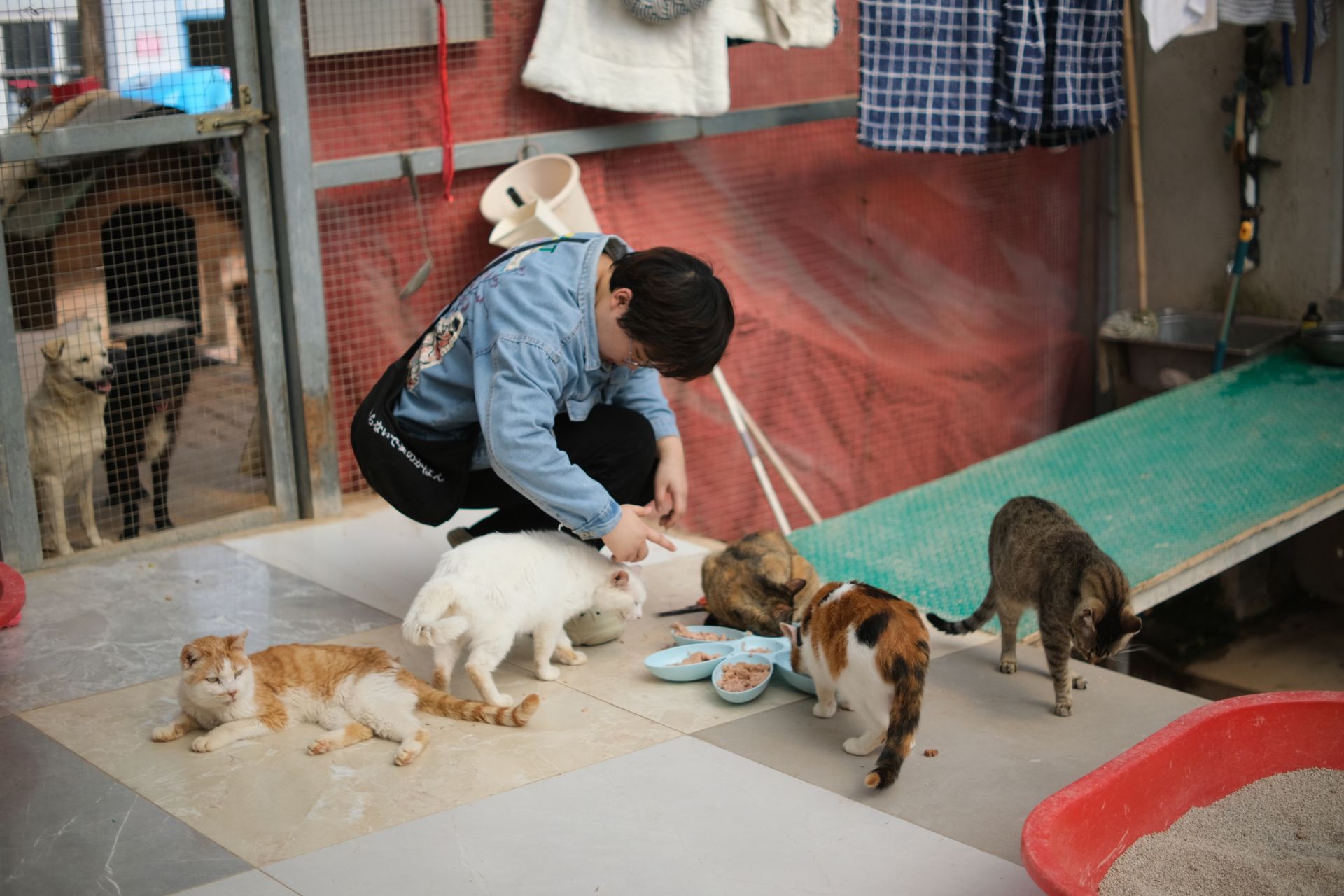
Working cats are best served when adopted in pairs to keep each other company. Our staff will select cats from our working cat enclosure based on compatibility.
Before bringing your new working cat home, make sure you have a safe and suitable enclosure for them to acclimate to. This can be a barn, stable, or warehouse with access to dry food and water. You'll also need to provide a sturdy plastic carrier for transport.
To ensure a smooth transition, working cats should be limited to an enclosed room (approximately 14 x 14 feet) for two weeks. This will give them time to get used to their new environment.
Requirements for Adopters
If you're thinking of adopting a working cat, it's essential to provide a safe and suitable environment for them.
Working cats need a safe, insulated indoor/outdoor building such as a barn, stable, or warehouse to call their own. This could be a barn on your property or even a small shed.
They will also need access to dry food and water, but don't worry, this won't stop them from hunting rodents!
To get your working cat comfortable with their new surroundings, it's a good idea to keep them in a kennel or safe enclosure at first. This will help them get used to their new home before being let loose to roam as they please.
How to Adopt Cats
Adopting a working cat can be a rewarding experience for both you and your feline friend. Working cats are best served when adopted in pairs to keep each other company.
To ensure a smooth transition, our staff will select cats from our working cat enclosure based on compatibility. This means you'll get two cats that get along well with each other.
When it's time to transport your working cats, make sure to use sturdy airline-approved plastic carriers. These carriers will keep your cats safe and secure during the move.
For the first two weeks, it's essential to limit your working cats to an enclosed room (approximately 14 x 14 feet) to help them acclimate to their new environment. This will give them a chance to settle in and feel comfortable.
We recommend providing a sturdy plastic carrier for transport, and our staff can discuss transportation options with you during the consultation.
Caring for a Working Cat
A working cat needs a safe and secure shelter, ideally in a permanent building or structure away from busy roads.
To ensure your working cat feels comfortable and adjusted to their new home, they'll need a 3 to 4 week acclimation period.
During this time, you'll need to provide fresh food, clean drinking water, and litter supplied daily.
You'll also need to provide an enclosure, food, bedding, a litterbox, and litter.
Here's a list of the basic supplies you'll need to provide for your working cat:
- Enclosure
- Food
- Bedding
- Litterbox & Litter
Working cats are not outside cats, so they must live in an enclosed structure.
Understanding Working Cats
Working cats are a unique breed of feline that have been specifically trained for certain tasks, such as hunting rodents or providing emotional support.
They require regular exercise and mental stimulation to prevent boredom and stress, which can lead to destructive behavior.
These cats are often found in rural areas where their skills are in high demand, but they can also thrive in urban environments with proper care and attention.
Working cats are typically independent and self-sufficient, but they still need regular veterinary check-ups and vaccinations to stay healthy.
They are often described as "low-maintenance" pets, but this doesn't mean they don't require any attention or care - it just means they're adaptable to different living situations.
In fact, working cats can make great companions for people with busy lifestyles or those who live in small spaces.
Working Cat vs Other Pets
Working cats are often compared to other pets, but they have some unique characteristics that set them apart. They're not as demanding as dogs, requiring less attention and exercise.
One key difference is that working cats are trained to hunt and manage rodent populations, making them a valuable asset for farmers and gardeners. They're not as cuddly as domestic cats, but they're just as affectionate in their own way.
Working cats are generally more independent than other pets, preferring to spend their time outdoors and hunting for food. They're not as prone to obesity or other health problems that can affect indoor cats.
In terms of cost, working cats are often free or low-cost to adopt, as they're typically taken in by shelters and rescue groups. They require less veterinary care than other pets, as they're generally healthier and more self-sufficient.
Despite their differences, working cats can make wonderful pets for the right owner. They're a great choice for people who want a low-maintenance pet that can help with pest control.
Broaden your view: Cats for Pets
Featured Images: pexels.com