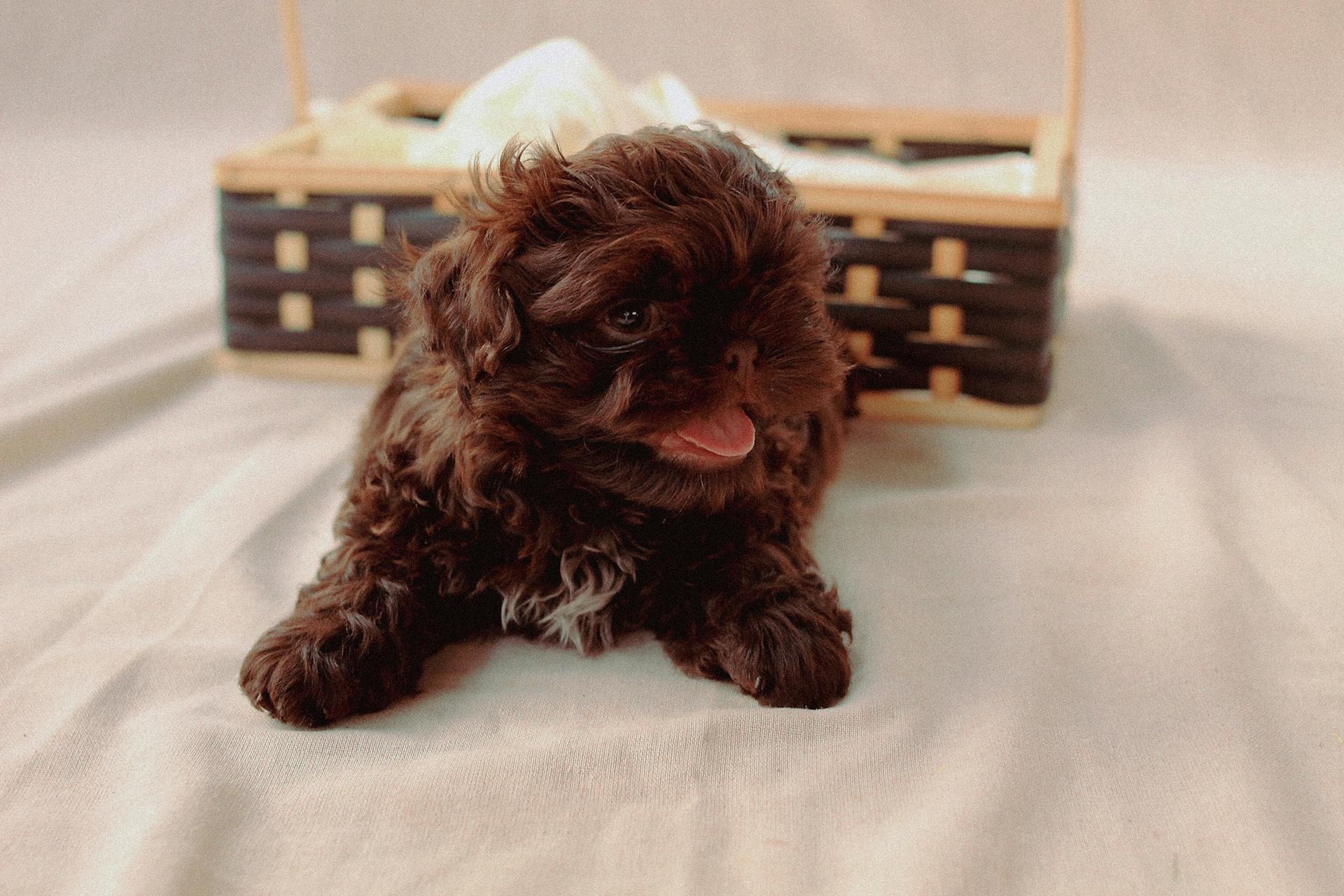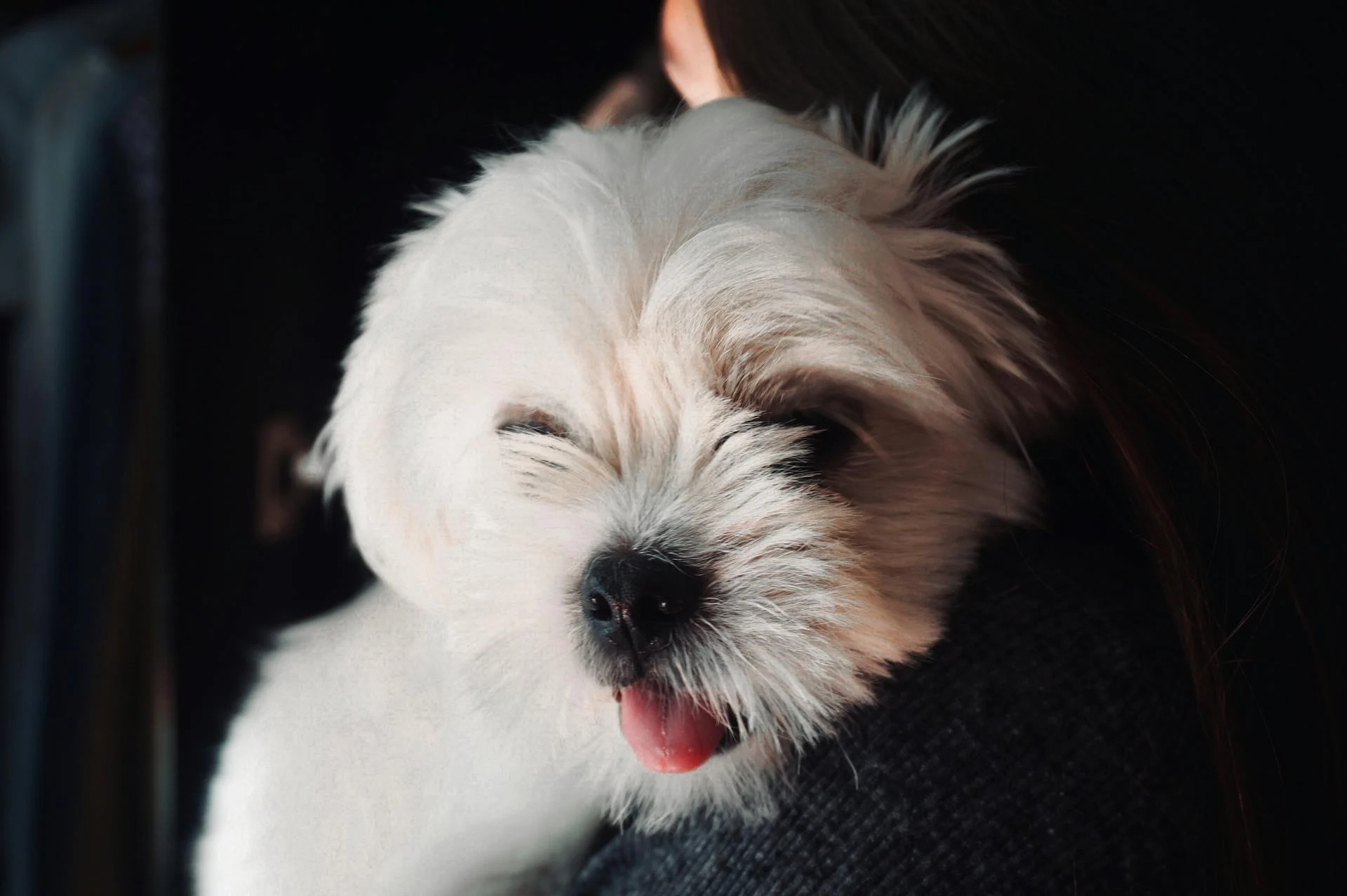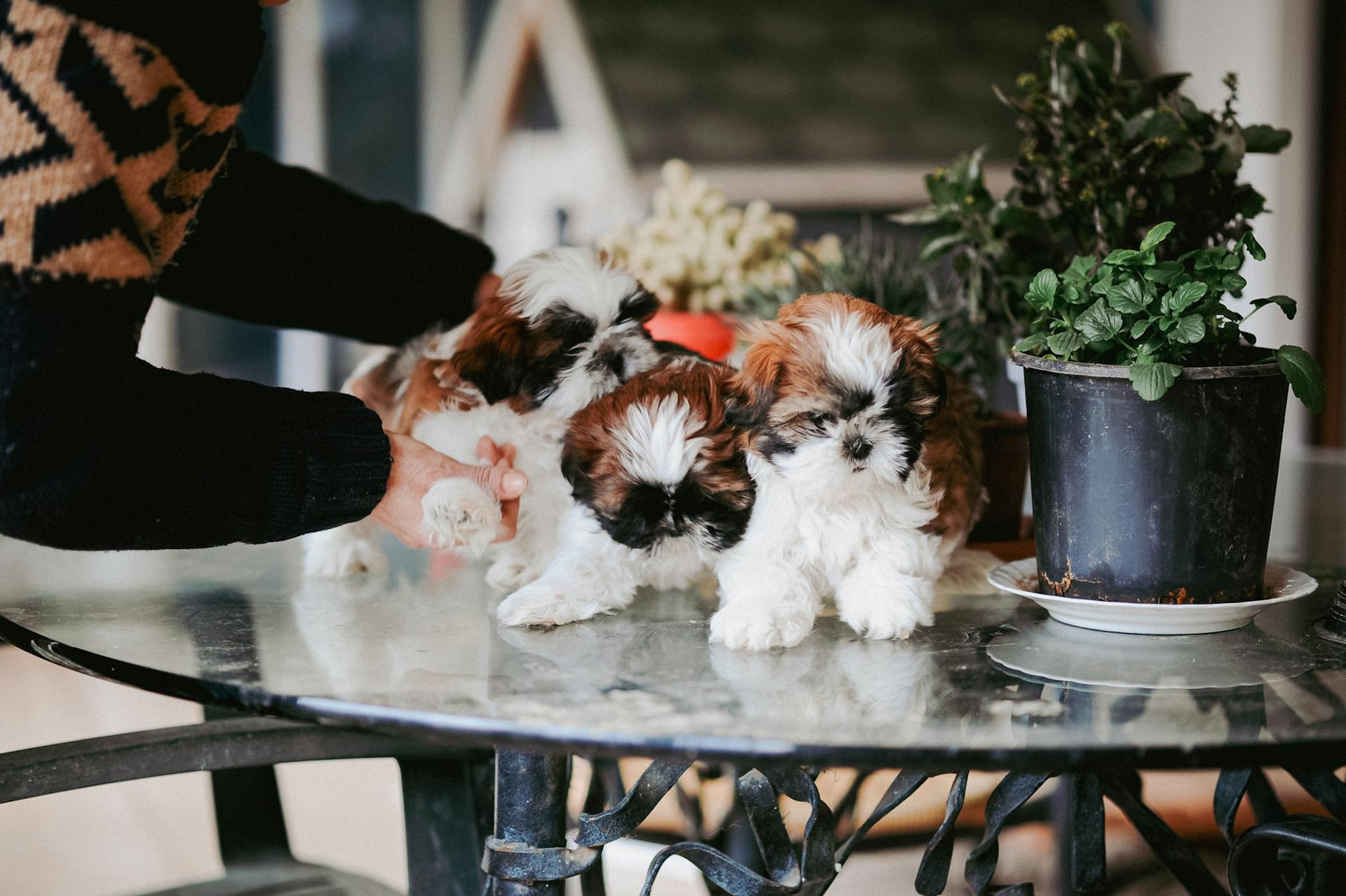
Shih Tzus are known for their adorable little snorts, but have you ever wondered why your furry friend is making those funny noises?
One reason your Shih Tzu might be snorting is that they have a short, flat face, which can cause their airways to become easily irritated.
Their small nasal passages can also make it difficult for them to breathe, leading to a snorting sound as they try to take in oxygen.
Shih Tzus are also prone to brachycephalic syndrome, a condition that affects their breathing and can cause snorting and wheezing.
What Causes?
So, you're wondering why your Shih Tzu is snorting so much? It's not just a cute quirk, there are several reasons behind it. Your veterinarian can help diagnose the underlying cause if it persists.
Snorting in Shih Tzus can be caused by a variety of factors, including heart conditions and other underlying causes that may not be noticeable on the surface. If it persists, you should always consult your veterinarian.
Some causes of snorting in Shih Tzus are due to their specific breeding. Let's take a look at these first.
Brachycephalic airway syndrome (BOAS) is a breathing disorder in some dogs with certain facial structures, and Shih Tzus are particularly susceptible to it due to their short muzzle and flat faces. Symptoms can include snoring, gagging, snorting, difficulty eating, sleeping and exercising.
Reverse sneezing is not actually sneezing at all, but a condition known as pharyngeal gag reflex. It's a spasm of the throat and nasal passages that's generally instigated by an irritation to either the throat or the soft palate.
Common causes of throat irritation include pollens and dust from sniffing dusty areas, infections such as kennel cough, seasonal allergy, and reduced airspace in short-faced and small breeds.
Here are some common causes of reverse sneezing in dogs:
- Allergies
- Eating or drinking too fast
- Foreign bodies
- Mites
- Pressure on throat (often from pulling on leash)
- Viruses
If your dog has started reverse sneezing constantly or is getting worse, you need to help. It's also worth reading our page on the causes of coughing in dogs.
Symptoms and Diagnosis
If your Shih Tzu is snorting, it might be experiencing reverse sneezing, a condition that can appear alarming but usually clears up within a minute or two. The symptoms of reverse sneezing include gasping, difficulty drawing air, an extended neck, and a snorting sound.
During an episode, you might also notice that your dog's elbows are turned out and their eyes are bulging. These symptoms can be concerning, but they're usually not a cause for alarm. Here are some common symptoms of reverse sneezing in dogs:
- Gasping
- Difficulty drawing air
- Extended neck
- Snorting
However, it's essential to rule out other conditions that might be causing the snorting, such as tracheal collapse, which is a genetic disorder common in Yorkshire terriers but can also occur in other breeds, including Shih Tzus. If your dog is experiencing reverse sneezing on a regular basis, a visit to the veterinarian is crucial to determine the cause and rule out other conditions.
Allergies/Seasonal Changes
Allergies/Seasonal Changes can be a common cause of snorting in Shih Tzus.
Allergic rhinitis can cause mucus to build up in their nasal passages.
Pollen, dust, and smoke are common environmental factors that can trigger allergies in dogs.
Try to eliminate these triggers from your home to see if it makes a difference.
Seasonal changes can also affect your Shih Tzu, just like they do humans.
If you're concerned, take your dog to the vet for a check-up.
Your vet may prescribe an antihistamine if allergies are the cause of your dog's snorting.
Anxiety
Anxiety can manifest in our Shih Tzus in various ways, including snorting. If your pet seems agitated or scared, removing them from the situation and providing a safe space can help reduce anxiety symptoms like snorting.
Snorting or sneezing can be a way for dogs to try and relieve stress.
Symptoms
Symptoms of reverse sneezing in dogs can be quite alarming, but fortunately, they usually clear up on their own within a few minutes.
During an episode of reverse sneezing, a dog may exhibit an extended neck, and gasp with a snorting sound.
The elbows are often turned out, and the eyes may bulge as the dog struggles to get air into the lungs due to the narrowing of the trachea.
Here are some common symptoms of reverse sneezing in dogs:
- Gasping
- Difficulty drawing air
- Extended neck
- Snorting
It's essential to note that tracheal collapse, a genetic disorder common in Yorkshire terriers, can exhibit the same symptoms as reverse sneezing, but may also include exercise intolerance and labored breathing.
Diagnosis
To confirm there are no underlying causes to reverse sneezing in dogs, several tests will need to be done by the veterinarian.
A thorough physical examination will be completed, including checking the nasal passages, mouth, and throat areas thoroughly. This is to rule out any potential issues that may be contributing to the behavior.
A rhinoscopy may be performed to look more deeply into the nasal passages and check for any mites, polyps, or tumors. This involves using a speculum to allow the examiner to see more clearly.
A sample from the nasal passages may be taken for biopsy to rule out nasal cancer. This is a crucial step in determining the underlying cause of the symptoms.
The veterinarian will gather information about the duration and frequency of symptoms, as well as any concurrent medications that the dog is being given. This helps to piece together a complete picture of the dog's health.
Many veterinary professionals will ask for a video recording of an episode to assist in the diagnosis. This can be a helpful tool in understanding the behavior and making an accurate diagnosis.
Treatment and Prevention
To help reduce your Shih Tzu's snorting, make sure they are not overweight, as this can help keep their airways open. Regular exercise and a balanced diet can help maintain a healthy weight.
Reducing potential allergens in your home, such as pollen, dust, and smoke, can also make a big difference. Keep your home clean and consider using air purifiers to minimize exposure to irritants.
If your Shih Tzu's snorting persists, talk to your vet about how to prevent it, as it could be a sign of an underlying condition. Many dogs with Brachycephalic Obstructive Airway Syndrome (BOAS) will benefit from surgery, which may need to be done by a specialist veterinary surgeon.
Here are some common causes and treatments for reverse sneezing in dogs:
Treatment of
Treatment of reverse sneezing in dogs depends on the underlying cause. If an underlying cause such as allergies or mites is uncovered, that condition will need to be addressed to help reduce the frequency and intensity of the reverse sneezing episodes.
Mild cases may be best left untreated, as they are usually harmless and your dog will continue on as if nothing has happened. If your dog is having an episode, you can help shorten the duration of the attack by channeling the air through the mouth rather than through the spasming nasal passages.
Worth a look: Shih Tzu Sneezing
Infections are usually treated with antibiotics and anti-inflammatories. Your vet will need to diagnose the likely cause of the reverse sneezing before starting treatment.
Dogs with short faces, or brachycephalic dogs, can get into a vicious circle of inflammation and worsening signs. These dogs may benefit from a cortisone injection to settle airway swelling and reduce distress.
Here are some common treatment options for reverse sneezing:
- Mild cases: best left untreated
- Infections: treated with antibiotics and anti-inflammatories
- Seasonal allergy: responds to antihistamines or may need a cortisone injection
- Brachycephalic dogs: may benefit from a cortisone injection and/or more permanent surgical solutions
Preventing Snorting in My Shih Tzu
To reduce snorting in Shih Tzus, it's essential to ensure your pet is not overweight, as this will help keep their airways open. Maintaining a healthy weight is crucial for this breed.
Reducing potential allergens in your home can also help alleviate snorting. This includes minimizing exposure to pollen, dust, and smoke.
Keeping your Shih Tzu up to date with preventative health care, such as vaccinations and parasite treatments, is also vital.
Many dogs with BOAS will benefit from surgery, which may need to be done by a specialist veterinary surgeon.
Helping My Shih Tzu Breathe Easier
To help your Shih Tzu breathe easier, it's essential to ensure they're not overweight, as excess weight can cause their airways to become blocked.
Reducing potential allergens in your home, such as pollen, dust, and smoke, can also make a big difference. This is because these irritants can exacerbate breathing difficulties in sensitive dogs.
Keeping your Shih Tzu up to date with preventative health care, including vaccinations and parasite treatments, is also crucial.
If your Shih Tzu's snorting is caused by an underlying condition, addressing that condition will be key to reducing the frequency and intensity of the snorting episodes.
Here are some at-home strategies to help your Shih Tzu breathe easier:
- Reduce potential allergens in your home.
- Keep your Shih Tzu up to date with preventative health care.
- Ensure your Shih Tzu is not overweight.
If your Shih Tzu's snorting persists, it's always best to consult with your vet to rule out any underlying conditions that may require treatment.
When to See Your Vet
If your Shih Tzu's snoring isn't resolving, it's essential to seek veterinary help as soon as possible.
Your vet will be able to diagnose the underlying cause of the snoring and advise on a course of action.
If your Shih Tzu seems to be having difficulty breathing, it's crucial to seek veterinary help right away.
In some cases, further treatment may be needed to resolve the problem.
Frequently Asked Questions
What does it mean when your dog snorts like a pig?
When your dog snorts like a pig, it's usually a sign of a reverse sneeze, a common issue in small and brachycephalic breeds
Why does my Shih Tzu make a honking noise?
Your Shih Tzu's honking noise is likely a reverse sneeze, caused by sudden inhalation of air through the airways due to irritation. This can be triggered by allergens or foreign bodies in the airway.
Featured Images: pexels.com