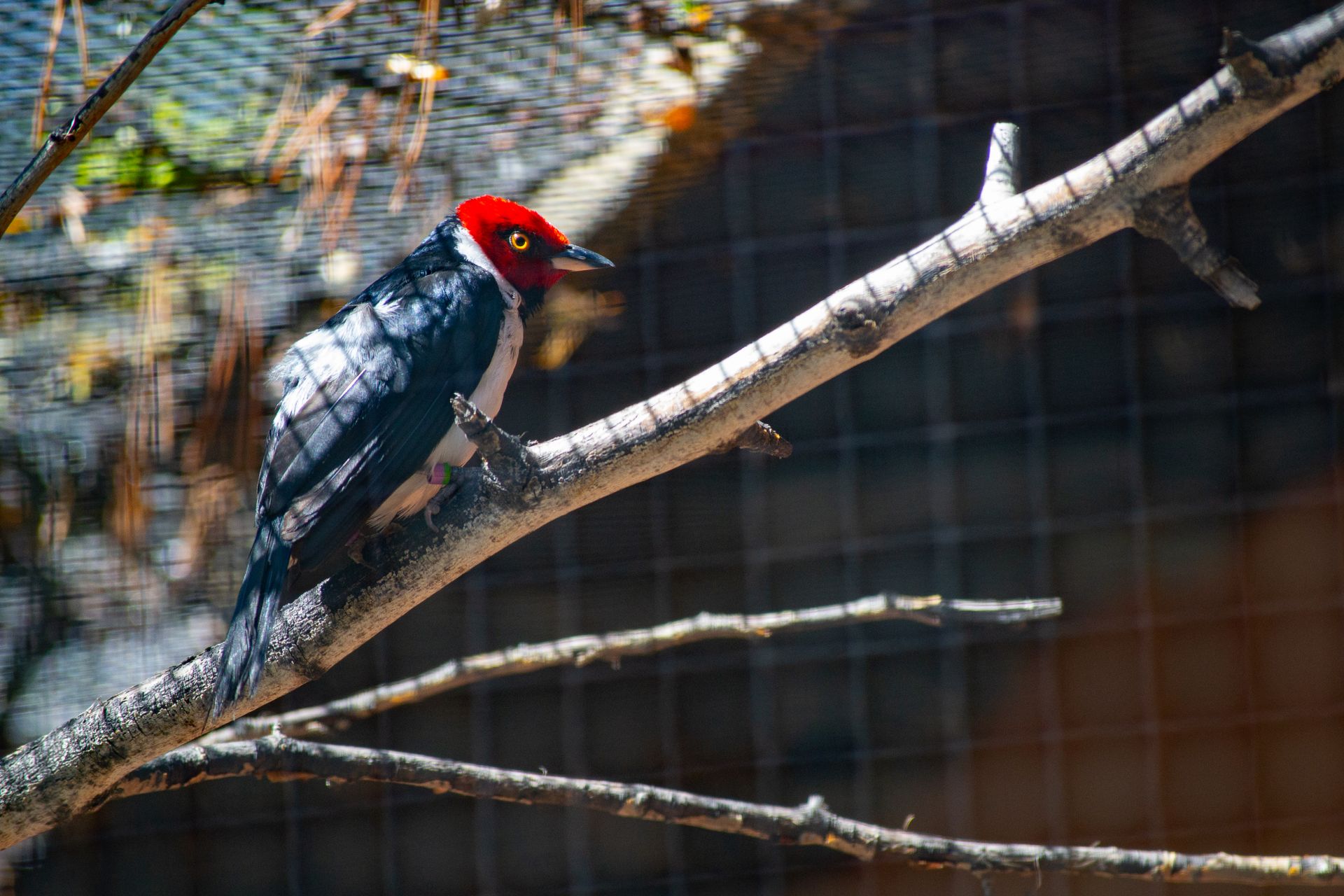
In the wild, Red Headed Woodpeckers primarily feed on insects, which make up about 90% of their diet.
They forage for insects in trees and shrubs, using their sharp beaks to extract them from bark and wood.
Red Headed Woodpeckers have also been known to eat some fruit and sap, but insects are their main source of nutrition.
In fact, they've been observed eating a wide variety of insects, including beetles, ants, and cicadas.
What Red-Headed Woodpeckers Eat
Red-Headed Woodpeckers are primarily insectivorous, meaning they mainly eat insects. They forage for food on trees and shrubs, often excavating bark to find larvae and insects.
In addition to insects, they also eat fruits and berries, which provide essential nutrients and energy. A study found that Red-Headed Woodpeckers eat a variety of fruits, including those from the persimmon and mulberry trees.
Their diet is diverse and adaptable, allowing them to thrive in different environments.
Insects
Red-headed Woodpeckers have a unique relationship with insects. They feed on a variety of insects, including ants, beetles, and wasps.
These insects are often found in trees, which is where the Red-headed Woodpeckers spend most of their time. They excavate tree cavities to make nests and forage for food.
Insects like carpenter ants and wood-boring beetles are abundant in dead or dying trees, which is a favorite foraging spot for Red-headed Woodpeckers. They use their strong beaks to extract the insects from the tree's bark and sapwood.
Red-headed Woodpeckers also eat cicadas, which are a type of insect that can be found in trees and shrubs. They are a good source of protein for the woodpeckers.
In the summer months, Red-headed Woodpeckers will also eat ground-dwelling insects like June beetles and grubs. They will forage on the ground to find these insects.
Fruits and Nuts
Red-Headed Woodpeckers love to snack on a variety of fruits and nuts, which are essential to their diet.
In addition to insects, Red-Headed Woodpeckers also eat berries, including blackberries and raspberries, which are abundant in their native habitats.
Red-Headed Woodpeckers have been known to cache, or store, nuts like acorns and hazelnuts for later use.
They also enjoy eating beechnuts and pine seeds, which are rich in protein and fat.
Grains and Seeds
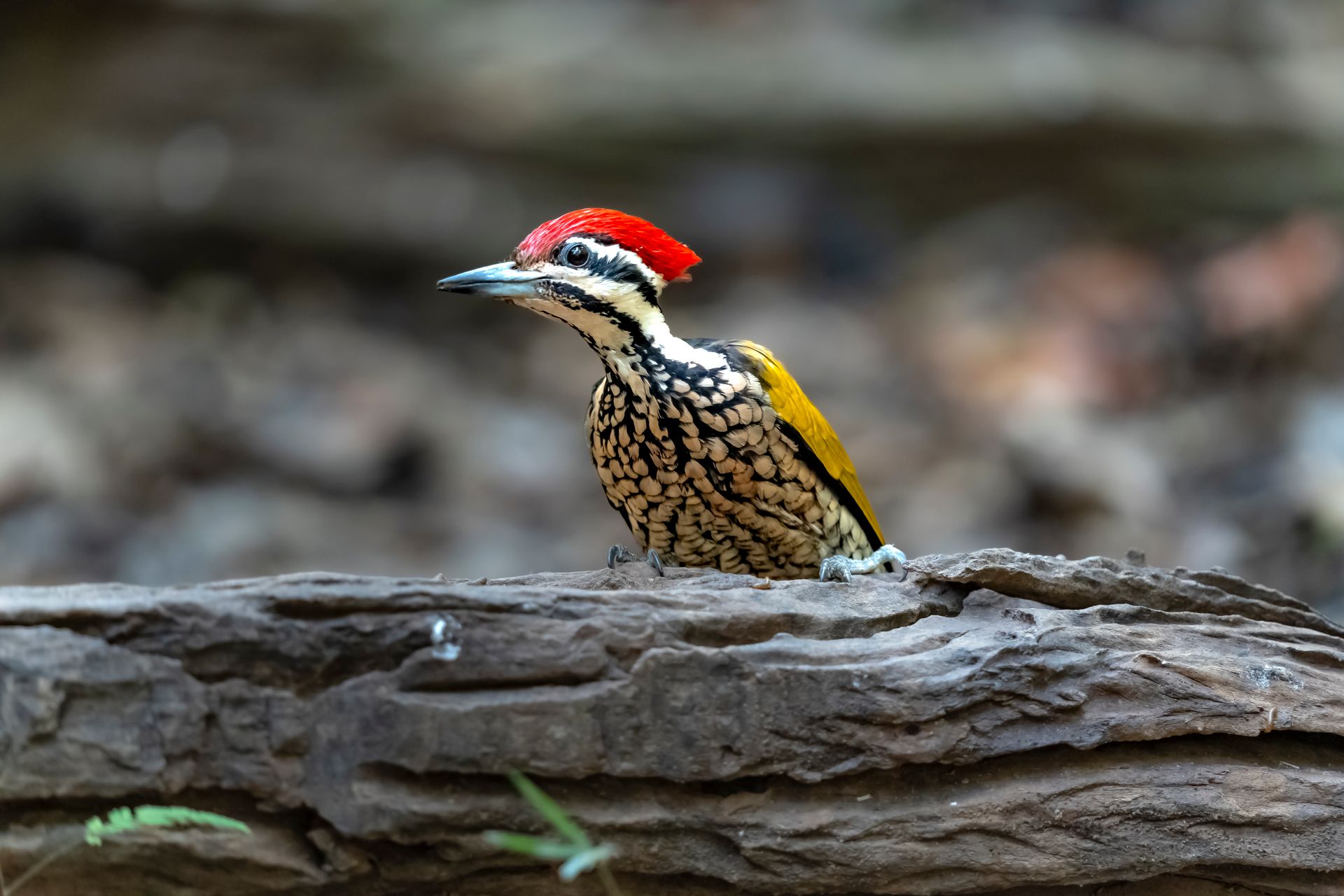
Red-headed Woodpeckers love to forage for grains and seeds, and they often cache or store some of these food sources for later use.
They particularly enjoy eating sunflower seeds, which are rich in nutrients and calories. They also cache these seeds in various spots around their territory.
In addition to sunflower seeds, Red-headed Woodpeckers also eat corn, which is another staple in their diet. They often cache corn as well, burying it in various spots to retrieve later.
Safflower seeds are another favorite snack of Red-headed Woodpeckers, and they often cache these seeds too.
Eating Habits
Red-headed woodpeckers have the most varied diet of all woodpeckers. They seem especially attached to acorns and beechnuts.
They are excellent flycatchers and eat a wide range of insects, including grasshoppers. Red-headed woodpeckers also eat fruits, corn, eggs, mice, and even bird nestlings.
At bird feeders, red-headed woodpeckers eat sunflower seeds, peanuts, and suet. But they're particularly attracted to cracked corn, which they love almost as much as acorns and beechnuts.
See what others are reading: Bird Eat
Frequently Asked Questions
How to attract a red-headed woodpecker?
To attract red-headed woodpeckers, offer peanut butter suet at a cage feeder attached to a tree, as they are particularly fond of this treat. This simple step can entice these birds to visit your yard regularly.
Do red-headed woodpeckers visit bird feeders?
Yes, red-headed woodpeckers occasionally visit bird feeders, particularly those offering suet, especially during winter months. They may also visit feeders in search of other food sources.
Do Red-headed Woodpeckers like grape jelly?
Yes, Red-headed Woodpeckers have been known to eat grape jelly, surprising some who thought they only ate insects and sap. This unexpected behavior was observed when a pair of woodpeckers visited a feeder.
What is the best food to put out for woodpeckers?
Woodpeckers are attracted to high-fat foods like peanuts and sunflower seeds, with black oil sunflower seeds being a particularly effective option
Featured Images: pexels.com