As a beginner, it's essential to understand that Western Hognose snakes are carnivores, which means they require a diet rich in protein from animal sources.
In the wild, they feed on small vertebrates like lizards, snakes, and rodents, so it's crucial to replicate this diet in captivity.
A good starting point is to offer your Western Hognose snake pre-killed or live prey items, such as pinkie mice or fuzzy mice, depending on their age and size.
Feeding frequency also plays a significant role, with young snakes requiring more frequent meals than adults.
Prey Items
When choosing prey items for your Western Hognose Snake, it's essential to select items that are the right size.
For hatchlings and younger snakes, pinky mice or fuzzy mice are suitable choices. These small prey items are easy to digest and provide the necessary nutrients for growth.
A general rule of thumb is to feed your hognose snake prey that is about the same width as the snake's body at its widest point. This ensures the snake can swallow the prey item comfortably.
Adult Western Hognose Snakes can consume larger mice, which provide more substantial nutrition. However, it's crucial to ensure the prey item is not too large, as this can lead to regurgitation or other digestive issues.
Feeding
Feeding your Western Hognose Snake is a crucial part of its care.
Juvenile snakes need to eat more frequently than adults, so it's essential to adjust the feeding schedule accordingly.
You should feed your snake every 5-7 days if it's under a year old, every 7-10 days if it's between 1-2 years old, and every 10-14 days if it's over 2 years old.
Monitor your snake's weight and adjust the feeding schedule if necessary. Overfeeding can lead to obesity, while underfeeding can result in malnutrition.
Here's a general guideline to follow:
If your snake refuses to eat, try leaving the prey in overnight. They may eat after you leave.
For your interest: What Do Western Rattlesnakes Eat
Diet and Water
Western hognose snakes are carnivorous, and they thrive on a diet of frozen-thawed foods.
Mice are the best diet for western hognose snakes, and as hatchlings, they should be fed weekly on defrosted pinky mice.
A large western hognose snake may move on to smaller rats when fully grown, but an all-rodent diet is best.
Adult western hognose snakes can be fed once every two weeks to prevent overfeeding, as they can become overweight if fed weekly.
Diet
A healthy diet is essential for maintaining a healthy body.
Drinking enough water is crucial for digestion, and a diet rich in fiber helps keep things moving.
The recommended daily intake of fiber is 25-30 grams.
Eating foods high in fiber, such as fruits, vegetables, and whole grains, can help lower cholesterol levels and regulate blood sugar.
A diet that is high in sugar and low in fiber can lead to digestive issues and bloating.
Water helps to break down and absorb nutrients from food, making a balanced diet even more important.
You might like: Blotched Water Snake
Water Requirements
A medium or large sized water bowl should be included in the western hognose snake's enclosure. This will allow the snake to use it for bathing, which is usually to cool down or to help loosen its shedding skin.
The water bowl should be kept on the cool side of the enclosure to prevent it from raising the humidity in the enclosure.
Feeding Guide
Western hognose snakes can go months without food, so it's essential to monitor their husbandry and weight to ensure they're not losing too much weight.
Use feeding tongs or forceps to present the prey item to your snake, and gently wiggle the prey to imitate movement.
Some snakes may take a while to strike and eat, especially when adapting to a new environment or during shedding periods.
If your snake refuses to eat off tongs, leave the prey in overnight – it's common for them to eat after you leave.
Western hognose snakes have a fairly fast metabolism and are active snakes, so they may eat more frequently than other species.
Feed growing individuals every 5-7 days and adults every 7-10 days to meet their nutritional needs.
Always use a pair of tongs so the snake can clearly tell the difference between food and not – they're not super precise feeders and can often miss.
If your snake is refusing to eat, try scenting the prey with a high success rate scent like salmon, tuna, or frog legs – gently apply the scent fluid and wean off after some feeds.
Western hognose snakes can be tricky to get started feeding, but once established, they're very good eaters and can be quite greedy – males in particular can go for fasting periods.
Western Hognose Snake
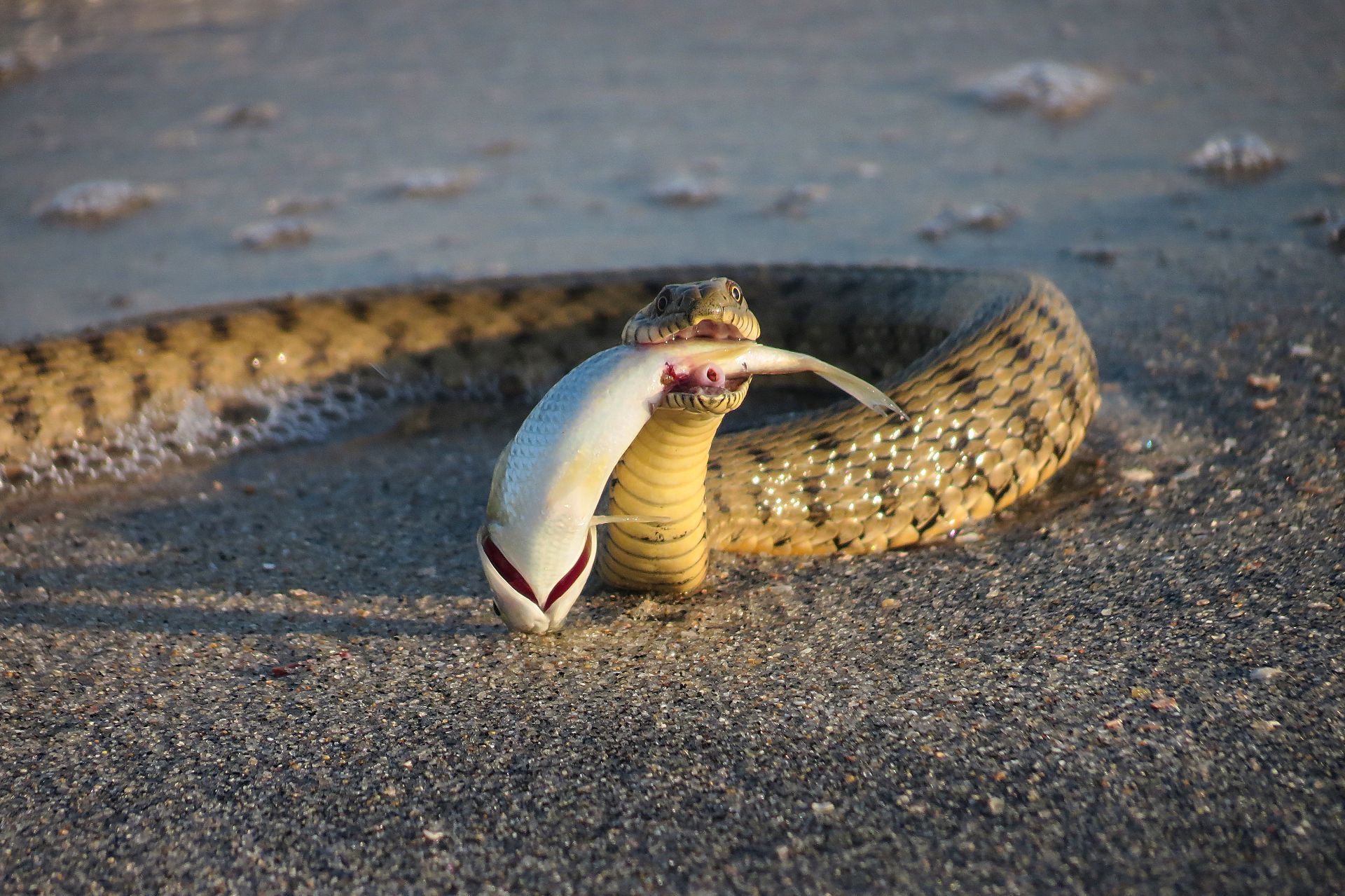
Western Hognose Snakes are quite tricky to get started feeding, as they're used to eating fish or frogs in the wild.
They have a fairly fast metabolism and are an active snake, so they may eat more frequently than some other species of snakes.
We recommend feeding growing individuals every 5-7 days and adults every 7-10 days.
They start on pinkies and most adults will max out at small to medium mice, although large females may take large or even XL mice.
Always use a pair of tongs so the snake can clearly tell the difference between food and not.
Western Hognose Snakes are not super precise feeders and can often miss, so it's really important to use tongs.
Feeding Snakes
Western Hognose snakes can be quite tricky to get started feeding, especially if they're not used to eating rodents.
Use feeding tongs or forceps to present the prey item to your snake, and gently wiggle the prey to imitate movement.
Some snakes may take a little while to strike and eat, especially when adapting to a new environment or during shedding periods.
A good rule of thumb is to leave the prey in overnight, as your snake may eat after you leave.
If your snake refuses to eat off tongs, snake braining may be necessary to trigger a feeding response.
Poke a small hole in the top of the prey's head and extract the fluid, which usually helps stimulate a feeding response.
Common scents with high success rates include salmon, tuna, and frog legs, and can be applied to the prey to stimulate eating.
Western Hognose snakes have a fairly fast metabolism and are an active snake, so they may eat more frequently than some other species of snakes.
Feed growing individuals every 5-7 days and adults every 7-10 days, and always use a pair of tongs to present the prey item.
They can often miss the prey, so it's really important to use tongs to clearly distinguish food from not.
Featured Images: pexels.com