
As a veterinary practice manager, you can expect a competitive salary. According to the Bureau of Labor Statistics, the median annual salary for a veterinary practice manager is around $93,000.
The salary range for a veterinary practice manager can vary depending on factors such as location, experience, and specific employer. In some cases, salaries can range from $60,000 to over $120,000 per year.
Veterinary practice managers can also expect a high level of job satisfaction, as they play a crucial role in ensuring the success and well-being of both the practice and its clients.
See what others are reading: Veterinary Practice Manager Week
Education & Training
A college degree is not always required to work in veterinary management, but a bachelor's degree or business management training can give you an edge. Having a degree or training in business management can help you understand the skills necessary for overseeing employees, handling daily operations, and administering budgets.
Many veterinary practice managers choose to obtain certifications in veterinary practice management, such as the Certified Veterinary Practice Manager (CVPM) designation from the Veterinary Hospital Managers Association (VHMA). This certification is highly regarded in the industry and requires at least three years of experience and completion of an accredited course or veterinary practice management program.
Explore further: Veterinary Practice Management
To become certified, you'll need to meet the VHMA's requirements, which include passing a written exam and having letters of recommendation. You can also earn continuing education credits through programs like Purdue University's Veterinary Practice Management program, which offers courses on developing and leading a veterinary team and learning the financials of the practice.
Certifications like the CVPM can provide you with the knowledge and skills necessary to succeed in veterinary practice management, but they're not always required. Some veterinary practice managers may have a wealth of knowledge and experience, but not necessarily a certification.
If you're new to veterinary practice management, you may want to consider starting with some basic education and training. This can include books, webinars, conferences, and memberships to organizations like the Veterinary Hospital Managers Association and the Society for Human Resource Management.
Here are some key resources to consider:
- Books: Provide a basic explanation of concepts, but may not be enough on their own for advanced topics.
- Webinars and conferences: Offer hands-on training and the opportunity to ask questions and learn from experienced instructors.
- Memberships: Provide access to education, articles, and up-to-date industry data through organizations like the Veterinary Hospital Managers Association and the Society for Human Resource Management.
Some key courses to consider include:
- Principles of Management
- Veterinary Practice Management
- Human Resources Management
- Marketing
- Business Ethics
Job Description and Responsibilities
A veterinary practice manager's job is multifaceted, with a wide range of responsibilities. They oversee staff management, ensuring the clinic team is working efficiently and effectively.
One key aspect of their role is financial management, which includes tasks such as financial reporting, accounts receivable, income reconciliation, credit, accounts payable, inventory, budgeting, and setting fees. They must also manage patient medical records and client service, including client communication, education, and interaction.
In addition to these duties, veterinary practice managers may also be involved in community involvement, such as participating in fundraising and charity events.
Recommended read: Horse Management
Duties & Responsibilities
As a veterinary practice manager, your duties and responsibilities will be diverse and challenging. You'll be responsible for overseeing staff management and client relations. This includes managing patient medical records, which is a critical aspect of ensuring quality care.
You'll also be in charge of client service, which encompasses communication, education, and interaction with clients. This may involve handling sensitive situations, such as a client's grief over the loss of a pet. Your role will also involve community involvement, like participating in fundraising and charity events.
Worth a look: The Client of a Veterinary Practice Is the
Some of the key tasks you'll perform include financial reporting, accounts receivable, income reconciliation, credit, accounts payable, inventory, budgeting, and setting fees. You'll need to stay organized and have strong leadership skills to motivate employees and deal with any issues that arise.
Here are some key areas you'll be responsible for:
- Financial reporting and management
- Patient medical records oversight and management
- Client service and communication
- Community involvement and fundraising
- Staff management and leadership
As a veterinary practice manager, you'll need to balance the need to provide quality care with the need to generate adequate revenues to keep the practice profitable. This may involve setting fees and monitoring cash flow, all while staying up-to-date on industry guidelines and regulations.
Manager Salary
As a veterinary practice manager, you'll be well-compensated for your hard work, with median salaries ranging from $35,000 to $66,000 per year.
If you're considering a career change, you might also want to look into similar jobs, such as human resources manager or compensation and benefits manager, which have median salaries of $113,300 and $121,010 respectively.
On a similar theme: Veterinary Practice Management Certification Online

The salary of a veterinary practice manager can vary greatly depending on factors such as experience, location, and practice size.
Here are some specific salary ranges to keep in mind:
Keep in mind that these figures are based on data from PayScale, 2019, and may not reflect current salaries.
Managing Finances
Managing finances is a critical aspect of being a successful veterinary practice manager. It's responsible for the financial wellbeing of the business, including creating and administering budgets.
Veterinary practice managers should have a strong understanding of business financials to make sound financial decisions. They should be able to read and interpret financial statements.
Understanding key concepts like ROI (return on investment) and break-even analysis is essential for making informed decisions. It helps determine whether a business is profitable or not.
Pricing products and services is another area where financial expertise is crucial. Veterinary care is a unique industry, balancing quality patient care with affordable prices is a delicate task.
In Canada, veterinary practice managers must be aware of the Veterinary Fee Guidelines set out by the Canadian Veterinary Medical Association (CVMA). These guidelines ensure fees charged by practices are fair, reasonable, and consistent with the services provided.
A fresh viewpoint: General Practice Veterinary Care
Marketing
As a veterinary practice manager, marketing is a crucial aspect of growing and maintaining a successful business.
Veterinary clinics and hospitals rely heavily on new and returning clients to thrive.
Practice managers are often responsible for creating and implementing marketing plans to promote the business and attract new clients.
Developing marketing campaigns, monitoring social media accounts, overseeing website content, and planning promotional events are all key tasks in this role.
To be successful in marketing, one must have a good understanding of the target market and be able to identify key marketing strategies that will appeal to them.
Many practices elect to partner with a professional marketing consultant to help focus on their teams and other key responsibilities.
A good veterinary marketing professional can be instrumental to management by outlining a strategy tailored to the clinic or hospital needs and helping with its execution.
Discover more: Marketing Veterinary Practice
Technology and Tools
As a veterinary practice manager, you'll be working with a variety of technology to provide quality patient care and run your practice efficiently.
Veterinary practices are increasingly reliant on technology, and it's essential to be comfortable using different types of technology to troubleshoot problems when they arise.
To manage your practice effectively, you'll need to use practice management software to handle appointments, patient records, invoicing, and other administrative tasks.
Here are some common examples of technology used by veterinarians:
- Practice Management Software: Used to manage appointments, patient records, invoicing, and other administrative tasks;
- Telemedicine Software: Used to provide remote consults with clients and/or referral veterinarians;
- Imaging Equipment: Used to take x-rays, ultrasounds, and other diagnostic images;
- Laboratory Equipment: Used to perform in-house laboratory testing.
To be successful, you'll also need to train staff on how to use new technology and ensure it's being used correctly.
Technology
Technology plays a vital role in modern veterinary practices, allowing for more efficient and effective patient care. Veterinary practice managers must be comfortable using various types of technology to manage administrative tasks.
Practice Management Software is a common example of technology used by veterinarians, helping to manage appointments, patient records, and invoicing. This software streamlines administrative tasks, freeing up time for more important things.
Veterinary practices also rely on Telemedicine Software to provide remote consults with clients and/or referral veterinarians. This technology enables veterinarians to provide care to patients remotely, improving access to services.
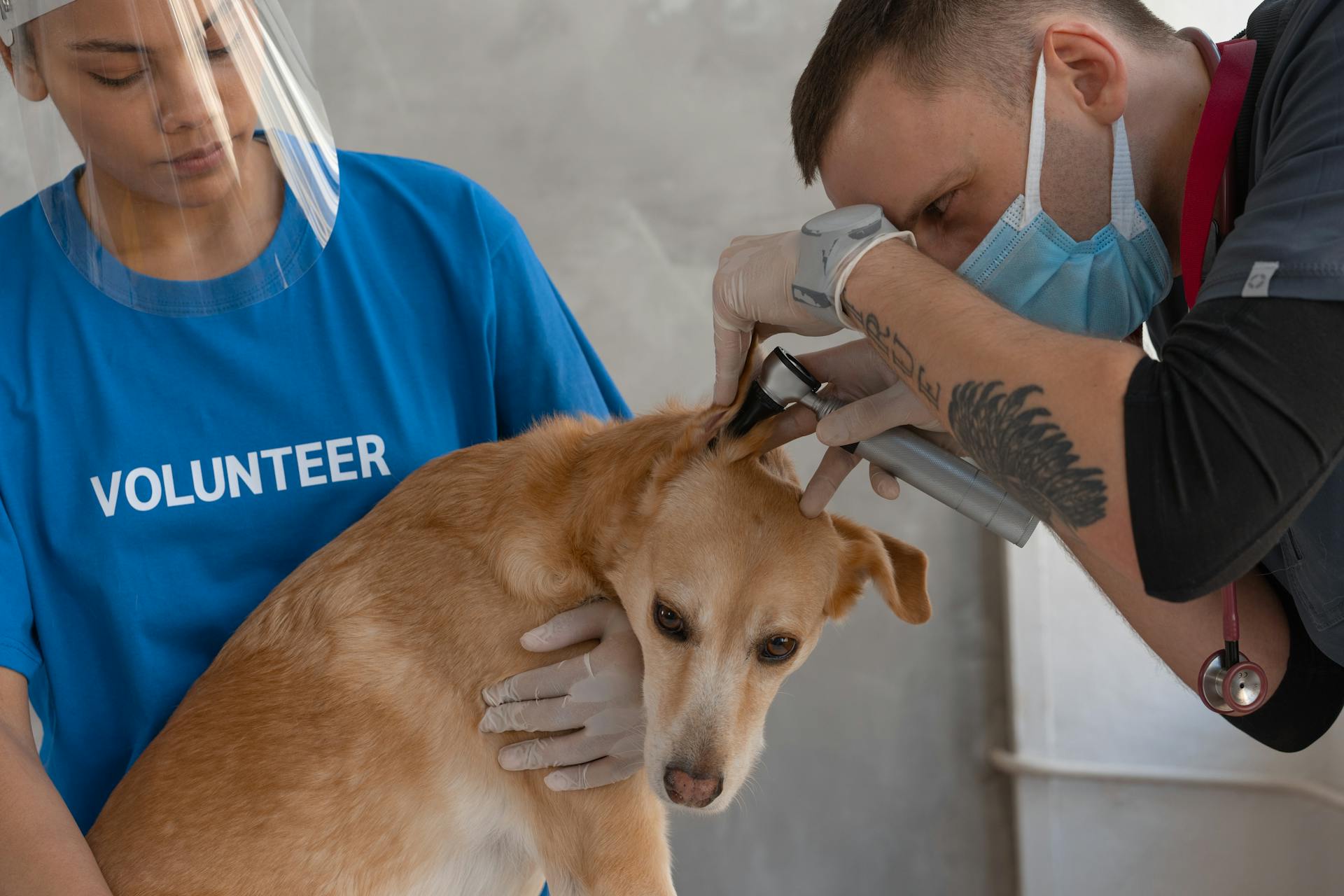
Imaging Equipment, such as x-ray and ultrasound machines, are also essential tools in veterinary practices. These machines help veterinarians diagnose and treat a range of medical conditions.
Laboratory Equipment is used to perform in-house laboratory testing, enabling veterinarians to quickly and accurately diagnose conditions. This equipment is a valuable asset in any veterinary practice.
To be successful in veterinary practice management, one must be able to train staff on how to use new technology and ensure it is being used correctly.
Curious to learn more? Check out: Grants for Veterinary Equipment
Selecting the Right Cloud
Crafting the right job ad is crucial when looking for a cloud solution. This includes specifying the required qualifications, such as education and relevant certifications.
To attract the perfect candidate, the ad should also include a brief overview of the duties and responsibilities, as well as an indication of the type of person you are looking for.
The next step is to conduct initial interviews with candidates who seem like a good fit for the role. This can be done over the phone or online video call, where you can ask about their education, job responsibilities, and skills.
Consider reading: Veterinary Education
Some key questions to ask during the initial interview include their experience, leadership style, how they handle difficult conversations, and what they think are the key responsibilities of the role.
Here are some key factors to consider when selecting a cloud solution:
Pet Care and Records
As a veterinary practice manager, maintaining accurate medical records is crucial for providing quality patient care. Veterinary services are required to keep medical records for all patients, which must be complete, accurate, and up-to-date.
These records are not just a legal requirement, but also a vital tool for tracking patient care and making informed decisions. Management should have a good understanding of the record-keeping requirements.
Staff members need to know how to correctly document patient care, which is the responsibility of veterinary practice management. This includes training staff on proper documentation procedures.
Management should also know when to share medical records with other veterinarians or clients, and how to do so in a way that is compliant with the law.
On a similar theme: Veterinary Practice Manager Continuing Education
Human Resources
Human Resources is a critical responsibility for veterinary practice managers. They are responsible for recruiting and hiring staff, managing employee performance, and overseeing training and development programs.
To effectively manage human resources, veterinary practice managers must be well-versed in employment law and have a good understanding of the business needs. They should be able to identify top talent and match them with the right positions.
Creating a list of key attributes you are looking for in a candidate is crucial. This helps ensure you find the right fit for the position. Successful veterinary management recruiters will also prepare a script of questions to assess each candidate's skills, experience, and fit.
Conducting telephone screenings with all candidates narrows down the pool and helps identify the top candidates. In-person interviews are then conducted with the top candidates to determine the best fit for the position.
To be successful in operations, managers must have strong organizational and time-management skills. They should be able to multitask and handle multiple deadlines. Effective communication with staff and clients is also essential.
Worth a look: Veterinary Assistant Skills
Veterinary practice managers must have a range of skills, including organization, leadership, communication, and interpersonal skills. These skills are essential for overseeing and organizing important records and files, motivating employees, and working effectively with others.
Some key skills and qualities for veterinary practice managers include:
- Organization skills: This position requires overseeing and organizing important records and files.
- Leadership skills: Veterinary practice managers must be able to motivate employees and deal with issues that may arise.
- Communication and interpersonal skills: The majority of a veterinary practice manager’s day is spent working with other people.
Skills of Great
As a veterinary practice manager, you'll want to develop strong leadership skills to inspire and motivate your team. Great leaders can drive their team towards success and handle difficult situations with ease.
A clear vision for the business is essential, and you should be able to articulate it to your team. This will help everyone understand the direction of the practice and work together towards a common goal.
Being able to make tough decisions and stand by them is also crucial. It's not always easy, but it's necessary to make the practice successful. You should be open to feedback and willing to make changes when necessary.
To develop your leadership skills, consider joining a book club, a veterinary hospital managers association, or taking on additional responsibilities. You can also attend leadership seminars to learn from experienced professionals.
Effective communication is key in any business, and veterinary practice management is no exception. You need to be able to communicate clearly with both clients and staff, handling difficult conversations calmly and professionally.
Some essential communication skills for veterinary practice management include the ability to listen, give clear instructions, handle difficult conversations, build relationships, and resolve conflict. By developing these skills, you'll be able to effectively communicate the vision and values of the business to your team.
To be successful in operations, you'll need strong organizational and time-management skills. You should be able to multitask and handle multiple deadlines, effectively communicating with staff and clients along the way.
Here are some key skills and qualities you'll need as a veterinary practice manager:
- Organization skills: Overseeing and organizing important records and files.
- Leadership skills: Motivating employees and dealing with issues that may arise.
- Communication and interpersonal skills: Verbal and written communication skills and the ability to work effectively with others.
Certification and Career Development
To become a Certified Veterinary Practice Manager (CVPM), you'll need to meet certain eligibility requirements and pass a four-part examination. The Certified Veterinary Practice Manager credential is awarded by the Veterinary Hospital Managers Association (VHMA).
To earn the CVPM credential, you must be a current member of the Veterinary Hospital Managers Association, have worked full-time in veterinary practice management for at least two years, and submit three letters of reference from veterinarians or other CVPMs.
You'll also need to complete and submit a professional portfolio and pass a four-part examination. The examination consists of four parts: Veterinary Medical Terminology, Business Communications, Veterinary Management Principles, and Veterinary Practice Operations.
The CVPM credential is a great way to advance your career in veterinary practice management. With this certification, you'll demonstrate your expertise and commitment to the field, making you a more competitive candidate for jobs.
Here are the eligibility requirements for the CVPM credential:
- Be a current member of the Veterinary Hospital Managers Association
- Have worked full-time in veterinary practice management for at least two years
- Submit three letters of reference from veterinarians or other CVPMs
- Complete and submit a professional portfolio
- Pass a four-part examination
The average salary for a Veterinary Practice Manager is around $58,665 per year, according to Penn Foster's Vet Practice Management Program. This program is designed to prepare you for a career in veterinary practice management, including any required industry certifications and state licenses.
Recommended read: Mcc Veterinary Technician Program
Job Acquisition and Outcomes
As a veterinary practice manager, you can expect a competitive salary of $58,665 per year. This career path offers a promising job outlook, with the U.S. Bureau of Labor Statistics projecting a 19 percent growth in employment through 2026.
The pet industry is also expected to continue showing strong growth, reaching $72.56 billion in 2018 and beyond. This growth bodes well for veterinary practice managers, who can look forward to stable employment and career advancement opportunities.
To get started in this field, consider completing a certification program, such as the Certified Veterinary Practice Manager (CVPM) certification or the Veterinary Practice Management Program offered by Purdue University.
Intriguing read: Veterinary Technician Certificate
Job Outlook
The job outlook for veterinary practice managers is incredibly promising. The U.S. Bureau of Labor Statistics projects that employment in the field of veterinary medicine will grow 19 percent through 2026, which is much faster than the overall employment growth of 7 percent for all occupations in the country.

The pet industry is also expected to continue showing strong growth, reaching $72.56 billion in 2018 and expected to keep going upward. This suggests a bright future for veterinary practice managers.
According to the American Pet Products Association, the pet industry will continue to show strong growth for the foreseeable future. This is great news for those interested in pursuing a career in veterinary practice management.
Here are some key statistics that highlight the job outlook for veterinary practice managers:
- 19% growth in employment in veterinary medicine through 2026
- 7% overall employment growth for all occupations in the country
- $72.56 billion in the pet industry in 2018
Comparing Similar Jobs
If you're considering a career as a veterinary practice manager, you might also want to explore other jobs with similar median salaries.
The median salary for a human resources manager is $113,300, making it a comparable option.
A compensation and benefits manager has a slightly higher median salary of $121,010, which may be worth considering.
Meeting, convention, and event planners have a much lower median salary of $49,370, but may be a good fit if you're looking for a change of pace.
Here's a comparison of these jobs in a table:
Job Acquisition Strategies
To increase your chances of landing a job in the veterinary field, consider completing a certification program specific to the work. The Certified Veterinary Practice Manager (CVPM) certification, for example, can give you a competitive advantage.
The CVPM certification is offered by The Veterinary Hospital Managers Association, and you can also check out the Veterinary Practice Management Program at Purdue University. These programs can help you stand out from the crowd and demonstrate your expertise to potential employers.
You can apply for these programs online through sites like iHire Veterinary and Indeed. This will give you access to a wide range of job opportunities and help you get your foot in the door.
Here are some popular job search websites for veterinary professionals:
By taking the time to research and apply for these programs and job search websites, you can improve your chances of landing a job in the veterinary field and starting a successful career.
Worth a look: Veterinary Technologist Job Description
New Expectations and Support
New expectations for veterinary practice managers are often unclear, leaving them to figure things out on their own. Many managers are expected to know what to do without any written documentation or protocols to follow.
The majority of the time, there is little to nothing documented in the way of SOPs or protocols for the new manager to follow. This can lead to a single point of failure, where the practice suffers or even fails in the hands of an untrained and unskilled manager.
Practice owners can help new managers by providing great training, communicating clearly, and supporting them as they flourish and grow. This can give them a good leg up and help them overcome imposter syndrome.
New managers often experience imposter syndrome, feeling inadequate despite demonstrated success and competency. It's a hard job, with a lot of responsibility, including managing human resources, marketing, financing, laws, and hospital operation.
The VHMA membership offers incredible support from others in the membership body, particularly for new managers. There's comfort in knowing that whatever scenario you face, there are other managers who have likely already experienced it and are happy to help you through it.
Time Management and Productivity
As a veterinary practice manager, you're no stranger to feeling overwhelmed by the demands of the job. Phones ringing, reminders that didn't go out, and invoices piling up can make it feel like you're barely keeping your head above water.
Some days, it feels like you're constantly juggling multiple tasks at once, from scheduling appointments to supervising staff.
Effective time management is key to staying on top of these tasks and ensuring the smooth operation of the clinic.
Veterinary practice managers must have strong organizational and time-management skills to succeed in their role.
They should be able to multitask and handle multiple deadlines, all while effectively communicating with staff and clients.
In fact, being able to manage your time and prioritize tasks can make a huge difference in reducing stress and increasing productivity.
According to Vetsource, their Prescription Management, Client Engagement, and Data & Insights solutions have made a difference for thousands of pet healthcare businesses by streamlining operations and improving efficiency.
Frequently Asked Questions
How much do practice managers make at PetVet?
Practice managers at PetVet Care Centers can earn between $56,000 and $77,000 per year, including base salary and additional pay. Learn more about the role and its compensation to make an informed decision.
How do you become a certified veterinary practice manager?
To become a certified veterinary practice manager, you'll need a minimum of 3 years of experience as a practice manager, 18 college credits in management courses, and 48 hours of continuing education in management. Meeting these requirements is the first step towards a rewarding career in veterinary practice management.
Featured Images: pexels.com