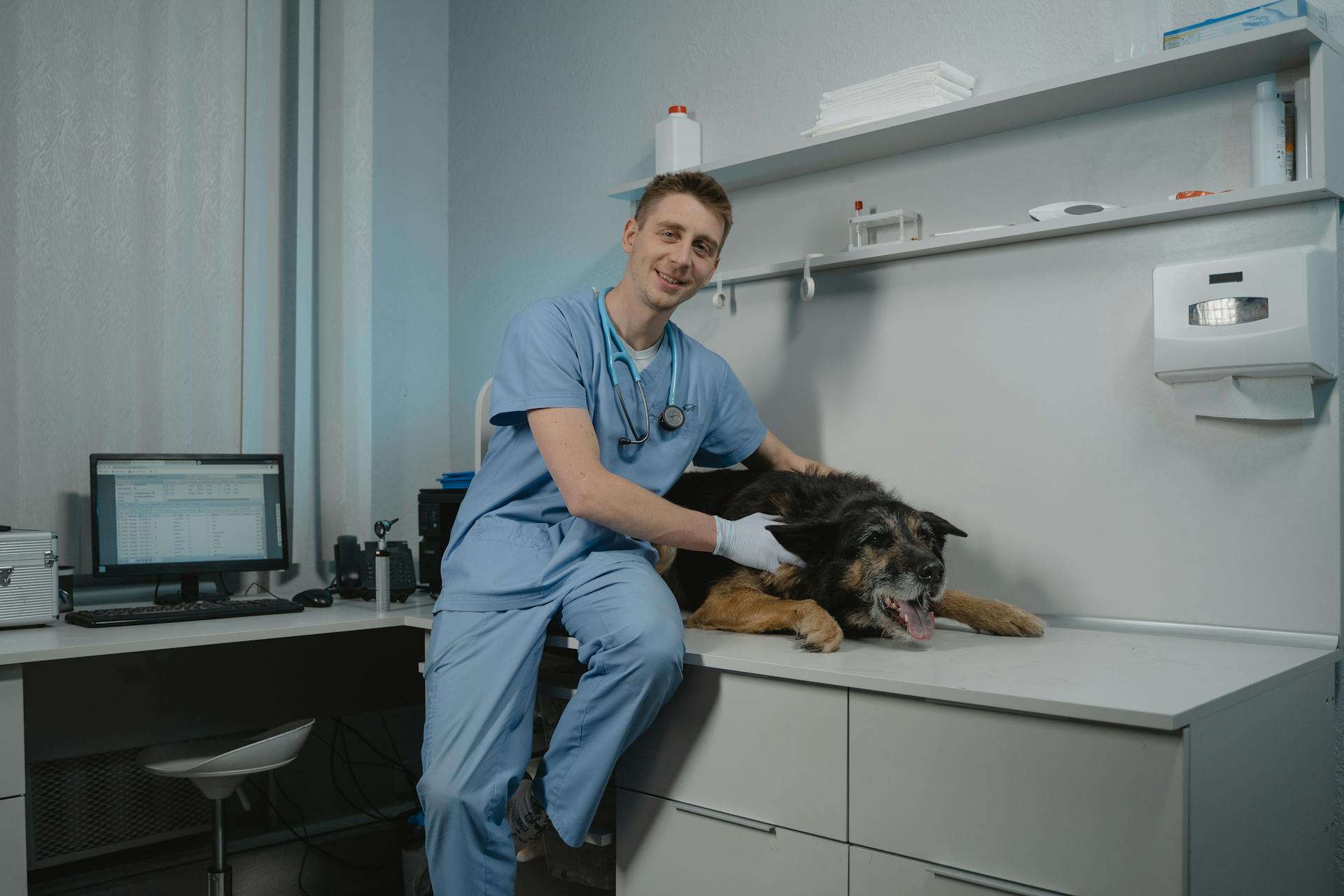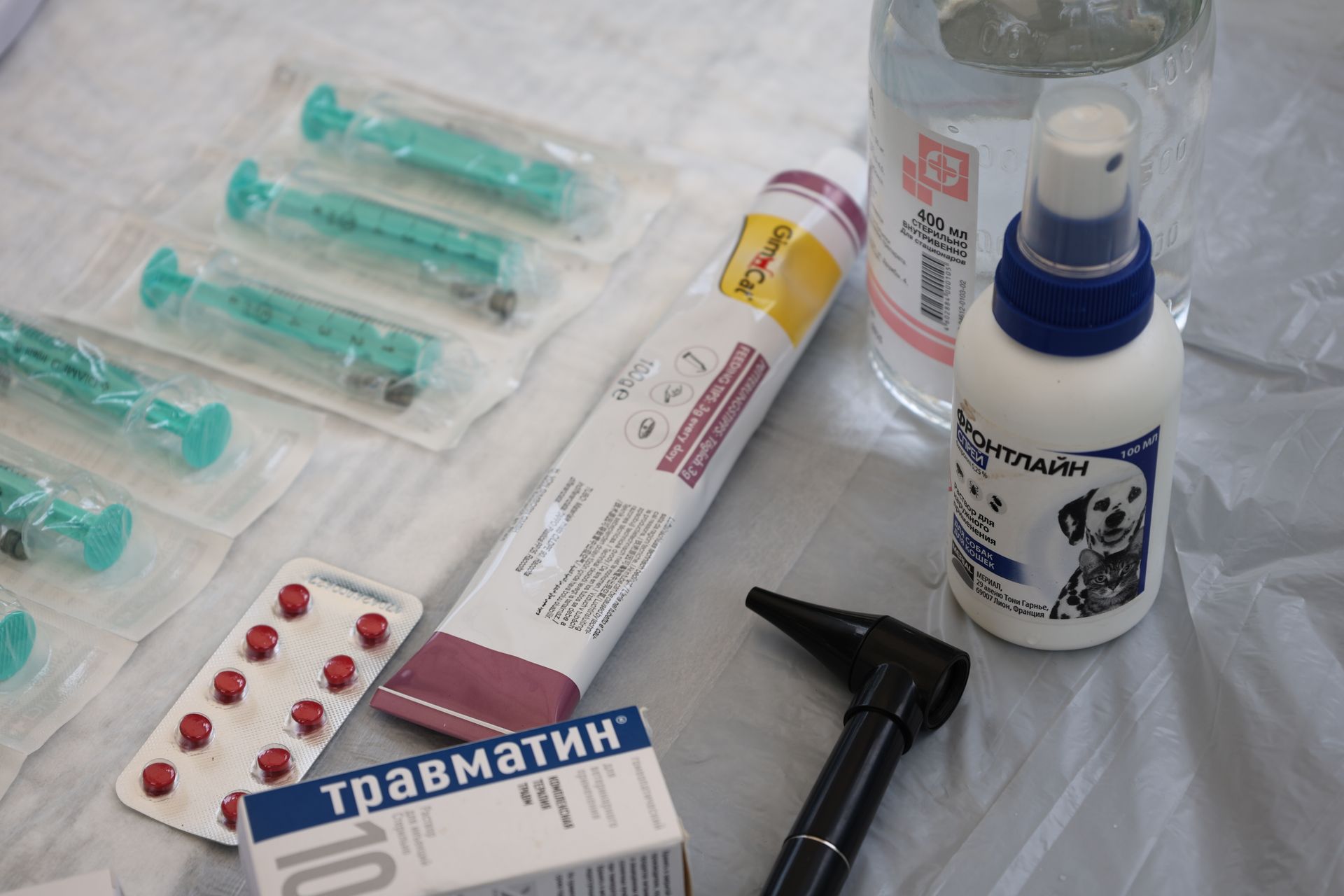
To create a comprehensive veterinary equipment list, start by identifying the types of procedures you'll be performing most often. This will help you determine the essential equipment you need.
The American Animal Hospital Association recommends that every veterinary clinic have a basic set of equipment, including a stethoscope, thermometer, and blood pressure monitor.
For dental procedures, you'll need specialized equipment like a dental drill, ultrasonic scaler, and radiography unit. These tools are crucial for maintaining your patients' oral health.
A well-stocked veterinary clinic should also have a variety of surgical instruments, such as forceps, scissors, and retractors. These instruments are used for a range of procedures, from routine surgeries to emergency care.
Diagnostic
Diagnostic equipment is essential for any veterinary clinic, allowing you to accurately diagnose and treat a wide range of animal health issues.
Accurate diagnosis is the foundation of effective treatment, and veterinary diagnostic and examination tools play a crucial role in this process. These tools help you gather the information you need quickly and with minimal stress on your patients.
Exam and procedure tables are sturdy, easy-to-clean surfaces with non-slip tops, protecting both staff and larger pets from strain. Digital thermometers provide quick and accurate temperature readings, detecting fever or hypothermia.
Otoscope is essential for spotting infections, mites, or foreign material in the ear canal. Microscope is key for cytology, fecal analysis, and other in-house tests that speed up diagnosis.
Diagnostic tools serve as the foundation of veterinary care, enabling practitioners to assess the health of their animal patients accurately. Advanced diagnostic equipment such as ultrasound machines and X-ray systems offer deeper insights into internal injuries and illnesses.
Here are some essential diagnostic tools you may need in your veterinary clinic:
- Exam and procedure tables
- Digital thermometer
- Otoscope
- Microscope
- Digital radiography (X-ray)
- Scales
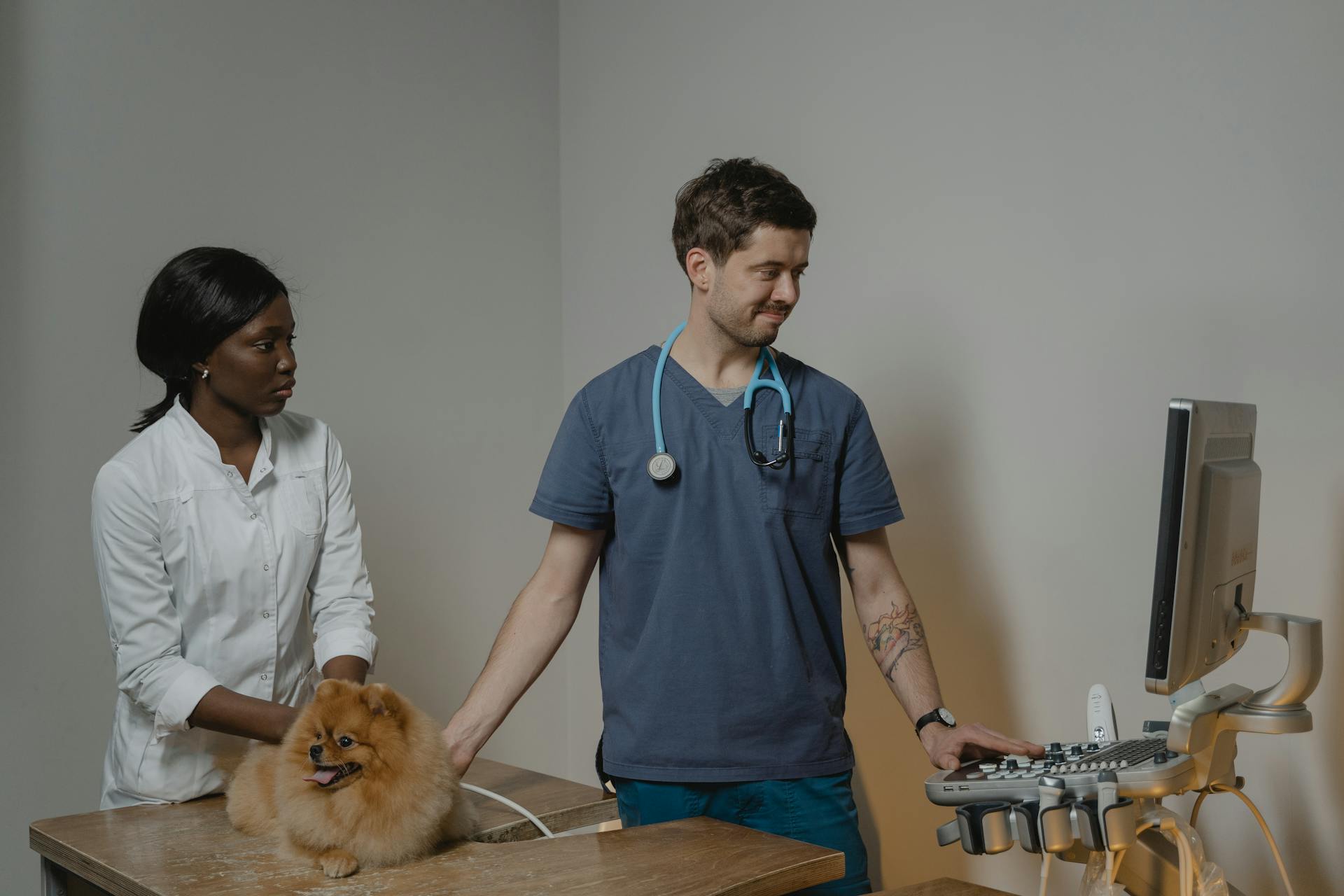
In order to provide speedy and effective treatment, you need to see what the problem is. Diagnostic imaging is the key to delivering an accurate diagnosis. Ultrasound technology is constantly improving, with new models providing greater levels of accuracy.
Real-time ultrasound equipment with external cameras drastically reduce examination time, producing deeper and clearer images. These images can then be shared in real-time with a sonographer, giving you real-time guidance with far less diagnostic guesswork involved.
Radiology and imaging illuminate the unseen in veterinary care, helping to diagnose diseases and guide their treatments. High-end radiology and imaging equipment, including X-ray systems, are essential for any veterinary clinic.
Surgical Tools
Surgical Tools are a must-have for any veterinary clinic. They enable veterinarians to perform procedures safely and efficiently, ensuring the well-being of their animal patients.
Operating tables with adjustable positioning provide better access during surgery. This is crucial for precision work and minimizing complications.
Surgical lighting is also essential, providing bright, shadow-free light for procedures. This helps veterinarians see what they're doing and avoid mistakes.
Autoclave/sterilizer equipment is necessary for proper sterilization between uses. This prevents the spread of infections and keeps patients safe.
Patient warming equipment maintains body temperature during anesthesia. This is vital for preventing hypothermia and ensuring patient comfort.
Surgical instruments, including scalpels, forceps, and suture material, come in multiple sizes to accommodate different patients and procedures. These instruments are a must-have for any veterinary clinic.
Here's a list of essential surgical tools:
- Operating table
- Surgical lighting
- Autoclave/sterilizer
- Patient warming equipment
- Surgical instruments (scalpels, forceps, suture material, etc.)
Treatment and Recovery
Treatment and recovery are crucial stages in a pet's veterinary care. Fluid therapy supplies, such as IV catheters, pumps, and warming devices, are essential for hydration and medication delivery.
MWI is a reliable supplier for fluid therapy needs. Bandaging and splinting supplies provide orthopedic support and wound protection.
Oxygen supply is vital for respiratory support, and tanks or concentrators are available for this purpose. Recovery kennels offer safe and comfortable spaces for post-procedure monitoring.
Here are some key supplies to consider for treatment and recovery:
- Fluid therapy supplies (IV catheters, pumps, and warming devices)
- Bandaging and splinting supplies
- Oxygen supply (tanks or concentrators)
- Recovery kennels
Budgeting
Budgeting is crucial when it comes to acquiring and maintaining veterinary equipment. Start with must-haves, then expand as your caseload grows.
You should factor in maintenance, consumables, and staff training when creating your budget. This will ensure you're prepared for the long-term costs associated with your equipment.
Using a tool like DaySmart Vet can help streamline your budgeting process. It allows you to track equipment costs, manage inventory, and integrate with QuickBooks Online for seamless accounting.
Monitoring
Monitoring is a crucial aspect of veterinary care, allowing veterinarians to closely monitor their animal patients during procedures and recovery. This can help prevent complications and ensure the best possible outcomes.
Monitoring tools, such as vital sign monitors, provide real-time data on parameters such as heart rate, blood pressure, and oxygen saturation. These tools are essentially digital stethoscopes that translate vital signals into usable knowledge.
A vital sign monitor can assess a patient's health by displaying temperature, heart rate, oxygen saturation, and blood pressure. A little temperature rise may indicate infection, while an irregular heart rate may indicate anxiety or pain.
Reliable patient monitoring systems are essential for protecting patients' health and giving pet owners peace of mind. These systems deliver key facts to inform diagnoses and actions.
Monitoring equipment can help veterinarians assess the effectiveness of treatments and adjust them as needed for optimal outcomes. This is especially important in ensuring the best possible care for their patients.
Dental
Maintaining optimal dental health is essential for the overall well-being of pets. Dental equipment facilitates thorough examinations and procedures, promoting oral hygiene and preventing dental diseases such as periodontal disease and tooth decay.
Dental probes, scalers, and polishers are indispensable tools for veterinarians in providing comprehensive dental care to their patients.
These tools enable veterinarians to thoroughly examine teeth and gums, identify potential issues, and perform procedures to maintain healthy teeth and gums throughout a pet's life.
Starting a Clinic
Starting a clinic requires careful planning and equipment selection. You'll want to start by understanding your specialization and estimating patient volume to determine the necessary equipment.
To begin, sort your vet tools list according to your target species and skill level. This will help you prioritize the right equipment for your clinic. For example, if you specialize in small animals, you'll want to focus on equipment for that area.
Estimating patient volume is also crucial in determining the equipment you'll require. A busy clinic will need more equipment than a smaller one. Calculate the costs involved to ensure you're prepared.
The cornerstone tools of your clinic are thermometers, stethoscopes, and basic diagnostic equipment. These should be your top priority when setting up your clinic. Next, you can move on to specialized veterinary tools.
Here's a list of essential equipment to consider:
- Diagnostic Tools
- Surgical Instruments
- Monitoring Equipment
- Radiology Equipment (e.g., X-ray machines)
- Dental Equipment
- Anesthesia Machines
- Laboratory Equipment (e.g., centrifuges, microscopes)
- Sterilization Equipment (e.g., autoclaves)
- Examination Tables and Lights
- Pharmacy Supplies
- Administrative Equipment
By investing in these essential tools and equipment, you'll be well on your way to setting up a successful veterinary clinic.
Equipment List
When it comes to veterinary equipment, having the right tools is crucial for providing top-notch care to animals.
A veterinary clinic needs a range of equipment to perform various tasks. Veterinary tables are designed for conducting examinations and minor procedures on animals. Sturdy, easy-to-clean surfaces with non-slip tops are essential for keeping patients safe.
Diagnostic equipment is also vital for accurate diagnosis. Digital X-ray machines are used for imaging bones and internal organs, while ultrasound machines provide non-invasive imaging of soft tissues and organs. A microscope is key for cytology, fecal analysis, and other in-house tests that speed up diagnosis.
Here's a list of some essential veterinary equipment:
- Exam and procedure tables
- Digital thermometer
- Otoscope
- Microscope
- Digital radiography (X-ray)
- Scales
Stethoscope
A veterinary stethoscope is a must-have tool for any practice. It's a specialized stethoscope designed to bypass fur and animal muscle to hear a heartbeat or lungs loud and clear.
You'll want to choose a stethoscope that's specifically designed for veterinary use, as it will be more effective than a standard stethoscope.
A good veterinary stethoscope is an investment worth making, as it will help you provide better care for your patients.
Tool List
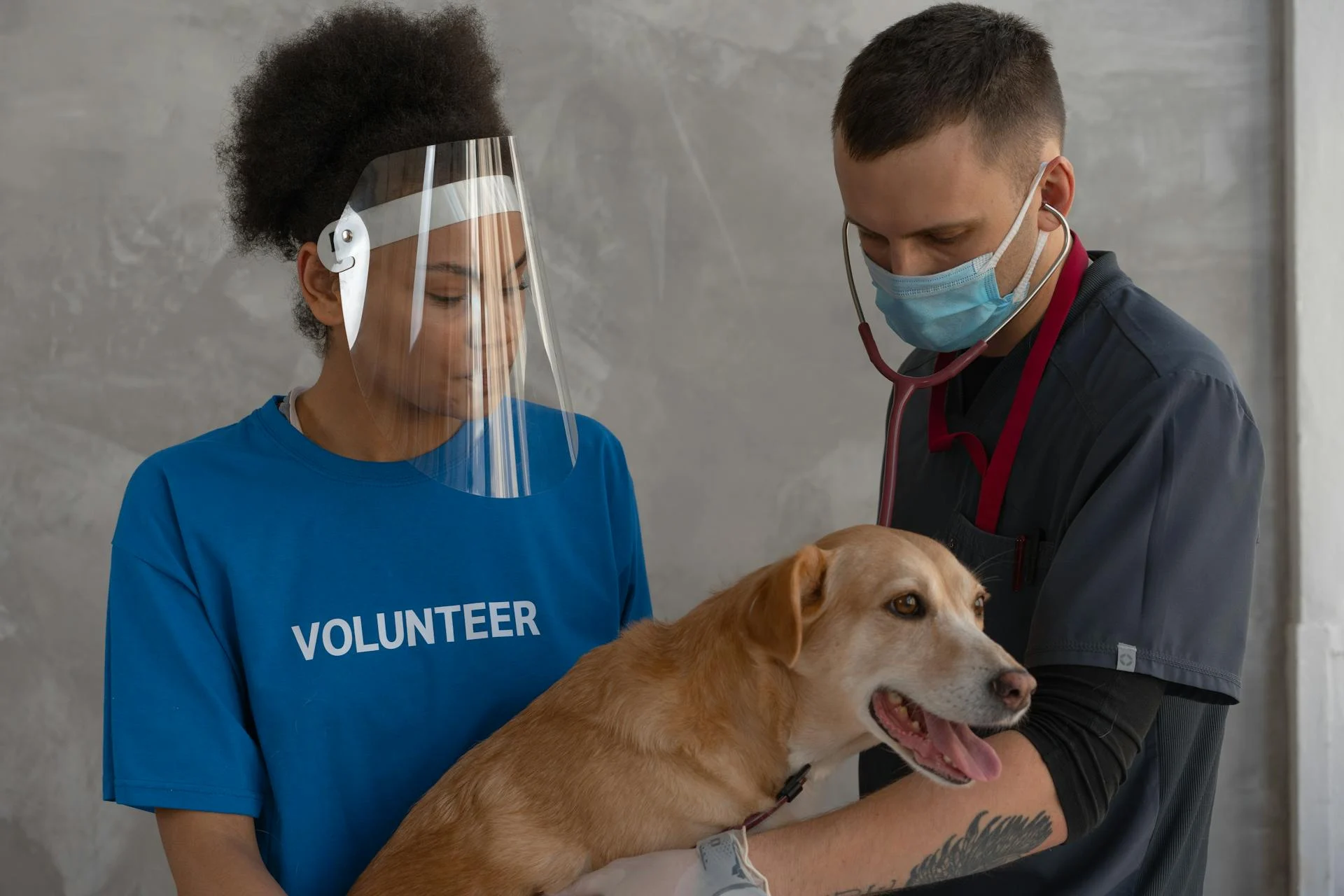
Having the right equipment in your veterinary clinic is crucial for providing top-notch care to your furry patients. Here are some essentials you'll need to get started.
An exam table is a must-have for conducting examinations and minor procedures. Look for sturdy, easy-to-clean surfaces with non-slip tops, and consider hydraulic or electric lift tables to protect staff from strain and keep larger pets safe.
You'll also need a digital thermometer for quick and accurate temperature readings. This is especially important for detecting fever or hypothermia in your patients.
An otoscope is another essential tool for spotting infections, mites, or foreign material in the ear canal. It's a simple yet effective way to ensure your patients receive the best possible care.
A microscope is key for cytology, fecal analysis, and other in-house tests that speed up diagnosis. This is a game-changer for getting to the root of your patients' health issues.
Digital radiography, or X-ray, is a must-have for detailed imaging without invasive procedures. Portable units are ideal for mobile practices, and reputable suppliers like Patterson Veterinary can provide a solid resource for diagnostic imaging and other veterinary equipment.
Scales are also a necessity for weighing your patients. You'll need tabletop scales for small animals and floor platforms for dogs and larger patients.
Here's a list of some other essential equipment you may want to consider:
- Anesthesia machine for administering and monitoring anesthesia during surgeries
- Surgical lights and tables for a well-lit and stable environment
- Pulse oximeter for measuring oxygen saturation of the blood
- Temperature monitoring devices for tracking body temperature during procedures and recovery
- Fluid infusion pump for administering fluids intravenously
- Endoscope for internal examinations and minimally invasive procedures
- Grooming tools like brushes, combs, and nail clippers
- Pet carriers and restraint equipment for safe transportation and restraint of animals during examinations
- Microscopes for examining blood, urine, and tissue samples
- Emergency drugs and equipment, including items for cardiopulmonary resuscitation (CPR) and IV fluids
- First aid supplies, including bandages, antiseptics, and wound care materials
- Sharps containers for safe disposal of needles and sharp objects
Remember, regular maintenance and updating of equipment are crucial for ensuring higher-standard care.
Specialized Equipment
As a veterinarian, you know that having the right equipment is crucial for providing top-notch care to your patients. Specialized equipment is essential for various species and medical procedures.
You'll need equine equipment, such as ultrasound machines, to diagnose and treat horses. These machines can help detect issues like tendon injuries or colic.
Reptile equipment, including enclosures and thermometers, is necessary for keeping reptiles healthy and safe. A proper environment is crucial for these animals.
Bird equipment, like beak trimmers and nail clippers, is necessary for maintaining the health and well-being of birds. These tools can help prevent overgrown beaks and nails.
Small mammal equipment, including examination tables and scales, is essential for handling and weighing small animals. These tools can help ensure accurate diagnoses and treatments.
Here's a list of some of the specialized equipment you may need:
- Ultrasound machines
- X-ray machines
- CT scanners
- MRI equipment
- Endoscopy equipment
- Surgical instruments
- Rehabilitation equipment
In addition to these, you'll also need equipment for various other purposes, such as clinic furniture and supplies, computer hardware and software, communication equipment, and security and safety equipment.
Featured Images: pexels.com