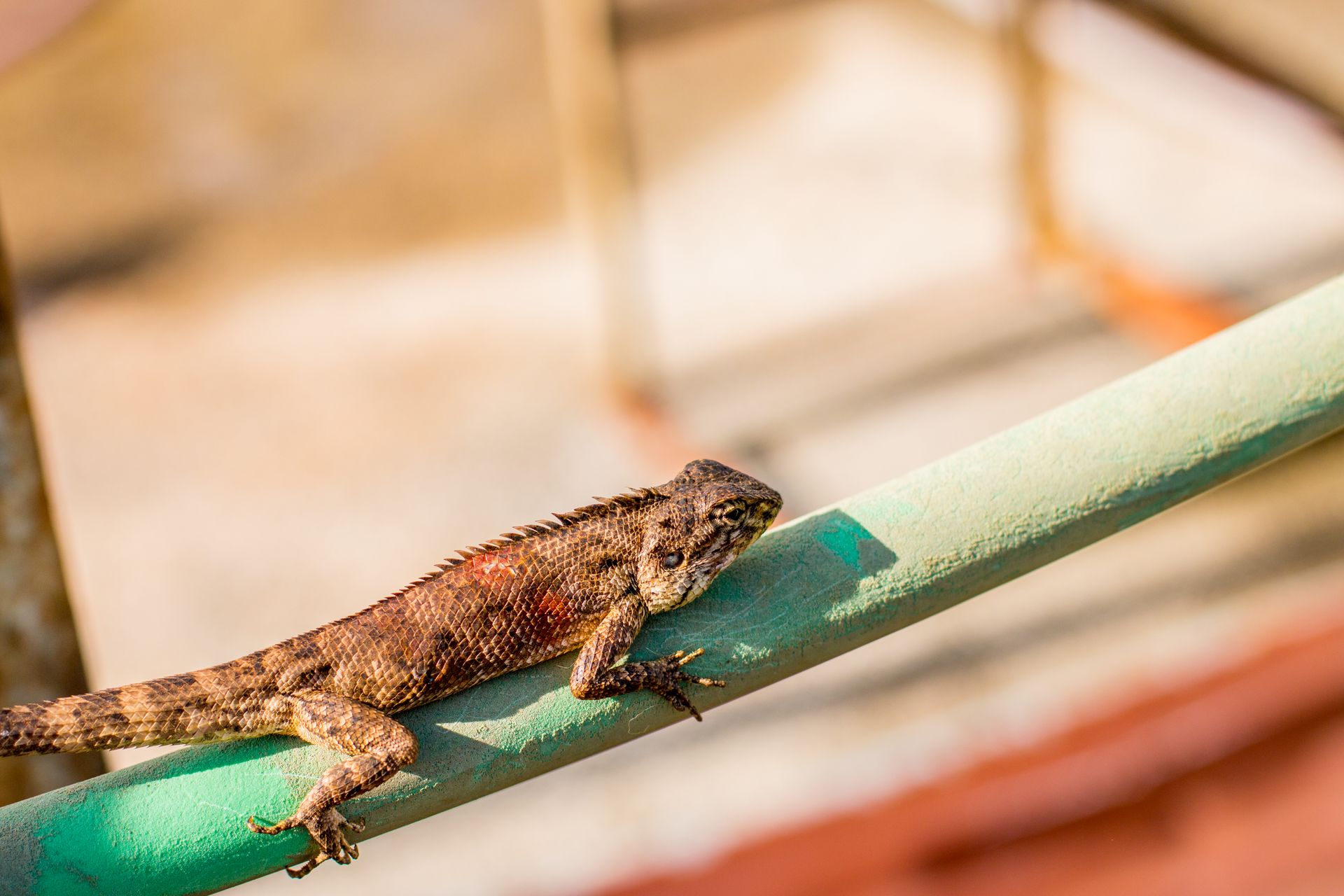
Uromastyx lizards are fascinating creatures that require specific care and attention to thrive. They are native to the deserts and arid regions of North Africa, the Middle East, and parts of Asia.
These lizards are herbivores, which means they primarily feed on plants, fruits, and vegetables. In the wild, they can go without water for long periods, surviving on moisture from their food.
To replicate their natural environment, it's essential to provide a spacious enclosure with adequate ventilation. This will help maintain a stable temperature and humidity level, which is crucial for their well-being.
A temperature range of 85-95°F (29-35°C) and a humidity level of 30-50% are ideal for Uromastyx lizards.
Physical Characteristics
Uromastyx lizards can grow quite large, with some species reaching lengths of up to 40 to 43 cm and weighing up to 450 g.
Their bodies are dorsally flattened, and their tails are large and covered with ringed spines. These tails are also quite muscular and can be swung at an attacker with great velocity.
The colors of Uromastyx lizards can vary depending on the species, but most have a basic gray or brown color. Some species, like Uromastyx acanthinurus, have bright background colors such as red, orange, yellow, or green, overlaid with dark brown or gray spots.
In general, the colors of Uromastyx lizards become more intense as they approach sexual maturity, which is around four years of age.
Here are some general size ranges for Uromastyx species:
Juvenile Uromastyx lizards are usually gray and brown, and it's not until they reach four years of age that their colors reach their greatest intensity.
Habitat and Diet
Uromastyx lizards are well adapted to their desert habitats, where they can be found collecting water from the morning dew that settles in the depression on top of their heads. This water-collecting cup allows them to carry water with them wherever they go.
In the wild, they have loose, wrinkly skin that expands their body to increase their surface area, helping them absorb more sunlight during the day. This adaptation allows them to thrive in extreme weather conditions.
Related reading: Blotched Water Snake
Their diet consists mainly of vegetation, which they ingest to acquire most of the water they need. In the wild, they eat any surrounding vegetation, including leaves, seeds, and flowers of many desert plants.
Here's a breakdown of their diet:
- Leaves
- Seeds
- Flowers
- Occasionally, insects
It's worth noting that in captivity, they predominantly eat a vegetarian diet consisting of leaves, buds, fruits, seeds, plants, and flowers.
Lizard Habitats
Uromastyx lizards are found in various habitats, including rocky areas, sandy deserts, and high rocky cliffs. They are well adapted to thrive in extreme weather conditions, with loose, wrinkly skin that helps them absorb sunlight and dark skin that retains heat.
Their natural habitats are often characterized by drastic temperature differences between hot days and cold nights. In the wild, they dig deep burrows to protect themselves from harsh weather conditions and predators. These burrows are often built beneath bushes or in high rocky cliffs.
Uromastyx lizards are typically more active during the hottest parts of the day, controlling their body temperature by basking in the sun and retreating into their burrows when they get too hot or sense danger.
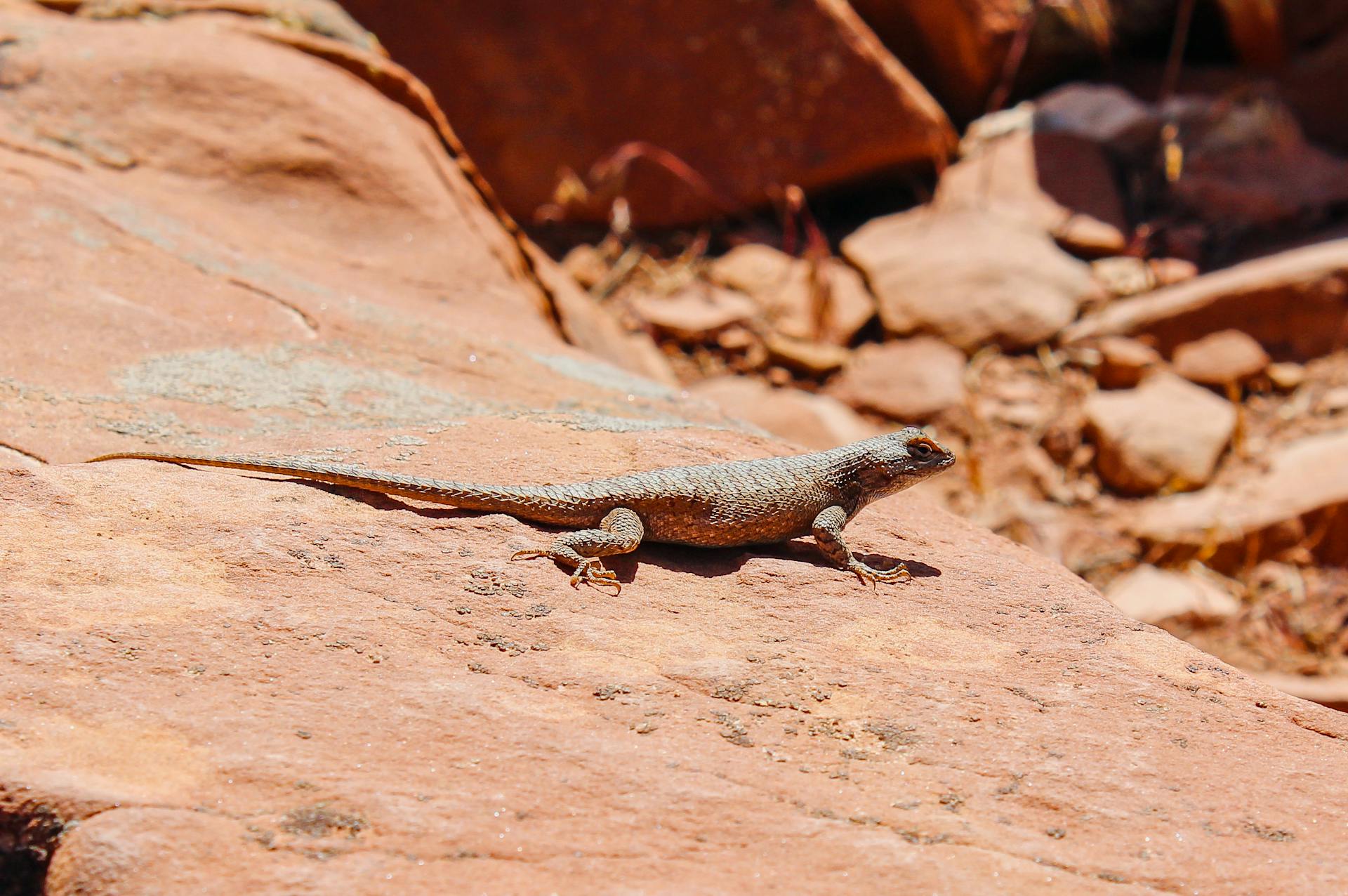
In captivity, it's essential to recreate their natural habitat, including a burrow box that can reach 45% humidity and a water reservoir for them to bathe in. A basking area with a daytime high temperature of 120 degrees Fahrenheit is also necessary.
Here are some common habitats of Uromastyx lizards:
- Rocky areas
- Sandy deserts
- High rocky cliffs
- Rocky or semi-rocky sandy areas
- Open sandy desert (rarely)
They can tolerate a wide range of ambient humidity and temperature, from -7 degrees Celsius to 60 degrees Celsius, and can maintain a minimum body temperature of about 20 degrees C by seeking refuge in burrows.
Diet / Feeding
In the wild, Uromastyx lizards are primarily herbivores, feeding on a variety of desert plants, including leaves, seeds, and flowers. They'll occasionally snack on invertebrates when other food sources are scarce.
Their diet is opportunistic, meaning they'll take advantage of whatever food is available to them. This can be seen in the field study in Algeria, which found that Moroccan spiny-tailed lizards add approximately 5 cm (2 in) of total growth each year until around the age of 8–9 years.
Baby Uromastyx lizards eat their mother's feces as their first meal before venturing out to find more sustainable food sources. This helps establish a proper gut flora, essential for digesting the plants they'll eat later in life.
In captivity, Uromastyx lizards predominantly eat a vegetarian diet consisting of leaves, buds, fruits, seeds, plants, and flowers. They can also thrive on a variety of vegetables, such as sweet potatoes, corn, carrots, peas, kale, and mustard greens.
Here are some examples of vegetables that can be included in a Uromastyx lizard's diet:
- Sweet potatoes
- Corn
- Carrots
- Peas
- Kale
- Mustard greens
- Beans and lentils (for protein)
Finding A
Finding a Uromastyx can be a challenge, especially since 99.9% of them in captivity are imported from the wild.
Most buyers don't have a choice, but purchasing a wild caught animal comes with its own set of challenges, including the risk of injuries or parasites that require treatment.
Supporting captive breeding efforts is the best choice for both the animals and the keeper, and should be made a priority.
Captive bred animals are usually in top condition and likely already rather tame, whereas wild caught individuals may take significantly longer to adjust to captivity and learn to trust a keeper.
You can usually expect a captive bred animal to have good muscle tone and body weight, little to no scarring on the scales/skin, bright and clear eyes, and a mostly clean ventral area.
It's essential to pick a healthy lizard, and if you have the option to choose from more than one animal, try to pick one that shows these visual signs of good health.
Uromastyx can live for 30-50+ years when cared for properly, so a few months of shyness is nothing compared to the long term trust you can build with your animal over years of patient work.
Behavior and Ecosystem
Uromastyx species are known to be quite aggressive, especially when it comes to defending their territory. They'll fiercely attack intruders, and even siblings will fight if housed together for too long.
In captivity, these lizards tend to bite the sides of their opponents, which can leave white, colorless scar tissue. This is a common sight in the wild as well, where they're often found basking in the sun.
These diurnal creatures are active during the day, and can be found basking in temperatures between 18 to 28 degrees Celsius. They hibernate during the winter for two to five months, and aestivate during summer months when conditions are dry.
Here are some key behaviors of Uromastyx species:
- fossorial
- diurnal
- sedentary
- hibernation
- aestivation
- solitary
- territorial
Behavior
This species is highly territorial and solitary, with some individuals defending their territory aggressively against intruders. They can extend their territory from 10,000 to 50,000 meters squared.
In the wild, they are quite sedentary, only moving significantly when traveling from food plant to food plant. They usually stay within the bounds of their territory to avoid predation.
Fights between individuals of this species tend to be intense, with a tendency to bite the sides of their opponents. This can leave white, colorless scar tissue in those areas.
Recommended read: Common Snapping Turtle Species
They are diurnal, meaning they are only active during the day, and can be found basking when the temperature outside of their burrow is between 18 to 28 degrees Celsius.
This species hibernates during the winter for two to five months and will aestivate during summer months when there are drought-like conditions.
Predation
Predation is a crucial aspect of the Uromastyx acanthinura's behavior and ecosystem.
These lizards have developed effective defense mechanisms to protect themselves from predators. Adults will immediately hide in burrows when approached by a threat.
The burrows can be up to 4 meters deep, with multiple entrances and exits used to confuse and escape predators. If attacked while in the burrow, the lizards use their powerful limbs to cling tightly to the burrow walls.
Juveniles, on the other hand, reside under stones or other shallow shelters and freeze in place when approached. They will only seek shelter after a few moments have passed.
Their defense strategies are essential for survival, especially for juveniles who suffer higher mortality rates due to their behavior.
Ecosystem Roles
The Uromastyx acanthinura plays a crucial role in its ecosystem as prey for various birds, snakes, wolves, and monitor lizards, supporting local populations.
This species is also a host to several types of internal parasites, including roundworms, pinworms, tapeworms, and protozoan. The nematode species Foleyella candezei has been found in the liver or under the skin of these lizards, especially in individuals living in Algeria.
External parasites like mites and ticks also affect Uromastyx acanthinura. Its herbivorous diet may assist in spreading the seeds of the plants it eats.
The burrowing activities of Uromastyx acanthinura can impact its ecosystem by providing habitat for other organisms like insects and snakes. This is similar to the related species U. aegyptius, which also engages in burrowing and provides habitat for other organisms.
Burrowing can also bring soil with lower salt content to the surface, benefiting plants growing around the burrows that have lower salt tolerances.
Season Cycling
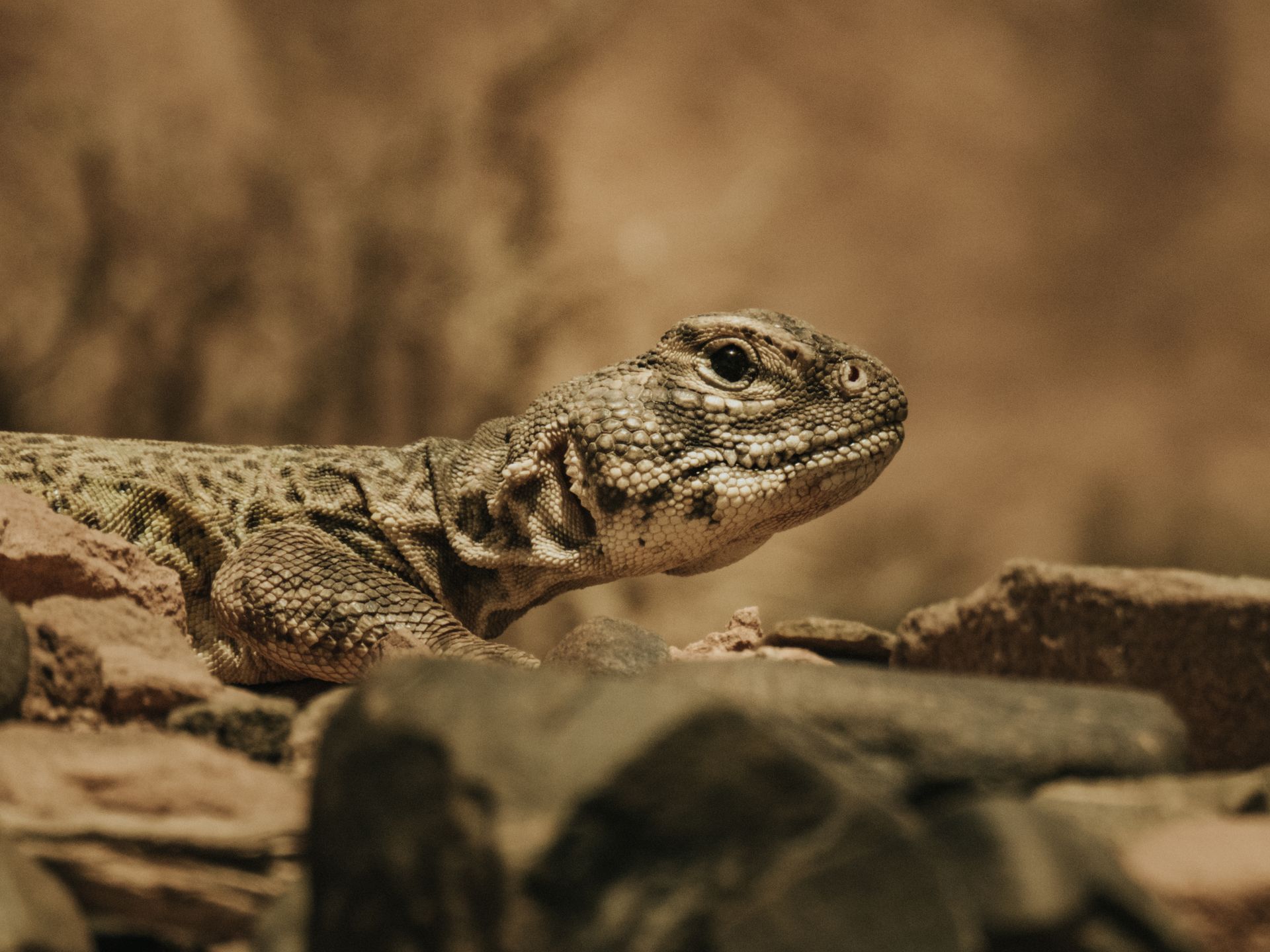
Season cycling is an essential aspect of a Uromastyx's life, and it's crucial to understand its importance. Brumation, a period of dormancy, is a natural part of their life cycle.
Brumation is not just a response to environmental changes, but also a trigger for breeding in pet Uromastyx. Encouraging brumation can stimulate breeding behavior.
However, solo housing Uromastyx may not require the same level of intensity in brumation or winter cycling to initiate breeding. This is because the absence of a mate can affect their breeding habits.
Brumation is essential for a healthy Uromastyx, and it should not be avoided or discouraged.
Conservation and Status
Uromastyx conservation status is a pressing concern due to the species' listing in Appendix II of CITIES, making international trade regulation difficult.
The main threats to Uromastyx acanthinura come from humans, including the pet trade and trapping for food and medicine. Road mortality is also a significant concern, as these lizards are attracted to heat-absorbing roads for basking.
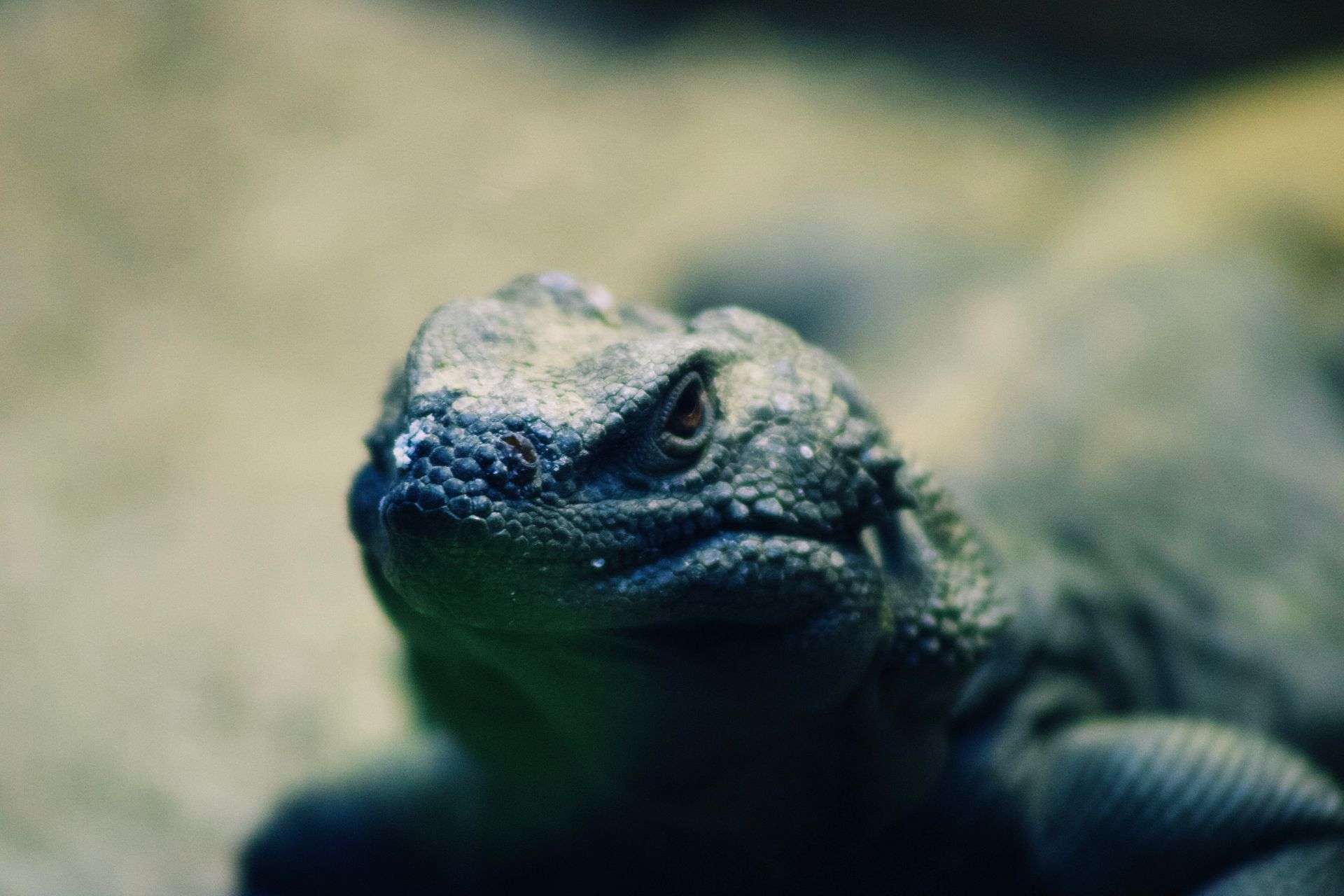
Agricultural grazing on plants that Uromastyx commonly eats creates competition for resources, further threatening the species' survival. Deserts, where Uromastyx is naturally found, are characterized by low and unpredictable rainfall, resulting in landscapes dominated by arid-adapted plants and animals.
Uromastyx acanthinura is often misidentified, making regulation increasingly difficult. The species' breeding is confined to a particular season, and reproduction involves the union of egg and spermatozoan.
Some Uromastyx species, including Uromastyx acanthinura, live alone and defend an area within their home range through overt defense, display, or advertisement. These animals are herbivores, eating mainly plants or parts of plants.
Here is a summary of the conservation status of Uromastyx:
- International trade regulated by CITIES and listed in Appendix II
- Threats from humans: pet trade, trapping for food and medicine, road mortality
- Competition for resources due to agricultural grazing
- Difficulty in regulation due to misidentification
Care and Management
Hatchling Uromastyx are generally resilient and sturdy, requiring similar care to adults. They can thrive in large enclosures with sand or loose bedding, but ensure all features are secure to prevent anything from falling onto the animals.
Fresh hatchlings instinctively seek out dry fecal matter to consume, which helps inoculate their gut with healthy flora. You can offer this food by placing dried fecal pellets in the enclosure or by crumbling a dry pellet into powder and leaving it in a shallow dish with calcium powder and multivitamins.
It's essential to provide a suitable environment for your Uromastyx, including a basking area with a daytime high temperature of 120 degrees Fahrenheit, and a humidity level of 10% to 35% with a burrow box that can reach 45% humidity.
Here are some common health conditions to watch out for in Uromastyx:
- Respiratory conditions, caused by inadequate care, unsuitable temperatures, humidity, and poor nutrition.
- Bacterial infection, which can present as lumps or bumps in the skin or joints.
- Gastrointestinal diseases, which can cause watery excretions and vomiting.
- Nutrient deficiency, which can lead to body disfigurements, broken or swollen limbs, and even death.
Lizard Care
Lizard Care is crucial for the well-being of your Uromastyx lizard. A good start is to provide a suitable enclosure that mimics their natural environment. Ensure the enclosure is large enough for your lizard to move around, with a humidity level between 10% to 35% and a burrow box that can reach 45% humidity.
For optimal temperature regulation, set up a basking area with a daytime high temperature of 120 degrees Fahrenheit and maintain the rest of the enclosure at 80 to 90 degrees. You can use an overhead light source, such as incandescent, infrared, or special reptile basking lights, to maintain optimum temperatures.
Uromastyx lizards are cold-blooded, so they rely heavily on their environment to regulate their body temperature. It's essential to be patient and allow your lizard time to get attuned to its new habitat.
Here are some common health conditions that can affect Uromastyx lizards:
- Respiratory conditions, caused by inadequate care, unsuitable temperatures, humidity, and poor nutrition, can lead to fatal infections.
- Bacterial infection, characterized by lumps or bumps in the skin or joints, can also indicate gout or hyperparathyroidism.
- Gastrointestinal diseases, such as watery excretions and vomiting, can be caused by infections or nutritional deficiencies.
- Nutrient deficiency, resulting from inadequate sunlight or ultraviolet rays, can lead to body disfigurements and make your lizard susceptible to broken or swollen limbs.
In terms of feeding, it's essential to provide a balanced diet for your Uromastyx lizard. Fresh hatchlings can be fed dried fecal pellets or a mixture of calcium powder and multivitamins. However, it's recommended to wait until they are around 6-8 months old before introducing seeds, lentils, or dry, unsoaked processed foods, as they can be at risk of impaction.
Some species of Uromastyx lizards, such as Moroccans, Malis, and Bandeds, are extremely territorial and should be housed solo. Other species, like Ornates, Thomasi, and Yemenensis, can tolerate cohabitation for many months.
Remember, every Uromastyx lizard is different, so it's essential to observe and respond to your lizard's unique needs and personality.
Troubleshooting: When to Seek Veterinary Care
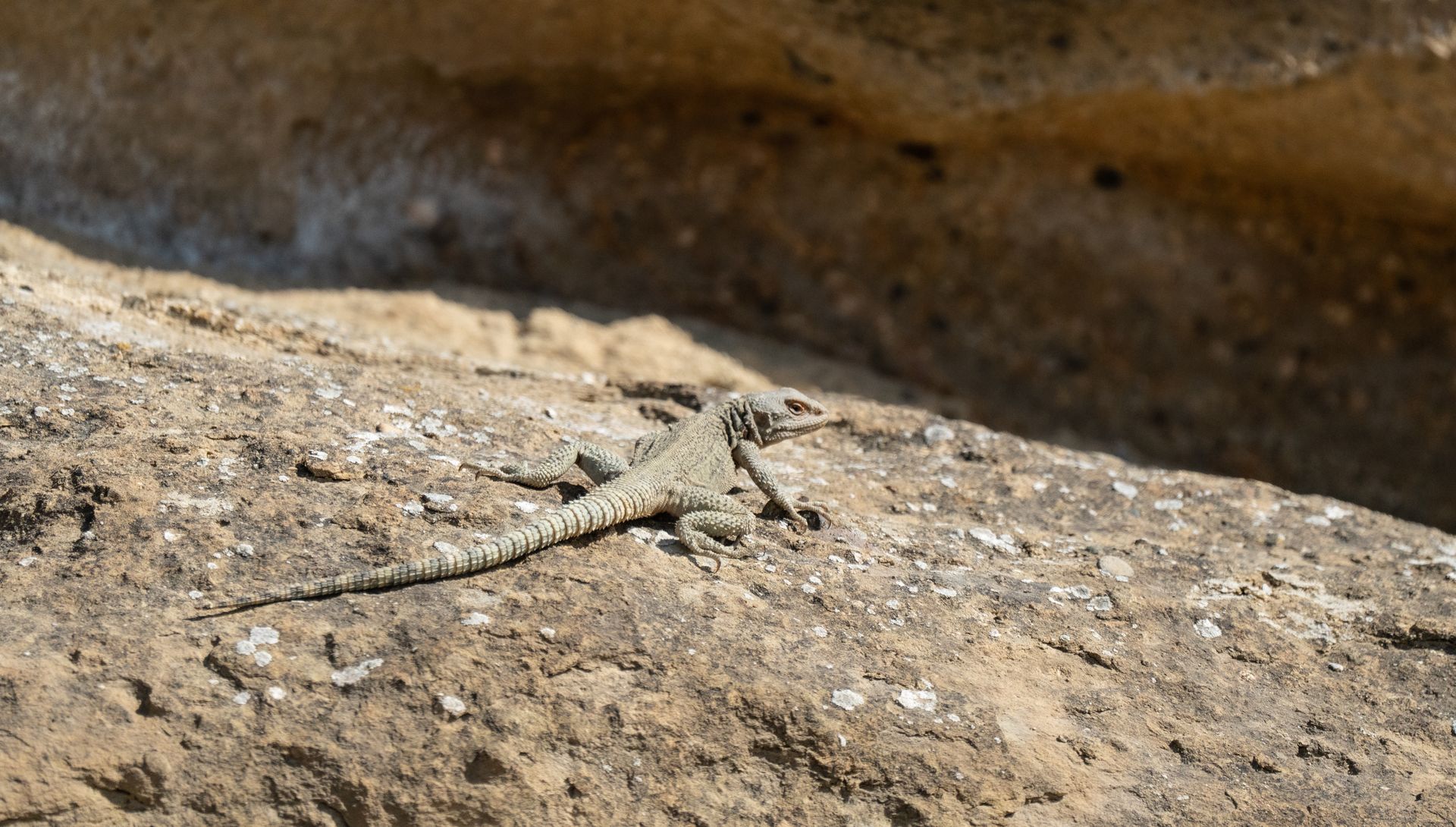
If your Uromastyx experiences consistently loose or runny stool, it's essential to seek veterinary attention.
Blood in the stool, external injuries like cuts, burns, and abrasions, any swelling of the limbs/digits/eyes, difficulty in passing bowel movements, labored breathing, discharge around the eyes/nose/mouth, build up of crusty substance around the mouth, buildup of fecal matter around the cloaca/vent, or difficulty moving or walking normally all require a visit to the vet.
Most ailments have their root in husbandry mistakes, which is why it's crucial to properly prepare and work hard to give the best care to your Uromastyx from the start.
Even a vet who's not specifically knowledgeable about Uromastyx can be helpful and will have ways of finding out more information.
Spend a lot of time observing your lizard and get to know its habits and quirks, as this will help you determine if your animal may need to visit the vet.
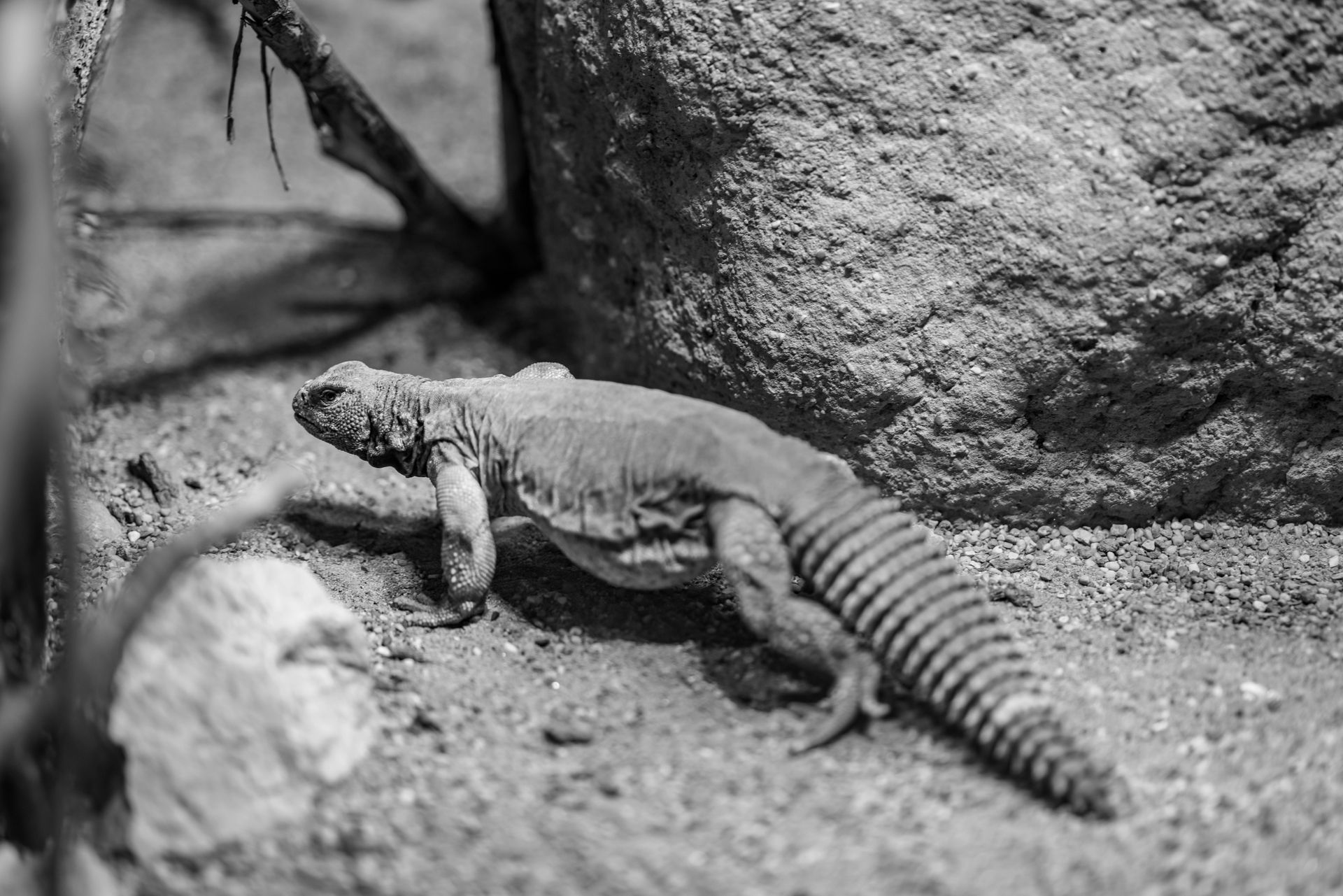
Loose stool can be caused by temporary stress or the introduction of new foods, so if your animal has loose stool once in a while and is otherwise behaving normally, a vet visit probably isn't necessary.
Normal stool with a lot of excess liquid waste combined is not uncommon, especially with the high water content of the greens we feed these animals.
Breeding and Reproduction
Uromastyx are highly territorial creatures who live alone and only come together to mate. They become sexually mature at two years. Males will often perform the classic "push-ups" and chase the female to initiate mating.
Female Uromastyx are known to become aggressive during the breeding season, especially when it comes to burrow intruders. They will fiercely defend their eggs and territory.
Copulation typically lasts anywhere from a few short minutes to 10-12 minutes, and some males will even hold onto the female after copulating and switch sides to copulate again. Females will display a humorous rejection behavior, flinging their front legs back and forth, tucking their heads towards the ground, and flipping over, revealing their bellies.
Female Uromastyx can lay between 5 to 40 eggs at once, which will take about 60 days to hatch. Once the eggs hatch, young Uromastyx will venture out without support from their parents.
Here are some key reproductive features of Uromastyx:
- Iteroparous (capable of producing multiple clutches)
- Seasonal breeding (typically occurs between March and July)
- Sexual reproduction (males fertilize female eggs)
- Oviparous (eggs are laid outside the body)
It's essential to note that repeated breeding introductions can be stressful for females, so it's recommended to limit copulations to 1-3 times.
Human Interaction
In some parts of the Arabian peninsula, the Uromastyx lizard has been considered a delicacy and is still consumed by some Bedouin populations today. This is particularly true for those residing in the interior and eastern regions of Arabia.
In fact, it's recorded that when an Uromastyx was brought to the Islamic prophet Muhammad by Bedouins, he didn't eat it himself but didn't prohibit Muslims from consuming it either. This allowed his companion Khalid bin Walid to enjoy the lizard as a meal.
Consumption by Humans
In some parts of the world, humans have consumed Uromastyx lizards as food. This is particularly true for the Bedouin population of the Arabian peninsula, who have a long history of eating these reptiles.
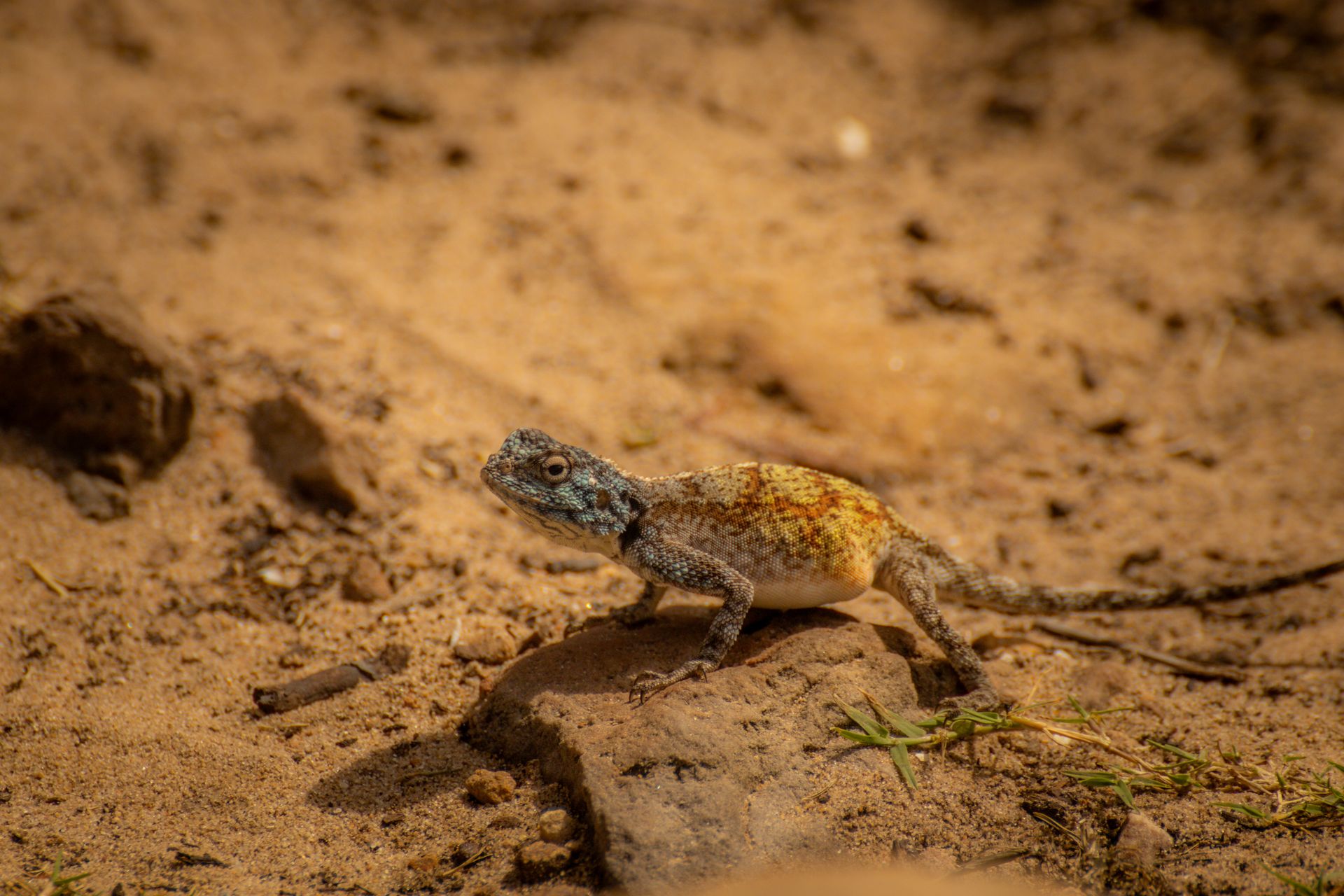
Uromastyx lizards are known as "ḍabb" in Arabic, and were considered an "Arabian delicacy" in the past. They were often brought to the Islamic prophet Muhammad by Bedouins, who were not prohibited from eating them by Muhammad.
In fact, Muhammad's companion Khalid bin Walid was known to have consumed Uromastyx lizards. This shows that even in the early days of Islam, humans were interacting with these reptiles in a culinary context.
Interestingly, Uromastyx lizards are still consumed by some people today, although their popularity as a food source has likely decreased over time.
Future: Popularity and Morphs
In the future, human interaction will likely become even more popular with the rise of virtual and augmented reality technologies. These technologies will enable people to connect with each other in entirely new ways.
We can expect to see a significant increase in the use of virtual reality for social interactions, such as virtual events and gatherings. According to a study, 75% of people believe that virtual events will become more common in the next five years.
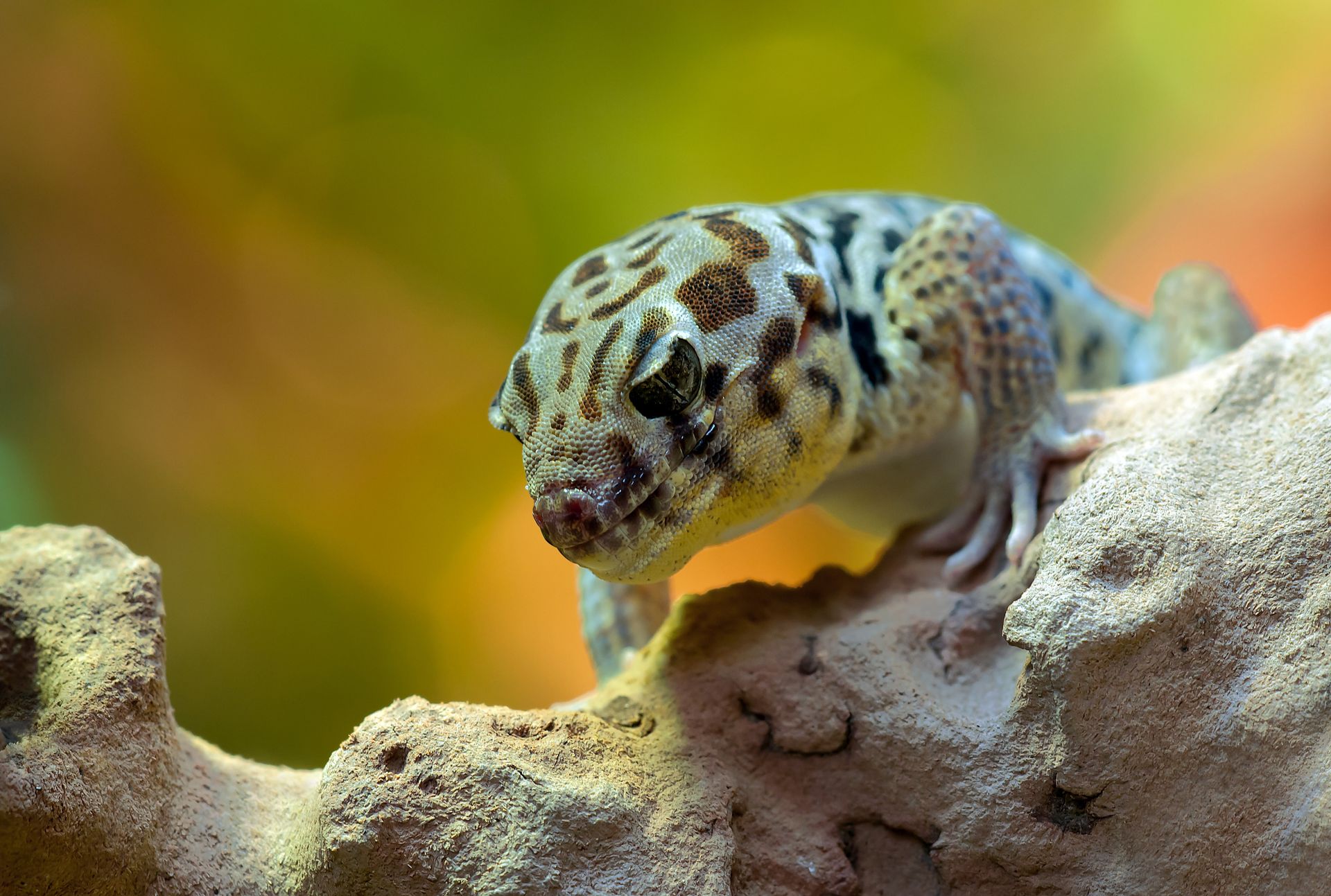
As virtual and augmented reality become more prevalent, we'll also see the emergence of new forms of communication and interaction. For example, the use of nonverbal cues like body language and tone of voice will become more important, as they are in face-to-face interactions.
In fact, research suggests that people are more likely to remember and respond to nonverbal cues than verbal ones. This is because our brains are wired to pick up on subtle social cues that help us navigate social interactions.
As humans, we have an innate desire to connect with others and form meaningful relationships. With the help of technology, we'll be able to do this in new and innovative ways, such as through virtual reality meetups and social events.
The future of human interaction is exciting and full of possibilities, and it will be shaped by our willingness to adapt and learn new ways of communicating and connecting with each other.
Intriguing read: New Caledonia Geckos
General Information
The Uromastyx genus is quite fascinating. There are 13 different species of lizards under this genus.
These lizards are commonly called spiny-tailed lizards or dab lizards. They can be found in various countries, including some in America.
Some species of Uromastyx lizards are found in America, while others originate from other countries. Specifically, six species of Uromastyx lizards are found in America, as shown below:
- Uromastyx aegypticus
- Uromastyx ornatus
- Uromastyx ocellatus
- Uromastyx acanthinurus
- Uromastyx hardwicki
- Uromastyx benti
What is a Lizard?
Lizards are a fascinating group of reptiles, and they come in a wide range of shapes and sizes.
There are over 13 species of Uromastyx lizards alone, which are commonly called spiny-tailed lizards or dab lizards.
Some Uromastyx species can be found on the American continent, while others originate from other countries.
Six Uromastyx species have been spotted in America: Uromastyx aegypticus, Uromastyx ornatus, Uromastyx ocellatus, Uromastyx acanthinurus, Uromastyx hardwicki, and Uromastyx benti.
These species are part of the Uromastyx genus, which includes African and Asian lizards.
Lifespan/Longevity
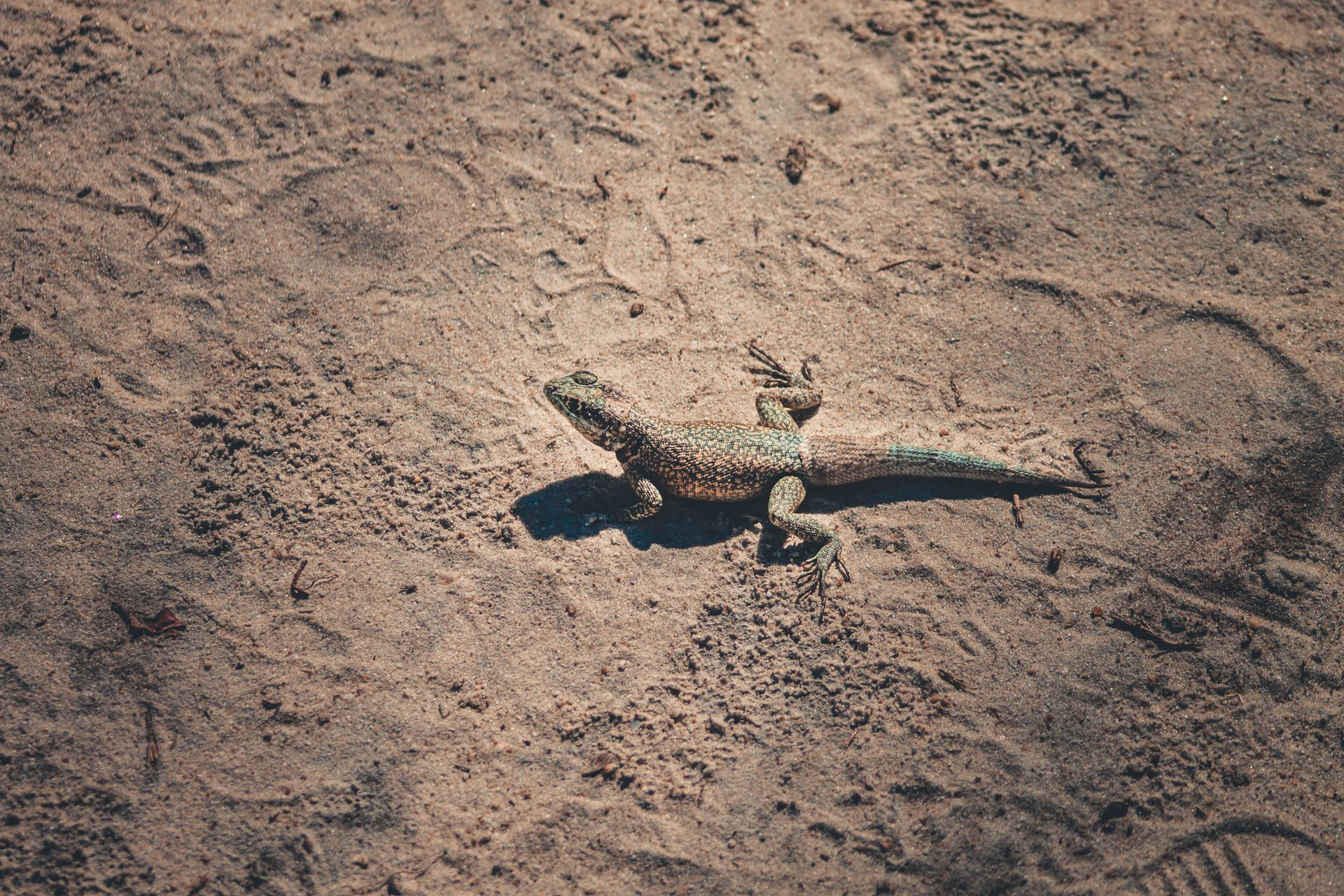
North African spiny-tailed lizards have a relatively long lifespan, with evidence suggesting they can live up to 20 years in captivity.
The age of these individuals when caught in the wild is estimated to be at least 4 or 5 years, as they were sexually mature adults.
Parasites have been recorded in this species, which can likely affect their lifespan, along with predation.
These lizards are iteroparous, meaning they can produce offspring in multiple groups and across various seasons.
Frequently Asked Questions
How big can a uromastyx get?
Uromastyx species can grow to varying sizes, typically ranging from 10-30 inches in length, depending on the specific species.
Does a uromastyx bite hurt?
Yes, a uromastyx bite can be painful. However, their bites are generally rare and usually occur when they feel threatened or scared.
Featured Images: pexels.com