The Turkish Kangal Dog is a majestic breed with a rich history. They originated in Turkey over 6,000 years ago.
These dogs were initially bred to guard livestock and protect families from predators. Their keen senses and strong instincts made them a valuable asset to many Turkish communities.
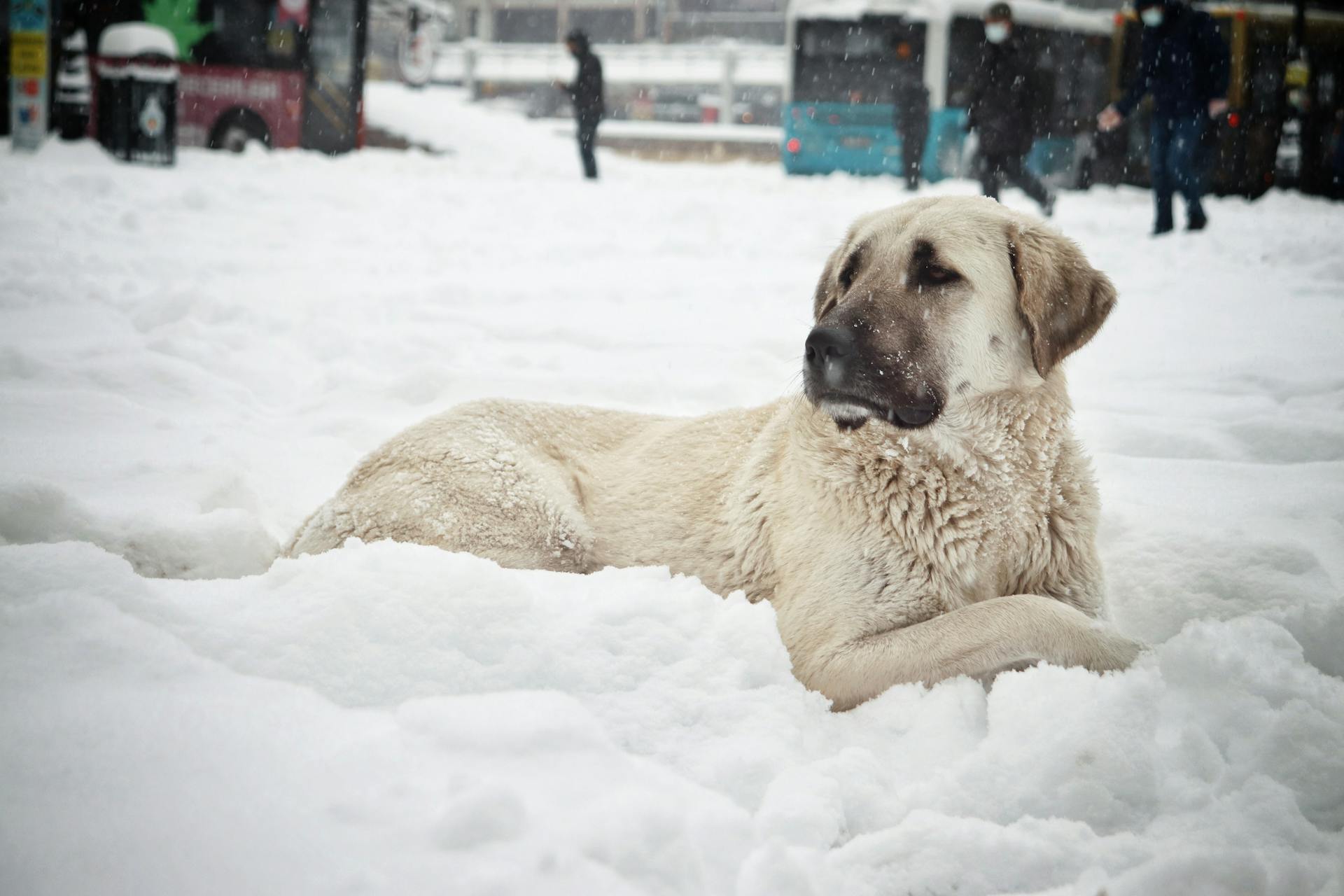
One of the most distinctive features of the Turkish Kangal Dog is its striking appearance. They have a sturdy build, a broad chest, and a short, dense coat that can be a variety of colors, including fawn, brindle, and white.
History and Origins
The Turkish Kangal Dog has a rich history that dates back centuries. It was developed as a livestock guardian breed to protect flocks from predators like wolves, bears, and jackals.
The breed's name is derived from the Central Anatolian town of Kangal in the Sivas Province of Turkey. This is where the breed originated and was used by shepherds for protection.
The Kangal Dog was brought to Central Asia by nomadic Turks, and DNA studies confirm that dogs from Kazakhstan, Uzbekistan, Tajikistan, and Afghanistan are genetically closest to the breed. This genetic connection suggests a strong historical link between the breed and its Central Asian roots.
Until recently, the Kangal and Akbash breeds were considered the same as the Anatolian Shepherd Dog. However, breeders in Turkey did not recognize the Anatolian Shepherd Dog as a distinct breed, and now the Kangal is recognized as a breed in its own right.
The breed has been granted its own breed standard by the FCI and the Kennel Club, and it was definitively accepted by the Fédération Cynologique Internationale in 1989.
Recommended read: How Long Do Alabai Dogs Live
Physical Characteristics
The Turkish Kangal Dog is a large and powerful breed, typically standing between 72 and 78 cm tall at the withers, with a tolerance of 2 centimeters either way.
Their size and proportions have developed naturally over time as a result of their use as guardians against predators in Turkey. This has allowed them to be slightly longer than tall, with a front leg length that's slightly more than half their height.
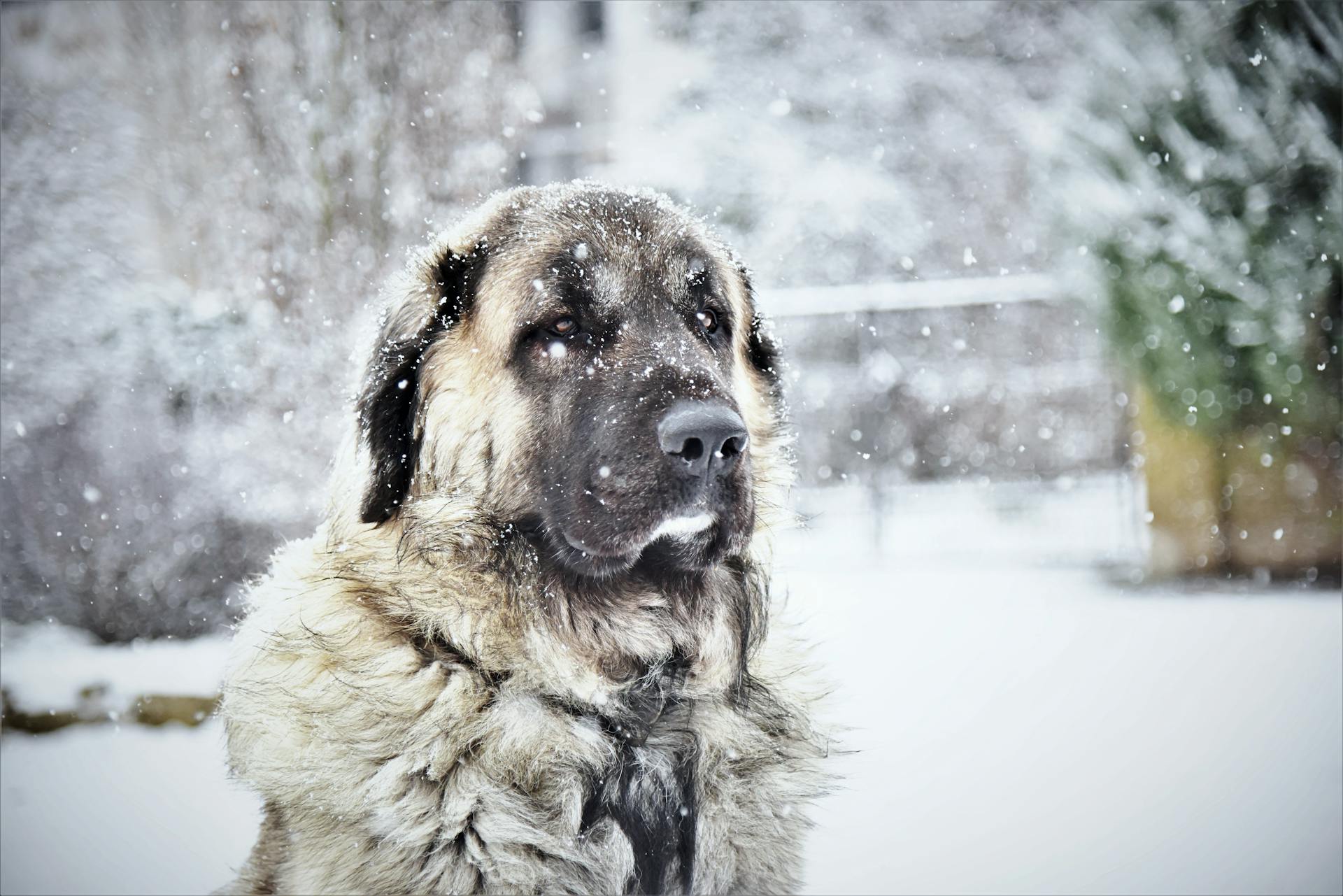
The Kangal Dog has a double coat that's moderately short and dense, providing excellent insulation against severe winters and the fierce summer sun. This coat also repels water and snow, allowing them to regulate their core temperature more efficiently.
Body
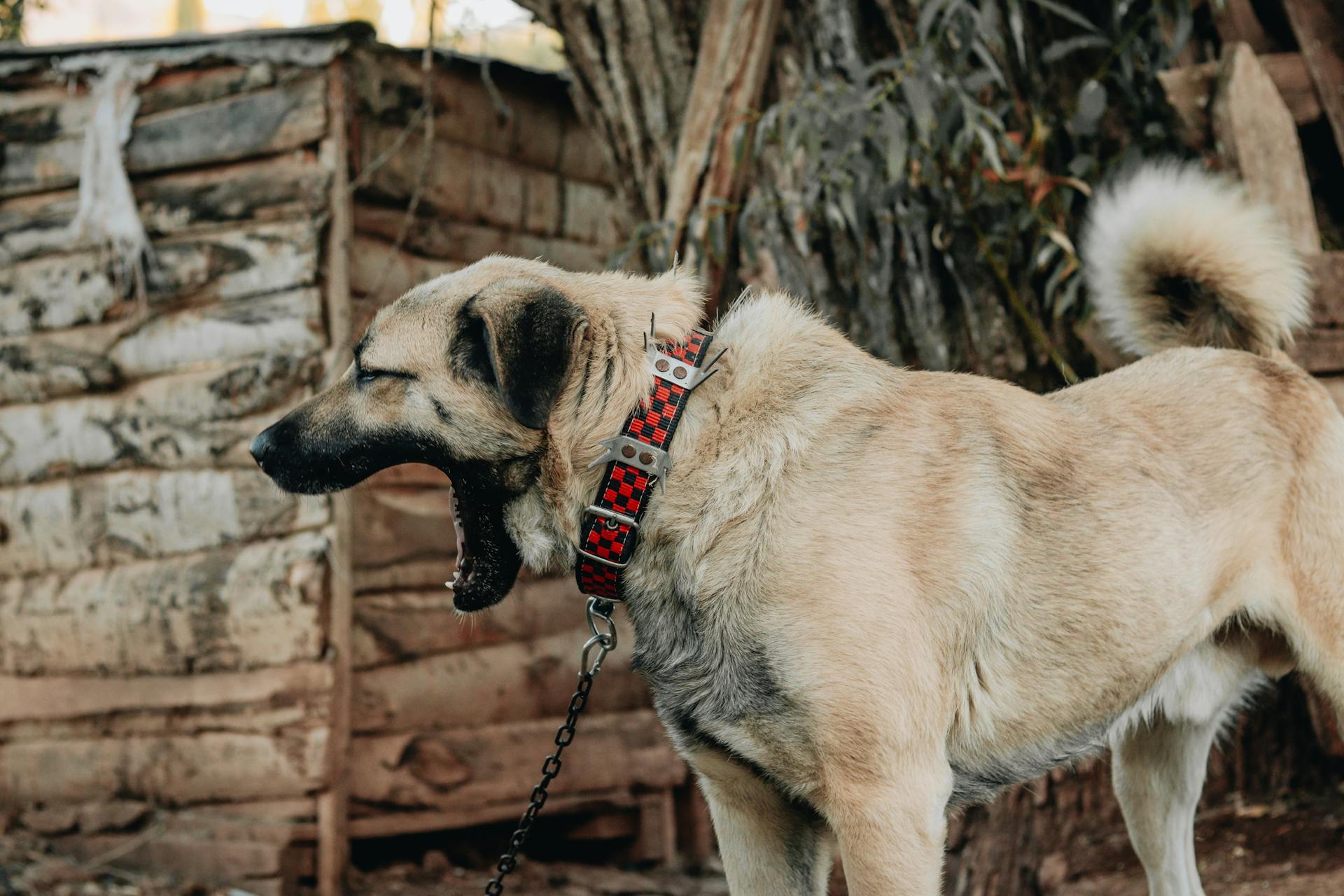
The Kangal Dog's body is a powerful and muscular one, with a topline that inclines very slightly downward from the withers. This slight incline is a natural part of the breed's build.
The ribs are well sprung, which means they curve outward and provide a spacious chest cavity. This is a key characteristic of the Kangal Dog's physique.
A moderately wide chest is deep and extends down to the elbow, giving the dog a sturdy and robust appearance. This is a result of the breed's development as a working dog.
The tuck-up, or the area where the chest meets the abdomen, is moderate, which means it's not too pronounced or too flat. This is a desirable trait in a working dog.
The Kangal Dog's body is a working dog's body, and it should always be presented in well-muscled condition. This means that the dog should have a healthy and athletic appearance, with visible muscle definition.
Faults in the body include a narrow or poorly muscled chest, a narrow rib cage, and a barrel chest. These are all undesirable traits that can affect the dog's performance and overall health.
Additional reading: Dog Body Language with Other Dogs
Nose
The nose is a distinctive feature that can make or break a breed's appearance. The nose is large and solid black.
In some breeds, the nose is a crucial factor in determining eligibility. For example, a liver or chocolate-colored nose is a disqualifying feature.
It's worth noting that a solid black nose is a common trait in many breeds. This can be a result of selective breeding for specific characteristics.
Neck
The neck is a crucial part of a horse's physical characteristics, and it's quite impressive - it's powerful and muscular, moderate in length, slightly arched, and rather thick.
Some dewlap is present on most horses, especially on males, which can be a distinguishing feature.
A short, heavy neck is considered a fault in horse breeding, so it's worth noting that a moderate length is ideal.
An overly long neck can also be a fault, so it's essential to find a balance.
Broaden your view: Rocky Mountain Horse Breed
Health and Grooming
The Turkish Kangal Dog is a large and majestic breed, but like any dog, it requires regular grooming and health checks to stay happy and healthy.
Brushing is a must for this breed, and you should aim to brush your Turkish Kangal Dog every few days to prevent matting and tangling of their coat.
Their short coats are a blessing, as they resist dirt and don't need to be bathed very often. However, a full bath can be a major job, so it's essential to habituate your puppy to this from an early age.
Their short coats also mean they shed more heavily in the spring and winter months, so be prepared for extra brushing sessions during these times.
Here are some common health issues to be aware of in the Turkish Kangal Dog breed:
- Elbow Dysplasia - a condition where the bones fit together improperly at the elbow joint.
- Hip Dysplasia - a condition where the thigh bone and pelvis don't sit together properly at the hip joint.
Are Healthy?
Kangal Shepherd Dogs are generally a healthy breed, but like any breed, they can be prone to certain health conditions.
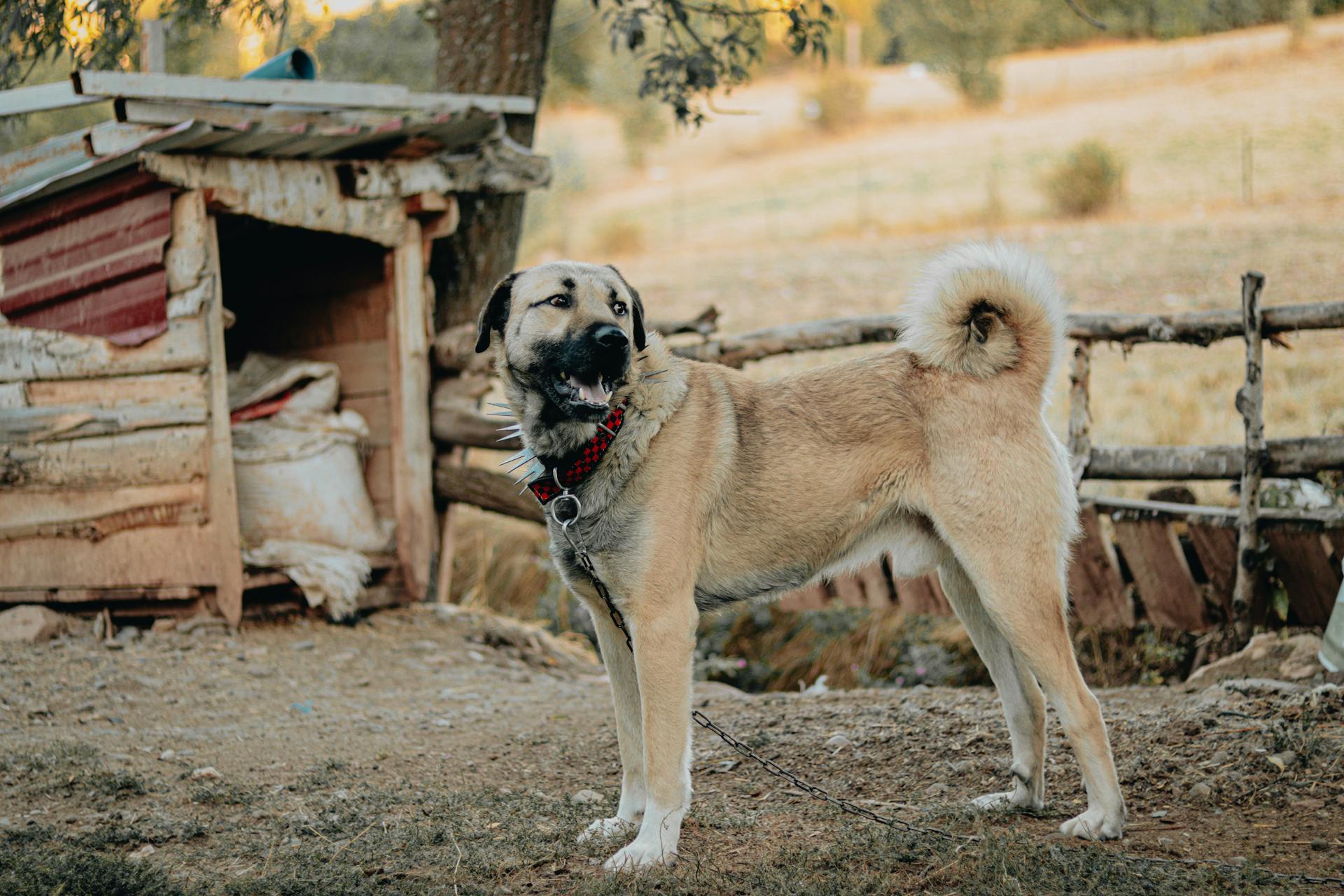
Elbow Dysplasia is a common issue that can affect the elbow joint, causing discomfort and mobility problems.
Hip Dysplasia is another condition that can affect the hip joint, where the thigh bone and pelvis don't sit together properly.
If you're considering bringing a Kangal Shepherd Dog into your family, it's essential to have experience, space, and time to devote to their care and exercise needs.
Here are some health conditions to be aware of:
- Elbow Dysplasia
- Hip Dysplasia
Consult with your vet if you have any concerns about the health of your dog.
Grooming
Grooming is an essential part of owning a Turkish Kangal Dog or Kangal Shepherd Dog.
Their coats are relatively low maintenance, requiring a brush through every few days. This helps prevent matting and tangling, especially during shedding seasons. You should also habituate your puppy to regular grooming from an early age, as this will make future grooming sessions much easier.
For Kangal Shepherd Dogs, a couple of brushings a week are sufficient, with more frequent brushing during shedding seasons. Their top coat is designed to resist dirt, so they don't need to be bathed often. Regular tooth brushing with a dog-specific toothpaste is also crucial, aiming for twice daily if possible.
Temperament and Training
The Turkish Kangal dog is a breed that's known for its strong personality and unique temperament. They bond closely with their family, but can be aloof towards strangers. This makes them a great companion for those who are looking for a loyal and protective pet.
One thing to keep in mind when considering a Kangal is that they can be quite independent and stubborn at times. They're intelligent, but also need to be trained with patience and consistency. This means that they're not the best fit for inexperienced owners.
Here are some key characteristics to keep in mind when training a Turkish Kangal:
- They require a strong bond built on kindness, consistency, and patience.
- They need to be trained with positive praise and rewards, rather than punishment or force.
- They need to be socialized early and often, to prevent aggression towards strangers.
- They need to have reliable recall, retrieve, and down commands.
Overall, the Turkish Kangal dog is a breed that requires careful consideration and attention to their needs. With the right training and care, they can make a wonderful and loyal companion.
What Is the Temperament Like?
The temperament of a Kangal Shepherd Dog is truly unique. They bond incredibly closely with their family, often forming strong emotional bonds that are hard to break.
One of the most notable traits of Kangals is their calm and cool demeanor, unless they feel the need to protect their family, in which case they can become quite alert.
As intelligent dogs, Kangals are capable of making decisions without human input, and they're not afraid to do so if they feel it's necessary. This independence can sometimes make them seem aloof to strangers.
Kangals are powerful chewers and diggers, so if you have a garden, be sure to keep a close eye on it to prevent any escape plans.
In social situations, Kangals tend to get along with other dogs as long as they were well-socialized when young and aren't provoked or threatened.
Here are some key characteristics of Kangal temperament:
- Calm and cool, unless protecting their family
- Intelligent and independent
- Poweful chewers and diggers
- Get along with other dogs in social situations, as long as well-socialized
- Tend to bark a lot due to territorial behavior
Easy to Train
Kangal Shepherd Dogs are not the easiest to train, requiring experienced owners who can provide the right guidance.
They're very intelligent, but also quite independent, making it essential to focus on building a strong bond with your Kangal.
Training should be centred around positive praise and patience, with engaging, fun, and consistent sessions.
To ensure success, it's crucial to train your Kangal to have excellent recall and a strong trust in you.
- Positive praise and patience are key to successful training.
- Consistent training sessions will help build trust and a strong bond.
Training
Training a Kangal Shepherd Dog requires patience and consistency, as they are intelligent but also quite independent. They need someone who is experienced with training, making them not recommended as a first dog.
To train a Kangal, focus on building a strong bond with your dog, based on kindness, consistency, and patience. This is not a dog to bully or manhandle into submission, as attempts to do so will end badly.
Training sessions should be engaging, fun, and consistent, with a focus on positive praise. It's essential to keep training sessions engaging to avoid boredom and frustration.
Early socialisation is crucial for Kangal puppies, as they can be aloof towards strangers. Teach a reliable recall, retrieve, and down to ensure your dog is well-behaved and obedient.
Management is key when training a Kangal, as they are powerful and protective dogs. With proper training and management, they can be a loyal and loving companion.
Here are some essential training tips for Kangal owners:
- Keep training sessions engaging and fun
- Focus on positive praise and patience
- Teach reliable recall, retrieve, and down
- Early socialisation is crucial
- Management is key
Dog's Results
Understanding a dog's temperament and training requires a deep dive into their genetic makeup. You can find out about a particular dog's results by visiting The Kennel Club's Breed Register.
Their DNA or screening scheme test results can be discovered through the Health Test Results Finder. This tool is incredibly useful for breeders and dog owners alike.
To get a better understanding of a dog's potential, you can also view the inbreeding coefficient calculation for a puppy's parents. This calculation can provide valuable insights into a dog's genetic diversity.
By accessing this information, you can make more informed decisions about your dog's care and well-being.
Care and Nutrition
When it comes to feeding your Turkish Kangal Dog, it's essential to get it right. Adult Kangal Shepherd Dogs should eat a complete, balanced dog food twice daily.
They can also have occasional treats, but be mindful of the extra calories. Puppies, on the other hand, should initially eat four times a day, then down to three, and finally to two at six months old.
To ensure your dog maintains a healthy weight, monitor their food intake and exercise them regularly. If they're an okay body weight, you should be able to comfortably feel their ribs, but not count them, when they're standing normally.
Here are some guidelines to keep in mind:
- Feed adult dogs twice daily.
- Puppies should eat four times a day initially, then down to three, and finally to two at six months old.
- Gradually change from puppy to adult food at between 12 and 16 months old.
- Monitor their food intake and exercise them regularly to maintain a healthy weight.
Remember, treats should only make up a maximum of 10% of their daily calorie intake.
What Do Eat?
Kangal Shepherd Dogs need a balanced diet to stay healthy. Adult dogs should eat a complete dog food twice a day.
They can have treats, but be mindful of the extra calories. Puppies, on the other hand, need to eat four times a day initially, then three times, and finally two times a day at six months old.
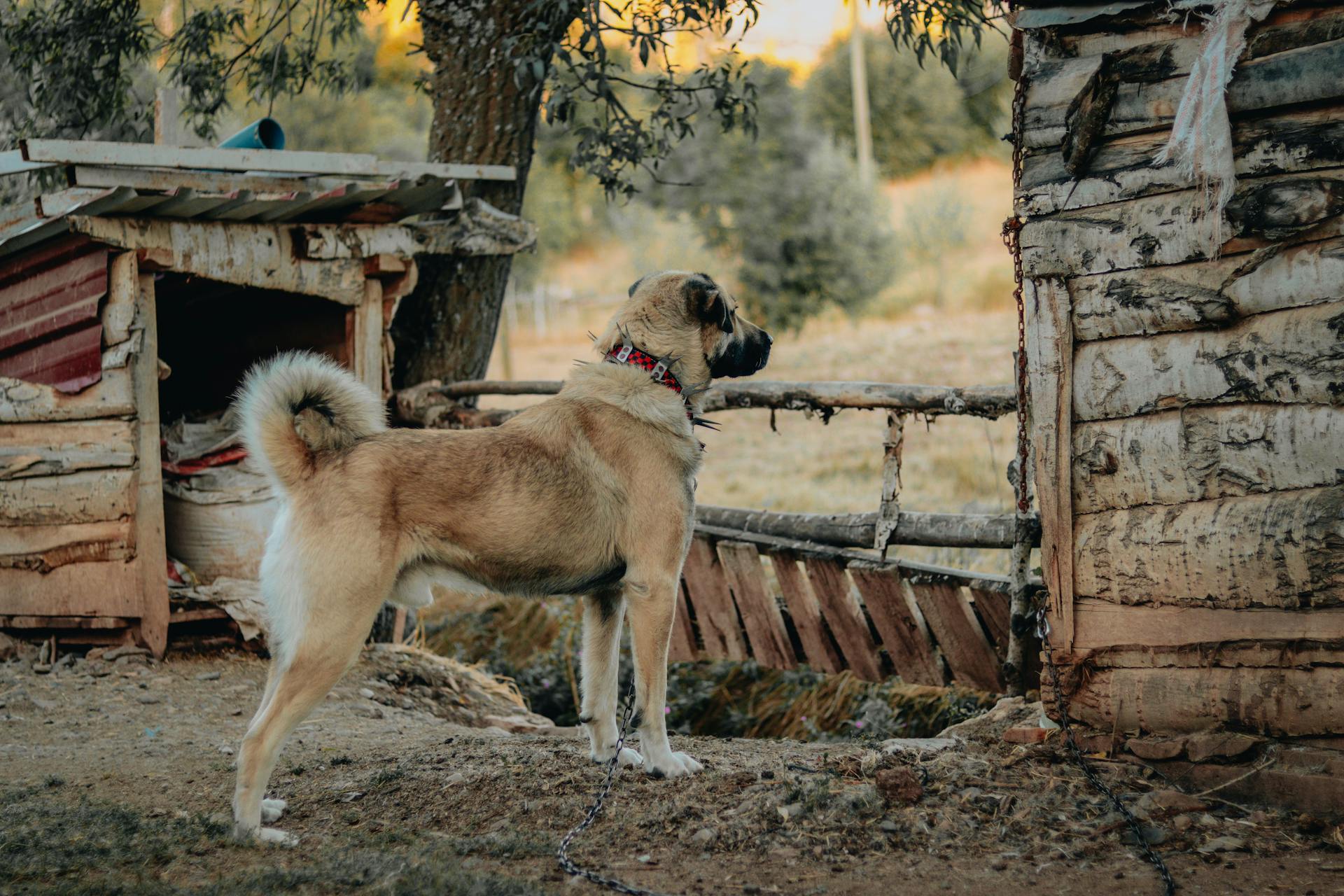
You can gradually switch them to adult food between 12 and 16 months old, but consult your pet food supplier or vet for guidance.
To ensure they don't get overweight, monitor their food intake and exercise them regularly. You should be able to feel their ribs comfortably, but not count them, and they should have a neat waist when viewed from above.
If you notice any signs of being overweight or underweight, consult your vet practice for advice.
Here are some key feeding tips to keep in mind:
- Feed adult dogs twice daily.
- Puppies: four times a day initially, then three times, and finally two times a day at six months old.
- Switch to adult food between 12 and 16 months old, consulting your pet food supplier or vet for guidance.
- Treats should make up no more than 10% of their daily calorie intake.
Exercise Needs
Exercise is crucial for Kangal Shepherd Dogs. They need at least 2 hours of physical exercise a day, with some of it being running to give them a good workout.
Their high energy levels mean they can run up to 30 mph, so you need a safe space for them to get the exercise they need.
Kangal Shepherd Dog puppies require less exercise than adult dogs and a basic guide is 5 minutes per month of age. They should not be on full exercise levels until they are fully grown, which is usually around 18-24 months old.
Mental stimulation is also important for these intelligent dogs, and they tend to enjoy a game or a puzzle. If they don’t get enough physical or mental exercise, they can become bored and depressed, which can make them become destructive and start barking more.
Here's a rough idea of their exercise needs at different stages of their life:
Frequently Asked Questions
Is The Turkish Kangal the most powerful dog?
The Turkish Kangal holds the record for the strongest jaws in the world with an incredible 734 psi bite force. This powerful breed is bred to protect livestock from predators, making it a formidable guardian.
How much does a Kangal puppy cost?
A Kangal puppy's price ranges from $800 to $5000, depending on the breeder and bloodline. Learn more about the factors that affect the cost of a Kangal puppy.
Featured Images: pexels.com