Tupinambis merianae, also known as the Argentine tegu, is a species of lizard native to South America.
They inhabit a wide range of habitats, including grasslands, savannas, and open forests, typically in areas with rocky outcrops and scrubby vegetation.
In the wild, these lizards are found in Argentina, Uruguay, and parts of Brazil, where they thrive in temperatures ranging from 64°F to 90°F.
Their adaptability to different environments is a key factor in their success as a species.
Biology and Behavior
The Argentine black and white tegu, also known as S. merianae, is a remarkable creature with some unique characteristics. Its life cycle is quite impressive, with hatchlings weighing around 10 grams and growing to 8 kilograms within four or five years, experiencing an 800-fold increase in body size.
During this time, its diet changes from insects to small vertebrates, eggs, carrion, and fruits. It's reproductively mature by its third year, when it weighs around 1.5 kilograms, and ceases growing by around its fourth year.
The tegu's brain development is also fascinating, with brain vesicles forming and distinguishable from day three of embryonic development. Pigmentation, on the other hand, is the last morphological structure to form, occurring late in development after other distinguishing characteristics have already been formed.
You might like: Perro Calupoh
Genetic Damage in Tegu Lizards by Age
Genetic damage in tegu lizards is influenced by age, with newborns showing significantly higher basal damage index values compared to juveniles and adults.
Newborn tegu lizards have lower basal frequency of micronuclei than juveniles and adults.
Age is an intrinsic factor that should be considered in future biomonitoring studies to avoid misunderstandings of the results.
There were no significant differences in basal genetic damage between sexes or nests of origin in the study.
A weak negative relationship was found between basal frequency of micronuclei and weight in newborn tegu lizards.
Hematological Reference Intervals in Argentine Teiid Lizard
Blood samples were taken from 100 healthy specimens of the Argentine tegu lizard (Tupinambis merianae).
In fact, researchers took blood samples from 100 healthy lizards, which is a significant sample size.
During the winter season, high values of red blood cell counts, hematocrit, and hemoglobin were observed in the lizards.
This is interesting, as it suggests that the lizards' blood parameters change with the seasons.

No statistically significant changes were observed as a function of sex and age in the lizards' blood parameters.
This is a key finding, as it suggests that the lizards' blood parameters are not affected by their sex or age.
The differential leukocyte counts were not affected by the studied factors, which includes sex, age, season, and other variables.
This means that the types and proportions of white blood cells in the lizards' blood remain relatively consistent, regardless of the season or other factors.
Life Cycle
The Argentine black and white tegu's life cycle is quite remarkable, with a nearly 800-fold increase in body size over the course of four to five years.
Each hatchling weighs about 10 grams and grows rapidly, with its diet changing from insects to small vertebrates, eggs, carrion, and fruits.
The tegu's growth rate is highest in its first and second years of life, after which it ceases growing by around its fourth year, weighing around 1.5 kilograms.
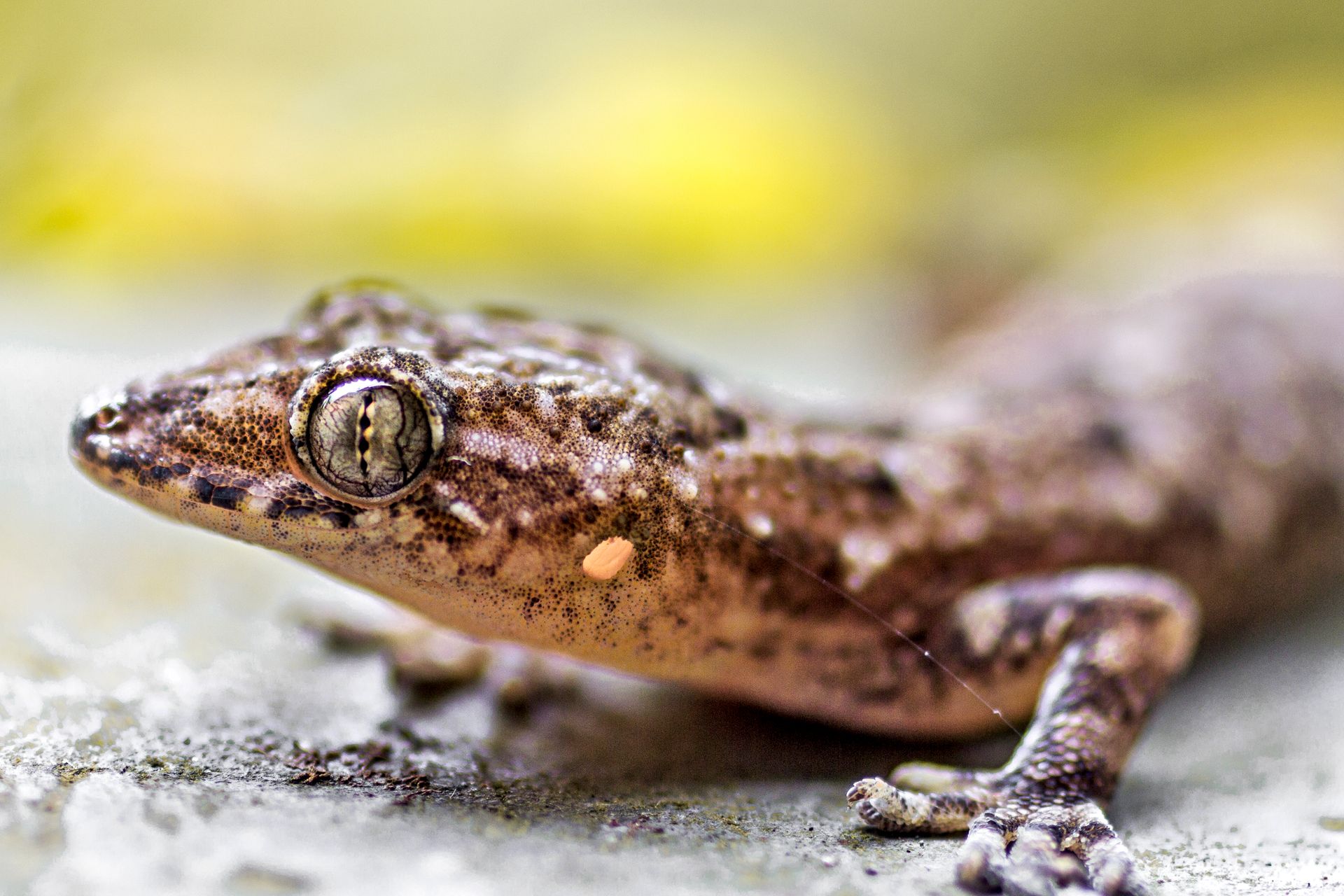
The tegu's sensitivity to temperature underlying its metabolic rate does not change its body mass, which is unusual compared to other endotherms.
Brain vesicles that make up the anterior forebrain, midbrain, and posterior hindbrain are developed and distinguishable from day three of embryonic development.
On day four, visceral arches form and are fully grown and fused by day nine, and limb development begins as small swellings.
The tegu's hindlimb development is more similar to crocodile or turtle embryonic development, which suggests that its hindlimbs will have greater functionality in adulthood.
Locomotion
The Argentine black and white tegu is quite fascinating when it comes to locomotion. Its unique skeletal gait is a result of its weight and heavy girth.
One of the key adaptations that help the tegu move efficiently is its modified shoulder joint. This modification is a result of its evolutionary history, which has led to a nonmammalian musculoskeletal structure.
The tegu's weight and size require a specialized locomotive system, which is evident in its unique skeletal gait. This gait is a result of the tegu's evolutionary history and its nonmammalian musculoskeletal structure.
Blue Tegu
The blue tegu is a stunning variant known for its light blue coloration, which is most intense and vivid in adult males. It's easily distinguished from other tegus by the "singe mark" on their noses, even in immature animals.
Adult blue tegus can grow up to 4 feet in length, with males sometimes reaching even longer lengths. They have a very quick growth rate, almost reaching 75% of their full length in just one year.
In the wild, blue tegus can be challenging to handle, often trying to run away or reacting aggressively if provoked. However, they can be easily tamed with proper care and handling.
As a heavily built animal, blue tegus can weigh anywhere from 7 to 12 pounds or more when fully grown. Their size varies due to genetics, husbandry, and diet.
Care and Management
Adult Argentine B&W Tegus can reach a length of 4 to 5 feet.
A 20-30 gallon tank is recommended for hatchlings, while pairs and trios of adults should be housed in outdoor enclosures.
I don't feed my tegus vegetables, but instead provide a mix of turkey burger, beef or chicken livers, Zoo Med canned snails, and cod liver oil, which I freeze in half-gallon bags and defrost as needed.
Adding fruits like bananas, melons, and sweet fruits is also a great way to provide variety in their diet, and you can supplement with other foods like chopped fish, boiled eggs, rats, chicks, and mice once a week.
Caring for the Argentine B&W Tegu
Adult Argentine B&W Tegus can grow quite large, typically reaching a length between 4 and 5 feet.
For hatchlings, a 20-30 gallon tank is a good starting point.
I recommend housing adult pairs and trios in outdoor enclosures, which can be built using the design shown in the link from Bert Langerwerf.
Feeding your tegu a varied diet is key, including foods like turkey burger, beef or chicken livers, Zoo Med canned snails, and cod liver oil.
I add 1/2 cup of cod liver oil to the mix, stir it up, then freeze it in half-gallon freezer bags for easy use later.
Defrost the mixture, add some fruits like bananas and melons, and you're good to go.
It's best to avoid letting your tegu associate you with food only, so try to feed it before the lights or sun come up in the morning.
The T-shirt Method is a great way to start taming your tegu, by getting your scent on a shirt and using it to gently pet the lizard.
After the tegu gets used to the shirt, you can start picking it up and handling it regularly.
Daily handling is essential for taming your tegu, so make it a part of your routine.
Distribution and Habitat
Salvator merianae, also known as the Argentine black and white tegu, is native to Argentina, Brazil, Paraguay, Bolivia, and Uruguay.
They can thrive in a variety of environments, including forested and open-plain areas.
In the wild, tegus have been found in scrub and wet habitats, such as flooded savannas, canals, ponds, and streams.
They are capable of burrowing, which allows them to inhabit a wide range of habitats.
Tegus seem to have no preference for habitat type as long as they can dig and burrow.
In the United States, established communities of tegus have been identified in Hillsborough and Polk Counties in Florida.
Their invasive populations have spread across the country, with sightings in Florida, Georgia, and South Carolina.
Invasive Species
The Argentine black and white tegu is an invasive species in Florida, Georgia, and South Carolina, having escaped from the pet trade.
They have established breeding populations in Hillsborough County, St. Lucie County, Charlotte County, and Miami-Dade County, posing a significant threat to southern Florida's native wildlife and ecosystems.
Tegus are omnivores, eating a variety of plants and small animals, but are especially known for eating buried eggs of reptiles. We have documented tegus eating American alligator and turtle eggs in Florida.
Their large dietary range contributes to their high survival rate outside of their native habitat, and they are capable of using endothermy to elevate their body temperatures in response to their environment.
Tegus are active on a seasonal schedule, avoiding dangerously cold or dry climates by hibernating underground.
Here are some key statistics on the invasive tegu population in Florida:
In response to the invasive threat, residents of Florida are now legally allowed to kill these invasive Argentine black and white tegus on private property with landowners' permission, and on public lands of Florida.
Taxonomy and Identification
The Argentine black and white tegu, also known as Tupinambis merianae, has a complex taxonomy history. It was originally described as Salvator merianae in 1839.
In 1845, it was mistakenly considered a synonym of Tupinambis teguixin, the gold tegu, and remained so for 154 years. This led to confusion in the pet trade, where some unscrupulous dealers would pass off gold tegus as Argentine black and white tegus.

To accurately identify a Tupinambis merianae, look for two loreal scales between the eye and the nostril, which is a key distinguishing feature from the gold tegu, which has only one loreal scale.
Here's a simple way to remember the difference:
- Tupinambis merianae (Argentine black and white tegu): 2 loreal scales
- Tupinambis teguixin (gold tegu): 1 loreal scale
Taxonomy and Etymology
The Argentine black and white tegu is a fascinating creature, and understanding its taxonomy and etymology is key to identifying it correctly.
The Argentine black and white tegu is in the family Teiidae, which also includes racerunners and whiptails. This family is part of the larger order Squamata.
The Argentine black and white tegu is assigned to the genus Salvator, which is one of nine known genera of "tegus". The specific name, merianae, is in honor of German-born naturalist Maria Sibylla Merian, who studied insects, plants, and reptiles from the 17th to the 18th centuries.
Maria Sibylla Merian was a true pioneer in the field of natural history, and it's wonderful to see her legacy live on in the naming of this species.
The Argentine black and white tegu was originally described as Salvator merianae in 1839, but it was later confused with the gold tegu (Tupinambis teguixin) and was considered a synonym of that species for 154 years.
Description
Salvator merianae, also known as the tegu, has a distinctive color pattern that changes as it grows. As a hatchling, it's a vibrant emerald green from the tip of its snout to midway down its neck, with black markings.
The tegu's tail is a key identifying feature, with yellow and black bands that change as it ages. Young tegus have a more prominent yellow banding pattern, while older animals have fewer solid bands.
Tegus can grow quite large, with adult males reaching up to 4.5 feet in total length. Females are smaller, but can still grow up to 3 feet in length.
The skull of a tegu is heavily built, with a large facial process of the maxilla and a single premaxilla. This sturdy skull structure is likely an adaptation for dealing with the forces of biting and chewing.
In the wild, tegus can live for 12 to 15 years, although they may live longer in captivity with proper care.
Featured Images: pexels.com