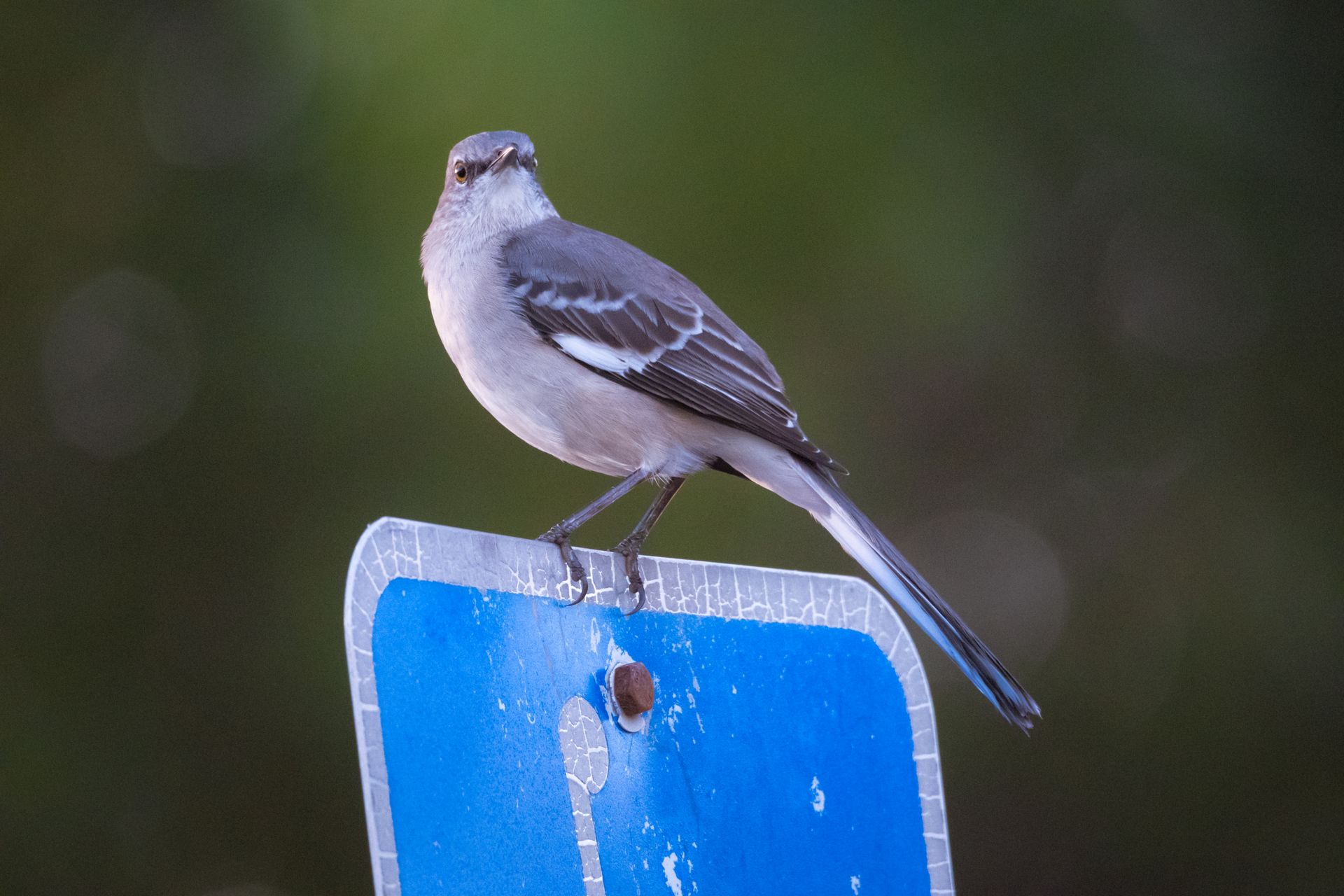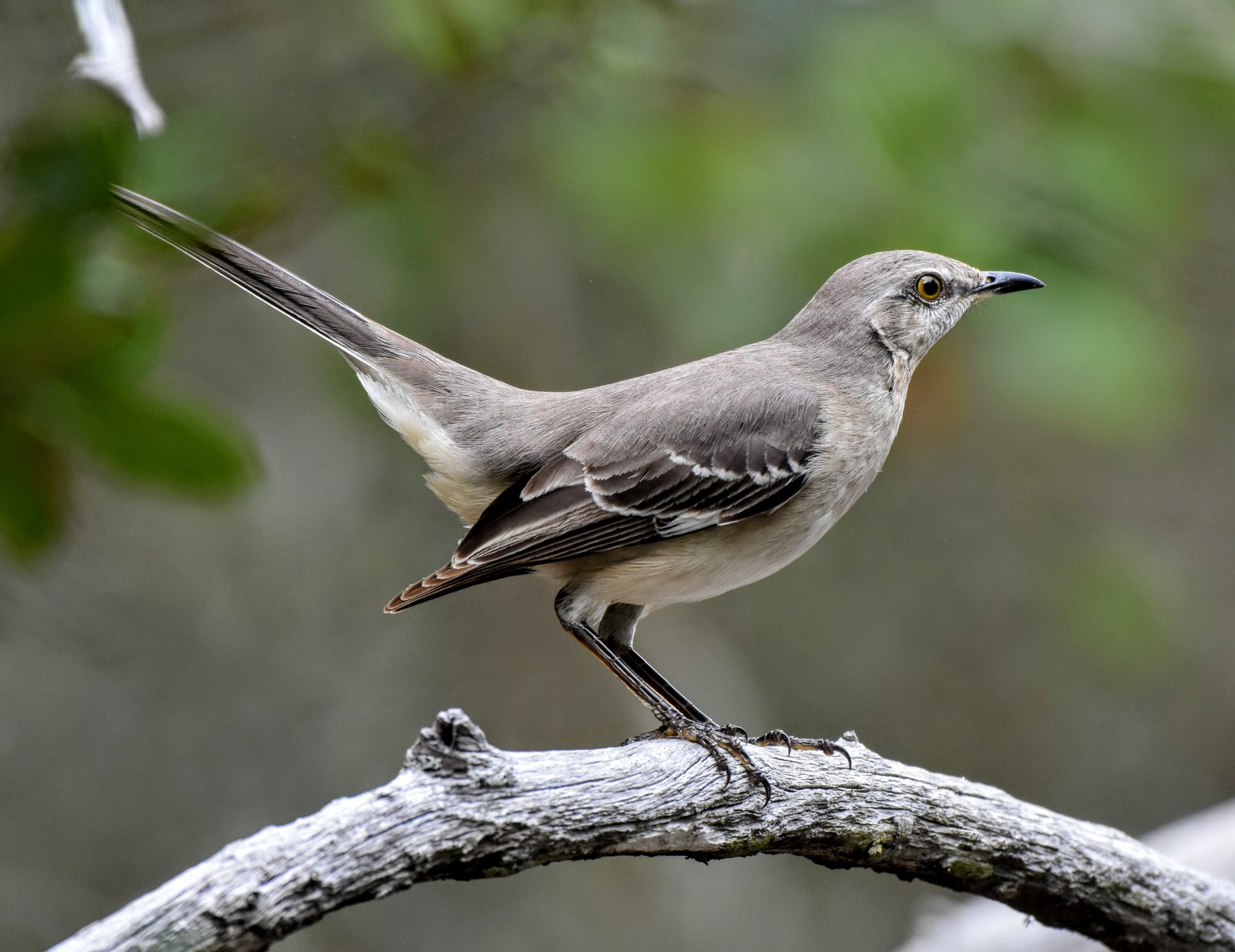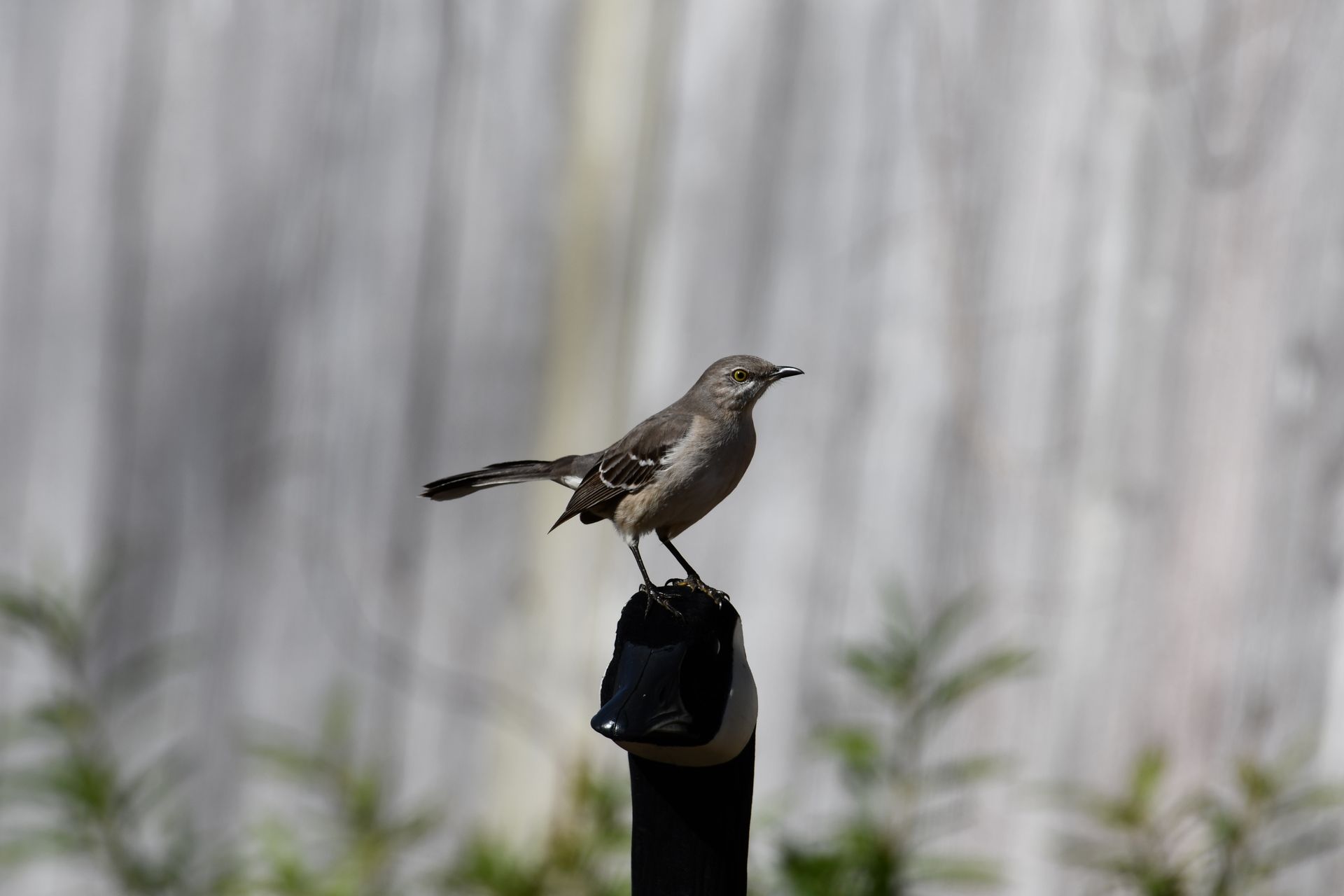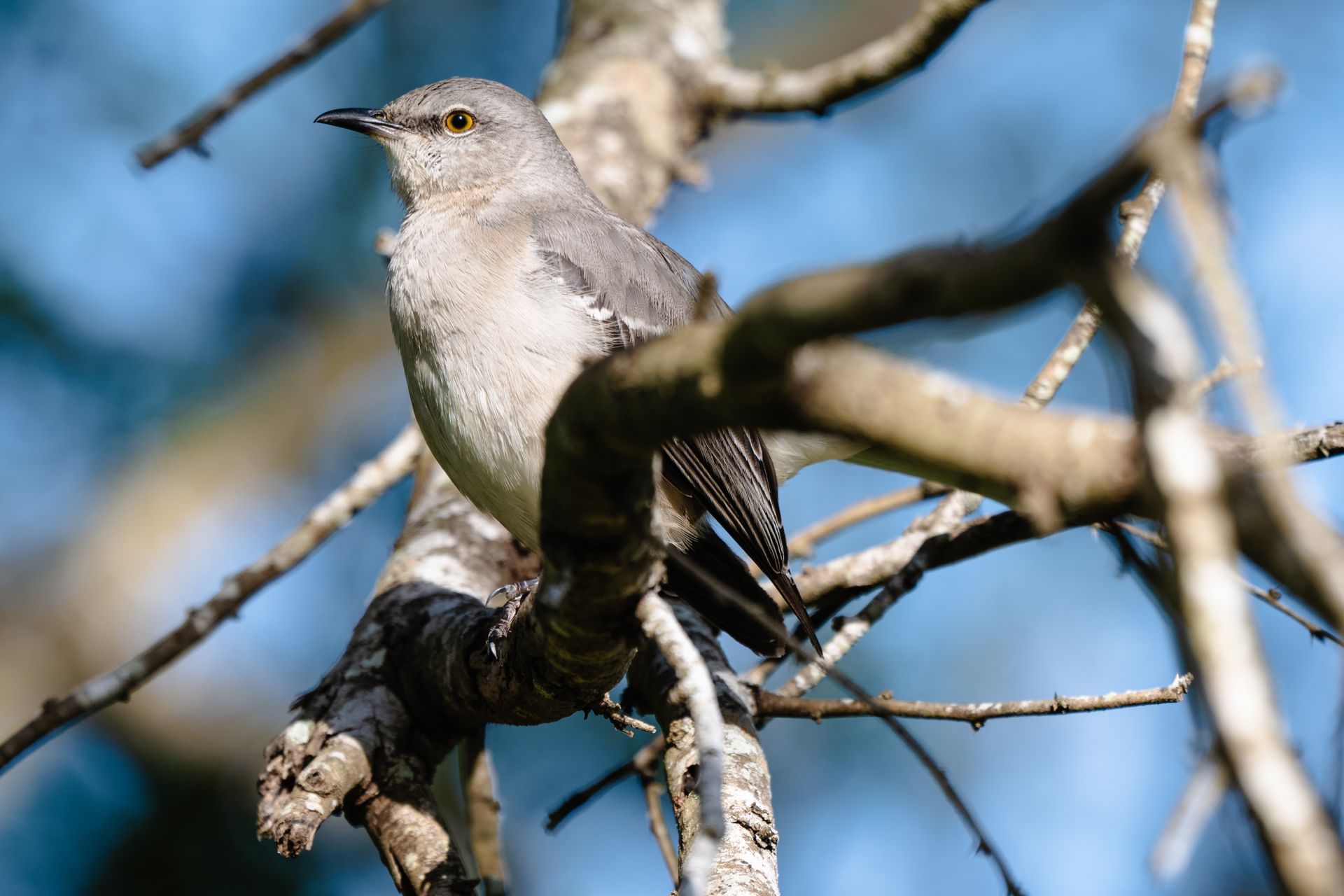
The Texas Northern Mockingbird is a fascinating bird species that's deeply rooted in the history and culture of Texas.
They are known for their distinctive song, which can be heard throughout the state, particularly during the spring and summer months.
In Texas, the Northern Mockingbird is the official state bird, a title it's held since 1927.
These birds are known for their territorial behavior, and they'll fiercely defend their territories from other birds and even predators.
Suggestion: Bird Identification Texas
State Bird Information
The Northern Mockingbird is the state bird of Texas, a well-known and beloved bird in the state.
It's known for its exceptional singing ability, with a pleasant lilt and varied song that can be heard all night long, especially in bright springtime moonlight.
The male and female Northern Mockingbirds look alike, and both sexes sing in the fall to claim winter feeding territories.
The Northern Mockingbird is a superb songbird and mimic, with a medley of calls from many other birds, each repeated several times, and even imitates other species' songs and calls, squeaky gates, pianos, sirens, and barking dogs.
Suggestion: Northern Mocking Bird
It's common for an individual bird to have as many as 25-30 songs in its repertory.
The Northern Mockingbird is also the state bird of four other states: Arkansas, Florida, Mississippi, and Tennessee.
It's a fierce protector of its nest and environment, and is sometimes seen swooping down on a dog, cat, or predator that may be venturing too close to the bird's protected territory.
If this caught your attention, see: Northern California Bird Identification
Identification and Characteristics
The Northern Mockingbird is a common sight in Texas, and it's easy to identify them with a few key characteristics. They're grayish-brown overall.
One of the most distinctive features of the Northern Mockingbird is their white wing bars, which are visible when they're perched. These patches become big white flashes when they're in flight.
Northern Mockingbirds are relatively small, measuring 8.3 to 10.2 inches in length. They weigh between 1.6 to 2.0 ounces, and have a wingspan of 12.2 to 13.8 inches.
Female Northern Mockingbirds look identical to breeding male Northern Mockingbirds, and are the same size and length as males. They also have the same wingspan.
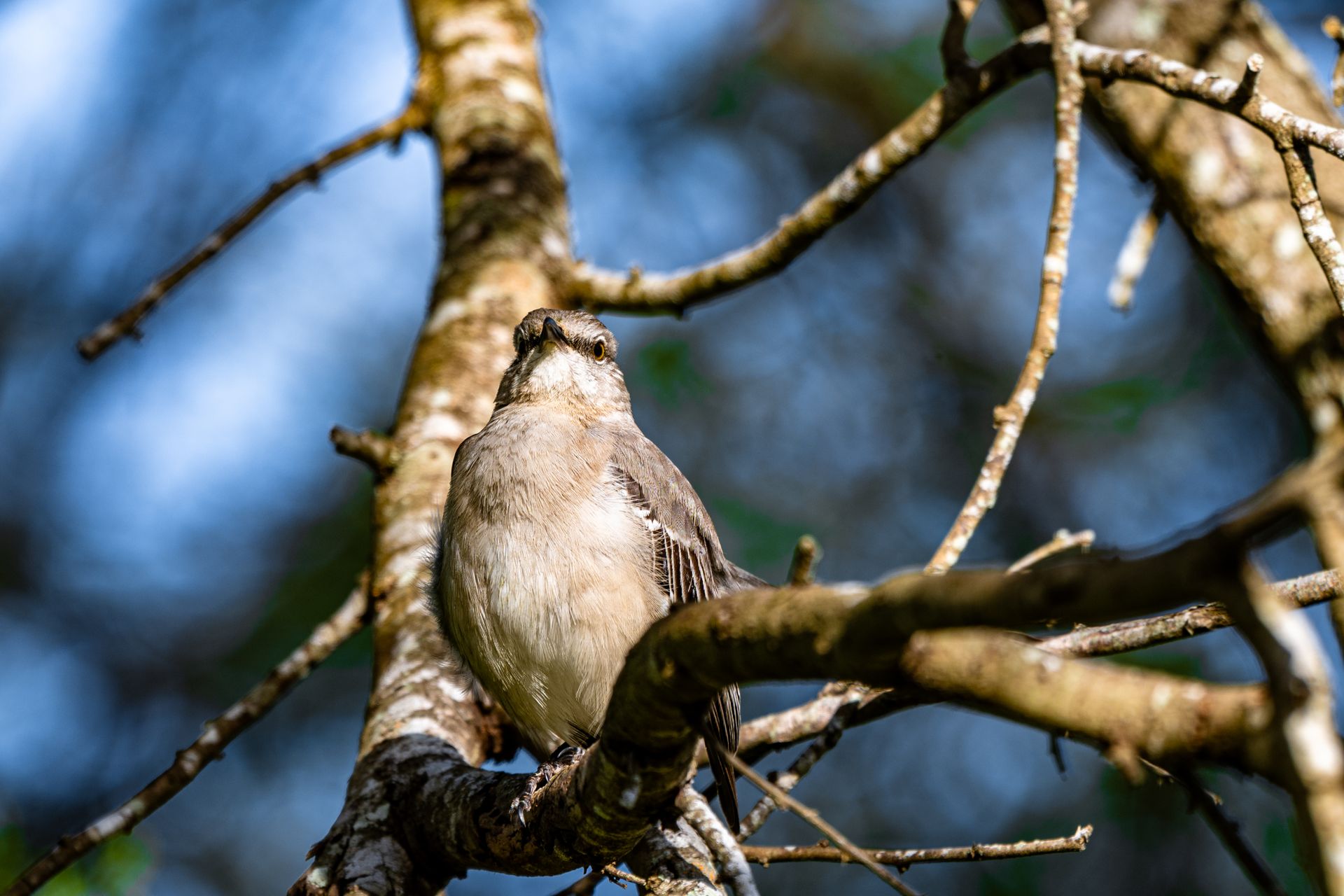
Juvenile Northern Mockingbirds have spotted breasts instead of white breasts, and look very similar to adult Northern Mockingbirds.
Here are some key measurements to keep in mind when identifying a Northern Mockingbird:
- Length: 8.3-10.2 inches
- Weight: 1.6-2.0 ounces
- Wingspan: 12.2-13.8 inches
These birds are known for their impressive singing abilities, and are a common sight in Texas gardens and backyards.
History and Background
The Texas Northern Mockingbird has a rich history as the state bird of Texas, chosen in 1927 for its beautiful song.
Its species name, mimus ployglottos, comes from the Greek words for "mimic" and "many-tongued", a nod to its impressive ability to mimic sounds.
The mockingbird is known for being a fighter that will defend its home if need be, a characteristic that resonates with Texans.
Legend has it that the resolution adopting the mockingbird as the state bird stated that it falls in defense of its home, just like a true Texan.
What Do They Eat?
Northern Mockingbirds are opportunistic eaters, which means they'll chow down on whatever's available. During the warmer months, their diet consists mainly of insects like grasshoppers, ants, beetles, crickets, and earthworms.
They're not picky eaters and will snack on whatever insects they can find. In the winter, they switch to a diet rich in fruits and berries, which is a welcome change for them.
Some of their favorite fruits and berries include elderberries, juniper, and blackberries. These sweet treats provide them with the energy they need to survive the cold winter months.
Behavior and Habitat
The Northern Mockingbird is a bird that's not afraid to show off. They're easy to spot because they make themselves visible, often sitting and singing on top of poles, shrubs, utility lines, trees, and fences.
These birds are known to hop, run, and walk along the ground with their tails cocked upwards, grabbing prey off the ground or snatching it from just over the grass.
Northern Mockingbirds are aggressive birds, especially when it comes to defending their territory. They'll chase off other birds, pets, and even humans if they feel threatened.
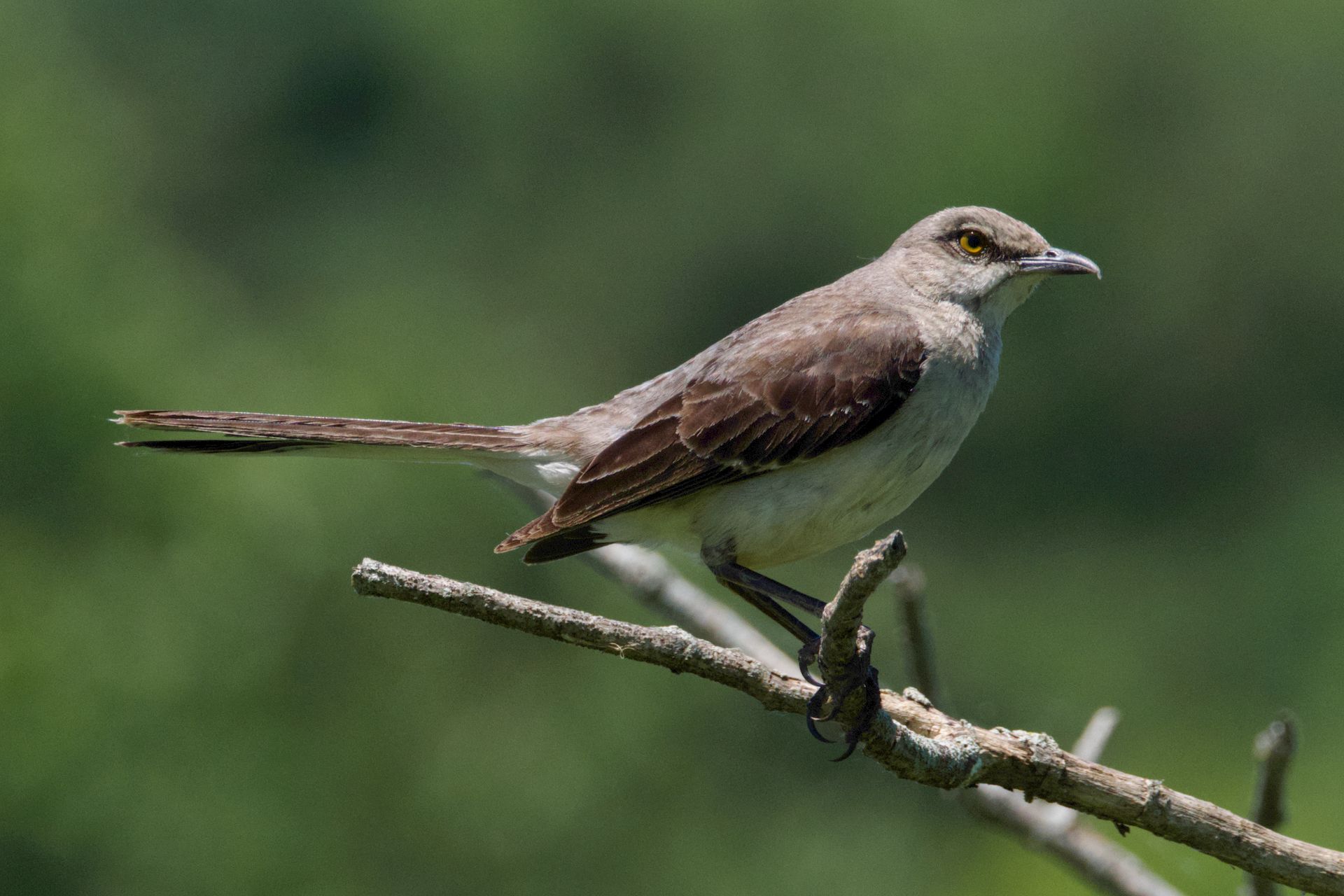
Female birds are particularly feisty, chasing off other female mockingbirds with ease. Meanwhile, males will square up to male intruders, sometimes even engaging in mid-air battles with claws and wings out.
If you're a dog or cat owner, be aware that Northern Mockingbirds can be quite aggressive towards pets, mobbing them if they get too close to their territory.
A unique perspective: Northern Mockingbird Male vs Female
Frequently Asked Questions
How rare are northern mockingbirds?
Northern mockingbirds were once scarce in some areas due to overcollection, but their populations have since recovered and they are now common in many regions.
Are northern mockingbirds friendly?
Northern mockingbirds are not typically friendly birds, as they can be aggressive when defending their territory or young. They may attack people who approach too close to their nest or perceived threats.
Featured Images: pexels.com