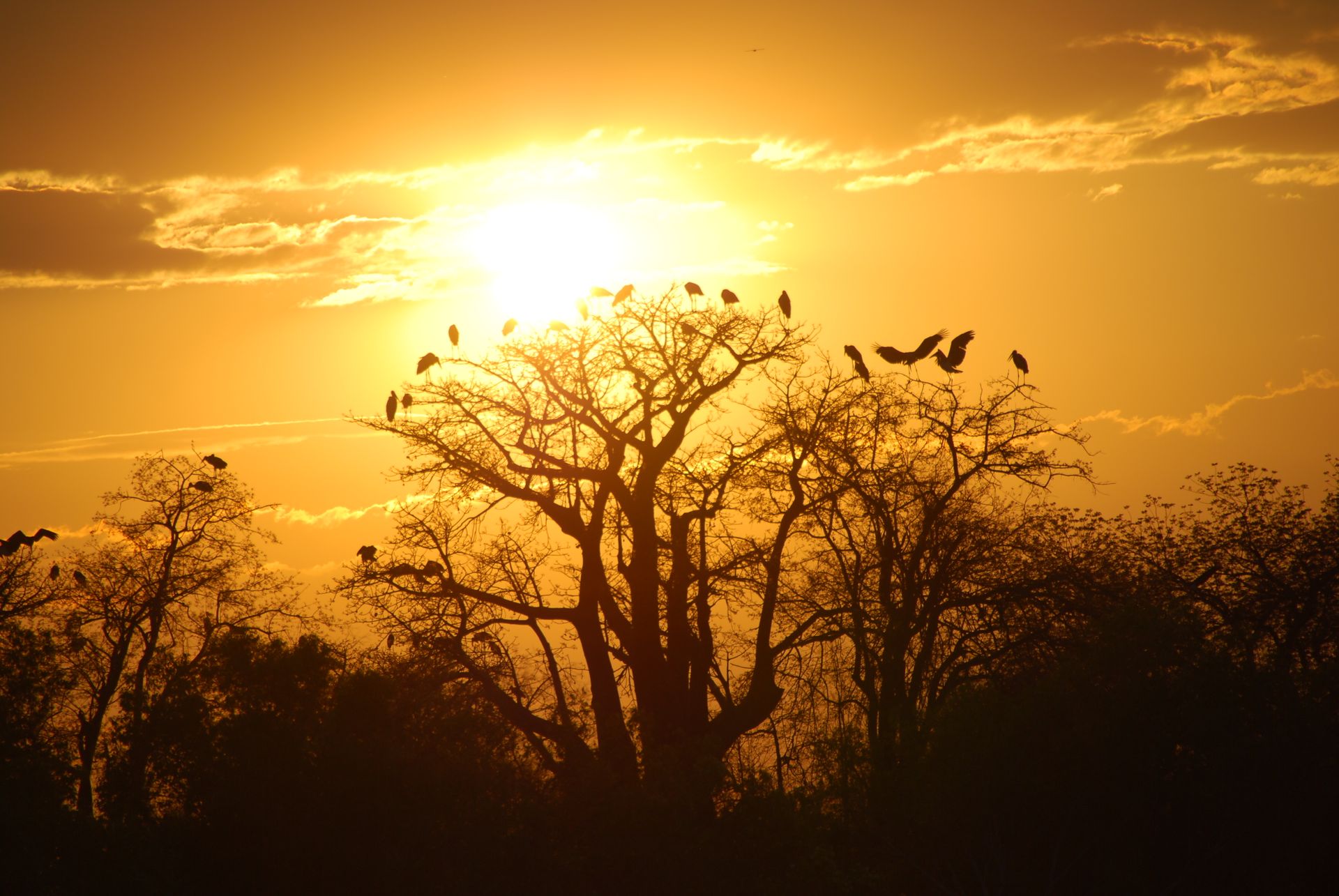
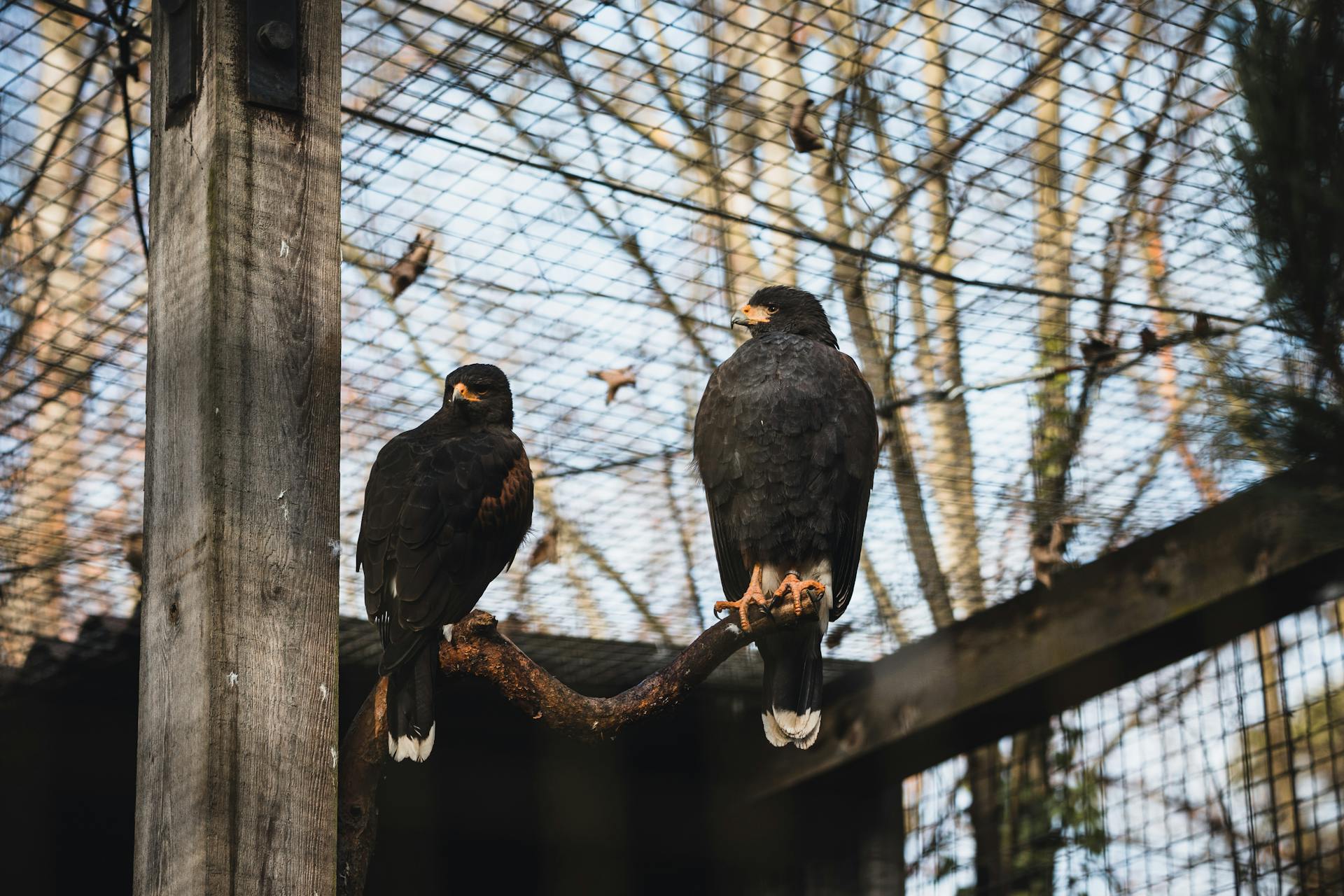
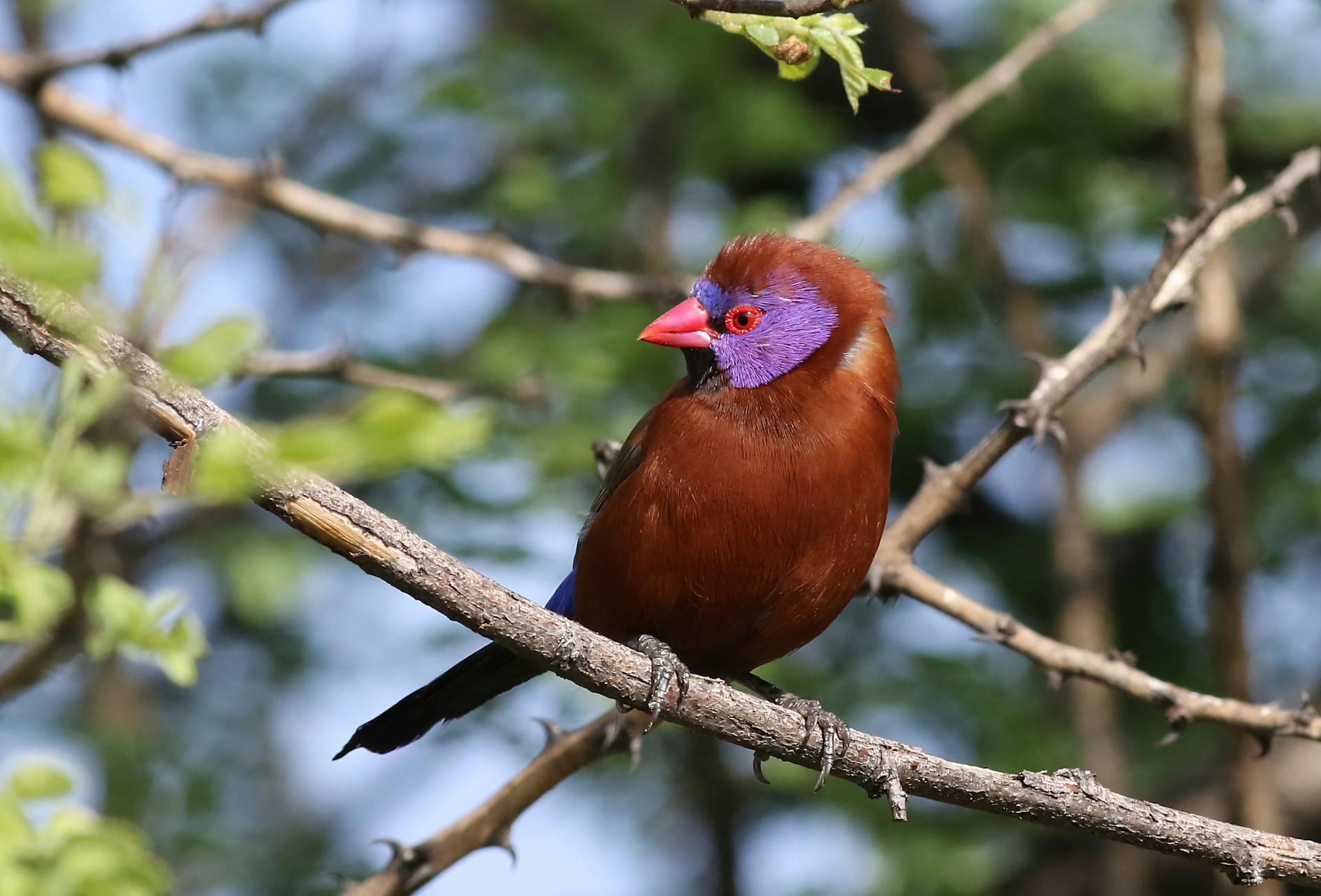
Sylvan Bird Park in North Carolina is a haven for bird enthusiasts and nature lovers alike. The park is home to over 100 species of birds, including waterfowl, songbirds, and raptors.
The park's avian world is a result of its diverse habitats, which include wetlands, forests, and grasslands. These varied environments support a wide range of bird life.
Visitors can observe birds up close, but it's essential to respect their natural habitats. This means keeping a safe distance and not feeding the birds, as this can disrupt their natural behavior.
With its rich bird life and conservation efforts, Sylvan Bird Park is a must-visit destination for anyone interested in birds and the great outdoors.
About the Park
Sylvan Heights Bird Park is located in Scotland Neck, North Carolina, and has a rich history dating back to 1981 when Mike and Ali Lubbock moved from England and began breeding rare and endangered waterfowl.
The Lubbocks' passion for bird conservation led them to establish the Sylvan Heights Avian Breeding Center in Scotland Neck in 1989.

The park is open to the public and welcomes over 55,000 visitors every year, making it a popular destination for locals and tourists alike.
Visitors can interact with birds from around the world, making it an educational and fun experience for people of all ages.
The park is also a popular field trip destination for schools in Halifax County and its surrounding areas in Eastern and Central North Carolina.
Plan Your Visit
Sylvan Heights Bird Park is larger than it seems, covering 18 acres of land. You can easily get lost in the park's vast space, so be sure to wear comfortable shoes.
The park has a mile-long walkway connecting all the different aviaries and outdoor spaces. This means you'll have plenty of opportunities to explore and get some exercise.
It's recommended to plan at least two hours to fully get through everything the park has to offer. You can always stay longer and take it all in at a slower pace if you prefer.
The park is entirely outdoors, so dress for the weather. Spring and summer are the busiest seasons, but fall and winter bring milder temperatures to Scotland Neck.
Be sure to check the Sylvan Heights Bird Park Facebook Page before visiting to see if the park will be open during rainy weather.
Things to Do
Sylvan Heights Bird Park is a must-visit destination in North Carolina. The park is made up of multiple sections that will take time to walk through.
Take your time to explore and take as many photos as you want, but be sure to NOT use flash because it irritates the exotic birds.
Most visitors opt for a self-guided exploration of the park. You can also choose to take a guided tour for a more detailed experience.
Guided tours last about 1-1/2 hours and consist of a mile of walking. This is a great option if you want to learn more about the park's history and the birds that reside here.
If you're planning to take a guided tour, be aware that it costs $100 for a group of 5, or $20 per person for groups of 6 or more.
Support the Park
You can become a member of the Sylvan Heights Waterfowl Society and visit the park for free, with different levels of membership to choose from.
This membership also comes with benefits like one year of free admission to the NC Zoo in Asheboro and the WNC Center in Asheville.
You can also make a donation, with a $110 donation making you the sponsor of one of their flamingos.
Avian Husbandry Program
If you're a zoo and wildlife management professional, the Sylvan Heights Avian Husbandry & Management Program is a great resource to increase your knowledge about aviculture.
This two-week program teaches ways to handle waterfowl and aviculture.
The program is specifically designed for professionals in the field, so you can expect to gain valuable insights and skills.
By taking this program, you'll be able to better care for and manage birds in your zoo or wildlife management setting.
How to Support
Supporting the park is easier than you think. You can become a member of the Sylvan Heights Waterfowl Society and enjoy free admission to the park.

There are different levels of membership to choose from, each with its own set of benefits. As a member, you'll receive one year of free admission to the NC Zoo in Asheboro and the WNC Center in Asheville, thanks to their reciprocity agreements.
A $110 donation to the park can make a big impact, and it's a great way to support the conservation efforts. This donation will make you the sponsor of one of their flamingos, which is a pretty cool perk.
If you're looking for more ways to get involved, consider volunteering or taking an internship at the park. These opportunities are a great way to learn more about the park and its mission.
Destination Information
Sylvan Bird Park in North Carolina is a must-visit destination for nature lovers. The park is located in a serene and natural setting, surrounded by beautiful trees and a tranquil atmosphere.
The park is home to a wide variety of bird species, with over 200 species represented. Visitors can observe these birds up close in their natural habitat.
The park's walking trails are well-maintained and easy to navigate, making it accessible for visitors of all ages. The trails take you through different ecosystems, including forests and wetlands.
The park offers educational programs and activities, including bird-watching tours and nature walks. These programs are designed to educate visitors about the importance of conservation and the role that humans play in protecting the environment.
The park's hours of operation vary depending on the season, but it is generally open from 9am to 5pm.
Partner and Visitor Information
If you're planning to visit Sylvan Bird Park in North Carolina with a partner or group, you'll be happy to know that pets are allowed on leashes.
The park's hours of operation are from 9am to 5pm, Monday through Sunday, so be sure to plan your visit accordingly.
Bring your binoculars to get up close and personal with the birds, as the park offers a bird-watching area with viewing stations.
You can also bring a picnic lunch to enjoy in the designated picnic areas.
If you're planning to visit with a large group, you can rent a picnic shelter for a fee.
The park's gift shop offers a variety of bird-themed items and souvenirs to take home.
Frequently Asked Questions
How many birds are at Sylvan Heights Bird Park?
Sylvan Heights Bird Park is home to over 2,000 birds from around the world, offering an incredible up-close experience for visitors.
What is the big bird in North Carolina?
The big bird in North Carolina is the great blue heron, a large wading bird commonly seen in the state. It's one of North America's largest herons and a familiar sight in North Carolina's wetlands.
Who is the founder of Sylvan Heights?
Sylvan Heights was founded by Mike and Ali Lubbock, a husband-and-wife team with extensive waterfowl knowledge. They brought their expertise from England to North Carolina in 1981.
Featured Images: pexels.com