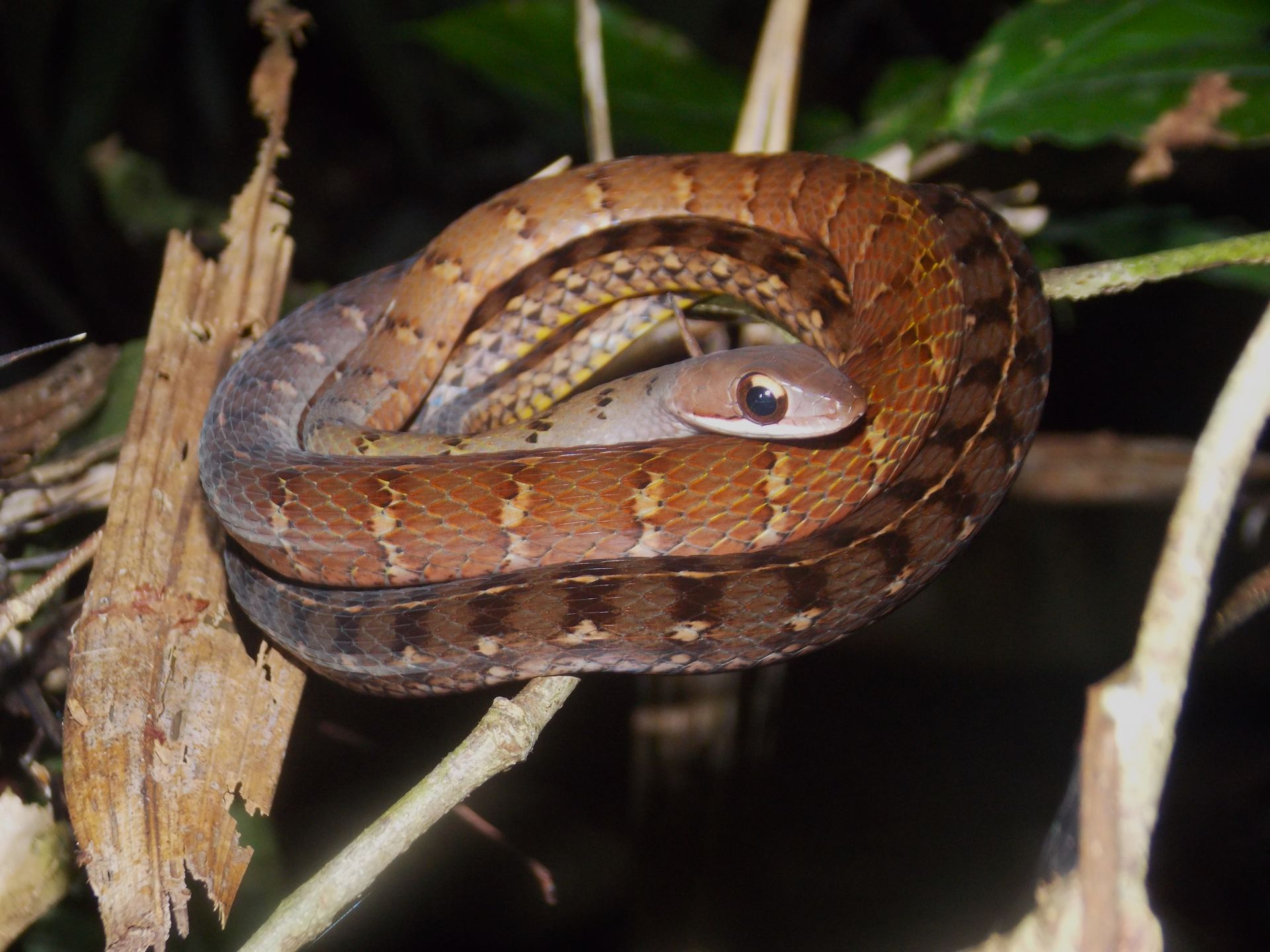
Sturisoma is a fascinating group of armored catfish, and in this section, we'll delve into their biology and diversity. These fish are characterized by their bony plates, or scutes, which cover their bodies.
Sturisoma catfish are found in South America, specifically in the freshwater rivers and streams of countries such as Brazil, Peru, and Ecuador. They inhabit areas with slow-moving water and a sandy or muddy substrate.
Sturisoma catfish have a unique way of moving around, using their pectoral and pelvic fins to walk along the bottom of the river. This is a remarkable adaptation that allows them to navigate through dense vegetation and find food in hard-to-reach areas.
Their armored plates also serve as a defense mechanism, protecting them from predators and other dangers in their environment. By studying the biology and diversity of Sturisoma catfish, we can gain a deeper understanding of these incredible creatures and the ecosystems they inhabit.
Classification
Sturisoma has a known sister genus, Farlowella, according to taxonomic research.
The genus Sturisoma is relatively small, with only 14 recognized species within it. This number may not be exhaustive, as taxonomy is constantly evolving.
One of the most interesting aspects of Sturisoma's classification is its relationships with other species. For example, Sturisoma caquetae is actually a valid species of Sturisomatichthys.
Here's a list of the 14 recognized species in the Sturisoma genus:
- Sturisoma barbatum (Kner, 1853)
- Sturisoma brevirostre (Eigenmann & Eigenmann, 1889)
- Sturisoma careirensia (Londoño-Burbano & Britto, 2023)
- Sturisoma defranciscoi (Londoño-Burbano & Britto, 2023)
- Sturisoma ghazziae (Londoño-Burbano & Britto, 2023)
- Sturisoma graffini (Londoño-Burbano, 2018)
- Sturisoma guentheri (Regan, 1904)
- Sturisoma lyra (Regan, 1904)
- Sturisoma monopelte (Fowler, 1914)
- Sturisoma nigrirostrum (Fowler, 1940)
- Sturisoma rapppydanielae (Londoño-Burbano & Britto, 2023)
- Sturisoma reisi (Londoño-Burbano and Britto, 2022)
- Sturisoma rostratum (Spix & Agassiz, 1829)
- Sturisoma tenuirostre (Steindachner, 1910)
It's worth noting that some species within the Sturisoma genus have been reclassified or are no longer considered valid. For example, Sturisoma robustum is actually a synonym for Sturisoma barbatum.
Habitat and Environment
Sturisoma species can be found in a wide range of habitats, including gently to swiftly flowing white waters.
These waters are often characterized by the presence of submerged wood in the main flow of rivers.
The abundance of submerged wood in these waters is likely to provide Sturisoma species with a source of food and shelter.

Sturisoma species are open brooders, which means they lay their eggs in a safe location and then care for them until they are ready to fend for themselves.
This type of breeding behavior is likely to be influenced by the availability of food and shelter in their environment.
The distribution of Sturisoma species is also noteworthy, as they can be found on both slopes of the Andes, in Panama and Colombia, and in the Amazon, Orinoco, and Paraná River basins.
Expert Insights
Sturisoma experts agree that these catfish are relatively small, with most species reaching a maximum length of around 10-15 inches.
Their unique appearance is a result of their slender bodies and elongated fins, which are well-suited for navigating through dense vegetation in their native habitats.
Some species of Sturisoma are known to have distinctive patterns of coloration, with horizontal stripes or blotches that help them blend in with their surroundings.
Sturisoma catfish are generally bottom-dwellers, using their long whisker-like barbels to search for food in the substrate.
In the wild, Sturisoma are typically found in slow-moving rivers and streams with dense vegetation, where they can be quite abundant.
Frequently Asked Questions
How do you care for Sturisoma panamense?
To care for Sturisoma panamense, feed a varied diet of high-quality protein-based foods, vegetables, and occasional treats like zucchini and romaine lettuce. A well-balanced diet and proper nutrition are crucial for the health and well-being of this species.
How do Sturisoma aureum breed?
Sturisoma aureum typically breed by laying 3-4 eggs at a time, which are fertilized by the male as they are laid. This process often occurs in heavily planted aquariums, where the eggs can be found on various surfaces such as tank glass, leaves, and flower pots.
Featured Images: pexels.com