Southern flying squirrels are nocturnal, so they're most active at night. They spend their days sleeping in tree cavities or nests.
These tiny creatures have a unique way of navigating through the forest, using their large eyes and keen sense of smell to detect food sources. Their diet consists mainly of nuts, seeds, and fruits.
They also have a special fondness for insects, including beetles and caterpillars. In fact, insects make up a significant portion of their diet during certain times of the year.
Their habitat is typically found in deciduous forests, where they can easily climb and jump from tree to tree.
Southern Flying Squirrel Diet
Southern flying squirrels are opportunistic omnivores, which means they eat a varied diet from both plant and animal sources. They spend time foraging on the ground gathering acorns, hickory nuts, beechnuts, and large seeds.
In late summer, they begin storing these nuts and seeds in their nests, underground, and in and around trees, using them later as part of their winter diet. Fruits, berries, fungi, flower buds, and even insects or bird eggs are also on their summer menu.
Occasionally, they scavenge for carrion or raid bird feeders. This diverse diet is essential for their survival, especially in the wild where food can be scarce.
In captivity, southern flying squirrels do well with a varied diet that includes nuts like pine nuts, pecans, and walnuts, as well as seeds like pumpkin seeds and sunflower seeds. Birdseed mixes and hamster pellets can also be part of their diet.
Mealworms, moths, and waxworms provide a source of protein, while a variety of fresh veggies like corn and sweet potatoes are also essential. Fresh water should always be available in their cage.
A calcium block or cuttlebone can help prevent calcium deficiency, which is a common issue in southern flying squirrels. Limiting phosphorous-rich foods is also important to prevent binding calcium in the body.
Baby squirrels require a special diet, including goat's milk or a puppy milk replacement formula through a syringe or eyedropper three times a day until they're completely weaned, usually around 6 to 8 weeks of age.
Habitat and Diet
Southern flying squirrels are opportunistic omnivores, which means they eat a varied diet from both plant and animal sources. They spend time foraging on the ground gathering acorns, hickory nuts, beechnuts, and large seeds.
They also eat fruits, berries, fungi, flower buds, and even insects or bird eggs. Occasionally, they scavenge for carrion or raid bird feeders.
In late summer, they begin storing these food sources in their nests, underground, and in and around trees, using them later as part of their winter diet.
Here's an interesting read: Squirrels Eat Rabbit Food
Dietary Adaptations
Flying squirrels have a unique diet that's adapted to their nocturnal lifestyle. They require a special type of block designed specifically for their nocturnal needs, such as Henry's Healthy Pet Block for Flying Squirrels.
In the wild, southern flying squirrels eat a variety of nuts, seeds, fruits, and insects. They spend time foraging on the ground gathering acorns, hickory nuts, beechnuts, and large seeds.
Flying squirrels can't replicate a perfect balanced diet, so it's essential to provide local natural foods supplemented with a wide variety of items from pet and grocery stores. Treats should be used sparingly and include items like almonds, black walnuts, and dried fruit.
In captivity, southern flying squirrels do well with a varied diet that can include nuts, seeds, birdseed mixes, and fresh veggies. They should be fed about 1 tablespoon of food in the morning and at night.
To prevent calcium deficiency, it's crucial to include a supplement of calcium and vitamin D3 with their food. A calcium block or cuttlebone can also be provided to double as a tooth file.
Flying squirrels are opportunistic omnivores, which means they eat a varied diet from both plant and animal sources. They spend time foraging on the ground and in trees, gathering fruits, berries, fungi, and insects.
In the wild, southern flying squirrels store nuts and seeds in their nests, underground, and in and around trees for later use. They also scavenge for carrion or raid bird feeders.
To provide a balanced diet, it's essential to offer a variety of foods, including fruits, veggies, and nuts. A shallow bowl of clean water should be available in the squirrel's cage at all times.
Flying squirrels have a unique way of eating, using their paws to grasp and their teeth to gnaw on food. They also have a special way of gliding through the air, using their patagium to cover distances of up to 80 feet.
Habitat Overview
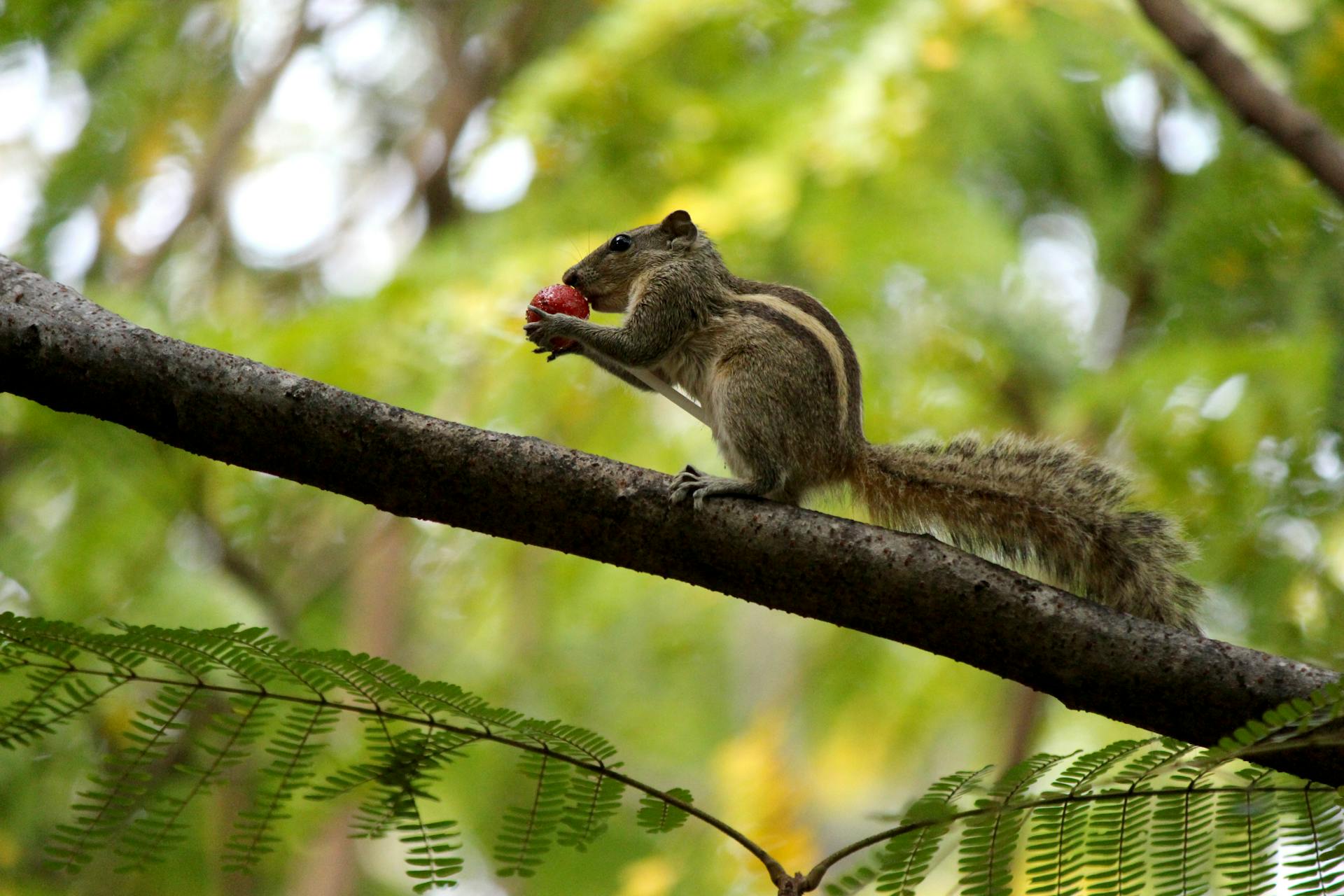
The Southern Flying Squirrel's habitat is primarily found in upland eastern deciduous forests, although they can occasionally be spotted in floodplain timber.
These forests are almost exclusively composed of oak and hickory trees, which provide the squirrels with the necessary food and shelter.
While they can be found in other types of forests, oak and hickory are their go-to habitats.
Their unique gliding ability allows them to traverse these forests with ease, covering distances of up to 80 yards or more between trees.
Here are some key facts about the Southern Flying Squirrel's habitat:
- Upland eastern deciduous forests
- Floodplain timber (occasionally)
- Oak and hickory forests (primary habitat)
Featured Images: pexels.com