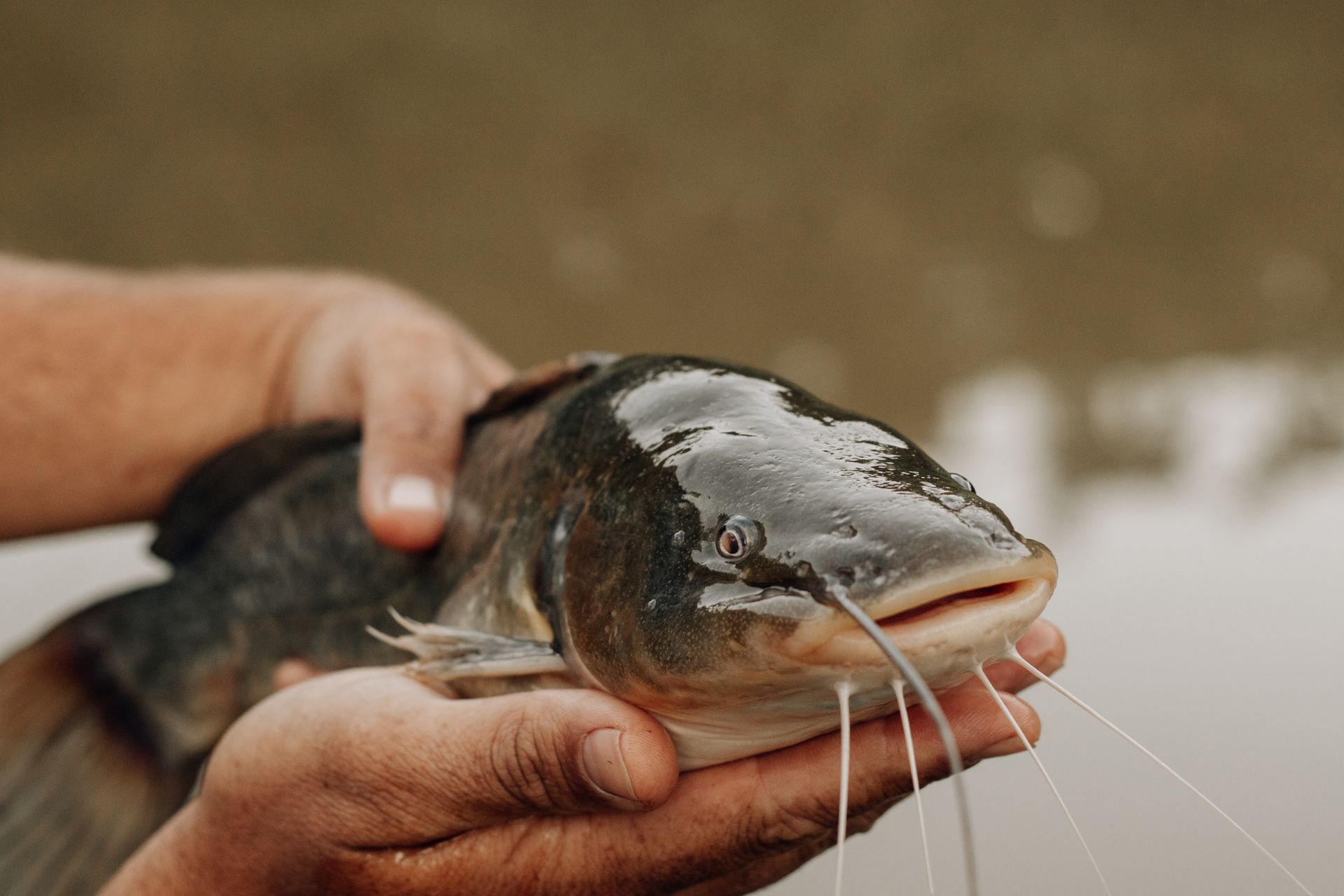
Siluriformes are a diverse group of fish that have been around for a long time. They belong to the order Siluriformes, which is a group of catfish and their relatives.
Siluriformes have been on the planet for over 200 million years, with fossil records dating back to the Early Jurassic period. This makes them one of the oldest groups of fish on Earth.
The Siluriformes order is divided into two suborders: Loricarioidei and Siluroidei. The Loricarioidei suborder includes the armored catfish, which are found in the Americas and have bony plates on their bodies.
Classification
Siluriformes is a diverse group of catfishes, with approximately 436 genera and over 30 families recognized. The group is clearly monophyletic, indicated by complex anatomical synapomorphies such as the modification of the upper jaw to support and move a pair of sensory barbels.
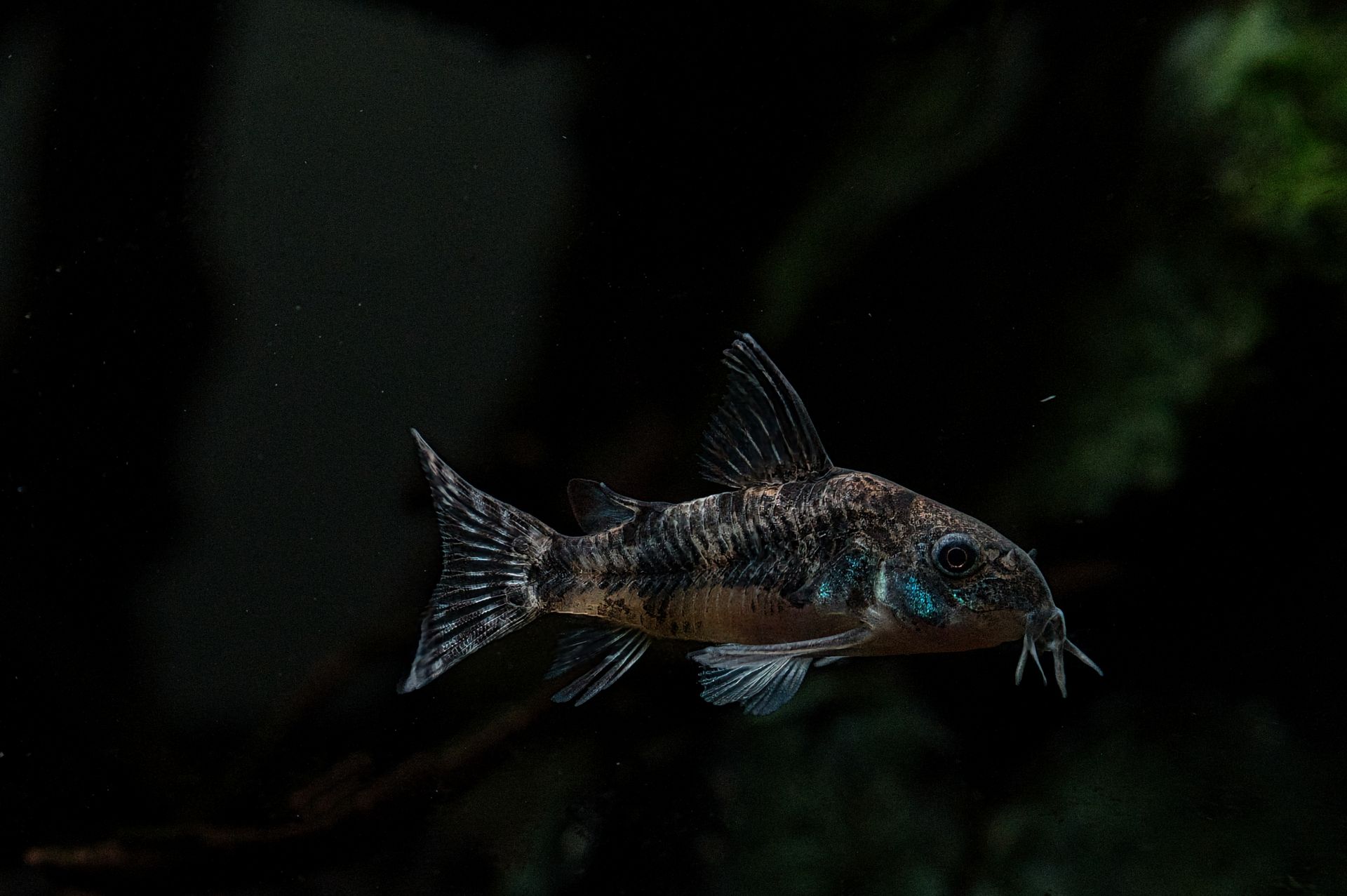
The Neotropical Loricarioidei are the first siluriforms to diversify, with Corydoras rabauti of the family Callichthyidae being a key species in this group. This is supported by phylogenetic analysis.
Siluriformes can be divided into several subgroups, including the Loricarioidei, Diplomystoidei, and Siluroidei. The Diplomystidae are the plesiomorphic sister group of the remaining catfishes or Siluroidei, while the Hypsidoris from North America is the primitive sister taxon of all other catfishes or Siluroidea.
Here's a breakdown of the main subgroups within Siluriformes:
The "Big Asia" clade, composed of Bagridae, Amblycipitidae, and Sisoridae, is a strongly supported subgroup within Siluroidei. However, Bagridae are rendered polyphyletic, indicating that the group may not be as monophyletic as previously thought.
Evolution and History
Catfish have a Gondwanan origin primarily centered around South America, where the most basal living catfish groups are known to exist.
The earliest known definitive members of catfish lived in the Americas from the Campanian to Maastrichtian stages of the Late Cretaceous.
A potential fossil record of catfish is known from the earlier Coniacian-Santonian stages in Niger of West Africa, although this has been considered unreliable.
The putative earliest armored catfish known from the fossil record, Afrocascudo, lived during the Cenomanian age of the Late Cretaceous in Morocco of North Africa.
Afrocascudo was initially thought to be a derived loricariid, indicating the extensive diversification of catfish prior to the beginning of the Late Cretaceous.
However, Britz and colleagues suggested that Afrocascudo instead represents a juvenile obaichthyidlepisosteiform, possibly a junior synonym of Obaichthys.
The authors of the original study still stood by their original conclusion based on the absence of important holostean characters, and noted that it could not be a juvenile, since the bones were completely ossified.
Catfish are believed to have diversified on the supercontinent of West Gondwana prior to its fragmentation into South America and Africa.
Internal Anatomy
Siluriformes, also known as catfish, have a unique internal anatomy that has adapted to their environment.
Their skeletal system is made up of cartilage, which provides flexibility and buoyancy in the water.
The swim bladder, a gas-filled organ, helps them maintain their buoyancy and balance.
Their digestive system is relatively simple, with a short intestine and a large liver.
The liver plays a crucial role in detoxifying the blood and storing nutrients.
Their gills are adapted to extract oxygen from the water, with a large surface area for efficient gas exchange.
Distribution and Habitat
Catfish can be found in a variety of habitats around the world, including inland and coastal waters on every continent except Antarctica.
They inhabit shallow, running water and are also found in brackish water environments. Catfish are most diverse in tropical regions, particularly in South America, Asia, and Africa.
More than half of all catfish species live in the Americas, and representatives of at least eight families are known to live underground, with some species even inhabiting caves.
Distribution and Habitat
Catfish are incredibly widespread, found in inland or coastal waters of every continent except Antarctica. They have inhabited all continents at one time or another.
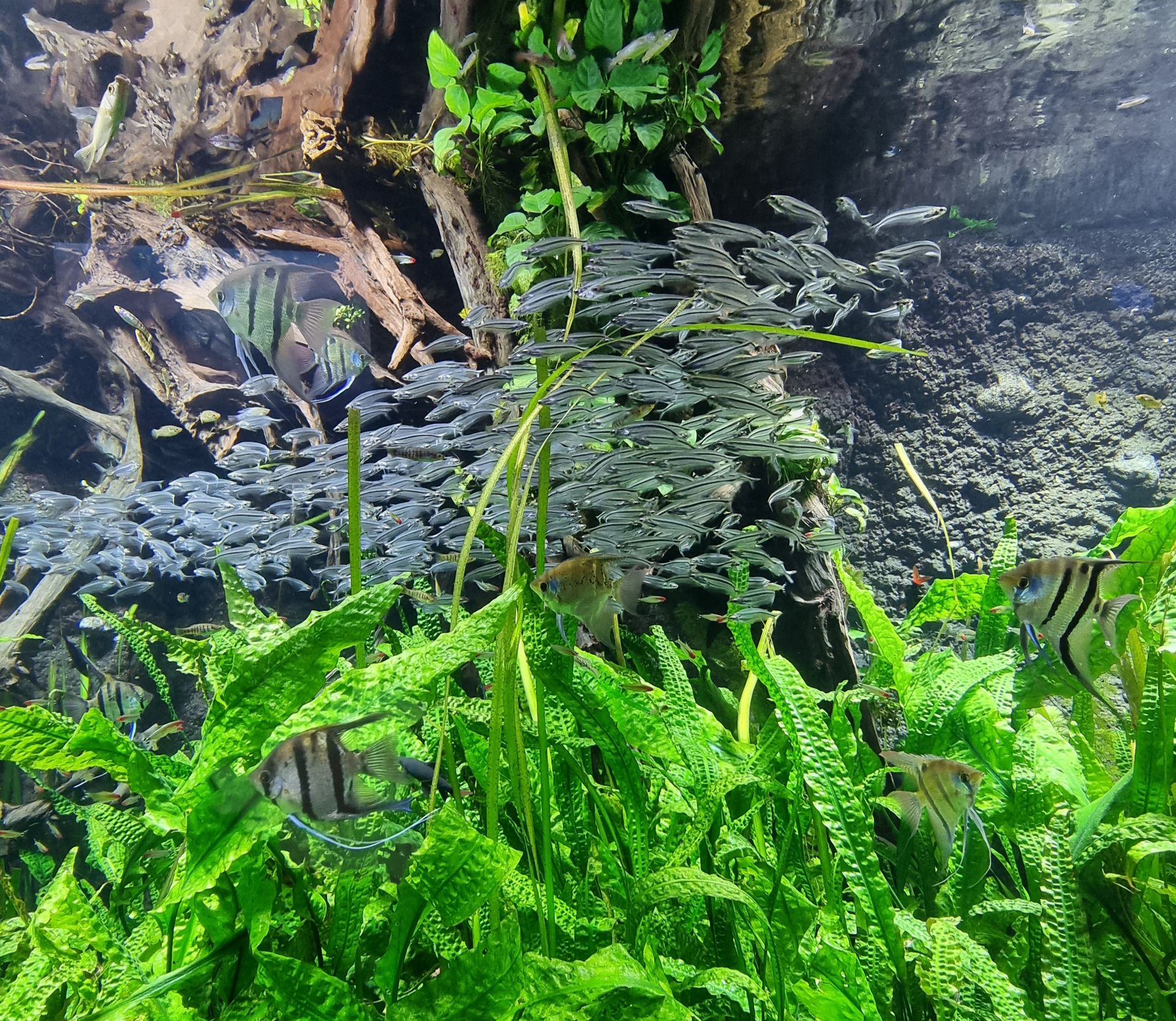
Most catfish species live in the Americas, with over half of all species calling this region home. Tropical South America, Asia, and Africa are also hotspots for catfish diversity.
Catfish can thrive in a variety of environments, from shallow, running water to brackish water. They're even known to live underground, with some species inhabiting caves.
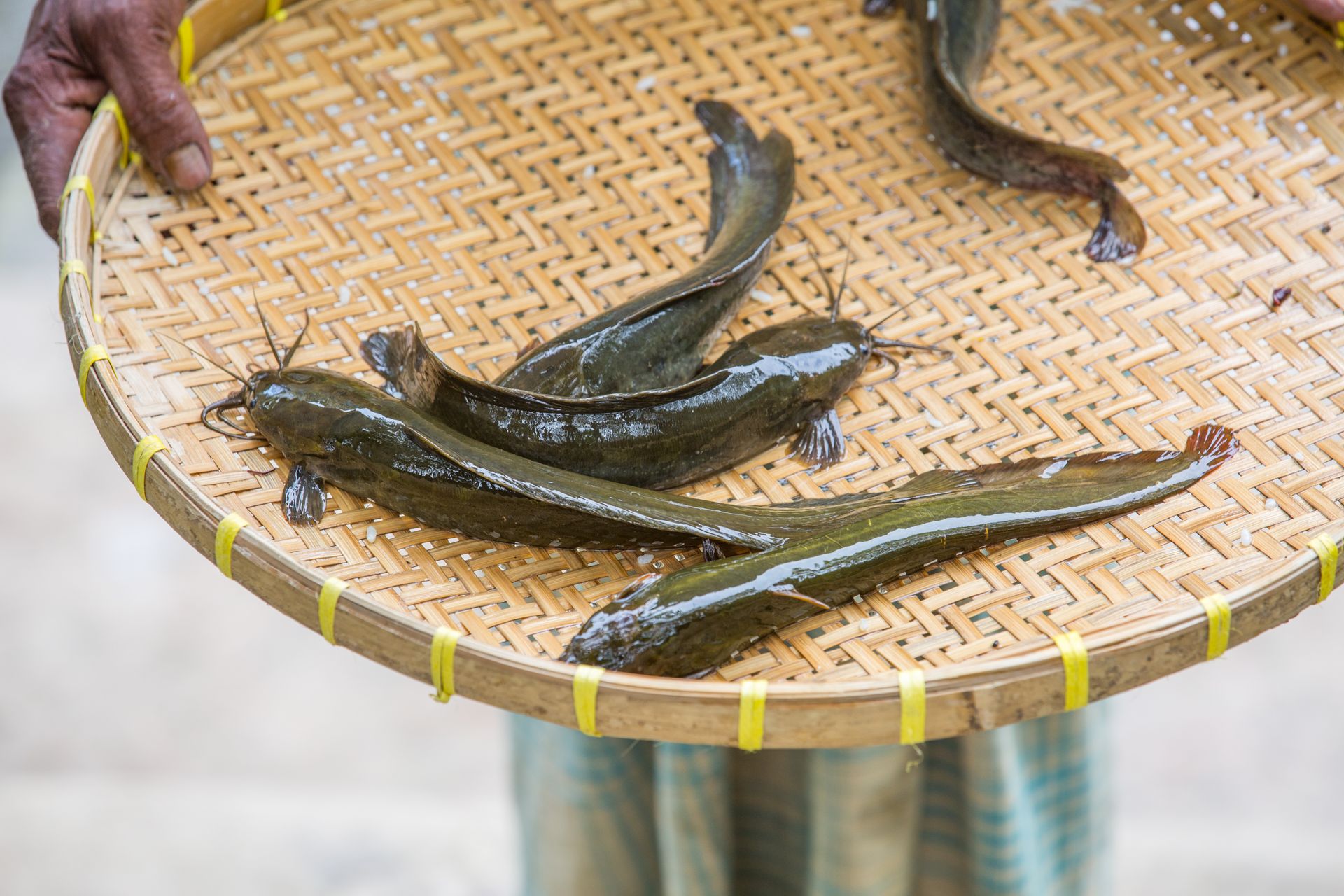
In Malaysia, catfish is a popular dish, often fried with spices or grilled and served with steamed rice. The locals call it "ikan keli" and enjoy it with a tangy tamarind and Thai chili gravy.
In Aquaria
In aquaria, you can find a wide variety of catfish species that make popular additions to many aquariums.
One of the most well-known catfish species in the aquarium trade is the Corydoras, a popular choice among aquarists.
The armored suckermouth catfish, also known as plecos, are another popular component of many aquaria, prized for their unique appearance and helpful tank-cleaning abilities.
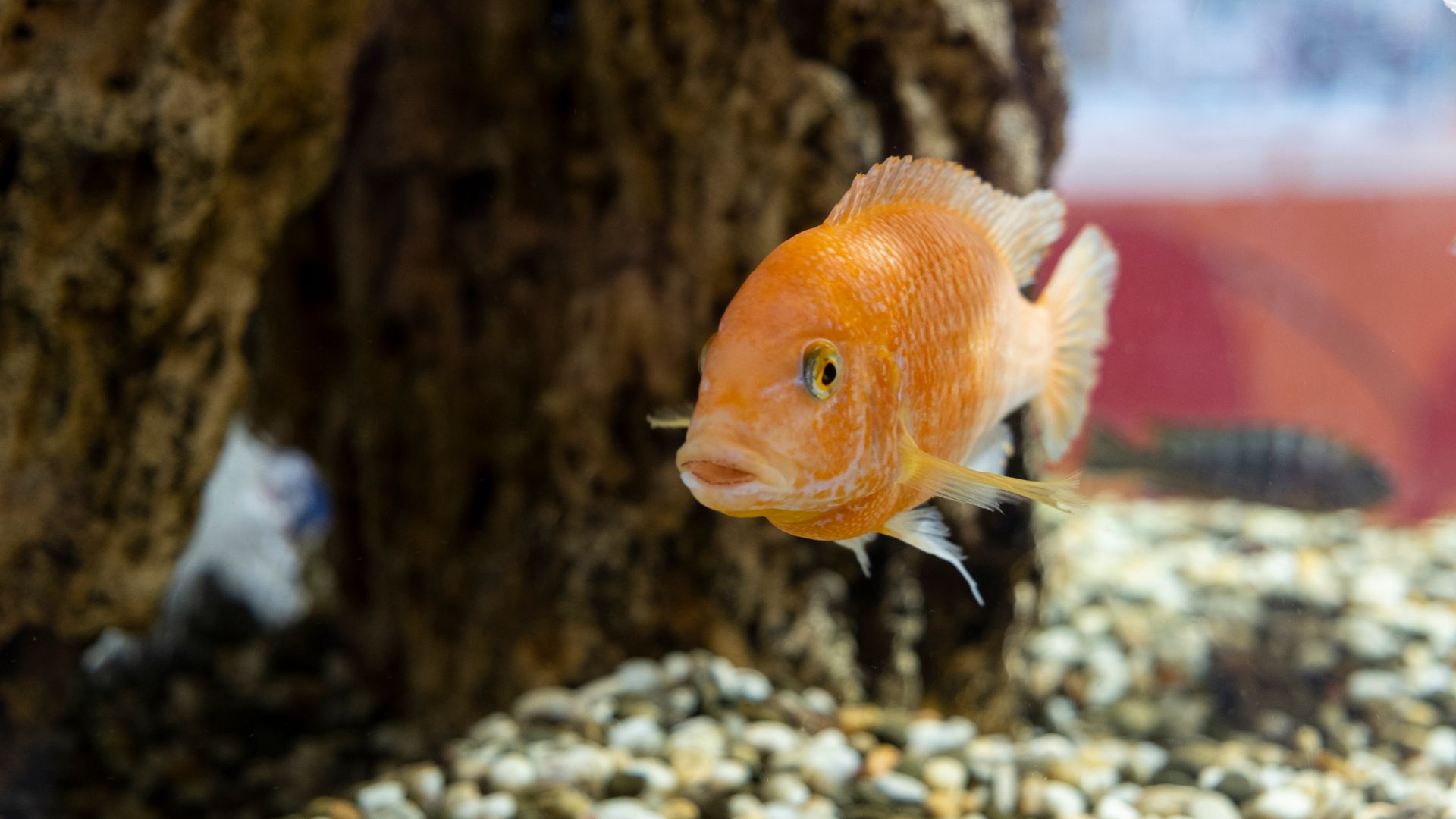
Banjo catfish, talking catfish, and long-whiskered catfish are also commonly found in the aquarium trade, offering aquarists a range of options to suit different tastes and tank environments.
If you're thinking of adding a catfish to your aquarium, be sure to research their specific needs and compatibility with other tank inhabitants.
Methods and Data
We used data from public databases to inform our analysis. The FishBase database was a valuable resource for retrieving genome and body size data.
We retrieved the maximum body size registered for each fish sample from FishBase. This data was then log-transformed before being applied to our analysis. The log-transformation was necessary to ensure accurate results.
For some samples, only the Total Length was provided, but we found that the difference between log-transformed values of Standard Length and Total Length was small, so we used both measures interchangeably.
Mitogenomic Structure of Piraíba
The mitogenome of Piraíba is a circular DNA molecule that measures 16,566 bp in size and has a GC content of 42.2%.
The mitogenome is composed of 13 protein-coding genes, 22 tRNAs, and 2 rRNAs.
28 of these genes are accommodated on the H-strand, while ND6 and 8 tRNAs are positioned on the L-strand.
The displacement loop, or D-loop, is a 911 bp region found between tRNA-F and tRNA-P.
The overall AT-skew of the mitogenome is 0.128, while the GC-skew is -0.305.
All 22 tRNAs have the canonical cloverleaf structure, except for tRNA-Ser (S1), which does not have the dihydrouridine (D) arm.
The size of the tRNAs ranges from 67 to 75 base pairs.
The start codons of all protein-coding genes are ATG, except for COI, which is GTG.
Complete stop codons are found in 6 protein-coding genes, with 5 being TAA and one being TAG.
Genome and Body Size Data
The researchers used data from public databases to inform their study on the evolution of body size in fish. They retrieved maximum body size data from the FishBase database.
The data was then log-transformed before being used in any analysis. This is a common statistical technique used to stabilize variance and make the data more normally distributed.
The researchers used both Standard Length and Total Length measures of body size interchangeably, as the difference between the two was found to be small. This suggests that the researchers were looking for a general trend in body size, rather than a precise measurement.
The data was sourced from the FishBase database, which provides a wealth of information on fish species. This database is a valuable resource for researchers studying fish biology and evolution.
Methods
In this section, we'll explore the various methods used to collect and analyze data.
Data collection can be done through surveys, which are a common method used to gather information from a large number of people.
Surveys can be either online or offline, and they can be used to collect data on a wide range of topics.

The survey method was used in a study to gather information from 1,000 participants, which provided valuable insights into the topic of interest.
Data can also be collected through experiments, which involve manipulating variables to observe the effects on the outcome.
Experiments were used in a study to test the effects of different variables on the outcome, resulting in a 25% increase in productivity.
Another method used to collect data is through observations, which involve watching and recording people's behaviors and actions.
Observations were used in a study to collect data on the behavior of customers in a store, which revealed interesting patterns and trends.
DNA Sequencing
DNA sequencing is a crucial step in understanding the genetic makeup of an organism. The researchers used two different methods to sequence the DNA of Brachyplatystoma filamentosum: the PacBio Sequel I system and the Illumina NextSeq 550 platform.
The PacBio Sequel I system was used for one sample, which involved preparing a genomic library using the SMRTbell Template Kit 1.0. The sequencing process was conducted using a SMRT Cell 1M v3 and a Sequel Sequencing Kit 3.0.
The Illumina NextSeq 550 platform was used for the second sample, which involved preparing a genomic library using the Illumina DNA prep kit with a short insert size of 500 bp. The library was then sequenced using a paired-end High Output kit v2.
The researchers also retrieved nucleotide sequences from the NCBI Genome database for other Siluriformes fishes, which included 154 complete or nearly complete mtDNA sequences from 28 out of 39 Siluriformes families.
To ensure the quality and reliability of the phylogenetic and evolutionary analyses, six samples were excluded due to being from hybrid species or missing mitochondrial genes.
Sequence Substitution Saturation
Sequence substitution saturation is a crucial aspect of molecular phylogenetics, and it's essential to understand how to assess it.
Of the 15,557 positions in the concatenated alignment, 8,755 were variable, which means they had different nucleotide bases.
The results of substitution saturation tests for the four partitions did not reveal any significant sequence saturation.
The ISS indices were significantly lower than the critical ISS.C values in all cases, indicating that the sequences were not saturated.
However, a saturation plot for third codon positions showed a divergence plateau at corrected genetic distance values above 0.30 substitutions/site.
This suggests that for third codon positions, the sequences may be approaching a point where further substitutions do not provide additional information.
Catfish Diversification
Catfish diversification is a fascinating topic. The earliest known definitive members of catfish lived in the Americas from the Campanian to Maastrichtian stages of the Late Cretaceous.
These early catfish groups, such as Andinichthyidae, Vorhisia vulpes, and possibly Arius, give us a glimpse into the early history of catfish evolution. The most basal living catfish groups are known from South America, suggesting a Gondwanan origin for the group.
The fossil record also shows evidence of catfish presence in West Africa, but this is considered unreliable.
Time-Calibrated Body Size Evolution
Time-calibrated body size evolution is a key aspect of understanding catfish diversification.
The researchers used the FishBase database to retrieve maximum body size data for each fish sample, which was then log-transformed for analysis.
The time-calibrated maximum likelihood tree of the Siluriformes order shows six calibration points (C1-C6) that were used to estimate the molecular timing of species divergences.
The tree was rooted using the mitogenome of Neoceratodus fosteri as an outgroup, providing a clear framework for understanding the evolutionary relationships between catfish species.
The researchers used the RelTime implemented in the software Mega X to estimate the molecular timing of species divergences, taking into account the six calibration points.
The maximum body size of the samples in the tree ranged from a minimum to a maximum value, with the exact values not specified in the text.
A phylogenetic tree was inferred using the Maximum Likelihood approach with iqTree (v.2), which helped the researchers understand the evolutionary dynamics of body size in the order Siluriformes.
The tree was partitioned by codon position, tRNA, and rRNA as suggested by the researchers, allowing for a more accurate analysis of the data.
The researchers used the Fabric model to estimate the β (directional change) and υ (evolvability change) parameters, which provided insights into the evolutionary dynamics of body size in the order Siluriformes.
The FabricPostProcessor program was used to summarize the results, which were then checked for parameter convergence using the Tracer program.
Catfish Diversification
Catfish originated in South America, specifically around the Gondwanan region.
Catfish are believed to have a Gondwanan origin primarily centered around South America.
The earliest known definitive members of the catfish family lived in the Americas from the Campanian to Maastrichtian stages of the Late Cretaceous.
Catfish diversified over time into several descendent subgroups, which are represented as internal nodes and terminal taxa in the tree diagram.
The earliest known fossil record of catfish is from the Americas, including the Andinichthyidae, Vorhisia vulpes, and possibly Arius.
A potential fossil record of catfish is also known from the earlier Coniacian-Santonian stages in Niger of West Africa, though this has been considered unreliable.
The putative earliest armored catfish known from the fossil record, Afrocascudo, lived during the Cenomanian age of the Late Cretaceous in Morocco of North Africa.
Background
The Siluriformes fish order has been under scrutiny due to public health implications.
FSIS published a final rule in 2015 establishing a mandatory inspection program for Siluriformes fish and products.
The rule codified in regulations the provisions of the 2008 and 2014 Farm Bills, making Siluriformes fish an amenable species under FSIS jurisdiction and inspection.
This change was made to ensure the safety of the food supply.
FSIS considered the public health implications presented by Siluriformes fish in developing the regulations.
The agency also published a risk assessment to predict the public health benefits of implementing a mandatory inspection system.
The risk assessment identified Salmonella as a primary concern due to its association with Siluriformes fish and documented occurrences in domestic processing facilities and retail catfish.
The Centers for Disease Control and Prevention also identifies catfish as a vehicle associated with a 1991 outbreak of Salmonella Hadar.
FSIS announced that it would conduct sampling and testing of Salmonella in Siluriformes fish and fish products to determine the national baseline prevalence and levels of Salmonella on raw Siluriformes fish.
This testing may reveal differences in the percent positive between imported and domestic Siluriformes fish.
Size and Spines
Catfish have one of the largest size ranges in the animal kingdom, with some species reaching lengths of over 2.5 meters and weighing up to 100 kilograms.
Many catfish species are small, with some reaching maturity at just 1 centimeter in length.
The wels catfish, found in Europe, can grow to sizes of up to 1.6 meters, while the blue catfish in North America can reach lengths of up to 1.2 meters.
The Mekong giant catfish, found in Asia, is one of the largest catfish species, with a recorded weight of 293 kilograms.
Some catfish species have potent venom delivered through their dorsal and pectoral fin spines, which can be lethal to humans in severe cases.
Size
Catfish come in a wide range of sizes, from under 1 cm to over 2.5 meters in length.
Some of the smallest catfish species, like those in the Aspredinidae and Trichomycteridae families, can reach sexual maturity at just 1 cm.
The wels catfish, found in Europe, is one of the largest catfish species, with a typical length of 1.2-1.6 meters and a maximum weight of 100 kg.
In North America, the largest blue catfish caught weighed 59 kg, while the largest flathead catfish caught weighed 55.79 kg.
The Mekong giant catfish can grow up to 293 kg, making it one of the largest catfish species in Asia.
Catfish can grow exceptionally large, with some species reaching lengths of over 2 meters and weights of over 100 kg.
The Piraíba, a goliath catfish, can occasionally grow to 200 kg, and has been known to cause fatalities due to its massive size.
Fin Spines
Fin spines are a distinctive feature of catfish, and they can be quite intimidating. They're strong, hollow, and bony, and can be locked into place to inflict severe wounds.
In fact, many catfish species have these spines as a defense mechanism. As many as half of all catfish species may be venomous, making them a force to be reckoned with.
The venom is produced by glandular cells in the epidermal tissue covering the spines. This protein can be potent enough to hospitalize humans who receive a sting.
In some species, like Plotosus lineatus, the stings can even be lethal. So, it's clear that fin spines are not to be taken lightly.
Frequently Asked Questions
Are catfish good or bad in ponds?
Catfish are an excellent choice for ponds, thriving in various environments worldwide. They're a great option for pond owners, but it's worth learning more about their specific needs and characteristics.
What is the most aggressive catfish in the world?
The most aggressive catfish is the Hemibagrus, a genus known for its fierce behavior and tendency to attack foreign objects in its aquarium. This species is part of the family Bagridae and is not recommended for inexperienced aquarists.
What is a Siluro fish in English?
The Silurus glanis is commonly known as the Wels catfish in English. It's a large species of catfish native to Europe.
Featured Images: pexels.com