The Siberian Laika dog is a unique breed that originated in the Arctic regions of Russia. They were bred to hunt and track small game in the harsh, cold climate.
Their thick double coat is a distinctive feature, with a soft undercoat and a harsh outer coat that sheds snow and ice. This coat comes in a variety of colors, including black, white, and gray.
Originally, the Siberian Laika was a working dog, used by indigenous Siberian tribes to hunt and provide food for their families. They were also used as sled dogs and companions.
Their intelligence and strong prey drive make them a challenging breed to train, but with patience and consistency, they can learn to obey commands and perform tasks.
For your interest: Hunt Terrier
Physical Characteristics
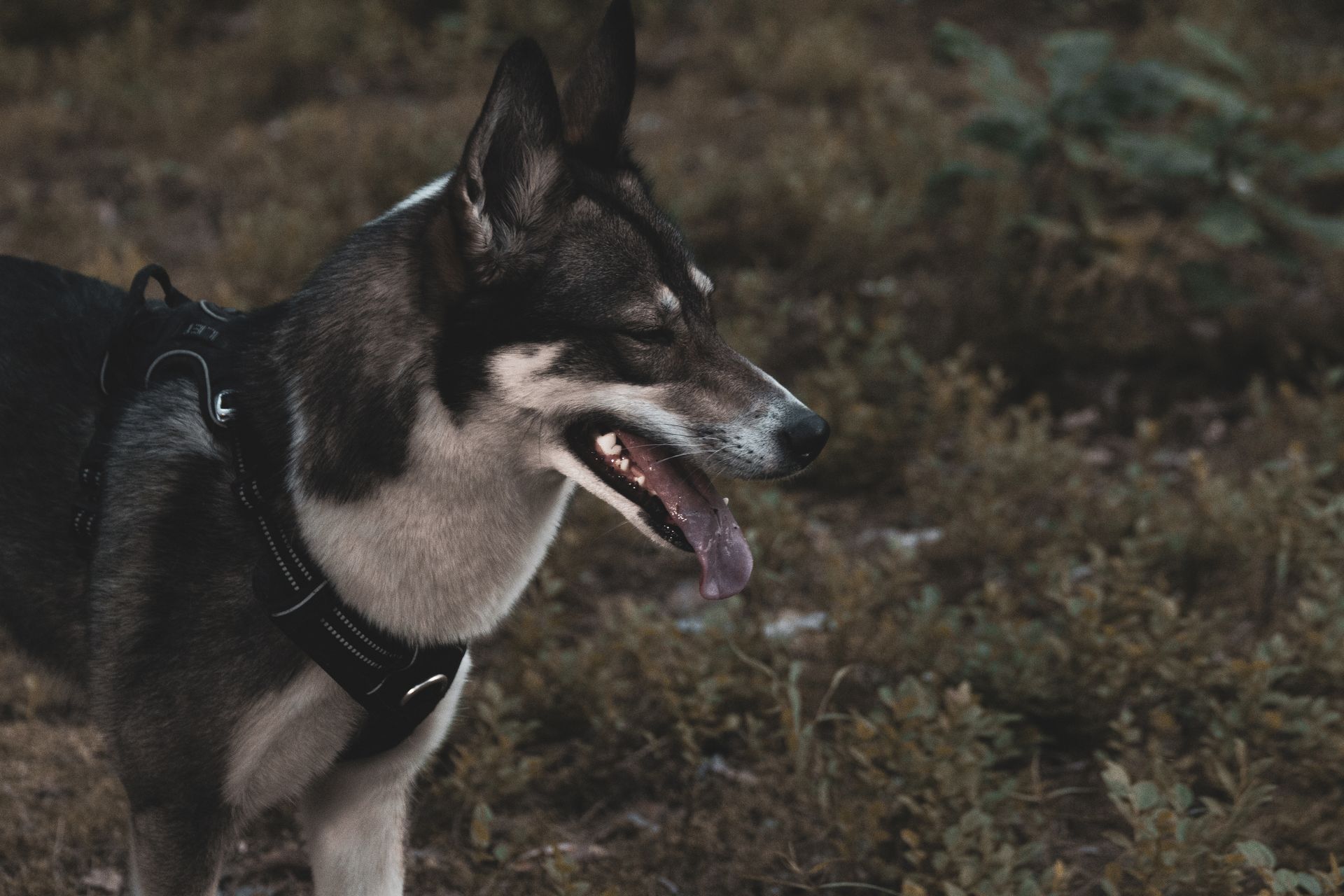
The East Siberian Laika has a distinctive wedge-shaped head.
Their dark, oval eyes are a striking feature.
Males typically measure between 55 to 66 centimeters in length, while females are slightly smaller at 51 to 60 centimeters.
The breed comes in a wide range of colors, including black, tan, white, grey, red, and brown, with light patches known as "karamis".
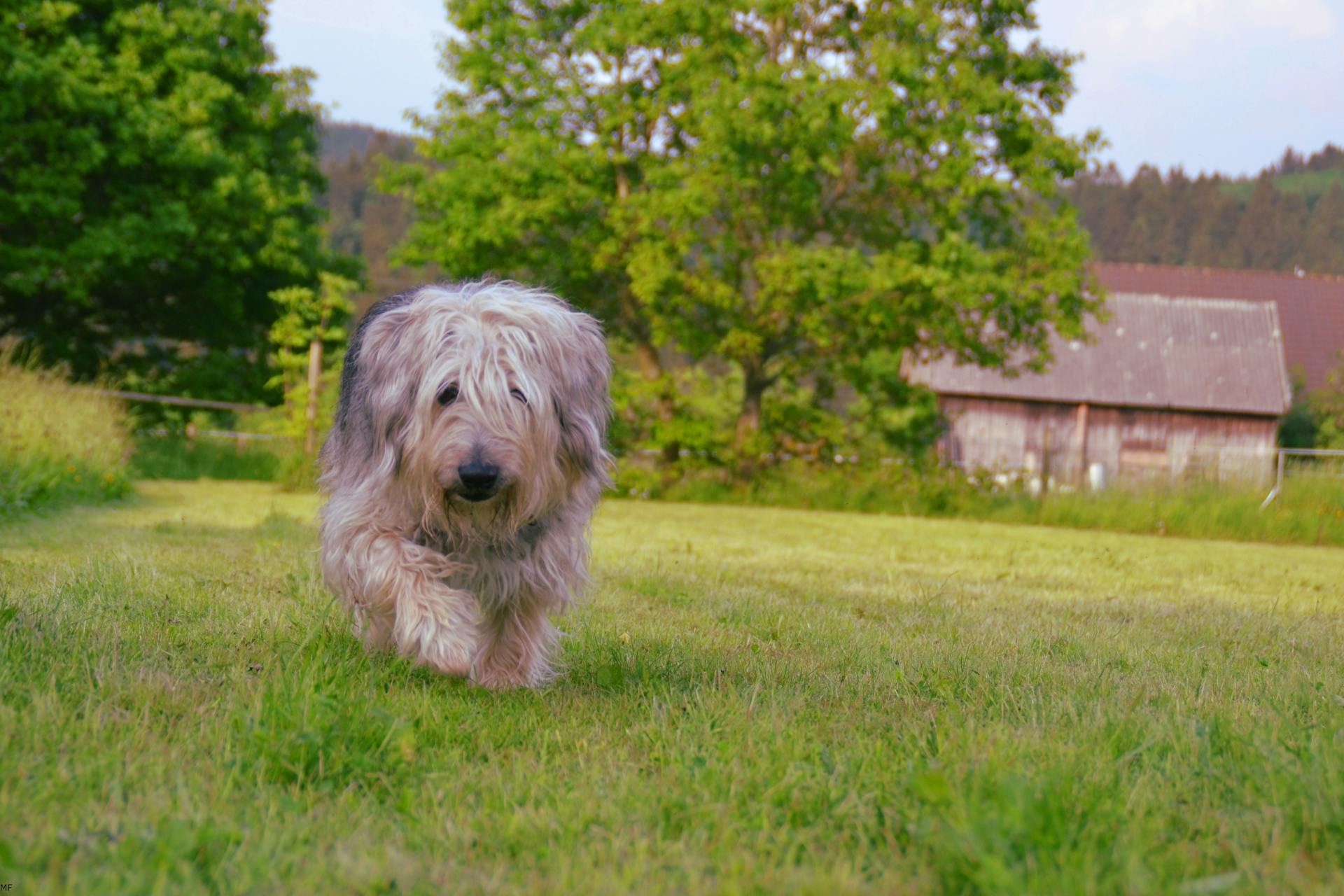
Their coat is a medium-length double coat, consisting of a coarse, straight outer coat and a soft, dense undercoat.
The East-Siberian Laika is the largest of the Russian Laika breeds, with a robust bone structure and a square or slightly rectangular body.
Their ears are erect and triangular, while their tail is carried in a curve over the back.
The fur forms a collar around the neck and shoulders, and male dogs have a distinctive mane over the withers.
Standard colors include salt and pepper, white, grey, black, red, and brown, with some coats featuring patches and ticking.
Character and Behavior
The Siberian Laika dog is a loyal companion and a skilled hunter. They are very affectionate and devoted to their master.
Their attitude towards strangers varies, with some barking and then wagging their tails, while others may be aloof and suspicious. This behavior can make them excellent guard dogs.
Male Siberian Laikas can be protective of their family and property, but this doesn't mean they're typically aggressive towards humans. In fact, malevolence towards humans is not typical for the breed.
However, they can be aggressive towards other dogs of the same sex that approach their territory. This is why it's essential to socialize them properly to prevent any conflicts.
Some Siberian Laikas may take time to adjust to a new home and owner, but with patience and love, they can become a loving and loyal companion.
A unique perspective: Aggressive Rhodesian Ridgeback
History and Care
The Siberian Laika dog has a rich history that dates back thousands of years. They were originally bred by the indigenous people of Siberia to hunt and track small and large game.
Their ancestors were wolves, which is evident in their physical characteristics and hunting abilities. They were highly valued for their skills and were often given as gifts to royalty.
To care for a Siberian Laika, it's essential to provide them with regular exercise and mental stimulation. They require at least an hour of exercise per day, which can include running, hiking, or playing fetch.
Their thick coats require regular grooming to prevent matting and tangling. They shed heavily during shedding season, which can be managed with regular brushing and grooming sessions.
East History
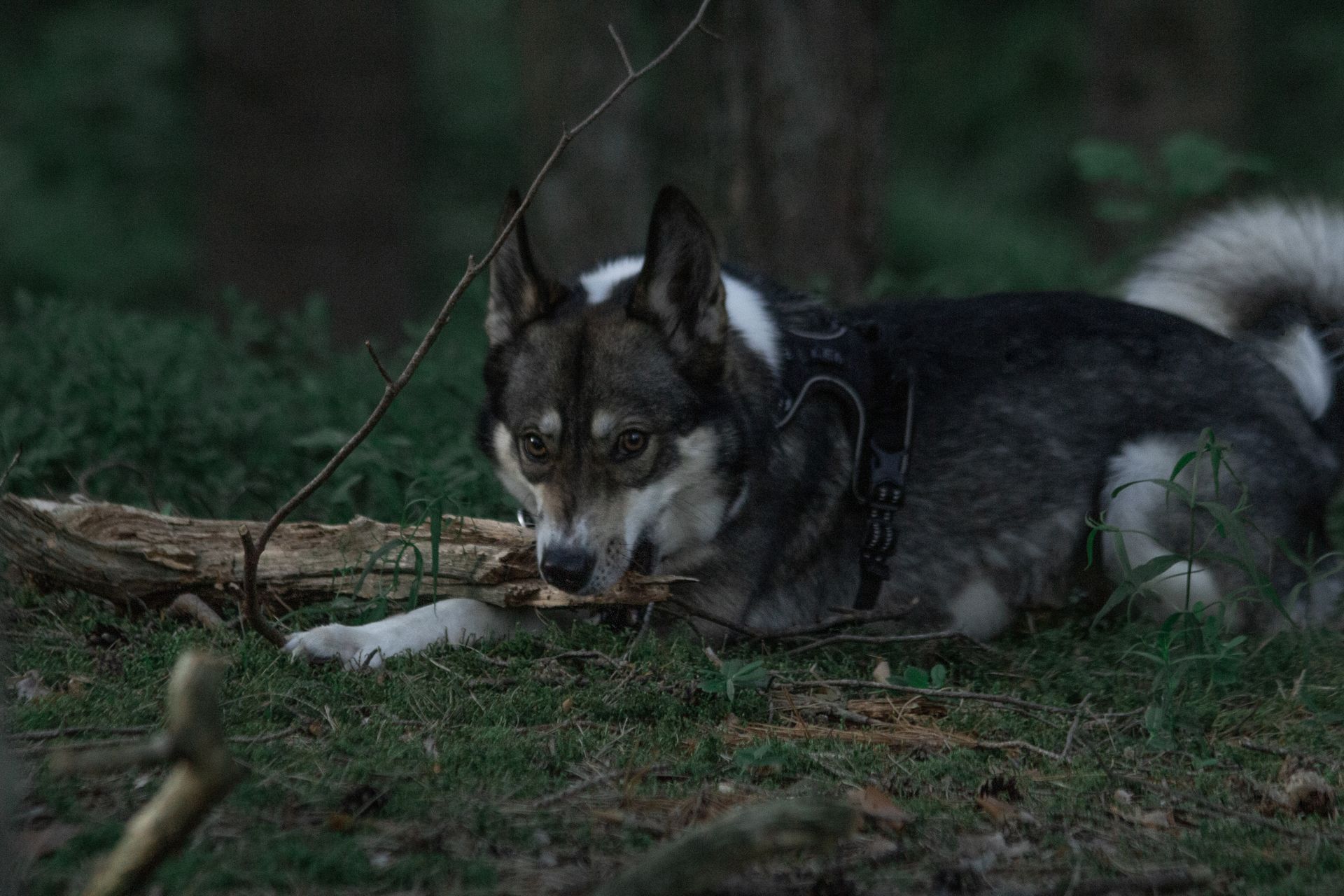
The East Siberian Laika originated from the eastern part of Siberia, east of the Jenisej river. They're a part of the Spitz family of dogs, which is closely related to wolves.
These dogs are incredibly versatile and were used by Siberian hunters to hunt a wide variety of prey. They even hunted big game like Siberian tigers before it was outlawed.
The East Siberian Laika's ability to bark and alert the hunter when they locate game is how they got their name. The Russian word "laika" is derived from the verb "layat", which means "barker."
A fresh viewpoint: East European Shepherd
East Care
East Care has a long history of providing quality care to its residents. It was established in the 1950s as a small community home, with a focus on meeting the unique needs of each individual.
One of the key aspects of East Care's care model is its emphasis on person-centered care. This approach prioritizes the needs, preferences, and goals of each resident, rather than a one-size-fits-all approach.
Broaden your view: East Siberian Laika
East Care's staff are trained to provide a high level of support and care to residents with complex needs. They work closely with each resident to develop personalized care plans that take into account their physical, emotional, and social needs.
East Care's commitment to quality care is reflected in its high staff-to-resident ratio. This allows staff to provide individualized attention and support to each resident, rather than feeling overwhelmed by large numbers.
East Care's focus on community integration is another key aspect of its care model. Residents are encouraged to participate in community activities and outings, which helps to promote social interaction and a sense of belonging.
If this caught your attention, see: Emotional Support Dogs vs Service Dogs
Nutrition
When caring for your East-Siberian Laika, it's essential to provide a high-quality diet tailored to their activity level, medium size, and life stage. East-Siberian Laikas thrive on a well-formulated diet.
Monitoring your dog's food intake is crucial to maintaining a healthy weight. Treats should make up no more than 10% of a dog's calories.
Grooming
Laikas are naturally clean dogs that don't produce much smell, but their thick coats need regular brushing to remove loose hair and prevent mats and tangles.
Brushing your Laika once or twice a week with a pin brush is usually enough, except during seasonal shedding periods when daily brushing is necessary.
Regular nail trims are a must to keep your Laika's nails from getting too long.
Ear cleanings should be done regularly to prevent infections and keep your Laika's ears clean.
Daily teeth brushing is also essential to keep your Laika's teeth and gums healthy.
If this caught your attention, see: Food for Dogs with No Teeth
Breed Information
The East Siberian Laika is a versatile breed, but if you're looking to confirm your dog's heritage, check out Wisdom Panel's DNA tests.
This breed is part of the Spitz family, known for their distinctive physical characteristics and hunting abilities.
If you're interested in discovering more about your dog's ancestry, DNA tests can provide a wealth of information.
The East Siberian Laika is a medium-sized dog with a thick double coat, well-suited for the harsh Siberian climate.
Height
The Siberian Laika dog is a medium-sized breed.
Their height at the withers is a notable characteristic, with males ranging from 21 to 23.5 inches tall.
Males are slightly taller than females, who typically stand between 20.5 to 23 inches.
Frequently Asked Questions
Is a West Siberian Laika a husky?
The West Siberian Laika is a cousin breed of the Siberian Husky, but it's a distinct breed with its own unique characteristics. While related to Huskies, the Laika has its own set of traits and characteristics worth exploring.
Are West Siberian Laikas rare?
Yes, West Siberian Laikas are extremely rare, with fewer than 200 in the United States. Their unique breed and limited population make them a fascinating and exclusive companion.
Featured Images: pexels.com