Siberian Huskies are a breed of dog that originated in Siberia, where they were bred by the Chukchi people to pull sleds and hunt small game.
They are highly energetic dogs that require regular exercise to stay happy and healthy.
Their thick double coat is one of their most distinctive features, with a soft undercoat and a coarser outer coat that sheds heavily in the spring and fall.
Siberian Huskies are known for their intelligence and trainability, but can be stubborn at times.
Their howling is a common trait, and they often use it to communicate with their pack and other dogs.
Physical Characteristics
Siberian Huskies have a unique appearance that's both striking and practical for their Arctic origins. They have a double coat, with a dense undercoat and a longer topcoat of guard hairs.
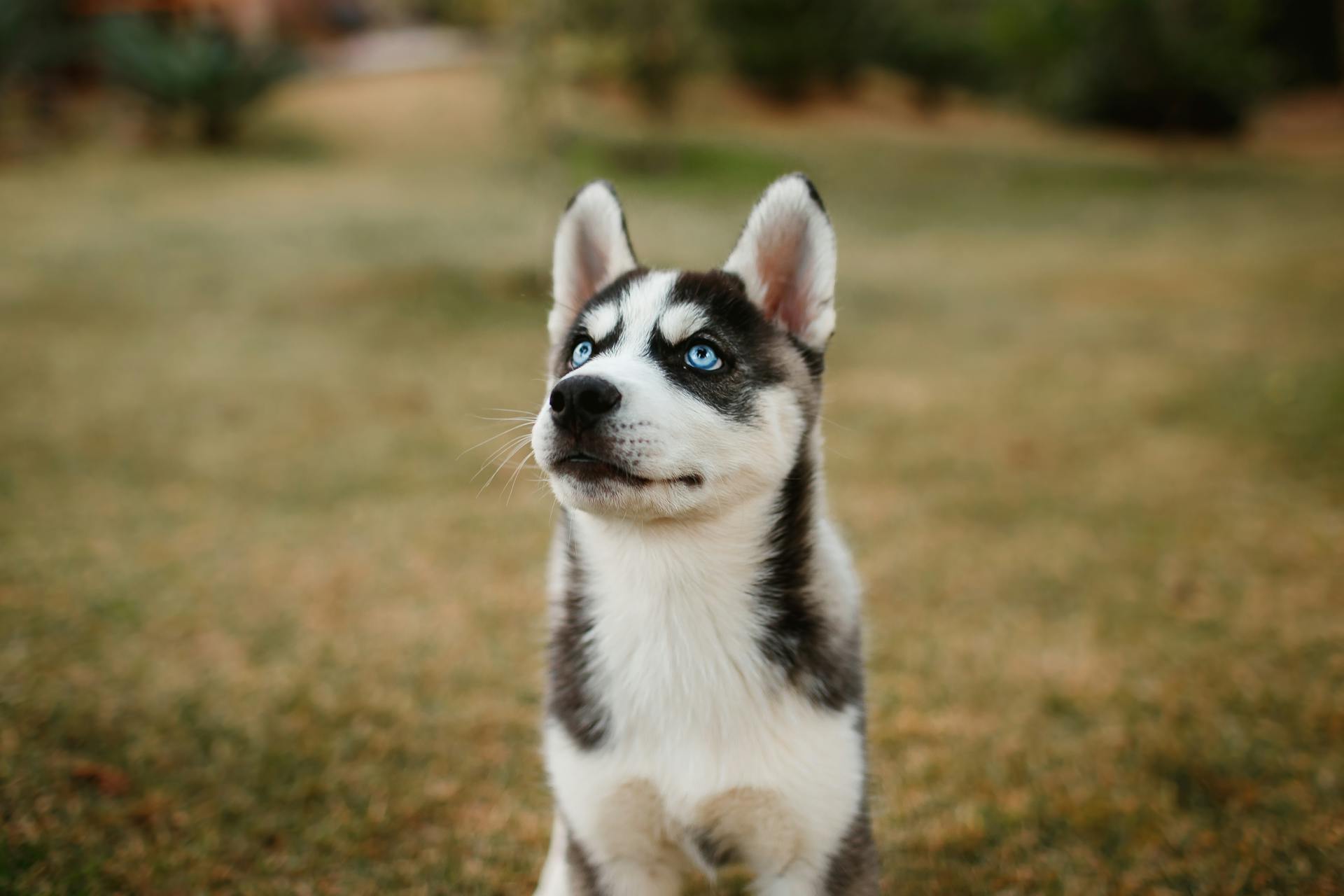
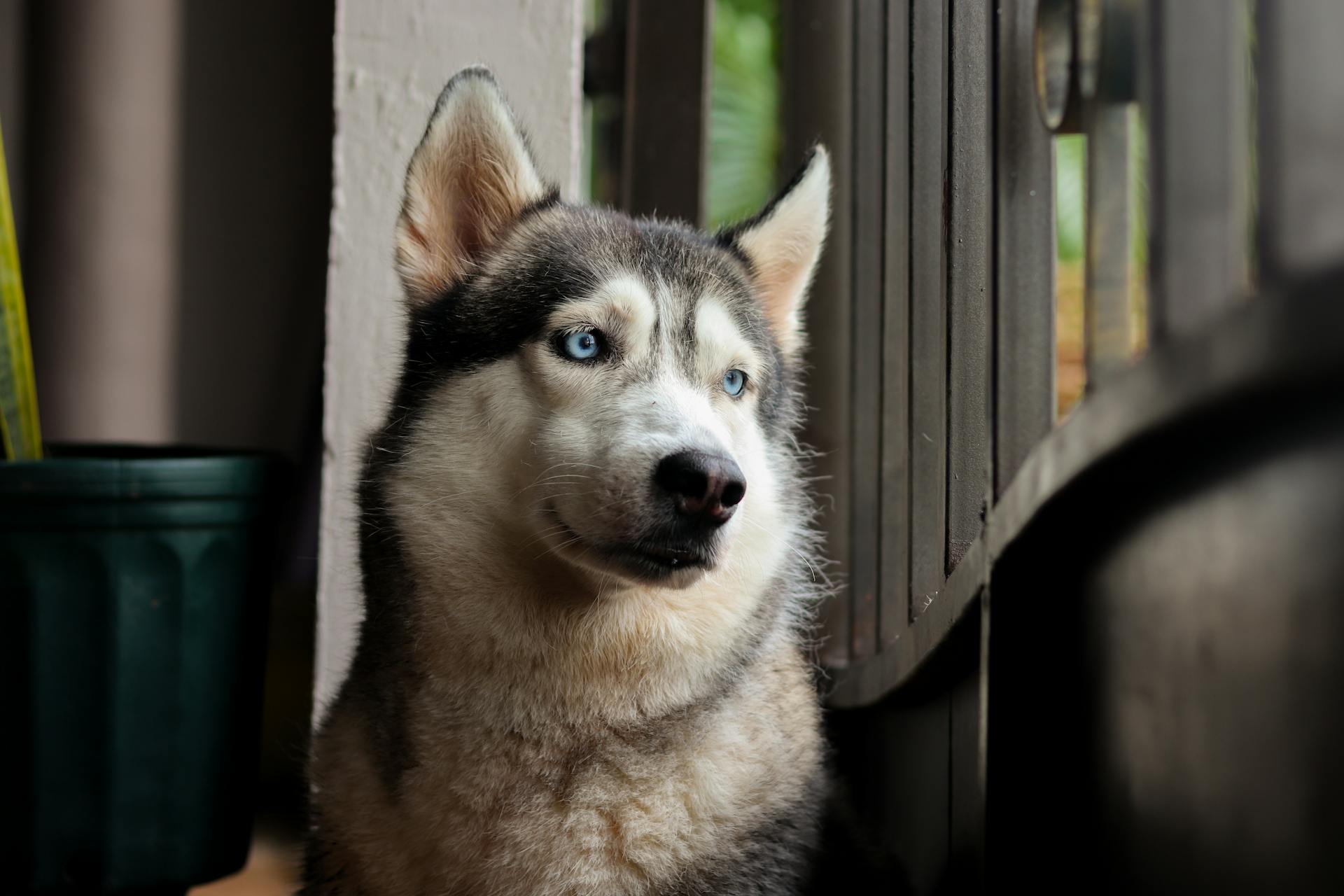
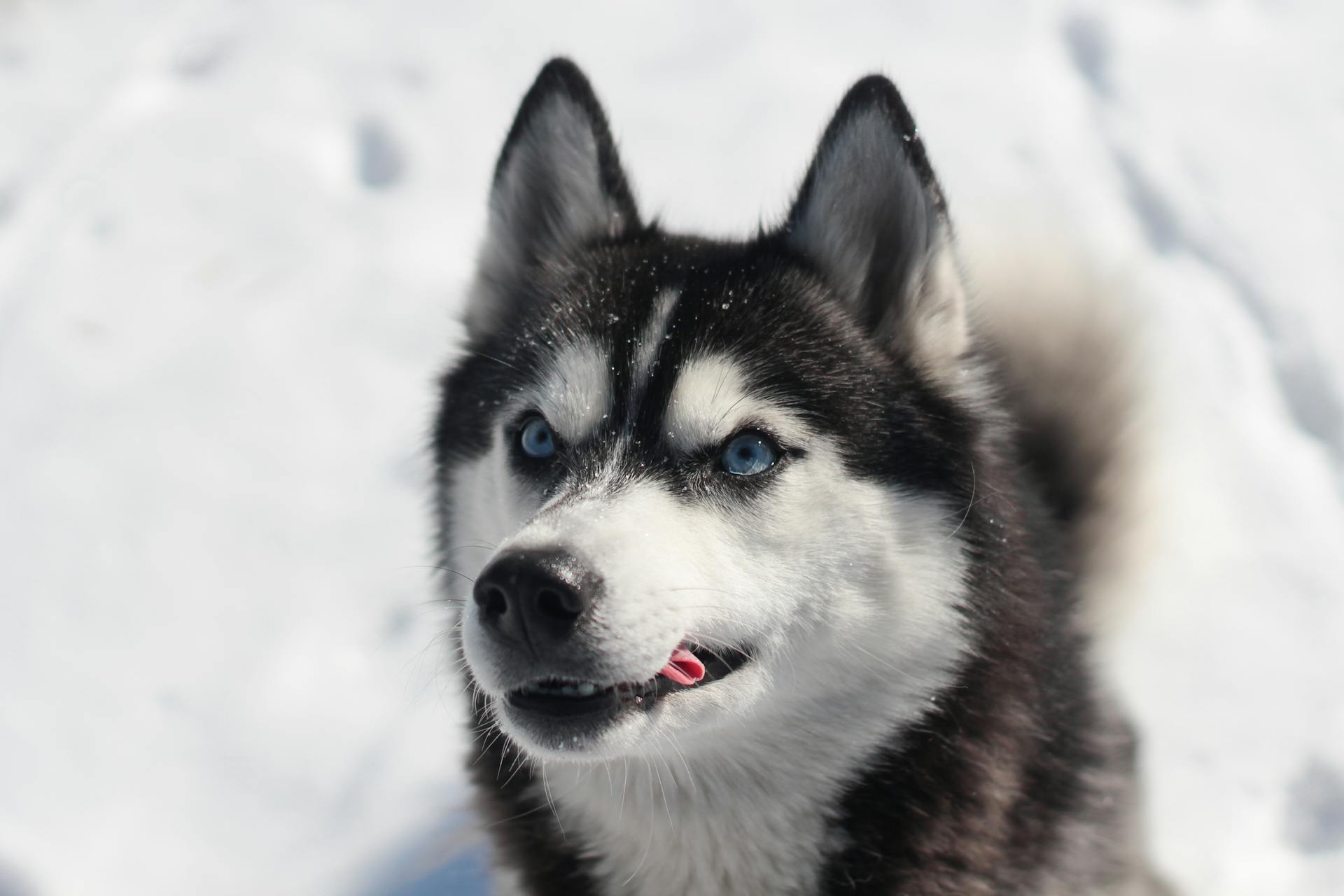
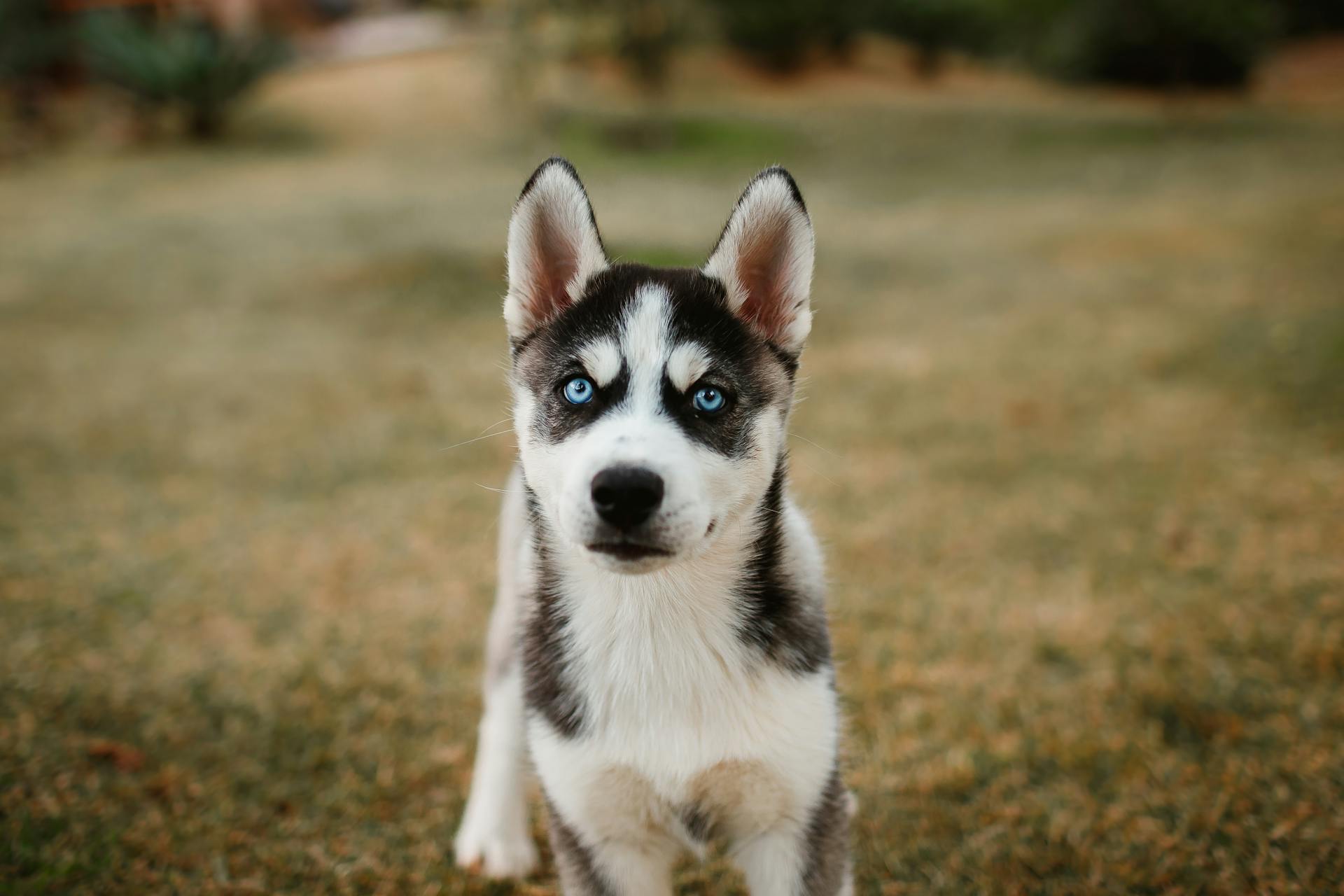
Their coats can be a variety of colors and patterns, including black and white, copper-red and white, and pure white. Some Huskies even have striking blue eyes.
Siberian Huskies typically stand between 20 and 24 inches tall at the withers, with males weighing between 45 and 60 pounds and females weighing between 35 and 50 pounds.
Coat Types and Colors
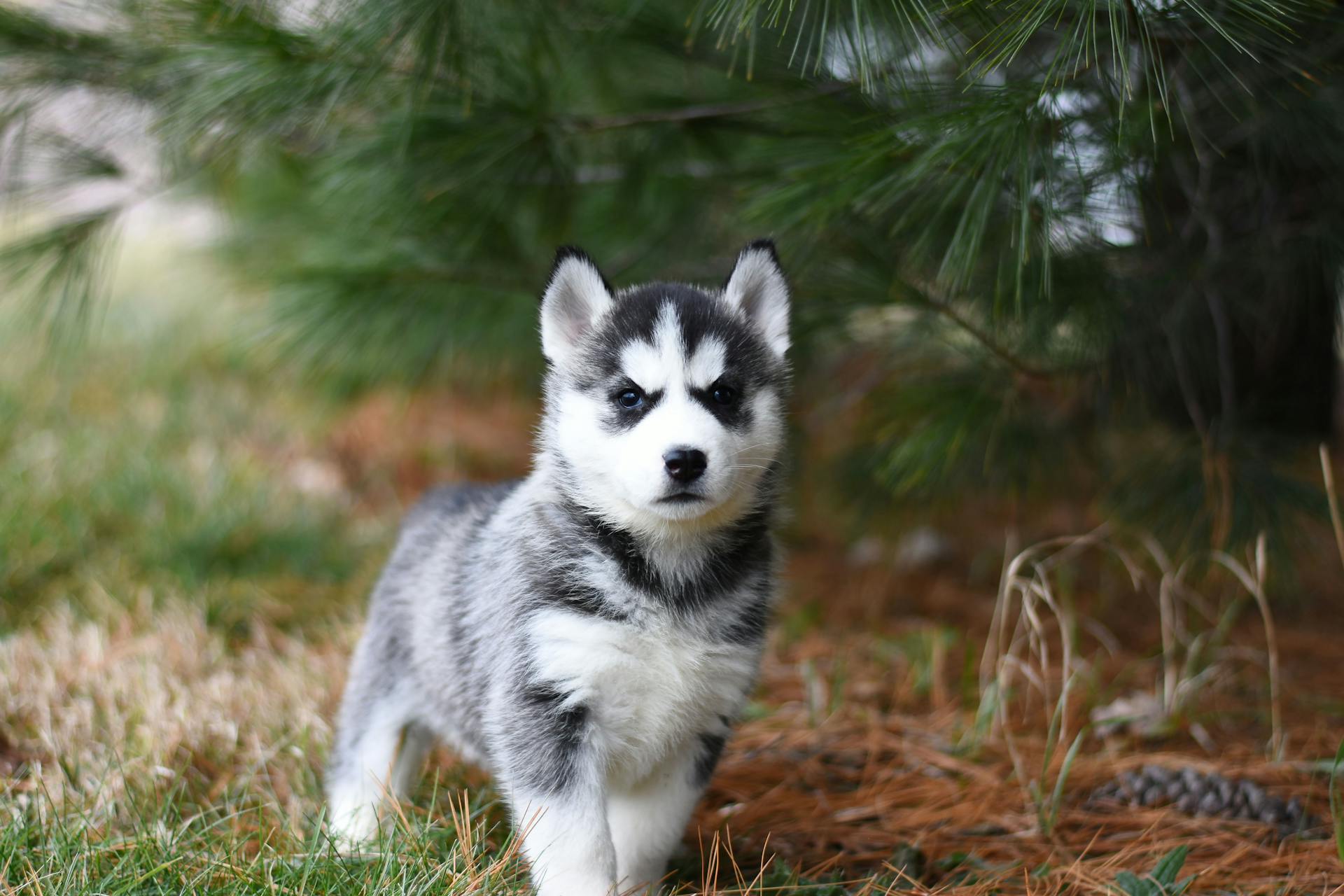
Siberian Huskies have a unique coat that's thicker than most other dog breeds, consisting of two layers: a dense undercoat and a longer topcoat of short, straight guard hairs.
Their thick coats require regular grooming, with weekly sessions being essential to prevent matting and tangling. I've seen many Husky owners struggle with matting, especially during shedding season!
The undercoat is often absent during shedding, leaving the topcoat to protect the dog from harsh temperatures. Siberian Huskies can withstand temperatures as low as -50 to -60 °C (-58 to -76 °F), making them well-suited for Arctic climates.
Their coats also reflect heat in the summer, helping to keep them cool. I've observed Huskies in warmer climates that still manage to stay relatively cool, despite the heat.
Siberian Huskies come in a wide variety of colors and patterns, including black and white, copper-red and white, grey and white, pure white, and the rare "agouti" coat. Some individuals also have striking masks, spectacles, and other facial markings.
Merle coat patterns are not allowed by some kennel clubs, like the American Kennel Club (AKC) and The Kennel Club (KC), due to potential health issues and impure breeding.
A fresh viewpoint: American Kennel Club Lancashire Heeler
Nose
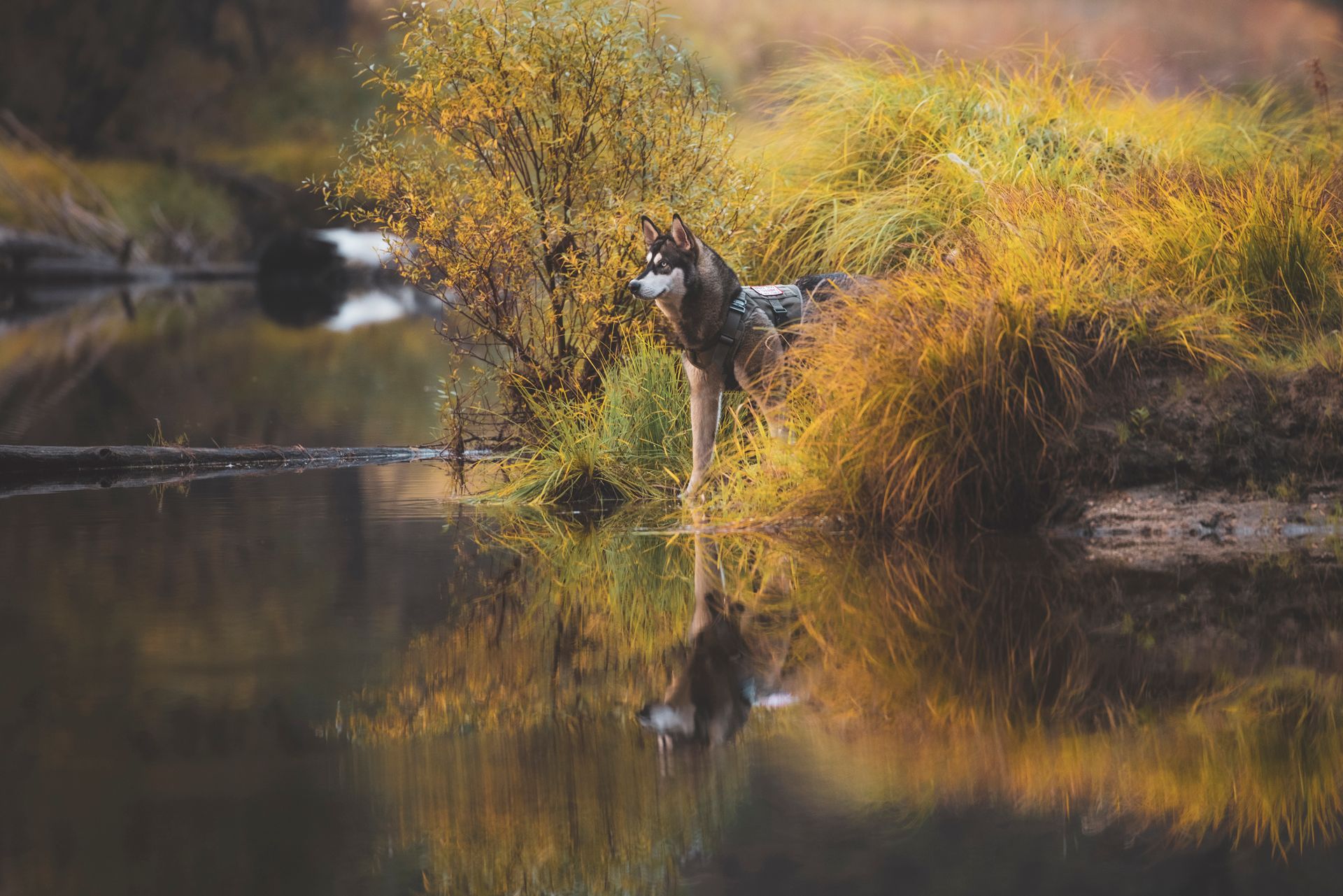
The nose of a Siberian Husky is a distinctive feature. It's usually black in gray dogs, tan in black dogs, and liver in copper-colored dogs.
In some cases, the nose can be light tan in white dogs. Snow nose or winter nose is a condition where the nose loses its pigment, and it's actually acceptable in the show ring.
Tail
The Siberian Husky's tail is one of its most distinctive features. It's heavily furred, which helps to keep the dog warm in cold temperatures.
Siberian Huskies will often curl up with their tails over their faces and noses to provide extra warmth, a behavior known as the "Siberian Swirl". This is especially common when they're sleeping.
Their tail should be expressive, held low when the dog is relaxed, and curved upward in a "sickle" shape when excited or interested in something.
Size
Siberian Huskies are a medium-sized breed, standing between 19 and 24 inches tall at the withers.
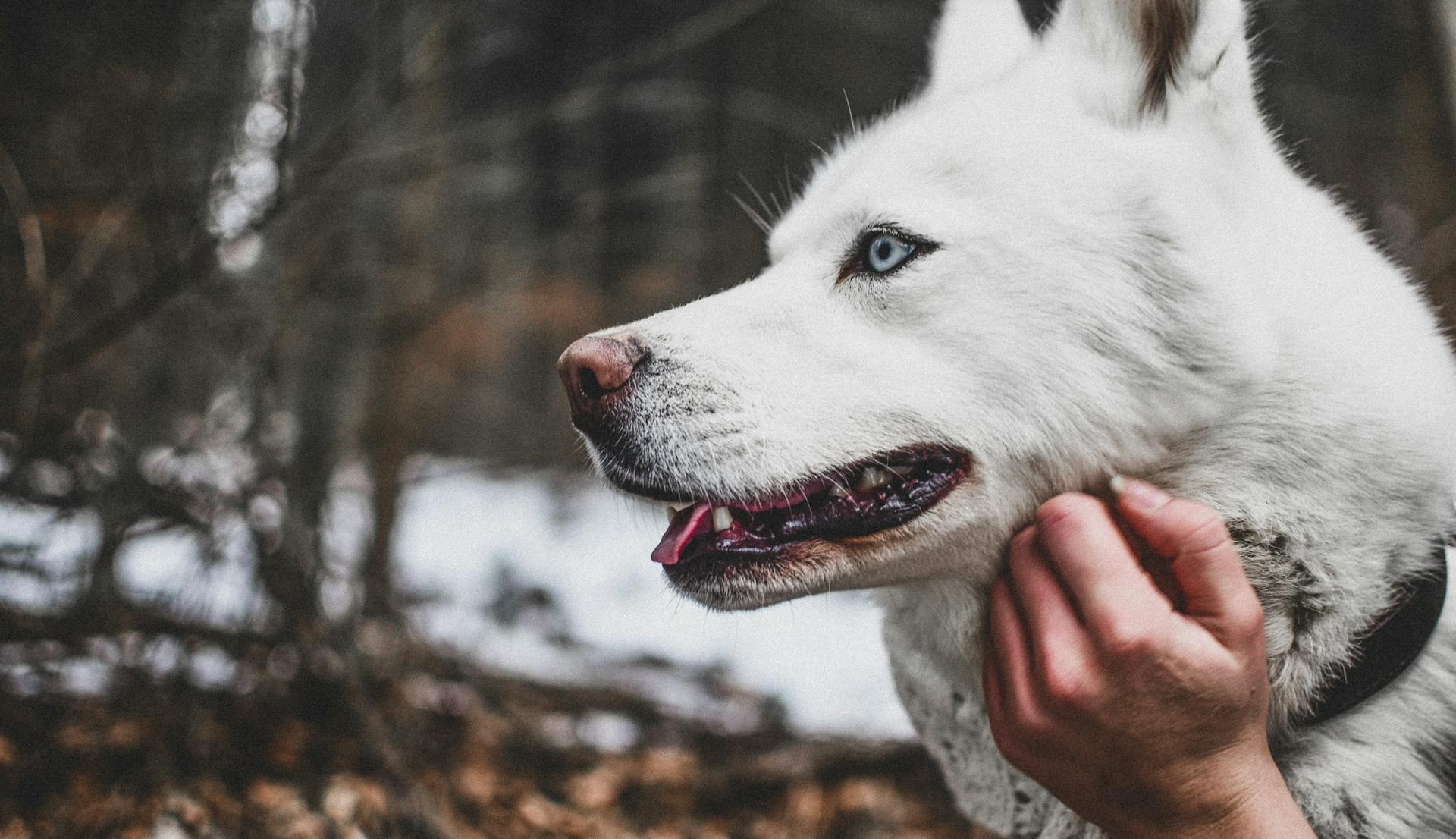
Females are generally smaller than males, weighing between 35 and 50 pounds.
Males, on the other hand, can weigh between 45 and 60 pounds.
They come in a range of sizes, with males ideally between 20 and 24 inches tall, and females slightly smaller at 19 to 23 inches tall.
The people of Nome referred to Siberian Huskies as "Siberian Rats" due to their relatively small size of 40–50 lb (18–23 kg), compared to other breeds.
Expand your knowledge: 50 Breeds of Dogs
Behavior and Temperament
Siberian Huskies are known for their unique behavior and temperament. They howl instead of barking and have been described as escape artists, capable of digging under, chewing through, or jumping over fences.
A 6 ft (1.83 m) fence is recommended for this breed as a pet, but some Huskies have been known to overcome fences as high as 8 ft (2.44 m). Electric pet fencing may not be effective.
Siberian Huskies are highly social and need the frequent companionship of people and other dogs. They have a strong need to feel part of a pack and can be destructive if left alone or without proper exercise.
Exercise and Training Needs
- Daily exercise: 15-minute obedience training class
- Training method: Positive reinforcement training program
- Intelligence ranking: 54th in Stanley Coren's The Intelligence of Dogs (average working/obedience intelligence)
They are strong-willed and may test the limits of their owner's position in the pack, but consistent training and clear leadership can help establish a positive relationship.
Personality and Temperament
Siberian Huskies are pack dogs and need an owner who is the clear leader of the pack. This makes training easier because your dog will respect you.
They can be strong-willed, which may make training a bit of a challenge. However, with consistency and clarity, you can establish your leadership role.
One of the best ways to establish your leadership role is to make your dog wait to eat. They will view you as the keeper of all valuable resources.
Siberian Huskies are social and love to show off their talents. They do not bark, but they do enjoy howling, which can be frustrating for your neighbors.
Unless you have a properly trained and well-exercised Siberian Husky, they do not make ideal pets for apartments. They need space to run and be active with family members.
Take a look at this: Can Shiba Inu Hit 1 Cent
To prevent destructive behaviors, provide your Husky with lots of mental stimulation and activity. Bored Huskies have a reputation for being destructive indoors, digging holes outside, and escaping yards to run freely.
A 6 ft (1.83 m) fence is recommended for this breed as a pet to prevent the Husky from escaping. However, some Huskies have been known to overcome fences as high as 8 ft (2.44 m).
Here are some key traits to consider when bringing a Siberian Husky into your family:
- Strong-willed and may require consistent training
- Need regular exercise and mental stimulation
- May be destructive if left alone or bored
- Need a clear leader and consistent boundaries
- May not make ideal pets for apartments
Environment
Huskies are naturally more comfortable in cooler temperatures, so if you live in a warm climate, be prepared to provide extra cooling measures for your pup.
They require ample outdoor space and tons of interaction with you, so if you're away from home for parts of the day, consider crate training your puppy to give them a safe "den" to relax in.
A bored Husky will look for things to do, and often that takes the form of "demolition duty", destroying your furniture or other things in the home while you're away.
Here's an interesting read: In Home Dog Boarding
They do better with dogs around their same size and older children who understand how to play calmly.
Huskies love the company of other dogs and people and prefer companionship most of the day, so if you're considering getting one, make sure you have plenty of social opportunities lined up for them.
Enforcing borders is crucial, as these escape artists love to roam, so if you have a backyard, it needs to be enclosed with a very tall, very stable fence.
Health and Care
Siberian Huskies are generally healthy, but like all breeds, they're prone to certain health conditions. Not all Huskies will get any or all of these diseases, but it's essential to be aware of them.
You should expect to see health clearances from reputable breeders for conditions such as hip dysplasia, elbow dysplasia, hypothyroidism, and von Willebrand's disease. These clearances prove that a dog has been tested for and cleared of a particular condition.
You might enjoy: Hip Dysplasia Bernese Mountain Dog
To stay on top of your Husky's health, it's crucial to have a pet insurance plan in place. This will help you prepare for any veterinary needs that may arise throughout your dog's life.
Here are some common health issues that can affect Siberian Huskies:
- Cataracts: A cataract is an opacity in the lens of the eye that causes difficulty seeing.
- Corneal Dystrophy: This condition affects the eyeball's cornea or outer transparent portion, causing an opacity.
- Progressive Retinal Atrophy (PRA): This degenerative eye disorder eventually causes blindness from the loss of photoreceptors at the back of the eye.
- Von Willebrand Disease (vWD): This is a bleeding disorder caused by a deficiency in the protein needed for blood to clot.
- Hip Dysplasia: Hip dysplasia is due to an often-genetic deformity of the hip socket, causing signs such as limping, inability or lack of desire to jump, and pain.
- Autoimmune Skin Disease: This skin disease is called pemphigus foliaceus and is common in Siberian Huskies, beginning at around 4 years old.
- Epilepsy: Epilepsy is often an inherited seizure disorder and tends to show up when the Husky is between 6 months and 5 years old.
- Hypothyroidism: This endocrine disorder occurs when the thyroid gland is not producing enough thyroid hormone, causing symptoms such as weight gain, hair loss, and lethargy.
Health
Siberian Huskies are generally healthy dogs, but like all breeds, they can be prone to certain health conditions. You should expect to see health clearances from reputable breeders for conditions such as hip dysplasia, elbow dysplasia, hypothyroidism, and von Willebrand's disease.
A cataract is an opacity in the lens of the eye that causes difficulty seeing, and it usually occurs in old age. Cataracts can sometimes be surgically removed to improve the dog's vision.
Some common eye health problems in Huskies include cataracts, corneal dystrophy, and progressive retinal atrophy (PRA). PRA is a degenerative eye disorder that eventually causes blindness, but dogs can use their other senses to compensate for blindness.

Hip dysplasia is a common condition in Siberian Huskies, where the hip joint doesn't develop properly, resulting in a loose joint that leads to arthritis. Common symptoms of hip dysplasia include limping on one or both hind limbs, difficulty sitting, and struggling when squatting to urinate or defecate.
Von Willebrand disease (vWD) is a bleeding disorder caused by a deficiency in the protein needed for blood to clot. Signs of vWD don't always show up until a dog experiences prolonged bleeding, and dogs with this condition may need a blood transfusion with routine surgery.
Huskies can also be prone to autoimmune skin disease, epilepsy, and hypothyroidism. Autoimmune skin disease, also known as pemphigus foliaceus, can lead to hair loss on the ears, nose, and footpads, and crusts can form on some dogs. Epilepsy is an inherited seizure disorder that tends to show up when the Husky is between 6 months and 5 years old. Hypothyroidism occurs when the thyroid gland is not producing enough thyroid hormone, leading to symptoms such as weight gain, hair loss, and lethargy.
Here are some common health issues to be aware of in Siberian Huskies:
- Cataracts
- Corneal dystrophy
- Progressive retinal atrophy (PRA)
- Hip dysplasia
- Von Willebrand disease (vWD)
- Autoimmune skin disease
- Epilepsy
- Hypothyroidism
Care
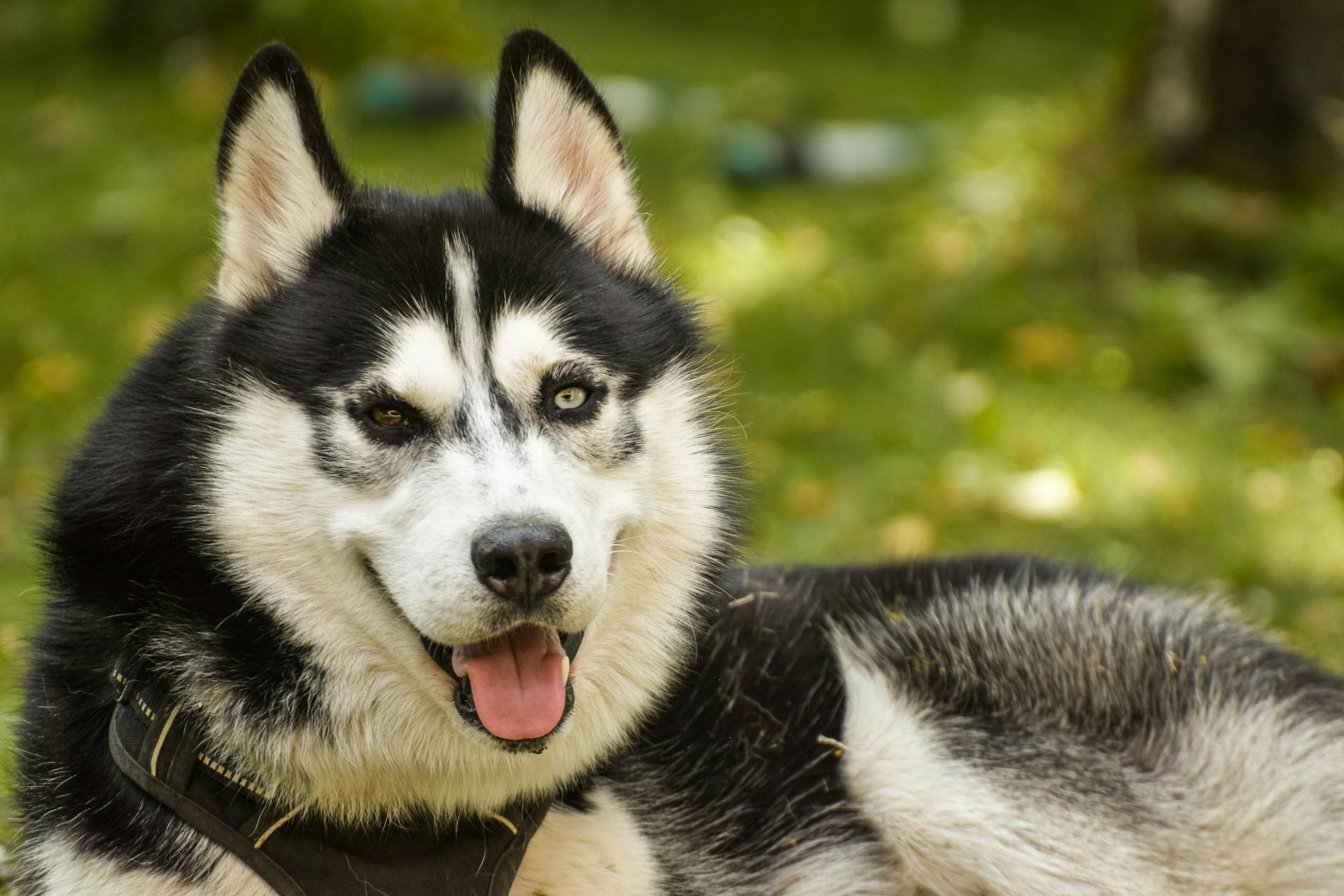
Siberian Huskies need a lot of exercise to stay happy and healthy, with a daily requirement of 30 to 60 minutes. They make great jogging companions, but should never be exercised in hot weather.
To keep your Siberian Husky out of trouble, it's essential to provide them with mental stimulation through training and brain engagement. Consistent training from an early age is crucial, and socialization with people and other animals is also important.
Siberian Huskies have a thick double coat that sheds twice a year, so regular brushing is necessary to remove the loose undercoat and distribute oils evenly across the skin. A rake-style brush is ideal for this task.
To prevent boredom and destructive behavior, Siberian Huskies need space to roam and plenty of physical activity. A small, secure backyard can be sufficient, but they should not be left off-leash in an unfenced area.
Here are some potential health issues to be aware of:
- Ocular Issues: Huskies can have eye health problems, including Von Willebrand Disease, Hip Dysplasia, Autoimmune Skin Disease, Epilepsy, and Hypothyroidism.
- Von Willebrand Disease: This is a bleeding disorder caused by a deficiency in the protein needed for blood to clot.
- Hip Dysplasia: This is a deformity of the hip socket that can lead to limping, pain, and difficulty jumping.
- Autoimmune Skin Disease: This skin disease is common in Siberian Huskies and can lead to hair loss, crusts, and infection.
- Epilepsy: Epilepsy is an inherited seizure disorder that can start showing up between 6 months and 5 years old.
- Hypothyroidism: This endocrine disorder occurs when the thyroid gland is not producing enough thyroid hormone, leading to weight gain, hair loss, and lethargy.
Siberian Huskies are "easy keepers" and require a relatively small amount of food for their size, with a recommended daily amount of 1.5 to 2 cups of high-quality dry food per day.
Grooming and Maintenance
Siberian Huskies have a very thick coat that sheds heavily, so regular grooming is essential to prevent your house from becoming covered in fluff.
You'll want to brush your Husky with a pin brush three to five times a week to loosen fur and prevent matting. This is especially important during high shedding seasons in the fall and spring, when you may need to brush them daily with an undercoat rake.
Brushing your dog's teeth daily will also help prevent periodontal disease, and a professional cleaning at the vet's office once a year is a good idea. Bathe your Husky quarterly or every other month, or more often if they get dirty or stinky.
Here's a quick rundown of Husky grooming needs:
Their thick coats require weekly grooming to prevent matting and tangling, and to keep them looking their best.
Grooming
Grooming is a crucial part of owning a Siberian Husky. Regular grooming can help minimize shedding and keep your Husky looking and feeling their best.
To prevent your house from being covered in fluff, brush your Husky with a pin brush three to five times a week. This will help loosen fur during high shedding seasons, such as fall and spring.
Brushing your dog's teeth daily is also essential. Once a year, take them to the vet for a professional cleaning to prevent periodontal disease.
Bathing your Husky is also important, but it doesn't need to be done as frequently as brushing. Bath them quarterly or every other month unless they've rolled in something gross, or you live in warmer weather, and they get stinky fast.
Trim your pup's nails about four times a year. Husky nails don't grow fast, but you'll know it's time when you hear a clickety-clack on hard surfaces.
Here are some key grooming tips to keep in mind:
- Brush with a pin brush three to five times a week.
- Use an undercoat rake every day during high shedding seasons.
- Brush your dog's teeth daily.
- Bathe quarterly or every other month.
- Trim your pup's nails about four times a year.
Regular grooming will not only keep your Husky looking great, but it will also help prevent health issues and keep them comfortable.
Expand your knowledge: Shiba Inu Coin Reach 1 Cent
Pictures
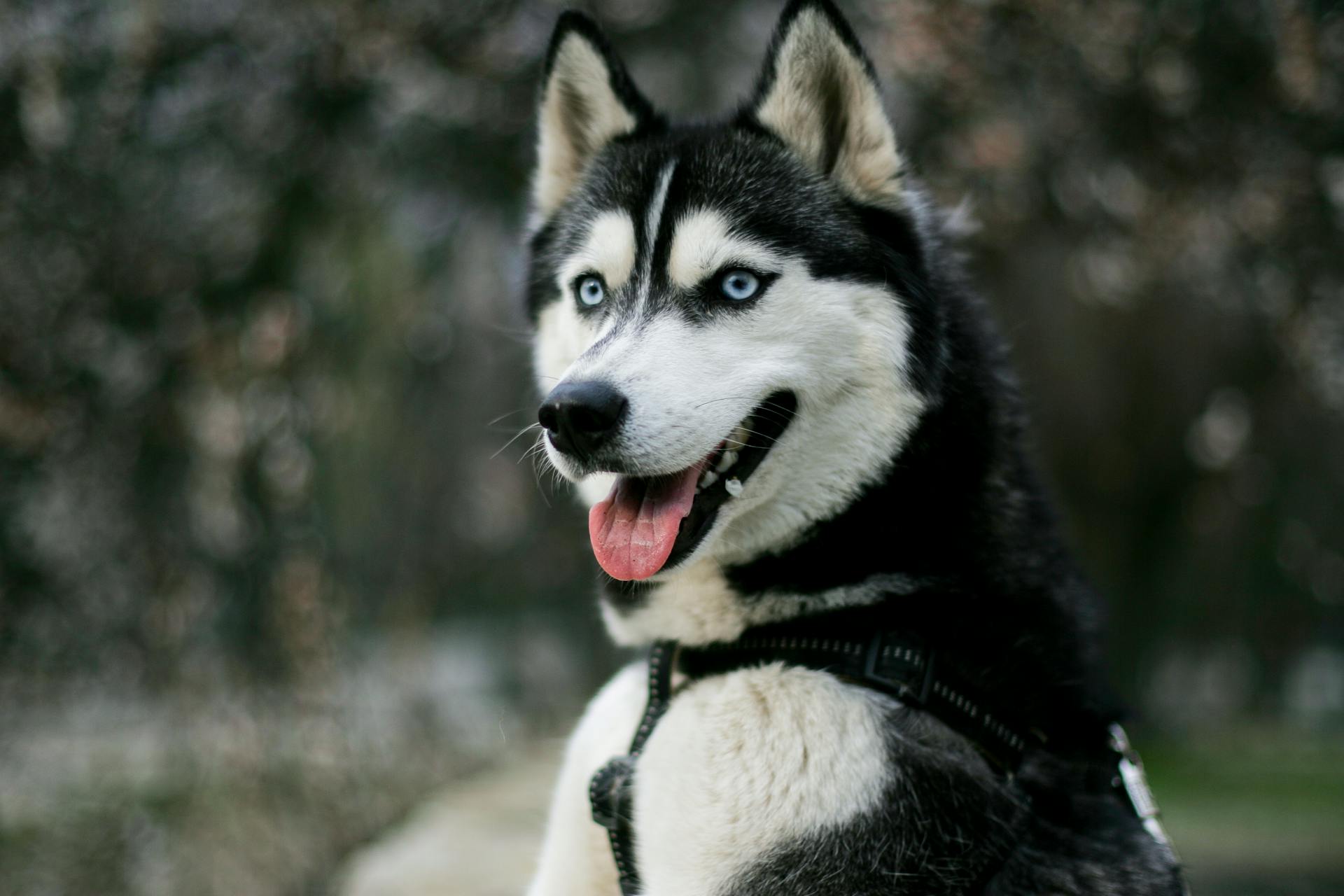
Pictures play a crucial role in grooming and maintenance. A well-taken photo can reveal a lot about your pet's health, from the condition of their coat to any potential skin issues.
Regular grooming sessions can help prevent matting and tangling, making it easier to take a good photo of your pet's coat. For example, a regular brushing routine can prevent mats from forming, which can be painful for your pet.
The angle and lighting of a photo can also make a big difference. Natural light is always the best option, and taking a photo near a window can help capture the true color of your pet's coat.
A clean and well-groomed pet is more likely to sit still for a photo, making it easier to capture a good picture. Regular nail trimming and ear cleaning can help reduce stress and make photo time more enjoyable for both you and your pet.
Training and Activities
Training your Siberian Husky requires consistency and should start as soon as you bring them home. They can be independent, making them more difficult to train than some other breeds.
Huskies need to be leash trained so they don't run off to explore on their own. Training sessions should be short and frequent, with ample positive reinforcement.
Using treats before mealtimes can motivate your pup to work extra hard.
Training
Training your Siberian Husky is crucial to correct unwanted behaviors before they become adults. Training should start as soon as you bring them home and be consistent.
Huskies need to be leash trained so they don't run off to explore on their own. This is especially important for their safety.
Training your Husky can be more challenging due to their independent nature. Consistency is key to overcoming this obstacle.
Using treats before mealtimes can be a great motivator for your pup to work extra hard. This positive reinforcement can make training sessions more enjoyable for both you and your Husky.
Training sessions should be short, frequent, and with ample positive reinforcement. This will help keep your Husky engaged and prevent boredom or frustration.
Fun Activities
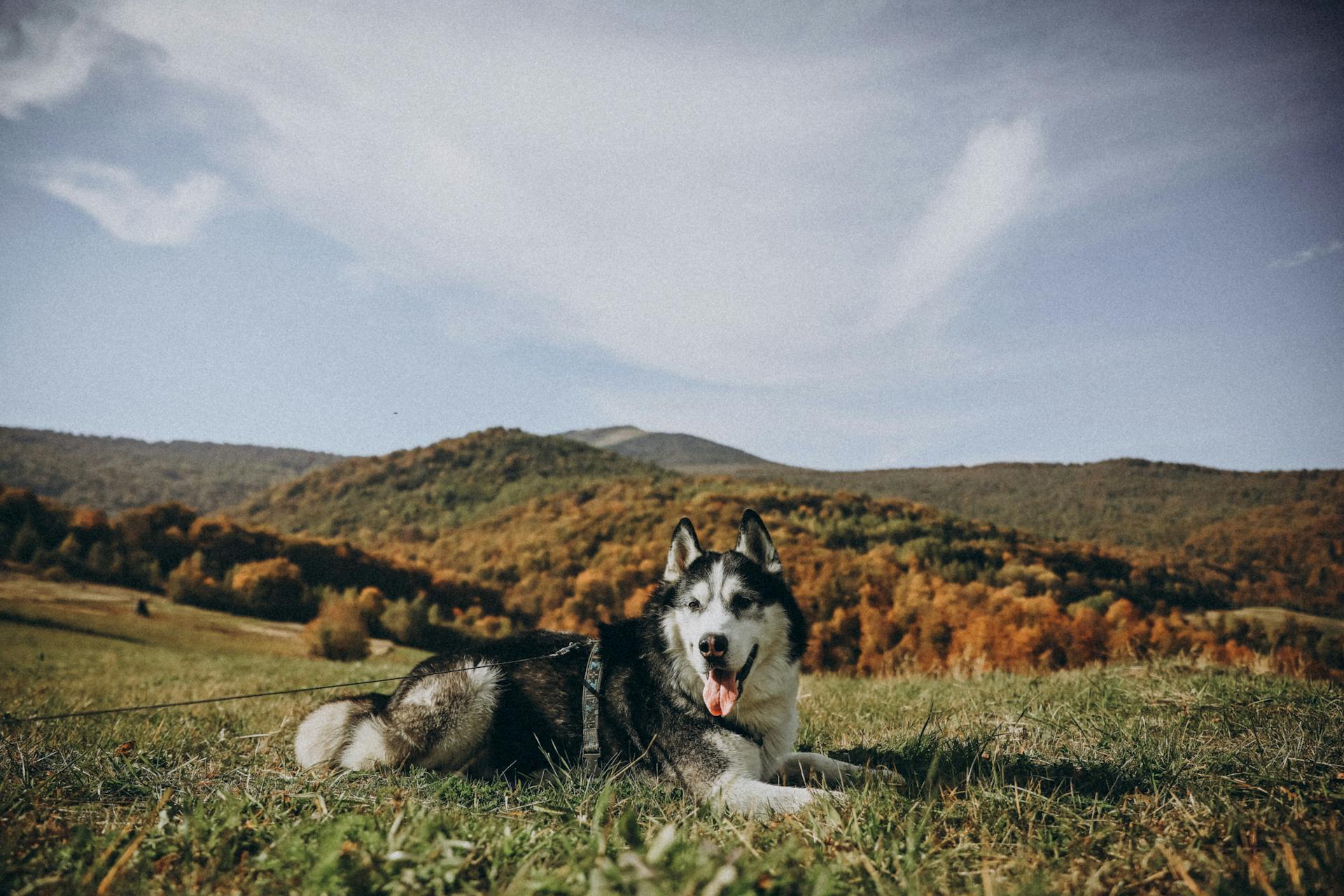
Here's a fun way to learn and grow through engaging activities. You can try online courses that cater to your interests and learning style, just like the ones mentioned in the "Learning Styles" section.
Taking a break from learning is essential, and outdoor activities like hiking and walking can be great stress-relievers. Research shows that spending time in nature can improve your mood and reduce anxiety.
Playing games can be a fun way to challenge yourself and learn new skills, such as problem-solving and strategy. For example, puzzles like Sudoku and chess can improve your critical thinking and analytical skills.
Exercise and sports can be a great way to stay active and healthy, and many sports require teamwork and communication skills. Activities like team sports and group fitness classes can help you meet new people and build relationships.
If you enjoy creative pursuits, consider trying arts and crafts or music classes, which can help you express yourself and tap into your imagination. Many of these activities can be done individually or in groups, making them a great way to meet new people.
For more insights, see: Bull Terrier Fun Facts
Breed Information
Siberian Huskies originated in Siberia, Russia, and were bred by the Chukchi people to pull sleds over long distances. They're known for their strong work ethic and endurance.
These dogs are typically 35-60 pounds for females and 45-70 pounds for males, with a lifespan of 12-14 years. Their thick double coat is designed for cold weather and comes in a variety of colors, including black, white, gray, and red.
Siberian Huskies are friendly and outgoing, with a mischievous streak. They're intelligent, independent, and can be stubborn at times, requiring consistent training and positive reinforcement.
Here are some key characteristics to consider:
- Origin: Siberia, Russia
- Size: 35-60 pounds (females), 45-70 pounds (males)
- Lifespan: 12-14 years
- Coat: Thick double coat, various colors
Breed Information
The Siberian Husky is a breed that originated in Siberia, Russia, and was developed by the Chukchi people to pull sleds over long distances. They were brought to Nome, Alaska in 1908 to serve as working sled dogs.
Siberian Huskies are known for their striking appearance, which includes erect triangular ears, a thick double coat in various colors, and captivating eyes that can be blue, brown, green, or amber. They typically weigh between 35-60 pounds for females and 45-70 pounds for males.
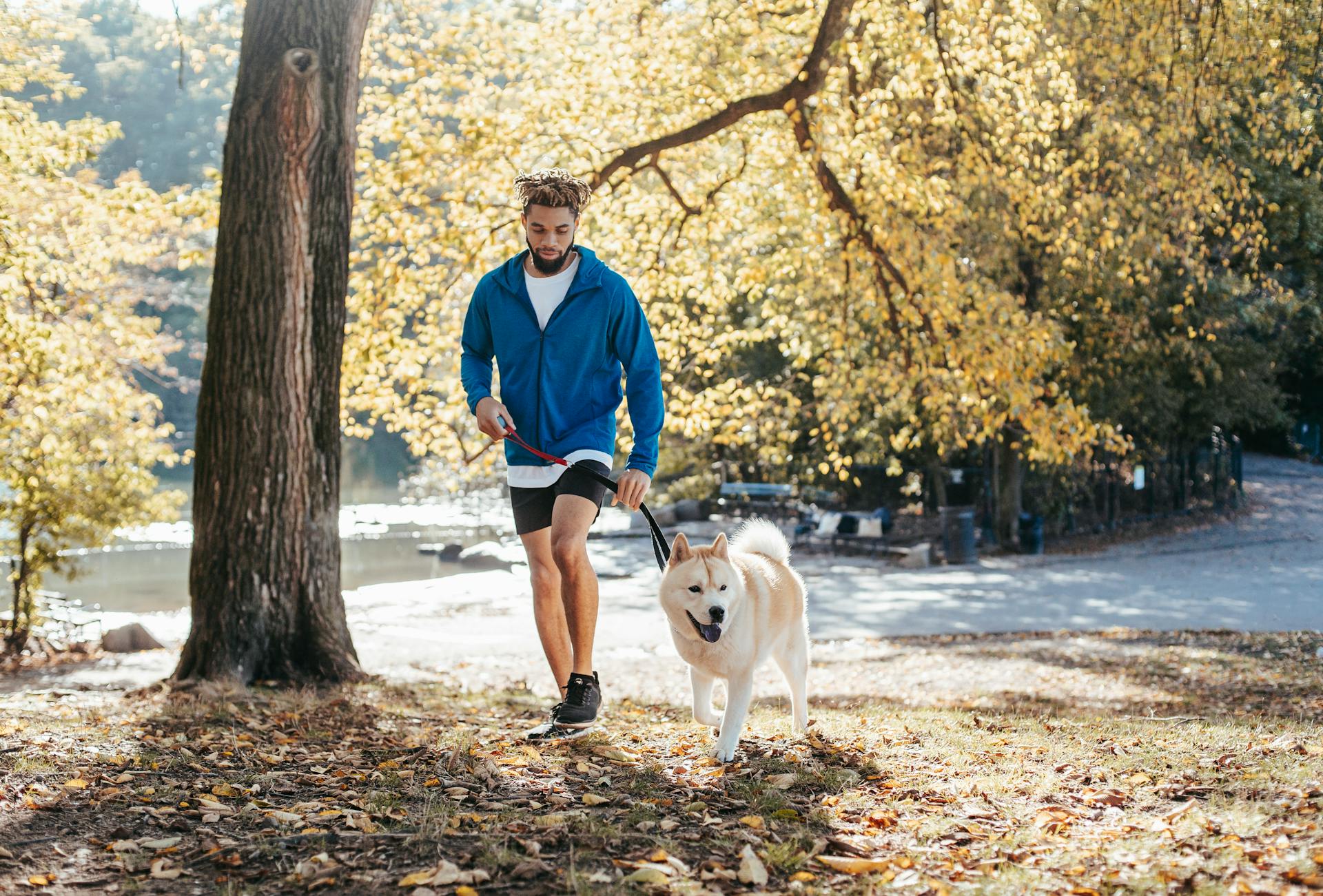
One of the most distinctive features of Siberian Huskies is their vocalizations, including howling, "talking", and other distinctive sounds. They are expressive and known for their communicative nature.
Siberian Huskies are highly energetic and require regular exercise to keep them happy and healthy. Activities like running, hiking, and pulling are ideal for meeting their physical and mental stimulation needs.
A Siberian Husky's lifespan is typically 12-14 years, and with proper care and attention, they can live a long and healthy life. Regular grooming is essential to manage shedding and maintain the health of their coat.
Here are some key characteristics of Siberian Huskies:
- Origin: Siberia, Russia
- Size: 35-60 pounds (females), 45-70 pounds (males)
- Lifespan: 12-14 years
- Coat: Thick double coat in various colors
- Temperament: Friendly, sociable, intelligent, and independent
It's worth noting that Siberian Huskies are generally a healthy breed, but they can be prone to certain health issues, including hip dysplasia, eye problems, and autoimmune disorders. Regular veterinary check-ups and a well-balanced diet contribute to their overall well-being.
Breed Organizations
Reputable breeders are committed to breeding healthy, well-socialized puppies that will make great companions.
They will screen their breeding stock for health problems, socialize their puppies from a young age, and provide you with lifetime support. Backyard breeders, on the other hand, are more interested in making a profit than in producing healthy, well-adjusted dogs.
Puppies from reputable breeders are less likely to have health and behavioral issues. It's essential to do your research and find a reputable breeder to ensure you're getting a healthy, well-socialized puppy.
Take a look at this: A Guide to Managing Healthy Weight in Your Dog This Summer
In Culture
Siberian Huskies have made a significant impact on popular culture. A bronze statue of Balto has been displayed in New York City's Central Park since 1925.
The Twilight Saga and Game of Thrones have contributed to a surge in demand for Siberian Huskies as pets. This led to an increase in their numbers at public shelters, prompting two of the show's stars to plead with the public to research the breed before acquiring it.
The phrase "three dog night" originated with the Chukchi people of Siberia, who kept the Siberian husky landrace dog. This phrase is still used today to describe extremely cold weather.
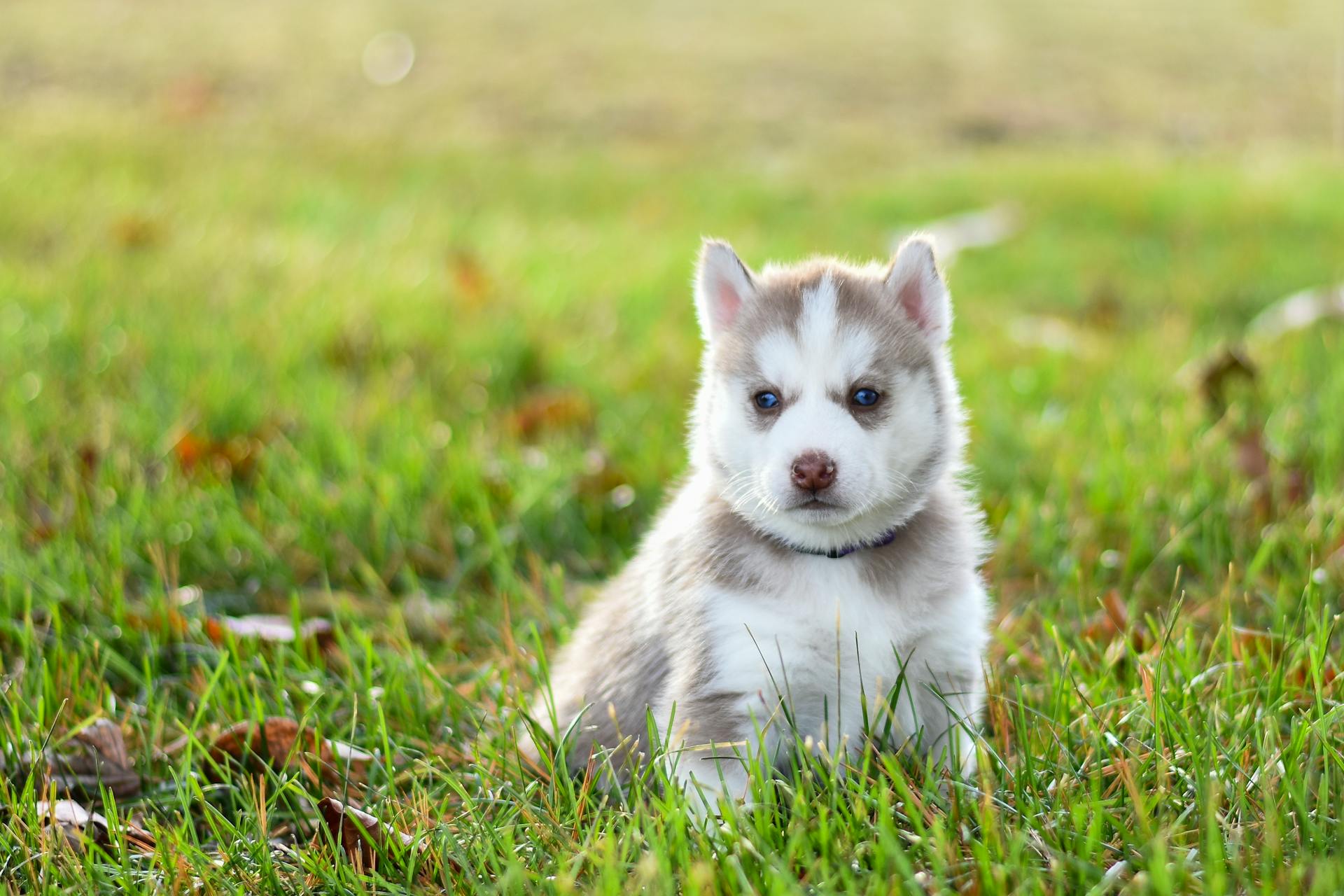
Siberian Huskies have been featured in various TV shows and movies, including Due South. They are also the mascots of several schools and colleges, including St. Cloud State University and the University of Connecticut.
Here's a list of some of the schools and colleges that use Siberian Huskies as their mascots:
Rescue and Ownership
Owning a Siberian Husky can be a big responsibility, but it's not impossible. Many people don't understand what goes into owning one, which is why many Huskies end up in need of adoption and/or fostering.
If you're thinking of bringing a Husky into your life, it's essential to do your research and consider adopting from a rescue group. There are many organizations dedicated to rehoming Huskies, such as the Delaware Valley Siberian Husky Rescue and the MaPaw Siberian Husky Rescue & Referral Service, Inc.
If you're in the US, you can also try contacting the national breed club or a local breed club for guidance on finding a rescue group in your area. They can point you toward a Husky rescue, such as the Siberian Husky Club of Greater Cleveland or the Seneca Siberian Husky Club.
If you're unable to adopt a Husky, you can also consider fostering one until a permanent home is found. The Siberian Husky Rescue Site is a great resource for learning more about the rescue process and finding a Husky in need of care.
Consider reading: Owning a Shiba Inu
Pet Parent Considerations
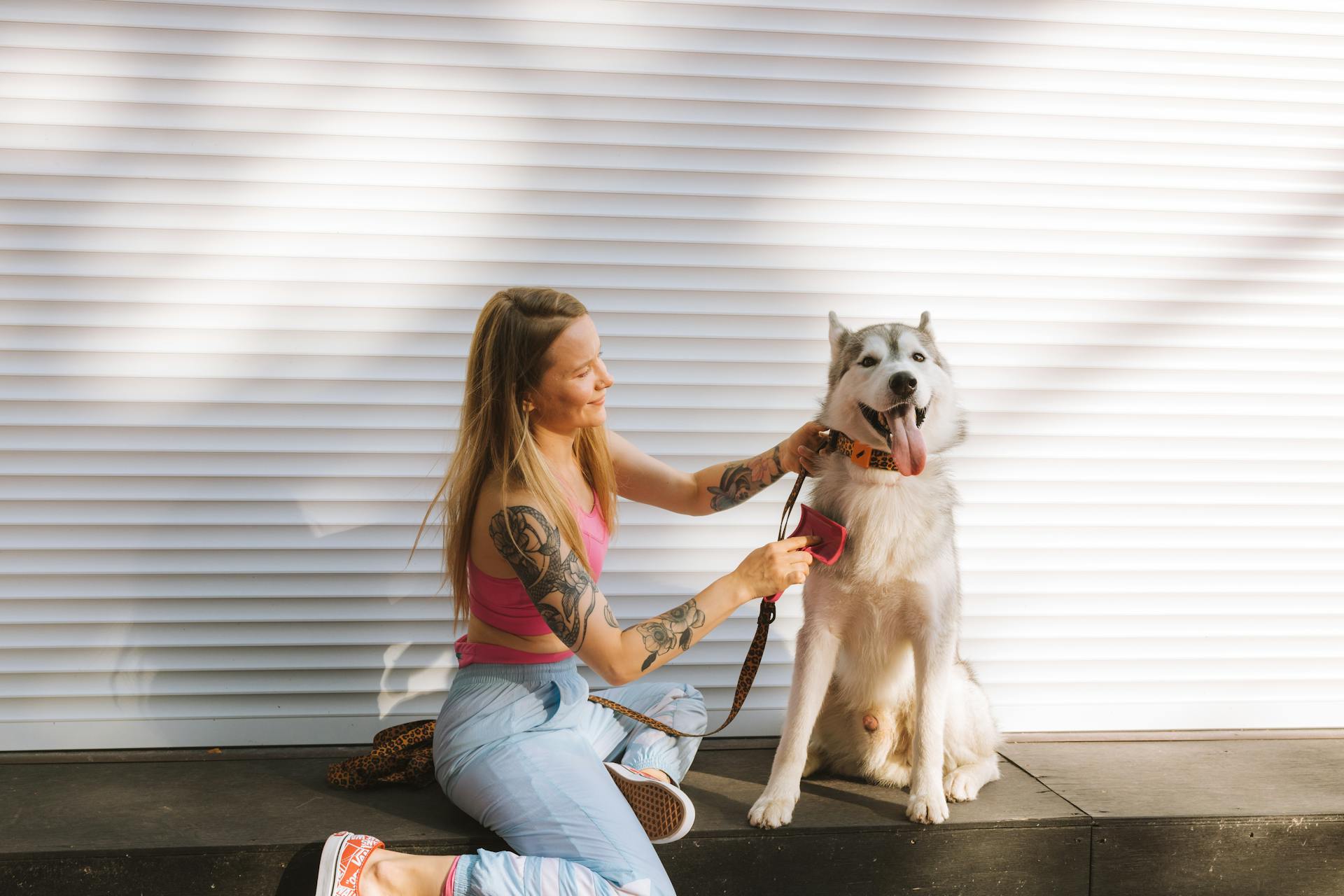
Siberian Huskies need a lot of exercise, at least 40 minutes a day, to stay happy and healthy. They'll thrive with a pet parent who likes to jog daily.
Their high energy levels mean they don't make good apartment dogs. They'll howl and bark if they don't get enough physical and mental stimulation.
Huskies require a lot of training starting in puppyhood. This is crucial to prevent destructive behavior and ensure they grow into well-behaved adult dogs.
They can be very tolerant of children, but it's still essential to supervise interactions between dogs and young children. This will prevent any biting or ear or tail pulling.
Socialization classes are a must for Husky puppies. This helps them get used to other dogs and people, and teaches them how to behave and greet others.
As a breed that was originally bred to hunt in harsh conditions, Huskies still have a strong prey drive towards small animals like squirrels, rabbits, and cats. This means they might not be the best fit for households with small pets.
Rescue Groups
If you're considering bringing a Siberian Husky into your family, it's essential to understand the importance of rescue groups. Many Huskies are in need of adoption and/or fostering due to being purchased without a clear understanding of what goes into owning one.
There are numerous rescue groups dedicated to helping these dogs. If you don't see a rescue listed for your area, contact the national breed club or a local breed club, and they can point you toward a Husky rescue.
Here are a few notable rescue groups:
- Delaware Valley Siberian Husky Rescue
- MaPaw Siberian Husky Rescue & Referral Service, Inc.
- Seneca Siberian Husky Club
- Siberian Husky Club of Greater Cleveland
- Siberian Husky Rescue Site
Frequently Asked Questions
Why are Siberian Huskies so expensive?
The cost of a Siberian Husky is influenced by factors like breeder reputation, location, and lineage, with puppies from high-quality bloodlines commanding higher prices. This can make them a significant investment for potential owners.
What are Siberian huskies known for?
Siberian huskies are known for their incredible sled-pulling skills and versatility as working dogs. They're also friendly, loyal, and affectionate companions.
Do siberian huskies bark a lot?
Siberian Huskies are known to rarely bark, instead using various vocalizations to express emotions and needs. If you're considering bringing a Husky into your family, understanding their unique communication style is essential.
Featured Images: pexels.com