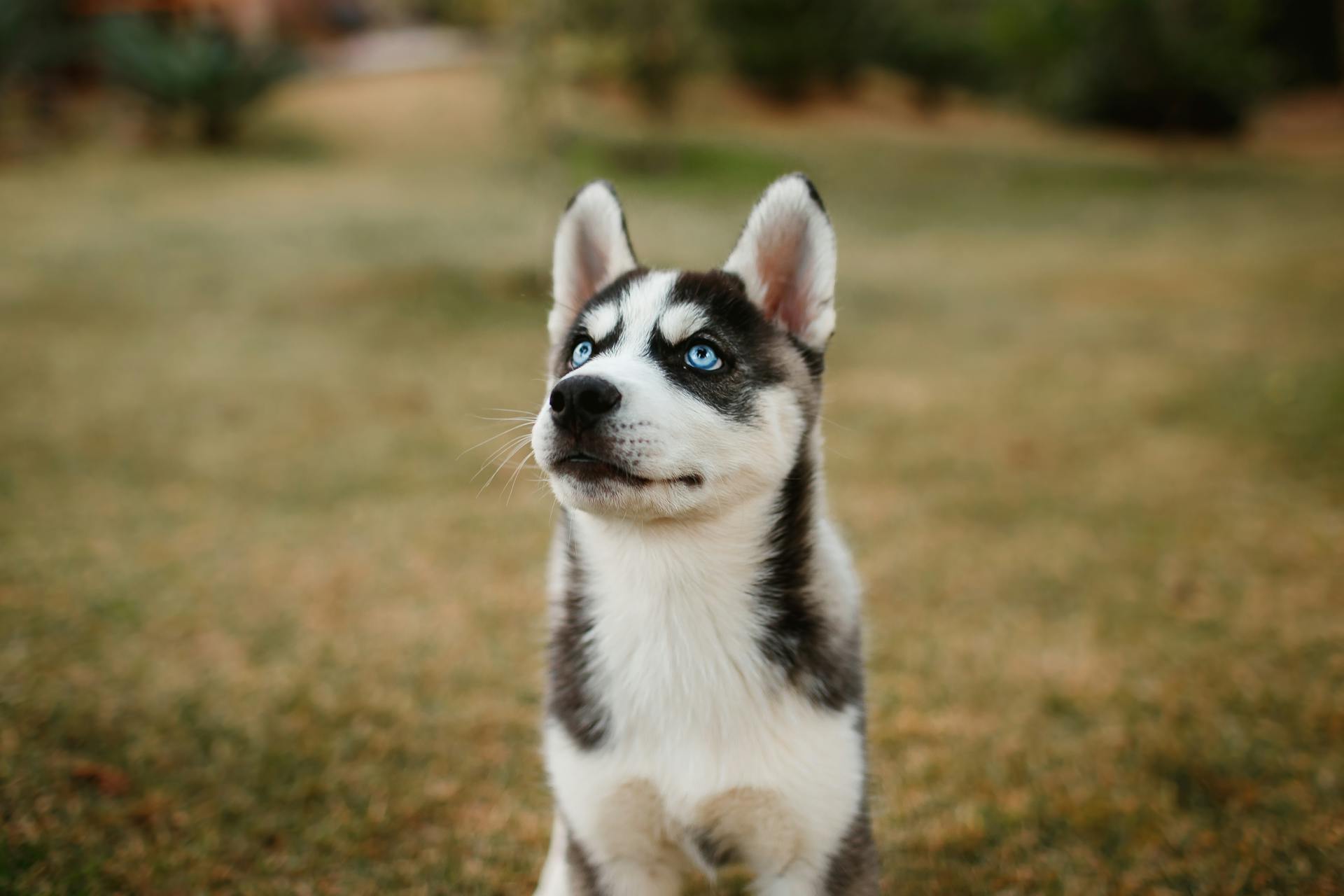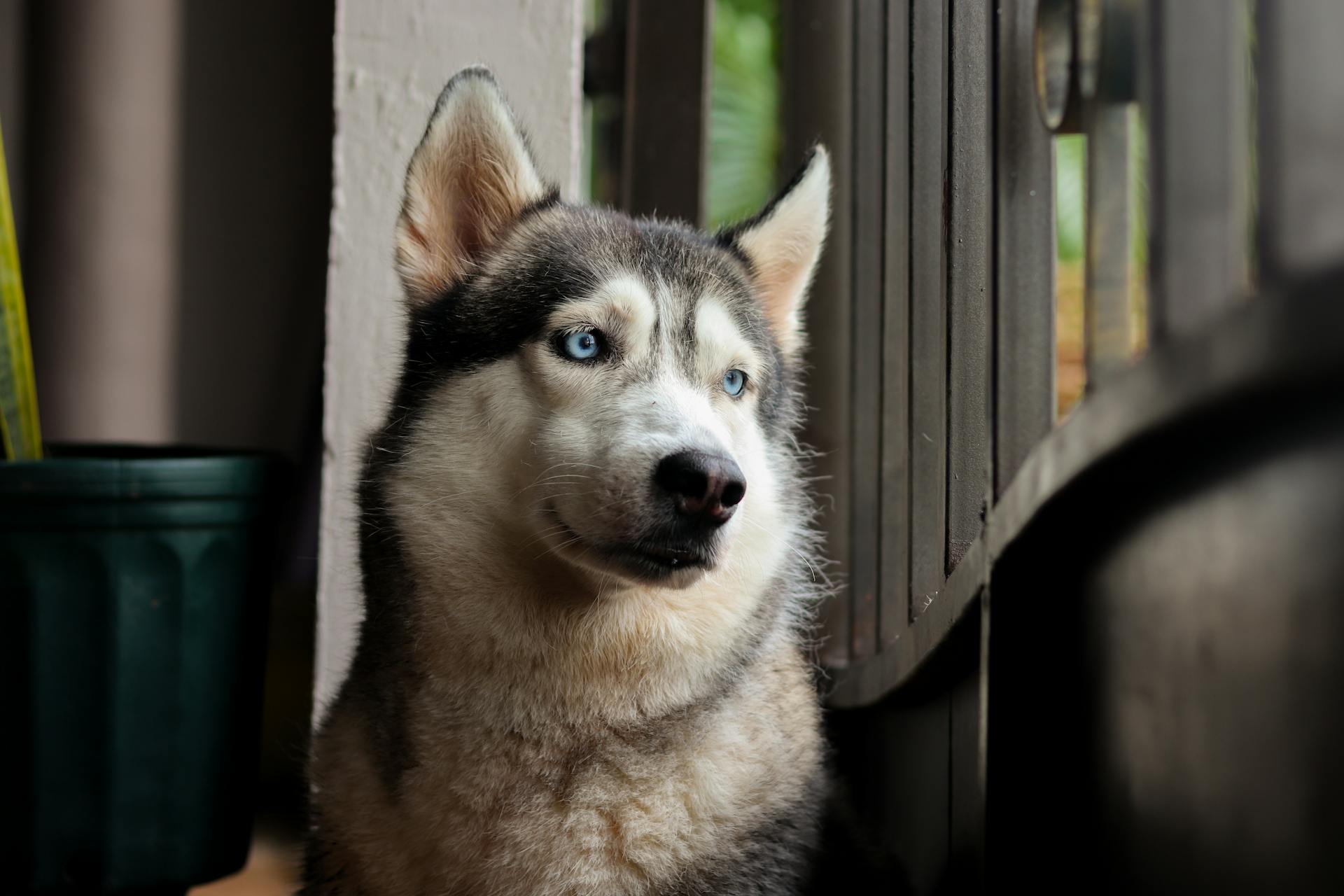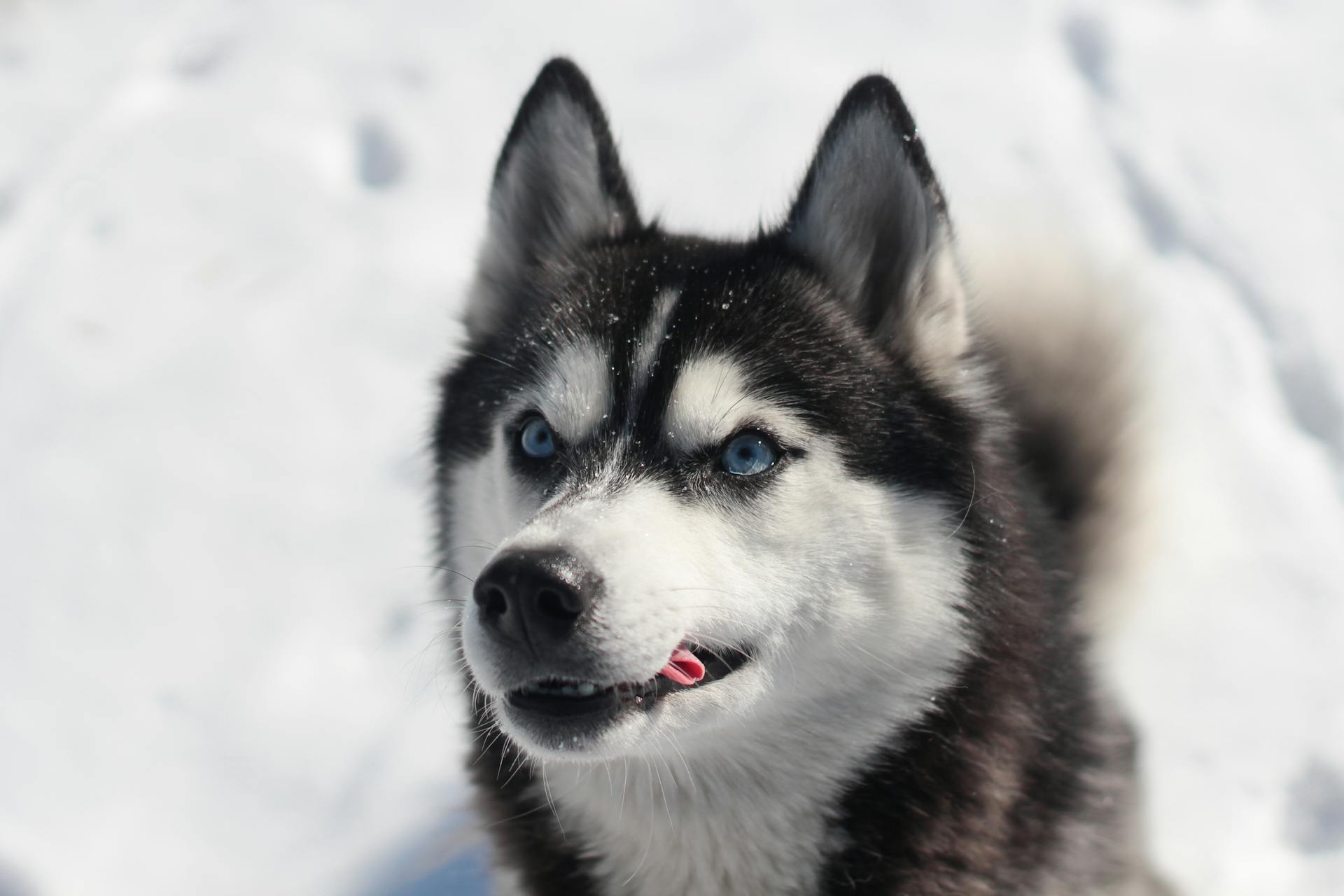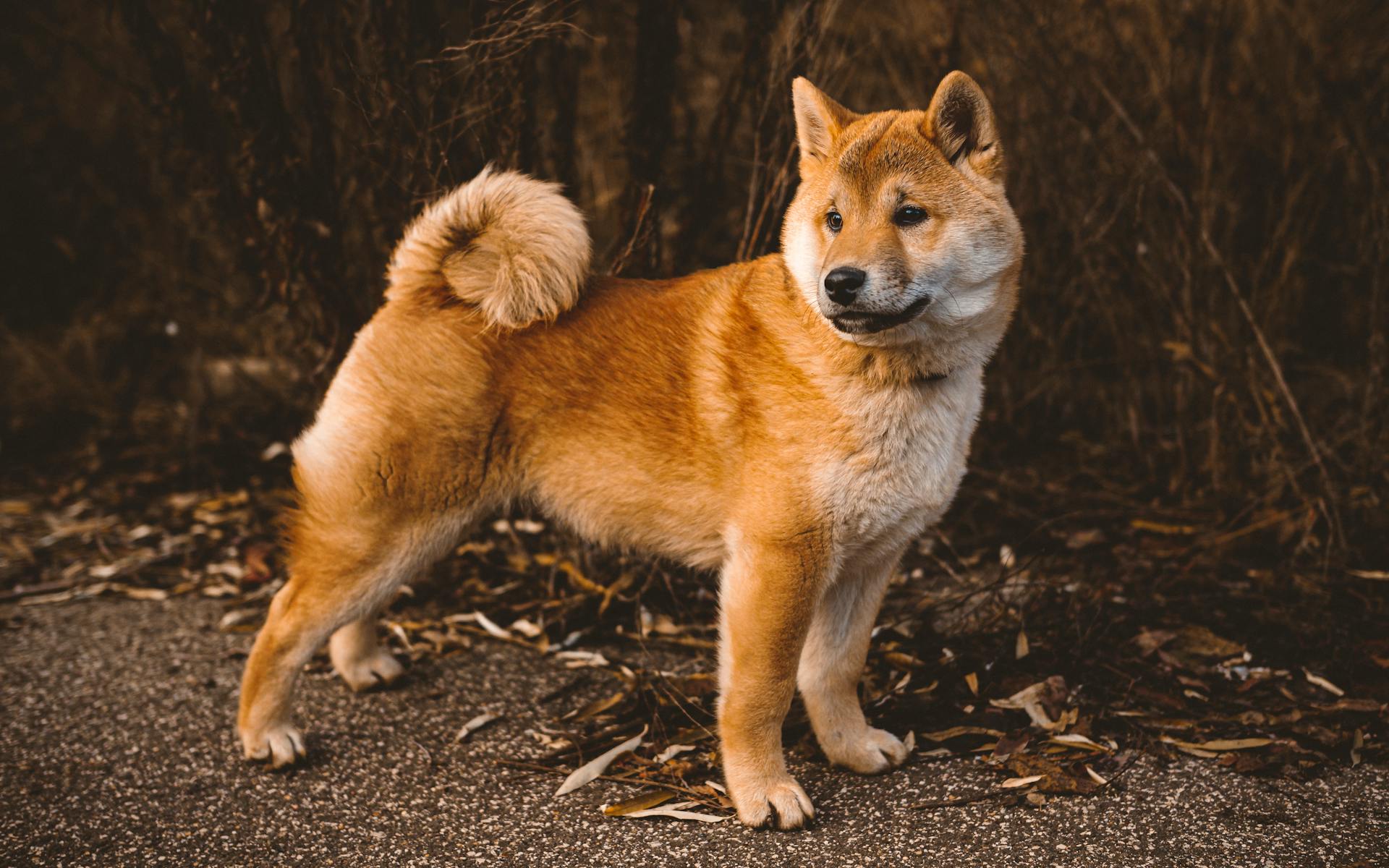
The Shiba Inu and Husky are two of the most popular breeds around, but they're worlds apart in terms of their origins. The Shiba Inu is an ancient Japanese breed, while the Husky has its roots in Siberia.
One of the most striking differences between the two breeds is their size - the Shiba Inu is generally much smaller than the Husky. The Shiba Inu typically weighs between 15-25 pounds, while the Husky can weigh up to 60 pounds.
Their coats are also quite different - the Shiba Inu has a thick double coat that sheds heavily, while the Husky has a thick double coat that sheds moderately. Both breeds require regular grooming to prevent matting and tangling.
In terms of energy levels, the Husky is a high-energy breed that requires lots of exercise and mental stimulation, while the Shiba Inu is a relatively low-maintenance breed that's happy with shorter, more gentle walks.
Explore further: Shiba Inu Coat
Temperament and Personality
Shiba Inus are known for their bold and spirited personality, often preferring to do things on their own terms. They carry an almost cat-like independence, which can be both endearing and challenging.
Their aloofness towards strangers and other dogs is a common trait, which can make socialization and training a bit more difficult. Early socialization and training are absolutely necessary with a Shiba.
Shibas have moderate to high energy levels, requiring regular playfulness and exercise to keep them happy. They're also content entertaining themselves at times, which can be a blessing and a curse for their owners.
One unique aspect of Shiba Inus is their vocalization, affectionately called the "Shiba Inu scream." It's a rather high-pitched whining sound, often used to express displeasure or excitement.
In contrast, Siberian Huskies are known for their friendly and outgoing personalities. They're genuinely loyal, soft, and gentle, making them a great choice for families.
Intriguing read: Training a Shiba Inu
Here's a comparison of the two breeds' temperaments:
Siberian Huskies are more sensitive than Shiba Inus, which can make them more empathetic and responsive to their owners' emotions. However, this also means they can be more easily hurt or upset.
Shibas, on the other hand, have an average emotional level and are not the most sensitive dog breed. They're more likely to shrug off a rough play session or a minor scolding.
Ultimately, the choice between a Shiba Inu and a Siberian Husky comes down to your personal preferences and lifestyle. Both breeds can make wonderful companions, but it's essential to understand their unique temperaments and needs.
See what others are reading: Malamute vs Siberian
Physical Characteristics
Shiba Inus are small to medium-sized dogs, with adult males standing 14.5 to 16.5 inches tall at the shoulder.
In contrast, Huskies are undoubtedly a larger breed, falling into the medium size category. Adult Huskies can reach a height of 20 to 23.5 inches.
Shiba Inus usually weigh between 17 to 23 pounds, while Huskies can weigh between 35 to 60 pounds. This significant size difference reflects their original purposes.
Their thick double coats are another distinctive feature of both breeds.
Recommended read: Adult Shiba Inu
Health and Lifespan
Both Shiba Inu and Siberian Husky are generally healthy breeds, but they can be prone to certain health issues.
The Shiba Inu is susceptible to hip dysplasia, patellar luxation, allergies, cancer, hypothyroidism, progressive retinal atrophy (PRA), epilepsy, glaucoma, spinning, and chylothorax.
The Siberian Husky, on the other hand, can experience cataracts, progressive retinal atrophy (PRA), and corneal dystrophy.
Both breeds require regular veterinary visits, with an average of one complete physical check-up per year recommended.
The average lifespan of a Shiba Inu is 11-15 years, while a Siberian Husky typically lives for 12-14 years.
Here's a comparison of the health issues affecting these breeds:
Breed Considerations
Breed characteristics play a significant role in determining whether a Shiba Inu or a Siberian Husky is the right fit for your home and lifestyle.
Shiba Inus are known for being strong-willed and independent, which can make training challenging. They require patient and consistent training from an early age.
Siberian Huskies, on the other hand, are highly social and thrive on interaction with their human family members. They need plenty of attention and exercise to prevent boredom and destructive behavior.
Origins
The Shiba Inu has an ancient lineage that's been a part of Japanese history for thousands of years.
Initially bred for hunting in Japan's mountainous regions, they've been companions to humans since antiquity. They were bred to navigate dense underbrush.
The term "Shiba" refers to both a type of small brushwood and the breed's reddish coat, which is as fiery as autumn leaves.
The Shiba Inu is often linked to the spitz family, a group of dogs characterized by their fox-like features, pointy ears, and thick fur.
While they look similar, the Shiba Inu is distinct from the Japanese Akita Inu, with more differences than just size.
Curious to learn more? Check out: Shiba Inu Bread
Breed Specific Considerations
If you're considering bringing a Shiba Inu or a Siberian Husky into your home, it's essential to think about their unique breed characteristics. These characteristics can greatly impact how well they'll fit into your lifestyle.
Shiba Inus are recognized by the AKC as a Non-Sporting breed, which they were in 1992. This classification can give you an idea of their temperament and energy level.
Siberian Huskies, on the other hand, are recognized by the AKC as a Working breed, which they were in 1930. This classification suggests they're bred for endurance and may require more exercise.
Both breeds are recognized by the FCI, but in different groups: Shiba Inus in the Asian Spitz and related breeds section, and Siberian Huskies in the Nordic Sledge Dogs section. This may influence how they're perceived and treated in different parts of the world.
Here's a list of organizations that recognize both breeds:
- American Canine Registry
- American Kennel Club
- America's Pet Registry
- Dog Registry of America Inc.
- Federation Cynologique Internationale
- Kennel Club of Great Britain
- North American Purebred Registry, Inc.
- American Canine Association, Inc.
- Australian National Kennel Council
- Continental Kennel Club
- National Kennel Club
- New Zealand Kennel Club
These are just a few factors to consider when deciding between these two breeds.
Care and Maintenance
Shiba Inus and Huskies require regular grooming to prevent matting and tangling of their coats.
Shiba Inus have a thick double coat that sheds heavily, especially during shedding season, which typically occurs in spring and fall.
For Huskies, brushing their coat 2-3 times a week can help prevent matting and keep them looking their best.
Broaden your view: Huskys or Huskies
Regular nail trimming is also essential for both breeds to prevent overgrowth and cracking.
Both Shiba Inus and Huskies need regular exercise to stay happy and healthy, with daily walks and playtime recommended for both breeds.
Shiba Inus are generally more laid-back and don't require as much exercise as Huskies, but they still need regular activity to maintain their physical and mental health.
Suggestion: Shiba Inu Exercise Needs
Diet and Weight Management
Diet and weight management are crucial aspects of caring for your Shiba Inu or Siberian Husky.
To keep your dog at a healthy weight, it's essential to monitor their food intake. A Shiba Inu requires 1/2 to 1.5 cups of high-quality dry food per day, divided into two meals.
The recommended daily amount for a Siberian Husky is significantly higher, at 2.5 to 3 cups of high-quality dry food per day, also divided into two meals.
Both breeds have a relatively low to average risk for obesity, which is a common issue in many dog breeds.
Here's a quick comparison of the daily food intake for both breeds:
Reproducibility
When breeding your Shiba Inu or Siberian Husky, it's essential to consider their reproductive needs.
Both Shiba Inu and Siberian Husky have a similar gestation length, lasting around 60-64 days.
Breeding these dogs too frequently is not healthy, so it's best to limit breeding to once a year.
Here's a comparison of the litter sizes you can expect from each breed:
This can help you plan for the needs of your new puppies and ensure you're prepared for the responsibilities that come with caring for a litter.
Ownership and Cost
The cost of owning a Shiba Inu or Siberian Husky can be a significant consideration. The price range for a Shiba Inu is $800-$1000, while a Siberian Husky can cost between $700-$1200.
Both breeds are relatively easy to get, with frequent availability. This is good news for those looking to bring one of these dogs into their family.
Here's a comparison of the prices and availability of these breeds:
Price and Availability
When considering the cost of owning a Shiba Inu or a Siberian Husky, one of the first things to think about is the price of the dog itself.
The price of a Shiba Inu can range from $800 to $1000, making it a relatively affordable option.
The price of a Siberian Husky, on the other hand, can range from $700 to $1200, which is comparable to the Shiba Inu but with a slightly wider range.
In terms of availability, both breeds are relatively easy to get, with frequent availability for both Shiba Inus and Siberian Huskies.
Here's a comparison of the price and availability of the two breeds:
Canine Companion
If you're looking for a loyal companion, the Shiba Inu is a great choice, but be aware that they can be more independent and require socialization from a young age.
Shiba Inus may display a stronger prey drive, which means they need training and interaction with other pets and children to ensure they behave well.
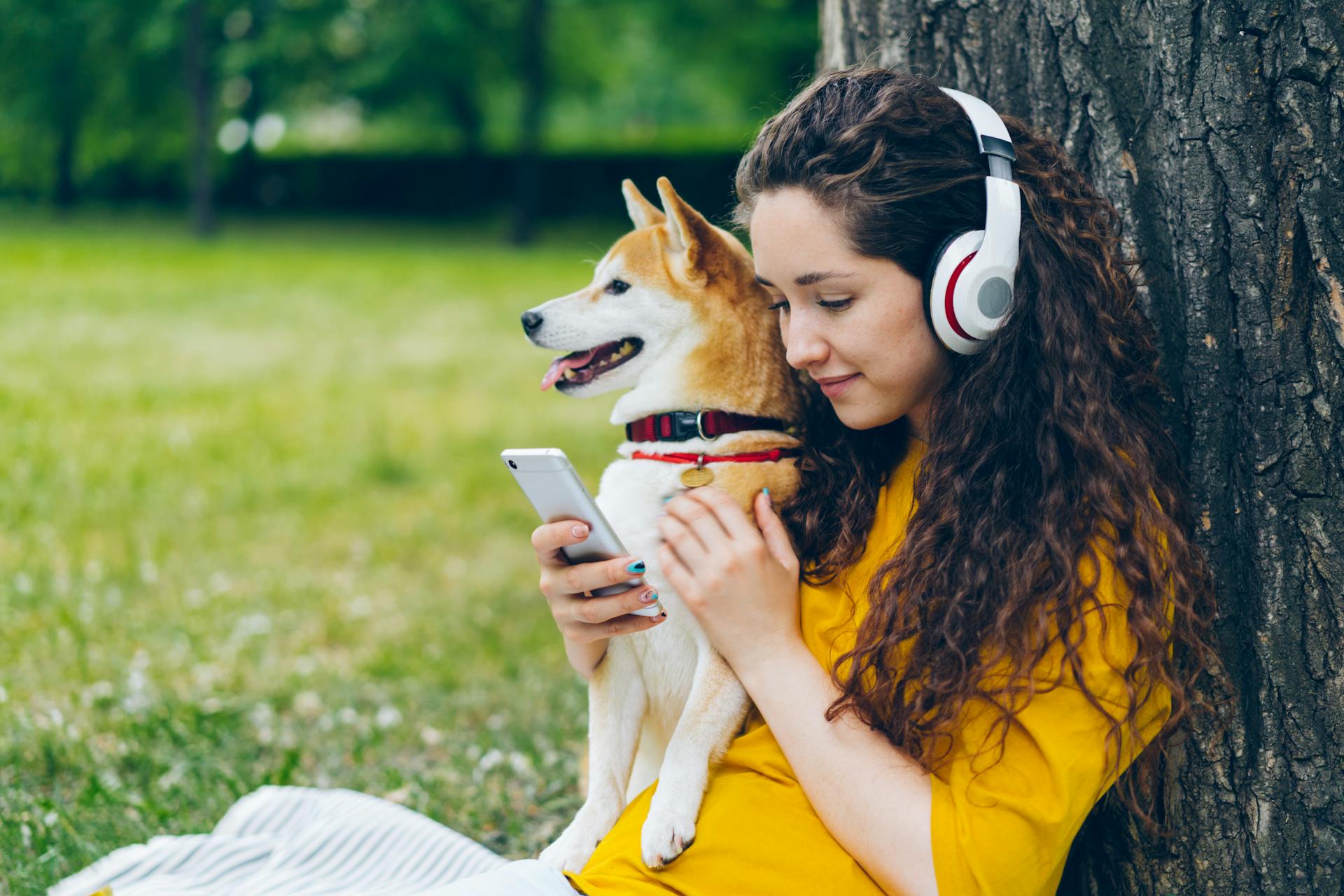
Their independent nature makes them excellent companion dogs, but it also means they may not be as eager to please as some other breeds.
On the other hand, the Siberian Husky's history as a sled dog has made them highly trainable for work, such as pulling sleds, and they're often friendly and outgoing.
Their high endurance and trainability make them a great choice for active families or individuals who want a working dog.
Behavior and Training
Both Shiba Inu and Siberian Husky are average in terms of intelligence, requiring patience to teach them tricks or commands.
Shiba Inu dogs are good watchdogs and extremely protective guard dogs, making them a great choice for those who want a loyal companion.
However, when it comes to trainability, Shiba Inu is slightly harder to train than average, while Siberian Husky dogs are hard to train.
Here's a comparison of their trainability:
Trainability and Intelligence
Shiba Inu and Siberian Husky are both breeds that take patience to teach tricks or commands, but the effort is worth it. They are not the easiest breeds to train, but with consistent effort, they can learn.
Both breeds are considered to have average intelligence, making them suitable for owners who are willing to invest time and effort into training. They may not be the quickest learners, but they can still be trained with positive reinforcement and consistent practice.
Here's a comparison of their trainability:
If you're looking for a breed that's easy to train, you may want to consider a different breed. However, if you're willing to put in the time and effort, both Shiba Inu and Siberian Husky can make loyal and loving companions.
Energy and Activity
Shiba Inu dogs are known for their high energy levels, which means they require regular exercise to keep them happy and healthy. They have an average exercise need, but they can get destructive if they don't get enough physical and mental stimulation.
Siberian Husky dogs, on the other hand, are high-energy dogs that need quite a lot of exercise to keep them satisfied. They were originally bred to pull sleds, so they have a strong instinct to run and play.
Suggestion: Similar to Shiba Inu
If you're considering bringing either of these breeds into your family, it's essential to consider your lifestyle and ability to provide the necessary exercise. Shiba Inu dogs are quite energetic and don't spend too much time sleeping, so they need a lot of attention and activity to keep them happy.
Here's a comparison of the two breeds' energy levels:
Both breeds are relatively high-energy dogs, but Siberian Huskies need even more exercise and attention than Shiba Inus. If you're not prepared to provide the necessary physical and mental stimulation, you may find that your dog becomes destructive or restless.
Frequently Asked Questions
Are Shibas related to huskies?
Yes, Shibas are related to Siberian Huskies, as both breeds share a common ancestry in the "Spitz" family of active working dogs. This shared heritage is also reflected in their physical and behavioral similarities.
Do Shiba Inus shed as much as huskies?
Shiba Inus shed a lot, but less than Siberian Huskies. Regular brushing is a must for this breed to manage their shedding.
Featured Images: pexels.com