The Shar Pei is an ancient dog breed with a rich history, dating back over 2,000 years to China. They were originally bred as working dogs to guard livestock and families.
Their distinctive wrinkled skin is a result of their unique genetic makeup, which causes the skin to fold and crease in a way that's unlike any other breed. This skin also requires regular care to prevent skin infections.
Shar Pei dogs are known for their loyalty and affection towards their families, making them great companions. They can thrive in small living spaces, such as apartments, due to their relatively low exercise needs.
Their short coats require minimal grooming, but their wrinkles need to be cleaned regularly to prevent skin problems.
Readers also liked: Shar Pei Dog Skin Problems
Physical Characteristics
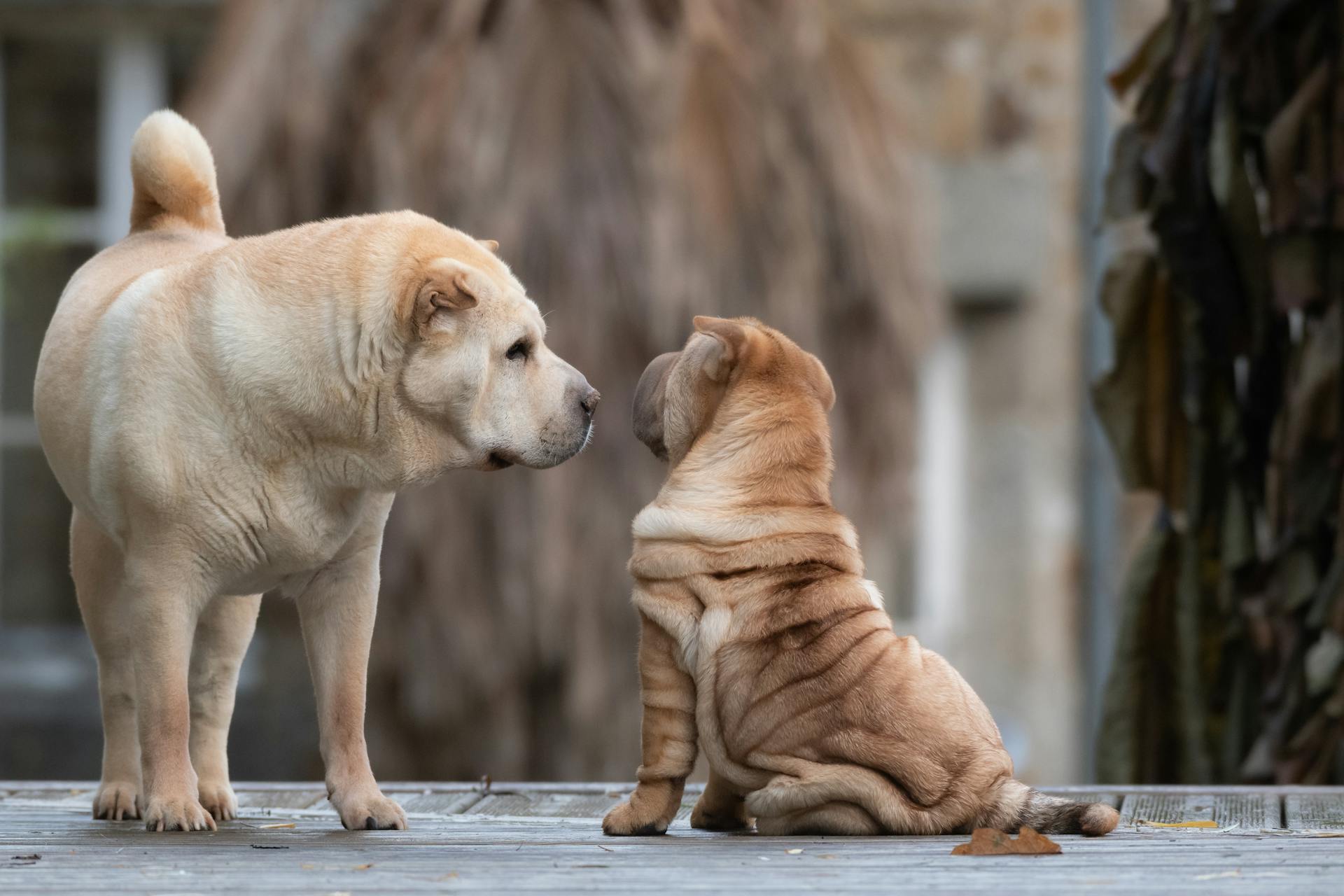
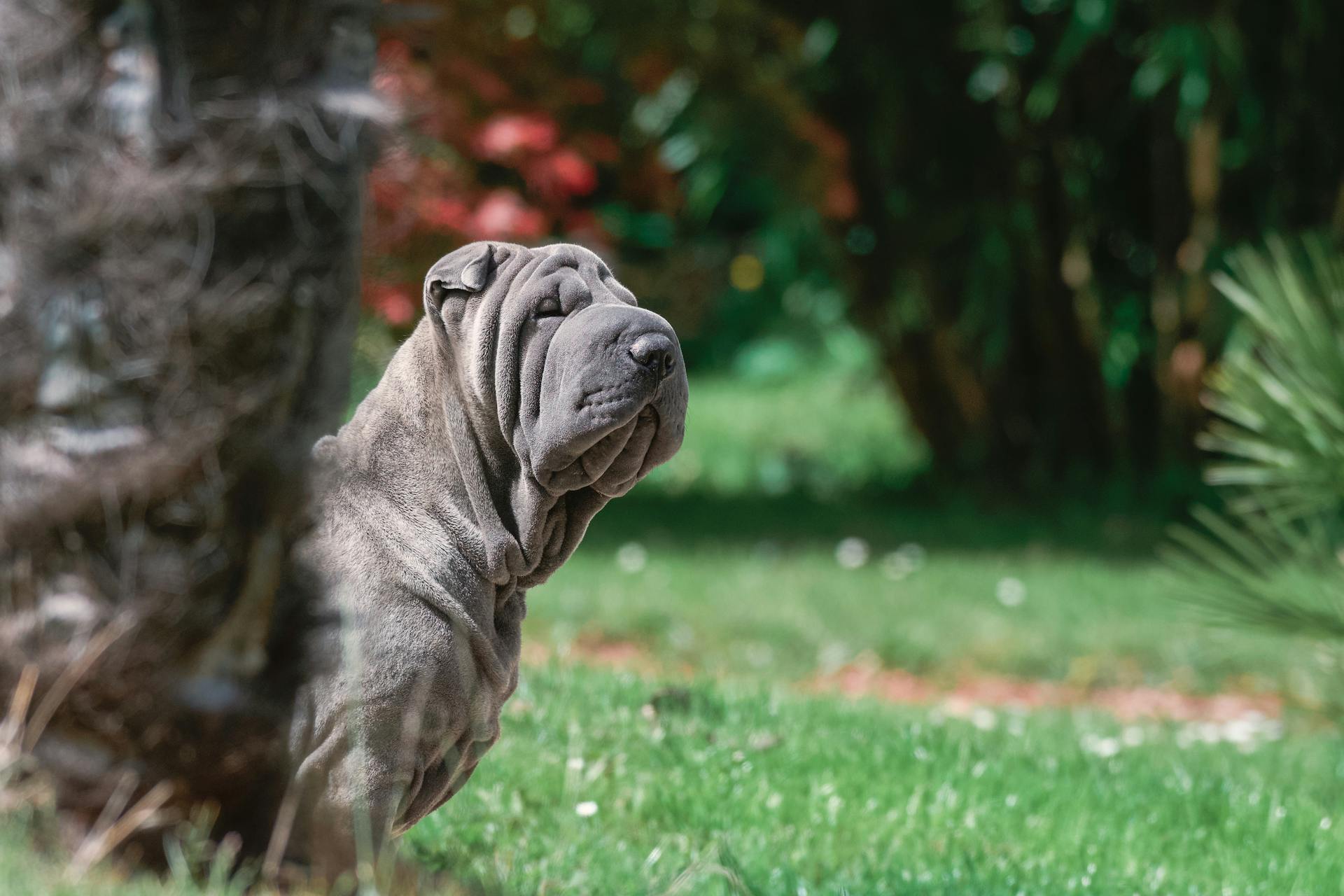
The Shar-Pei's physical characteristics are truly one-of-a-kind. Their small, rounded triangle-shaped ears lie flat against their head but are always on alert for unusual sounds.
Their eyes are dark and sink deeply into their wrinkled dog faces, with some dogs having lighter-colored eyes depending on their coat color. Their nose is large and typically dark-colored, but can be the same color as their fur in some cases.
Broaden your view: Liver Colored Brittany Spaniel
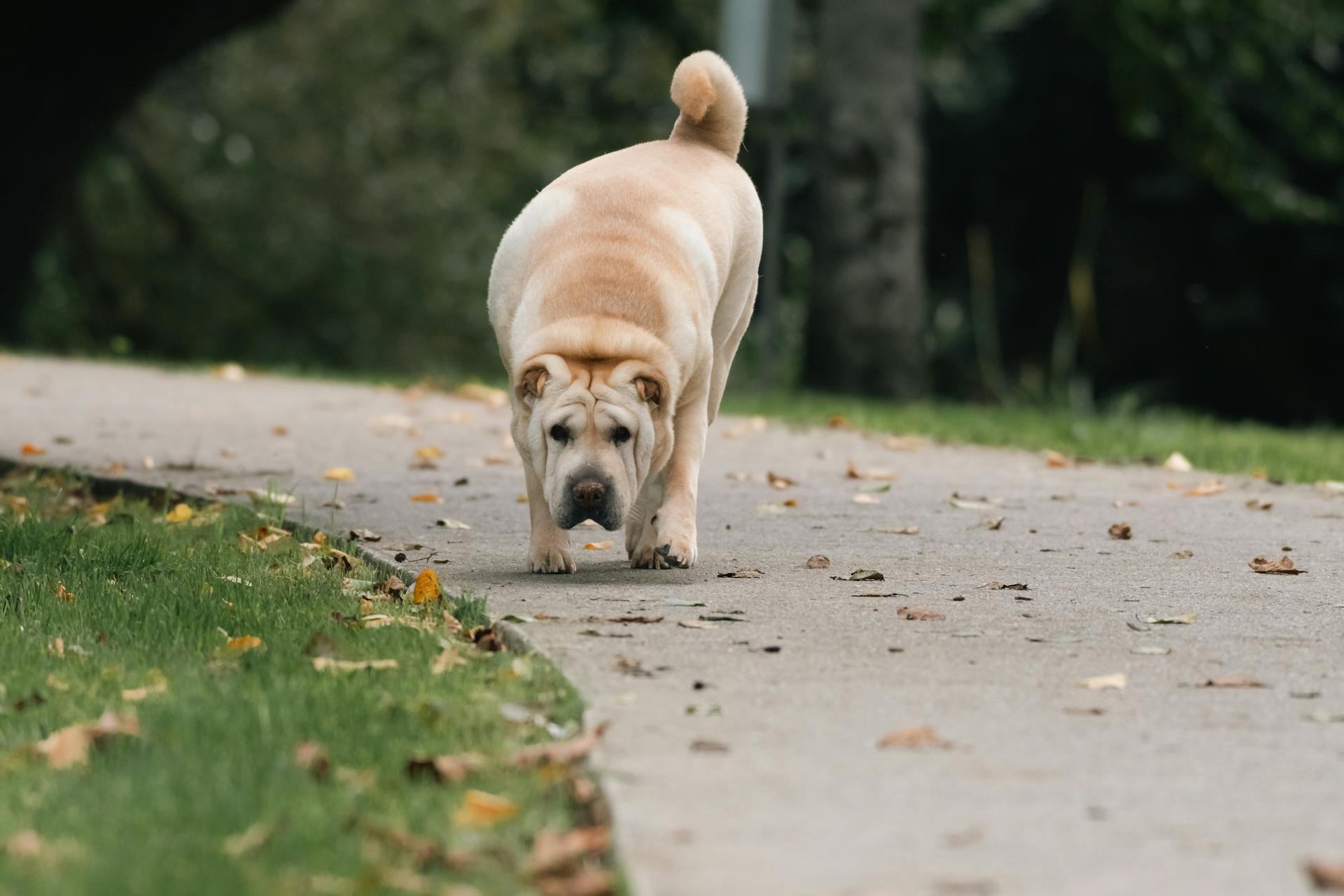
Their snout is often referred to as being hippopotamus-shaped, adding to their unique appearance. Their nose is a key feature of the Shar-Pei breed.
The Shar-Pei's coat is rough to the touch and comes in a variety of solid colors, including blue, black, brown, cream, fawn, and red. They can also have darker shading on areas like their backs or ears.
Their coat length is typically not longer than one inch, and a coat that is wavy, soft, or longer than an inch is not desirable by AKC standards. A coat that meets these standards is essential for the breed.
The Shar-Pei's tail is small and proud, thicker at the base and tapering at the end. It's set high and curled over either side of their back, adding to their confident and brave appearance.
Here are the Shar-Pei's key physical characteristics:
- Ears: small, rounded triangle-shaped, and always on alert
- Eyes: dark, sinking deeply into their wrinkled faces, with some having lighter-colored eyes
- Nose: large, hippopotamus-shaped, and typically dark-colored
- Coat: rough, harsh to the touch, and not longer than one inch
- Coat Color: 18 colors, including solid colors and various markings
- Tail: small, proud, and curled over their back
Health and Wellness
Chinese Shar-Pei health issues can be a concern for owners. Allergies, or atopy, may affect the skin folds and belly, feet, and ears, causing visible symptoms.
Shar-Peis are prone to skin infections, especially between the toes, known as pododermatitis. This can be due to allergies, demodex, or hypothyroidism.
Regular grooming is essential, including brushing their coats monthly and trimming nails every two to four weeks. Daily tooth brushing can also help prevent dental issues.
Shar-Peis are also susceptible to eye problems, such as entropion, which can cause red eyes, watery discharge, squinting, and holding the eye shut. Monitoring their eyes closely can help detect these issues early.
Some common health issues in Shar-Peis include:
- Atopic dermatitis
- Juvenile onset demodicosis
- Adult onset demodicosis
- Pododermatitis
- Ear infections
- Hypothyroidism
- Eye problems, such as entropion and dry eye
Regular veterinary check-ups and preventative care, such as vaccinations and parasite control, can help prevent or manage these health issues.
Eye Care
Eye Care is crucial for Shar-Pei dogs, as they can develop eye problems such as dry eye (keratoconjunctivitis) and entropion.
Shar-Pei dogs are prone to eye issues, and it's essential to monitor their eyes for signs of trouble. Red eyes, watery eye discharge, squinting, and holding the eye shut are common symptoms of entropion, a health condition that requires attention.
For another approach, see: Shar Pei Dog Eye Problems
If you suspect your pet is having trouble with their eyes, make an appointment with your veterinarian right away. Early detection is key to preventing further complications.
Here are some common eye problems that can affect Shar-Pei dogs:
- Entropion: a condition where the eyelid rolls inward, causing the eyelashes to rub against the cornea
- Keratoconjunctivitis (dry eye): a condition where the eyes don't produce enough tears, leading to dryness and irritation
- Corneal ulcer: an open sore on the surface of the cornea
- Glaucoma: a condition that affects the pressure in the eyes, leading to vision loss
- Retinal dysplasia: a condition that affects the retina, leading to vision loss
- SARDS (Sudden Acquired Retinal Degeneration Syndrome): a condition that causes sudden vision loss
Health
As a Shar-Pei owner, you want to ensure your furry friend stays healthy and happy. One of the most significant health concerns for this breed is their skin folds, which can trap moisture and lead to skin infections.
Shar-Peis are prone to skin conditions, including atopic dermatitis, cutaneous mucinosis, intertrigo, otitis externa, and vasculopathy. In fact, a study found that 7.7% of Shar-peis have atopic dermatitis, which is higher than the overall rate of 3.1%.
Their skin folds need regular inspection to prevent skin infections. If you notice any signs of infection, such as redness, moisture, crustiness, blackness, or a strong odor, take your dog to the vet immediately.
Ear infections are another common issue for Shar-Peis due to their narrow ear canals. To minimize the risk, clean their ears with a routine ear cleaner containing a drying agent every 1-2 weeks. Make ear cleaning a part of your regular routine to help your pup get used to it.
Check this out: When Will Shiba Inu Hit 1 Cent
In addition to skin and ear issues, Shar-Peis are also prone to eye problems, such as dry eye, entropion, corneal ulcer, glaucoma, retinal dysplasia, and SARDS. Keep an eye out for symptoms like redness, discharge, cloudiness, bulging, squinting, or pain, and schedule a vet appointment right away.
Here are some common health issues to watch out for in your Shar-Pei:
- Skin infections
- Ear infections
- Eye problems
- Shar-Pei fever (a genetic disease characterized by swollen hocks and fever)
- Hypothyroidism (a thyroid deficiency)
- Pododermatitis (inflammation and infection on the skin between their toes)
Regular check-ups with your vet and a healthy lifestyle can go a long way in preventing or managing these health issues. Remember to keep an eye out for any signs of illness and seek veterinary care if you notice anything unusual.
Care and Maintenance
Caring for a Shar-Pei is a relatively low-maintenance task, especially when it comes to grooming. They only need to be brushed once a month, and more frequently during shedding seasons.
Nail care is crucial for Shar-Peis, as they need to be trimmed every two to four weeks. Daily tooth brushing with dog-friendly toothpaste is also essential to prevent dental issues.
Shar-Peis thrive in neutral to cool environments and are prone to overheating. Be sure to keep an eye on them during extended summer outings or after prolonged sun exposure.
Exercise needs for Shar-Peis vary, but they can adapt to their owner's activity level. They'll be happy to stay on the couch and take short walks, or join you on hikes and long walks.
A nutritious diet is vital for Shar-Peis, as obesity can be an issue. Stick to a dog food specifically formulated for them and avoid giving human food.
To keep your Shar-Pei healthy, consider the following vaccination schedule:
- Distemper
- Adenovirus
- Parvovirus
- +/- Parainfluenza
- Rabies
Additionally, preventative medication is necessary to protect against hookworms, roundworms, and whipworms. Year-round medication is advised to keep your Shar-Pei safe.
Regular ear cleaning is essential for Shar-Pei, as their narrow ear canals can trap moisture and lead to infections. Clean their ears weekly and after bathing or swimming.
To keep your Shar-Pei's nails in shape, use a grinder for just a few minutes every week. Start by letting them sniff and touch the grinder, then gradually introduce the sound and reward them with treats.
Brushing your Shar-Pei's teeth daily is crucial to prevent dental issues. Start when they're young, and be gently persistent but not forceful.
See what others are reading: Breeds of Dogs That Start with H
Behavior and Training
Shar Pei dogs can be a challenge to train due to their strong-willed nature. They respond best to positive reinforcement techniques, such as using treats, toys, and praise as rewards.
Socialization is key to raising a well-adjusted adult Shar Pei. This involves exposing them to various people, children, and animals from an early age, ideally before they are 12 weeks old.
Shar Pei can display fear aggression if they are not introduced to new situations and environments early on. This can be mitigated by providing positive reinforcements, such as praise and treats, at each vet visit.
Obedience training classes are essential for helping Shar Pei puppies learn to be comfortable in new situations. Ideally, they should take both socialization and obedience training classes with a professional pet trainer.
Shar Pei are naturally suspicious of strangers and may bark when they feel threatened or anxious. Consistent training and socialization can help them become more confident and calm in the presence of new people.
Intriguing read: Bernese Mountain Dog Breeders Ny
Shar Pei do not require much exercise, but they do enjoy going on short walks and engaging in other forms of exercise. Daily short walks at a brisk speed can help keep them happy and healthy.
Shar Pei can be wary around other pets, especially if they are not introduced to them at a young age. Supervised introductions to cats and other small animals can help them learn to coexist peacefully.
History and Origins
The Shar Pei is an ancient breed that originated in China over 2,000 years ago. They are thought to be descended from the Han Dog, a guarding breed that lived in China around 2000 years ago.
The Han Dog gave rise to two different breeds, one of which became the Chow and the other the Shar Pei. The Shar Pei was bred for fighting, and their unique wrinkled skin and bristly coat were intentional characteristics to give them an advantage in fights.
A different take: Bull Terrier Then and Now
The Shar Pei's fighting career ended when larger, stronger dogs were imported, and the breed became virtually extinct. Communist leaders in China also played a role in the breed's decline, slaughtering any Shar Peis they could find.
The Shar Pei's unique blue tongue is a trait they share with the Chow Chow, showing their linked ancestry. This distinctive feature is a result of their shared history in China.
By the 1970s, the Shar Pei was listed as the rarest dog breed in the world by the Guinness Book of World Records.
Take a look at this: Tibetan Mastiff China
Ownership and Lifestyle
If you're considering bringing a Shar Pei into your life, it's essential to think about your lifestyle and whether it's a good fit for this unique breed. Shar Pei owners need to be comfortable with their dog's unconventional looks and aloof nature.
A Shar Pei doesn't require a large home, but they do need a good-sized garden to enjoy. They're not always dog social, so a more isolated environment with minimal canine neighbors is ideal.
Shar Pei require a lot of training initially to prevent stubbornness and anxiety, making them unsuitable for first-time pet owners. They need a dedicated family that can commit to regular training, ear cleaning, and monitoring their skin folds for signs of infection.
Discover more: Are Chow Chows Good Guard Dogs
Ideal Owner
If you're considering bringing a Shar Pei into your life, you'll want to be someone who's okay with their unique, wrinkly appearance.
They can be a bit aloof, so you'll need to be patient and understanding of their independent nature.
A Shar Pei is best suited for an owner who's willing to put in the time and effort to train them properly, as they can be stubborn at times.
If you're a first-time pet parent, a Shar Pei might not be the best fit for you, as they require dedicated training and attention.
A Shar Pei's skin folds need to be monitored regularly for signs of infection, and their ears need to be cleaned weekly to prevent issues.
If you're looking for a pet that will be low-maintenance in terms of grooming, a Shar Pei might not be the best choice.
A Shar Pei's ideal home would be with older children who can understand and respect their needs, and perhaps no other pets to avoid any potential conflicts.
Additional reading: Best Time to Breed a Dog
Space Requirements
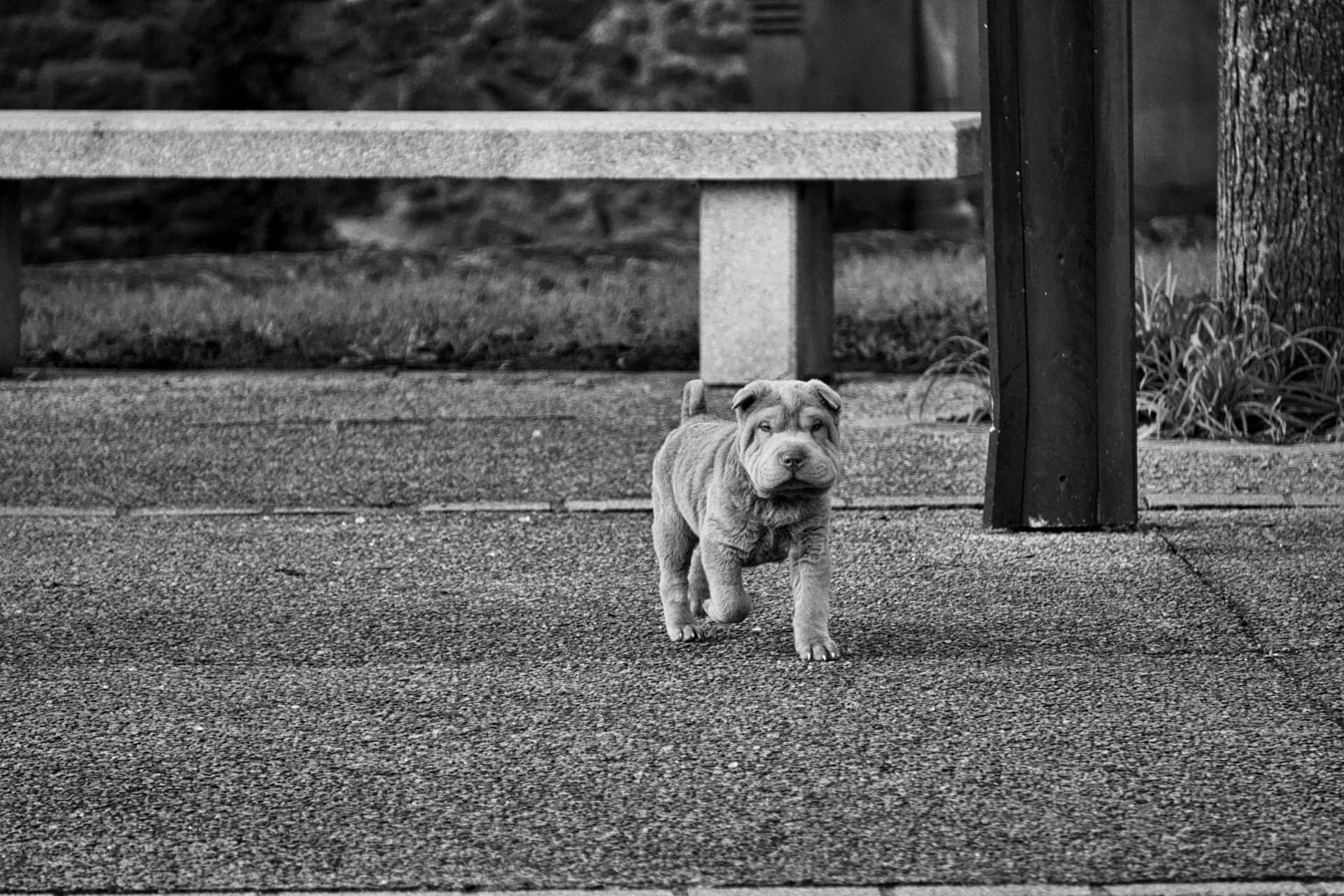
When considering the space requirements for your Shar Pei, it's essential to remember that they don't need a large home. A good-sized garden is a must, as they'll enjoy having a safe outdoor space to relax and play. They're not always the most social dogs, so a more isolated environment without close canine neighbours will suit them just fine.
Dog Diet
A Shar Pei's diet is a crucial aspect of their overall health and well-being. They require a balanced diet with a constant supply of fresh water.
Feeding your Shar Pei at least twice a day is recommended, with morning and evening meals being ideal. You can also consider using a slow feeder bowl to prevent them from eating too quickly.
The feeding guidelines on the dog food packaging should be followed, but it's also essential to consult with your veterinarian to determine the proper portion size based on your Shar Pei's ideal body weight and life stage.
A Shar Pei's daily diet should consist of mostly dog food (90%), with only 10% being treats. Baby carrots are a healthy treat option, but try to avoid giving them other types of people food.
Here's a rough guide to help you determine the right amount of food for your Shar Pei:
Remember to always measure out the food for each meal to ensure you're feeding your Shar Pei the proper amount.
Frequently Asked Questions
Are Chinese Shar-Pei expensive?
Yes, Chinese Shar-Pei can be expensive, with prices ranging from $800 to over $2,000 for a puppy, depending on its quality and characteristics. If you're interested in bringing one home, read on to learn more about the costs and what to expect.
What is the difference between a Shar-Pei and a Chinese Shar-Pei?
There is no difference between a Shar-Pei and a Chinese Shar-Pei, as "Shar-Pei" is the breed's original name and "Chinese Shar-Pei" is an alternative name used in the West.
What is a Chinese Shar-Pei lifespan?
A Chinese Shar-Pei's average lifespan is 11-12 years. This relatively short lifespan makes responsible ownership and regular veterinary care crucial.
What does Shar-Pei mean in Chinese?
The Chinese term "Shar-Pei" literally translates to "sand-skin" or "rough, sandy coat". It refers to the breed's distinctive coat texture.
What makes a Chinese Shar-Pei?
The Chinese Shar-Pei is a unique breed with distinctive physical traits, including a broad muzzle, blue-black tongue, and abundant skin folds. Its unusual appearance makes it a recognizable and beloved breed.
Featured Images: pexels.com