Serval cats can make great pets for the right owner, but they require a lot of attention and specialized care.
They are naturally solitary animals and need a lot of space to roam.
In the wild, servals are known to be nocturnal, but as pets, they can adapt to a regular day-night schedule with proper training.
Serval cats are carnivores and need a diet rich in protein, which can be challenging to replicate in a home environment.
They are also highly intelligent and need plenty of stimulation to prevent boredom and destructive behavior.
Recommended read: Serval Cats
What to Consider
Before bringing a serval cat into your home, consider the space and equipment you'll need to provide a suitable environment. Serval cats require a lot of space to roam and exercise, so a large enclosure or a home with a secure outdoor area is essential.
Serval cats are naturally solitary animals and need to be separated from other pets, especially small animals that might trigger their hunting instinct. Their high prey drive makes them a poor match for households with birds, rabbits, or other small pets.
Serval cats have specific dietary needs that are best met with a high-protein diet. They require a lot of meat, so be prepared to invest in a high-quality commercial cat food or consider a raw diet.
Suggestion: Why Are My Cats so Staticy?
Risks of Pet Ownership
Owning a pet can be a rewarding experience, but it's essential to consider the risks involved. Domesticating wild animals, like servals, is hard and often risky work.
Introducing a wild animal to home life can be challenging and may not end well. Servals aren't legal in all 50 states for a reason.
Some pets require specialized care and housing that can be costly and time-consuming. You'll need to research the specific needs of any pet you're considering.
Even with proper care, pets can still pose a risk to their owners and others. A wild animal's natural instincts can be unpredictable, making them a potential threat.
It's crucial to weigh the potential risks against the benefits of pet ownership before making a decision.
Serval Cat History
The African serval cat is also known as the African wildcat with the longest legs. They can grow up to 40 pounds.
These cats are native to the sub-Saharan terrain of South Africa and are often referred to as "bush cats" by locals. They prefer areas of bush, tall grass, and dry reed beds.
Wild servals avoid rainforest areas but thrive in the wetlands near rivers and streams in Africa's central and southern parts. They try to stay out of the warm sun and hunt at night if they need to.
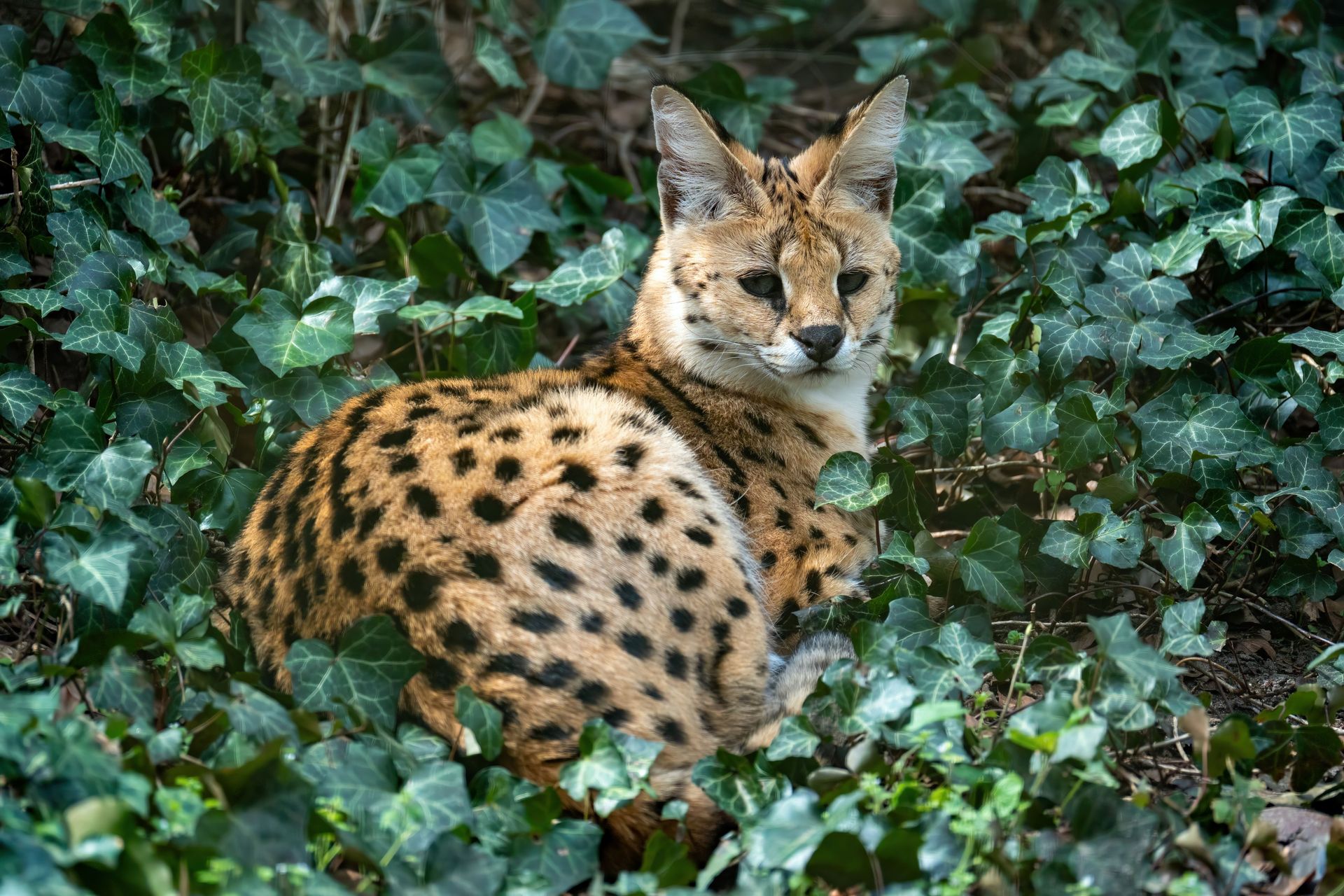
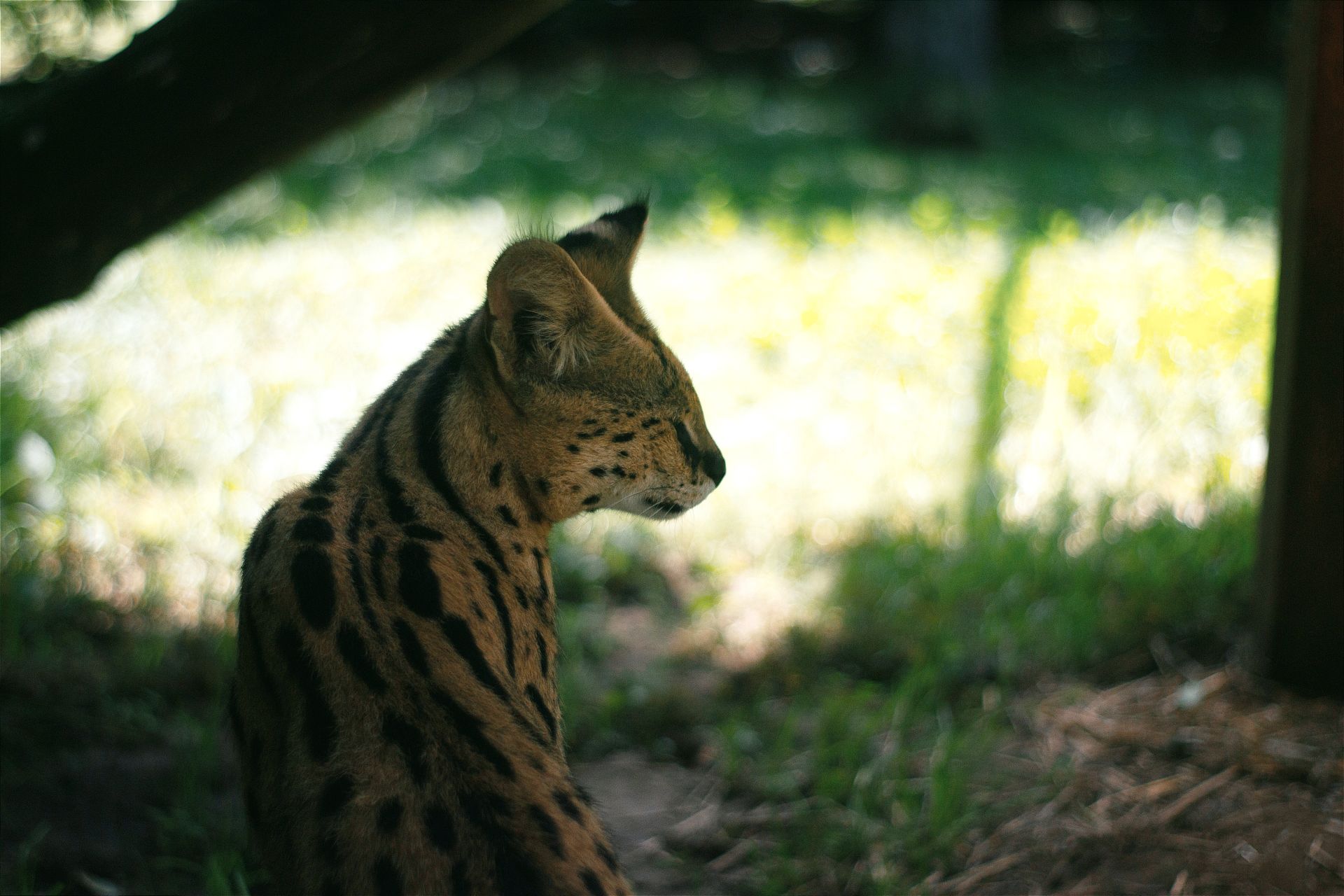
The serval's coat pattern is usually a tawny color with uniquely sized black spots, some of which merge into longitudinal stripes down the back and neck. Their belly is cream-colored.
Black servals exist as well, and are called melanistic servals. They are mostly seen in captivity but can be found in the wild as well.
A serval's lifespan is around 20 years, while a domestic cat can live anywhere from 12- 18 years.
What is a Serval?
A serval is a wild cat native to the African grasslands, resembling a small leopard in appearance.
They are prevalent in areas south of the Sahara Desert and relatively rare to the north.
Serval cats are solitary creatures, only pairing up to mate before the mother raises her litter on her own.
Once they reach sexual maturity, males and females live and hunt alone, making them a bit of a mystery to observe in the wild.
Their distinctive pointed ears provide an impressive sense of hearing, while their long limbs help them see over tall savannah grass.
Savannah cats, which are a cross between a domestic cat and a serval, also inherit this impressive sense of hearing and agility.
With an average lifespan of more than 20 years, servals tend to live longer than their domestic counterparts, making them a long-term commitment if you're considering bringing one home.
Serval as Pet
Considering a serval as a pet is a big decision, and it's essential to understand what you're getting into. Servals are "wild" cats, and they will grow bigger, more mischievous, and wilder.
They can form strong bonds with one human or family for life, but it takes time, patience, and effort. If you can't provide a proper home, it will be difficult to rehome a serval, and they might end up in a wildlife sanctuary.
Servals need lots of raw meat to eat, big toys to play with, and lots of space to run and be wild. They require a lot of attention, and an unhappy serval will be just as unhappy as a house cat when ignored.
They are litter box trainable, but they will still spray to mark their territory. You'll need to place litter boxes in safe locations and check the serval's home regularly to prevent damage and strong smells.
Servals are extremely active cats, and they need outdoor enclosures with protection against harsh weather. They can jump up to nine feet in the air, so the enclosure should have a top and sides that extend below ground.
Providing for a serval's needs can be expensive, and you'll need to create a large outdoor enclosure for them to roam freely. They require a specialized diet featuring a wide variety of protein and nutrient-rich meats.
Expand your knowledge: Changing Cat Litter Brand Make Cat Sick
Choosing a Serval
Considering a serval as a pet requires careful thought and preparation. Before bringing a serval home, make sure it's legal where you live.
Servals need lots of space to run and be wild, but safe, and lots of attention. They are very loving and affectionate, but also very mischievous and wild. They will get bigger and more demanding as they grow.
If you're not prepared to deal with their natural instincts, it may be best to reconsider. Servals spray and may damage your home, and it's hardwired in their nature to mark their territory. They can make lovely pets, but only if you're ready for the challenge.
Servals are extremely active cats and need outdoor enclosures with protections against harsh weather. They can live for 20-25 years, so make sure you're prepared for the long-term commitment.
Choosing an Exotic Cat
Servals can make wonderful pets, but they're not for the faint of heart. They're "wild" cats that require a lot of attention, space, and specialized care.
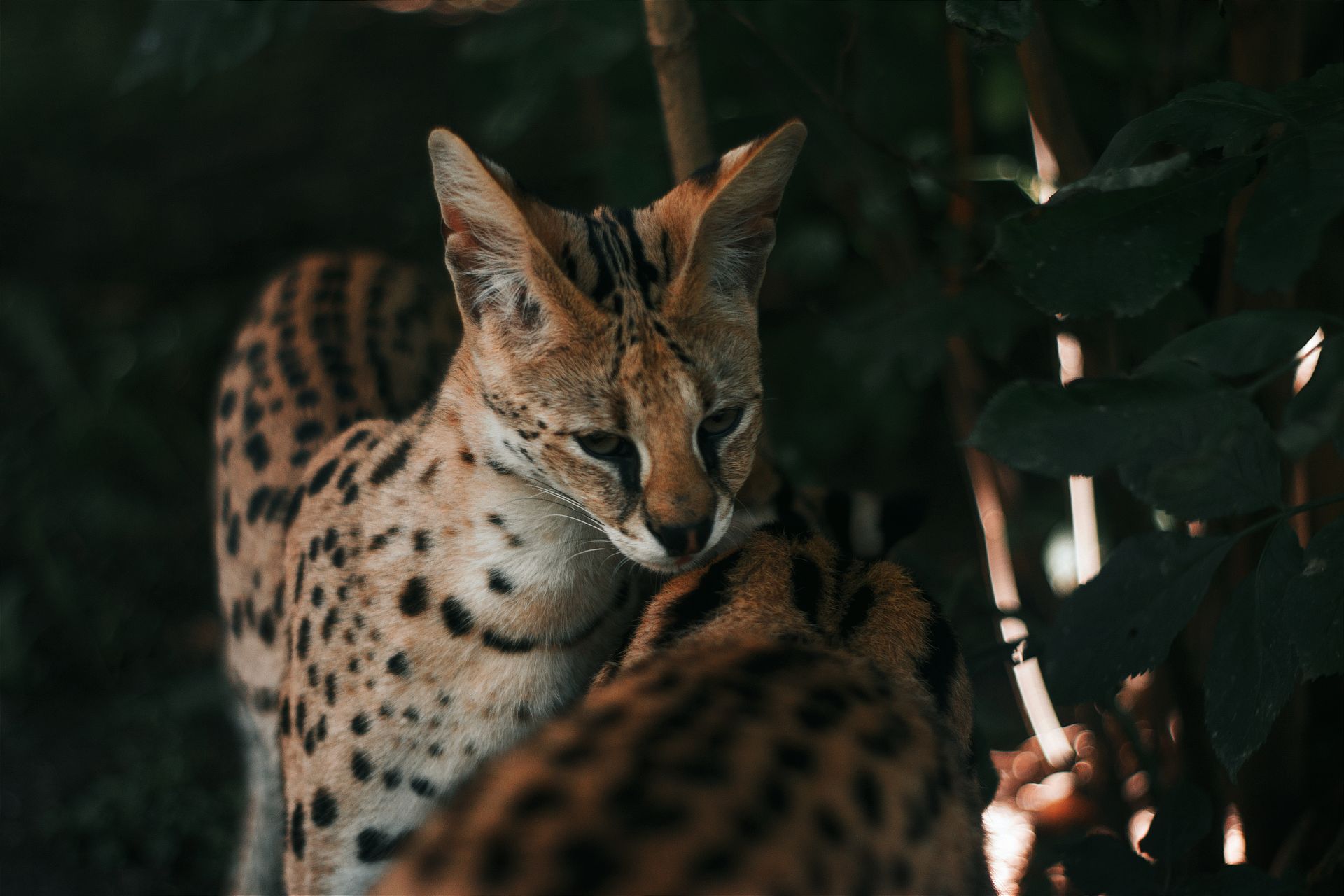
You'll need to provide a big outdoor enclosure with protections against harsh weather, as servals are extremely active and love to roam. They can jump up to nine feet in the air and dig beneath fencing, so the enclosure should have both a top and sides that extend a few feet below ground.
Servals are solitary animals and may not display comfort with strangers, so it's essential to have a strong bond with them. They can form close relationships with humans if handled properly from a young age.
They're litter box trainable, but they have a strong instinct to mark their territory with urine, which can be challenging to break. You'll need to place a large litter box in a safe and accessible location.
Servals require a specialized diet featuring a wide variety of protein and nutrient-rich meats, which can be expensive and time-consuming to manage. They need a lot of raw meat to eat, and their dietary needs should not be taken lightly.
They can be quite mischievous and love to chew on cables, push down vases, and jump on cabinets, so "baby" proofing your house will save you money and heartache in the long run.
If you're considering bringing a serval into your home, carefully reflect on your capacity to provide for their needs, especially if you have young children or other pets.
Consider reading: Why Am I so Attached to My Cat?
Price
Serval cats can be quite pricey, typically ranging between $4,000 and $6,000 for a kitten.
Their price may vary depending on where you buy them, but be wary of sellers who claim to offer them for significantly lower prices, like $900, as that's likely not a healthy or genuine cat.
Serval cats are not as expensive as some other exotic cat breeds, like F1 or F2 Savannah cats, but their care can be more costly due to their specific dietary needs and requirement for an enclosure that allows them to roam freely.
For more insights, see: Pets Not Dogs or Cats
Serval Care and Housing
Servals are extremely active cats that need an outdoor enclosure with protections against harsh weather. They require a lot of space to run and be wild, but safely.
You'll need to "baby proof" your house to prevent damage and save money on veterinary visits. This means securing cables, vases, and cabinets to prevent your serval from chewing on them or knocking them over.
Servals are litter box trainable, but they have a strong instinct to mark their territory, which means they will spray. You'll need to place a large litter box in a safe location and regularly check the serval's home to clean and sanitize any areas where they've sprayed.
Diet
Serval Cats are obligate carnivores, which means they require a diet rich in animal protein. They can thrive on a diet of whole prey and raw meat.
A good starting point for their diet is whole prey items like chicks of different sizes and little pinky or fuzzy mice. These provide essential nutrients and variety.
Commercial diets can also be used, but they should be supplemented with whole prey to ensure the cat gets everything it needs. ZuPreem Feline is a good option, but it should be served in moderation.
Some great sources for whole prey include RodentPro and MyPetCarnivore, which offer a variety of options like quail and rabbits.
Consider reading: Why Cats Are Great Pets
Grooming
When it comes to grooming, Servals are relatively low maintenance. Their short coat doesn't require a lot of grooming.
To keep your Serval's nails in check, you should trim them regularly. This will protect others from swats and scratches if they're comfortable being handled.
Servals Require Specific Habitats and Diets
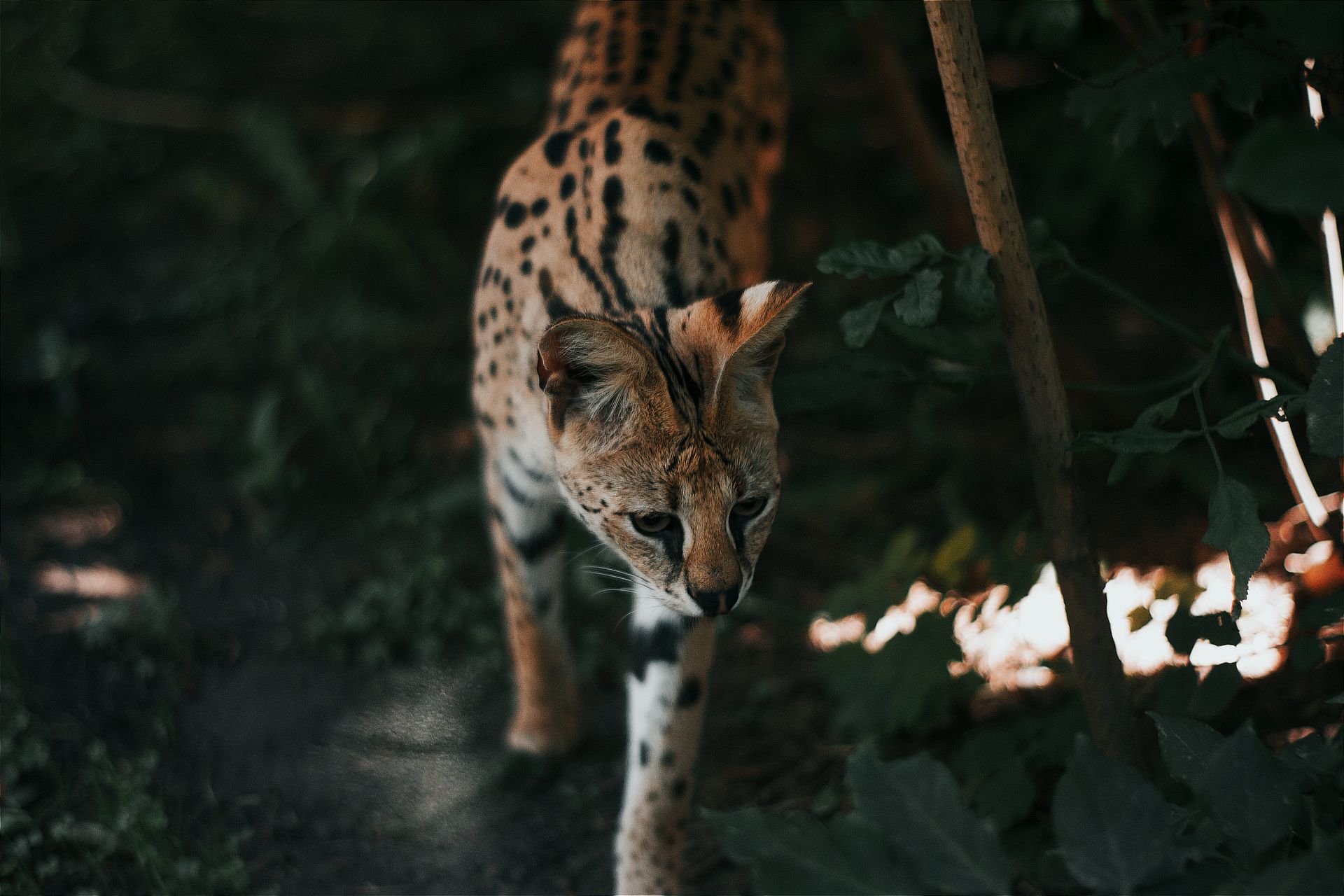
Servals need lots of space to run and be wild, but safe, and an outdoor enclosure with protections against harsh weathers is a must.
A serval's natural instincts compel them to jump, climb, and explore, so providing for these needs will likely be expensive and often necessitate creating an entire outdoor enclosure.
They require a specialized diet featuring a wide variety of protein and nutrient-rich meats, which can't be met with your average store-bought cat foods.
Servals can do ok with a "commercial" diet, meaning mostly raw meats with bone, some shrimp/sardines/other fishy treats, and some canned big cat food like ZuPreem Feline.
Whole prey is a must, even if it's not their only source of nutrition, if you want to keep your cat healthy.
Great sources for whole prey are RodentPro and MyPetCarnivore, which offer a variety of chicks, mice, quail, and rabbits.
Servals are extremely active cats and need big toys to play with, think durable dog toys they can't swallow, to keep them entertained and exercised.
Additional reading: How to Keep Cats Out of the Crib?
Frequently Asked Questions
Are serval cats legal in the US?
In the US, serval ownership laws vary by state, but they are generally allowed without a license in 7 states and with a license in 10 others. Check our resources for a detailed breakdown of serval laws by state.
Featured Images: pexels.com