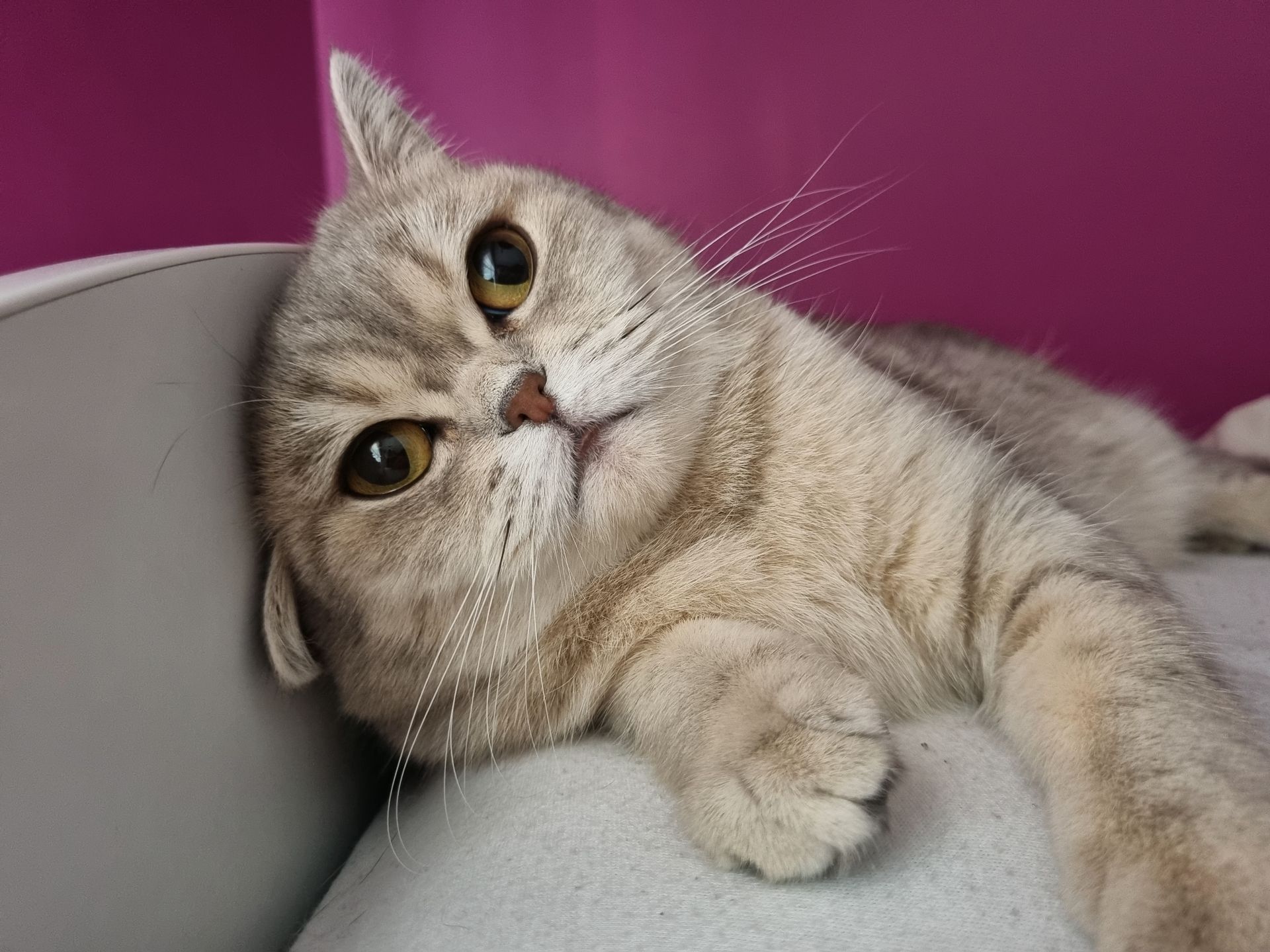
The Scottish Fold is a beloved breed known for its unique physical characteristics and charming personality. They originated in Scotland in the 1960s from a natural mutation in a white cat named Susie.
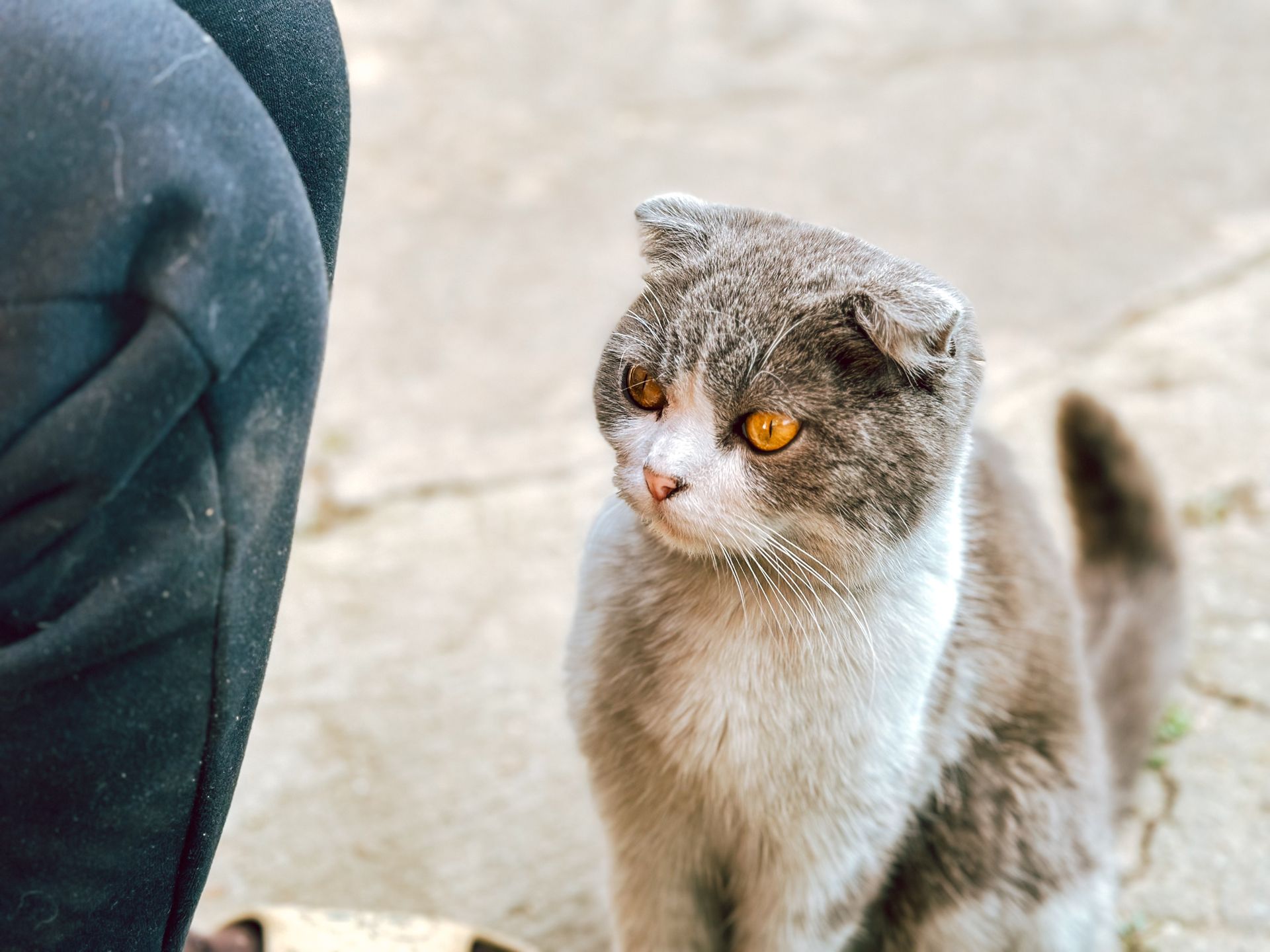
Their folded ears are the breed's most distinctive feature, which can be either short and folded or longer with a more open fold. This unique trait is the result of a natural genetic mutation.
Scottish Folds are highly intelligent and curious, making them entertaining companions. They are also known for their playful and affectionate nature.
Their intelligence and playfulness require regular exercise and mental stimulation to prevent boredom and destructive behavior.
Related reading: Best Breed of Cat for Catching Mice
History and Origins
The Scottish Fold's unique folded ears are a natural mutation that was first spotted in Scotland in the 1960s.
The breed was initially met with skepticism by some veterinarians and cat show judges, who deemed the folded ears an undesirable deformity.
This deformity could prevent the cat from cleaning its own ears and was associated with cartilage problems.
However, the Cat Fanciers Association in the US does recognize and register the Scottish Fold.
Scottish Fold litters will have both normal and folded eared kittens, making it impossible to tell which will be which until around 4 weeks of age.
Only folded eared examples can be shown, but the normal eared variety are vital to breeding programs as folds must be bred to normal ears to avoid health problems.
The breed's origins are indeed all in the name, with the Scottish Fold originating in Scotland and named for the unique way in which their ears fold forward.
The first intentional breeding of felines with this trait began in the 1960s, starting with a kitten named Susie.
Consider reading: Lip Fold Pyoderma in German Shepherds
Physical Characteristics
The Scottish Fold's ears are one of its most distinctive features. They're produced by an incomplete dominant gene that causes the ears to fold forward and downward, giving a cap-like appearance to the head.
Smaller, tightly folded ears set in a cap-like fashion are preferred. The large, round eyes and rounded head, cheeks, and whisker pads add to the overall rounded appearance.
The Scottish Fold's body is medium to large sized, with males weighing 4–6 kg and females weighing 2.7–4 kg.
Ears
The Scottish Fold's ears are one of its most distinctive features. They're produced by an incomplete dominant gene that affects the cartilage, causing the ears to fold forward and downward.
The breed's ears are actually a result of a genetic trait, not a physical characteristic that can be changed. A Scottish Fold kitten that doesn't develop folded ears is known as a Scottish Straight.
Smaller, tightly folded ears are preferred, and they're set in a cap-like fashion that adds to the overall rounded appearance of the head. The ears are still functional, though – they swivel to listen and lie back in anger.
Body
The Scottish Fold's body is a key part of its adorable appearance. Males typically weigh 4–6 kg (8.8–13.2 lb), while females weigh 2.7–4 kg (6.0–8.8 lb).
Their entire body structure, especially the head and face, is generally rounded. The nose is short with a gentle curve.
Their eyes are large and round, giving the Scottish Fold a "sweet expression". The broadly-spaced eyes contribute to this endearing look.
The Scottish Fold's head is domed at the top, and the neck is very short. A padded look and medium-to-short legs complete the cat's overall appearance.
They Have a Double Coat

They have a double coat which consists of a soft, thick undercoat and a longer, coarser outer coat.
This unique coat is a result of their evolution to stay warm in the freezing Scottish winter.
You'll need to regularly brush your Scottish Fold kitty's fur to keep it healthy.
Their double coat makes them unable to survive in a natural habitat.
This is a consideration you should keep in mind when thinking about bringing a Scottish Fold into your home.
Genetics and Health
The genetics of the Scottish Fold are complex, but it's essential to understand the basics to ensure the health and well-being of these beautiful cats.
The folded ear trait is inherited as an autosomal dominant trait, meaning a cat only needs one copy of the dominant fold gene (Fd) to express the trait. This gene can be either homozygous (Fd Fd) or heterozygous (Fd fd).
Breeding Scottish Folds can be tricky, as they can pass on severe health issues to their offspring. A homozygous fold, which has two copies of the dominant fold gene, is prone to severe health problems and should not be bred.
Readers also liked: Scottish Terrier Health Issues
Here's a simple table to illustrate the possible genotypes and phenotypes of Scottish Folds:
Mating a homozygous fold with any other cat will produce all folds, but this can lead to severe health issues. A homozygous to normal mating will produce only heterozygous folds, but it's essential to ensure there are no homozygous cats available to breed from.
Some Scottish Folds may appear to have normal ears but are actually genetically heterozygous folds. These cats can pass on the folded ear trait to their offspring, and it's recommended to test-mate them to a British Shorthair to ensure they're not genetically folds.
In 2016, the genetic mutation responsible for the folded ears and osteochondrodysplasia was identified in the Trpv4 gene. This mutation is a V342F substitution (c.1024G>T) in the fifth ankyrin repeat within the N-terminal cytoplasmic domain.
The Scottish Fold is also prone to polycystic kidney disease (PKD), with 54% of tested Scottish Fold cats having the PKD1 mutation. Additionally, two genes linked to hypertrophic cardiomyopathy have been found in the Scottish Fold population.
It's essential to prioritize the health and well-being of Scottish Folds, and responsible breeding practices are crucial to minimize the risk of inherited health issues.
Discover more: Are Turkish Angora Cats Rare
Legislation and Registry
The Scottish Fold's health issues have led to some significant legislation and registry changes. The breed is not accepted by the Governing Council of the Cat Fancy or the Fédération Internationale Féline (FIFe) due to concerns about genetic difficulties and health problems.
Some countries have banned breeding with Scottish Folds altogether, including the Netherlands in 2014, Austria in 2020, Flanders (Belgium) in 2021, and Victoria (Australia). Norway and Sweden have also prohibited breeding with cats that may produce unhealthy offspring.
The Cat Fanciers' Association has implemented measures to minimize health problems in the breed. Breeders are encouraged to use outcrossing with other breeds, such as British Shorthairs and American Shorthairs, to reduce the risk of inherited health issues.
Legal Bans
Several countries have prohibited breeding with Scottish folds to protect animal welfare due to the prevalence of osteochondrodysplasia in the breed.
The Netherlands banned breeding with Scottish folds in 2014, and Austria followed suit in 2020.

Flanders (Belgium) prohibited breeding with Scottish folds in 2021, and Victoria (Australia) also has a ban in place.
Norwegian and Swedish legislation indirectly bans breeding with Scottish folds by prohibiting the breeding of animals with genetic makeup that makes it likely to produce unhealthy offspring.
Potential parent cats can be tested for the mutation before breeding, but some countries have also banned selling Scottish fold cats or breeding with cats that bear the gene mutation.
Worth a look: Names for Turkish Angora Cats
Registry Bans
Registry bans have been imposed on the Scottish Fold breed due to its health problems. The Governing Council of the Cat Fancy and the Fédération Internationale Féline (FIFe) have both withdrawn registration of the breed.
GCCF withdrew registrations in 1971 due to concerns about genetic difficulties and ear problems. The FIFe also expressed concerns, but the breed continued to be established in the Americas using outcrossing with British Shorthairs and American Shorthairs.
Cat Fanciers' Association breeders have stated that using only fold to non-fold breeding has eliminated problems with stiff tails and shortened tails. However, the FIFe representative claimed that they were not seeing the problem in their cats, and that the study which showed that all heterozygous also have the condition had a small sample size.
In New Zealand, the Breed Standards Advisory Council for New Zealand Cat Fancy (NZCF) has issued a report on Scottish Folds. They recommend guidelines to mitigate the risks of feline OCD, including:
- A requirement for periodic vet examination of breeding cats for any evidence of lameness, stiffness, or pain.
- A requirement for periodic X-rays of breeding cats and comparison of X-ray evidence with clinical symptoms.
- Requesting the agreement of pet owners to be periodically contacted by the NZCF or by a researcher.
- All information to be reported/submitted to the BSAC to allow information to be collated.
- Requirements to be in place for a minimum of 5 years to enable tracking of the health of Folds over time.
Popularity and Suitability
The Scottish Fold is a highly sought-after pet, with Fold kittens typically costing more than kittens of more common breeds. They're also popular among celebrities, with American singer Taylor Swift owning two Scottish fold cats.
Despite their popularity, Scottish Folds are best suited for families with older children, as they can more readily understand a cat's behavior and respect their space. This makes them a great fit for households with older kids who know how to handle a cat gently.
Scottish Folds are wonderful pets, known for their gentle and affectionate nature, but it's essential to consider their unique needs and potential health issues. Regular veterinary checkups, genetic testing, and a balanced diet can help manage their condition and keep them at a healthy weight.
Popularity
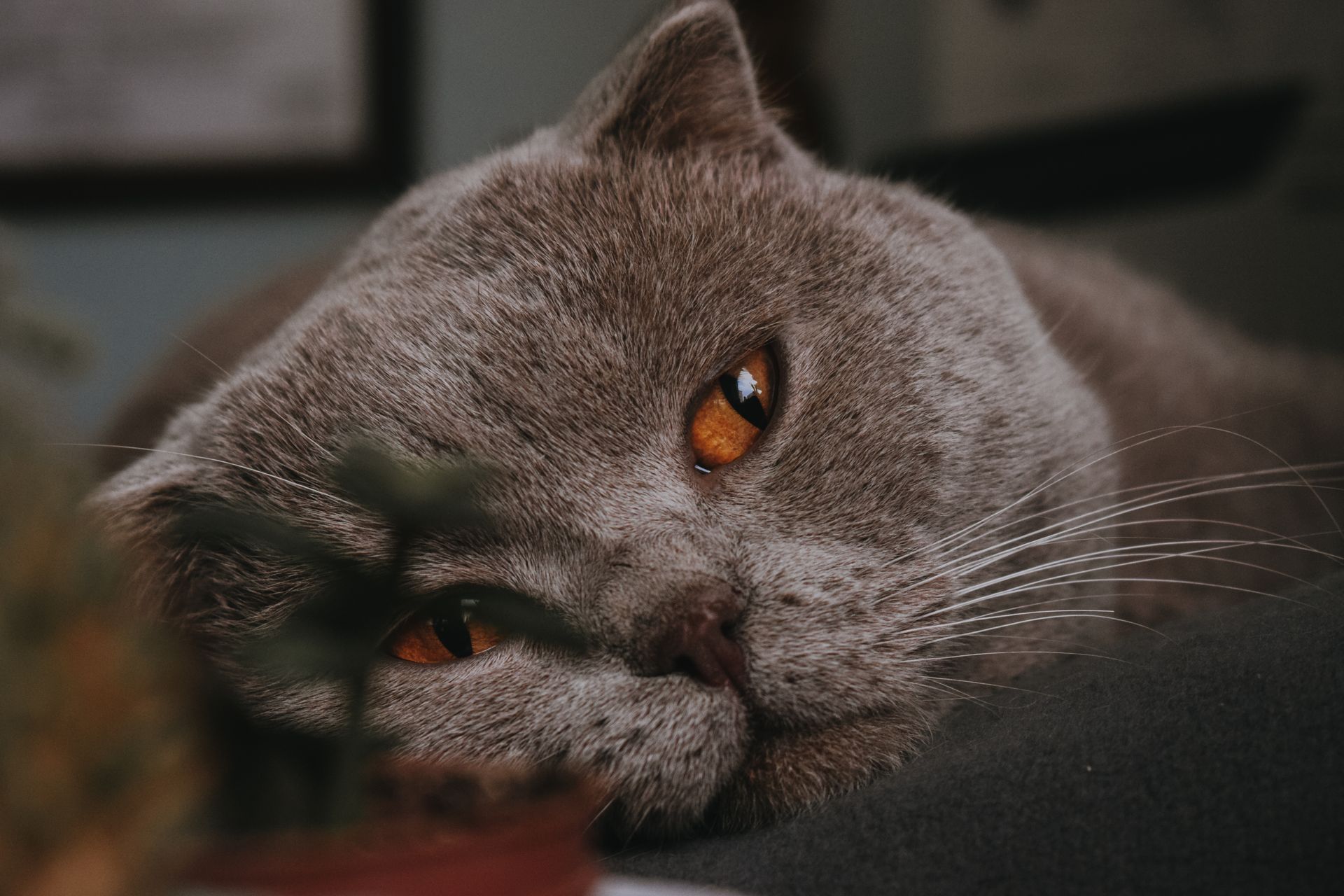
The Scottish Fold is a highly sought-after pet, with Fold kittens typically costing more than kittens of more common breeds.
Their distinctive physical traits and reputation as loving companions make them a popular choice among cat fanciers. Many people are drawn to their unique appearance and affectionate nature.
One reason for their popularity is their ability to form strong bonds with their owners. This is likely due to their reputation as loving companions.
Celebrities are also fans of the Scottish Fold, with American singer Taylor Swift being one notable owner. Her two Scottish Fold cats, Meredith Grey and Olivia Benson, are named after characters from popular TV shows.
Recommended read: Popular Cat Types
Suitability for Family Life
The Scottish Fold is a great addition to many family homes, but it's essential to consider the age of your children. Fairly easy going, they'll enjoy most family homes or single homes. Ideally, it's better with older children, as they can more readily understand a cat's behavior and respect their space.
Pet Parent Considerations
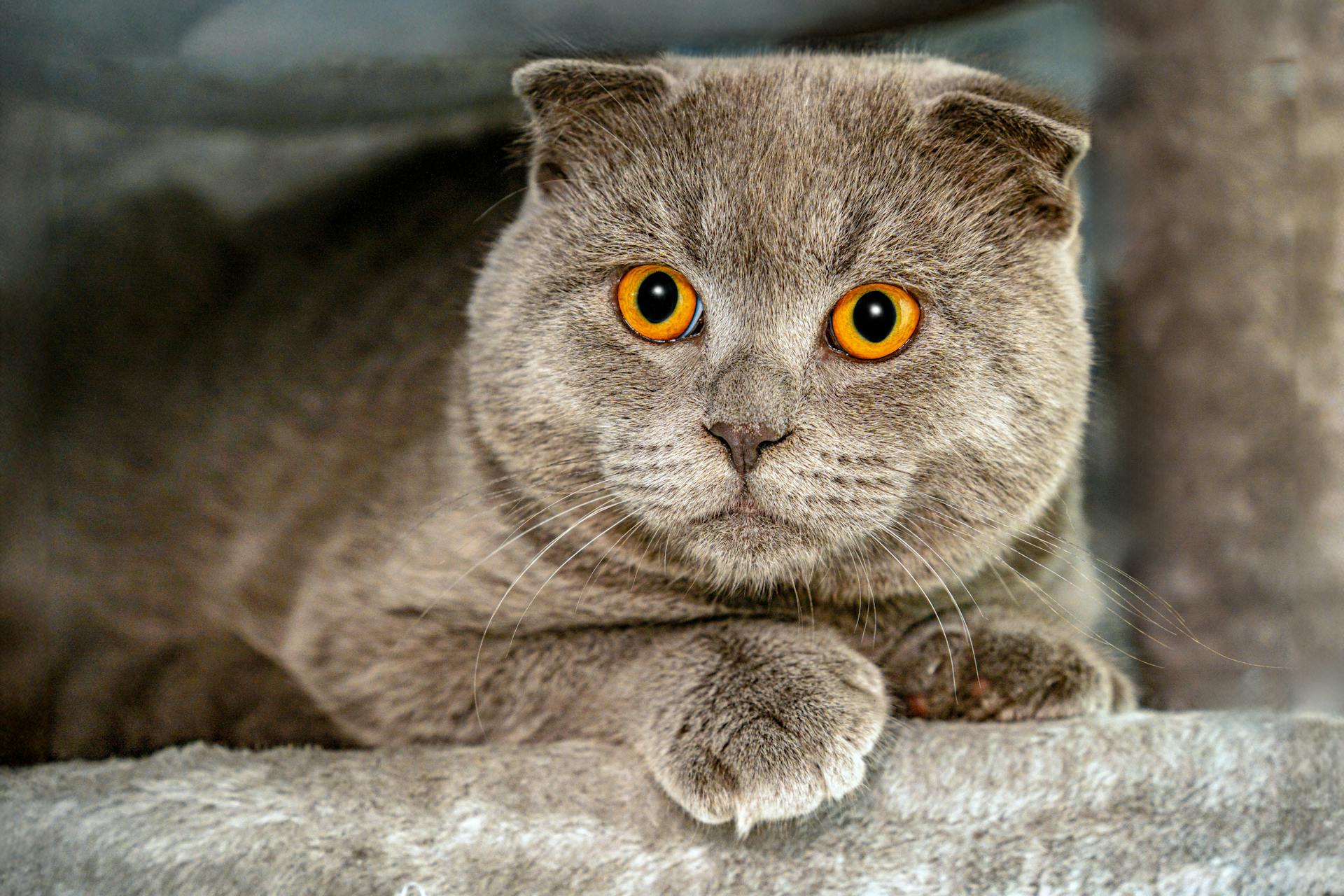
Scottish Folds are wonderful pets, known for their gentle and affectionate nature.
They can thrive in a variety of households with proper care, attention, and socialization. However, their unique folded ears are associated with a genetic disease that can lead to pain in the bones, cartilage, and joints.
To alleviate health issues, responsible breeders in the United States breed folded-ear cats only with straight-eared cats. Regular veterinary checkups, genetic testing, and an appropriate diet can help manage the condition and keep your cat at a healthy weight.
Scottish Folds typically cost considerably more than kittens of more common breeds, making them a significant investment for many pet parents.
For more insights, see: Burmese Hypoallergenic Cats
Caring for a Scottish Fold
Scottish Folds are incredibly popular due to their sweet and gentle temperament. They thrive in houses or apartments, and happily share their space with other pets and children.
To care for a Scottish Fold, you need to understand their body language and notice small signs of discomfort, as they can be prone to joint and cartilage problems. Their folded ears are adorable, but also come with specific health concerns.
Scottish Folds need a complete and balanced cat food to stay healthy, and it's essential to feed them a protein-rich diet to keep their joints healthy. A non-slip mat at their feeding area can prevent accidents and make mealtime more comfortable.
Just like humans, eating too much and exercising too little can lead to weight gain in Scottish Folds, which can worsen joint pain. Your vet can help determine how much your cat should eat based on their lifestyle, age, and ideal weight.
Scottish Folds require a fair amount of attention and care, including weekly grooming to prevent matting and tangling of their double coats. They also need daily activity and playtime to stay happy and healthy.
It's essential to keep your Scottish Fold's joints healthy by feeding them a protein-rich diet and avoiding carbs, as they are prone to weight gain. Feeding them on a schedule and keeping treats to a minimum can also help maintain a healthy weight.
Explore further: Average Weight for American Shorthair Cat
Behavior and Training
Scottish Folds are loving companions that thrive on human interaction. They're affectionate and moderately active, but don't expect them to be constantly attached to you.
These cats enjoy a good play session with a wand toy, but they're not high-energy felines. In fact, they're good eaters and not as energetic as other breeds.
Scottish Folds are intelligent and inquisitive, making them a joy to train. With the right treats and positive reinforcement techniques, your cat can learn helpful training cues and fun tricks.
Their docile personality makes them a great addition to almost any household, including those with young children, canine companions, and other cats. Proper socialization is key to a happy household.
If you notice any behavioral or mobility changes in your Scottish Fold, schedule a checkup with your veterinarian. Some cats can become aggressive if they're experiencing severe pain.
Here are some fun activities to engage your Scottish Fold:
- Playing with toys
- Cuddling
- Zooming around the house
- Scratching on posts
- Basking in the sun
- Resting in an orthopedic bed
Grooming and Enrichment
The Scottish Fold's grooming needs are relatively easy to manage, but they do require some attention. The short, dense coat of the Scottish Fold cat is easily cared for and needs no special grooming, though brushing helps remove dead hairs.
Regular brushing, ideally daily, but at least a couple of times a week, helps manage shedding and prevent matting. This is especially important for Scottish Folds, as they can lose their ability to groom themselves due to limited mobility caused by osteoarthritis.
Their double coat, consisting of a soft undercoat and a longer outer coat, requires regular brushing to keep it healthy. This will also help prevent matting and shedding, making your Scottish Fold's grooming routine a breeze.
Grooming Guide
Grooming your Scottish Fold cat is a must, especially with their double coat. Regular brushing helps manage shedding and prevent matting, ideally daily but at least a couple of times a week.
Their short dense coat is easily cared for, but brushing helps remove dead hairs. You'll also need to remove any wax or dirt build up from the outer ear to prevent ear infection.
Due to potential limited mobility caused by osteoarthritis, Scottish Fold cats might lose their ability to groom themselves earlier compared to other cats. This means you may need a more hands-on grooming routine, especially if they're missing spots or unable to reach areas during grooming sessions.
A greasy coat can be a sign that your cat is no longer attempting to groom themselves, which can be indicative of poor or failing health. So, it's essential to keep an eye out for this and adjust your grooming routine accordingly.
You should brush your Scottish Fold kitty's fur regularly to keep it healthy, especially considering their double coat consists of a soft, thick undercoat and a longer, coarser outer coat.
Enrichment and Needs
Scottish Folds need regular play and stimulation to stay happy and healthy. They love to climb cat-trees and appreciate toys on strings to keep them engaged.
These cats are not overly demanding, but they do require attention and care. In a busy household, it's easy to forget to devote time to your Scottish Fold, so make sure you have the time to commit.
To keep your Scottish Fold's ears healthy, you'll need to groom them weekly to prevent joint and cartilage problems. Their double coats require regular attention to prevent matting and tangling.
Scottish Folds are naturally curious and intelligent, so they need daily activity and playtime to keep them active and engaged. If you can't commit to regular playtime, you might want to consider a more laid-back breed.
They're happy to share their space with other pets and children, but they do prefer the company of their humans. To keep them happy and healthy, engage them in interactive play and provide puzzle toys to test their intelligence.
Scottish Folds are good eaters, but they do need a specific diet to stay healthy. Regular exercise and playtime are also essential to keep them fit and active.
Frequently Asked Questions
What are the negatives of Scottish Folds?
Scottish Folds are prone to osteochondrodysplasia, a genetic condition that causes joint and bone abnormalities, leading to arthritis, pain, and behavioral changes. This inherited condition affects cartilage throughout the body, impacting the cat's quality of life.
Featured Images: pexels.com