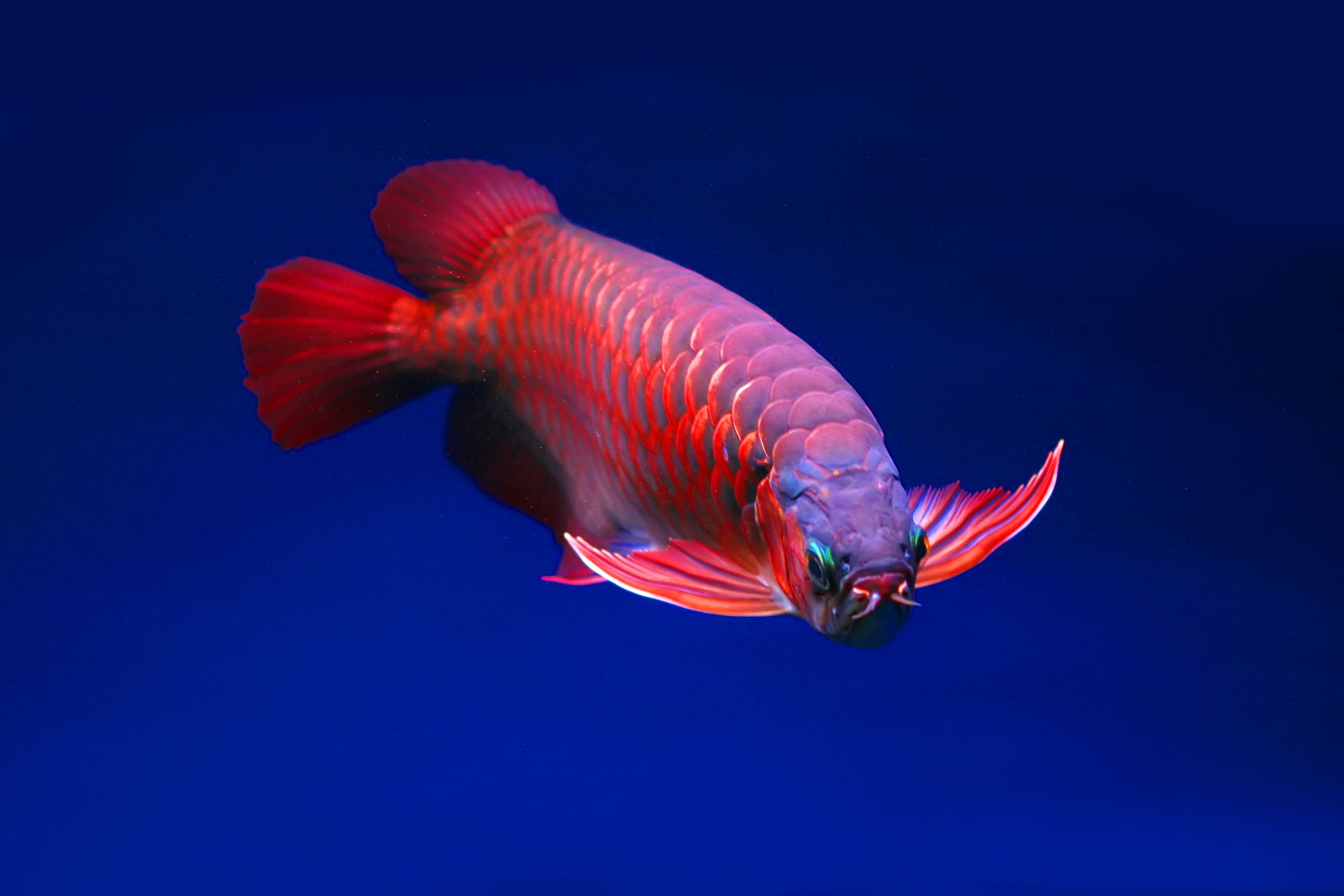
Scleropages formosus, also known as the Asian Arowana, is a unique and fascinating species.
Native to the slow-moving waters of Southeast Asia, specifically in Malaysia and Thailand, the Asian Arowana has adapted to its environment over time.
This species is a member of the Scleropages family, which is characterized by its distinctive elongated body shape and long snout.
The Asian Arowana can grow up to 36 inches in length, making it a popular choice among aquarium enthusiasts.
Physical Characteristics
The Asian Arowana has a breathtaking appearance, with vibrant colors that can vary in shade from metallic golden or red to bluish-green.
Its fins are long and flowing, especially the dorsal fin, which extends from the middle of its body to the caudal fin.
The scales of the Asian Arowana are bony and metallic in appearance, reflecting light and giving the fish a shimmering and eye-catching appearance.
Its body is elongated and streamlined, with a slightly arched back that shows it to be a powerful swimmer.
The pectoral and pelvic fins are also elongated, adding to the fish's overall majestic look.
The mouth of the Asian Arowana is relatively large, adapted for surface feeding, as the fish often preys on insects and other small animals found near the water's surface.
Its eyes are relatively large and have a striking appearance, further adding to the fish's overall majestic look.
The unique scales and striking colors of the Asian Arowana make it one of the most sought-after and prized freshwater fish for aquarium enthusiasts.
Habitat and Distribution
Scleropages formosus can be found in a variety of aquatic environments.
These fish inhabit natural lakes, which provide them with the slow-moving waters they prefer.
They also thrive in swamps, where the water is often murky and overhanging vegetative cover is abundant.
In addition to lakes and swamps, Scleropages formosus can be found in flooded forests, which offer them a unique blend of aquatic and terrestrial habitats.
Some populations of Scleropages formosus inhabit blackwater systems, where the water is stained brown due to the influence of ancient peat and other organic material.
Cultural and Economic Impact
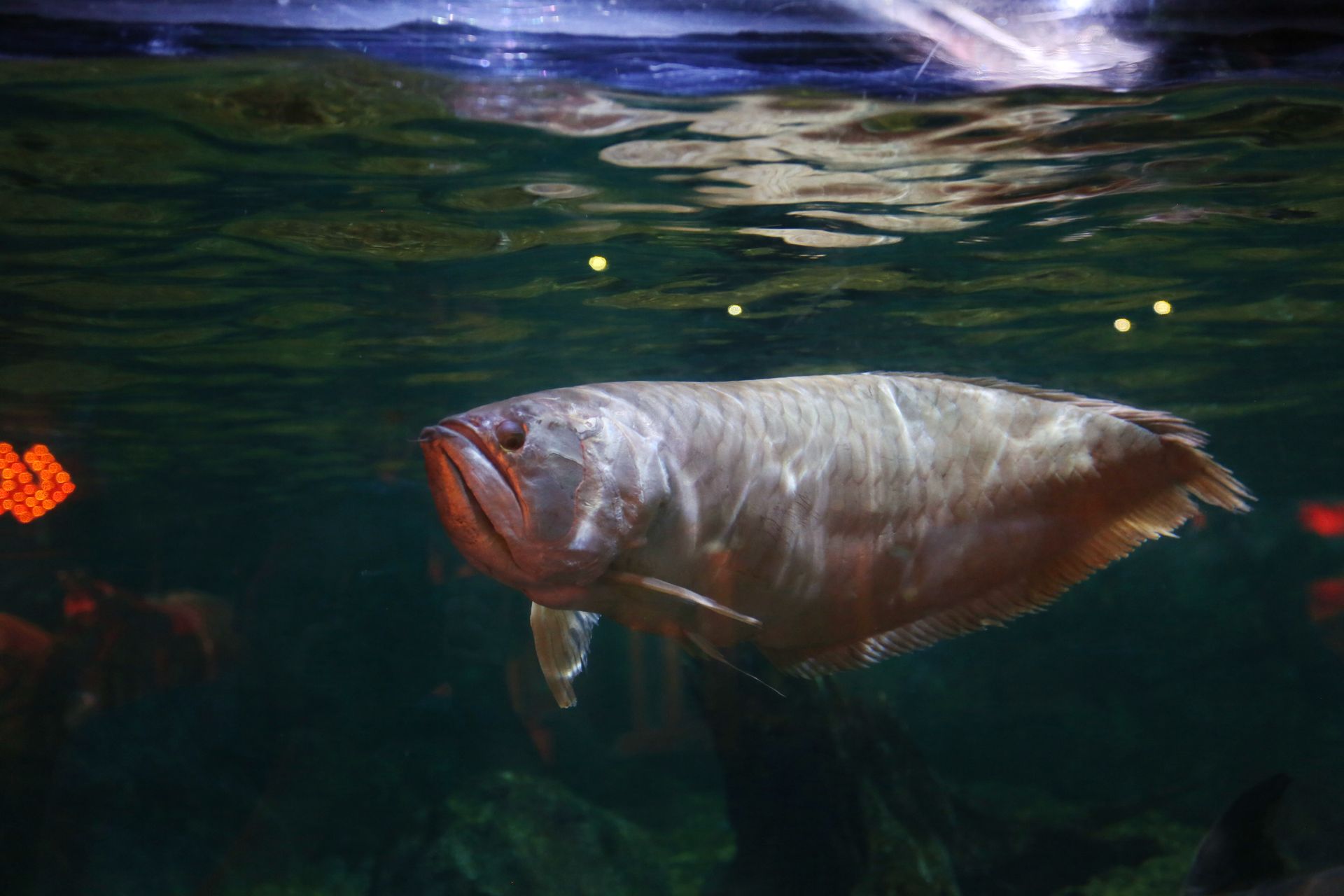
The Asian Arowana, or Scleropages formosus, has a significant cultural impact due to its introduction to various countries and regions beyond its native range. This has raised concerns about potential ecological impacts on local ecosystems.
Its popularity in the ornamental fish trade has led to a demand that is regulated under CITES to protect its wild populations. Asian Arowana are classified as an endangered species in the wild, primarily due to habitat destruction and overfishing.
Harvest, Trade, and Conservation in Cambodia
The Asian Arowana, also known as the dragon fish, is a highly prized species in Cambodia, with the Scleropages formosus being the primary focus of the aquarium freshwater fish trade.
Harvesting and trading the Asian Arowana is a significant activity in Cambodia, with the species being highly sought after for its unique appearance and cultural significance.
The Asian Arowana is considered an iconic species in Cambodia, with its conservation playing a crucial role in maintaining the country's biodiversity.
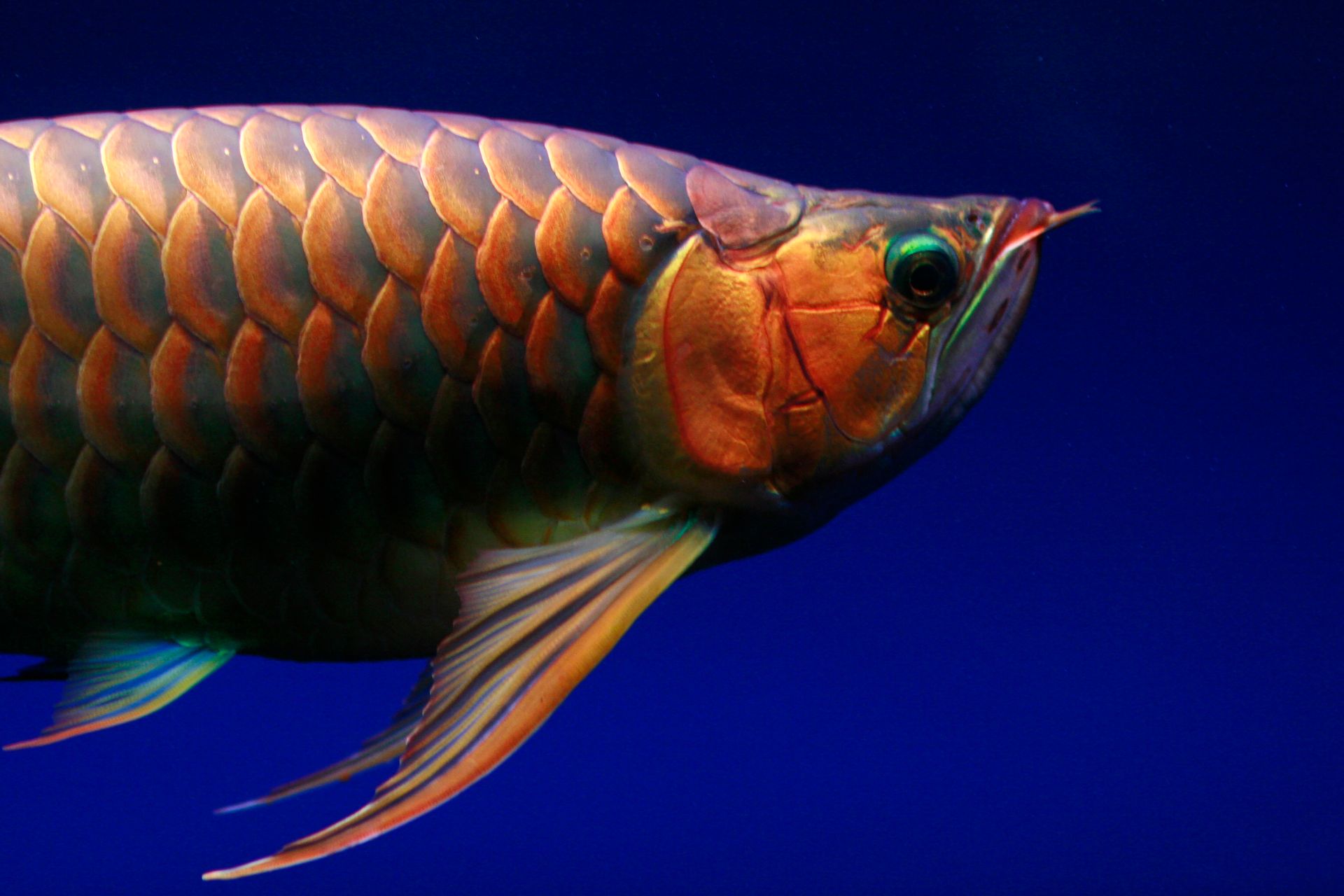
The aquarium freshwater fish trade is a major driver of the demand for the Asian Arowana, with the species being highly valued for its vibrant colors and striking patterns.
Conservation efforts are underway to protect the Asian Arowana and its habitats, with a focus on sustainable harvesting and trade practices to ensure the long-term survival of the species.
The Asian Arowana is listed in the article "Aqu. Cons. 18:1255-1262" as a species that requires conservation attention.
Cultural Impact in Ornamental Fish Trade
The Asian Arowana has become a highly sought-after species in the ornamental fish trade, driven by its cultural significance in various regions. Its unique appearance and characteristics have made it a prized possession for many aquarium enthusiasts.
In fact, the Asian Arowana has been introduced to many countries beyond its native range, including regions where it's not native. This has raised concerns about its potential impact on local ecosystems.
The Asian Arowana is classified as an endangered species in the wild, primarily due to habitat destruction and overfishing.
Diet and Breeding
Asian Arowanas are apex predators in their freshwater habitats and have a diverse diet that reflects this. They feed on fish, insects, crustaceans, small amphibians, and even reptiles.
Arowanas are known for their unique hunting behavior called "jar feeding", where they leap out of the water to catch prey. They also feed on smaller cyprinid fish, minnows, crickets, grasshoppers, and other aquatic insects.
In terms of breeding, Asian Arowanas typically start showing breeding behavior and become capable of breeding between 3 to 5 years of age. During this time, males and females display increased coloration and become more active.
Fishing Method
Arowana are surface-dwelling fish, so it's best to fish near the water's surface.
They often prefer to feed near the surface, which is why you should fish your bait there.
To increase your chances of catching them, allow your bait to float or swim naturally.
Arowana primarily feed on small fish, insects, and other aquatic animals, so choose live or artificial bait that closely resembles their natural prey.
Diet
Asian Arowana are apex predators with a diverse diet that reflects their unique hunting behavior. They have a remarkable ability to leap out of the water to catch prey on low-hanging branches or leaves above the water.
Arowanas primarily feed on fish, including smaller cyprinid fish and minnows. Insects are also an essential part of their diet, such as crickets, grasshoppers, and other aquatic insects.
Crustaceans like small crayfish and shrimps are also on the menu. They feed on them, adding variety to their diet.
Arowanas don't limit themselves to just aquatic prey; they also feed on small amphibians like frogs and tadpoles.
Breeding
Breeding Arowana can be a fascinating process. Arowana typically start showing breeding behavior and become capable of breeding between 3 to 5 years of age.
During the breeding season, males and females display increased coloration and become more active. The male selects a suitable territory for the female to lay her eggs, usually on a flat surface such as a leaf or a root.
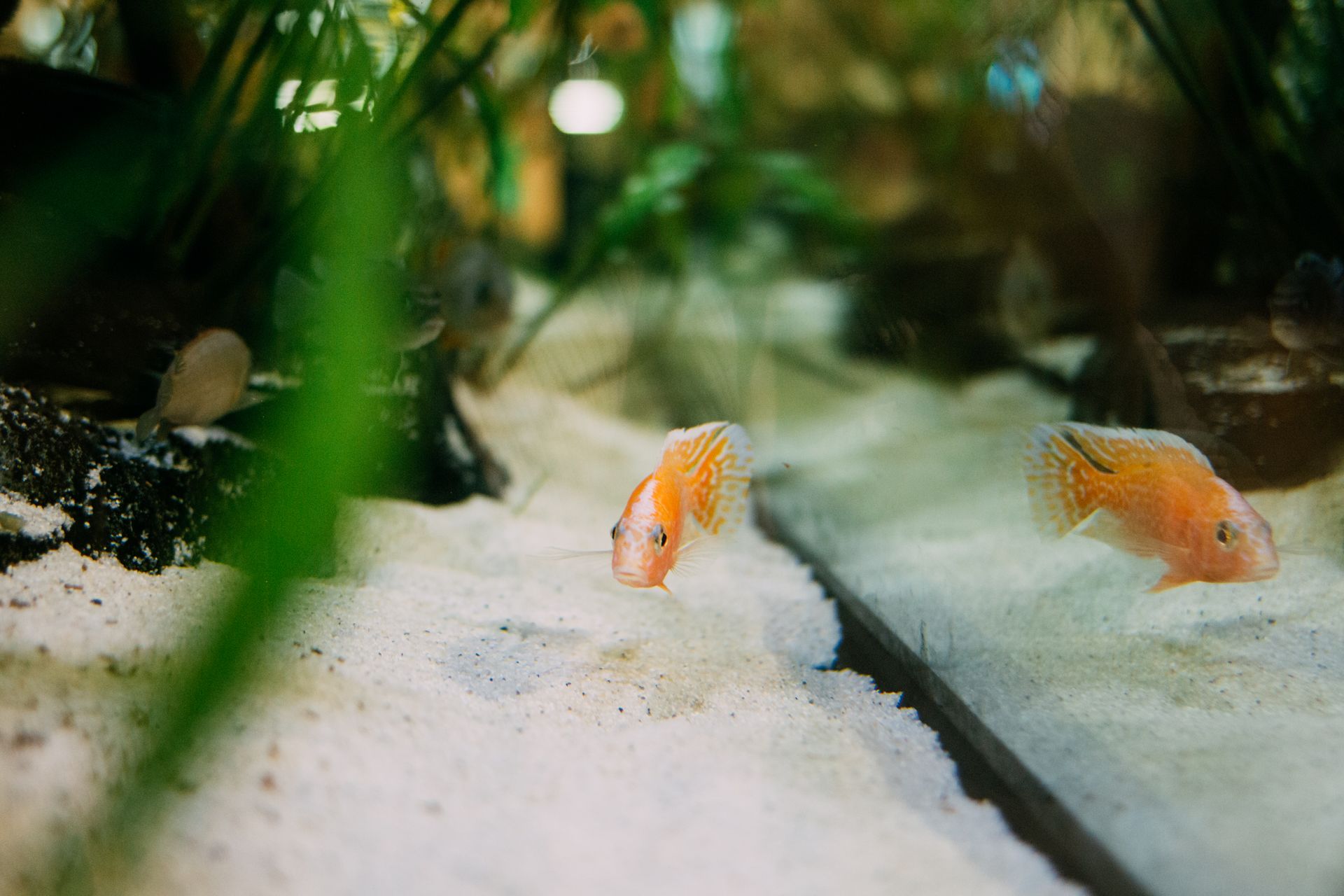
The male releases sperm over the eggs to fertilize them and the eggs adhere to the chosen substrate. Once fertilized, the male collects the eggs in his mouth and carefully picks up each egg to hold them in his mouth.
The male carries the eggs for the duration of the incubation period, which can last for several weeks, depending on the temperature and other environmental conditions. The fry are usually small and vulnerable at this stage, as they start to swim in search of food.
Arowana are known for their unique breeding behavior as mouthbrooders, where the male carries and protects the eggs in his mouth until the fry are ready to swim freely.
12-02
In the 12-02 section, we learn that a balanced diet is crucial for successful breeding.
A diet rich in omega-3 fatty acids, such as those found in fish oil, has been shown to improve fertility in both males and females.
Eating a diet high in antioxidants, including vitamins C and E, can help reduce oxidative stress and promote healthy breeding.
Foods high in fiber, like leafy greens and whole grains, can support healthy digestion and reduce inflammation.
Frequently Asked Questions
What is the common name for Scleropages formosus?
The common name for Scleropages formosus is the Asian arowana. This freshwater fish is native to Southeast Asia.
Featured Images: pexels.com