Savannah cats can make wonderful pets for the right owner, but they do require a lot of attention and care.
Their energetic and playful nature means they need plenty of space to roam and exercise, which can be a challenge in smaller living spaces.
Savannah cats are a cross between a domestic cat and a serval, a wild cat native to Africa, which is why they're often referred to as a "hybrid" breed.
This unique heritage also means they have specific dietary needs that are best met by a high-protein diet.
Characteristics and History
Savannah cats are truly one-of-a-kind pets. They're sociable with people and pets, making them a great fit for families.
Their high intelligence means they're always eager to learn and interact with their environment. This also makes them quite playful, often described as "Velcro cats" because they love to follow their owners around the house.
Their high energy level requires plenty of exercise and playtime, so if you're looking for a low-maintenance pet, a Savannah cat might not be the best fit. However, if you're up for the challenge, they'll reward you with endless affection and fun.
Here are some key characteristics of Savannah cats at a glance:
Characteristics
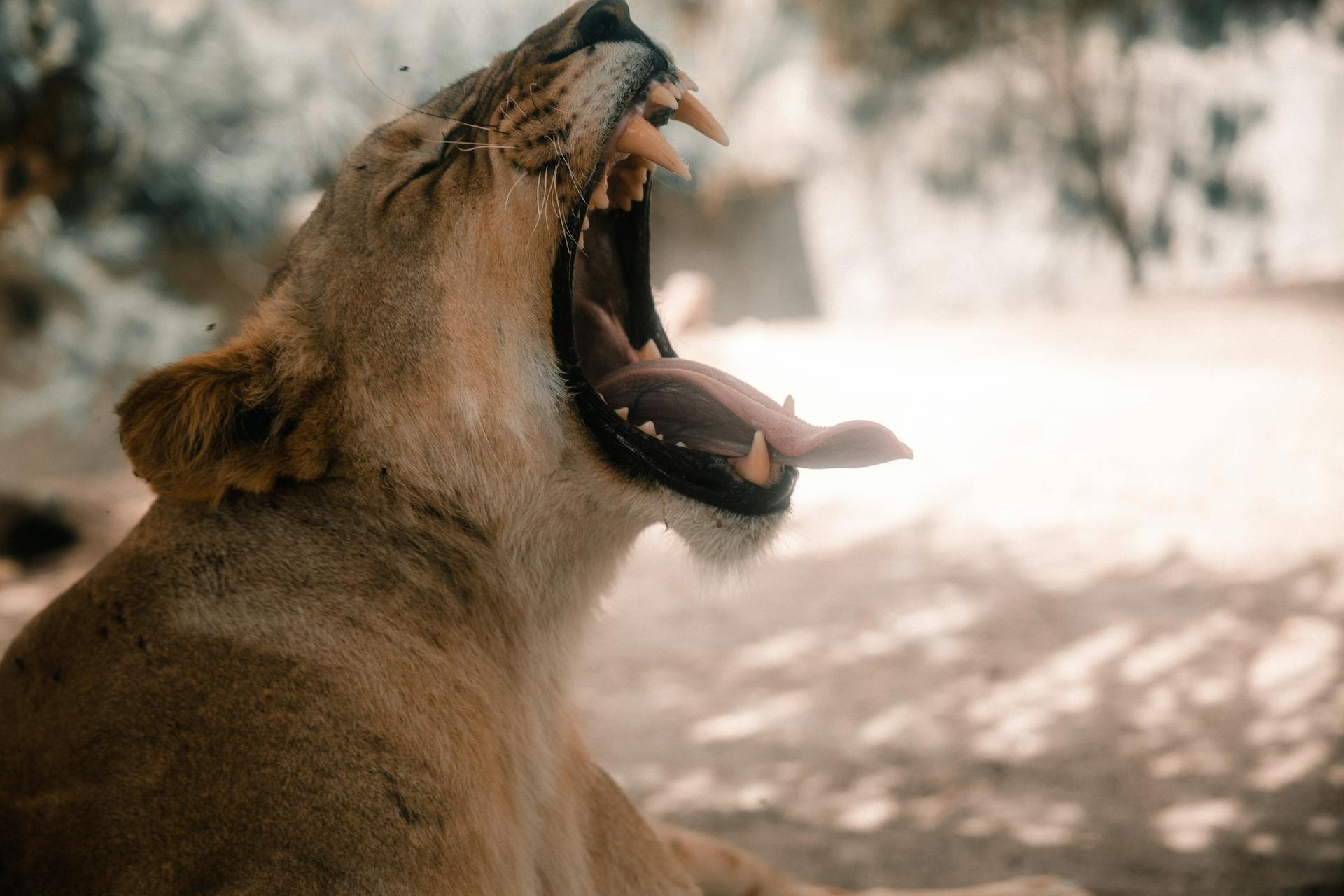
Savannah cats are known for their high energy level and need plenty of exercise and playtime. They're not the type of cat to sleep all day and cuddle on your lap.
A Savannah cat may follow their owner around the house like a dog and are often described as "Velcro cats." They're highly intelligent and always willing to greet their owners with friendly head bumps.
Savannahs generally get along well with other cats and dogs, and they're good with older children. Toddlers may be easily overwhelmed by these large, playful cats.
Here's a summary of Savannah cat characteristics:
Savannah cats are highly intelligent, so they need plenty of mental stimulation and challenges to keep them engaged.
History of Cat
The Savannah cat breed has a fascinating history that dates back to 1986, when the first known Savannah cat was born. This kitten was aptly named Savannah and possessed a unique combination of wild and domestic traits from its parents.
The breed gained momentum in the early 1990s, thanks to Patrick Kelley, who discovered the Savannah cat and enlisted the help of Joyce Sroufe to develop the breed further.
Suggestion: Savannah Breed Profile
Care and Maintenance
Savannah cats are not for the faint of heart and require much more exercise and attention than the typical house cat. They can even be clicker- and leash-trained.
Exercise is key for Savannahs, so be prepared to spend quality time with your cat every day. You can start by setting up a play area where your cat can run around and get some exercise.
Savannahs love to play in water, so consider filling a kiddie pool for them to explore at their own pace. Don't plunk them into the pool, just let them discover it on their own.
Providing shade on hot summer days is crucial when letting your Savannah cat play outside. You can set up an enclosure around the pool to keep them safe and secure.
Savannahs are naturally curious, so be prepared for them to explore their surroundings. You might even find them curiously exploring the bathtub or shower.
Broaden your view: Why Am I so Attached to My Cat?
Health and Wellbeing
Savannah cats are generally healthy and should be given the same veterinary preventative care visits and treatments as other domestic cats. They are prone to hypertrophic cardiomyopathy, a heart condition that causes thickening of the heart's left ventricle, which can lead to heart failure.
Regular veterinary check-ups are crucial to monitor their health and catch any potential issues early on. This will help ensure they live long and happy lives.
It's essential to be aware of this heart condition and work closely with a veterinarian to manage it if your Savannah cat is diagnosed.
Common Health Problems
Savannah cats are generally healthy, but they do have some health concerns to be aware of.
Hypertrophic cardiomyopathy is a heart condition that affects Savannah cats more than fully domestic cats. This condition causes thickening of the heart's left ventricle, which can lead to heart failure.
Regular veterinary check-ups and preventative care visits are essential to monitor your Savannah cat's health.
They Enjoy Water
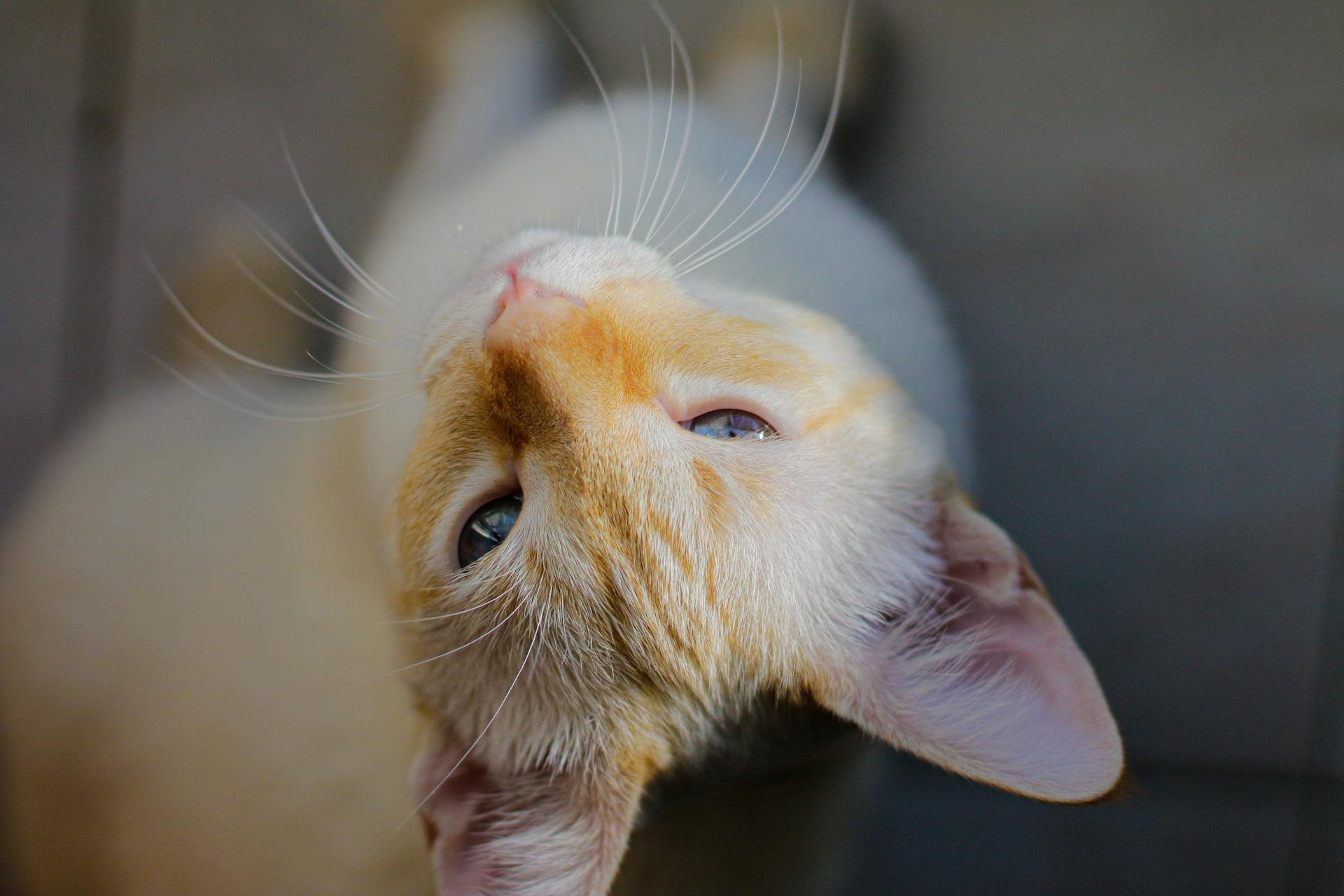
They enjoy water, and it's not just because they're cute and playful. Perhaps because their parent breed, the serval, prefers areas close to water bodies, Savannah cats enjoy water.
You might find them hopping in the shower with you, or even taking a swim in a small body of water outside. This suggests that they have a natural affinity for water.
However, this also means that they might bat their water bowls until they're empty, which can be frustrating for owners. A cat water fountain may be the best way to make sure your kitty stays hydrated.
It's worth noting that their love for water is not just a quirk, but also a reflection of their natural instincts.
You might like: Pets Not Dogs or Cats
Breed Information
Savannah cats are a relatively new breed, developed in the 1980s in the United States by crossing a Serval cat with a domestic cat.
They are categorized by how many generations they are away from their wild Serval cat ancestor, with the most common designations being F1 through F8.
Curious to learn more? Check out: Serval Cats
An F1 Savannah cat is the largest and least affectionate of the Savannahs, weighing up to 25 pounds and standing about 16 to 18 inches at their shoulders.
These cats are not suitable for households with small pets or kids and are the most expensive to purchase, with prices ranging up to $20,000.
Here's a quick breakdown of the different types of Savannah cats:
- F1: One serval parent and one domestic cat parent, 50% serval, weighs up to 25 pounds
- F2: Serval grandparent, similar in size and temperament to F1, but slightly more affectionate
- F3: Serval great-grandparent, weighs up to 20 pounds, still looks wild but more affectionate
- F4: At least one great-great-grandparent was a serval, size and temperament more predictable
A Stud Book Traditional Savannah cat is at least four generations removed from the serval but has only Savannah cat parents for at least three generations, without further outbreeding with domestic cats.
Breed Features
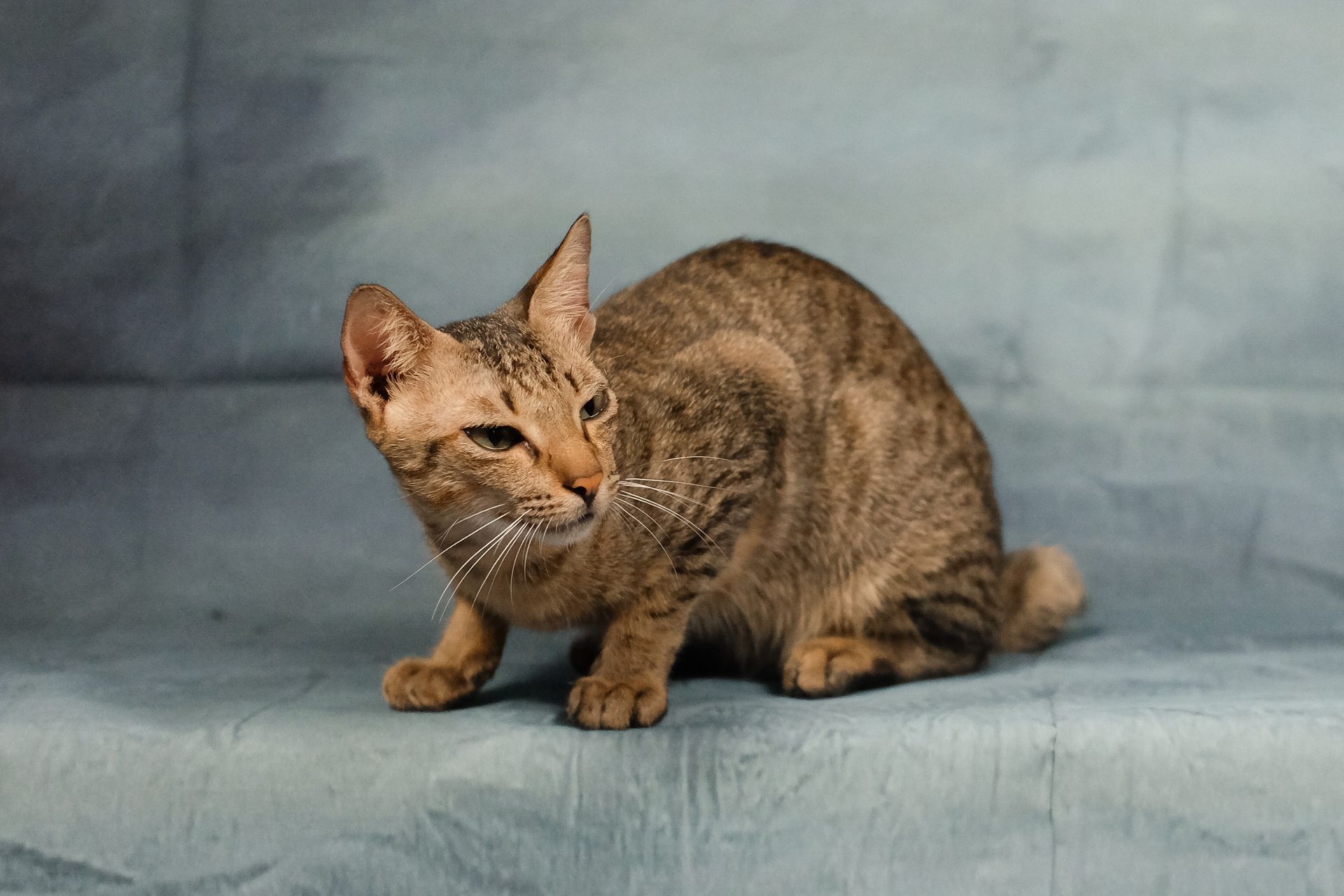
The Savannah cat breed is truly unique, and their physical characteristics are just one of the many things that make them so special. They typically have a spotted coat in a variety of colors, including brown, tan, gold, silver, black, and black-smoke.
Their coat patterns can also include rosetted, marble, point, blue, cinnamon, chocolate, and lilac (also known as lavender). It's not uncommon to see these beautiful cats with a mix of colors and patterns.
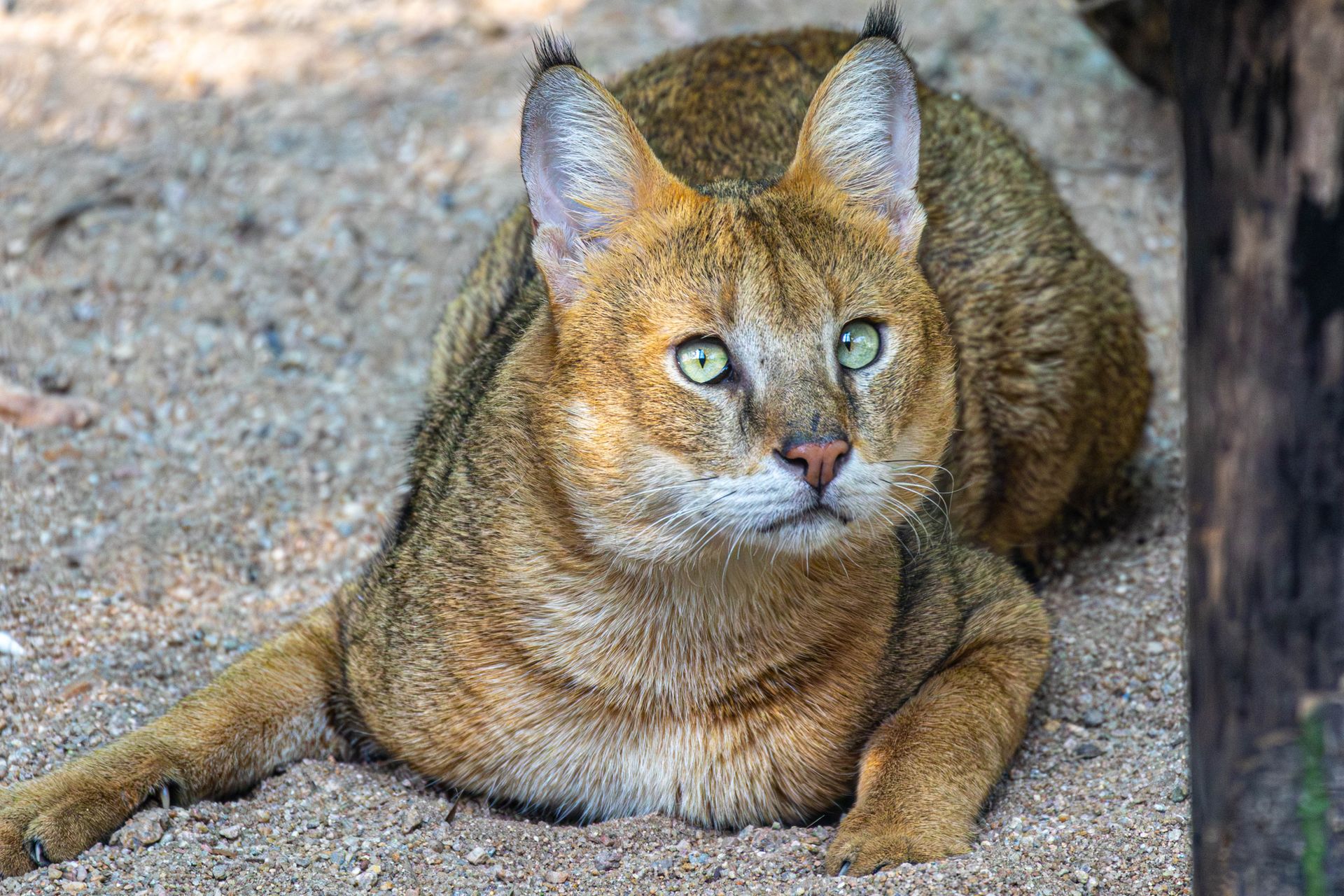
One of the most distinctive features of a Savannah cat is their tall, wide, rounded, erect ears, which often feature ocelli on the backs. Their ears are quite impressive, and they're a great indicator of their serval heritage.
Savannah cats also have very long legs, with a hind end that's often higher than their shoulders while standing. This gives them a unique, athletic appearance that's quite striking.
Their heads are small and tall, with a long slender neck and a fat, puffy nose. Their eyes are hooded and can be a range of colors, including green, brown, gold, or a blended shade.
Their tails are relatively short, with black rings and a solid black tip. It's worth noting that Savannah cats are one of the largest domestic cat breeds, so they can grow to be quite impressive in size.
Types of
The Savannah breed is quite unique and varied, with different generations offering distinct characteristics.
The Savannah breed is classified by its filial generation, which indicates how many generations a cat is from the serval in its lineage.
An F1 Savannah cat is a hybrid of a serval and a domestic cat, weighing up to 25 pounds and standing about 16 to 18 inches tall. They are the least affectionate and most expensive to purchase, with prices reaching up to $20,000.
The F1 Savannahs are not ideal for households with small pets or kids due to their wild nature.
F2 Savannahs have a serval grandparent and are similar in size and temperament to F1s, but tend to be slightly more affectionate and less wary of new interactions.
Here's a breakdown of the different generations:
- F1: One serval parent and one domestic cat parent, weighing up to 25 pounds and standing about 16 to 18 inches tall.
- F2: A serval grandparent, similar in size and temperament to F1s, but slightly more affectionate and less wary of new interactions.
- F3: A serval great-grandparent, weighing up to 20 pounds and about 17 inches in height.
- F4: Savannah cat's size and temperament are more predictable, with at least one great-great-grandparent being a serval.
A Stud Book Traditional Savannah cat is at least four generations removed from the serval but has only Savannah cat parents for at least three generations.
F1
F1 Savannah cats are truly unique, with a strong wild streak. They're the offspring of a domestic cat and a serval, a wild African cat.
These cats are the largest of the Savannah breed, weighing up to 25 pounds and standing about 16 to 18 inches at their shoulders. Their size and wild appearance make them less suitable for households with small pets or kids.
F1 Savannah cats are also the least affectionate of the breed, due to their strong connection to their wild ancestors. They're not for the faint of heart, and their owners need to be prepared for a more challenging relationship.
Prices for F1 Savannah cats can range from $10,000 to $25,000 or even more, making them the most expensive of the Savannah breed. Their high price is due to the inclusion of a serval parent in their lineage.
Here's a breakdown of the states where F1 Savannah cats are not allowed or require special permits:
- Georgia: Ownership is illegal
- Hawaii: Ownership is illegal
- Nebraska: Ownership is illegal
- Rhode Island: Ownership is illegal
- Texas: Varies by county
Keep in mind that even if you live in a state where F1 Savannah cats are allowed, it's essential to research local laws and regulations before bringing one home.
F2
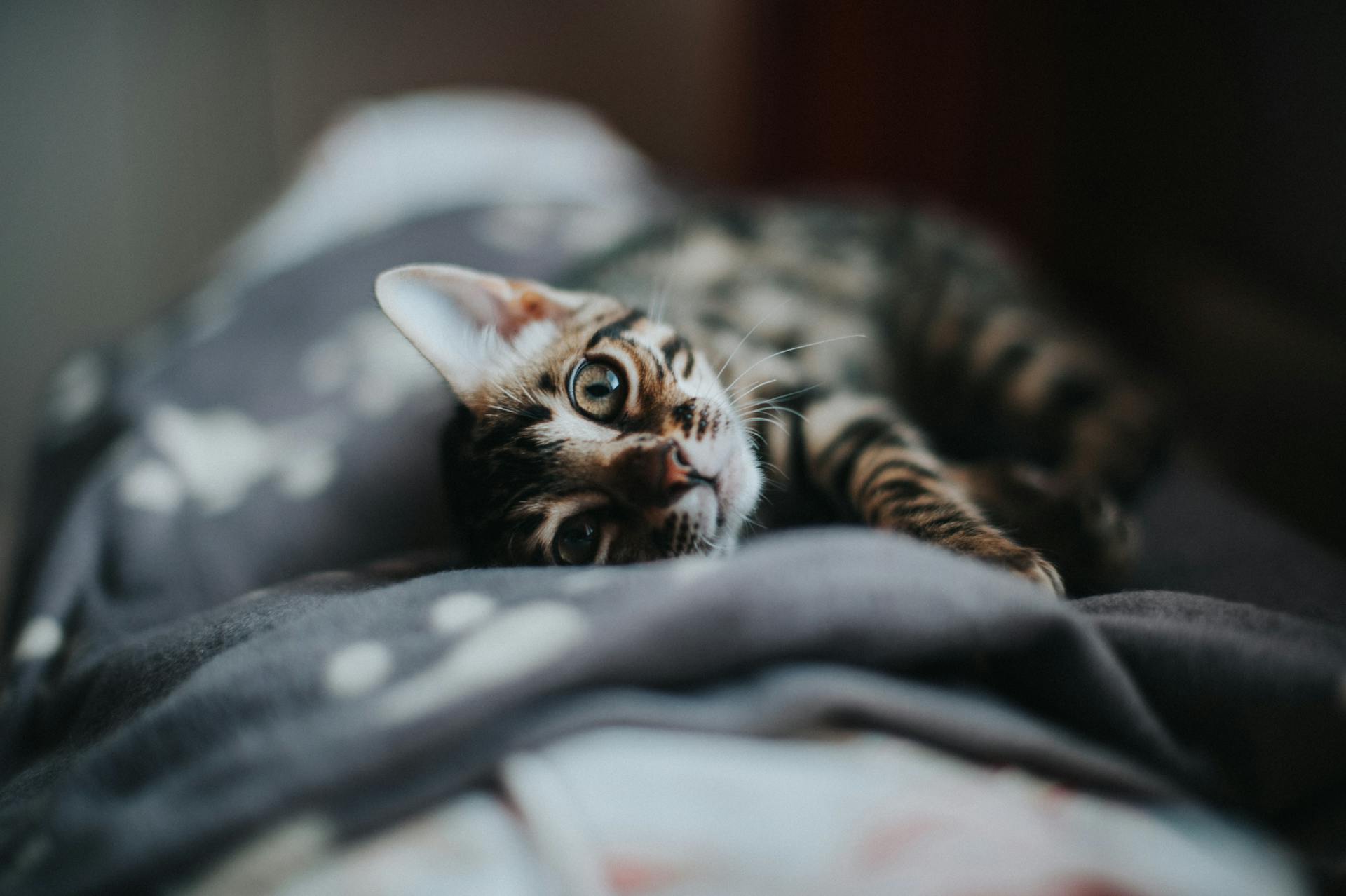
F2 Savannah Cats are typically smaller and more affordable than F1s, with prices ranging from $4,000 to $12,000.
They are often a popular choice for those who want a Savannah Cat but can't afford the higher price point of an F1.
F2s have a Serval grandparent, which means they have a significant amount of serval cat DNA, but less than F1s.
This makes them a good option for those who want a cat with some wild characteristics but are not ready for the full Savannah experience.
As they are further removed from the wild Serval, they are also generally easier to care for and domesticate than F1s.
However, they still retain some of the wild instincts and energy of their F1 cousins, so they require a lot of attention and exercise.
Appearance and Size
Savannah cats are tall and lean with long legs and a long neck, often earning their parent breed, the serval, the nickname "giraffe cat".
Their large ears sit high atop their heads and are more rounded than most domestic cats' ears.
Savannah cats can have a coat ranging in color from light tawny to smoky black and bears a characteristic black spotted pattern with occasional bars.
Some Savannah cats may be solid black, lacking spots.
Savannah cats are notably larger than typical cats, with some weighing around 25 pounds.
Their size can vary depending on the generation of Savannah cat, with F1 Savannah cats being the tallest and one of the largest cat breeds.
One F1 Savannah cat measured an impressive 19.05 inches tall, holding the title of tallest domestic cat in recent years.
African servals, their wild ancestor, stand 21-24 inches tall, making the domestic Savannah cat almost as tall as its wild parent.
Temperament and Behavior
Savannah cats are highly energetic and need plenty of mental and physical stimulation to avoid causing chaos.
They love to climb and can become bored if not provided with enough space and activity.
Their strong prey drive makes them difficult to keep with other pets, especially small mammals.
If their extensive needs are met and they were well socialised as kittens, Savannahs can be sociable and affectionate towards humans, especially in filial designations of F4 and below.
However, they are highly territorial and can be extremely aggressive towards other cats.
F3 and Beyond
F3 Savannah Cats and beyond can be a significant investment, with costs ranging from $2,000 to $5,000 or more.
As you go down the generations, the prices generally decrease, but they can still be higher than those of many other domestic cat breeds.
While the costs may be steep, many F3 and beyond Savannah Cat owners agree that their unique personalities and characteristics are well worth the investment.
Temperament
Savannah cats are a high-energy breed that requires plenty of mental and physical stimulation to avoid boredom and destructive behavior.
They love to climb and need space to move around, which can be a challenge for city dwellers or those with small living spaces.
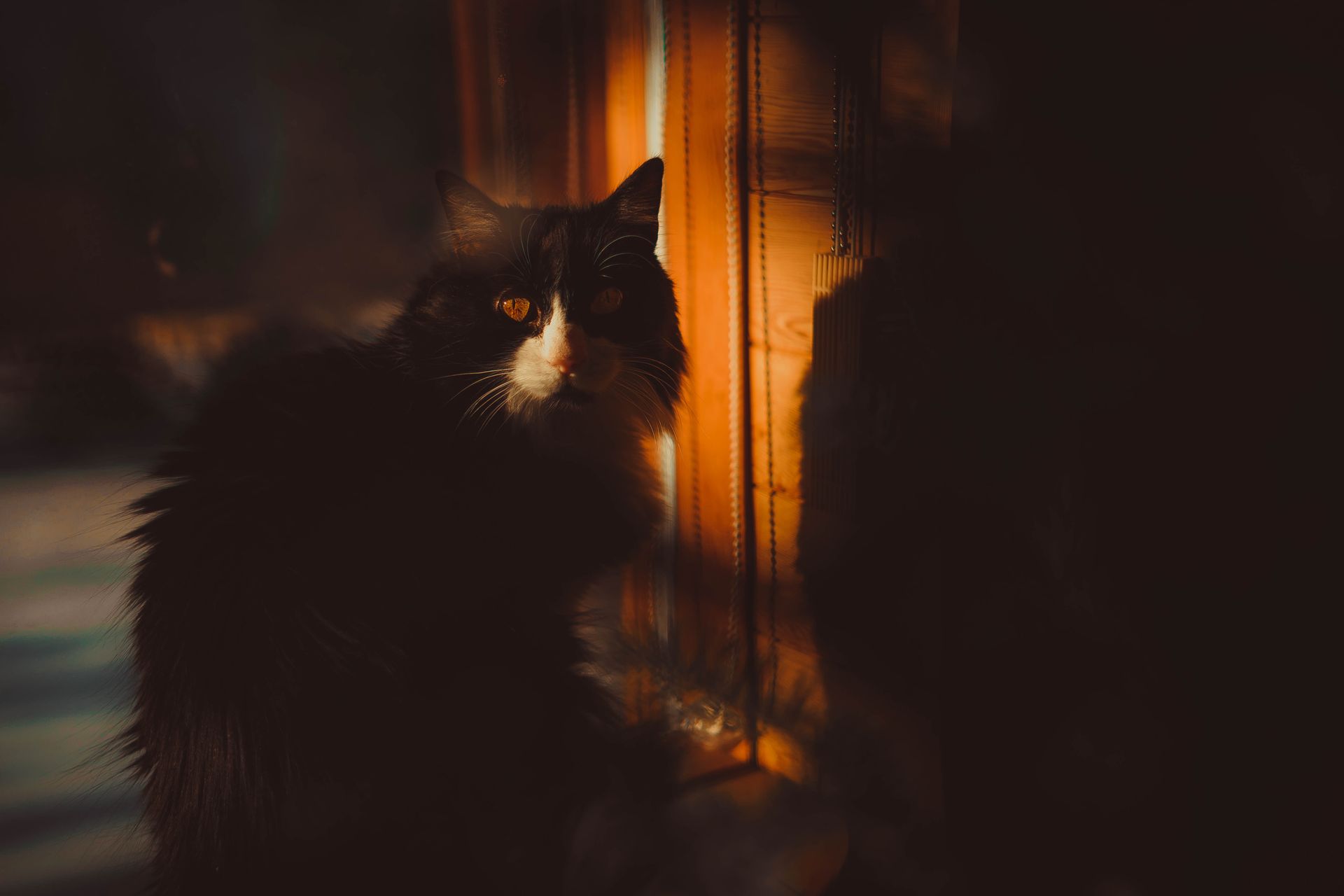
Savannahs are highly territorial and can be extremely aggressive towards other cats, so it's best to keep them separate from other felines.
They also have a strong prey drive, making them difficult to keep with small mammals like rodents and birds.
But despite their independent nature, Savannahs can be sociable and affectionate if they form social bonds with humans, especially if they're well-socialized as kittens.
One of the most unique things about Savannahs is their love of water - they absolutely adore it!
If you're considering bringing a Savannah cat into your home, be prepared to devote a lot of time to exercise, play, and interaction - they're highly intelligent and energetic, and can get into all sorts of trouble if left to their own devices.
In fact, they're so clever that they can learn how to open doors and cupboards, so you'll need to keep a close eye on them to prevent mischief.
If you do decide to bring a Savannah cat into your home, make sure to introduce them slowly to other pets, and keep them quarantined until you've supervised their interactions - it's best to err on the side of caution with these high-energy felines.
A unique perspective: Why Are My Cats so Staticy?
Living with a Savannah Cat
Savannah Cats are large and energetic, requiring a home with plenty of space for them to roam and exercise.
They need access to outside space, lots of hunting and chasing games, and opportunities to climb, jump, and run. If you don't have a yard, you'll need to set up a whole host of enrichment activities indoors, including cat trees, high perches, and puzzle games.
Their large size and potential for aggression if their needs aren't met means they're best suited to experienced owners who understand feline body language and communication.
Living Arrangement
Living in certain states can be a challenge for Savannah cat owners. Massachusetts, Hawaii, and Georgia prohibit the ownership of Savannah cats altogether.
Before bringing a Savannah cat home, you need to check the laws in your state. New York State has specific regulations, allowing only Savannah cats that are at least five generations removed from the serval (F4 or F5).
New York City takes it a step further, prohibiting the ownership of all Savannah hybrids. This means that even if you live in New York State, you'll need to ensure you're in compliance with the city's regulations if you plan to keep a Savannah cat.
Requirements in the Domestic Setting
Living with a Savannah Cat requires a lot of space and exercise. They need access to outside space, hunting and chasing games, and plenty of opportunities to climb, jump, and run.
Savannah Cats are large and energetic, so they need a whole host of enrichment if they're going to be indoors. This includes cat trees, high perches, puzzle games, and chasing practice.
Their large size and potential for aggressive tendencies mean they need an experienced owner who's well-versed in feline body language and communication. This is especially important if you plan on handling them regularly.
If you're planning on getting a Savannah Cat, you'll need to be prepared for them to be highly territorial and potentially conflict with other cats. And if you have small pets, you'll need to protect them from the Savannah's high prey drive.
Savannah Cats are sociable, intelligent, and active, so they need a lot of time and attention from their owners. They can't be left alone without proper preparation, environmental medication, and enrichment.
Adoption and Ownership
If you're considering bringing a Savannah cat into your life, you have two main options: adopting or buying.
You may be able to find a purebred Savannah cat through a breeder, but these cats are a rare find.
If you'd rather adopt, check out the Savannah Cat Rescue, which is a great resource for finding a loving home for a cat in need.
Adopt or Buy
You may be able to find a purebred savannah cat through a breeder, but these cats are a rare find.
If you're looking to adopt, check out the Savannah Cat Rescue, a great organization that can help you find a new furry friend.
Savannah cats are a rare breed, so it might take some time to find one through a breeder.
Recommended as Pets?
If you're considering adopting a Savannah Cat, it's essential to have a very experienced home. Being so large and strong, any behavior problems can be much more serious in a Savannah than other breeds.
Sourcing from a reputable breeder is crucial, as those early experiences are vital for a cat's temperament and behavior in later life.
Unique Features and Facts
Savannah cats are truly one-of-a-kind felines, and their unique features are part of what makes them so special. Their coats come in a variety of colors and patterns, including brown, tan, gold, silver, black, and black-smoke.
Their distinctive coat markings are a key characteristic of Savannah cats. These markings can include black or dark "tear-streak" or "cheetah tear" markings that run from the corner of the eyes down the sides of the nose to the whiskers.
Savannah cats are also known for their tall, wide, rounded ears that feature ocelli on the backs. They're truly a sight to behold.
Here are some of the most common coat colors and patterns found in Savannah cats:
- Spotted coat in brown, tan, or gold
- Silver
- Black or black-smoke
- Rosetted
- Marble
- Point
- Blue
- Cinnamon
- Chocolate
- Lilac (lavender)
Fun Facts About
Did you know that some animals can live up to 500 years in the wild? The bowhead whale is a great example of this, with some individuals estimated to be over 200 years old.
The longest recorded flight of a chicken is 13 seconds, which might not seem like a lot, but it's still impressive for a bird.
The longest word in the English language has 45 letters, according to the Oxford English Dictionary. This word is "pneumonoultramicroscopicsilicovolcanoconiosis", a type of lung disease.
Did you know that there's a species of jellyfish that's immortal? The Turritopsis dohrnii, also known as the "immortal jellyfish", can transform its body into a younger state through a process called transdifferentiation.
The world's largest snowflake was recorded in Montana in 1887 and measured 15 inches wide and 8 inches thick.
Incredible Abilities
Savannah cats have incredible jumping abilities, reaching up to 8 feet in the air. They love to frequent high places, often jumping on top of cabinets, doors, refrigerators, and just about anything else they can get to.
Their agile bodies allow them to cover great distances with ease, making them natural-born climbers.
One of the Longest-Living Breeds
The Savannah cat is a unique breed that boasts some impressive longevity. They're one of the longest-living cat breeds.
Their slow maturation process means they take their time growing up, which is a good thing because it can lead to a long and healthy life. With proper care, they can live for 20 years or more.
This extended lifespan makes them a great companion for those who are looking for a long-term friend.
Cons and Considerations
Savannah cats can be a significant financial investment due to their relatively rare and expensive nature.
Their unique genetic makeup also makes them prone to heart disease, which can be a serious concern for owners.
Some states have banned the ownership of Savannah cats, so it's essential to check local laws before bringing one home.
If you're considering a Savannah cat, be aware that they're not a good fit for first-time owners or those looking for a lazy cat.
Here are some key points to consider:
- High cost of ownership
- Prone to heart disease
- Banned in some states
- Not suitable for first-time owners or those seeking a low-maintenance pet
Diet and Nutrition
Savannah cats require a diet high in animal protein to stay healthy.
Cats can't synthesize the essential amino acid taurine, so it's crucial to include it in their diet.
Most breeders agree that Savannahs need more taurine than average domestic cats.
Taurine supplements are recommended to add to any type of food to ensure your Savannah cat gets enough.
You should talk to your vet for nutritional guidance specific to your cat's needs.
Keep an eye on your cat's food intake and weight to prevent obesity and other health problems.
Provide access to fresh, clean water at all times to keep your Savannah cat hydrated.
You might like: Why Is My Cat's Ear Twitching?
Cons of the
Savannah cats can be quite pricey, with a relatively high cost due to their rarity. They're not a good fit for first-time owners or those looking for a low-maintenance pet.
Some states have banned owning Savannah cats, so it's essential to check local laws before bringing one home. This can be a significant drawback for those who love these unique cats.
Savannah cats are prone to heart disease, which can be a serious health concern. Regular check-ups with a veterinarian are crucial to monitor their health.
Here are some key cons to consider:
- Relatively rare and expensive
- Prone to heart disease
- Banned in some states
- Not a good fit for first-time owners or those looking for a lazy cat
F1 Banned in Multiple States
Some states have strict laws against owning F1 Savannah cats, making it essential to check local regulations before bringing one home.
Georgia and Hawaii have outright banned ownership of these cats.
Delaware requires a permit to own an F1 Savannah cat, which can be a lengthy and expensive process.
Idaho also requires a permit, but the specifics of the process are unclear.
Nebraska and Rhode Island have banned ownership entirely, leaving no room for exceptions.
It's worth noting that some states have different rules for different generations of Savannah cats, with F4 and later generations being allowed in some places.
Here's a breakdown of the states where F1 Savannah cats are banned or require special permits:
What Does the 'F' in Hybrid 1-5 Mean?
The "F" in Hybrid cat designations can be confusing, but it's actually quite straightforward. It describes how close the Savannah cat is to its exotic ancestor.
As an example, an F2 Savannah is somewhere between 25% and 37.5% serval. This means that the cat's genetic makeup is a mix of domestic and exotic, but not as high as an F1.
An F1 Savannah is 75% serval, which can make a big difference in behavior and genetic makeup compared to domestic cats. The USDA defines all hybrids as domestic, which can be misleading.
The Filial Designation system helps us understand the genetic makeup of Savannah cats, but it's essential to remember that their behavior and genetics can differ significantly from domestic cats.
Understanding the Breed
Savannah cats are one of the largest domestic cat breeds, often reaching impressive heights and weights.
Their spotted coat comes in a variety of colors, including brown, tan, gold, silver, black, and black-smoke.
Serval characteristics, such as tall, wide, rounded ears and long legs, are commonly found in Savannah cats.
Their ears feature ocelli on the backs, and their legs are often longer than their body.
Hooded eyes can be green, brown, gold, or a blended shade.
Savannah cats have small heads, long slender necks, and fat, puffy noses.
Their short tails feature black rings and a solid black tip.
Here are some common color patterns and markings found in Savannah cats:
- Spotted coat in brown, tan, or gold
- Silver
- Black or black-smoke
- Rosette, marble, point, blue, cinnamon, chocolate, and lilac (lavender)
- Black or dark "tear-streak" or "cheetah tear" markings on the face
Frequently Asked Questions
Do Savannah cats like to be held?
Savannah cats are not typically lap cats and tend to dislike being held. However, they do enjoy being petted and engaging in playtime with their owners.
Featured Images: pexels.com