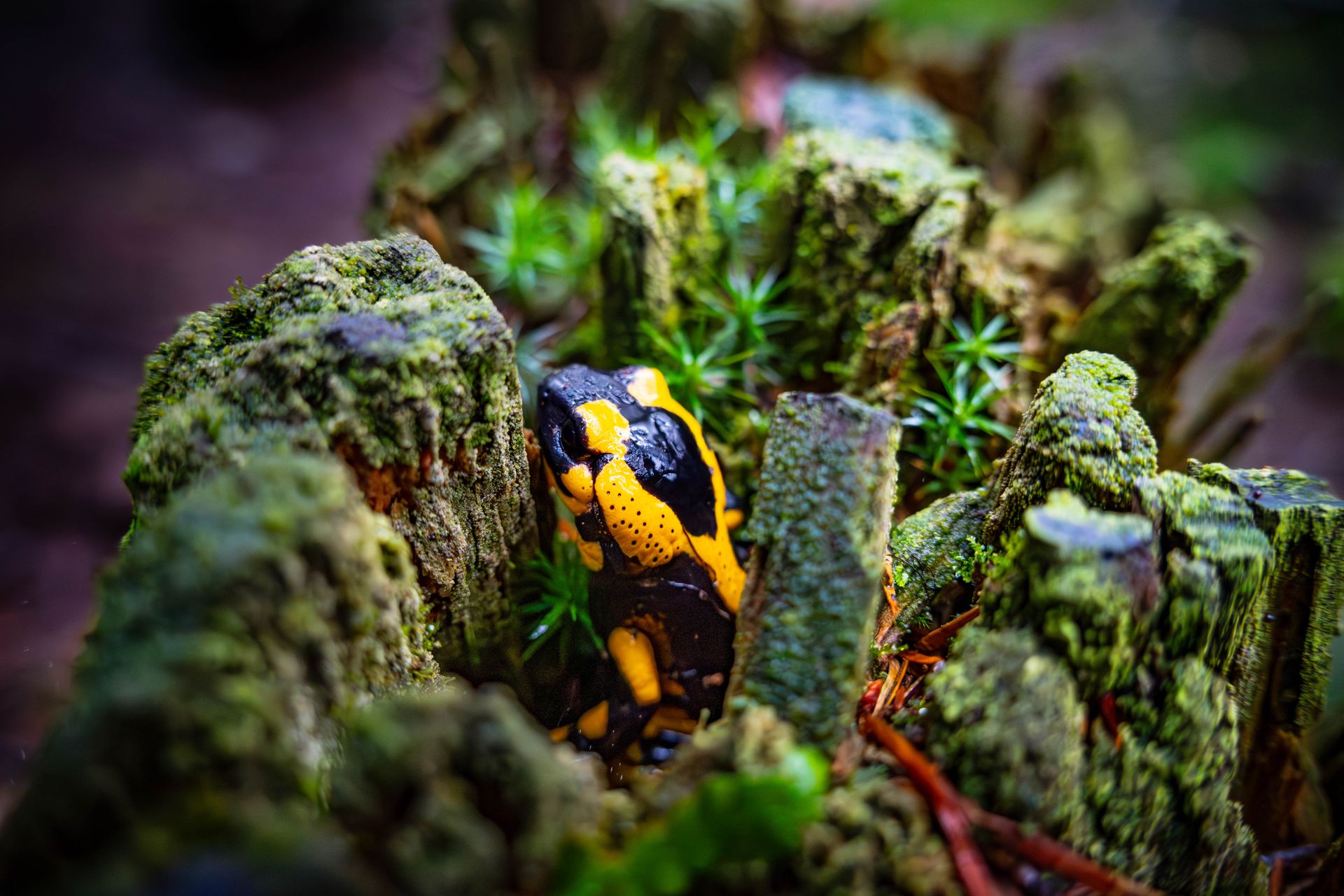
The salamander has a rich history in mythology, dating back to ancient civilizations. In ancient Greece, salamanders were associated with fire and were said to be born from it.
The Greeks believed that salamanders were immune to fire and could even live in it. This led to the idea that salamanders had magical powers.
In medieval Europe, salamanders were often depicted as small, lizard-like creatures that lived in fire. They were also associated with alchemy and were said to have the power to purify metals.
The salamander's connection to fire and purification has remained a significant part of its mythology.
Mythological Characteristics
Salamanders have been portrayed in a variety of myths and folklore in distinctive ways. They are associated with fire elementals or fire spirits in various cultures, highlighting their affinity for flames and the transformational potential of fire.
In Celtic mythology, salamanders are associated with poison and fire, showing their connection to these elements. This reflects their unique ability to thrive in environments with high heat and toxic substances.
The salamander is particularly well-known for its relationship with alchemy, symbolizing the process of transmutation, which transforms basic materials into pure things. This process of transformation is a key theme in salamander mythology.
Salamanders are a symbol of purification, emphasizing the idea that people can go through internal transformations and come out on the other side as better, purer versions of themselves. This concept of rebirth and renewal is closely tied to their regenerative properties.
Here's a breakdown of the various cultures' views on salamanders:
Salamanders are also associated with regeneration and immortality, due to their unique ability to regenerate lost limbs. This ability was seen as a symbol of renewal and rebirth in various cultures.
What Does It Symbolize?
The salamander is a fascinating creature that has been imbued with a rich symbolism across various cultures and traditions. It symbolizes strength and inner power, representing the ability to overcome challenges and emerge stronger.
Salamanders are associated with transformation, emphasizing the idea that change is a natural part of life. They remind us that we can grow and evolve, even in the face of adversity.
One of the most striking aspects of salamander symbolism is its connection to the element of fire. This association represents passion, metamorphosis, and the transformative power of change. It's a powerful reminder to pursue our passions with zeal and to strive for balance in our lives.
Here are some key aspects of salamander symbolism:
In many cultures, salamanders are also seen as creatures of balance, emphasizing the importance of finding equilibrium in our lives. They remind us to stay attuned to our emotional environment and to be aware of the changes that surround us.
Overall, the salamander is a powerful symbol that offers valuable insights into the human experience. Its associations with strength, transformation, and balance make it a compelling and inspiring figure in the realm of mythology.
Cultural Depictions
Salamanders have been a source of inspiration for various cultures throughout history. From European traditions to Asian interpretations, these mythical creatures have been depicted in various forms of art, literature, and folklore.
In alchemy, salamanders represented transformation and the element of fire. This association with fire likely influenced their depiction in various mythologies.
Salamanders have been depicted in numerous myths, folktales, and literary works.
Mythology and Folklore
Salamanders have been a part of mythology and folklore for centuries, with various cultures assigning different meanings to these creatures. Their association with fire is a common thread throughout many of these stories.
In Native American mythology, salamanders are recognized as poisonous, a fact that's still accurate today. Celtic mythology associates salamanders with poison and fire, highlighting their connection to flames. In medieval times, Christianity saw salamanders as a symbol of moral individuals.
The salamander's affinity for fire is also reflected in its association with alchemy, where it symbolizes the process of transmutation. This idea of transformation is also linked to the salamander's regenerative properties, which allow it to overcome hardship and rebirth. A common symbol of purification, the salamander emphasizes the idea that people can go through internal transformations and come out on the other side as better, purer versions of themselves.
The ancient Greeks believed that salamanders could live in fire, and this idea has been passed down through the ages. In ancient Egypt, the salamander was associated with the god Ra, who was the god of the sun. The salamander was believed to be a creature that could withstand the heat of the sun and was therefore seen as a symbol of strength and endurance.
Here's a brief overview of how different cultures have viewed salamanders:
The salamander's association with fire has made it a symbol of strength and endurance that continues to capture the imagination of people today. In medieval Europe, the salamander was often depicted as a small, lizard-like creature with a red body and black spots, believed to be able to spit fire.
Misconceptions and Origins
Salamander symbolism is often misunderstood, but it's actually more inclusive than you might think. Salamanders aren't just related to fire or ethereal beings, but also represent traits like environmental sensitivity and adaptation.
The ancient Greeks believed that salamanders could live in fire, which was based on their observation of salamanders in damp places. They also thought the salamander had healing powers and could cure diseases.
The myth of the salamander has been passed down through the ages, with its roots in ancient civilizations. The salamander was associated with the god Ra in ancient Egypt, who was the god of the sun.
Common Misconceptions About
Salamanders are often misunderstood creatures, and one of the most common misconceptions is that they're venomous. People used to believe that a salamander could kill a tree by coiling around its trunk or poison a well by falling in, but these claims are greatly exaggerated.
In reality, salamanders are docile and peaceable creatures that can live for up to 50 years. They don't pose a threat to humans or the environment. The myth about their venomous nature likely originated from the fact that they exude a poisonous substance to defend themselves from predators.
Another misconception is that salamanders are related to fire or are ethereal beings. This is not true, and their symbolism is more inclusive, encompassing traits like environmental sensitivity and adaptation.
Origins of the Myth

The origins of the salamander myth are rooted in ancient civilizations. The ancient Greeks believed that the salamander could live in fire, a notion based on their observation that salamanders were often found in damp places.
The Greeks also associated the salamander with healing powers and the ability to cure diseases. In ancient Egypt, the salamander was linked to the god Ra, the god of the sun.
The Egyptians saw the salamander as a creature that could withstand the heat of the sun, making it a symbol of strength and endurance. This association with fire and the sun has been a persistent theme in the myth of the salamander.
In Art and Literature
In art and literature, salamanders symbolize perseverance and metamorphosis. This is because of their connection to fire, which makes them a powerful metaphor for transformation and rebirth.
The image of a salamander in flames has been used by authors and artists to express the idea that people can persevere through difficult situations and come out stronger on the other side. This symbolism highlights how adaptable humans are and how they can grow as individuals.
Salamanders have been depicted in numerous myths, folktales, and literary works, representing transformation and the element of fire in alchemy. In these works, they often symbolize the idea that people can rise from the ashes, like the phoenix.
Salamanders have been a source of inspiration for various cultures throughout history, from European traditions to Asian interpretations. They have been depicted in various forms of art, literature, and folklore, showcasing their significance in different cultures.
The image of a salamander in flames has been used to express the idea that people can emerge from difficult situations stronger and more resilient. This idea is rooted in the symbolism of transformation and rebirth associated with salamanders.
Incorporating in Daily Life
Incorporating salamander symbolism into your daily life can be as simple as accepting change and being resilient. This mindset shift can help you navigate life's ups and downs.
By accepting change, you can tap into the salamander's ability to adapt to its surroundings. This can be a powerful tool for personal growth.
Cultivating resilience is another key aspect of salamander symbolism. This means being able to bounce back from challenges and setbacks, just like a salamander regenerates its limbs.
Aiding in environmental conservation initiatives is a great way to honor the salamander's connection to nature. You can start by reducing your carbon footprint or participating in local clean-up events.
Drawing inspiration from the regenerative characteristics of salamanders can be a creative and motivating force in your life.
Unique Species Characteristics
Salamanders can be found in various habitats, including forests, grasslands, and even deserts. The California tiger salamander is connected to the state's distinct habitats.
Some salamander species have unique characteristics that set them apart from others. The California tiger salamander is one example of a species with distinct features.
In certain regions, salamanders are associated with specific cultural or regional connotations. The California tiger salamander is connected to the state's distinct habitats.
Salamanders come in a wide range of colors and patterns, from vibrant reds and oranges to mottled browns and grays.
Featured Images: pexels.com