The Russian Caucasian Bear Dog is a powerful and loyal companion, but it's essential to understand their needs and requirements before bringing one home.
They require regular exercise, at least 2 hours a day, to stay happy and healthy. This includes walks, runs, and playtime.
Their thick coat sheds heavily, especially during shedding season, and needs to be brushed daily to prevent matting. Regular grooming is a must.
They are highly intelligent and trainable, but can be strong-willed, making consistent and patient training a necessity. With positive reinforcement and clear boundaries, they can learn quickly.
History and Facts
The Russian Caucasian Bear Dog has a rich history that spans over 2,200 years. This ancient breed originated in the Caucasus Mountains between the Black Sea and the Caspian Sea.
They were initially bred to guard flocks, kill wolves, hunt bears, and protect properties against trespassers and thieves. Their type differs a little from region to region.
The modern show class Caucasian Shepherd is a hybrid of established Caucasian types, selected and bred by Soviet Russian breeding kennels. They are recognized by many major kennel clubs, but are still seeking full recognition by the American Kennel Club.
The Russian Bear Dog is a direct descendant of the Molosser breed, which dates back to pre-historic days. They are one of the largest dogs in existence and are officially classified as a mountain shepherd dog.
They are known for their exceptional size, with males reaching up to 72cm in height and 70kg in weight. Females are smaller, but still quite large.
Here are some quick facts about the Russian Caucasian Bear Dog:
- Lifespan: 10-12 years
- Size: extra large
- Energy: low
- Recommended Crate Size: 48" dog crate* to 54” dog crate*
There are currently between 200 and 300 Russian Bear Dogs residing in the United States.
Appearance and Characteristics
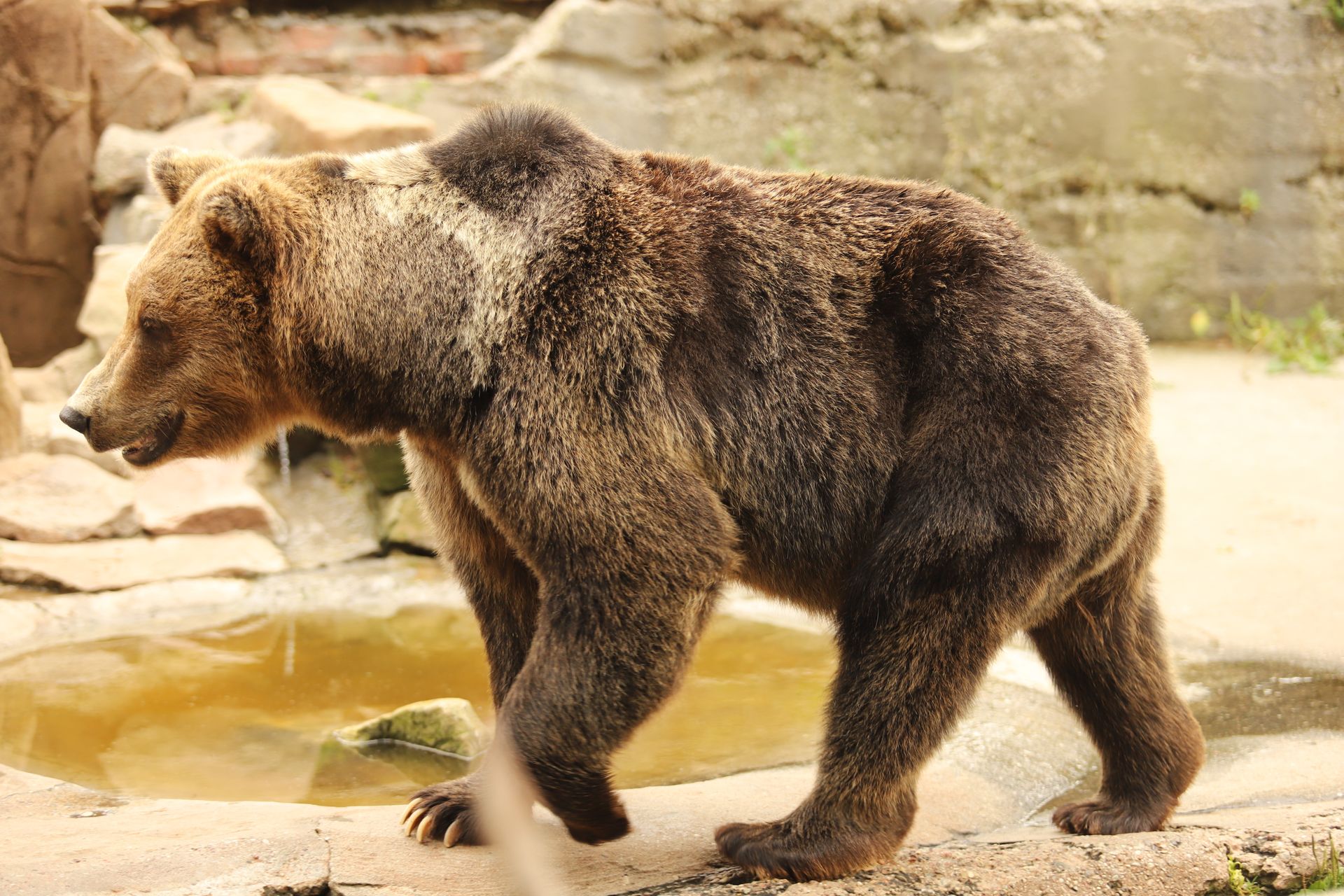
The Russian Caucasian Bear Dog is a striking and humongous breed, with a masculine physique and strong, big bones. Males typically weigh between 110 and 200 pounds and stand 28-30 inches tall.
Females are smaller in height, but still quite large. They weigh between 110 and 200 pounds as well.
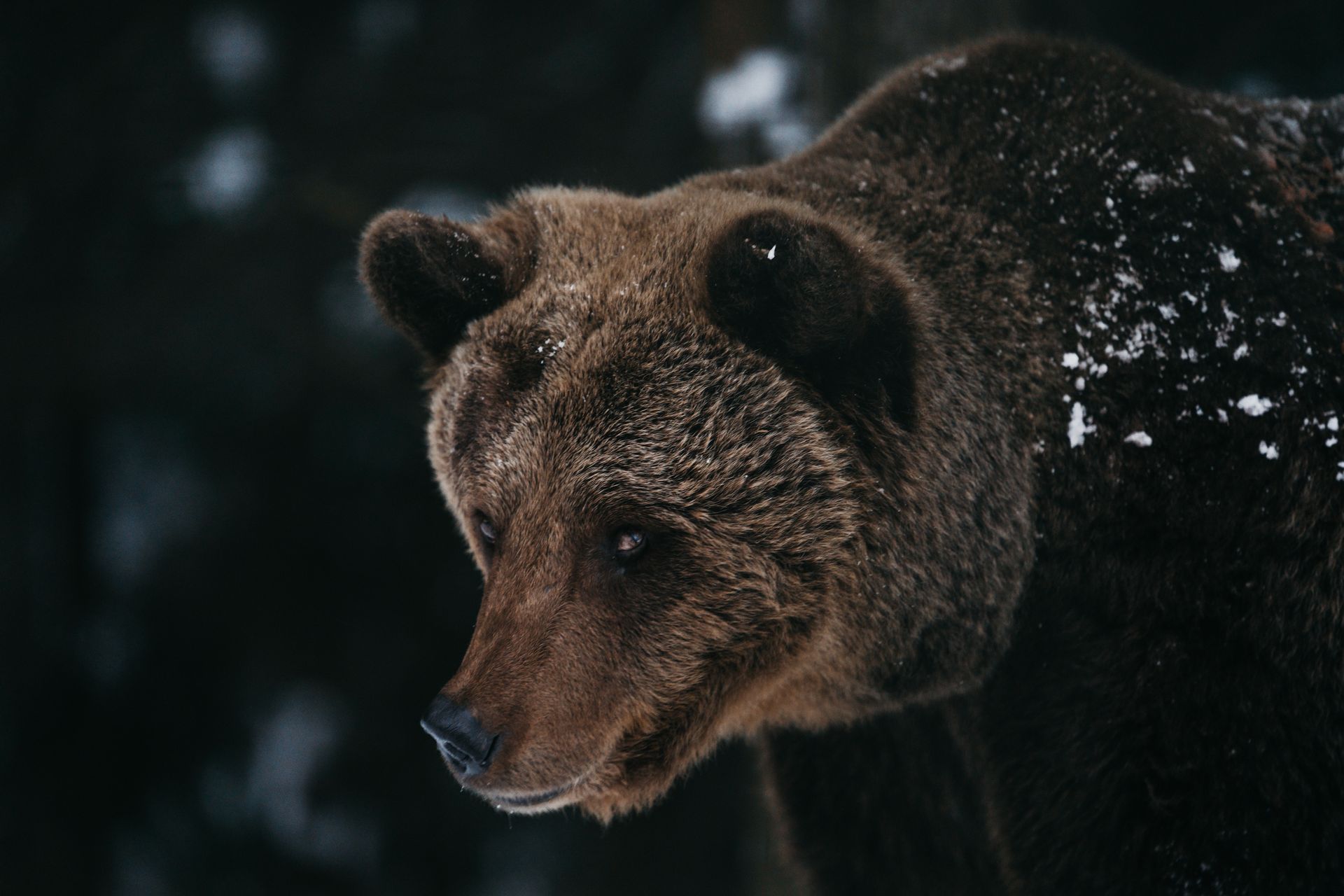
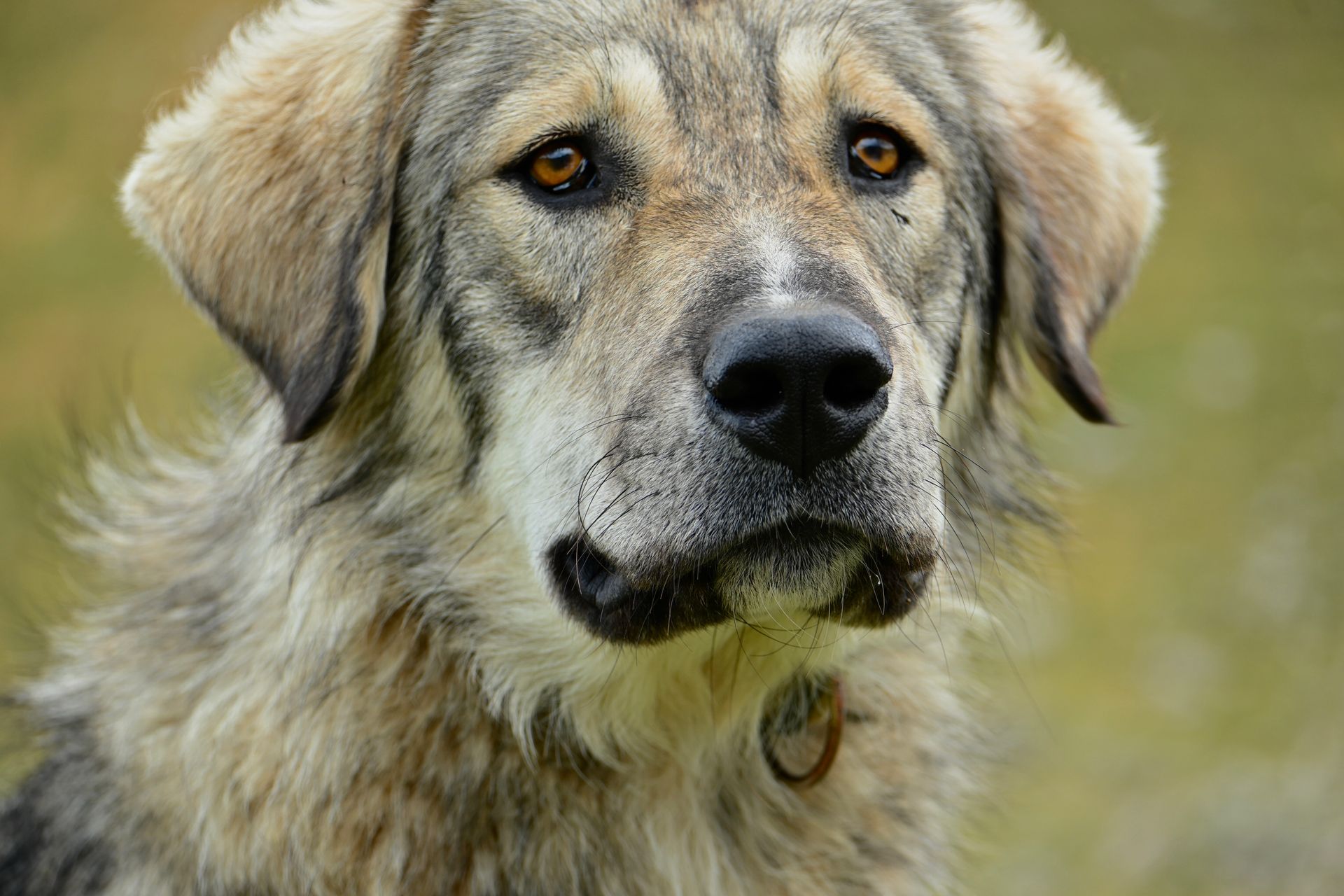
This breed has a broad face with deep-set dark eyes that are somewhat oval in shape, giving them a bear-like appearance. Their powerful muzzle tapers off to their black nose, and their teeth are straight, sharp, and pointed.
Typically Have Ears Cropped
Russian bear dogs would typically have their ears cropped. This was originally to prevent predators from grabbing or biting these huge dogs’ ears.
However, these days it is generally considered an unnecessary mutilation to crop the bear dog’s ears close to their heads.
Explore further: Weiner Dog Ears
Appearance
The Russian Bear Dog is a striking breed, with a masculine physique and muscles that are evident through and through.
His bones are strong and big, although those living in the prairie tend to have smaller bones than those in the mountains.
The breed weighs between 110 and 200 pounds and stands 28-30 inches tall.
Explore further: Giant Breed Dog Kennel
Females are generally smaller in height than males.
The Russian Bear Dog's broad face even looks bear-like, with deep-set dark eyes that are somewhat oval in shape.
His skull has zygomatic arches and a very broad and bold forehead with a slight furrow that divides the two halves of his huge skull.
His neck is short and massive, and his legs are slightly bowed, which can cause a slight wobble when walking.
His tail is thick and furry and hangs to his hock, but is often carried just above his back in a hook or ring shape when he's on the prowl or excited.
His ears are set high and are shaped like a triangle.
In the past, his ears used to be cropped, but in modern times, they are often left natural.
The Russian Bear Dog has a powerful muzzle that tapers off to his black nose, and his teeth are straight, sharp, and pointed, resembling fangs.
Expand your knowledge: Alternative Food for Dogs Instead of Dog Food
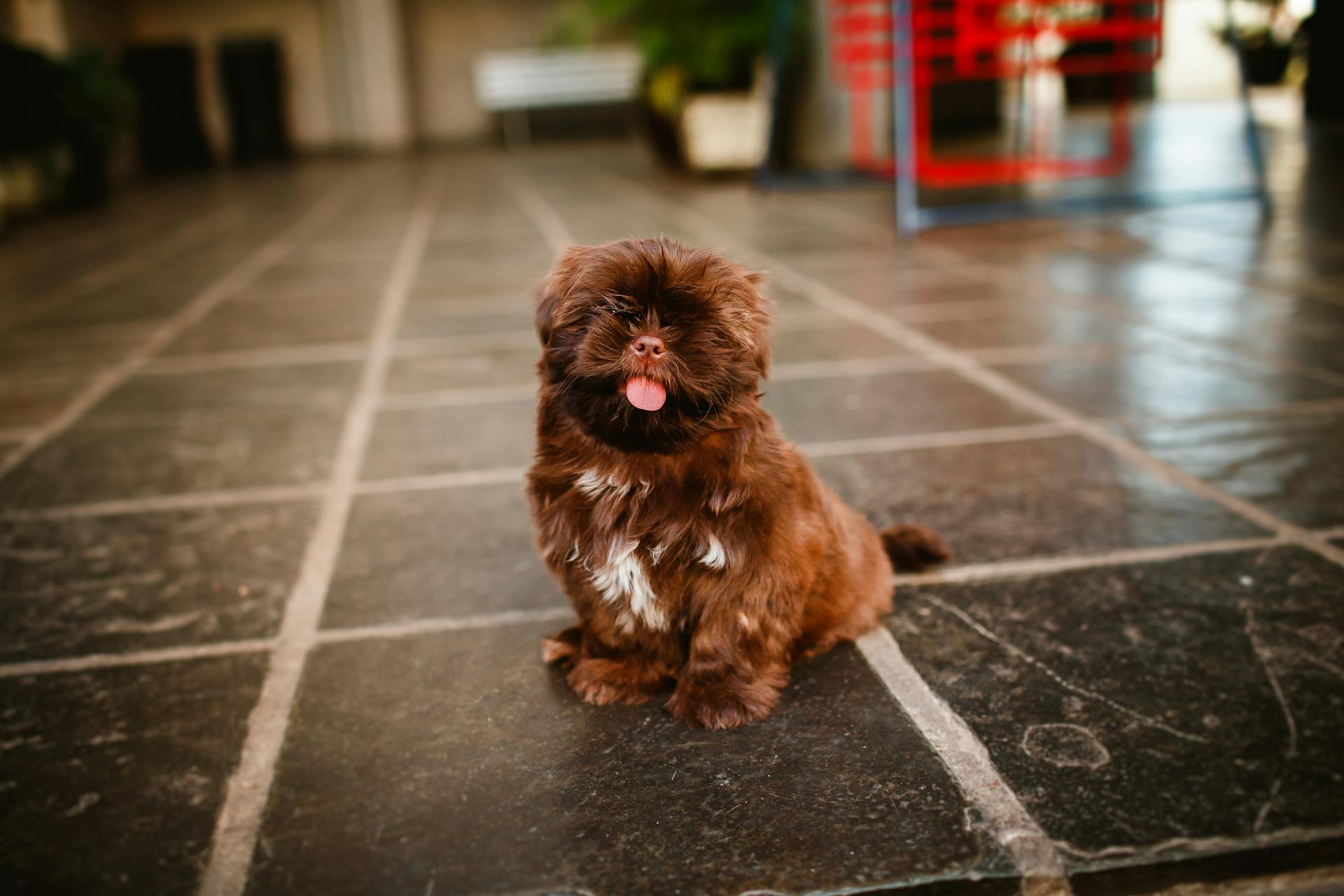
Their coats are extremely thick, waterproof, and have manes like a bear's to keep their necks warm in the cold.
Coat colors can be fawn, black, white, rust, gray, or fawn and can be in color combinations.
Regular grooming is necessary for those with longer fur to minimize shedding and maintain healthy circulation and hair health.
Temperament and Behavior
The Russian Caucasian Bear Dog is a breed that's not for the faint of heart. They're naturally aloof and wary of strangers, which makes them excellent guard dogs.
These dogs are fearless and fiercely loyal to their families, but they can be aggressive towards strangers if not properly socialized. They were bred to guard flocks and herds from potential threats, so it's no surprise they have a strong instinct to protect.
Russian Bear Dogs are intelligent and alert, but they can be a challenge to train if you're a first-time owner or lack experience with canine behavior. They were bred to make split-second decisions on their own, which means they can be independent and stubborn at times.
For more insights, see: Caucasian Ovcharka Guard Dog
They're not high-energy dogs, but they do require a fenced-in backyard to stay safe. In fact, they're often described as almost lethargic, spending most of their time laying around and not doing much.
However, when they feel threatened, they can be very noisy and intimidating, making them excellent watchdogs. They're also very intelligent, learning quickly and keeping themselves out of trouble when socialized.
Their history of protecting flocks and herds means they can be territorial and aggressive if not properly introduced to new people and animals. They're not suited for city living and require a secured yard to roam and play.
With proper socialization and training, Russian Bear Dogs can be magnificent service dogs and loyal companions. They thrive in rural homes with a secured yard, making them perfect walking or hiking buddies when fully matured.
But be warned: they can be quite expensive, with high-quality pups from reputable breeders costing up to $4000 each. And, unfortunately, some breeders can get greedy and fail to take necessary precautions, leading to health issues like hip dysplasia.
Consider reading: When Do Service Dogs Retire
Health and Care
The Russian Caucasian Bear Dog can live up to 12 years with relatively few health issues, but may suffer from large-dog problems like hip dysplasia and heart conditions.
Their thick coat requires occasional brushing, but also allows you to check for signs of weight gain by feeling their ribs and waistline.
Experienced handlers are essential to understand the dog's history and nuances, as they can be wary and respond poorly to punishment, which can create problematic behaviors.
Caucasian Shepherd Health
The Caucasian Shepherd can live up to 12 years. This is a relatively long lifespan for a large breed dog.
Hip dysplasia and heart conditions are potential health risks for the Caucasian Ovcharka. These are common issues in large breeds.
Its heavy shedding coat needs occasional brushing to prevent matting and tangling. Regular grooming is essential to keep your dog's coat healthy.
With proper care and attention, the Caucasian Shepherd can lead a happy and healthy life.
Check this out: Shar Pei Bear Coat Dog
How to Care
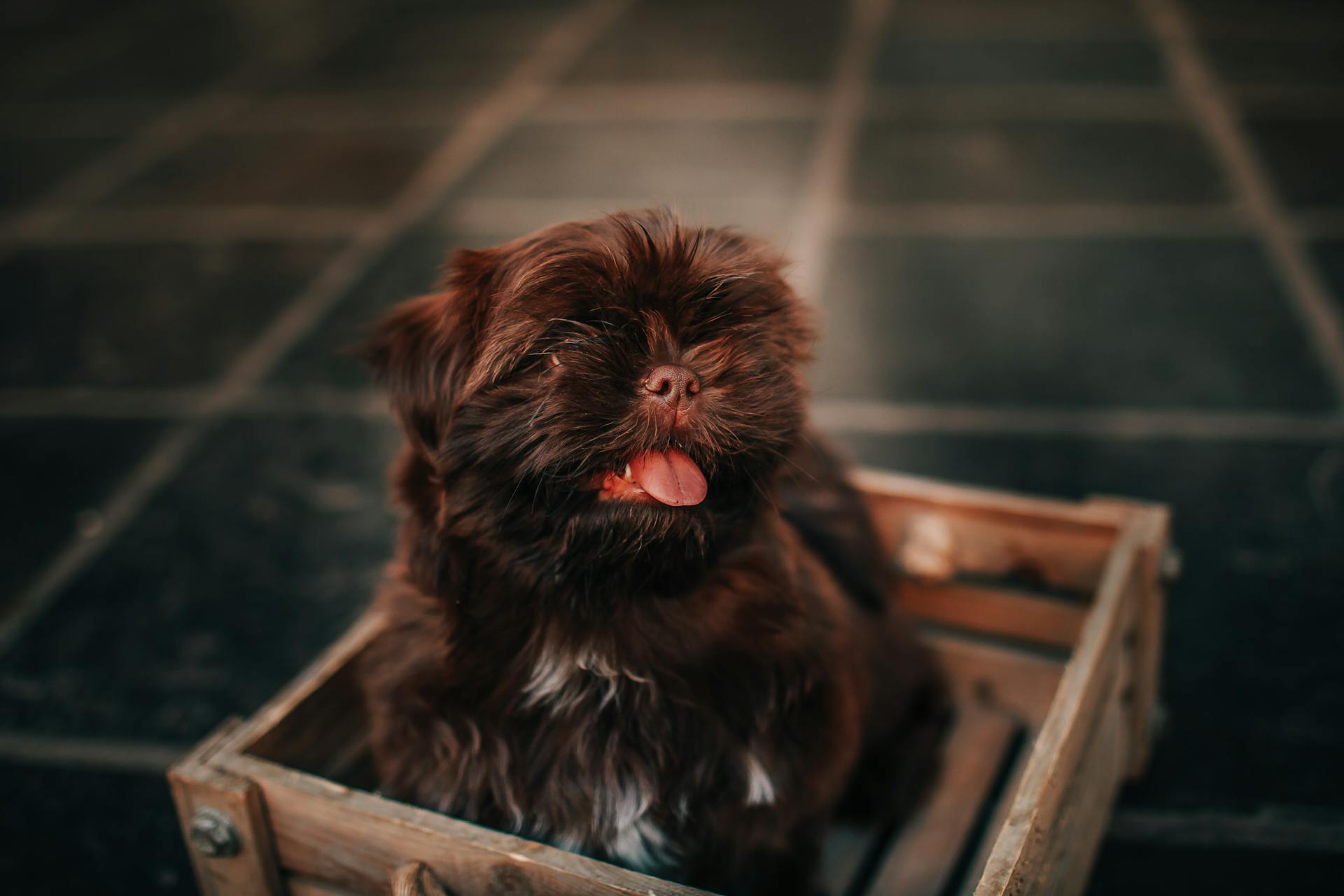
The Russian Bear Dog is a high-maintenance breed that requires a lot of space to roam around in. A large house and secured yard are a must for these dogs.
They can easily put on weight, so it's essential to keep an eye on their diet and ensure they're getting regular exercise.
Experienced handlers are a must, as they need to understand the dog's history and nuances.
Training and Exercise
Exercising a Russian Bear Dog requires careful consideration due to their giant breed size. They should avoid jumping in and out of cars or climbing stairs until they are fully matured, typically two years.
This is because such movements can contribute to the development of hip and elbow dysplasia, a common issue in giant breeds like the Russian Bear Dog. One study found that 23% of Caucasian Shepherds showed clinical signs of hip dysplasia.
It's also essential to keep them on leash during walks as their size can be intimidating to others.
Suggestion: Giant Russian Dog Breed
Exercising
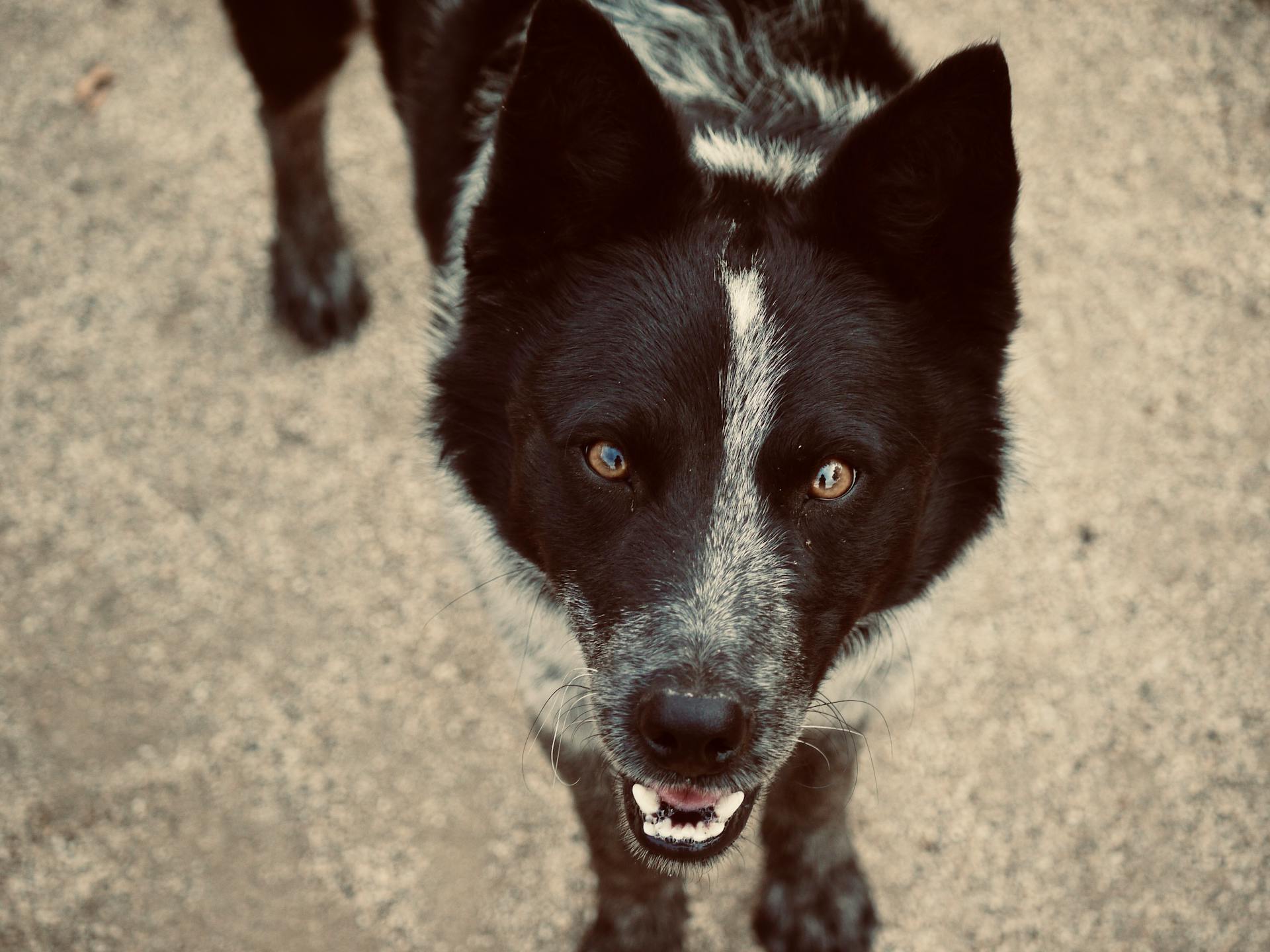
Exercising your Russian Bear Dog requires careful consideration of their size and breed characteristics. You should avoid letting them jump in and out of cars or climb stairs until they're fully matured, typically two years.
Their size can be quite intimidating to others, so it's best to keep them on leash during walks. This will also help prevent potential issues with other dogs or people.
Exercise should be tailored to their specific needs, especially when it comes to avoiding joint problems. One study found that 23% of Caucasian Shepherds showed clinical signs of hip dysplasia.
Expand your knowledge: Karelian Bear Dog Size
Training
Training is all about positive reinforcement.
Dogs learn best through operant conditioning, which means they repeat behaviors that have a positive consequence, like praise or rewards.
Start training sessions young and keep them short and positive.
Positive experiences with humans are crucial to avoid solidifying a negative mindset.
Scatter toys and treats on the ground to see what your Russian Bear Dog values most.
Recommended read: Robs Dogs Dog Training
This will help you find the right rewards to motivate them.
Socialization is key, especially at a young age.
Introduce your dog to new things in a safe and controlled way to help them become confident and calm.
With positive reinforcement and socialization, your Russian Bear Dog will thrive and become a devoted member of the family.
Ownership and Considerations
Owning a Russian Caucasian Bear Dog is a huge responsibility, requiring a strong and confident pet parent who can establish a leadership role. This breed is not suitable for first-time dog-parents.
They need ample space to exercise and play, making apartment life not ideal. A suitable living situation would be one with a yard or a rural area where they can roam freely.
Their heavy fur coat is designed for cold weather, so a hot desert climate is not suitable. They also require professional training and a significant amount of dog food, which can be a financial burden.
It's essential to consider the potential risks of owning this breed, especially around children and other dogs. With proper care and attention, a Russian Caucasian Bear Dog can be a loving and loyal companion.
Recommended read: Giant Bear Dog Breed
Considering Owning a Shepherd
Owning a Shepherd requires dedication and a strong will, as they can be independent and strong-willed dogs.
If you're a first-time dog owner, a Shepherd might not be the best fit, as they require a dominating and equally-willed owner who can establish a leadership role.
Obedience training and early socialization are crucial for a Shepherd's development, making it essential to start early.
Shepherds can be protective of their owners, but they may not raise other family members to the same level, making them suitable for active singles, experienced handlers, or families with older children.
Their heavy fur coat is designed to keep them warm in cold weather, so if you live in a cold climate, a Shepherd might be a good fit.
However, they require ample space to exercise and play, so apartment life is not suitable for them.
Their size and strength mean they can be a challenge to handle, especially for inexperienced owners, and they may not be the best choice for families with small children or other dogs.
Expand your knowledge: Strongest Dog Names
Return
Returning an item can be a straightforward process, especially if you've kept your receipts and packaging.
In many cases, you can return a product within a 30-day time frame, as seen in the return policies of major retailers like Amazon and Walmart.
Some stores may require you to fill out a return form, which can be found online or at the customer service desk.
Returning a product in its original condition, with all packaging and accessories included, is usually a requirement for a full refund or exchange.
If you're returning a product that's been used or damaged, you may only be eligible for a partial refund or store credit.
Featured Images: pexels.com