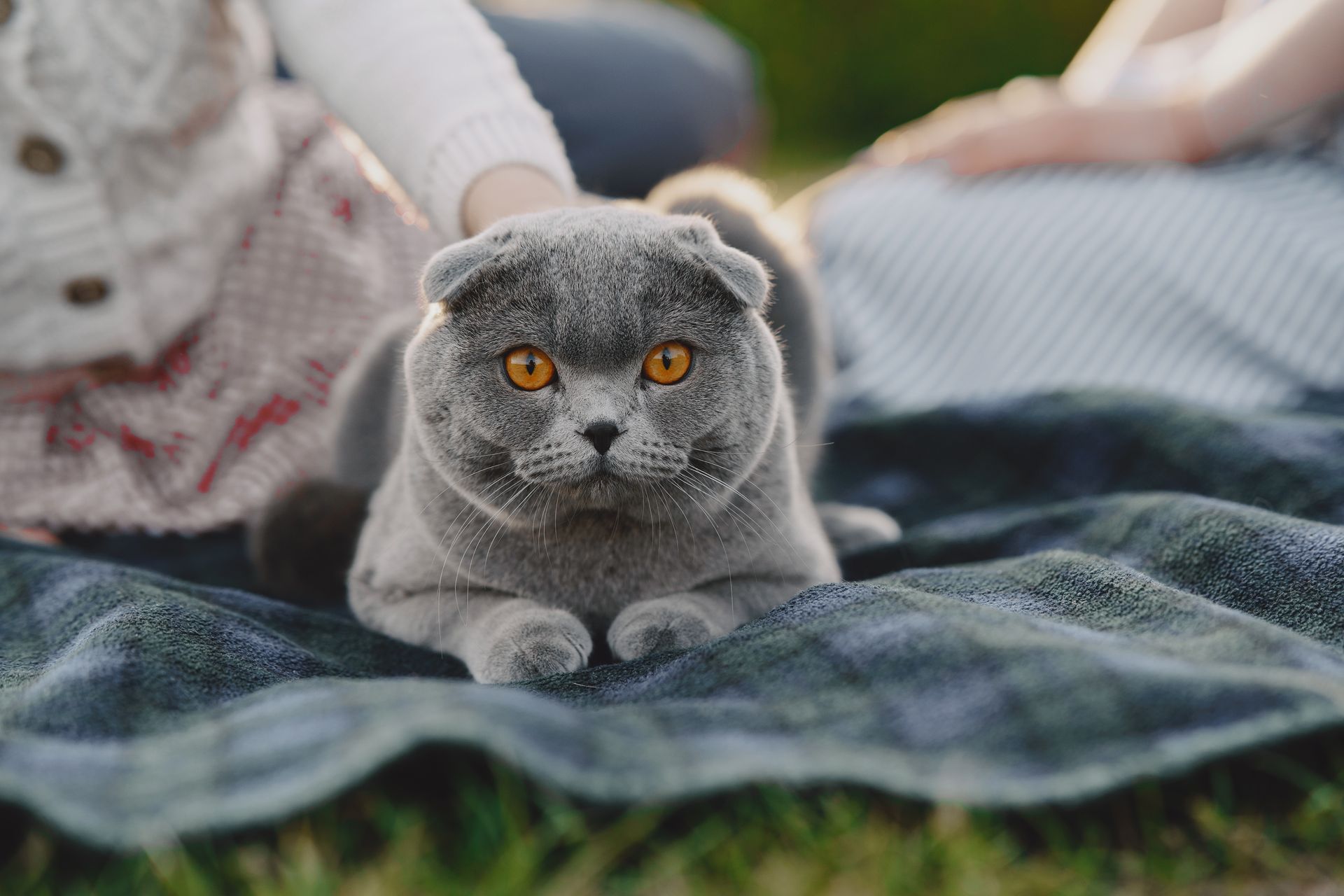
The Russian Blue and British Shorthair are two of the most beloved cat breeds, but which one is right for you? The Russian Blue is known for its thick, plush coat that's a stunning blue-gray color.
They're both sturdy and compact cats, but the Russian Blue typically weighs between 7-12 pounds, while the British Shorthair can weigh up to 17 pounds.
Their temperaments are also quite different, with the Russian Blue being known for its playful and affectionate nature, while the British Shorthair is often described as calm and laid-back.
Despite their differences, both breeds are known for their intelligence and easy-going personalities, making them a great fit for families with children or for first-time cat owners.
Appearance
The Russian Blue and British Shorthair are two distinct breeds with unique physical characteristics.
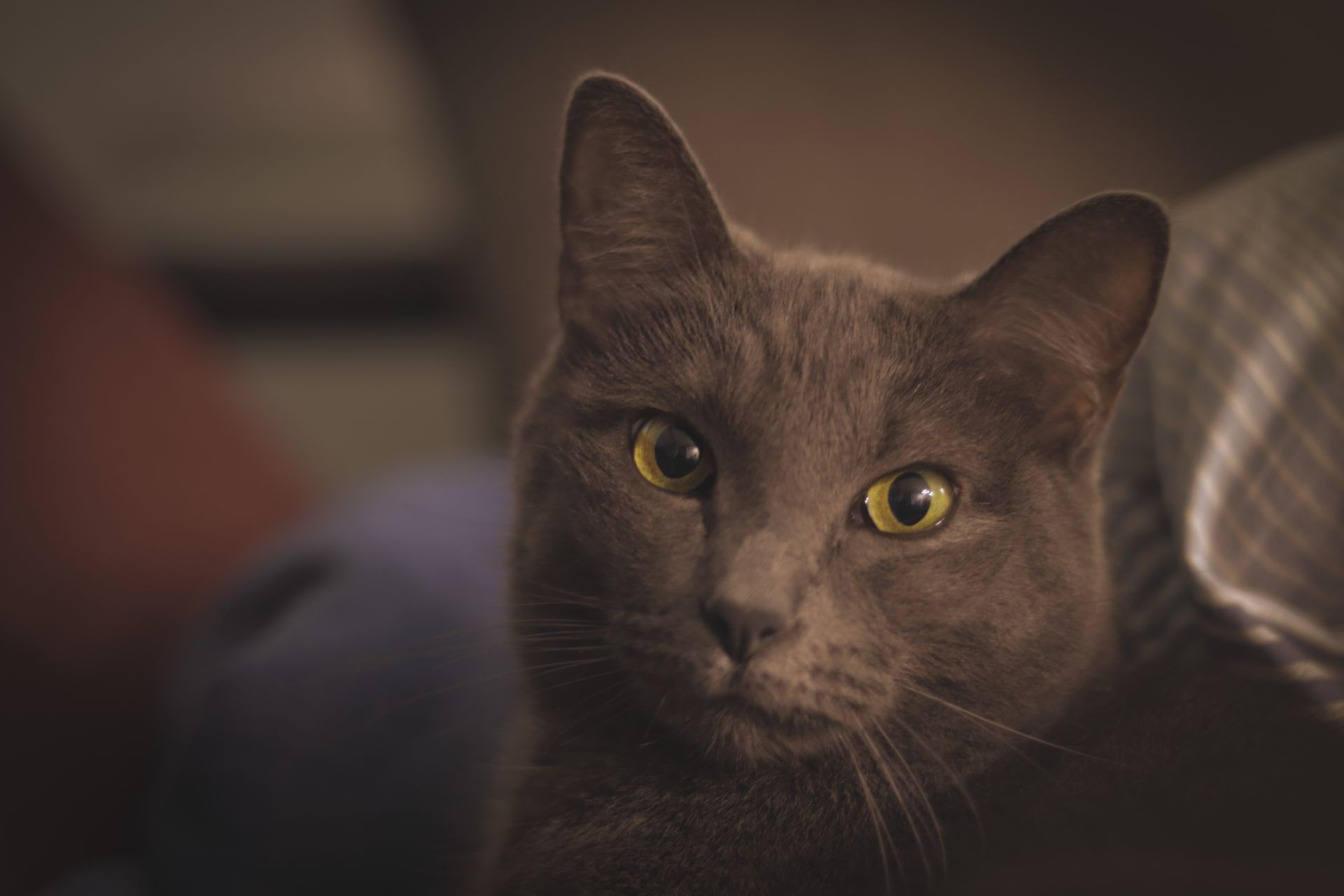
The Russian Blue has a dense, plush double coat that's soft to the touch, typically blue-gray in color with a silvery sheen. Their muscular build and lean, elegant appearance make them a striking sight.
In contrast, the British Shorthair has a short, dense coat that's plush and velvety to the touch, coming in a variety of colors and patterns.
Their size and shape also differ, with the Russian Blue being medium-sized and the British Shorthair being large and sturdy.
Here's a quick comparison of the two breeds' coats and body shapes:
Their ears and eyes also differ, with the Russian Blue having long, pointed ears and large, almond-shaped green eyes, while the British Shorthair has small, rounded ears and large, round eyes.
For more insights, see: British Shorthair Cat with Green Eyes
Personality
Russian Blues are active and playful cats that love to engage in games and physical activities, while British Shorthairs are generally more laid-back and less active. Russian Blues tend to bond closely with one or two people, but can be shy or reserved around strangers.
British Shorthairs, on the other hand, are known for being affectionate and loving towards their owners, and tend to form strong bonds with their family. They're often described as 'Teddy Bear cats' due to their calm demeanor and pleasant disposition.
Here's a comparison of the two breeds:
Temperament Comparison
Russian Blues and British Shorthairs have distinct personality traits that set them apart from each other. Russian Blues are generally more active and playful, while British Shorthairs are more laid-back and social.
One key difference between the two breeds is their level of sociability. British Shorthairs are often considered more sociable than Russian Blues, who can be a bit more reserved and prefer their quiet spaces.
Russian Blues are intelligent and observant, but may take a while to warm up to new people. Once they form a bond, they become very loyal and attached. They're also sensitive to their owner's emotions, often providing comfort and companionship when needed.
In contrast, British Shorthairs are calm, easy-going, and form deep connections with their owners. They're ideal for busy homes and get along well with kids and other pets.
Here's a comparison of the two breeds' activity levels:
Russian Blues require more attention and affection than British Shorthairs, who are happy to spend time alone. This makes British Shorthairs a great fit for busy owners who may not have as much time to devote to their pets.
Ultimately, the choice between a Russian Blue and a British Shorthair comes down to your lifestyle and preferences. Both breeds make wonderful companions, but it's essential to consider their unique needs and personalities when deciding which one is right for you.
Personality

The British Shorthair and Russian Blue cats have distinct personalities that set them apart from each other. British Shorthairs are known to be calm and composed, often enjoying a peaceful and quiet environment.
One of the reasons British Shorthairs are often misunderstood as being less intelligent is that they don't seek out attention or stimulation like some other breeds do. However, they are highly capable and can quickly learn the routines of their household.
Russian Blues, on the other hand, are curious and playful, always eager to explore their surroundings and engage in interactive play. They love to figure out puzzles and are highly attuned to their owner's moods and emotions.
Both breeds appreciate mental stimulation, but they express it in different ways. Here's a quick comparison of their personalities:
- British Shorthair: Calm and composed
- Russian Blue: Curious and playful
Grooming Needs
Both British Shorthair and Russian Blue cats have short, dense coats that are easy to groom. They require regular brushing to remove loose hair and distribute skin oils.

British Shorthairs have a dense double coat that sheds seasonally, so weekly brushing is necessary to prevent matting and tangling. Their coat also needs to be brushed once a week to avoid shedding.
Russian Blues, on the other hand, have a short, dense coat that doesn't shed heavily, but still requires weekly brushing to keep their coat shiny and healthy.
In addition to coat care, both breeds benefit from regular nail trimming, ear cleaning, and teeth brushing. These grooming sessions help monitor their health closely and keep them looking their best.
Both breeds can tolerate a weekly brushing schedule, making them relatively low-maintenance pets.
Health
Both British Shorthair and Russian Blue cats are generally healthy breeds, but each has its own set of concerns to look out for.
British Shorthairs can be prone to obesity, dental disease, and hypertrophic cardiomyopathy (HCM). Regular exercise and a controlled diet can help mitigate these risks.
Russian Blues, on the other hand, are generally hardy but can occasionally suffer from bladder stones and obesity when overfed. They're also less prone to accidents or contracting diseases, which contributes to their lengthy lifespan.
Both breeds can live for a long and healthy life if properly cared for, with an average lifespan of 15-20 years.
Here are some common health issues to watch out for in each breed:
Regular vet check-ups, a healthy diet, and an active lifestyle can contribute greatly to the longevity and quality of life of both breeds.
Comparison
The British Shorthair and Russian Blue are two distinct breeds with their own unique characteristics. The British Shorthair has a dense and plush coat, while the Russian Blue has a short, dense, and smooth coat.
In terms of size, British Shorthairs are generally larger and heavier than Russian Blues, with a sturdy and muscular body structure. Russian Blues, on the other hand, are of medium size with a sleek and elegant body.
Here's a comparison of the two breeds:
Both breeds are relatively low maintenance when it comes to grooming, but the British Shorthair requires regular brushing to remove loose hair and distribute skin oils, while the Russian Blue requires weekly brushing to keep its coat shiny and healthy.
Comparing Sizes

British Shorthairs are generally larger and heavier than Russian Blue cats. Adult males typically weigh between 12 to 20 pounds, while females usually weigh between 8 to 14 pounds.
Russian Blue cats, on the other hand, are more slender and muscular, weighing between 7 to 12 pounds for males and 7 to 10 pounds for females.
Here's a comparison of the average weights for British Shorthairs and Russian Blues:
Remember that these are just averages, and each cat's weight will depend on its diet, exercise habits, and individual health issues.
Activity Levels
British Shorthair cats are laid-back and somewhat lazy, more likely to curl up on your lap for a long nap than to be bounding around the house.
Their low level of activity can make them prone to weight gain, so it's essential to monitor their diet and encourage play when possible.
Russian Blue cats are often more active than British Shorthairs, enjoying play and having a curious nature that leads them to explore their surroundings.
Despite their energy, Russian Blues still have a calm demeanor and are not as hyperactive as some other breeds can be.
If you're looking for an independent and calm companion, a British Shorthair may be more your pace.
Spotting Differences
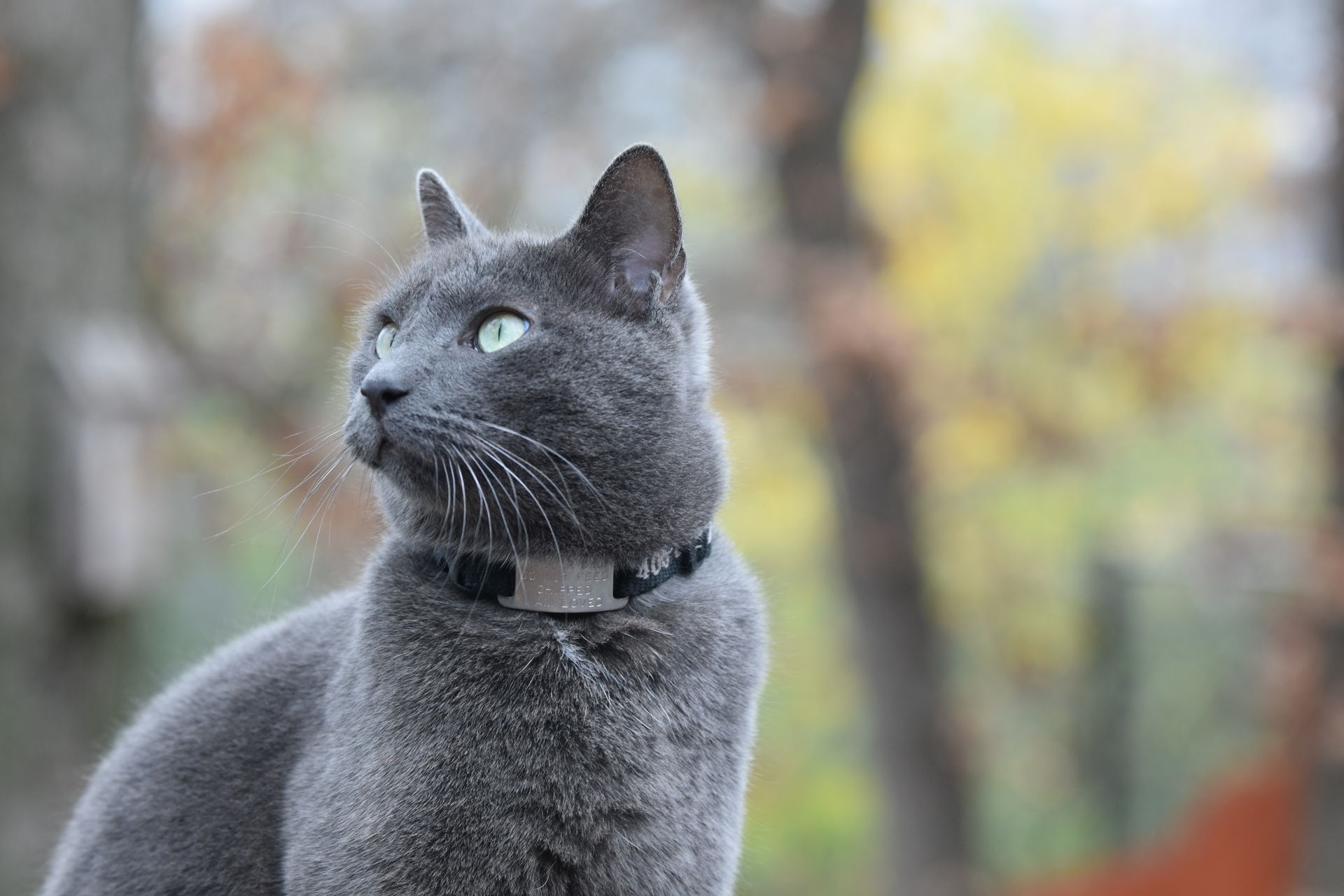
One of the most noticeable differences between British Shorthairs and Russian Blues is their body type. British Shorthairs are sturdy, muscular, and stocky, while Russian Blues are slim, elegant, and athletic.
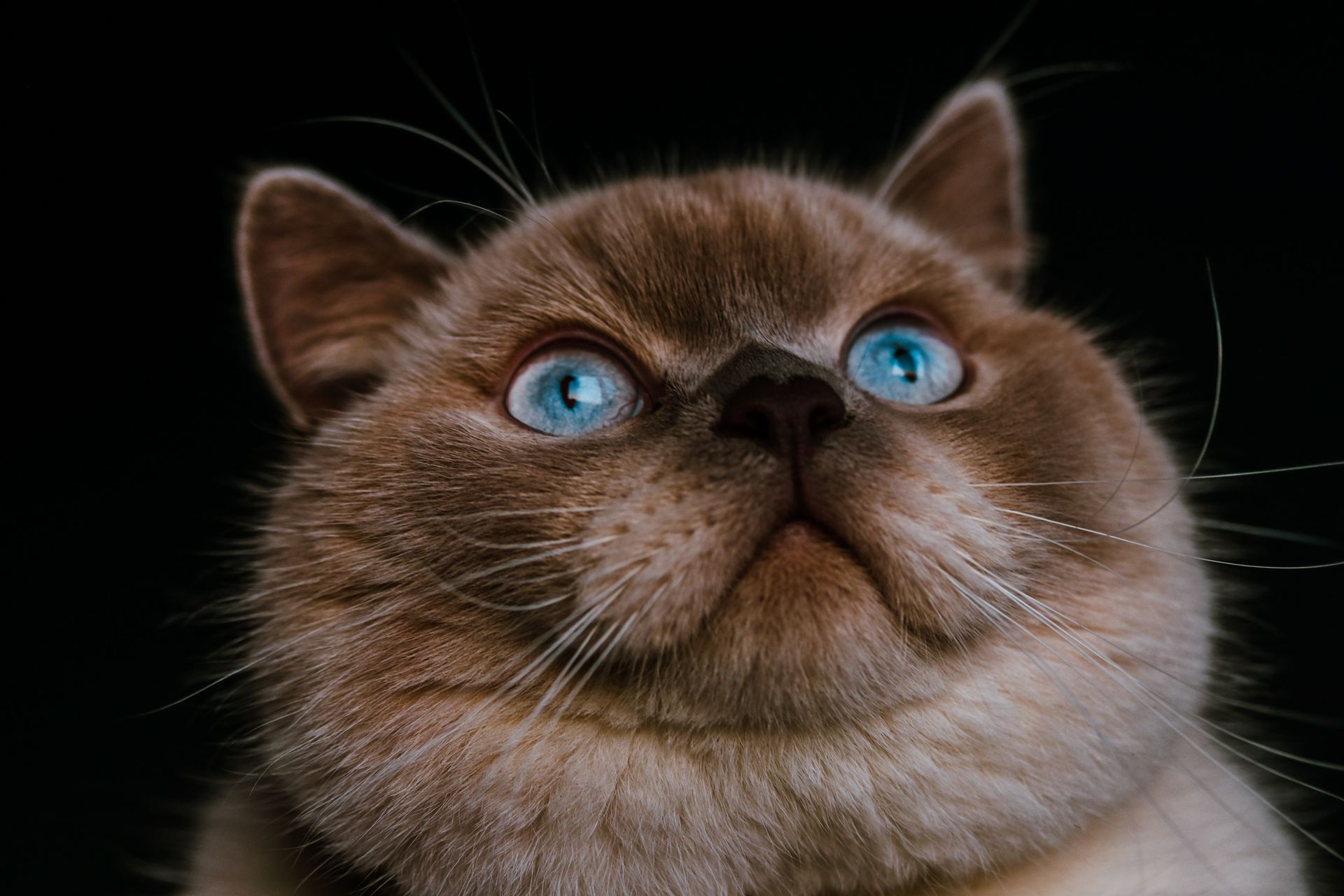
Their head shapes are also distinct. British Shorthairs have a round face with chubby cheeks, whereas Russian Blues have a triangular face with sharp lines. This difference in facial structure can give each breed a unique appearance.
British Shorthairs have a plush, dense, and soft coat texture, whereas Russian Blues have a fine, sleek, and shiny coat. This texture difference can make each breed's coat feel different to the touch.
Eye color is another area where these breeds differ. British Shorthairs typically have golden or copper-colored eyes, while Russian Blues have vivid green eyes. This eye color difference can be a key factor in identifying each breed.
The color of each breed is also worth noting. British Shorthairs come in a wide variety of colors, with blue-gray being a common one. Russian Blues, on the other hand, are always silvery-blue.
Here's a quick comparison of the key features of each breed:
Adoption and Cost
Adopting a Russian Blue or British Shorthair cat can be a rewarding experience, but it's essential to consider the costs involved.
The average adoption cost for both breeds is between $50 to $200, which typically covers preliminary veterinary expenses.
You'll need to factor in ongoing expenses such as pet insurance, food, litter, and routine veterinary care.
Both breeds are known for their robust health, but regular check-ups and care are necessary to ensure a happy and healthy life.
The adoption price range is the same for both breeds, making it a great opportunity to find your new feline friend.
As for the lifespan of these breeds, British Shorthairs have an average lifespan of 15 to 20 years, with some living even longer.
Their laid-back nature contributes to their longevity, making them prone to fewer risks of injury than more active breeds.
Take a look at this: Cat vs Dog Lifespan
History and Origin
The British Shorthair breed has its roots in ancient Rome, where they were initially working cats that kept rodents away from food supplies.
These cats roamed the streets of the UK until the late 19th century, when breeders began appreciating their robust stature, dense coat, and pleasant personality.
Russian Blue cats, on the other hand, hail from the Russian port town of Arkhangelsk, which is also the origin of their other name, Archangel Blues.
Their sleek appearance and bright blue coats are rumored to have adorned the halls of Russian czars.
The Russian Blue breed was brought to Europe in the 1860s, and the characteristics we see in the breed today have stayed relatively true to their ancestors.
The British Shorthair breed has undergone significant changes since their working cat days, but they remain a lovable and calm breed today.
If this caught your attention, see: Best Cat Breed to Catch Mice
Frequently Asked Questions
The British Shorthair is known for their easygoing and friendly nature.
They are very loving and good with children, making them a great addition to families with kids.
Russian Blue cats can be a bit more reserved and sensitive to their environment.
They love their own spaces, but they are also known to be affectionate and loyal to their owners.
Both breeds are relatively low-maintenance when it comes to grooming, with short coats that require minimal upkeep.
However, Russian Blues do require regular grooming to prevent matting and tangling of their beautiful blue coat.
British Shorthairs are generally a healthier breed, with a longer average lifespan compared to Russian Blues.
Despite this, both breeds are generally long-lived and can thrive with proper care and attention.
Featured Images: pexels.com