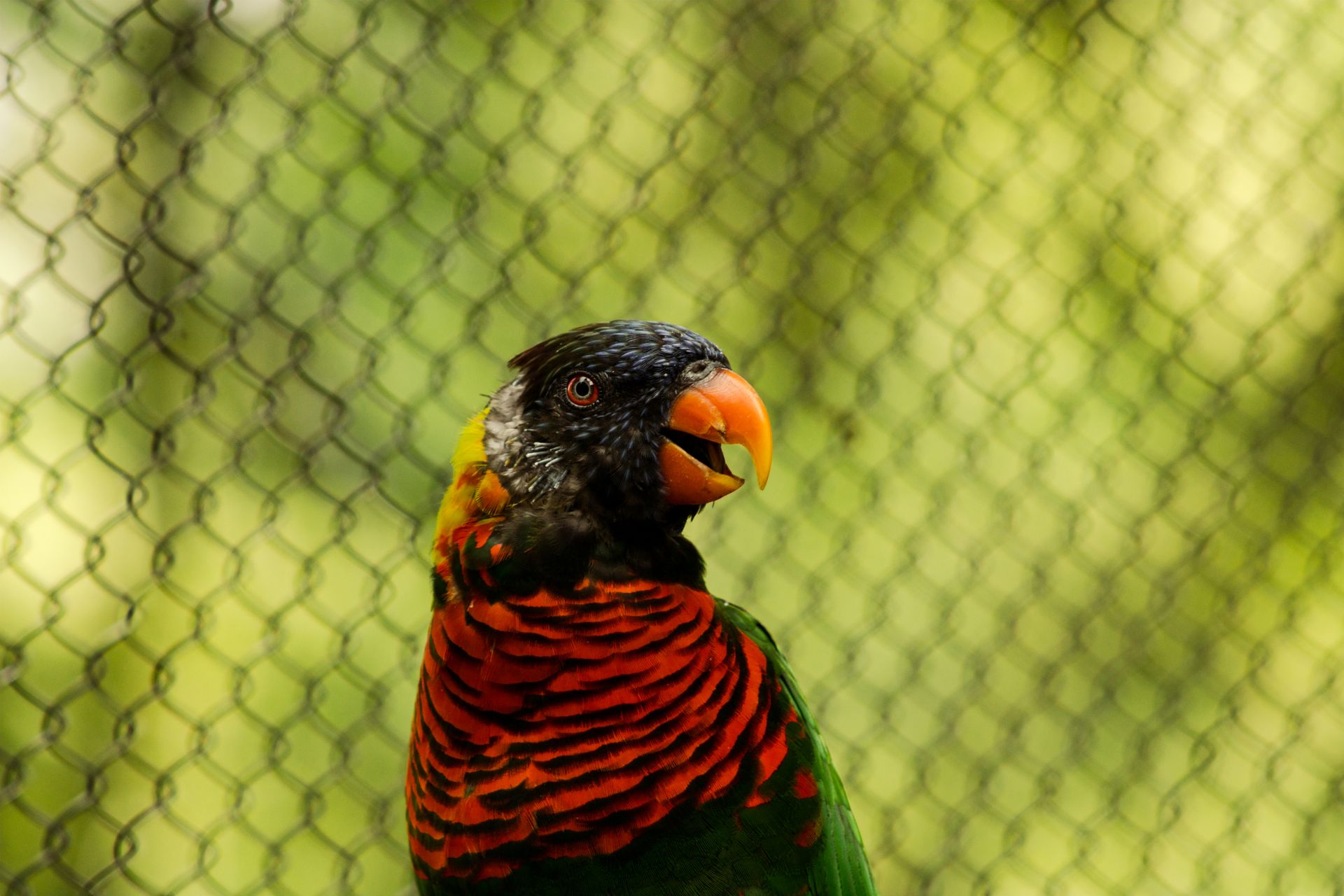
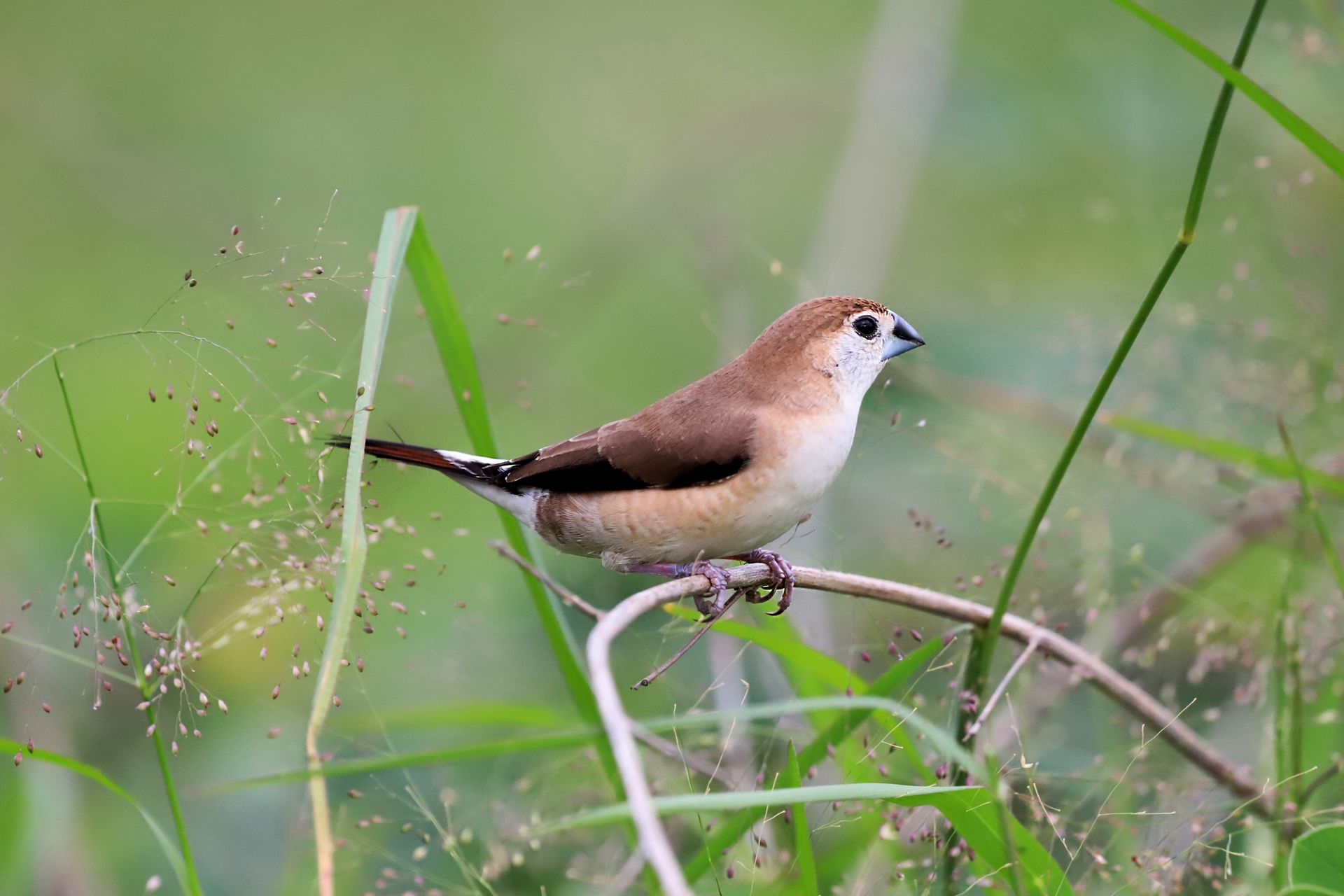
The Rose Breasted Grosbeak is a stunning bird species that's a delight to spot in the wild. They're known to inhabit deciduous and mixed forests, often near water sources like rivers or lakes.
These birds are primarily ground-dwellers, foraging for insects, seeds, and fruits on or near the ground. They have a distinctive song that's often described as a melodic, whistled phrase.
Rose Breasted Grosbeaks are migratory birds, making their way from their breeding grounds in North America to their wintering grounds in Central America and the Caribbean.
Rose-Breasted Grosbeak
The Rose-Breasted Grosbeak is a bird species that breeds in eastern woods. They can be found in deciduous trees and conifers.
Their habitat preferences include regenerating woodlands, where they can easily find food and shelter. They also frequent the edges of woods and parks.
During their migration, Rose-Breasted Grosbeaks rely on fruiting trees to fuel their long flights to Central and South America. This is a crucial stopover for these birds.
Nesting and Distribution
Rose-breasted Grosbeaks typically nest in deciduous trees or large shrubs, sometimes as high as twenty feet above the ground. The female builds the nest, which is an open cup made of twigs, weeds, and lined with finer twigs and rootlets.
The nest is often loosely constructed, leaving eggs visible through the nest below. This unique design may seem flimsy, but it serves the birds well. Both parents take turns incubating the eggs for thirteen to fourteen days.
The female lays three to five eggs, usually four, which are pale greenish-blue with reddish-brown markings. After the eggs hatch, both parents feed the nestlings, and the young leave the nest about nine to twelve days later.
Rose-breasted Grosbeaks have a wide distribution, breeding in the northern regions of North America, from British Columbia in the west to the Atlantic coast of Canada in the east. Their wintering grounds stretch from coastal Mexico to Central America and northern South America.
Here's a breakdown of their breeding and wintering ranges:
- Breeding range: British Columbia, Canada to Atlantic coast of Canada, New Jersey to Appalachian Mountains, and eastern Kansas, Nebraska, and the Dakotas.
- Wintering range: Coastal Mexico, Central America, northern South America, and the Greater Antilles.
Conservation
The Rose-breasted Grosbeak population remains robust but is in decline. They face several threats, including being trapped for sale as cage birds and widespread deforestation.
These birds need our help, and there are ways to make a difference. ABC and partners have established reserves, like the Cerulean Warbler Conservation Corridor, which provide winter habitat for the Rose-breasted Grosbeak and other species.
The Cerulean Warbler Conservation Corridor is a vital area for the Rose-breasted Grosbeak and other birds. It's also home to the Gorgeted Wood-Quail, a resident bird that shares the space with the Rose-breasted Grosbeak.
Helping birds like the Rose-breasted Grosbeak requires a multi-faceted approach. ABC has programs in place to reduce threats like predation from outdoor cats and mortality from collisions with windows and buildings.
Here are some key statistics about the Rose-breasted Grosbeak population:
- Population: 9.7 million
- Trend: Decreasing
By supporting ABC's conservation mission and learning more about the threats facing the Rose-breasted Grosbeak, we can make a real difference in their lives.
Frequently Asked Questions
How do you attract rose breasted grosbeaks?
To attract rose-breasted grosbeaks, try offering sunflower seeds and other favorite foods like safflower, peanuts, and grape jelly in your yard. Providing these treats can entice these beautiful birds to visit and stay.
Featured Images: pexels.com