Rheodytes Leukops is a unique species that's worth learning about. It's a freshwater turtle found in Australia.
This species is relatively small, with a carapace length of about 23-28 centimeters. Its shell is brown or reddish-brown in color.
Rheodytes Leukops is listed as vulnerable on the IUCN Red List.
Scientific Information
The Fitzroy River Turtle, also known as Rheodytes leukops, is a unique species of turtle found in Australia.
Its scientific classification is as follows: Kingdom: Animalia, Phylum: Chordata, Class: Reptilia, Order: Testudines, Family: Chelidae, Genus: Rheodytes, and Species: Rheodytes leukops.
The genus name Rheodytes is derived from the Greek roots rheos (current or stream) and dytes (diver), which refers to the turtle's speed and agility in fast currents.
The specific name leukops is derived from the Greek leukos (white) and ops (eye), which refers to the distinctive white ring around the iris.
Here is a list of the higher taxa for Rheodytes leukops:
- Chelidae
- Chelodininae
- Pleurodira
- Testudines (turtles)
Rheodytes leukops breeds in the spring, when females lay clutches of around 15 eggs, which incubate for an average of 45 days.
The type locality for Rheodytes leukops is the Fitzroy River, 63 km N and 25 km E of Duaringa, elevation 40 m, 23°09'S, 149°55'E, Queensland, Australia.
Physical Characteristics
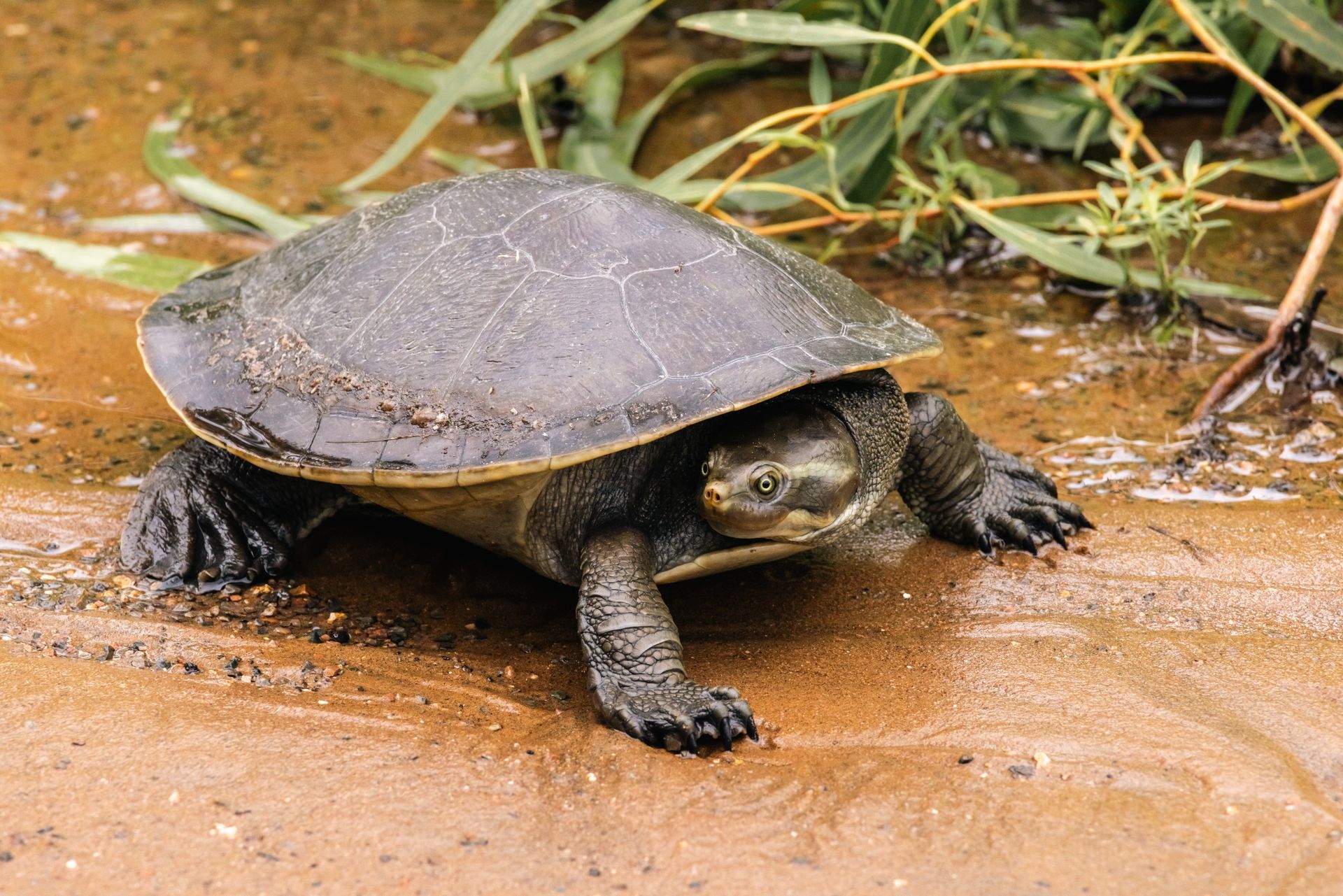
The Fitzroy River turtle, a species within the Rheodytes genus, is light to dark brown in color and grows to approximately 260mm in carapace length.
Their shell is highly reticulated to the naked eye, but under low magnification, it's actually a series of parallel ridges with occasional cross ridging.
The shell of hatchlings is highly serrated, up to 95 mm, while adults have a rounded, smooth edged shell.
The plastron is lighter in color and tapers anteriorally and posteriorally.
The scutes are very thin and underlying sutures in both the carapace and plastron are visible through them in all but the darkest individuals.
The species can be identified by its very thin carapace bones, a character used in diagnosing related fossil species Rheodytes devisi.
The upper surface of their necks are scattered with blunt to pointed conical skin tubercles that do not appear to have any specialized follicular centres.
The Fitzroy River turtle has a single pair of barbels on the lower jaw.
Worth a look: Western Pond Turtle Shell
Behavior and Habitat
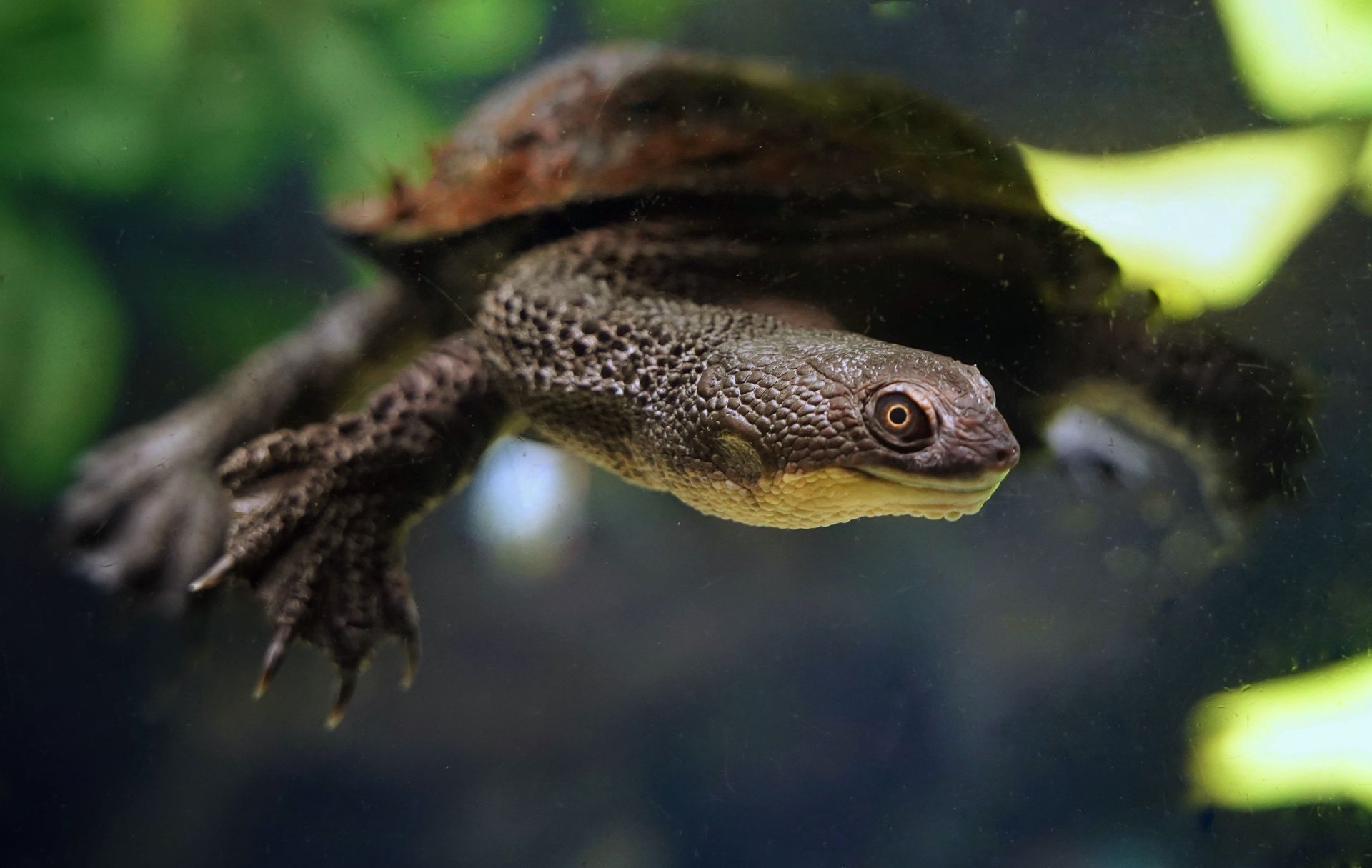
Fitzroy River Turtles are sedentary creatures, often staying in the same location for days. They have a relatively small home range, with an average size of 417-679 meters.
In their natural habitat, these turtles prefer fast-flowing water, often found near sand banks where they lay their eggs. They've been spotted at depths as shallow as 15 cm.
The turtles are highly reliant on cloacal respiration, which means they can stay underwater for extended periods. The longest single dive recorded was 21 days in winter, while in summer it was a relatively short 2.39 days.
Movement Patterns
Fitzroy River Turtles have relatively small home ranges, with an average size of 417-679 meters for nine turtles near Glenroy Crossing.
Their home ranges often overlap with riffle zones, with a mean distance of 258-359 meters to the nearest riffle zone. The maximum distance to a riffle zone can be as far as 494-613 meters.
These turtles are sedentary, often staying in the same location for days. One female turtle was observed to have migrated a remarkable 6.8 kilometers beyond her initial core area to establish a new residence.
Activity levels vary depending on the location, but in Marlborough Creek, turtles are most active during daylight hours, specifically during twilight hours.
Wild Observations
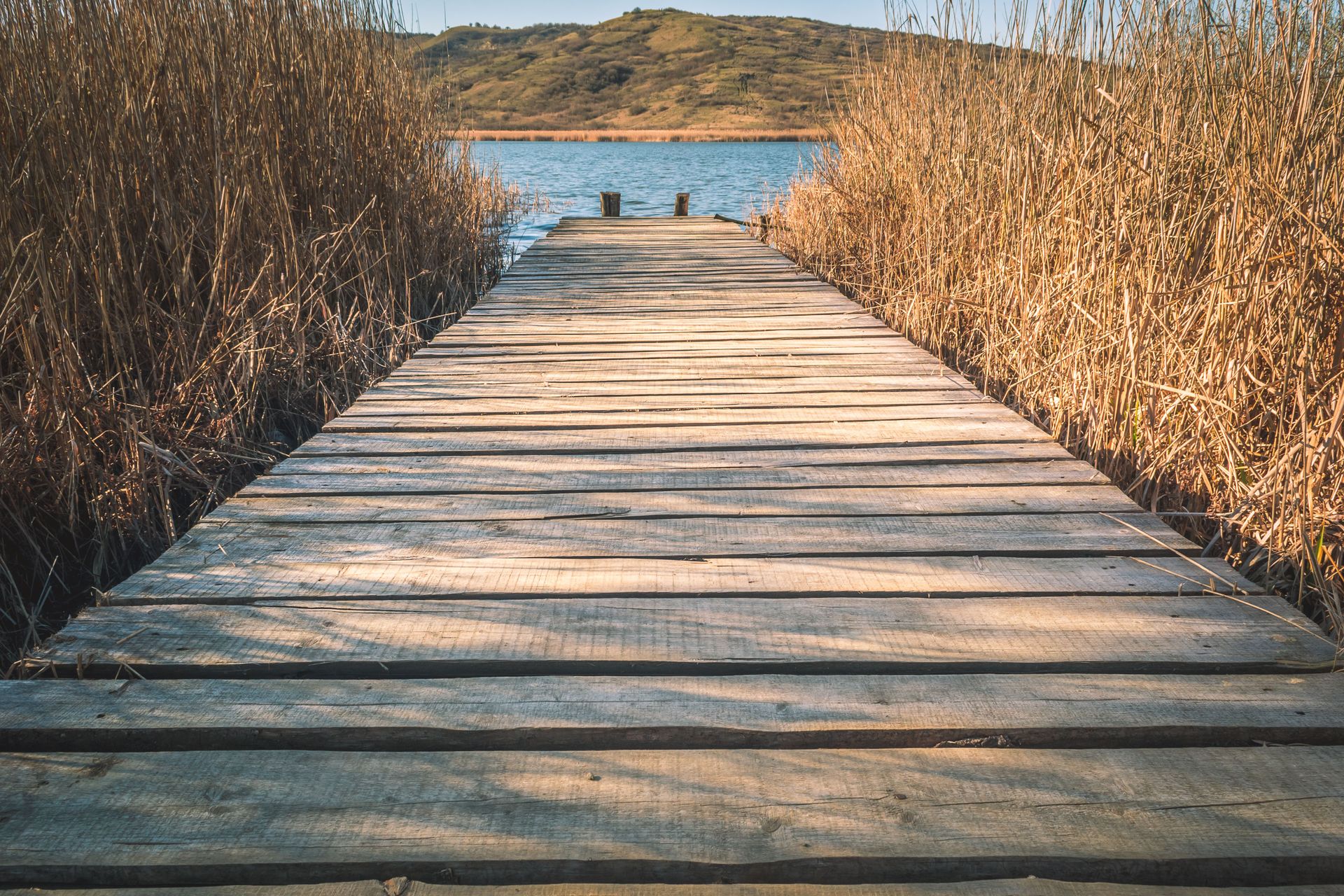
In the wild, this species is often found in fast flowing water, particularly near sand banks where it lays its eggs.
It's been observed at depths as shallow as 15 cm, which is surprisingly shallow.
They tend to lie still, hidden by overhanging plant foliage along the shallow banks of fast flowing riffles.
Coarse river sand and gravel are their preferred substratum, which makes sense given their love for fast flowing water.
In most encounters, they've been found hiding under logs, which provides them with a sense of security.
Conservation and Distribution
The Fitzroy River turtle, a species that's really quite unique, is listed as Vulnerable on the IUCN checklist since 1994.
Their habitat is limited to a total area of less than 10,000 km², which includes the Fitzroy, Mackenzie, and Dawson rivers.
This species has a high priority for conservation due to its limited distribution and being the sole survivor of a once more widespread genus.
The destruction of habitat, particularly by agriculture and dams, reduces survivorship among juvenile classes, which is a major concern for conservation efforts.
The Fitzroy River turtle is found exclusively in the Fitzroy River drainage system in Queensland, making it an endemic species to Australia.
Conservation Status
The Fitzroy River turtle is listed as Vulnerable on the IUCN checklist since 1994. This is due to its limited distribution and being the sole survivor of a once more widespread genus.
Their habitat is under threat from agriculture and dams, which lower the oxygen content of the water. This particularly affects juvenile classes, reducing their survivorship.
The species has been impacted by the reduction in invertebrate prey, conversion of fluvial to lacustrine habitat, and the increase of sedimentation.
Geographical Range
The Fitzroy River drainage system in Queensland is home to a unique species found nowhere else in the world. This species is endemic to Australia, meaning it's native and exclusive to this country.
It's found exclusively in the Fitzroy River drainage system, which is a remarkable example of the importance of preserving our natural habitats.
Featured Images: pexels.com