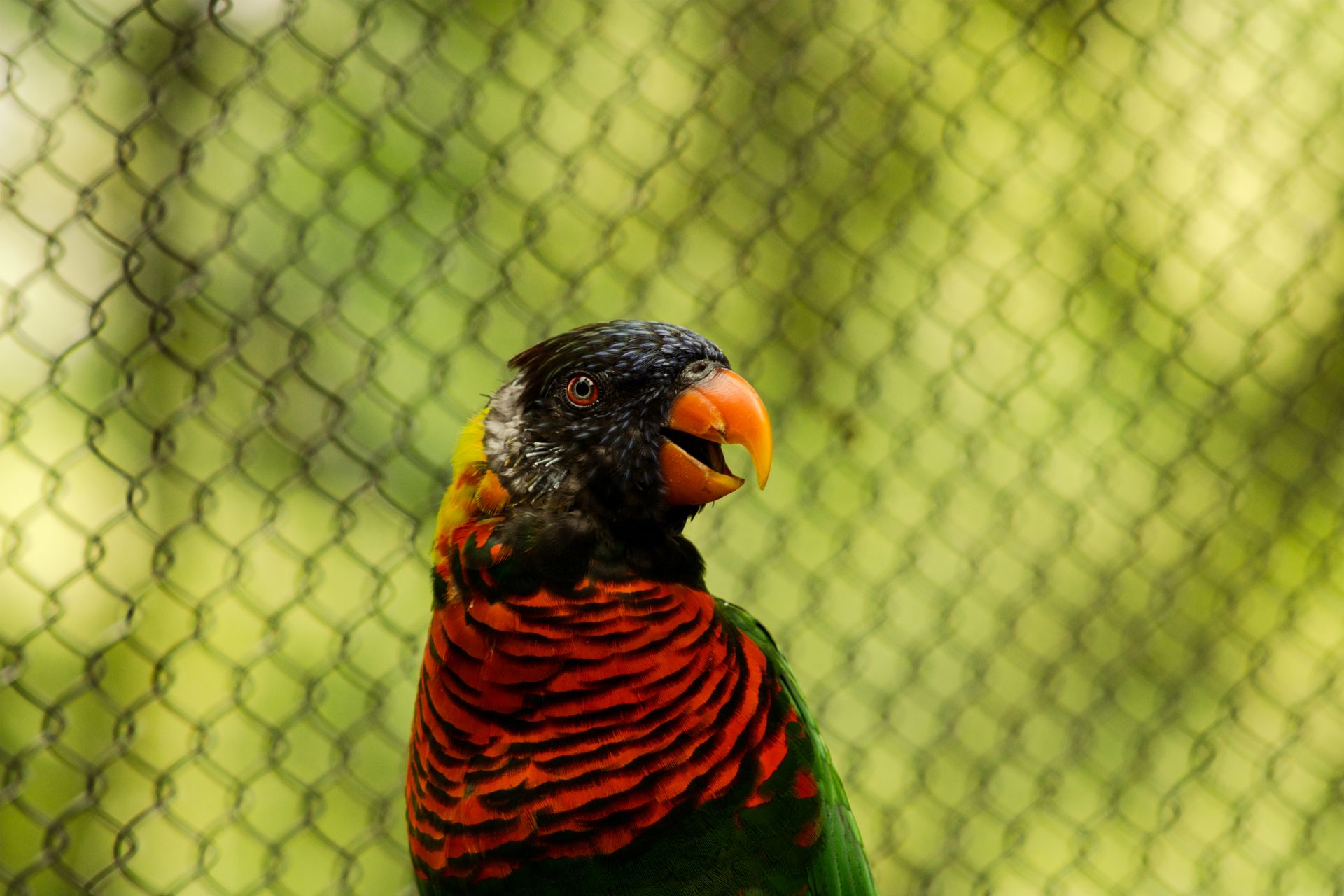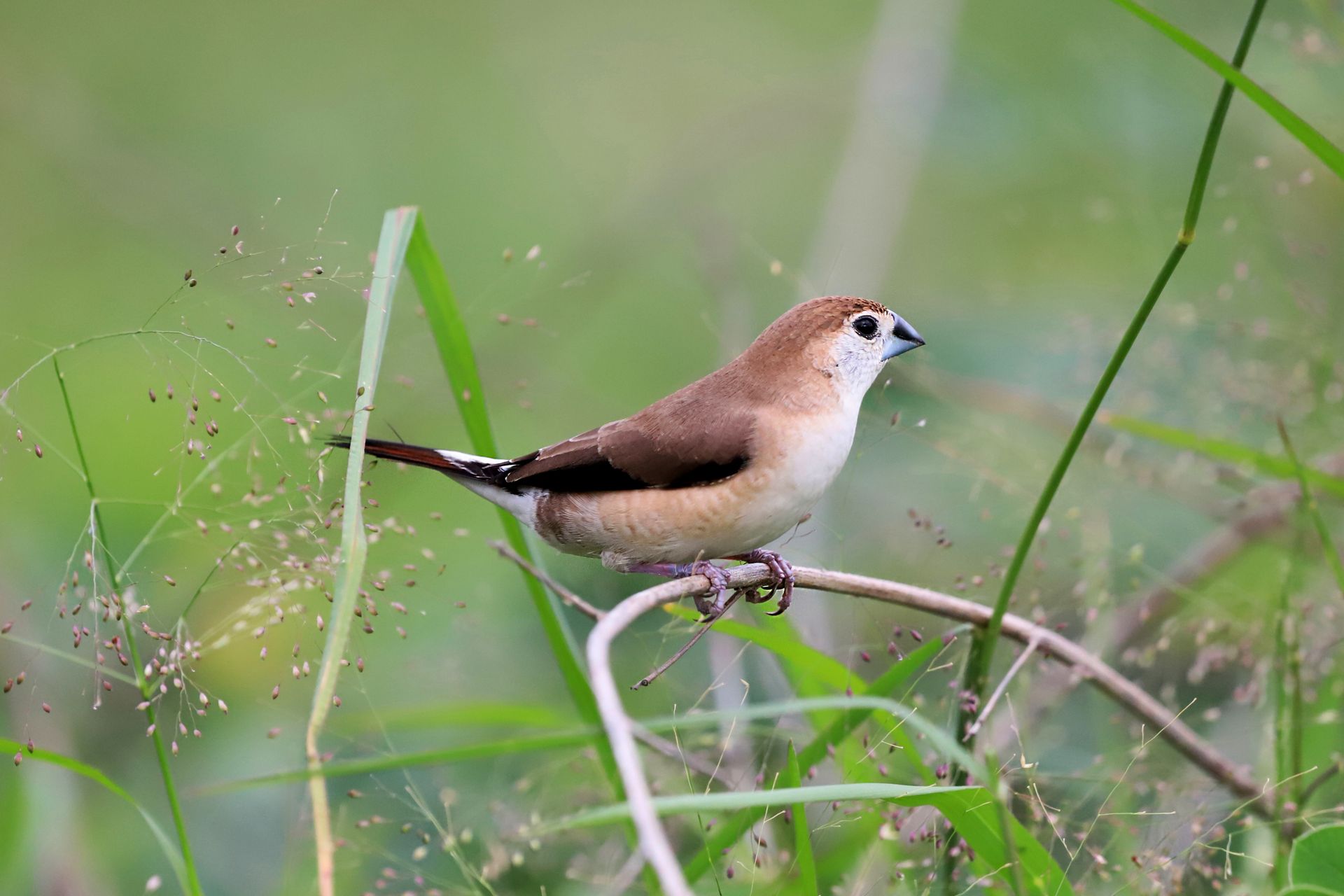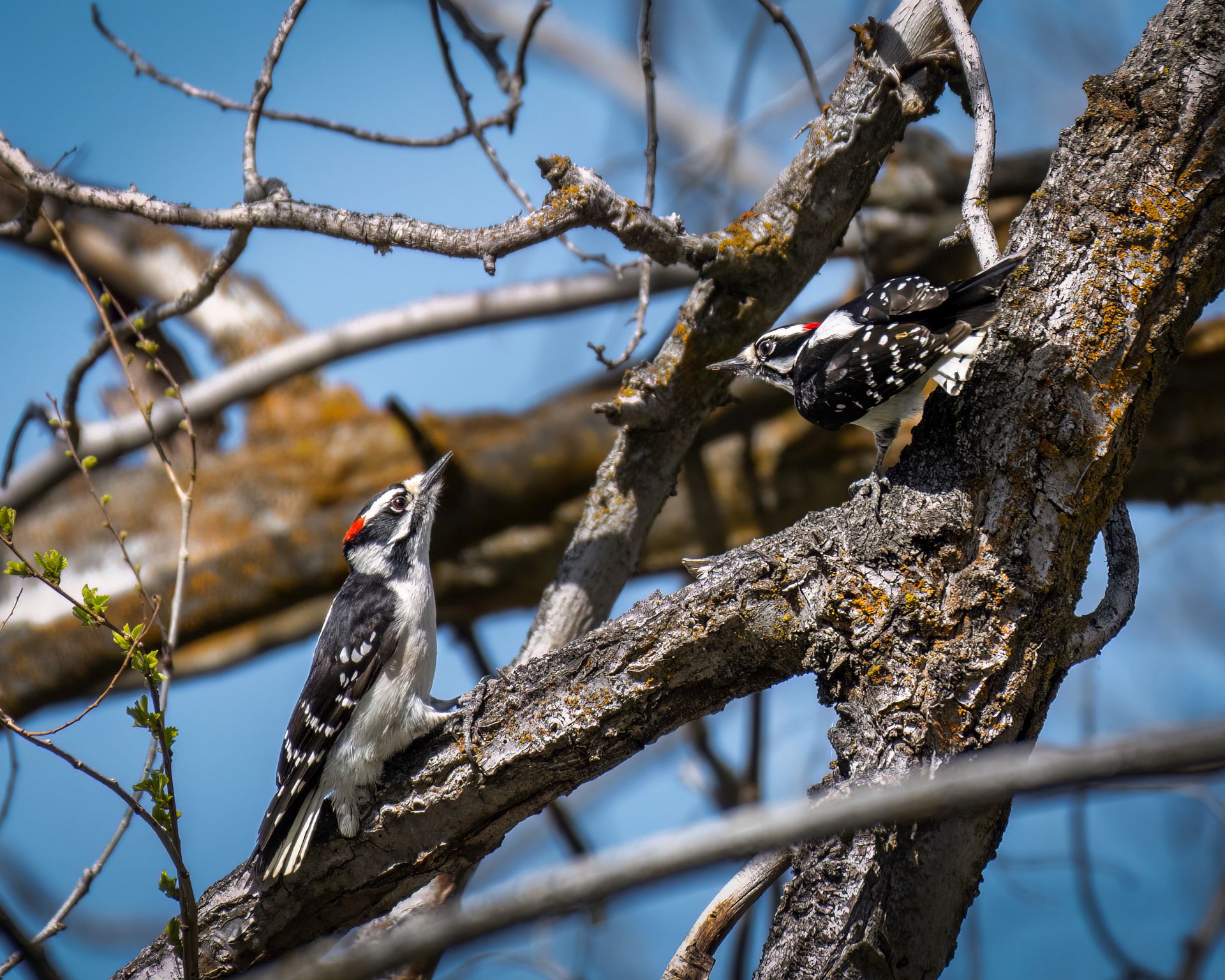
The Red-Breasted Sapsucker is a fascinating bird species. They are medium-sized woodpeckers that measure between 7 and 8 inches in length.
These birds are known for their distinctive red caps on their heads, which are a striking feature. The rest of their plumage is a mix of black and white feathers.
Their diet consists mainly of sap and insects, which they extract from trees using their long, chisel-like beaks. They are also known to visit backyard bird feeders, especially those with suet or peanut butter.
Classification
The red-breasted sapsucker is a member of the woodpecker family, specifically the genus Sphyrapicus. It's a unique bird that's been studied and classified by ornithologists for centuries.
In fact, the red-breasted sapsucker was formally described in 1788 by Johann Friedrich Gmelin, a German naturalist. He placed it with the woodpeckers in the genus Picus and coined the binomial name Picus ruber.
Let's take a closer look at the bird's classification:
The red-breasted sapsucker has two recognized subspecies: S. r. ruber and S. r. daggetti.
Physical Characteristics
Red-breasted sapsuckers are approximately 20 to 22 cm in length.
These birds have a very bright, red, head with a black spot in front of the eye. A white line is present on the space between the nostril and eye, also called the lore, and the breast is vibrantly red with a white patch located on either wing.
Their back is mostly black with a variable amount of spotting of yellows and off-white colorations. Red-breasted sapsuckers are easily identifiable by their pale-yellow belly.
Juveniles are brown in color and do not develop the stark colorations seen in adults until after the first molting of the feathers.
Here are the physical characteristics of red-breasted sapsuckers at a glance:
Red-breasted sapsuckers are endothermic, meaning they maintain a constant body temperature. They also exhibit bilateral symmetry, a characteristic shared by many animals.
Distribution and Habitat
The red-breasted sapsucker is a fascinating bird that can be found in various habitats across its range. They breed from southeast Alaska and British Columbia south through the Pacific Coast Ranges of western Washington and Oregon and northern California.
Their breeding habitat is usually forest that includes pine, hemlock, Douglas fir, fir, and spruce, though they are known to use other woodland habitats. They prefer old-growth forest.
Red-breasted sapsuckers are abundant in coastal forests comprised mainly of dead trees or large snags that serve as nesting sites. These woodpeckers prefer coniferous forests and can normally be found in highly disturbed forests.
They have been observed nesting in utility poles, indicating that they may expand outside of primarily forested areas. Red-breasted sapsuckers can also be found in riparian habitats with large cottonwoods.
Here are some key habitat characteristics of red-breasted sapsuckers:
- Habitat Regions: temperate, terrestrial
- Terrestrial Biomes: forest
In terms of their home range, red-breasted sapsuckers have an average territory size of 46 to 137 meters from their nest. The home range of these birds increases in open areas but decreases in smaller, denser forests.
Behavior and Diet
The red-breasted sapsucker's behavior is fascinating. They are known to excavate trees in a unique pattern, creating a series of holes in a vertical line.
As they search for sap, they will often use their strong, chisel-like beak to remove bark and create a network of shallow wells. This behavior allows them to access the sap more efficiently.
In terms of diet, these birds primarily feed on sap, which is high in sugar and provides them with the energy they need to survive.
Breeding
Red-breasted sapsuckers are dedicated parents, working together to raise their young. They begin their breeding process in April or May, carefully crafting a nest hole in a dead tree, often a deciduous one.
The female lays 4 to 7 pure white eggs, a remarkable sight to behold. Both parents take turns feeding the young, ensuring they receive the nourishment they need to grow.
The fledglings leave the nest at 23–28 days old, taking their first flights into the world. The nest cavity is not reused, so the parents must find a new location for their next brood.
Sapsuckers Diet
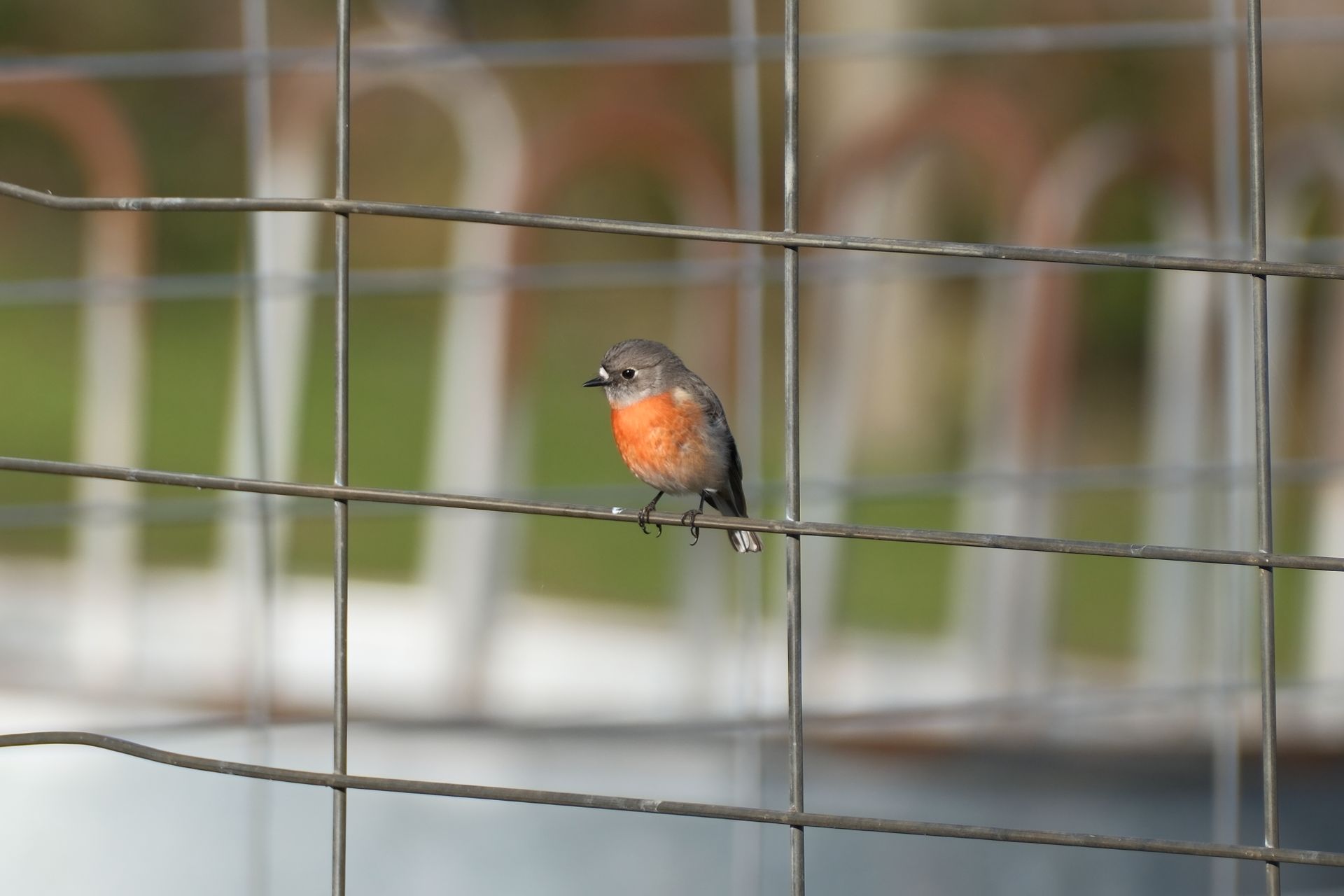
Red-breasted Sapsuckers primarily eat tree sap, which they collect from shallow holes they drill in trees like aspen, cedar, pine, birch, or maple.
Their diet consists of phloem sap, a type of sap rich in sugar and amino acids. They return to the same wells periodically to feed on the sap as it slowly oozes out.
In addition to sap, Red-breasted Sapsuckers also eat insects that are attracted to the sap, and they catch some in mid-air.
They have a unique way of eating, using their brush-like tongues to collect and lick the sap. This is different from what their name might imply, as they don't suck the sap out of tree wells.
Red-breasted Sapsuckers will also eat spiders, caterpillars, berries, fruits, and tree cambium. Their strong claws and stiff tail feathers help them securely hold onto tree trunks while they forage.
It's worth noting that sapsuckers in general don't harm trees with their drilling, as their holes are rarely deep enough to cause harm.
Appearance and Sounds
Red-breasted Sapsuckers are similar in size to an American Robin. Adult birds have completely red heads and chests.
Their chisel-shaped bills are a distinctive feature, and they also have white rumps and black backs with lightly-colored spots. Black tails with white barring and black wings with a white patch running lengthwise are also characteristic of adult Red-breasted Sapsuckers.
The area between the nostril and the eye, called the lore, is bright white. Red-breasted Sapsuckers have white or light-yellow bellies with dark streaks on the sides.
Check this out: Red and White Shih Tzu
What Do Sapsuckers Appear Like?
Red-breasted Sapsuckers are similar in size to an American Robin. Adult birds have completely red heads and chests.
Their chisel-shaped bills, white rumps, black backs with lightly-colored spots, and black tails with white barring are quite distinctive. Black wings with a white patch running lengthwise are also a notable feature.
The area between the nostril and the eye, called the lore, is bright white. This is a characteristic that sets them apart from other birds.
Curious to learn more? Check out: Red and White Cockapoo
Female and male birds look similar, but some sources say that females have less red and more white. This slight difference is worth noting if you're trying to identify the species.
Juvenile Red-breasted Sapsuckers have a different appearance altogether. Their head and chest are brown, and they have brownish-black backs and wings.
Their wings have white patches similar to adult birds, although their overall coloration is less vibrant.
Related reading: Red and White Irish Setters
Sapsucker Sounds
Red-breasted Sapsuckers make a variety of sounds, including a 'mew', 'cheer', 'weep weep', 'waa', or a 'nasal squealing' sound.
Their calls are used to establish territory or find a mate, and all species of sapsuckers tend to be quieter in the winter.
The bill-drumming sound of Red-breasted Sapsuckers has an irregular cadence and slower beats toward the end.
You can listen to their calls online to get a better sense of their unique vocalizations.
Check this out: What Does Rose Breasted Grosbeak Eat
Conservation Status
The red-breasted sapsucker is a protected bird under the U.S. Migratory Bird Act, as of November 2013.
They are also listed as "least concern" on the IUCN Red List, which indicates that they are not currently considered to be threatened with extinction.
Red-breasted sapsuckers are found in the Nearctic biogeographic province, which includes a vast area of North America.
They live in forest biomes, which can vary in terms of precipitation and seasonality.
These birds are iteroparous, meaning they produce offspring in more than one group and across multiple seasons.
Red-breasted sapsuckers are migratory birds, making seasonal movements between breeding and wintering grounds.
Their breeding is confined to a particular season.
Here's a summary of their conservation status:
- IUCN Red List: Least Concern
- US Migratory Bird Act: Protected
- US Federal List: No special status
- CITES: No special status
- State of Michigan List: No special status
Despite potential habitat degradation, red-breasted sapsuckers are still fairly numerous, and their numbers may have even increased in some areas.
Frequently Asked Questions
Are Red-breasted Sapsuckers rare?
Red-breasted Sapsuckers are uncommon in some areas, but fairly common in others, depending on the location and time of year. They are more frequently seen in mountainous regions of southern California than in coastal lowlands.
What is the difference between a woodpecker and a sapsucker?
Woodpeckers and sapsuckers are both birds that drum on trees, but they have distinct differences in size, plumage, and markings. To tell them apart, look for the presence of a red crown and throat, or a white stripe down the middle of the back
What is the difference between red naped sapsucker and red-breasted sapsucker?
Difference between Red-naped and Red-breasted Sapsuckers: Red-naped Sapsuckers have less red on their head and breast. This subtle difference helps distinguish them from their Red-breasted counterparts
Featured Images: pexels.com