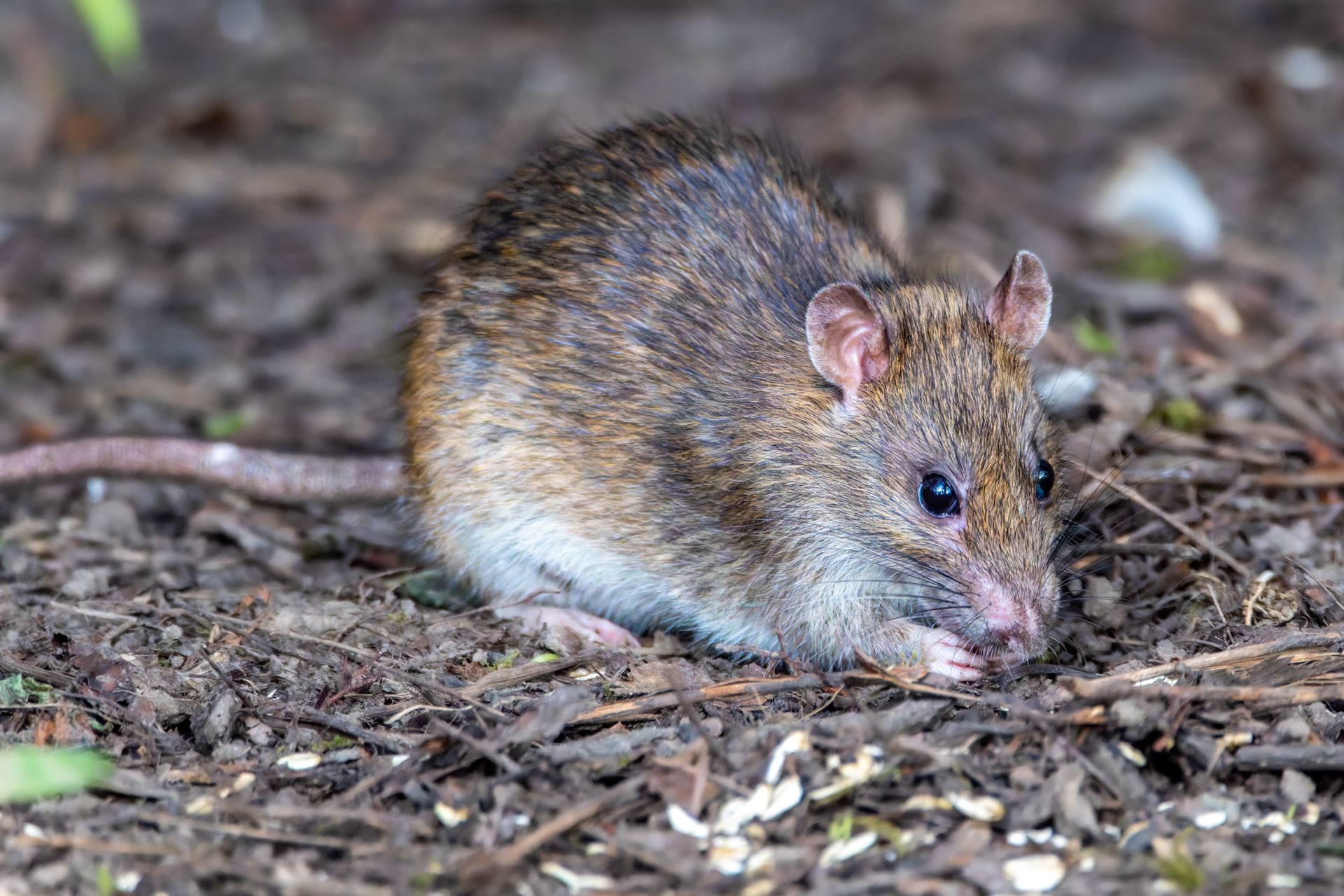
Rats are incredibly intelligent animals, with studies showing they can solve mazes and learn tricks with ease.
They are also highly social creatures, thriving in the company of their human family members and other rats. In fact, a group of rats is called a "mischief"!
Rats are relatively low-maintenance pets, requiring a cage with adequate ventilation and a wheel for exercise. They are also relatively quiet, making them a great choice for apartment dwellers.
Their average lifespan is around 2-3 years, which is a relatively long time for a small pet. With proper care and attention, many rats have been known to live up to 4 years or more.
Preparation
Before bringing a pet rat into your life, it's essential to be aware of their needs and characteristics. Rats have a relatively short life span of approximately 1.5-3 years, occasionally 4 years but that remains an exception.
To ensure you're prepared for the responsibilities that come with pet ownership, it's crucial to understand their social nature. Rats are intelligent, highly social, and curious animals that thrive on interaction with their human caregivers and other rats.
On a similar theme: Life Expectancy of a Rat Terrier
When it comes to their social needs, rats require daily exercise to satisfy their urge to move and explore. They also get bored easily, so providing a stimulating environment is vital.
Rats become sexually mature at the age of about five weeks, which means separating bucks from females and neutering them immediately is essential to prevent unwanted litters. A female rat can give birth to up to 20 kittens after a 21-23 day gestation period, and she's ready to conceive again just 24 hours after giving birth.
Here are some key things to consider when preparing for a pet rat:
- Provide a spacious cage with plenty of hiding places and toys to keep your rat entertained.
- Ensure a balanced diet that includes a high-quality commercial rat food, supplemented with fresh fruits and vegetables.
- Set up a safe and comfortable environment with hiding places and a temperature range of 18-24°C (64-75°F).
Choosing a Pet
Choosing a pet rat can be a fun and rewarding experience, but it's essential to do your research first. Rats are social creatures that thrive on interaction, so consider getting two or more rats to keep each other company.
Rats are relatively low-maintenance pets, but they do require a proper enclosure that's cleaned often. They're also quite active, so they need plenty of space to run around and exercise. A good rule of thumb is to provide a cage that's at least 2x3x4 feet in size.
If you're looking for a large pet rat, males are a good choice. They're generally lazier and cuddlier than females, but they do require more space and may need more frequent cage cleaning due to their stronger-smelling urine. Females, on the other hand, are more active and require more accessories in their cage to keep them entertained.
Here are some key characteristics to look for when choosing a pet rat:
- Firm and well-rounded body
- Clean nose, eyes, ears, and rear end
- Clean and well-groomed coat
- Healthy skin on the ears and tail
- No signs of lice or nits
- No labored breathing or discharge from the nose or eyes
- No drooling or wetness around the mouth
Choosing a
Choosing a pet rat can be an exciting but also overwhelming experience, especially if you're new to rat ownership. With so many breeds and colors to choose from, it's essential to consider what type of rat will thrive in your home.
Rats are social creatures that enjoy the company of other rats, so it's recommended to adopt at least two rats of the same gender to prevent loneliness and ensure they have a companion for grooming, play, and cuddling.

Male rats are generally larger, lazier, and have a coarser coat than females, while females are smaller, more active, and have a finer coat. Males are also larger than females and require more space, which may be a consideration for your home.
If you're looking for a large pet rat, you may want to consider adopting a male. However, if you prefer a smaller, more energetic rat, a female might be a better fit.
Here are some key characteristics to look for in a healthy pet rat:
- Firm and well-rounded body
- Clean and free from discharge nose, eyes, ears, and rear end
- Clean and well-groomed coat
- Clean and pink skin on the ears and tail, free from sores, redness, and dandruff
- Free from sores and limping
- No signs of lice or respiratory disease
- No drooling or wetness around the mouth
By considering these characteristics and choosing a rat that fits your lifestyle, you can ensure a happy and healthy pet rat.
Where to Get
If you're thinking of bringing a furry friend into your family, you'll want to consider where to get your new pet. Local animal shelters are a great place to start, as they often have a wide range of animals available for adoption.
Some shelters may also have specific breeds or mixes of breeds, so it's worth calling ahead to ask about their current inventory.
You can also check with local breeders, but make sure to research their reputation and the health of their animals first.
Check this out: Ratting Dogs Breeds
Care and Housing
Rats are highly social animals and need companionship, so it's best to keep them in pairs or groups.
They are intelligent and can be trained to use a litter box, making them relatively low-maintenance pets.
Rats are active and love to play, so provide them with plenty of toys and a spacious cage to run around in.
A good rule of thumb is to provide at least 2 square feet of space per rat in the cage.
Their cages should have a solid bottom, as rats love to burrow and can escape through wire mesh.
Rats are clean animals and need regular cleaning of their cage and accessories to stay healthy.
A deep layer of wood shavings or another safe bedding material is recommended to help keep them clean.
Their cage temperature should be kept between 68-78°F (20-25°C) to keep them happy and healthy.
Rats are nocturnal, so they're most active at night, but they still need regular sleep and quiet time during the day.
Provide a hiding place or two in the cage to help them feel secure and relaxed.
Broaden your view: Lap of Love Pet Euthanasia
Nutrition and Health
Regular veterinary check-ups are essential for your rat's health. Find a vet experienced in small animal care and be aware of common health issues such as respiratory problems, tumours, and dental concerns.
Pet rats are omnivores and generally thrive on high-quality pellets with some fresh vegetables, fruits, and small amounts of lean animal meat like chicken. High-quality, veterinarian-recommended pellet diets include Oxbow and Mazuri Mouse & Rat Food.
Diets with seeds should be avoided, as they are high in fat (which can cause obesity) and do not include important nutrients, including:
- Calcium carbonate
- Prebiotics
- Vitamin B12
- Vitamin K
- Manganese
What Do They Eat?
Pet rats are omnivores, which means they thrive on a diet that includes a mix of different food types. They generally do well on high-quality pellets with some fresh vegetables and fruits, and small amounts of lean animal meat like chicken.
It's best to stick with veterinarian-recommended pellet diets, such as Oxbow and Mazuri Mouse & Rat Food, which provide all the necessary nutrients. Diets with seeds should be avoided, as they are high in fat and don't include important nutrients like calcium carbonate, prebiotics, vitamin B12, vitamin K, and manganese.
Make sure your pet rat always has access to fresh water, which should be refreshed daily. Glass water bottles are a good choice because they're easier to clean and less likely to harbor bacteria.
Medical Needs
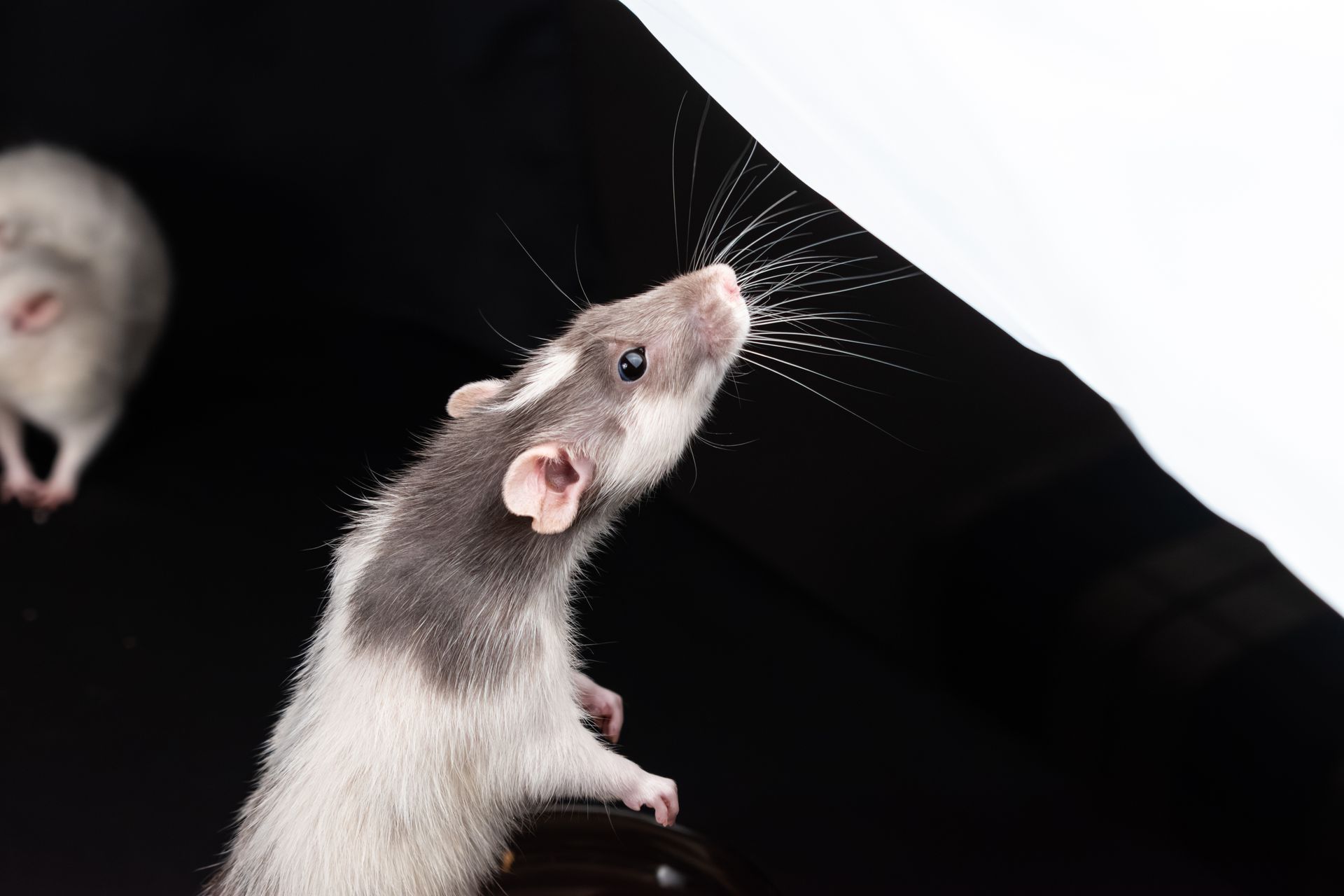
Regular veterinary check-ups are essential for your rat's health. Find a vet experienced in small animal care.
You should be aware of common health issues such as respiratory problems, tumours, and dental concerns.
Rats require examinations by a veterinarian at least once a year.
Typically, the first signs of a sick rat are:
- Weight loss
- Decreased appetite
- Changes in stool quality
- Lethargy
- Overgrown teeth
- Lumps over the skin
- Hair loss
- Sneezing and increased respiration
Because they are prone to obesity, checking your pet rat’s weight weekly is important. Work with your veterinarian to determine the appropriate weight for your rat.
Common rat diseases include:
- Respiratory infection
- Mammary tumors
- Dental issues, including overgrown teeth
- Skin parasites (i.e. mites)
- Dermatitis
Most veterinarians recommend exams every six to 12 months, including blood work and fecal parasite testing, to keep pet rats as healthy as possible.
Welfare and Costs
Rats can be inexpensive to adopt, especially from organizations like the RSPCA or other rescue groups.
However, unexpected vet trips can be costly, especially as your rats age.
Rats are relatively low-maintenance pets, but they still require regular care and attention to stay happy and healthy.
Potential Costs

Adopting a pet rat from a rescue organisation can be inexpensive, but be prepared for unexpected vet bills as your rats age.
Rats are prone to health complications, which can lead to costly trips to the vet.
Adopting a pet rat requires a long-term commitment to their care, and owners should be prepared for the potential costs that come with it.
Rats' health issues can arise unexpectedly, making it essential to budget for veterinary expenses.
On a similar theme: Why Adopting a Pet Is Better?
5 Welfare Needs
Regular health check-ups are essential for pet rats, with annual vet visits recommended to ensure they stay healthy.
Rats can be prone to obesity, so it's crucial to weigh them weekly to monitor their weight.
Their weight should be checked regularly to prevent obesity, a common issue in pet rats.
Here are some common signs of illness in pet rats:
- Weight loss
- Decreased appetite
- Changes in stool quality
- Lethargy
- Overgrown teeth
- Lumps over the skin
- Hair loss
- Sneezing and increased respiration
By being aware of these signs, you can catch any potential health issues early on and prevent them from becoming serious problems.
What You Should Know
When adopting a pet rat, it's essential to consider their short life span, typically ranging from 1.5 to 3 years, with rare exceptions reaching 4 years.
Rats are highly social animals that require social interaction with their own kind, making it crucial to provide them with a companion of their own species. They also need daily exercise to satisfy their urge to move and explore.
Rats become sexually mature at around five weeks of age, so it's vital to separate bucks from females and neuter them immediately to prevent unwanted breeding.
A female rat can become pregnant again as soon as 24 hours after giving birth, with litters ranging from 1 to 20 offspring.
To ensure the welfare of your pet rat, it's essential to provide a suitable environment that meets their social and exercise needs.
Here are some key statistics about rat welfare:
Care and Maintenance
Rats are relatively low-maintenance pets, but they still require regular care to stay healthy and happy.
Rats are clean animals and spend a significant amount of time grooming themselves, but they still need their cages cleaned regularly. Clean their cage at least once a week, removing soiled bedding, cleaning food and water dishes, and disinfecting any surfaces.
Rats are social creatures and thrive on interaction, so spend plenty of time playing with and handling them. Aim for at least an hour of playtime per day, including activities like hiding treats, providing toys, and simply cuddling.
Rats are intelligent and curious, and they love to explore their surroundings. Rotate their toys and accessories regularly to keep them interesting and prevent boredom.
Rats are prone to certain health issues, such as tumors and respiratory problems, so keep an eye out for any unusual behavior or symptoms. Consult with a veterinarian experienced in caring for rats if you have any concerns.
A balanced diet is essential for maintaining your rat's health, so provide a high-quality commercial rat food as the main staple of their diet. Supplement with fresh fruits and vegetables, but avoid giving them avocado, onions, or chocolate.
Handling
Handling your pet rat can be a wonderful experience, especially as they become more socialized. Most rats are great to be held, especially over time and with training.
To handle your rat safely, use one hand to support under the rib cage and back, while using the other hand to scoop and support the rear end. This will help you hold your rat securely without causing them any discomfort.
Rats don't typically bite, but young or new pet rats may do so when frightened. If your rat is less socialized, start with short, frequent interactions to help them become more comfortable with handling.
Positive reinforcement with treats can help your rat associate handling with good feelings and pleasant experiences. This can make a big difference in their behavior and attitude towards being handled.
Here are some zoonotic diseases that rats can carry:
- Rat bite fever
- Salmonella
- Leptospirosis
- Skin parasites
- Hanta virus
- Lymphocytic choriomeningitis virus
Frequently Asked Questions
Do pet rats like to cuddle?
Yes, pet rats are very affectionate and love to be cuddled and petted, especially males. They'll even give you kisses and happily sit on your shoulder while you're on the move.
Can a rat be tamed?
Yes, domesticated pet rats can be tamed, exhibiting reduced fear and caution around humans and their environment. With proper care and handling, they can become friendly and affectionate companions.
Featured Images: pexels.com