
Pyometritis in Pets can be a serious and potentially life-threatening condition. It occurs when a bacterial infection causes a buildup of pus in the uterus, often due to a retained placenta after whelping.
The most common cause of pyometritis in dogs is a retained placenta after whelping, which can lead to severe infection and potentially life-threatening complications.
Dogs with pyometritis may exhibit symptoms such as vomiting, diarrhea, lethargy, and abdominal pain, which can be indicative of the severity of the infection.
If left untreated, pyometritis can lead to septicemia, a condition where the infection spreads to the bloodstream and can be fatal.
What Is Pyometra?
Pyometra is a serious medical condition that affects the reproductive system of female dogs.
It's essentially a life-threatening condition where the uterus becomes filled with pus and bacteria, causing an infection.
The pus and bacteria can leak into the abdominal cavity, leading to severe illness and even death if left untreated.
Pyometra is often linked to hormonal changes, particularly the increase in estrogen levels that occurs after spaying or at the end of a heat cycle.
This hormonal shift can cause the uterus to become overactive and more susceptible to infection.
The infection can be caused by bacteria such as E. coli, Staphylococcus, and Streptococcus.
Symptoms of pyometra can be similar to those of other conditions, making it difficult to diagnose.
Diagnosis and Treatment
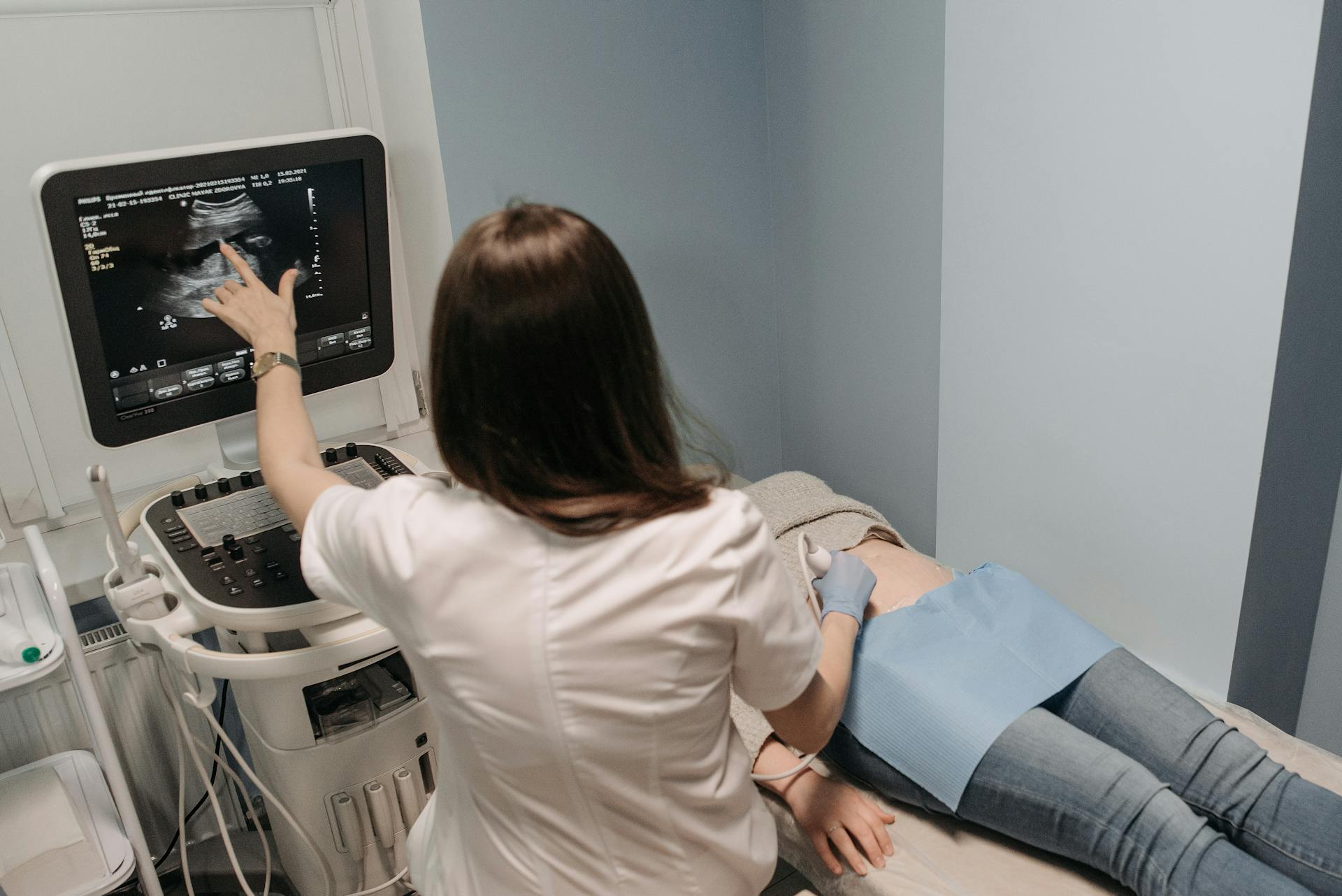
Diagnosis of pyometritis typically starts with a description of the symptoms by the pet's owner. Blood tests are also conducted to check if the infection's toxins have entered the blood and are affecting other organs.
These tests help ensure the pet is well enough to undergo an operation. If the pet is not in a stable condition, the operation may be delayed for 12-24 hours to allow the pet to recover.
The most important aspect of treatment is quick action to provide supportive care, which includes intravenous fluids and antibiotics given immediately.
Diagnosing Pyometra
Diagnosing Pyometra can be a bit of a process, but it starts with a description of the symptoms. Your veterinarian will want to hear about any changes in your pet's behavior or physical condition.
Blood tests are used to confirm the diagnosis and ensure your pet is healthy enough for surgery. These tests check if toxins from the infection have entered the bloodstream and are affecting other organs.
Surgical Treatment
Surgical treatment is often the most effective way to treat pyometra.
The operation to remove the infected uterus is similar to a routine spay or neuter, but it's riskier due to the infection and toxins in the animal's system.
If not operated on, most animals will die, and the toxins can cause kidney failure.
Before surgery, the animal is given fluids and antibiotic treatment to help stabilize their condition.
Surgery might be delayed for 12-24 hours to give the animal time to recover.

Intravenous fluids and antibiotics are given immediately to stabilize the animal.
Emergency spay is the treatment of choice after stabilization.
In livestock, the treatment of choice for minor cases is Dinoprost Tremethamine (Lutalyse).
Spaying completely removes the infection, prevents uterine rupture and peritonitis, and prevents recurrence in most cases.
Even in spayed animals, pyometra can rarely occur in the uterine stump.
Spaying is currently considered the most effective and safest treatment for pyometra.
Symptoms and Complications
Symptoms of pyometritis may not be immediately apparent, but they can develop as early as 6 weeks after the last menstrual cycle. The initial signs are often subtle.
A common indication of pyometritis is excessive licking of the back end, which can be a sign that something is amiss. This behavior can be a sign of discomfort or pain.
Hypoalbuminaemia, or low albumin levels in the blood, can increase the risk of pyometra perforation. This is a serious complication that can arise if treatment is delayed.
A delay in treatment can also lead to spontaneous perforation, which can be a life-threatening condition. In one study, this occurred in 5 out of 27 women who were studied.
Causes

Pyometra is a serious condition that can affect dogs, and understanding its causes can help with prevention and treatment.
Hormonal changes in the reproductive tract are the main cause of pyometra, specifically the elevated levels of progesterone after a dog's heat cycle.
The thickened lining of the uterus creates an ideal environment for bacteria to grow, and high progesterone levels also inhibit the ability of the uterus muscles to contract, making it harder for the body to fight off infection.
E. coli is a common bacteria that causes pyometra, and it often occurs in the weeks or months following a heat or season period.
The risk of developing pyometra increases with age, and annually, a dog comes on heat twice, undergoing hormonal changes that make infection more likely.
The cervix plays a crucial role in the severity of pyometra, and if it's open, the infected material can leave the body, making treatment easier and safer.

If the cervix is fully closed, the condition is known as closed pyometra, and it can lead to peritonitis and possible rapid death.
Here are the two types of pyometra and their characteristics:
Signs of Pyometra
Pyometra is a serious condition that affects female cats and dogs, and it's essential to recognize the signs early on. Pyometra is definitely a female's condition, as males do not have a womb.
The condition commonly occurs in older females, above 6 years of age. Signs usually develop just about 6 weeks after her last season.
One of the first signs you might notice is the female licking her back end more often than usual. This is a common behavior in dogs with pyometra.
A reddish-brown or yellow discharge may be seen at the vulva, which is a sign that pus is escaping from the womb. This is a serious symptom that requires immediate attention.
Diagnosis of pyometra is typically made after these signs have been observed, and it's crucial to seek veterinary care as soon as possible.
Complications
Complications can arise from a pyometra, a serious medical condition. Spontaneous perforation is a possible complication, and it's more likely to occur if treatment is delayed. In a study from Hong Kong, 5 out of 27 women experienced spontaneous perforation due to delayed treatment.
Hypoalbuminaemia, a condition characterized by low albumin levels in the blood, can also increase the risk of pyometra perforation. This is a critical consideration for individuals with hypoalbuminaemia.
A delay in treatment can lead to serious complications, making it essential to seek medical attention promptly.
Prognosis
The prognosis depends on the underlying cause, such as malignancy.
Prompt recognition and treatment can improve the prognosis considerably.
The outcome of the condition is closely tied to whether spontaneous perforation has occurred.
Prevention and Recovery
Pyometra is a serious disease that requires prompt treatment, but many dogs and cats can recover remarkably well.
Unfortunately, a proportion of patients do not pull through despite treatment, due to organ failure and complications.
Overall, many dogs and cats do recover remarkably well and it is certainly worth pursuing treatment.
Prevention of Pyometra
Prevention of Pyometra is key to avoiding this condition altogether. Neutering is the only way to ensure an animal won't develop Pyometra.
Pyometra may be more common in unneutered females that have never had puppies. This is because breeding does not guarantee protection against Pyometra.
Neutering at a young age is the best prevention, especially if the animal is not intended for breeding. If a female is neutered before her first season, she is also protected against breast cancer developing in later life.
Indiscriminate breeding of pet dogs and cats should be discouraged.
Do Dogs Recover from Pyometra?
Pyometra is a serious disease that requires quick and aggressive treatment. Pyometra is common in older, female cats and dogs who have not been neutered.
Unfortunately, a proportion of patients do not pull through despite treatment, owing to organ failure and complications. Many dogs and cats do recover remarkably well.
Pyometra is a life-threatening infection of the womb (uterus) causing the accumulation of pus within the space of this organ. The uterus is where the growing foetus is located during pregnancy.
It's certainly well worth pursuing treatment, as many dogs and cats do recover remarkably well. Overall, many dogs and cats do recover remarkably well.
Differential Diagnosis and Stump Pyometra
Differential diagnosis is crucial in identifying pyometritis, and it's not always a straightforward process. Stump pyometra, for example, can be challenging to diagnose in female dogs that have undergone spaying, particularly if there's residual ovarian tissue.
In fact, the risk of stump pyometra is significantly reduced if no ovarian tissue remains from the original ovariohysterectomy. This highlights the importance of careful consideration of a dog's medical history when diagnosing pyometritis.
To rule out other causes of uterine enlargement, it's essential to differentiate from conditions such as fibroids, adenomyosis, and congenital abnormalities. This can involve a range of diagnostic tests and examinations.
Differential Diagnosis
When diagnosing stump pyometra, it's essential to consider other possible causes of uterine enlargement. Uterine causes such as fibroids and adenomyosis can mimic the symptoms of stump pyometra.
To rule out other causes, we need to differentiate from endometrial causes like polyps, endometrial cancer, haematometra, and gestational trophoblastic neoplasia. These conditions can also cause uterine enlargement and need to be excluded.
Other conditions that may need to be ruled out include congenital abnormalities. These can also cause uterine enlargement and need to be considered in the differential diagnosis.
Sometimes, other causes of blood-stained vaginal discharge may need to be excluded, such as vaginosis, vulvar vestibulitis, malignancy, and genital infections.
In cases of perforated pyometra, other causes of acute abdomen will need to be ruled out. This is crucial for proper diagnosis and treatment.
Here's a list of conditions that need to be ruled out when diagnosing stump pyometra:
- Uterine causes: fibroids, adenomyosis
- Endometrial causes: polyps, endometrial cancer, haematometra, gestational trophoblastic neoplasia
- Congenital abnormalities
- Other causes of blood-stained vaginal discharge: vaginosis, vulvar vestibulitis, malignancy, genital infections
- Other causes of acute abdomen (in perforated pyometra)
Stump Pyometra
Stump pyometra is a serious health condition that may occur in female dogs that underwent ovariohysterectomy (spaying).
Stump pyometra occurs in females who have been spayed, but a small piece of the womb remains that becomes infected.
This condition is less common than true pyometra, but it still needs to be treated to prevent complications.
The symptoms of stump pyometra are similar to those of true pyometra, but clinical signs tend to be less severe.
Stump pyometra is often challenging to diagnose because pyometra is often discounted as a possibility if the dog has been previously spayed.
If no ovarian tissue remains from the original ovariohysterectomy, the risk of stump pyometra is significantly reduced.
In stump pyometra, the remaining stump of the resected uterus becomes infected and filled with a purulent fluid.
Untreated stump pyometra can lead to life-threatening situations, including dehydration, toxaemia, and kidney failure.
The condition requires immediate treatment to prevent these complications and ensure the dog's health and well-being.
Featured Images: pexels.com