In Pennsylvania, animal neglect is considered a serious offense. Under the state's Animal cruelty law, anyone found guilty of neglecting an animal can face fines up to $10,000 and imprisonment for up to three years.
If you're caught neglecting your pet in Pennsylvania, you could also face the loss of your animal, as authorities may seize and rehome the animal. In New Jersey, the penalties for animal neglect are equally severe, with fines ranging from $1,000 to $10,000 and imprisonment for up to five years.
In both states, animal neglect is taken very seriously, and law enforcement agencies have the power to investigate and prosecute offenders. If you're caught neglecting your pet, you can expect to face serious consequences.
Laws and Penalties
Animal cruelty laws vary by state, but most prohibit actions like torturing, maiming, or mutilating an animal. In some states, like New York, cosmetic piercing and tattoos for pets are also prohibited.
Leaving pets in cars under dangerous conditions can lead to serious consequences, including fines and jail time. For example, in New Jersey, leaving dogs chained or tied up outside for more than 30 minutes in bad weather can result in a crime.
Animal neglect laws also prohibit owners from failing to provide adequate food, water, and shelter for their pets. In New Jersey, owners are required to provide minimum standards for proper shelters, including enough space to move around and clean conditions.
The penalties for animal cruelty and neglect can be severe, ranging from fines and jail time to the loss of animal ownership rights. In some states, felony charges can be imposed for serious cases of abuse, such as torture or mutilation.
Here is a breakdown of the penalties for animal cruelty in some states:
In addition to fines and jail time, convicted animal abusers may also face restrictions on owning or possessing animals in the future.
What Laws Prohibit

Animal cruelty laws vary by state, but most prohibit some form of abuse, including torturing, maiming, or mutilating an animal.
Some states explicitly ban procedures like devocalization, ear cropping, and tail docking unless medically necessary or performed by a vet with anesthesia.
Leaving pets in cars under extreme temperatures is also often prohibited, as is abandoning an animal in one's care.
Overworking or overloading horses or other work animals is also a common prohibition.
Transporting or confining animals in a cruel or reckless way is also typically prohibited, as is killing, injuring, or poisoning another person's animal without permission.
Here's a breakdown of some specific prohibitions:
- torturing, maiming, or mutilating an animal
- injuring, beating, or killing an animal unnecessarily or cruelly
- leaving pets in cars under dangerous conditions
- abandoning an animal in your care
- overworking or overloading horses or other work animals
- transporting or confining animals in a cruel or reckless way
- killing, injuring, or poisoning another person's animal without legal authority or the owner's consent
Animal neglect laws also vary by state, but generally prohibit failing to provide adequate food, water, and shelter for an animal.
Some states require owners to provide veterinary care when necessary to prevent suffering or maintain good health.
New Jersey, for example, sets minimum standards for proper shelters, including enough space, good ventilation, clean conditions, and access to clean water.
Leaving dogs chained or tied up outside for more than 30 minutes in bad weather is also prohibited in some states.
Pet Shops & Mills
Some states have laws that specifically target pet shops and puppy mills, which are notorious for their deplorable conditions.
Puppy mills often supply puppies to pet shops across the country, but they may be violating local, state, or federal laws, and enforcement can be a problem.
The U.S. Department of Agriculture is responsible for enforcing laws, but it's not always effective.
Several cities and a few states have responded by enacting laws that regulate or ban the sale of commercially bred animals in pet stores.
For example, California has a law that prohibits any pet store in the state from selling dogs, cats, or rabbits.
A different take: Animal Neglect Laws in California
Reporting and Witnessing
If you witness an act of animal cruelty, don't try to intervene, as the person inflicting cruelty may be capable of harming you too.
The police are trained to handle these cases and are qualified to develop them into a case for the local District Attorney's office.
Call your local police station and report what you saw, where you saw it, and when it happened.
Be sure to document and take photos or videos if possible, as this evidence can be used in a subsequent prosecution of the offender.
Providing witnesses to the officer can help them get probable cause and petition a judge for a search warrant, which can result in the animal's rescue.
Pennsylvania Specifics
In Pennsylvania, animal cruelty is a serious offense that can result in severe consequences. If you're facing animal neglect charges, understanding the specifics of Pennsylvania's laws can significantly impact your defense strategy.
The PA SPCA has jurisdiction in Philadelphia and 22 counties throughout the state, including Lancaster County, where they enforce laws against animal neglect and cruelty. Animal neglect includes failure to provide food, water, clean and sanitary shelter, and necessary veterinary care.
Some examples of animal cruelty offenses in Pennsylvania include intentionally, knowingly, or recklessly mistreating, beating, abusing, overloading, torturing, or abandoning an animal. Transporting an animal in a cruel manner and animal mutilation are also considered offenses.
Here are some key consequences of animal cruelty offenses in Pennsylvania:
- Fines
- Imprisonment
- A permanent criminal record
Aggravated cruelty to animals is considered a felony of the third degree in Pennsylvania, carrying severe penalties, including substantial fines and significant prison time.
What Is Considered in PA?
In Pennsylvania, animal cruelty is taken very seriously, and there are specific laws in place to protect animals. Animal neglect is considered a serious offense, including failure to provide food, water, clean and sanitary shelter, and necessary veterinary care.
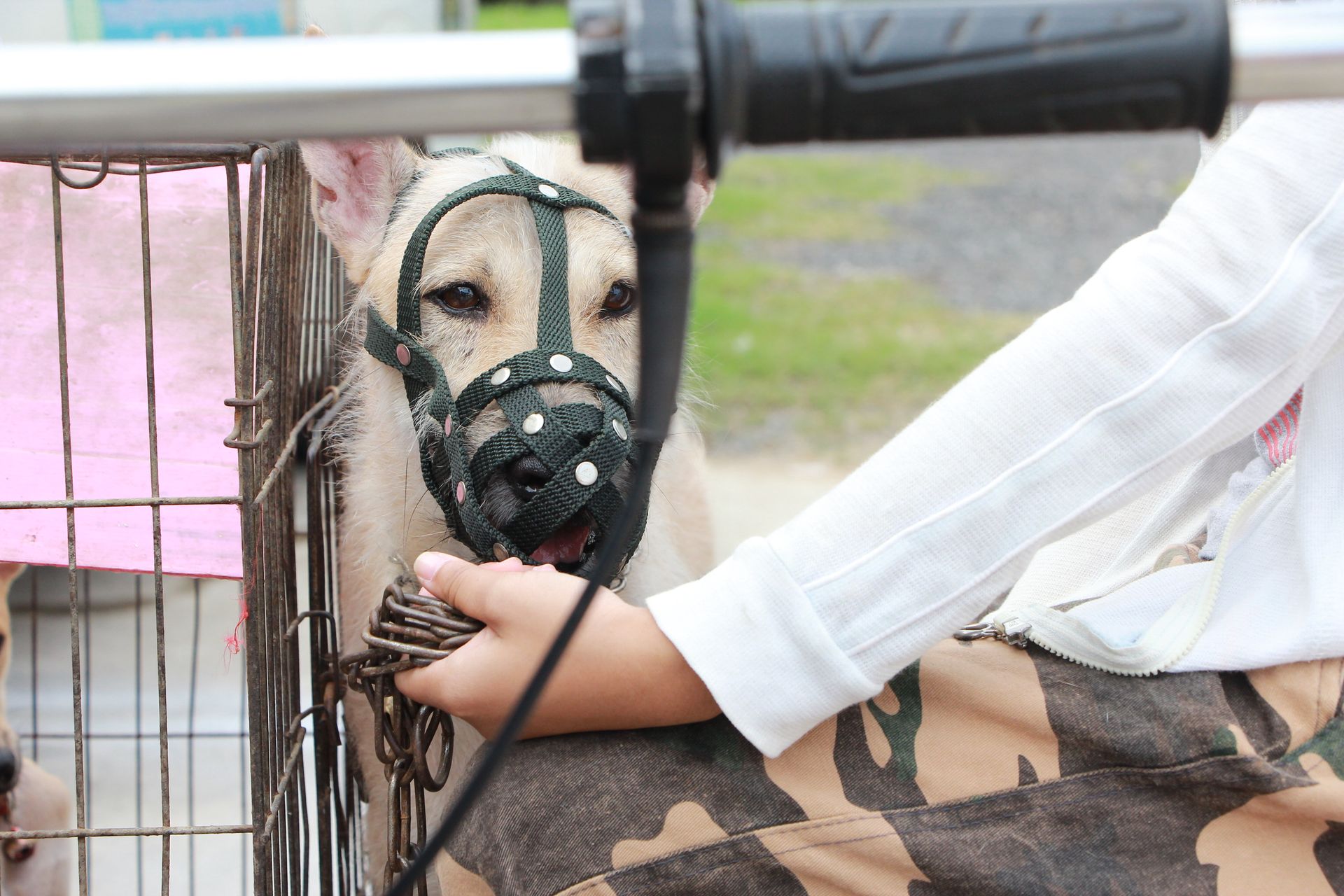
Transporting an animal in a cruel manner is also against the law. This can include leaving a dog tethered and unattended for more than 9 hours in a 24-hour period without access to shade or water, or tethering a dog for longer than 30 minutes in temperatures above 90 or below 32 degrees Fahrenheit.
Broaden your view: Dog Flashbang
Animal cruelty offenses can result in severe consequences, including fines, imprisonment, and a permanent criminal record. Animal mutilation and similar offenses are also considered animal cruelty.
Here are some specific examples of what is considered animal cruelty in Pennsylvania:
- Animal neglect
- Animal cruelty
- Transporting an animal in a cruel manner
- Animal mutilation
- Leaving a dog tethered and unattended for more than 9 hours
- Transporting an animal in a cruel manner
- Animal fighting or possession of animal fighting paraphernalia
- Abusing or taunting police animals
These laws are designed to protect all animals, whether they are pets, livestock, or wildlife.
Is Felony a Crime in PA?
In Pennsylvania, felony convictions can have long-lasting consequences, impacting employment opportunities and personal relationships.
Aggravated cruelty to animals is considered a felony of the third degree, which carries severe penalties.
Severe acts of cruelty, such as intentional torture, maiming, or killing of animals, are classified as felony offenses.
Felony convictions in Pennsylvania can result in substantial fines and significant prison time.
New Jersey Specifics
New Jersey has a strict animal cruelty law that makes it a fourth-degree crime to neglect or abandon an animal.
In New Jersey, animal cruelty cases are typically prosecuted by the state attorney general's office.
The maximum penalty for animal cruelty in New Jersey is up to $10,000 in fines and 18 months in prison.
New Jersey law requires animal shelters to maintain a minimum level of care and provide veterinary care for animals in their custody.
Animal shelters in New Jersey are also required to report animal cruelty cases to the authorities.
Abandonment and Harassment
Abandoning or neglecting an animal is a serious offense, punishable by law. A person who intentionally, knowingly, or recklessly abandons or cruelly neglects an animal is guilty of a Class I misdemeanor.
The severity of the punishment increases if the abandonment or neglect results in serious injury or illness or death of the animal, in which case it's a Class IV felony.
Cruel mistreatment of an animal is also a serious offense. A person who cruelly mistreats an animal is guilty of a Class I misdemeanor for the first offense and a Class IIIA felony for any subsequent offense.
Harassing a police animal is a specific type of animal cruelty. A person commits harassment of a police animal if they knowingly and intentionally tease or harass the animal to distract, agitate, or harm it for the purpose of preventing it from performing its legitimate official duties.
Harassment of a police animal is a Class IV misdemeanor unless the harassment is the proximate cause of the death of the police animal, in which case it's a Class IIIA felony.
Frequently Asked Questions
What happens when you neglect a pet?
Neglecting a pet can lead to felony charges, but proving willful neglect can be challenging. If you're concerned about animal welfare, learn more about the laws and consequences in your state.
What is considered animal neglect in MN?
In Minnesota, animal neglect occurs when a pet or companion animal is denied the minimum care needed for its health and well-being. This can include failing to provide adequate food, water, shelter, and veterinary care.
What is the new law in Texas for animal abuse?
In Texas, a new law (HB 598) makes it a Class C misdemeanor for someone with a prior animal cruelty conviction to care for an animal for up to 5 years. This law aims to prevent repeat offenders from harming animals.
What is considered animal neglect in Missouri?
In Missouri, animal neglect occurs when a person fails to provide adequate care for an animal in their custody or knowingly abandons an animal without making provisions for its care. This includes neglecting to provide essential needs such as food, water, shelter, and veterinary care.
Featured Images: pexels.com