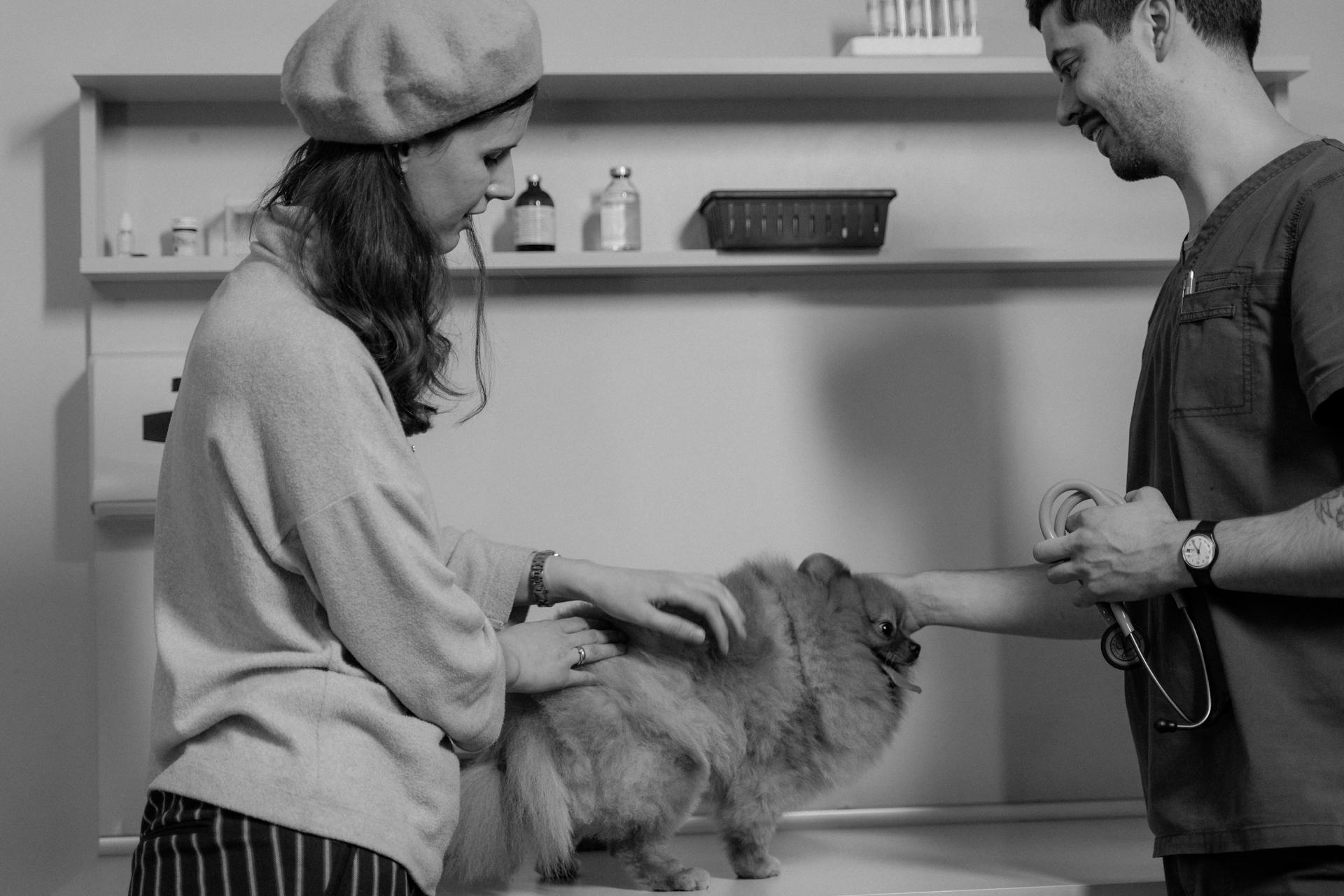
Piometra is a serious condition that affects many pets, especially female dogs. Piometra is a life-threatening condition that requires immediate veterinary attention.
Piometra is often associated with an accumulation of blood and fluid in the uterus, which can be caused by various factors such as hormonal imbalances, uterine infections, or blockages.
The symptoms of piometra can vary, but common signs include vomiting, diarrhea, lethargy, and abdominal pain.
If left untreated, piometra can lead to severe complications, including sepsis, organ failure, and even death.
Related reading: Signos De Piometra En Perros
What Is Pyometra?
Pyometra is a serious and life-threatening infection in the uterus that requires quick and aggressive treatment. It's a secondary infection caused by hormonal changes in a female's reproductive tract.
Pyometra is often a result of prolonged exposure to high levels of progesterone during estrus, leading to cystic endometrial hyperplasia. This condition causes the uterine lining to thicken and form cysts, creating an ideal environment for bacteria to grow.
The infection can occur in two types: closed and open pyometra. Closed pyometra is characterized by the absence of vaginal discharge, while open pyometra presents with visible vaginal discharge.
The signs of pyometra can vary depending on the animal and the type of pyometra. Common symptoms include abdominal distension, fever, anorexia, and changes in urination and drinking habits. Other signs may include vomiting, diarrhea, and lethargy.
Pyometra is a common condition that affects about 25% of non-sterilized cats and dogs before the age of 10. It requires emergency surgery to remove the infected uterus and ovaries.
Here are the three stages of pyometra:
- Hyperplasia endometrial quística: a thickening of the endometrium with the formation of cysts.
- Hidrómetra or mucometra: a secretion of fluid from the uterus, which can be more or less dense.
- Piometra: the infection of the fluid, which can lead to life-threatening symptoms.
It's essential to recognize the signs of pyometra and seek veterinary attention promptly, as the condition can be fatal if left untreated.
Causes and Risk Factors
Piometra can occur in any dog, regardless of age, breeding history, or heat cycle status. The condition becomes more common as dogs get older, especially after the age of 6.
The main risk period for a female dog is for eight weeks after her peak standing heat has ended. During this time, the cervix begins to close, and the inner lining of the uterus may undergo cystic hyperplasia, creating a favorable environment for bacterial growth.
Bacteria, especially E. coli, can migrate from the vagina into the uterus, causing infection. The condition of the cervix is a major factor in the severity of the condition, with open pyometra being easier and safer to treat than closed pyometra.
Here are the main risk factors for developing pyometra:
- Female dogs over 6 years old
- Nulliparous females (those who have never given birth)
- Animals administered progestagens for cycle control
- Animals administered estradiol for induced abortions
Hormonal Influences on Mis-Mating
Hormonal influences play a significant role in the development of mis-mating related diseases in cats.
Females are particularly vulnerable to hormonal influences, especially when it comes to the timing of mating.
Estrogen levels can increase the number of progesterone receptors in the endometrium, which can lead to severe disease in females that have received estradiol as a mismating shot in diestrus.

In fact, 25 percent of females receiving estradiol in diestrus develop pyometra, a serious condition that can be life-threatening.
Progesterone is only released by the ovaries after mating in cats, which is why pyometra is less common in female cats compared to other animals.
Interestingly, the risk of developing the disease differs depending on breed, highlighting the importance of considering individual factors when it comes to mis-mating.
Qué Causa?
Pyometra can be caused by several factors. One of the main causes is infection, specifically a contamination of the uterus during the diestro, when progesterone levels are high. The most common bacteria responsible for this type of infection is Escherichia Coli.
Additionally, hormonal factors can also contribute to the development of pyometra. This is often caused by the administration of synthetic progestagens and/or estrogens to prevent pregnancies in pets.
Tumors in the uterus, such as carcinoma or adenocarcinoma, can also lead to pyometra. This type of tumor can cause the uterus to become inflamed and infected.
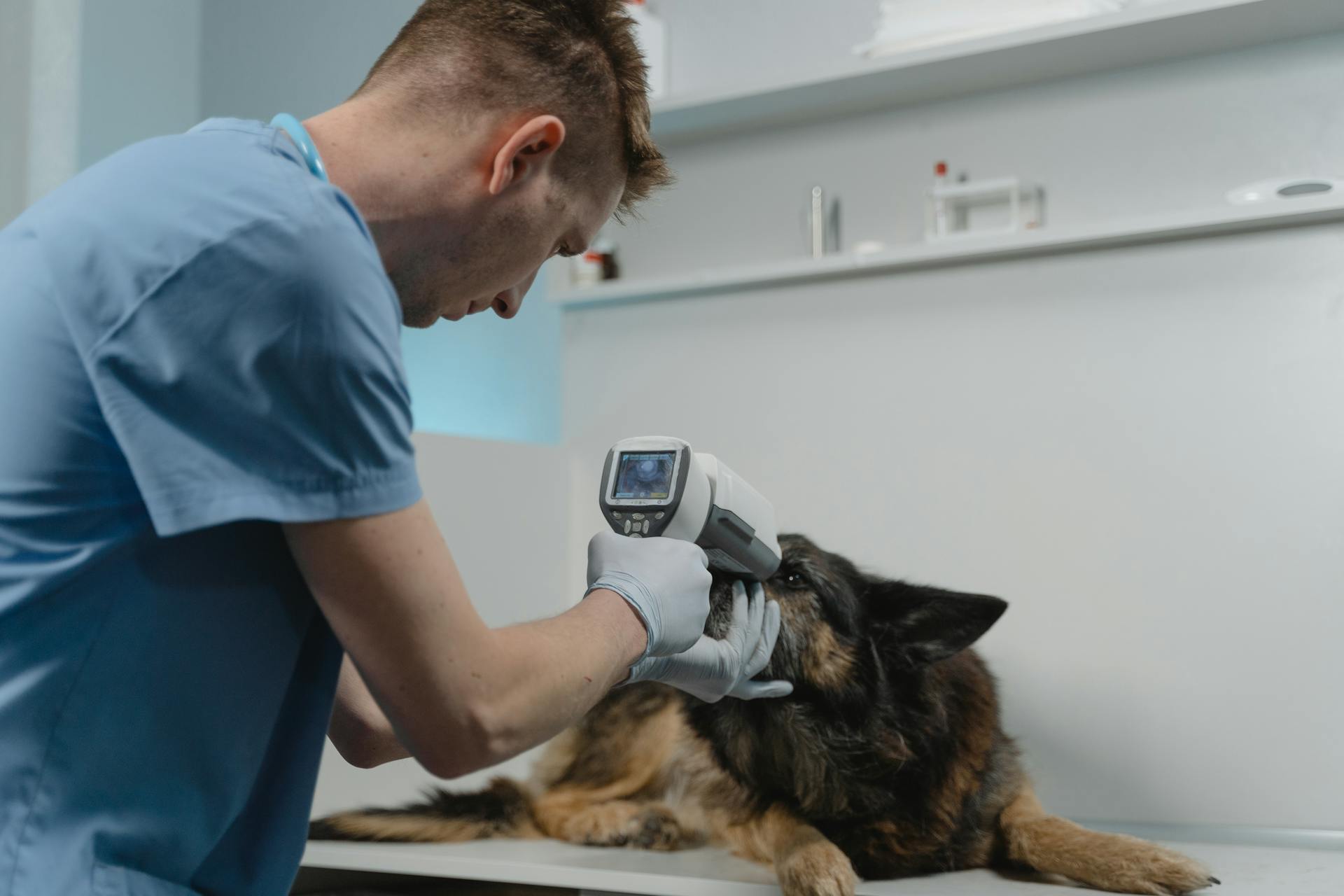
Here are some key points to consider when it comes to the causes of pyometra:
- Infection: caused by bacteria such as Escherichia Coli, which can contaminate the uterus during the diestro.
- Hormonal factors: caused by the administration of synthetic progestagens and/or estrogens.
- Tumors: such as carcinoma or adenocarcinoma, which can cause the uterus to become inflamed and infected.
It's worth noting that the risk of developing pyometra can be influenced by factors such as the age of the dog, with older dogs being more at risk. The condition can also be more common in certain breeds, but more research is needed to confirm this.
Clinical Signs and Symptoms
The clinical signs and symptoms of piometra can be quite varied and depend on whether the cervix is open or closed.
If the cervix is open, you may observe a purulent discharge from the vulva, which can be found on the skin or hair under the tail, or on bedding and furniture where the dog has recently laid.
Fever, lethargy, anorexia, and depression may or may not be present in dogs with an open pyometra.
If the cervix is closed, the discharge collects in the uterus, causing distention of the abdomen, and the dog becomes severely ill very rapidly.
Dogs with closed pyometra are anorectic, listless, and depressed, and may also experience vomiting or diarrhea.
Toxins released by the bacteria affect the kidney's ability to retain fluid, leading to increased urine production and excessive drinking.
The most obvious symptom of open pyometra is a discharge of pus from the vulva in a female that has recently been in heat.
However, symptoms of closed pyometra are less obvious, and may include vomiting, loss of appetite, depression, and increased drinking and urinating.
Fever is seen in less than a third of female dogs with pyometra.
Bloodwork may show dehydration and/or increased white blood cell count, while X-rays will show an enlarged uterus, and ultrasound will confirm the presence of a fluid-filled uterus.
In cats, the incidence of pyometra is lower than in dogs, but they can still present with similar symptoms, such as loss of appetite, apathy, increased water intake, and increased urination.
A discharge from the vulva, especially if it's sanguinolenta, color crema, or achocolatada, is a strong indication of pyometra in cats.
In severe cases, cats may show signs of shock, such as hypothermia, tachycardia, weak pulse, and prolonged TRC.
Diagnosis
Diagnosis of piometra can be challenging, but there are several tests that can help identify the condition.
A complete blood count is essential to determine the overall health of the animal and assess its suitability for surgery.
In cases of open pyometra, the blood test may not show any abnormalities, but it's still crucial to run the test to evaluate the dog's condition.
A vaginal cytology can help identify the presence of pyometra, especially in cases where the cervix is closed.
In cases of open pyometra, a vaginal cytology may show a high number of neutrophils, degenerated neutrophils, and bacteria.
A urinalysis may show a low urine density and can help rule out other urinary tract infections.
However, it's not recommended to perform a urinalysis in dogs with pyometra due to the risk of puncturing the uterus.
Radiography can help identify an enlarged uterus in cases where the cervix is closed, but it may not be conclusive in cases where the cervix is open.
An ultrasound examination is the most effective diagnostic test for pyometra, allowing for the evaluation of the extent of the process and the presence of any adjacent organs.
Here are the diagnostic tests used to diagnose pyometra:
- Análisis de sangre completo (complete blood count)
- Citología vaginal (vaginal cytology)
- Urianálisis (urinalysis)
- Radiografía (radiography)
- Ecografía (ultrasound examination)
Treatment and Surgery
The preferred treatment for pyometra is surgery, specifically an ovariohysterectomy (spay), which involves removing the uterus and ovaries. This is usually the most effective way to treat the condition.
Surgery is often complicated, especially if the dog is severely ill, and may require intravenous fluids and antibiotics to stabilize the dog before and after the procedure. The surgery is somewhat more complicated than a routine spay.
There is a medical approach to treating pyometra, but it's not always successful and comes with risks and potential long-term complications. Prostaglandins can be used to treat the condition, but they cause side effects, including restlessness, panting, vomiting, defecation, salivation, and abdominal pain.
The use of prostaglandins to treat pyometra has variable rates of success, and dogs who receive this treatment may experience recurrence of the disease and complications in the future. Your veterinarian will help you decide the best course of treatment depending on your dog's needs.
Surgery is usually recommended for all dogs that present with symptoms of pyometra, and the earlier the condition is detected, the better the surgical results will be.
The surgery can be complicated, and there are multiple complications that can occur during the process, such as rupture or perforation of the uterus, leading to peritonitis.
Prevention and Complications
To prevent piometra, it's crucial to avoid administering hormones to control ovulatory cycles and avoid using abortives. These can lead to complications down the line.
Monitoring your dog's health is key. Keep an eye out for signs like vaginal discharge, increased urination and thirst, weight loss, fever, and changes in behavior. These can be early indicators of piometra.
In some cases, surgery (ovariohisterectomía) may be necessary to prevent future problems. In fact, it's recommended to perform a control ecográfico (ultrasound) on unspayed dogs, especially those in their golden years, to check for potential issues like hiperplasia endometrial quística, which can lead to piometra.
¿Qué Pronóstico?
The prognosis for your furry friend's pyometra is a complex one. It's always reserved, as it depends on many factors, such as the animal's age, overall health, lab test results, surgical development, and chosen medical treatment.
Animals that opt for surgical treatment tend to show a more noticeable improvement. This is especially true compared to those who choose medical treatment.
Cuidado Post-Cirugía para Mascotas
After your pet has undergone surgery for a pyometra, it's essential to provide a safe and comfortable environment for recovery. Your pet will be disoriented during this time.
Mantenga a su mascota confinada en un espacio seguro, tranquilo y cómodo. This can be a quiet room or even a crate with soft bedding. The goal is to minimize stress and prevent any potential complications.
Aislado de otras mascotas y niños mientras se recupera. This means keeping your pet away from other pets and children to prevent any unnecessary interactions or stressors.
Your pet will need plenty of rest and quiet time during the recovery period. Consider setting up a separate space for your pet to relax and recover without any distractions.
Complicaciones de Cirugía: Raras y Graves
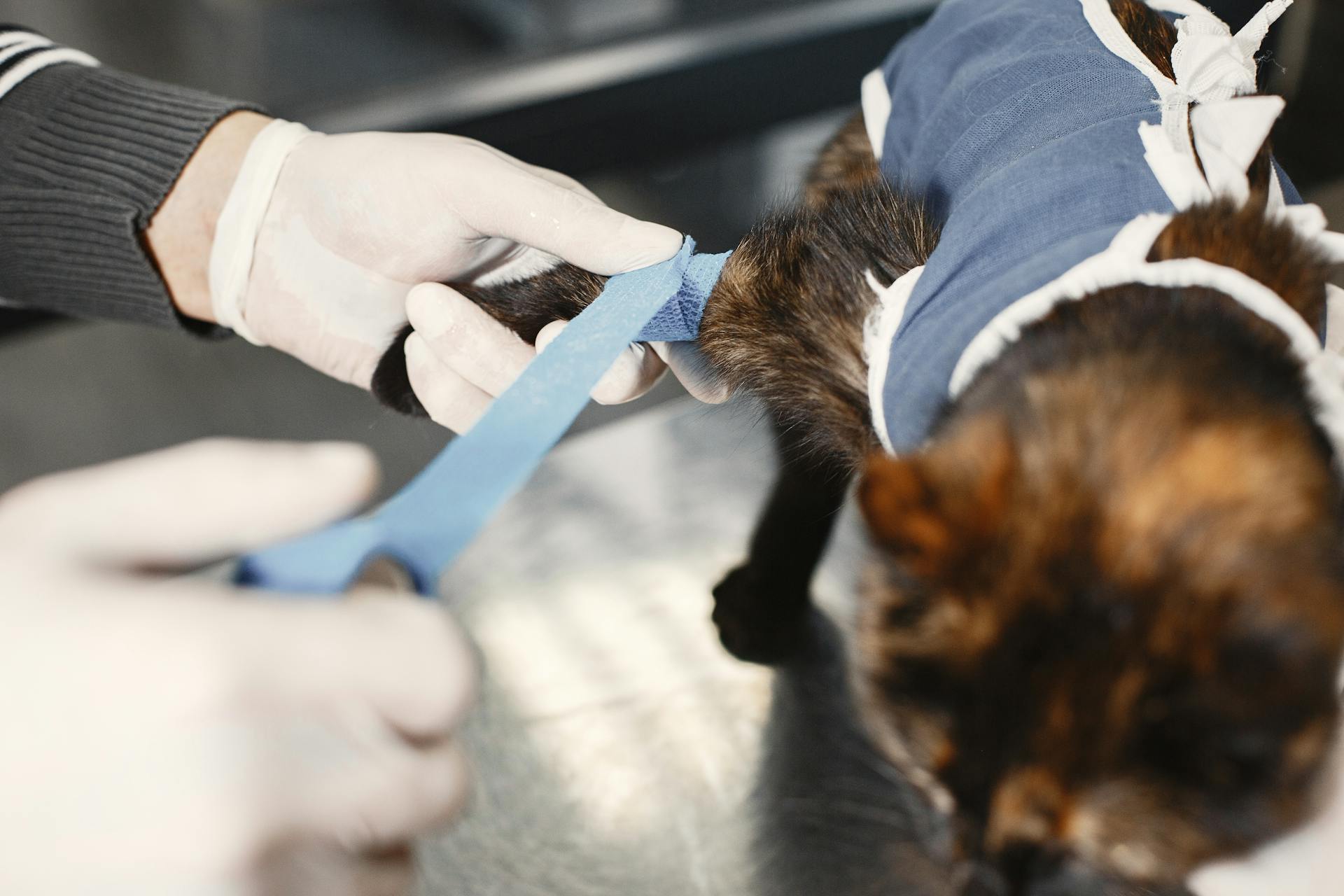
Complicaciones de la cirugía de piometra pueden ser graves y raras. No orinar durante más de 24 horas es una complicación grave que puede ocurrir.
Dolor intenso, depresión o debilidad puede ser un signo de complicación. Vómitos o diarrea también pueden ser indicadores de problemas.
A continuación, se presentan algunas de las complicaciones que pueden ocurrir:
- No orina durante más de 24 horas.
- Dolor intenso, depresión o debilidad
- Vómitos o Diarrea
Es importante buscar atención médica inmediata si se experimentan cualquiera de estos síntomas. Dificultad para respirar y disminución del apetito por más de 24 horas también son complicaciones graves.
Recomendaciones Para Evitar La Piómetra
To avoid piómetra, it's essential to monitor your dog's health closely, especially if she's not spayed. You should check for any unusual vaginal discharge or blood, as well as watch for signs of poliuria (frequent urination) and polidipsia (excessive thirst).
One way to prevent piómetra is to avoid administering hormones to control ovulatory cycles. This can help prevent the development of hyperplasia endometrial quística, which is a precursor to piómetra.
If you notice any of the following symptoms, consult a veterinarian immediately: decaimiento (decreased appetite or energy), fiebre (fever), or other unusual behaviors.
Here are some key signs to look out for:
- Unusual vaginal discharge or blood
- Poliuria (frequent urination)
- Polidipsia (excessive thirst)
- Decaimiento (decreased appetite or energy)
- Fiebre (fever)
In some cases, piómetra can be prevented by spaying your dog, especially if she's not intended for breeding purposes. This can significantly reduce the risk of developing tumors, pseudogestations, or other related health issues.
Frequently Asked Questions
What breeds of dogs get pyometra?
Pyometra is a risk for many dog breeds, but some breeds with a higher incidence include rough-coated Collies, Rottweilers, and Cavalier King Charles Spaniels. Certain breeds such as Golden Retrievers and Bernese Mountain dogs are also more susceptible to this condition.
Featured Images: pexels.com