Welcoming a new cat into your family is a big decision, and it's essential to be prepared. Cats are low-maintenance pets, but they still require regular care and attention.
Cats typically live for 12-17 years, so owning a cat is a long-term commitment. This means you'll need to consider your lifestyle and living situation before deciding to bring a cat home.
To ensure your cat stays happy and healthy, provide a balanced diet that meets their nutritional needs. A good quality cat food should be your cat's main source of nutrition, and you can supplement with treats in moderation.
Cats are highly territorial animals, so provide a comfortable and secure space for your cat to call their own. This could be a dedicated cat room or a cozy corner in your home.
See what others are reading: Why Am I so Attached to My Cat?
Domestication
Domestication of cats is a fascinating story that dates back thousands of years. The earliest known evidence of cat domestication was found in Shillourokambos, southern Cyprus, dating to around 7500-7200 BC.
It's believed that African wildcats were attracted to early human settlements in the Fertile Crescent by rodents, particularly the house mouse. This mutual relationship between early farmers and tamed cats lasted thousands of years.
The earliest known evidence for the occurrence of the domestic cat in Greece dates to around 1200 BC. Greek, Phoenician, Carthaginian, and Etruscan traders introduced domestic cats to southern Europe.
Cats have undergone only minor changes in anatomy and behavior during domestication, and they're still capable of surviving in the wild. Their small size, social nature, and high intelligence made them well-suited for domestication as pets.
The leopard cat was tamed independently in China around 5500 BC, but this line of partially domesticated cats leaves no trace in the domestic cat populations of today.
Physical Characteristics
Cats come in a wide range of sizes, with some breeds weighing as little as 4 pounds and others reaching up to 20 pounds.
A typical adult cat has a short, smooth coat that requires minimal grooming.
Most cats have a flexible spine that allows them to twist and turn with ease, making them agile and nimble.
Size
Domestic cats have a smaller skull compared to their European wildcat ancestors.
They average about 46 cm in head-to-body length, which is a noticeable difference from their wild counterparts.
Males are larger than females, which is a common trait in many domesticated species.
Adult domestic cats typically weigh between 4-5 kg, which is a relatively small size compared to other pets.
Their height is about 23-25 cm, with some cats being shorter or taller depending on their breed and genetics.
Claws
Cats have retractable claws that are sheathed with skin and fur around the paw's toe pads, keeping them sharp and allowing for silent stalking.
Their claws are protractible, meaning they can be voluntarily extended for activities like hunting, fighting, or climbing.
Typically, cats have five claws on their front paws and four on their rear paws.
The dewclaw is located proximally to the other claws, and a protrusion on the inside of the wrists appears to be a sixth "finger", thought to be an antiskidding device used while jumping.
Scratching is essential for claw maintenance, as it removes the outer layer to reveal a new, sharper surface.
This action also exercises the muscles in a cat's forelimbs, helping keep them in good condition for hunting.
Whiskers
Cats have dozens of movable whiskers, also known as vibrissae, over their bodies, especially on their faces.
These whiskers provide vital information on the width of gaps and the location of objects, both by touching objects directly and by sensing air currents.
Cats use their whiskers to trigger protective blink reflexes to protect their eyes from damage.
The sensitivity of a cat's whiskers is so great that they can even detect slight changes in air pressure and temperature.
Vision
Cats have excellent night vision, able to see at one sixth the light level required for human vision.
Their eyes contain a tapetum lucidum, which reflects any light that passes through the retina back into the eye, increasing sensitivity to dim light.
Large pupils are an adaptation to dim light, and domestic cats have slit pupils that allow them to focus bright light without chromatic aberration.
At low light, a cat's pupils expand to cover most of the exposed surface of its eyes.
Cats have rather poor color vision and only two types of cone cells, optimized for sensitivity to blue and yellowish green.
Their ability to distinguish between red and green is limited.
A nictitating membrane allows cats to blink without hindering their vision.
Smell

Cats have an acute sense of smell, thanks to their well-developed olfactory bulb and a large surface of olfactory mucosa, about 5.8 cm (0.90 in) in area, which is about twice that of humans.
Their sense of smell is so strong that they can detect certain aromas in a way that humans cannot, using their Jacobson's organ to sense pheromones and other scents.
Cats are sensitive to pheromones such as 3-mercapto-3-methylbutan-1-ol, which they use to communicate through urine spraying and marking with scent glands.
About 70-80% of cats are affected by nepetalactone, a compound found in catnip, which they can detect at less than one part per billion.
Catnip is just one of many plants that cats respond strongly to - silver vine and valerian are also favorites, and may even stimulate social or sexual behaviors in cats.
Behavior and Socialization
Domestic cats are active both day and night, but they tend to be slightly more active at night. They can range a radius of many hundreds of meters and establish territories that vary in size, with one study showing a range of 7-28 ha (17-69 acres).
Cats conserve energy by sleeping more than most animals, with an average of 13-14 hours of sleep per day. Some cats can sleep as much as 20 hours.
Their behavior is influenced by human activity, and they may adapt to their owners' sleeping patterns. Cats are low-light predators, which means they tend to be more active near dawn and dusk.
Domestic cats use many vocalizations for communication, including purring, trilling, hissing, growling/snarling, grunting, and several different forms of meowing.
Behavior
Outdoor cats are active both day and night, although they tend to be slightly more active at night.
Domestic cats spend the majority of their time in the vicinity of their homes, but they can range a radius of many hundreds of meters. They establish territories that vary considerably in size, in one study ranging 7–28 ha (17–69 acres).
Cats conserve energy by sleeping more than most animals, especially as they grow older. The daily duration of sleep varies, usually between 12 and 16 hours, with 13 to 14 being the average.
Behavioral and personality traits depend on a complex interplay between genetic and environmental factors. Scientific evidence is mixed about the popular belief that those traits are linked to coat colors.
Cats are crepuscular, meaning they tend to be more active near dawn and dusk, but they can adapt to their owners' sleeping patterns to some extent.
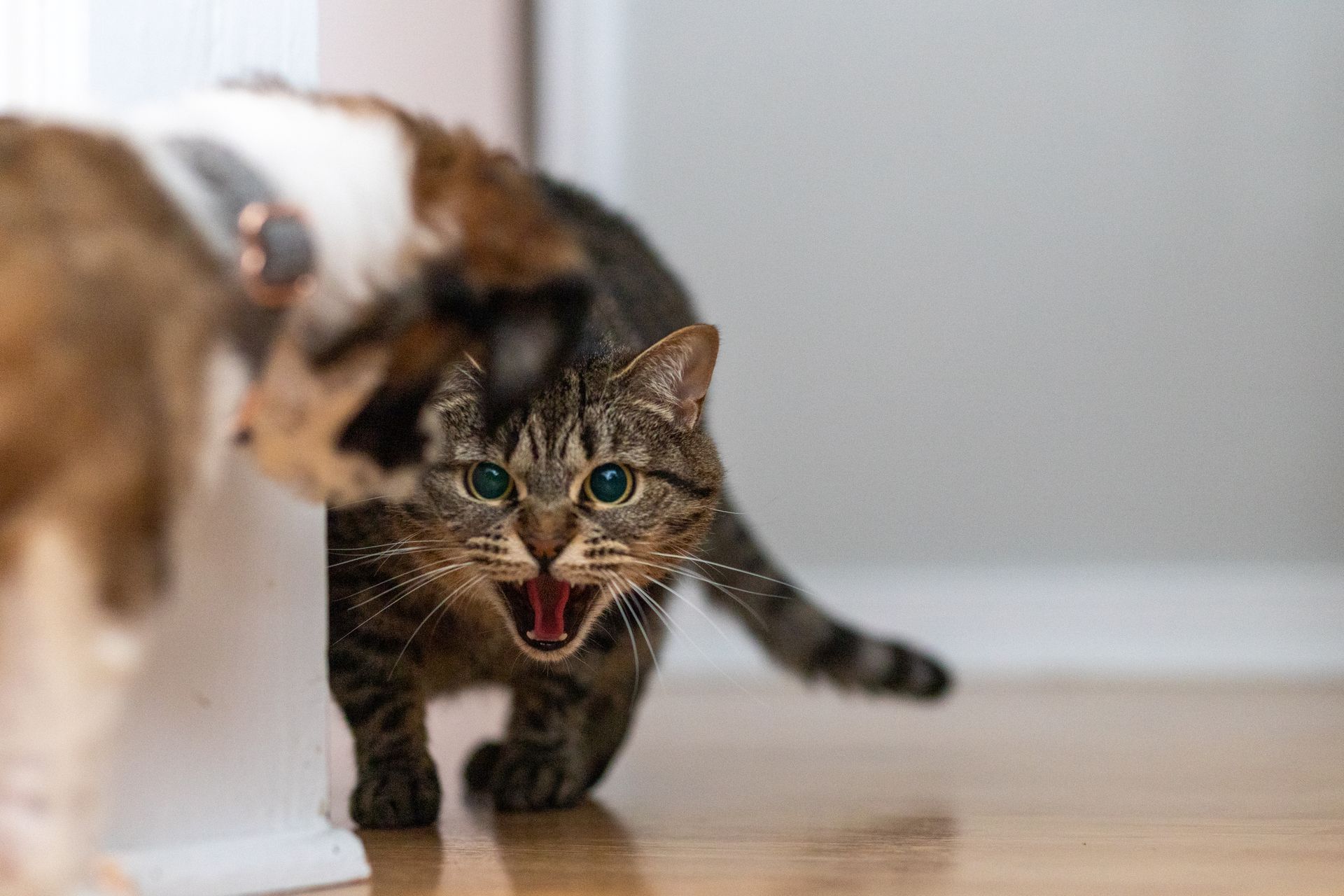
Domestic cats use many vocalizations for communication, including purring, trilling, hissing, growling/snarling, grunting, and several different forms of meowing. Their body language, including position of ears and tail, relaxation of the whole body, and kneading of the paws, are all indicators of mood.
A raised tail indicates a friendly greeting, and flattened ears indicate hostility. Tail-raising also indicates the cat's position in the group's social hierarchy, with dominant individuals raising their tails less often than subordinate ones.
Cats can sleep as much as 20 hours, and the term "cat nap" for a short rest refers to the cat's tendency to fall asleep (lightly) for a brief period. Short periods of rapid eye movement sleep are often accompanied by muscle twitches, which suggests they are dreaming.
For another approach, see: Why Is My Cat's Ear Twitching?
Handling
Handling your cat with care is crucial for their comfort and trust. To pick up your cat, place one hand behind the front legs and another under the hindquarters.
Lifting your cat gently is essential to avoid startling or injuring them. Lift them up slowly and carefully.
Never pick up a cat by the scruff of the neck or by the front legs, as this can cause them unnecessary stress and discomfort.
Health and Wellness
Your cat's health is a top priority, and regular check-ups are essential. Your cat should see the veterinarian at least once a year for an examination and annual shots, and immediately if she is sick or injured.
The average lifespan of pet cats has risen significantly in recent decades, from about 7 years in the early 1980s to an average of about 13 years as of 2023. Neutering can also increase life expectancy, with castrated male cats living twice as long as intact males, and spayed female cats living 62% longer than intact females.
Some health benefits of owning a cat include lowering stress and anxiety, improving cardiovascular health, preventing allergies, and reducing feelings of loneliness.
Balance
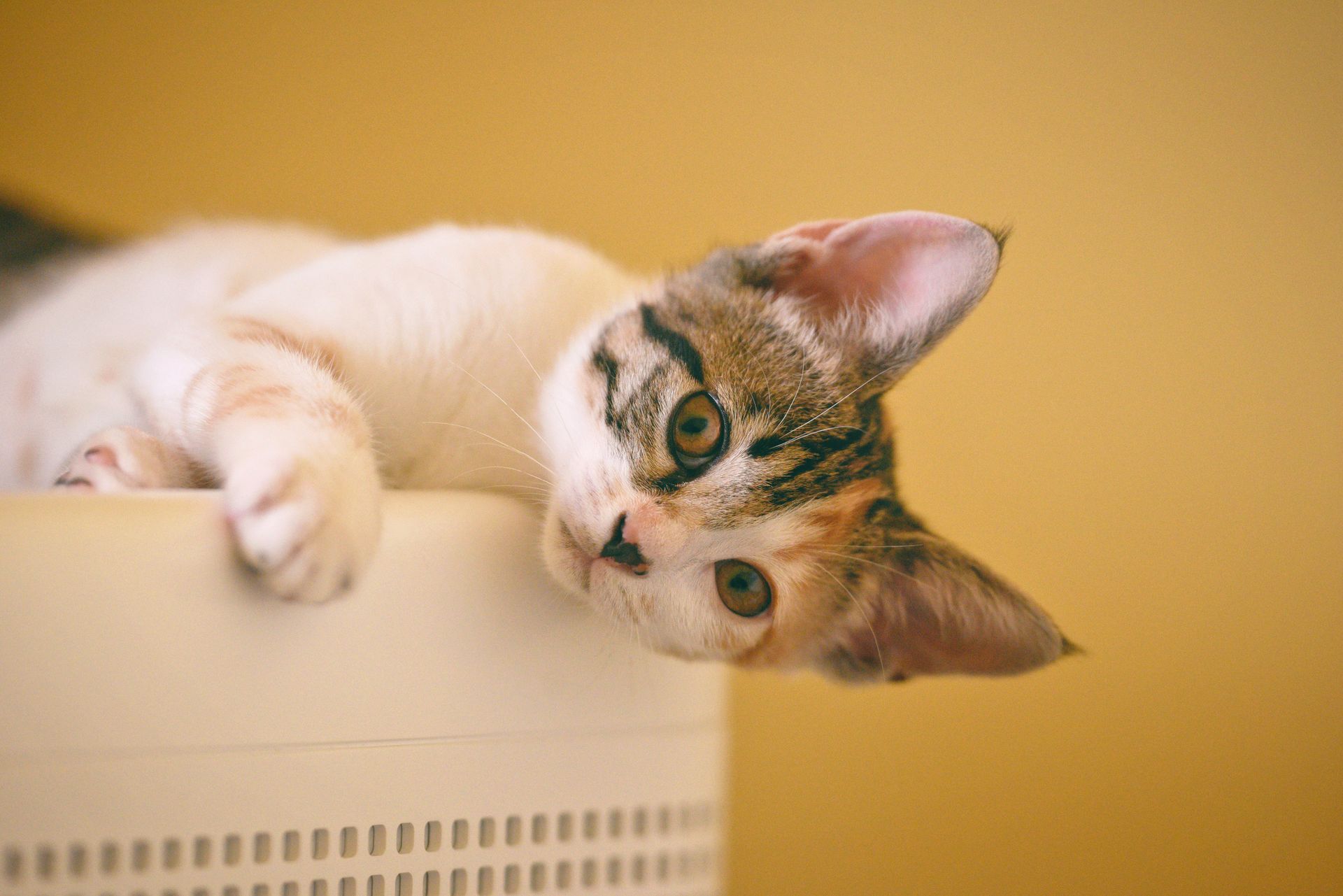
Having a good balance is crucial for our overall health and wellness.
Cats are known for their impressive balance, and they can even right themselves in mid-air, a reflex known as the cat righting reflex.
This reflex allows them to land on their feet, and they can do it consistently, always in the same way.
In fact, cats have enough time to right themselves in falls of at least 90 cm (3.0 ft).
Hearing
Our feline friends have some amazing hearing abilities. They can detect frequencies ranging from 55 Hz to 79 kHz, which is a much broader range than humans can hear.
Cats can hear a remarkable 10.5 octaves, compared to about 9 octaves for humans and dogs. This is likely one reason they're so good at detecting even the faintest sounds.
Their large movable outer ears, the pinnae, play a big role in enhancing their hearing sensitivity. They amplify sounds and help detect the location of a noise, making it easier for cats to pinpoint where a sound is coming from.
Research has shown that cats can even detect ultrasound, including ultrasonic calls from rodent prey. This is likely an adaptation that helps them hunt more effectively.
Lifespan and Health
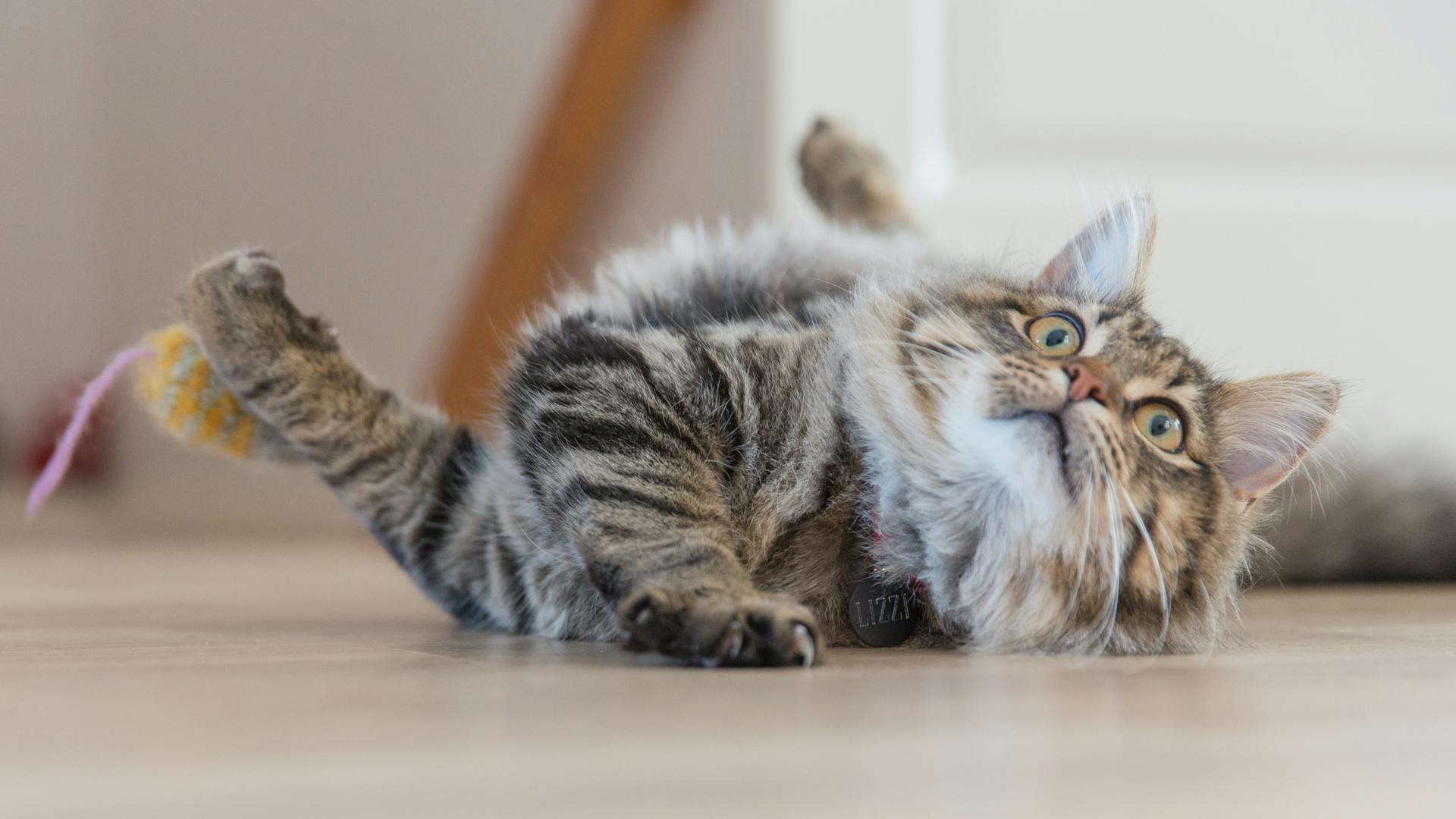
The average lifespan of pet cats has risen significantly over the past few decades, from about 7 years in the early 1980s to 13 years as of 2023.
Neutering can have a profound impact on your cat's lifespan, with one study finding that castrated male cats live twice as long as intact males, and spayed female cats live 62% longer than intact females.
Having your cat neutered can also reduce the risk of certain health problems, such as reproductive neoplasia. However, it's worth noting that neutering can also lead to obesity in some cats.
It's essential to weigh the benefits of neutering against the potential risks, and to consult with your veterinarian to determine the best course of action for your cat.
Here are some key statistics to consider:
Regular veterinary check-ups can also help identify potential health issues early on, so be sure to schedule annual exams and stay on top of vaccinations.
Dealing with Loss Pain
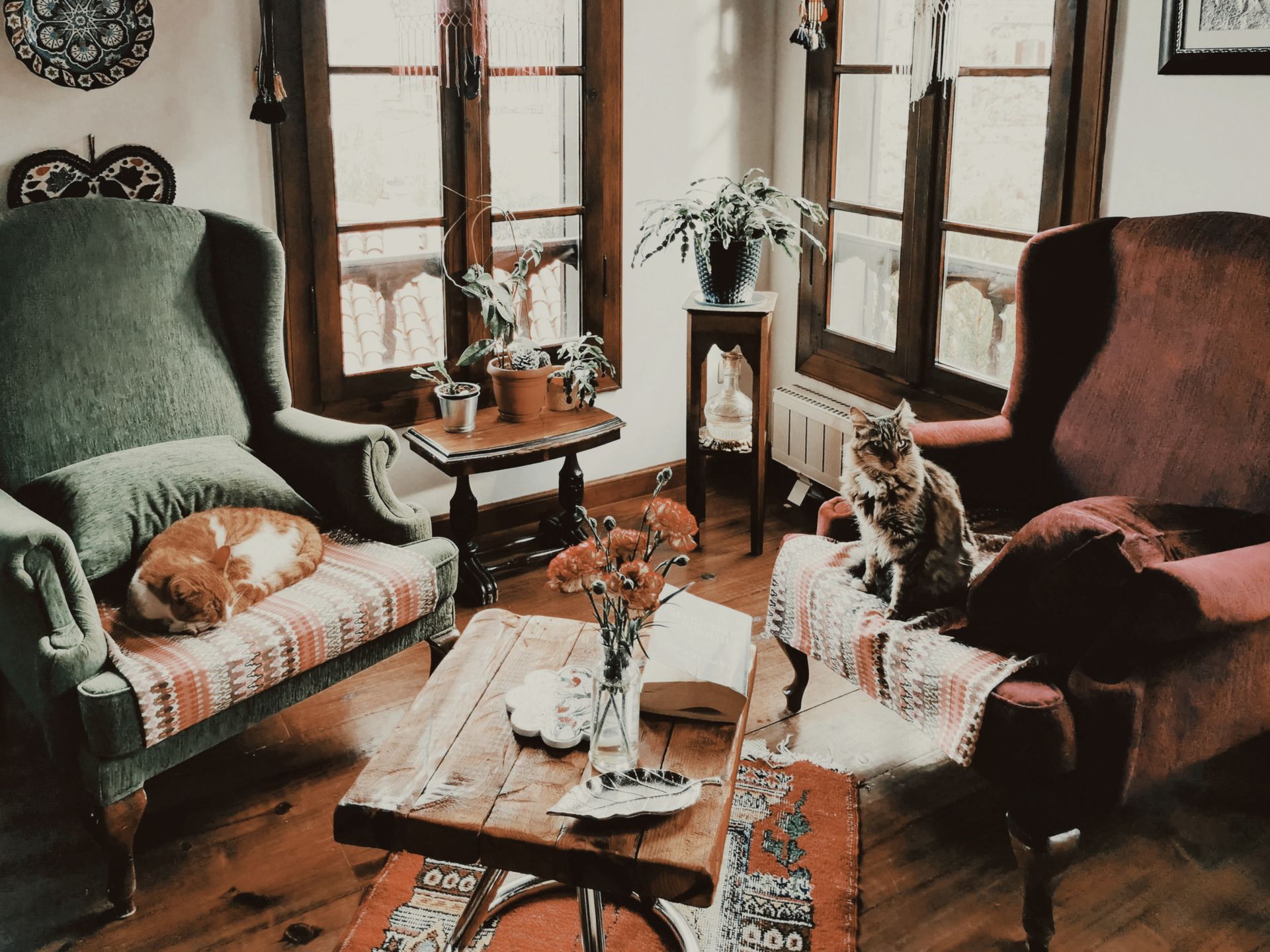
Losing a beloved pet can feel overwhelming, with waves of intense emotions like sadness, frustration, and guilt.
The grieving process can't be rushed, and it's okay to feel numb and lonely. Your home may seem uncomfortably quiet without the sound of their meows and purrs.
The pain of loss is an inescapable part of owning a pet, but there are healthy ways to grieve. Your windowsills and chairs may feel empty without your pet basking in the sun.
Allowing the grieving process to happen naturally is essential, rather than feeling pressured to move on.
Care and Maintenance
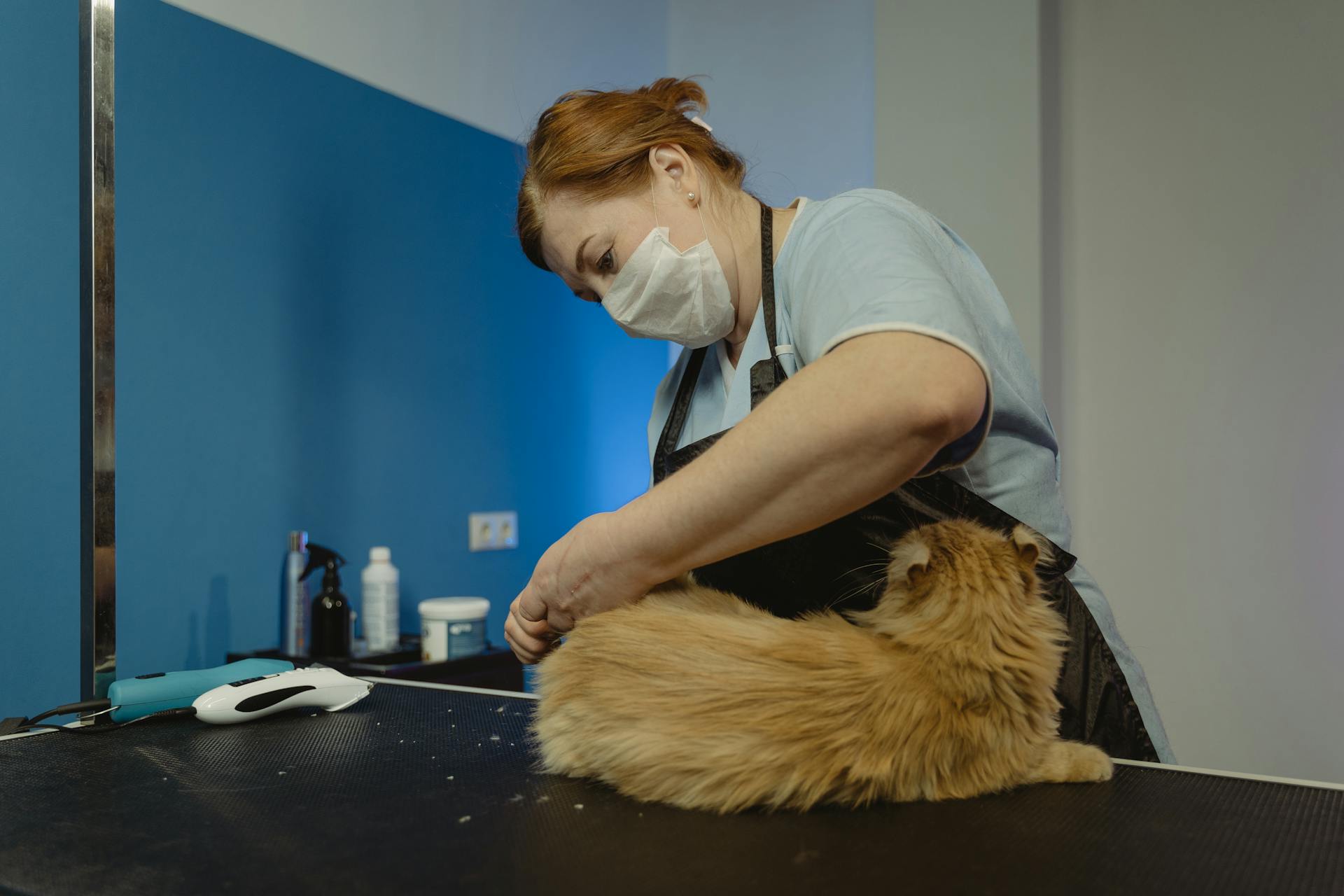
Keeping your cat clean and well-maintained is crucial for their health and happiness. Regular brushing or combing is a must, as it helps keep their coat clean, reduces shedding, and prevents hairballs.
Cats are generally low-maintenance when it comes to bathing, but they do require some grooming essentials. A brush and comb are must-haves, and you should aim to brush or comb your cat at least a few times a week.
Here's a quick rundown of the basic grooming supplies you'll need:
- Brush
- Comb
By keeping your cat's coat clean and well-maintained, you'll be rewarded with a happy and healthy pet.
Grooming
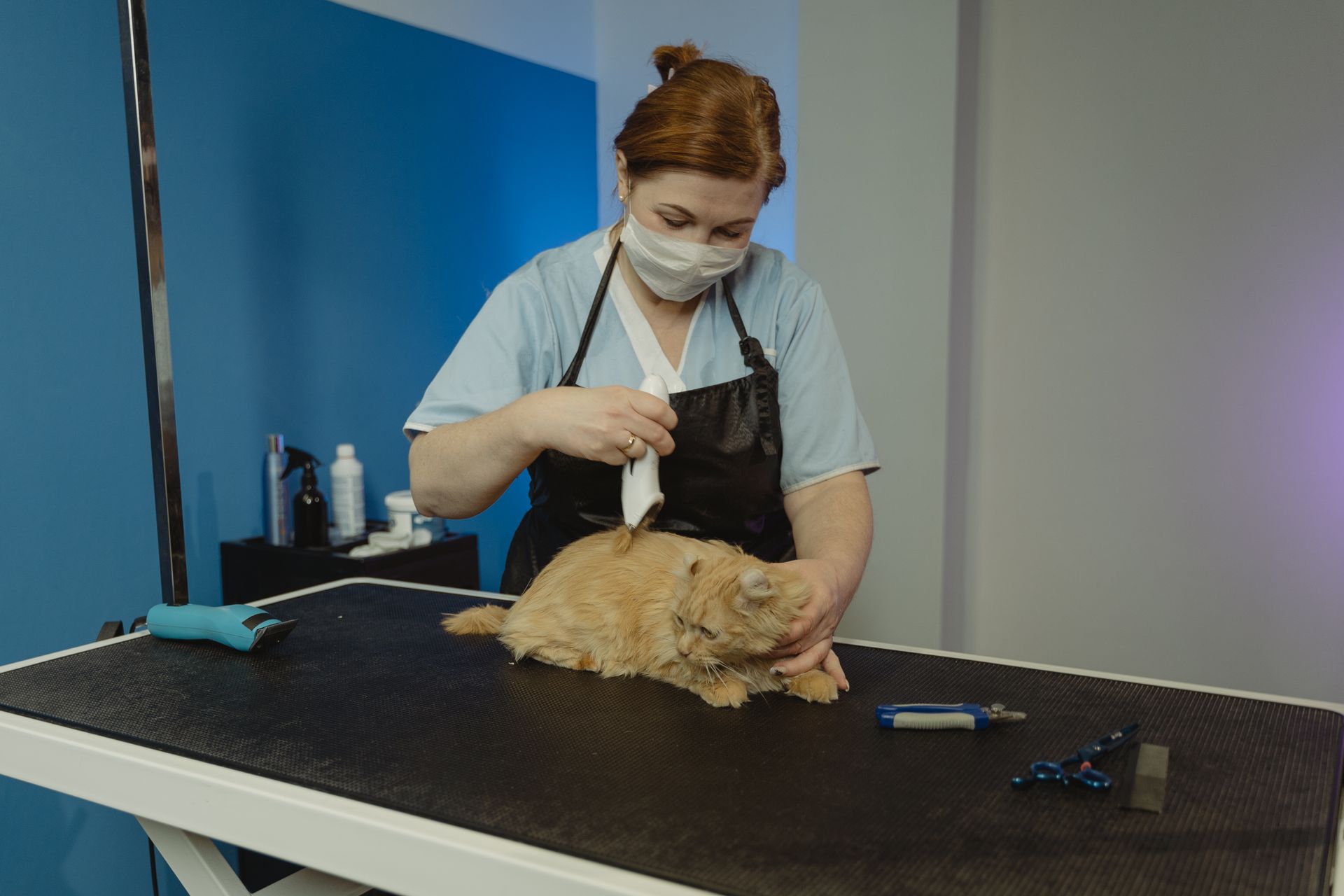
Cats spend a lot of time licking their coats to keep them clean.
The cat's tongue has backward-facing spines called lingual papillae, which act like a hairbrush and are made of keratin, a rigid protein.
Some cats, especially long-haired cats, occasionally regurgitate sausage-shaped hairballs of fur that have collected in their stomachs from grooming.
These hairballs can be 2-3 cm long and are usually a sign that your cat needs to groom more regularly.
You can prevent hairballs with remedies that ease the elimination of hair through the gut.
Regular grooming with a comb or stiff brush can also help prevent hairballs.
Most cats stay relatively clean and rarely need a bath, but they still need regular brushing to keep their coat clean and reduce shedding.
Frequent brushing also cuts down on the incidence of hairballs.
Broaden your view: Cat Clean
Spaying and Neutering
Spaying and neutering is a crucial part of cat care, and it's best to get it done by five months of age.
Female cats should be spayed by this age to prevent unwanted breeding and reduce the risk of certain health issues.
Spaying and neutering can help curb undesirable behaviors in cats, such as spraying or roaming.
Male cats should be neutered by five months of age to prevent unwanted breeding and reduce aggression.
Feeding
When it comes to feeding your feline friend, there are a few things to keep in mind. Cats require taurine, an essential amino acid, for heart and eye health, so make sure the food you choose is balanced for their life stage.
Your veterinarian will be able to assess your cat or kitten and determine the best diet, taking into account factors such as age, activity level, and health.
Fresh, clean water is essential, so wash and refill your cat’s water bowls daily. Cats can be picky, but they need access to water at all times.
Treats should make up no more than 5-10% of your cat's diet, so don't overdo it with the snacks.
You might enjoy: Why Are My Cats so Staticy?
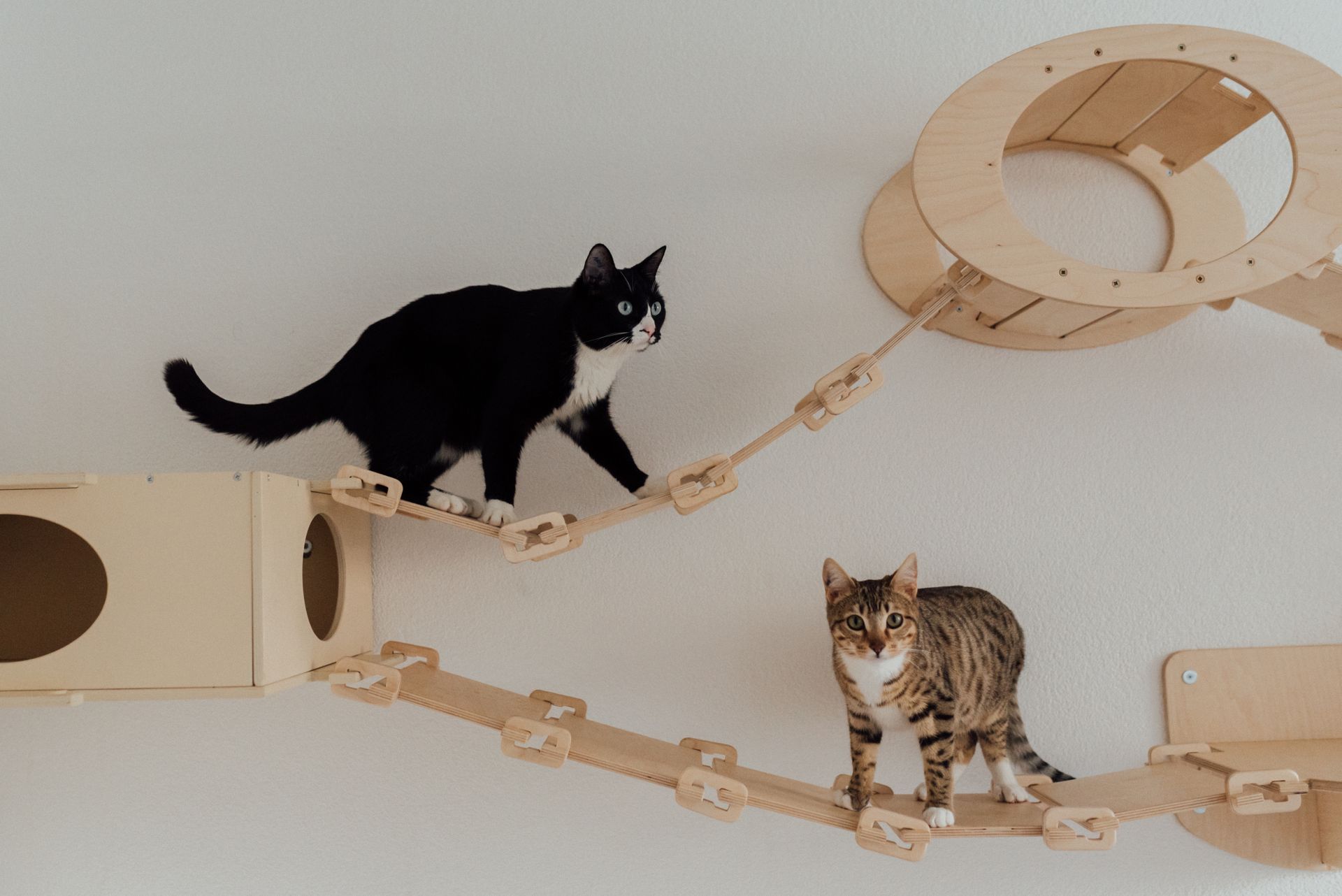
Some people feed baby food to cats who are refusing food or not feeling well, but be sure to read the labels carefully – if the baby food contains onion or garlic powder, your pet could be poisoned.
If your cat is showing signs of anorexia, diarrhea, vomiting, or lethargy, take them to the vet if the symptoms persist for more than two days.
Here are some guidelines to keep in mind:
- Cats require taurine for heart and eye health.
- Provide fresh, clean water at all times.
- Treats should make up no more than 5-10% of the diet.
- Be cautious with baby food, especially if it contains onion or garlic powder.
- Seek veterinary care if signs of illness persist.
Litter Trays
Cats like to use their litter trays in private, so place them in quiet locations away from busy areas. I've seen cats get stressed if their litter tray is too close to the action.
A litter tray should be at least 1.5 times the length of your cat, from nose to tail, to give them enough room to move around. This will help prevent accidents outside the tray.
Fill the tray with a good depth of litter, at least 3cm, to let your cat dig and cover up their mess. Cats like to have a clean surface to dig in.
See what others are reading: Changing Cat Litter Brand Make Cat Sick
Scoop out any mess from the tray as soon as possible, and at least daily, to keep your cat happy. Don't use strong-smelling cleaners or scented litter, as cats can be sensitive to smells.
You'll need more than one litter tray if you have multiple cats, to prevent one cat from monopolizing the tray. Even with one cat, having multiple trays can be helpful in case they prefer to poo in one tray and wee in another.
Scratching Posts
Cats need to scratch, and they need something sturdy to do it on. Provide at least one good scratching post that's tall and sturdy enough to withstand your cat's stretching.
A scratching post should be at least three feet high to give your cat enough room to stretch up fully without it tipping over. You'll want to make sure it's stable, too, so it doesn't wobble during use.
Rough material like sisal, burlap, or tree bark is a great choice for scratching posts, as many cats prefer to scratch on these textures.
Supply Checklist

To ensure your cat stays happy and healthy, it's essential to have the right supplies on hand.
A premium-brand cat food is a must-have, as it provides your cat with the necessary nutrients for optimal health.
Having a clean food dish and water bowl is crucial for your cat's well-being.
Interactive toys are a great way to keep your cat entertained and stimulated.
A brush and comb are necessary for regular grooming, which helps prevent hairballs and reduces shedding.
Safety is also a top priority, so make sure your cat has a safety cat collar with an ID tag.
For scratching and climbing, a scratching post or scratching pad is a great investment.
When it's time to clean up, a litter box and litter are a must-have.
Traveling with your cat requires a sturdy cat carrier.
Finally, a cozy cat bed or box with a warm blanket or towel provides your cat with a comfortable place to rest.
Here's a summary of the essential supplies you'll need:
- Premium-brand cat food
- Food dish
- Water bowl
- Interactive toys
- Brush
- Comb
- Safety cat collar with ID tag
- Scratching post or scratching pad
- Litter box and litter
- Cat carrier
- Cat bed or box with warm blanket or towel
Owning and Interacting
Owning a cat can be a wonderful experience, and with the right understanding of their needs, you can build a strong and loving bond with your feline friend.
Cats are known to be relatively low-maintenance pets, requiring only occasional grooming and nail trimming to keep them happy and healthy.
To establish a routine, it's essential to create a schedule for feeding, playtime, and sleep to ensure your cat feels secure and content.
Cats are naturally curious creatures and love to explore their surroundings, so providing a stimulating environment with plenty of toys and scratching posts is crucial for their mental and physical well-being.
How Does PAWS Rescue Work?
PAWS' rescue program is designed to find the right match for you and your household.
You can apply to adopt an animal and have your application approved, which will be valid for three months.
This means you can browse through PAWS' available animals during this time and find the perfect fit.
Owning
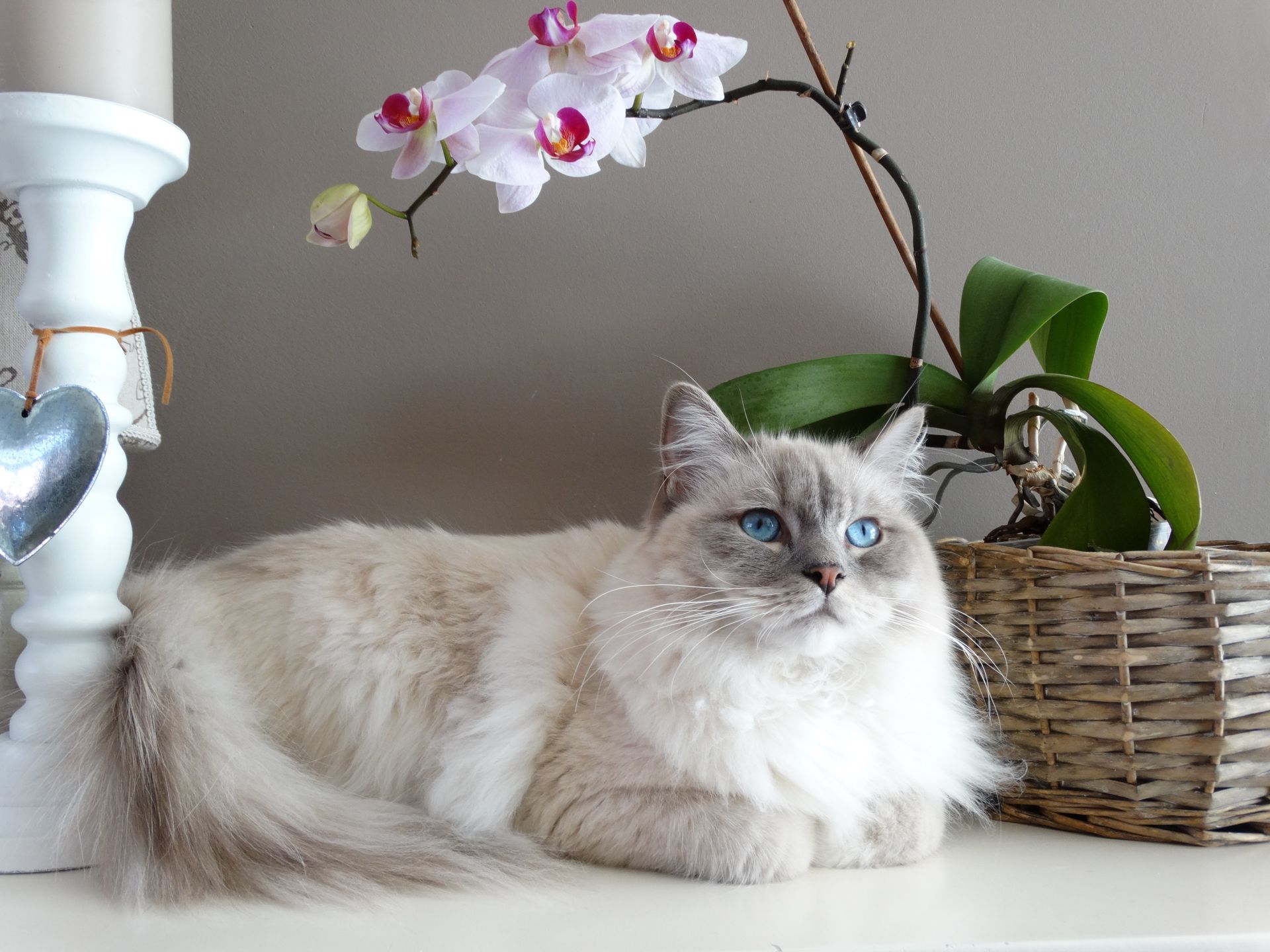
Owning a pet can be a truly rewarding experience. Owning a cat, for example, can be an extremely rewarding relationship.
A cat's ability to calm your nervous system and provide an immediate outlet for fun and play is unmatched. Cats are independent animals who like to scavenge and explore on their own terms.
Most cats are very affectionate with their owners and people they trust. They love to curl up in your lap at the end of a long day.
The simplicity of this act can cause an automatic release of all the right kinds of chemicals to your brain, allowing you to ease into the evening without the weight of the world on your shoulders.
Interaction with Humans
Interacting with humans is a crucial aspect of owning and interacting with pets, especially dogs. Studies have shown that dogs are able to read human body language and respond accordingly.
A study found that dogs are able to recognize and respond to human emotions, including happiness, sadness, and anger. This ability to read human emotions is likely due to the fact that dogs have evolved to live alongside humans.

Dogs are able to form strong bonds with their owners, and this bond is often based on trust and affection. In fact, dogs are known to be one of the most loyal and loving animals on the planet.
Research has shown that dogs are able to pick up on subtle cues from their owners, such as tone of voice and body language. This ability allows dogs to respond accordingly and provide comfort and support to their owners.
Dogs are highly social animals and thrive on interaction with their human family members. In fact, dogs that are left alone for long periods of time without interaction can become stressed and anxious.
In contrast, dogs that receive regular interaction and attention from their owners tend to be happier and healthier. This is likely due to the fact that interaction with humans provides dogs with a sense of purpose and fulfillment.
Managing Allergies and Stress
Cats can help relieve stress through scratching, which also allows them to stretch out their back and shoulder muscles.
For people with allergies, keeping your cat's environment clean is crucial.
Tips for Managing Allergies
Managing allergies can be a challenge, but there are some simple steps you can take to make it more manageable. Restricting certain rooms in the house is a good idea, keeping the cat out of your bedroom and limiting them to a few rooms can help.
Washing your hands after handling or petting your cat is crucial. This will prevent you from transferring allergens to your face or eyes.
Using air purifiers can make a big difference. They can help reduce cat dander and other allergens in the air.
Consistency is key when it comes to bathing your cat. Regular baths can reduce dander and keep your cat clean.
Here are some additional tips to consider:
- Restrict certain rooms in the house
- Wash your hands after handling or petting your cat
- Use air purifiers
- Be consistent about bathing your cat
- Use antihistamines as needed
Remember to consult your doctor or pharmacist before taking any medication, including antihistamines.
Relieving Stress
Scratching can be a healthy way for cats to relieve stress. It's amazing how a simple behavior like scratching can have such a profound impact on their mental well-being.
Cats often scratch to stretch out their back and shoulder muscles, which can help ease tension and promote relaxation. This is especially true for cats who spend most of their time indoors, where they may not get as much physical activity as they would outdoors.
Scratching can be a calming activity for cats, allowing them to release pent-up energy and emotions. I've seen my own cat scratch the furniture when she's feeling anxious or overwhelmed, and it's incredible how quickly she calms down afterwards.
By providing cats with scratching posts or pads, we can help them manage stress and anxiety in a healthy way. This is especially important for cats who suffer from separation anxiety or other emotional issues.
Choosing and Caring for a Cat
Choosing a cat is a big decision, and it's essential to consider your lifestyle and living situation. If you live in a small apartment, a smaller cat breed like the Singapura or Devon Rex might be a better fit.
Cats are generally low-maintenance pets, but they still require regular care and attention. A cat's litter box should be cleaned at least once a day, and their food and water bowls should be filled and changed regularly.
With proper care, cats can live up to 15 years or more. Regular veterinary check-ups can help ensure your cat stays healthy and happy.
How to Choose the Best Cat
Choosing the right cat is a crucial step in bringing a new furry friend home. Consider adopting a kitten or an adult cat, as both have their pros and cons.
Kittens are adaptable and fun to watch grow, but they require more attention and house training. On the other hand, older cats may have existing health problems that require more vet visits.
Some cats shed more than others, so it's essential to research breeds that fit your lifestyle. For example, American Bobtails and Cymric cats shed significantly more than Siamese cats.
A healthy cat will have bright eyes and a shiny fur coat. Look for signs of illness, such as nasal discharge or being underweight or overweight.
Personality and disposition are crucial when choosing a cat. If you want a cat that seeks attention, look for one that actively initiates interaction. However, if you're okay with a more independent cat, that's okay too.
Ultimately, try to spend time with the cat you're interested in adopting to see if it's a good fit for you and your lifestyle.
Adoption Fees
Adoption fees are a crucial part of bringing a new cat home. The fees at PAWS clinics are as follows:
Cat (6 months of age and older): $75
Kitten (under 6 months): $125
Pair of Kittens (under 6 months): $200
Fees do not include PA sales tax. It's worth noting that these fees are a small price to pay for the care and services your new cat will receive.
Your new cat or kitten will be spayed or neutered, vaccinated for panleukopenia, rhinotracheitis, and calici, dewormed, treated for fleas, and microchipped as part of the adoption fee.
Health and Mood Benefits of
Owning a cat can have a significant impact on your health and mood. Cats can lower stress and anxiety, and a single session of petting or playing with your cat can turn a bad day into a good one.
One of the most interesting benefits of cat ownership is their ability to prevent allergies. If a child is exposed to cats within the first few years of life, they are more likely to develop an immune system that combats not only cat allergies but other kinds of allergens as well.
Cats are also great companions, offering an unconditional love that can be equal to (or sometimes even greater than) many human friends and confidants. They make great companion animals, reducing feelings of loneliness and providing comfort.
Here are some specific health benefits of cat ownership:
- Lower stress and anxiety
- Improve cardiovascular health (cat owners have a lower risk for heart disease and stroke)
- Prevent allergies (exposure to cats in early childhood can boost immune system)
- Reduce feelings of loneliness
Frequently Asked Questions
What kind of cat costs $2000?
The Savannah cat breed typically costs between $1,000 to $2,000 to adopt, making it a significant investment for cat enthusiasts. If you're considering bringing one home, learn more about their unique characteristics and playful personalities.
Featured Images: pexels.com