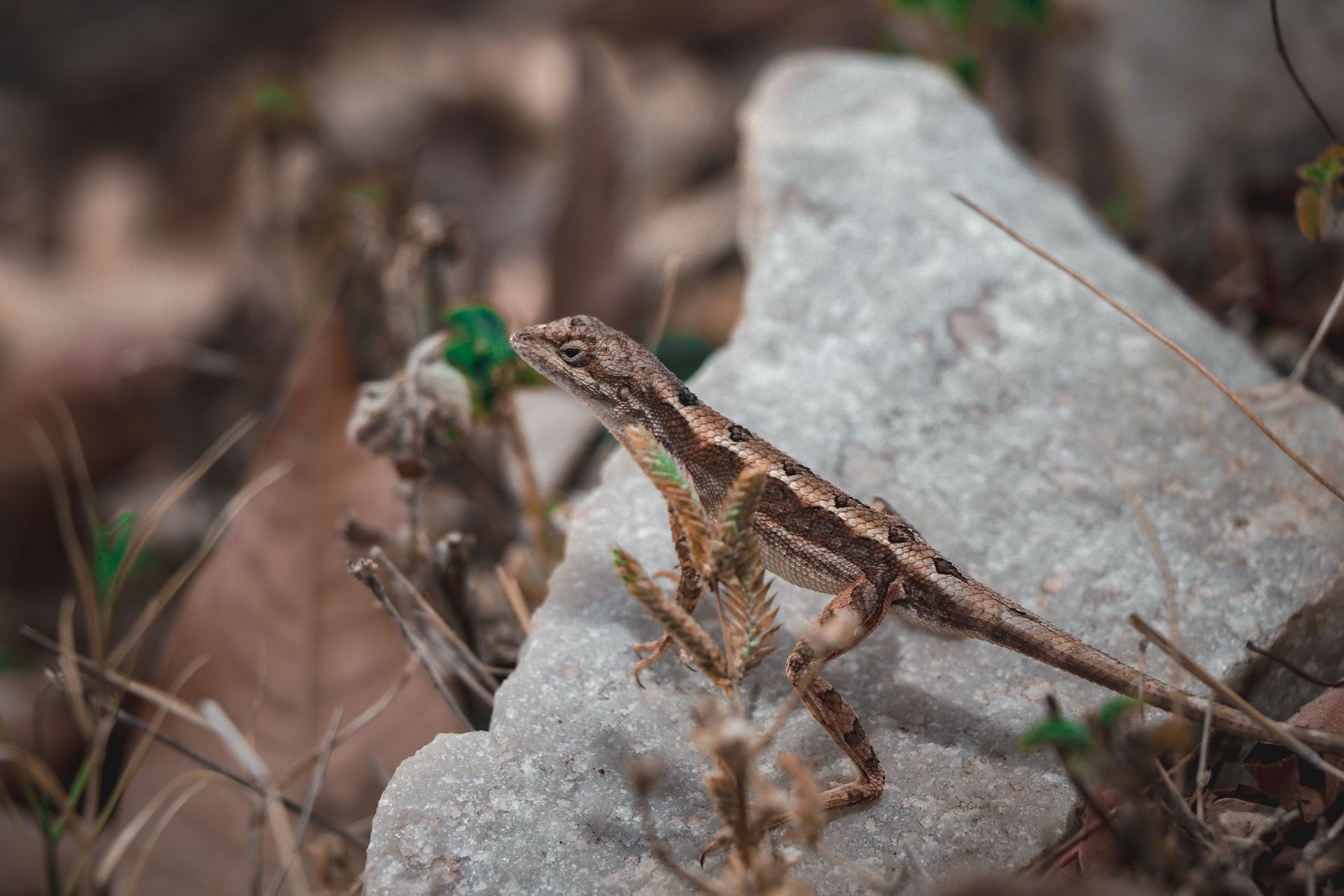
The Brush-Tailed Rock Wallaby, also known as Petrogale penicillata, is a unique and fascinating creature native to Australia.
They have a distinctive brush-like tail, which is long and fluffy, and helps them balance while jumping and climbing.
One of the most interesting things about these wallabies is their ability to survive in harsh, rocky environments, where other animals might struggle to thrive.
They are herbivores, which means they primarily eat plants, and their diet consists mainly of leaves, grasses, and fruits.
Classification
Petrogale penicillata is a fascinating species, and understanding its classification can help us appreciate its unique characteristics. It's a member of the kingdom Animalia.
The phylum Chordata is where things get really interesting, as it's a group of animals that have a notochord, a dorsal nerve cord, and a post-anal tail. This group includes over 60,000 species, ranging from fish to mammals.
Within the phylum Chordata, the subphylum Vertebrata is where we find animals with backbones, and Petrogale penicillata is no exception. This subphylum includes all vertebrates, from fish to humans.
Petrogale penicillata is classified as a mammal, specifically a member of the class Mammalia. This group is characterized by the presence of hair, mammary glands, and three middle ear bones.
Here's a breakdown of Petrogale penicillata's classification:
As you can see, Petrogale penicillata is a member of the family Macropodidae, which includes kangaroos, wallabies, and relatives. This family is characterized by the presence of powerful hind legs and a robust body.
Physical and Reproductive Characteristics
Petrogale penicillata has a distinctive physical appearance, with a dull-brown back, paler chest and belly, a rufous rump, and black, furry feet. Their tail is darkening distally with a prominent brush.
They have long tails, slightly longer than their head and body length, and their pelage is long and thick, especially about the rump, flanks, and base of tail. Head and body length averages 55.7 cm in males and 53.6 cm in females.
Their range mass is between 4.0 to 10.9 kg, and their range length is between 45 to 58.6 cm. Here are the average lengths for males and females:
Physical Description

The brush-tailed rock-wallaby has a distinctive physical appearance. They have a dull-brown back, paler chest and belly, a rufous rump, and black, furry feet. Their tail darkens distally with a prominent brush.
Their pelage is long and thick, especially about the rump, flanks, and base of the tail. Animals from the northern part of the range tend to be lighter and have a less prominent tail brush.
The head and body length of a brush-tailed rock-wallaby averages 55.7 cm in males and 53.6 cm in females. Their tail length averages 61.1 cm in males and 56.3 cm in females.
Here are some key physical features of the brush-tailed rock-wallaby:
- Endothermic
- Homoiothermic
- Bilateral symmetry
The weight range of a brush-tailed rock-wallaby is 4.0 to 10.9 kg, while their length ranges from 45 to 58.6 cm.
Reproduction
Reproduction is a vital process that plays a significant role in the life cycle of many living organisms.
In the context of the species we've been discussing, reproduction is a complex process that involves the fusion of gametes to form a zygote. This process is essential for the continuation of the species.

The reproductive system of this species is designed to ensure the survival of the species by producing offspring that are capable of reproducing themselves. This is achieved through the production of gametes, which are specialized cells that contain half the genetic material needed to form a new individual.
Reproduction in this species can take many forms, including sexual reproduction, where two gametes fuse to form a zygote, and asexual reproduction, where a new individual is produced from a single parent.
Behavior and Habitat
Petrogale penicillata is a remarkable creature that thrives in rocky habitats along the Great Dividing Range in Australia. They can be found in fragmented populations in New South Wales and southeast Queensland, where they have managed to adapt to changing ecological conditions.
To avoid predators, these wallabies take advantage of their agility to hop and climb, often seeking shelter in rocky crevices, caves, and overhangs. They also prefer complex terrain that allows them to find cooler temperatures.
Their social behavior is just as fascinating, with females often sharing den sites and grooming each other. Males, on the other hand, are generally solitary and only come together for mating.
Here are some key facts about the habitat and behavior of Petrogale penicillata:
- Terrestrial Biomes: savanna or grassland, forest, rainforest, scrub forest
- Other Habitat Features: caves, rocky outcrops
- Key Behaviors: social, nocturnal, motile, sedentary, dominance hierarchies
Their agility and powerful build enable them to navigate difficult rocky terrain, and they have a unique mating system where females often use a single male for insemination.
Behaviour
This species is incredibly agile, able to navigate difficult rocky terrain with ease. Its compact yet powerful build makes it well-suited for traversing uneven ground.
They favour north-facing refuges, which suggests they're adapted to cooler temperatures and possibly more shade.
The species is largely nocturnal, venturing out from shelter at night, but will occasionally bask in winter sun for short periods.
Procreation is a bit unique, with breeding females using a single male for insemination, and births occurring throughout the year.
Habitat
Brush-tailed rock-wallabies are found in rocky areas with numerous ledges, caves, and crevices. They occupy sites with a northerly aspect, which allows them to sun themselves in the morning and evening.
Rocky terrain provides the perfect habitat for these wallabies, with complex features like overhangs, caves, and crevices allowing them to find cooler temperatures and evade predators.
In southeast Queensland, the northernmost groups of wallabies have remained less affected by ecological changes, likely due to their habitat's unique features.
Here are some key habitat features of brush-tailed rock-wallabies:
- Habitat Regions: temperate, tropical, terrestrial
- Terrestrial Biomes: savanna or grassland, forest, rainforest, scrub forest
- Other Habitat Features: caves
Their agility while hopping and climbing allows them to easily navigate these rocky areas, making them well-suited to their environment.
Predation
Brush-tailed rock-wallabies have a high fidelity to diurnally used sites, making it easy for predators to learn where to find them.
Their small colony size means fewer individuals are available to detect and warn of approaching predators.
These animals rely on early detection of predators, which is made possible by their relatively constant level of vigilance.
They are also much more agile than their predators, which gives them an advantage in avoiding danger.
Predators may find it easy to learn where to find brush-tailed rock-wallabies due to their consistent habits.
Distribution and Conservation
The petrogale penicillata can be found along the Great Dividing Range in fragmented populations, with the southern edge being the Grampians and no further west than the Warrumbungles range in New South Wales.
They have a unique way of finding cooler temperatures and evading predators by sheltering in rocky habitats with complex terrain. This allows them to hop and climb with great agility, making use of ledges, cliff-faces, overhangs, caves, and crevices.
The conservation status of the petrogale penicillata varies by region, with a National Vulnerable listing under the Environment Protection and Biodiversity Conservation Act 1999, and an Endangered listing in the Australian Capital Territory under the Nature Conservation Act 2014.
Here's a breakdown of the conservation status of the petrogale penicillata by region:
- National: Vulnerable
- Australian Capital Territory: Endangered, Special Protection Status Species
Distribution and Habitat
The brush-tailed rock-wallaby is found along the Great Dividing Range in Australia, with fragmented populations remaining after its historical contraction in range from the east and south.
The southern edge of their range is the Grampians, and they don't venture further west than the Warrumbungles range in New South Wales. The northernmost groups have remained less affected by ecological changes and can be found in southeast Queensland.
Petrogale penicillata shelters during the day in rocky habitat, within vegetation or cavities of preferably complex terrain that allows them to find cooler temperatures and to elude or remain inaccessible to predators.
Their great agility while hopping and climbing provides opportunities at ledges, cliff-faces, overhangs, caves, and crevices.
Here are some key facts about their habitat:
- Rocky faces close to grassy areas
- Open forests
- Ledges, caves, and crevices
- Northerly aspects for sunning themselves in the morning and evening
These animals originally inhabited a wide variety of habitats, including rainforest gullies, wet and dry sclerophyll forest, open woodland, and rocky outcrops in semi-arid country.
Conservation Status
The conservation status of this species is a pressing concern. The National conservation status is listed as Vulnerable under the Environment Protection and Biodiversity Conservation Act 1999.
In the Australian Capital Territory, the situation is more dire. The ACT Government has designated this species as Endangered under the Nature Conservation Act 2014, and it also holds Special Protection Status Species under the same act.
The ACT Government has recognized the need for urgent action. They have undertaken significant conservation actions to protect and recover the critically endangered southern population of this species.
Conservation and Management
The Brush-tailed rock wallaby, also known as Petrogale penicillata, has been listed as vulnerable under the IUCN Red List.
Conservation efforts have been underway since the mid-1990s to protect and recover this species. A captive breeding program was established to increase the population and genetic diversity of the southern population.
The Australian Capital Territory Government has taken significant action to protect the Brush-tailed rock wallaby, listing it as Endangered under the Nature Conservation Act 2014 and Special Protection Status Species.
The captive breeding program has shifted its focus from increasing the number of animals quickly to a more intensive program designed to increase the genetic diversity of the southern population. This is crucial for the long-term persistence of the population.
The program has been successful in producing animals for reintroductions in Victoria, helping to re-establish the population in the wild. However, the low genetic diversity of the southern population remains a concern.
Conservation actions in the Australian Capital Territory have been focused on protecting and recovering the critically endangered southern population. These efforts are essential for the survival of the Brush-tailed rock wallaby.
Search Results:
The search results for Petrogale penicillata are quite interesting. Scientific names appearing in the list may include currently gazetted names for species listed under the EPBC Act, names currently used in the scientific community as the accepted scientific name, and other names that may have been used in the past.
The list of scientific names may include Petrogale penicillata, which is the currently accepted scientific name for the species. The SPRAT profile always provides the currently gazetted name for the species, which is the name it is listed under in the EPBC Act.
You might notice that some scientific names appear with an "=" symbol, indicating that the second name is the currently accepted scientific name. For example, Petrogale penicillata appears with no "=" symbol, meaning it is the currently accepted scientific name.
Here is a breakdown of the information provided in the search results:
The listing of a species under the EPBC Act will usually include all sub-species, but may list sub-species separately. This means that if a species has sub-species, they may not be shown explicitly in the search results.
Featured Images: pexels.com