
The Parson Russell Terrier is a feisty and energetic breed that originated in England in the 19th century.
They were bred to hunt small game like foxes and badgers.
These dogs are known for their short stature, typically weighing between 13 and 17 pounds.
Their short coats come in a variety of colors, including white, black, and tan.
They have a distinctive bearded face and a lively, curious nature.
Their intelligence and athleticism make them a joy to train and watch.
With proper care and exercise, they can live up to 15 years or more.
Breed Characteristics
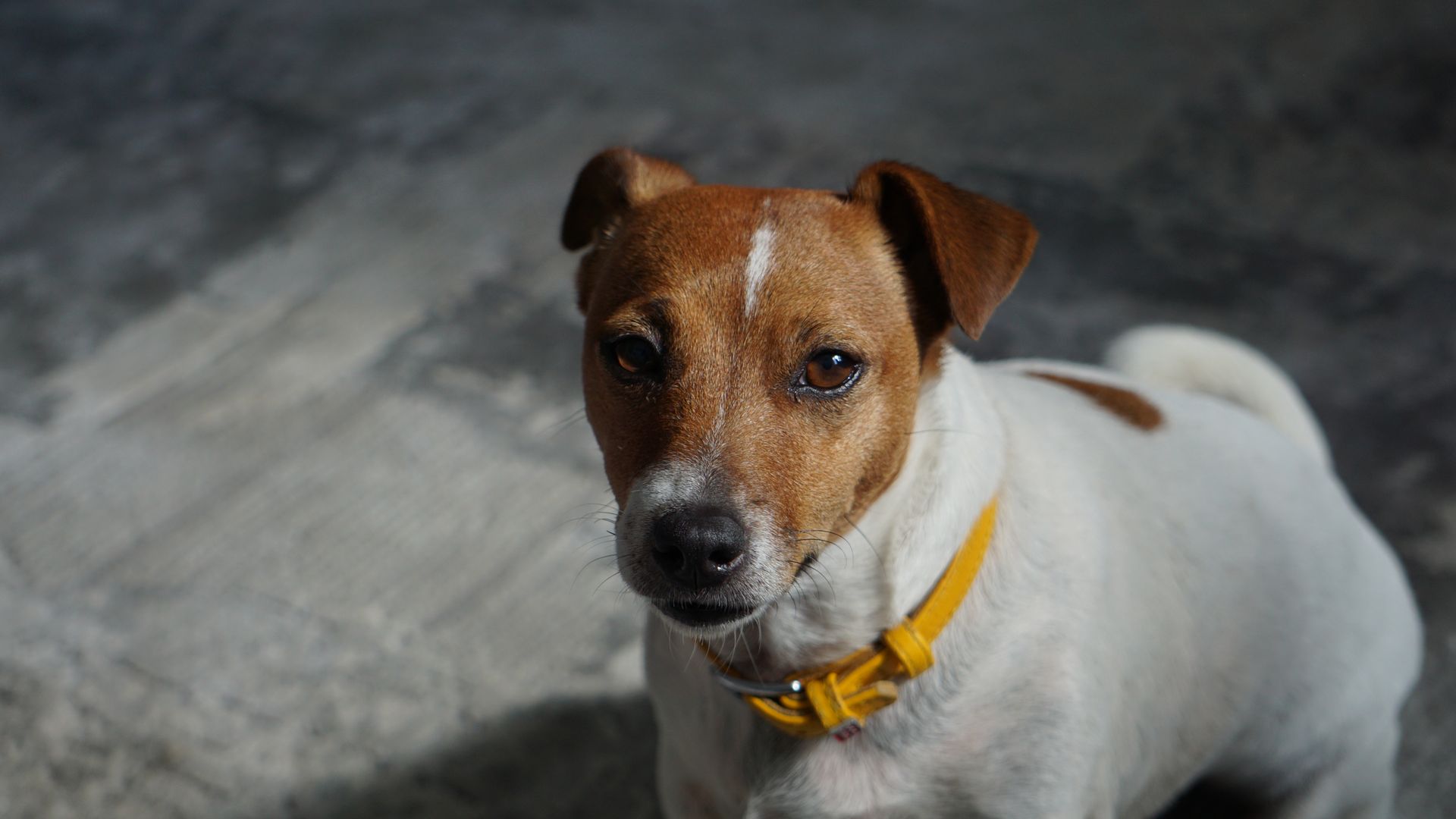
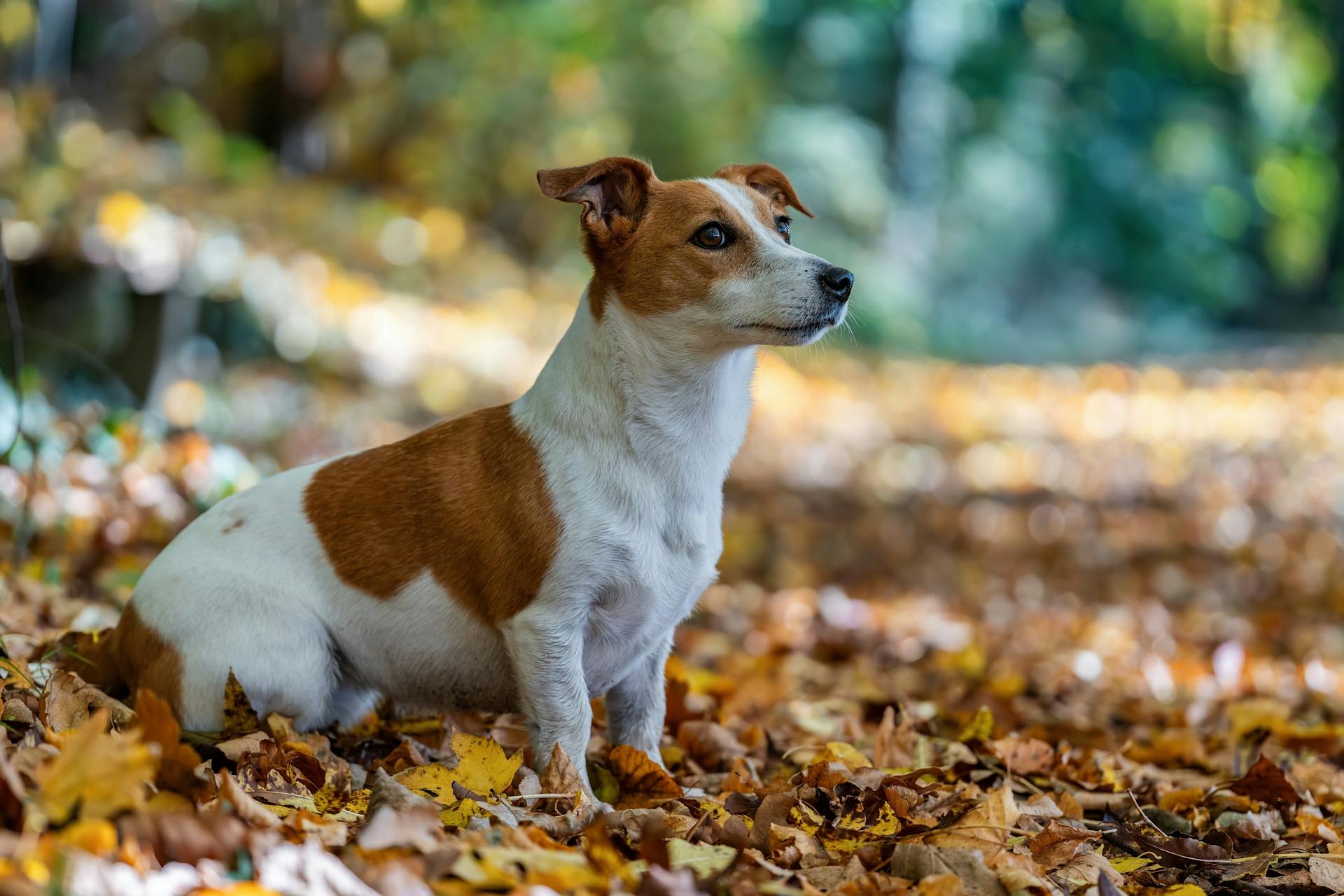
The Parson Russell Terrier has a predominantly white coat with black, tan, mustard, or tricolour markings.
They have an easy-to-groom coat that can be rough, smooth, or broken. The breed standard does not recognize a Parson Russell with a curly or rough coat.
Their legs are noticeably longer than those of the Jack Russell Terrier, with a normal range of sizes between 13-14 inches tall at the withers.
A fresh viewpoint: Parson Russell Terrier
Their body is about as long as they are tall, with a relatively square outline. They have a flat skull, but not the elongated shape of the Fox Terrier.
Their ears are moderately thick, small, and V-shaped, with the tip pointed towards the eyes. The nose of the dog should be black.
Two hands should be able to span the chest of the dog behind its elbows, with the thumbs at the withers. This is required in show judging to measure the size of the chest.
The Parson Russell Terrier typically weighs between 13-17 pounds and has a normal range of sizes between 13-14 inches tall at the withers.
Health and Wellness
Parson Russell Terriers are generally a healthy breed, but they are predisposed to a few health conditions. These include Legg-Perthes disease, deafness, eye issues, patellar luxation, ataxia, and compulsive tendencies.
One of the most concerning health issues in Parson Russell Terriers is eye problems. These can cause blindness and pain if not treated quickly.
If your Parson Russell Terrier is squinting, rubbing his eyes, has red eyes, or has discharge, take him to see a veterinarian right away. Early detection and treatment can make all the difference in preventing long-term damage.
Here are some common eye conditions that can affect Parson Russell Terriers:
- Primary Lens Luxation (PLL): This is a hereditary condition where the ligaments that hold the eye lens in place break down, causing the lens to fall out of position.
- Glaucoma: This is a painful condition that causes increased pressure within the eye, which can lead to blindness if not treated quickly.
- Cataracts: This is a common eye disease where proteins and fibers in the lens of the eye break down, causing an opacity of the lens and blurred vision.
Genetic testing for PLL is available, and responsible breeding practices can help minimize the risk of these conditions.
Care and Feeding
Small dogs like the Parson Russell Terrier have a fast metabolism and need to eat little and often to keep their energy up. They thrive on small-breed foods that are specifically designed with key nutrients and smaller kibble sizes.
Feeding your Parson Russell Terrier a high-quality commercial kibble or wet food is a great way to ensure they get a balanced diet. Look for food that meets Association of American Feed Control Officials (AAFCO) standards.
To determine how much to feed your Parson Russell Terrier, talk to your veterinarian, who can calculate their caloric needs based on their size, metabolism, and activity level. You can also check the feeding guide labels on your dog food for valuable information.
Nutrition and Feeding
Small dogs like the Parson Jack Russell Terrier have a fast metabolism, which means they burn energy quickly. They need to eat little and often to keep their energy levels up.
A good starting point for their diet is a commercial kibble or wet food that meets the Association of American Feed Control Officials (AAFCO) standards. This ensures they get a complete and balanced diet.
Feeding your Parson Jack Russell Terrier two to three small, measured meals per day can help prevent overeating and maintain a healthy body condition. You can also consider a light or diet food if your dog is heavier.
The recommended caloric intake varies between individuals, depending on factors like physical size, metabolism, and activity level. Your veterinarian can help you determine the best feeding quantity for your dog.
Adding omega-3 fatty acids to your dog's diet can provide numerous health benefits, including supporting their skin, coat, kidneys, joints, and heart. You can find these fatty acids in skin and joint supplements, fish oil, or specially formulated dog foods.
For another approach, see: English Bulldog Skin Infection
Endurance

The Parson Jack Russell Terrier is built for endurance, with the stamina to frolic all day.
Like most terriers, Parson Russells have the stamina to frolic all day. Their high energy levels mean they need plenty of exercise to keep them happy and healthy.
This breed requires extensive exercise, so be prepared to take your Parson Jack Russell Terrier on long walks or playtime in the park.
You might like: Boston Terrier Day
Grooming and Maintenance
The Parson Russell Terrier requires regular grooming to prevent matting and keep their coat healthy. Brush their coat several times a week to prevent excessive shedding.
Weekly brushing with a soft brush is a must to prevent matting. You'll also need to wash their ears weekly with a gentle, dog-friendly cleanser to prevent dirt buildup that can cause infections.
A bath every month, or when they get dirty, will keep their coat healthy and pleasant smelling. Don't forget to brush their teeth several times a week to prevent tartar buildup.
See what others are reading: 8 Week Old Boston Terrier
Stripping is usually necessary at least twice a year, especially for rough-coated Parson Russell Terriers. This involves hand-plucking dead hairs to keep their coat looking its best.
You'll also need to trim their nails every month or so to prevent cracking. A weekly brush through is also necessary to prevent matting and keep their coat in top condition.
Training and Behavior
Training and behavior are crucial aspects of owning a Parson Russell Terrier. Early socialization with a variety of animals, livestock, and pets is vital to guide their strong hunting instincts.
The Parson Russell Terrier is an intelligent breed that thrives on mental and physical stimulation. Positive reinforcement and training games can help keep them interested and engaged.
To prevent bolting at smaller animals, it's essential to teach a reliable recall, especially if you plan to walk your Parson off the lead. This will help prevent accidents and ensure a safe walking experience.
Parsons are naturally inclined towards dog sports, particularly fox hunting, and can excel in agility, heelwork to music, and other activities with proper motivation and training.
If you're considering getting a Parson Russell Terrier, it's crucial to remember that they can be stubborn at times, so patience is key. With the right training and socialization, they can become wonderful companions for families.
Here are some tips for training and behavior:
- Microchip your Parson Russell Terrier in case they wander off.
- Expose them to children and other dogs in a supervised setting from an early age.
- Engage them in sports and exercise to keep their minds active and bodies tired.
- Use positive reinforcement and training games to keep them interested.
- Be patient and consistent in your training approach.
By following these guidelines and providing the necessary training and socialization, you can help your Parson Russell Terrier become a happy and well-behaved companion.
Family and Living
If you're thinking of getting a Parson Russell Terrier as a family pet, it's essential to consider the needs of your children. Parsons are small enough and cute enough that children may mistake them for a toy.
Adult supervision is crucial when leaving a Parson Russell Terrier with young children, as the dog's independent and feisty nature may lead to disastrous interactions.
Top Family Dog Breeds
When choosing a family dog breed, it's essential to consider the needs and abilities of all household members, especially children.
Small children may mistake a small dog like the Parson Russell for a toy, leading to potential harm.
Dogs and young children should never be left alone together and adults should supervise all interactions between them.
Some breeds, like the Parson Russell, are independent and feisty, requiring older children who are interested in training and exercising to get the most out of them.
This breed can make a really fun and beloved companion for families with older children who understand how to interact with them safely.
Space Requirements
When it comes to Parson Russell Terriers, they're not high-maintenance when it comes to space. They're easily housed in town, city, or country.
A secure garden is a must-have, as they're agile jumpers and expert diggers. They'll find a way to get out and explore if you don't provide a safe space.
Recommended read: When Is It Best to Breed a Female Dog

A variety of interesting routes to walk is essential to keep their minds active and engaged. This will also help them get the exercise they need.
Parson Russell Terriers need to spend a few hours outdoors running and playing every day. If you let them out into a yard, make sure it is very secure.
Breed History and Standards
Reverend John Russell, a Devonshire gentleman, developed the breed in the 18th Century. He wanted a dog that could keep up with horses and hounds while hunting, yet remain small enough to go to ground and flush out foxes.
The foundation of the breed was a small female terrier named Trump, whom Russell bought from a local milkman. Russell's goal was to create a dog with the speed and wits to "bolt" foxes from their hiding places.
Parson Russell Terriers are medium-sized dogs with a square profile and athletic build, featuring sturdy and lean chests and legs. They have dark, almond-shaped eyes that are lively and intelligent.
History and Origins
Reverend John Russell, a Devonshire gentleman, developed the breed in the 18th Century. He was a fox hunting man who wanted a dog that could keep up with horses and hounds.
In his pursuit of the perfect hunting companion, Russell encountered a small female terrier named Trump, belonging to a local milkman. He bought the dog and she became the foundation of the breed.
Russell's goal was to create a dog with longer legs that could easily keep up with horses and hounds, yet remain small enough to go to ground and flush out foxes. He achieved this by developing a breed that was both athletic and agile.
The Parson Russell Terrier breed was more of a working type than a specific breed for many years. Working ability was favored over appearance, and it wasn't until 1989 that the Kennel Club granted the breed recognition.
AkC Breed Category
The American Kennel Club (AKC) recognizes breeds under seven distinct categories, each with its own unique characteristics and requirements. The Sporting Group is one of the largest categories with 32 breeds.
The Sporting Group includes breeds bred for hunting and retrieving game, such as the Labrador Retriever and Golden Retriever. These dogs are known for their love of water and strong instinct to chase and retrieve.
The Hound Group includes breeds developed for hunting small and large game, with a strong sense of smell and tracking ability. The Bloodhound is a classic example of a Hound Group breed.
The Working Group includes breeds developed for pulling sleds, carrying heavy loads, and performing other tasks requiring strength and endurance. The Siberian Husky is a popular breed in this group.
The Terrier Group includes breeds developed for hunting and killing vermin, with a bold and feisty personality. The Boston Terrier is a beloved breed in this group.
The Toy Group includes small breeds developed as companions, often with a gentle and affectionate nature. The Chihuahua is one of the smallest breeds in this group.
The Non-Sporting Group includes breeds developed for various tasks, such as guarding, companionship, and entertainment. The Bulldog is a classic example of a Non-Sporting Group breed.
The Herding Group includes breeds developed for managing and moving livestock, with a strong instinct to herd and protect. The Border Collie is a highly intelligent breed in this group.
For another approach, see: Game Bred American Pit Bull Terrier
Veterinary and Health Ratings
Parson Russell Terriers are generally a healthy breed, but they can be prone to certain health issues.
Legg-Perthes disease is a common condition in this breed, where the femoral head deteriorates due to a lack of blood supply.
Deafness is another issue that can affect Parson Russell Terriers, and it's essential to have your dog checked by a veterinarian if you suspect they may be deaf.
Eye problems, including glaucoma and lens luxation, are also a concern for this breed.
Patellar luxation, a condition where the kneecap slips out of place, can cause discomfort and pain for your Parson Russell Terrier.
Ataxia, a loss of coordination due to sensory dysfunction, can affect your dog's balance and movement.
Compulsive tendencies can also be a problem for some Parson Russell Terriers, leading to repetitive behaviors that can be frustrating for owners.
To minimize serious health concerns, it's crucial to purchase from a reputable breeder who engages in responsible breeding practices and screens for common diseases and conditions.
Protective and Safety
Parson Russell Terriers are not particularly protective, so you shouldn't rely on them as guard dogs.
They'll bark loudly to sound the alarm if they sense something suspicious, but they're welcoming of friends and strangers alike.
Their alert nature means they'll keep a sharp watch for people approaching the house, which is a great quality in a dog, but not necessarily a good one for security.
Frequently Asked Questions
What are the disadvantages of the Parson Russell Terrier?
Parson Russell Terriers can be prone to eye problems and deafness, but with responsible breeding, these issues can be minimized
Are Parson Russell Terrier good dogs?
Parson Russell Terriers are lively, intelligent, and playful companions, making them a great fit for active families. They thrive on exploration and interaction, requiring regular exercise and attention to keep them happy and engaged
Are parson russell terriers cuddly?
Parson Russell Terriers are known for their affectionate nature, making them a great choice for those who love to cuddle. They may have a spirited exterior, but they have a soft spot for snuggles and attention
Featured Images: pexels.com