Pancreatitis in Shih Tzus can be a serious condition, and it's essential to understand the risks and symptoms. Shih Tzus are prone to pancreatitis due to their genetic predisposition.
The pancreas is a vital organ that produces digestive enzymes, and inflammation of the pancreas can cause severe pain and vomiting. Pancreatitis can be acute or chronic, and it's crucial to seek veterinary attention if you suspect your Shih Tzu is experiencing symptoms.
Shih Tzus are more likely to develop pancreatitis due to their small size and genetic factors.
Causes and Risk Factors
Pancreatitis in Shih Tzus can be a serious condition, and understanding its causes and risk factors is crucial for prevention and management.
A high-fat diet is a major cause of pancreatitis, especially if your Shih Tzu gets one large helping of fatty food in one sitting. It's essential to be mindful of your dog's diet and avoid giving them table scraps, which are especially dangerous.
A different take: Diets for Dogs with Pancreatitis
Obesity is another significant risk factor for pancreatitis in Shih Tzus. If your dog is overweight or obese, they are more likely to develop pancreatitis.
Certain breeds, including Shih Tzus, may have a genetic predisposition to pancreatitis. This means that even with a healthy diet and lifestyle, your Shih Tzu may still be at risk.
Some medications and toxins can also trigger pancreatitis in Shih Tzus. These include vinca alkaloids, azathioprine, salicylates, and thiazide diuretics.
Here are some risk factors associated with pancreatitis in Shih Tzus:
- Breed (Shih Tzus and other small breeds)
- Age (middle-aged or older)
- Dietary factors (high-fat diets and ingestion of garbage and unusual food)
- Obesity
Being aware of these risk factors can help you take preventive measures and manage pancreatitis in your Shih Tzu. Regular check-ups with your veterinarian and a healthy lifestyle can go a long way in keeping your Shih Tzu healthy and happy.
Symptoms and Diagnosis
Symptoms of pancreatitis in Shih Tzus can be quite concerning. Decreased or absent appetite is a common sign, as dogs with pancreatitis often lose their appetite due to abdominal pain and nausea.
Nausea and vomiting are also common symptoms, with dogs experiencing episodes of nausea and repetitive vomiting. Abdominal pain can range from mild to intense, and dogs may exhibit signs such as yelping when their abdomen is touched, hunching their back, or assuming a "praying position."
Abdominal distention, abnormal poop or diarrhea, fever, lethargy or weakness, and dehydration are all potential symptoms of pancreatitis in Shih Tzus. If your dog is showing early signs of pancreatitis, it's essential to seek veterinary care as soon as possible, as this condition can be life-threatening.
Here are some classic signs of pancreatitis in dogs: SignDescriptionHunched backDogs may exhibit a hunched back due to abdominal painRepeated vomitingDogs may vomit repeatedly, either within a few hours or over several daysPain or distention of the abdomenDogs may appear uncomfortable or bloatedDiarrheaDogs may experience diarrheaLoss of appetiteDogs may lose their appetiteDehydrationDogs may become dehydratedWeakness/lethargyDogs may exhibit weakness or lethargyFeverDogs may develop a fever
Take a look at this: Hunched Back Pancreatitis in Dogs
Signs and Symptoms

If your dog is showing early signs of pancreatitis, it's crucial to seek veterinary care as soon as possible, since this condition can be life-threatening.
The common symptoms of pancreatitis in dogs include decreased or absent appetite, nausea and vomiting, abdominal pain, and abdominal distention. Some dogs may also exhibit abnormal poop or diarrhea, fever, lethargy or weakness, and dehydration.
One of the most noticeable signs of pancreatitis is abdominal pain, which can range from mild to intense. Dogs may express this discomfort by yelping when their abdomen is touched, hunching their back, or assuming a "praying position."
If your dog is vomiting repeatedly, has a hunched back, or appears uncomfortable or bloated, it's a sign that they need immediate attention. Other signs to look out for include diarrhea, loss of appetite, dehydration, weakness, and fever.
Here are the classic signs of pancreatitis in dogs:
- Hunched back
- Repeated vomiting (either several times within a few hours or periodically over several days)
- Pain or distention of the abdomen (dog appears uncomfortable or bloated)
- Diarrhea
- Loss of appetite
- Dehydration
- Weakness/lethargy
- Fever
It's essential to note that the severity of symptoms can vary, and some dogs may display nonspecific signs such as intermittent anorexia and weakness with no gastrointestinal signs.
Diagnostic Approach and Differential Diagnosis
Diagnosing pancreatitis in dogs can be tricky, but veterinarians have a systematic approach to determine if your pet has the condition.
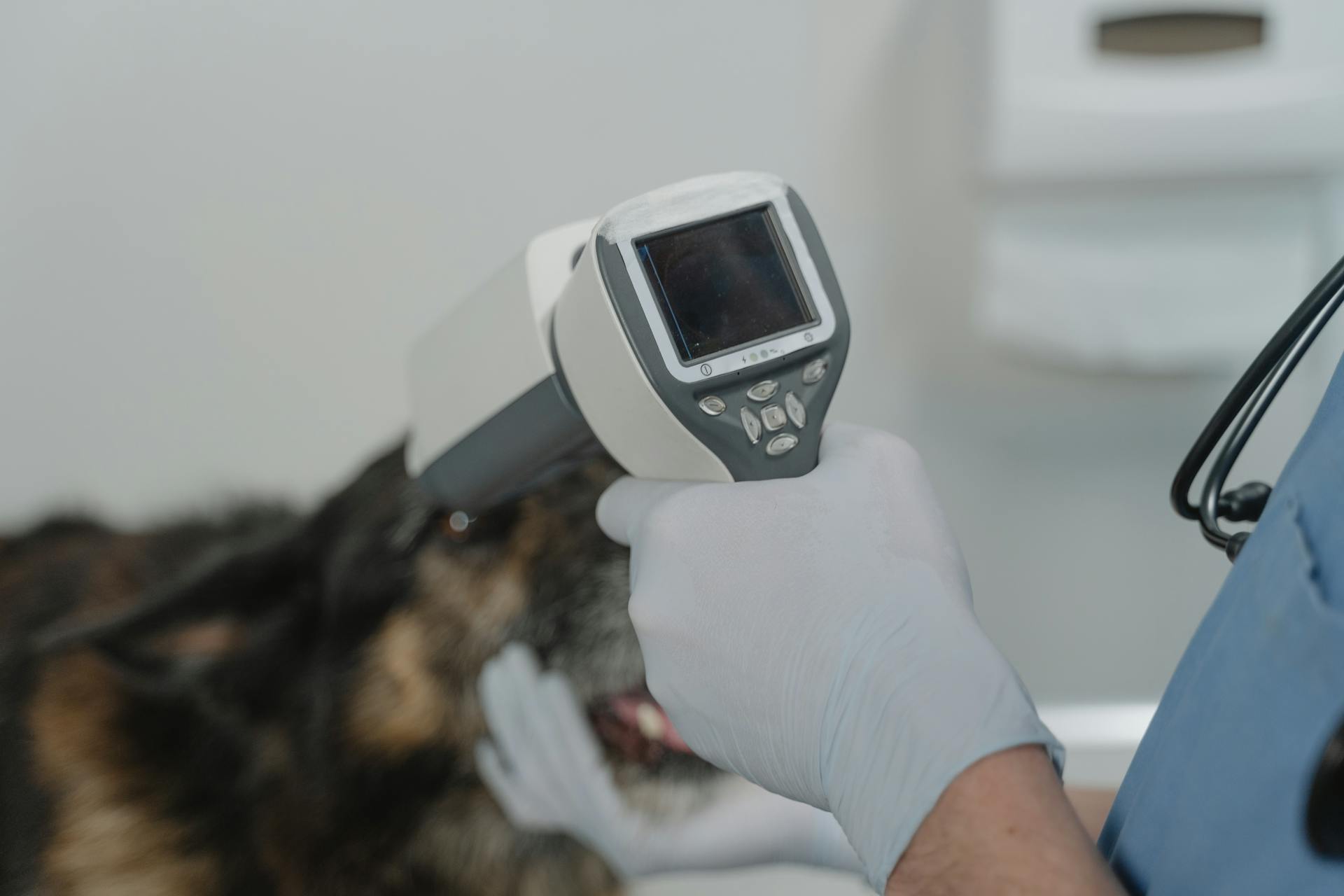
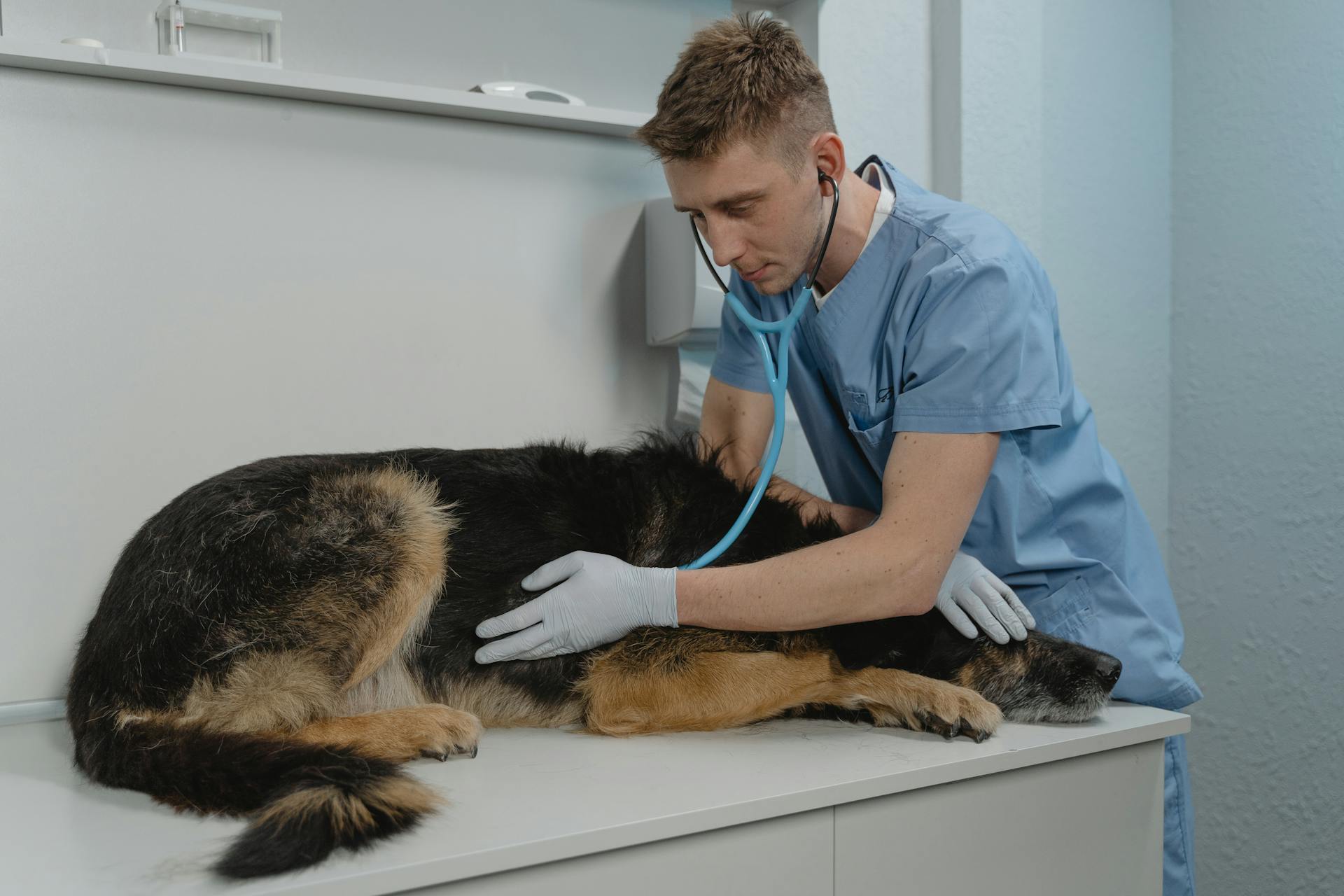
A thorough physical exam is the first step in diagnosing pancreatitis, as veterinarians will look for signs of abdominal pain, vomiting, and dehydration.
Blood tests, including bloodwork and tests for pancreatic enzymes, can help confirm the diagnosis. However, these tests are not always accurate and may require treatment based on symptoms alone.
Ultrasound is often the best diagnostic tool for determining if your pet has signs of pancreatitis.
A veterinarian may also recommend radiographs and ultrasound to rule out other health conditions with similar symptoms.
In some cases, surgery may be necessary to obtain a definitive diagnosis through biopsy or to treat complications of pancreatitis.
Here are some common diagnostic tests used to diagnose pancreatitis in dogs:
- Ultrasound: to determine if your pet has signs of pancreatitis
- Bloodwork: to measure blood cells, blood sugar, electrolytes, and organ function parameters
- Blood tests: for pancreatic enzymes, such as canine pancreatic lipase immunoreactivity (cPLI)
- Radiographs and Ultrasound: to rule out other conditions
- Surgery: to obtain a definitive diagnosis through biopsy or to treat complications
Diagnosis and Treatment
Diagnosis of pancreatitis in Shih Tzus can be tricky, but veterinarians will often begin treatment based on clinical signs alone. A thorough physical exam and diagnostic testing are still important to rule out other health conditions with similar symptoms.
Veterinarians may perform a range of diagnostic tests, including ultrasound, which is often the best diagnostic tool to determine if your Shih Tzu has signs of pancreatitis. Bloodwork is also important to rule out other conditions and check for abnormalities in electrolytes and other parameters.
Blood tests for pancreatic enzymes can help diagnose pancreatitis, but even these tests might not be accurate in all dogs. A negative test makes it very unlikely that your dog has pancreatitis, but not impossible.
Treatment of pancreatitis in Shih Tzus often requires hospitalization for several days, during which supportive care measures are implemented. This may include IV fluids to maintain hydration and electrolyte balance, pain management, and medications to help with nausea, vomiting, and diarrhea.
Nutritional support is also crucial, and pups who don't start eating on their own in a timely manner may benefit from a feeding tube or intravenous nutrition. In the short term, a bland diet such as plain white meat chicken or low-fat cottage cheese with plain rice may be recommended.
Common Diagnostic Tests for Pancreatitis
A special digestive or low-fat diet may be recommended for Shih Tzus with pancreatitis, and in the long term, a change to a specific type of dog food may be needed.
Prevention and Management
Prevention is key when it comes to pancreatitis in shih tzus. To reduce the risk of pancreatitis and prevent its recurrence or flare-ups, it's essential to choose the right diet for your furry friend. Feed a low-fat, highly digestible, nutritionally complete, and balanced dog food that's specifically formulated for your shih tzu's needs.
Table scraps are a big no-no, so make sure to keep fatty foods out of your dog's reach. Consider investing in a trash can that locks or is inaccessible to your dog to prevent dietary indiscretions. Your veterinarian can recommend a personalized diet and provide guidance on which treats are safe to offer.
To prevent pancreatitis, follow your veterinarian's recommendations and keep up with regular veterinary care, especially if your shih tzu has chronic pancreatitis. This may include monitoring via bloodwork rechecks and certain supplements or medications. By taking proactive measures and working closely with your veterinarian, you can help your shih tzu live a long and healthy life.
For another approach, see: How to Avoid Pancreatitis in Dogs
How to Prevent

Preventing pancreatitis in dogs is crucial to avoid a potentially life-threatening condition. Your dog's diet plays a significant role in pancreatitis prevention, so it's essential to choose the right food.
Feed a low-fat, highly digestible, nutritionally complete, and balanced dog food, as recommended by your vet. Many weight-loss dog foods and prescription digestive diets fall into this category.
Avoid feeding table scraps at all costs, as they can trigger pancreatitis in dogs. Make sure all members of the home know to keep fatty foods out of your furkid's reach.
Preventing dietary indiscretions is also key. Take precautions, such as having a trash can that locks or is inaccessible to your dog. This will help keep your dog from getting into fatty foods or other treats that can cause pancreatitis.
To prevent pancreatitis flare-ups, follow your vet's recommendations for management and monitoring. This may include regular bloodwork rechecks and certain supplements or medications.
A different take: Foods That Cause Pancreatitis in Dogs

Here's a quick rundown of the essential tips to prevent pancreatitis in dogs:
Can Supplements Prevent or Manage?
Supplements can play a helpful role in managing pancreatitis in dogs, but it's essential to remember that they shouldn't replace veterinary intervention. Some vets believe that digestive enzyme supplements with pancreatin can reduce the work of the pancreas and inhibit pancreatic secretion, which may be beneficial for some dogs.
When it comes to choosing a supplement, consult with your veterinarian before offering any to your pet. They can help you determine the best course of action and recommend a suitable supplement.
Fish oil, which may seem counterintuitive due to its high fat content, can actually help lower blood lipid levels in dogs with acute pancreatitis. Studies suggest a high level of fish oil (about 1,000 mg per 10 pounds of body weight for dogs with high lipid levels) can be beneficial.
Here are some key things to remember when using supplements:
- Always consult with your veterinarian before offering any supplements to your pet.
- Follow the recommended dosage and schedule for any supplements prescribed by your veterinarian.
- Monitor your dog's condition and adjust the supplement regimen as needed.
In some cases, supplements may not be enough to manage pancreatitis, and a more comprehensive treatment plan may be necessary. Working closely with your veterinarian will help you determine the best course of action for your dog's specific needs.
Can Chronic Conditions Be Cured?

Chronic conditions can't always be cured, but their progression can be slowed or managed with proactive efforts.
Some diseases, like chronic pancreatitis in dogs, are ongoing and progressive, meaning their symptoms will continue to develop over time.
While a cure may not be possible, making lifestyle modifications can help manage the condition.
For example, dietary changes can help slow the progression of chronic pancreatitis in dogs.
You might like: Chronic Pancreatitis Dogs
Complications and Prognosis
Many Shih Tzus will fully recover from pancreatitis and live normal, happy lives, but the risk of another bout remains high.
Prognosis depends on the severity of the pancreatitis, presence of complications, and how soon treatment is initiated.
Most dogs with mild pancreatitis recover without long-term consequences.
However, severe episodes or repeated bouts can lead to future complications, such as diabetes mellitus due to impaired insulin production.
Damage to the pancreas can also cause exocrine pancreatic insufficiency (EPI), which requires supplementation of digestive enzymes.
Early intervention is crucial in mitigating the potential long-term impacts of pancreatitis on a Shih Tzu's health.
For another approach, see: How Long Does Pancreatitis Last in Dogs
Potential Complications

Dogs with chronic pancreatitis can suffer from long-term episodes of varying degrees of severity.
Collateral damage to nearby organs can occur, such as a blocked bile duct from inflammation.
Damage to the pancreas can interfere with future functioning of the organ, potentially leading to diabetes mellitus due to impaired insulin production.
Diabetes mellitus requires daily insulin injections.
Alternatively, damage to the pancreas can cause exocrine pancreatic insufficiency (EPI), where there is insufficient production of pancreatic digestive enzymes.
EPI can be treated with supplementation of digestive enzymes, which can alleviate long-term digestive issues.
Many dogs who develop pancreatitis never experience complications, but the possibility of serious complications is a crucial reminder to seek veterinary care as soon as possible.
Early intervention remains a critical factor in mitigating the potential long-term impacts of pancreatitis on a dog's health.
Prognosis and Recovery
Recovering from pancreatitis is a hopeful prospect for many dogs. Most dogs with mild forms of pancreatitis recover without any long-term consequences.

The severity of pancreatitis plays a significant role in determining the prognosis. Severe episodes or repeated bouts of pancreatitis can lead to future complications.
Treatment timing is also crucial; the sooner treatment is initiated, the better the chances of a smooth recovery. A pup's response to initial treatment is another key factor in determining the prognosis.
Many dogs will fully recover and go on to live normal, happy lives.
For more insights, see: Pancreatitis in Dogs Treatment Cost
Understanding Pancreatitis
Pancreatitis in dogs is a common condition that affects the pancreas, causing inflammation and damage to the organ.
The pancreas plays a crucial role in producing hormones and digestive enzymes, but in cases of pancreatitis, these enzymes start digesting food before they reach the intestines, leading to self-digestion of the pancreas and potential harm to adjacent tissues.
Eating trash, table scraps, or other inappropriate food can be a risk factor for pancreatitis in dogs, and some breeds like Miniature Schnauzers, Yorkshire Terriers, and Cocker Spaniels are more prone to the condition.
You might like: Dog Food
Severe trauma or surgery can also lead to pancreatitis, and high blood levels of fats called triglycerides and excessive adrenal gland function are other risk factors.
The initial stages of pancreatitis involve a decrease in pancreatic juice secretion, followed by activation of enzymes inside the pancreas, which can cause damage and inflammation.
Common signs of pancreatitis in dogs include loss of appetite, vomiting, weakness, abdominal pain, dehydration, and diarrhea, with more severe cases potentially leading to organ failure.
A thorough history, including dietary indiscretions, combined with vomiting and abdominal pain, can suggest a diagnosis of pancreatitis, which is confirmed through blood tests, abdominal x-rays, ultrasound, or tissue biopsies of the pancreas.
Additional reading: Pain Relief for Pancreatitis in Dogs
Testing and Diagnosis
Diagnosing pancreatitis in Shih Tzus can be a bit tricky, but veterinarians use a combination of clinical signs, physical exams, and diagnostic testing to arrive at a diagnosis.
A thorough physical examination is crucial in identifying potential pancreatitis, including checking the dog's stomach, gums, heart, and temperature.
Blood tests, including measuring pancreatic enzymes, are also a key part of the diagnostic process. However, these tests can be non-specific, meaning they can indicate pancreatitis but also other health conditions.
Ultrasound is often considered the best diagnostic tool to determine if a Shih Tzu has signs of pancreatitis.
Diagnostic testing may also include radiographs and fine-needle aspiration of the pancreas, although surgery is typically reserved for complications of pancreatitis.
Here are some common diagnostic tests used to diagnose pancreatitis in Shih Tzus:
- Ultrasound
- Blood tests for pancreatic enzymes, including canine pancreatic lipase immunoreactivity (cPLI)
- Radiographs
- Ultrasound
- Surgery (rarely necessary)
It's worth noting that no diagnostic test is 100% sensitive or specific, and a diagnosis should be interpreted in conjunction with the dog's signalment, history, physical examination, CBC and serum biochemistry results, and abdominal ultrasonography findings.
Featured Images: pexels.com