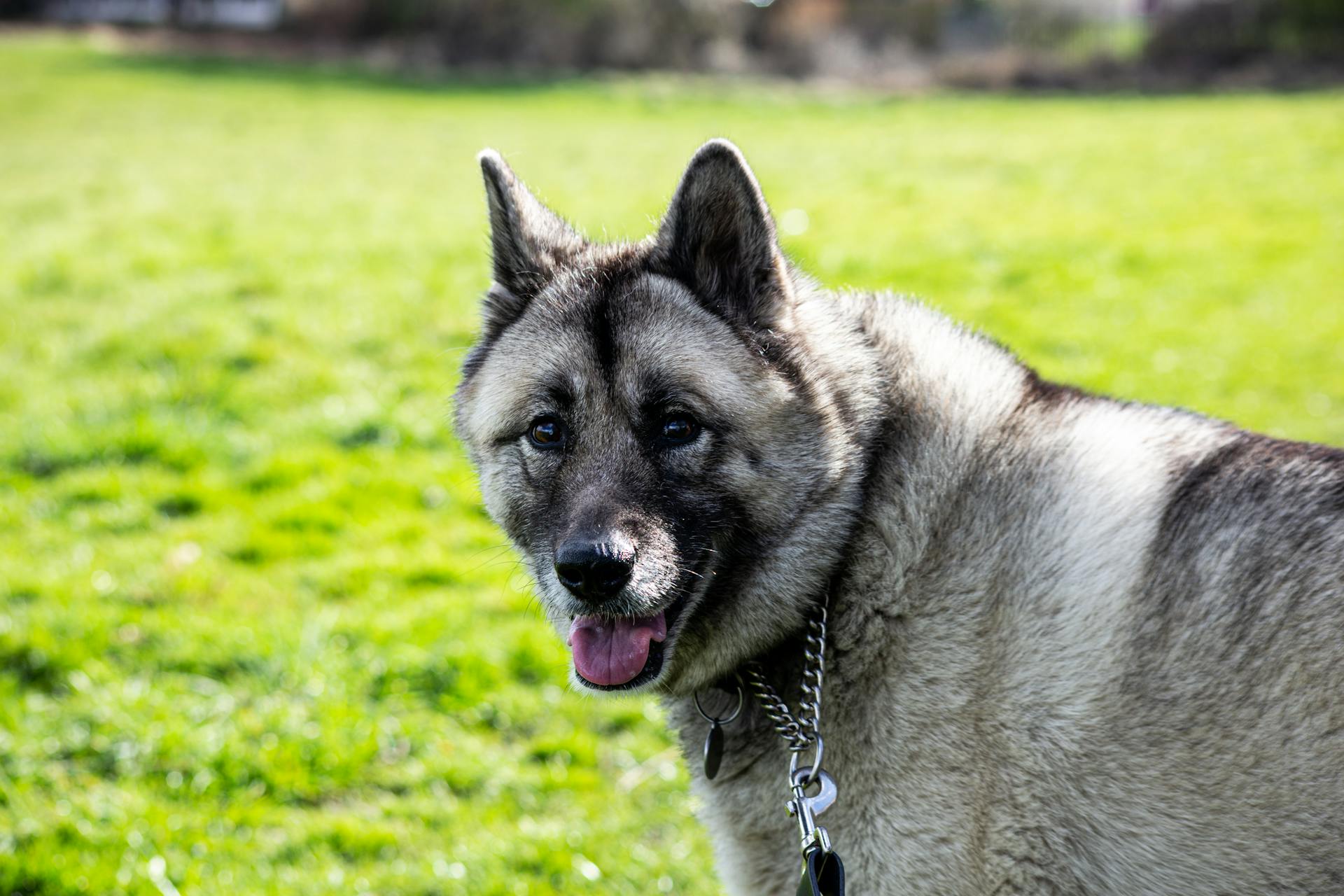
The Norwegian Elkhound is a relatively long-lived breed, with an average lifespan of 12-15 years. They are a robust and energetic dog that requires regular exercise and mental stimulation to prevent boredom and destructive behavior.
Norwegian Elkhounds are built for endurance and can thrive in cold climates, but they still need proper care to live a long and healthy life. A balanced diet and regular veterinary check-ups are essential to prevent health issues.
With proper care and attention, Norwegian Elkhounds can live well into their teens, making them a long-term companion for many families.
Norwegian Elkhound Lifespan
The Norwegian Elkhound lifespan is a topic worth exploring, especially if you're considering bringing one of these amazing dogs into your family. On average, they live to be about 12 to 15 years old.
Their robust health is one of the reasons why they're such a popular breed, but like all breeds, they're not immune to certain health issues. The most common issues with Norwegian Elkhounds are cancer and heart problems.
As a responsible dog owner, it's essential to be aware of the potential health concerns that may arise. The national breed club for Norwegian Elkhounds recommends that breeders conduct hip and ophthalmologist evaluations to ensure the health of their puppies.
Some common health issues that can affect Norwegian Elkhounds include Fanconi syndrome, progressive retinal atrophy, glaucoma, and hypothyroidism. Obesity and patellar luxation are also concerns that can arise if your dog doesn't get enough exercise or if they're prone to overeating.
Here are some of the most common health issues that can affect Norwegian Elkhounds:
- Fanconi syndrome (kidney disorder)
- Progressive retinal atrophy (eye disease)
- Glaucoma
- Hypothyroidism
- Sebaceous cysts under the skin
- Obesity
- Patellar luxation
- Hip dysplasia
- Chondrodysplasia (skeletal disease)
- Hereditary ataxia (neurologic disorder)
Regular check-ups with your vet are crucial in helping catch, treat, or prevent these health problems. By staying on top of your dog's health, you can help ensure they live a long, happy, and healthy life.
On a similar theme: Norwegian Elkhound Health Issues
Health Concerns
The Norwegian Elkhound is a robust and healthy breed, but like all breeds, it's not immune to health concerns. Generally, they can live up to 12 to 14 years with proper care.
Hip and elbow dysplasia are two common skeletal diseases seen in Norwegian Elkhounds. These diseases can lead to joint instability, pain, and lameness if left untreated.
Obesity is another concern in this breed, and it's essential to maintain a healthy weight through regular exercise and a balanced diet. I've seen many dogs suffer from obesity, and it's a preventable condition.
Hypothyroidism is a condition where the thyroid gland doesn't produce enough hormones, leading to weight changes, lethargy, and skin issues. It's a manageable condition with synthetic hormone medication.
Fanconi syndrome, a kidney disorder, and progressive retinal atrophy, an eye disease, are also potential health issues in Norwegian Elkhounds. Regular check-ups with a vet can help identify these conditions early on.
Here are some common health concerns in Norwegian Elkhounds:
- Hip and elbow dysplasia
- Obesity
- Hypothyroidism
- Sebaceous cysts
- Fanconi syndrome
- Eye concerns
Caring for Elkhounds
Caring for Elkhounds requires some effort, but it's worth it. Norwegian Elkhounds are active dogs that need about 30 minutes of exercise twice daily to stay happy and healthy.
To keep them active, it's essential to have a fenced yard and live in a cold climate. If you don't, they can become destructive and bark loudly due to boredom.
To prevent this, make sure to train your Elkhound early on, as first-time pet parents may find it challenging. Crate training can be a lifesaver when you're away from home. Use positive reinforcement methods and be consistent with training from an early age.
Here are some essential grooming tasks to keep your Elkhound's coat looking its best:
- Brush the coat daily, if possible
- Schedule de-shedding sessions with a groomer
- Brush teeth daily
- Check ears for wax, redness, debris, and odor
Nutrition and Diet
Elkhounds are active dogs that require a balanced diet to maintain their health. They need a high-quality dog food that is rich in protein.
Elkhounds are prone to hip dysplasia, so it's essential to feed them a food that's easy on their joints. This can help reduce the risk of joint problems later in life.
Elkhounds need regular exercise to stay healthy, and feeding them a diet that supports their energy needs is crucial. A diet rich in protein can help support their muscle health.
Elkhounds are sensitive to certain ingredients, including onions and garlic, which can cause anemia. They should be avoided in their diet.
Elkhounds have a thick coat that requires regular grooming, but their diet also plays a role in their coat health. A diet rich in omega-3 fatty acids can help promote a healthy coat.
Elkhounds are prone to obesity, so it's essential to monitor their food intake and ensure they're not overeating. This can help prevent weight-related health problems.
Exercise and Training
Elkhounds are a high-energy breed that requires regular exercise to stay happy and healthy. They need at least 30 minutes of exercise per day, which can include walks, runs, and playtime in the yard.
To prevent joint problems, Elkhounds should avoid high-impact activities like jumping and running on hard surfaces. Instead, opt for low-impact exercises like swimming or short walks on grass.
Elkhounds are intelligent dogs that thrive on mental stimulation, making training a crucial part of their care. They respond well to positive reinforcement training methods that use treats and praise.
Elkhounds are naturally wary of strangers and may require extra training to become confident in new situations. Socialization from an early age is key to helping them develop good social skills.
As with any breed, consistency and patience are essential when training an Elkhound. They can be stubborn at times, but with positive reinforcement and clear boundaries, they will learn to obey commands.
Grooming and Hygiene
You'll want to brush your Elkhound's coat daily, if possible, to prevent matting and tangling. This will also help reduce shedding.
Expect a lot of shedding from your Elkhound, especially during seasonal blowouts.
To keep your Elkhound's teeth clean, brush them daily. This will help prevent tartar buildup and promote good oral health.
Regular ear checks are a must to prevent infections. Check for wax, redness, debris, and odor.
Here are some grooming tips to keep in mind:
- Brush the coat daily, if possible
- Schedule de-shedding sessions with a groomer
- Brush teeth daily
- Check ears for wax, redness, debris, and odor
Frequently Asked Questions
How old is the oldest Norwegian Elkhound?
The oldest known Norwegian Elkhound is estimated to be around 6,000 to 7,000 years old, based on archaeological discoveries in Norway. This ancient breed has remained relatively unchanged for millennia, with evidence of its existence found in Viking burials.
Featured Images: pexels.com